
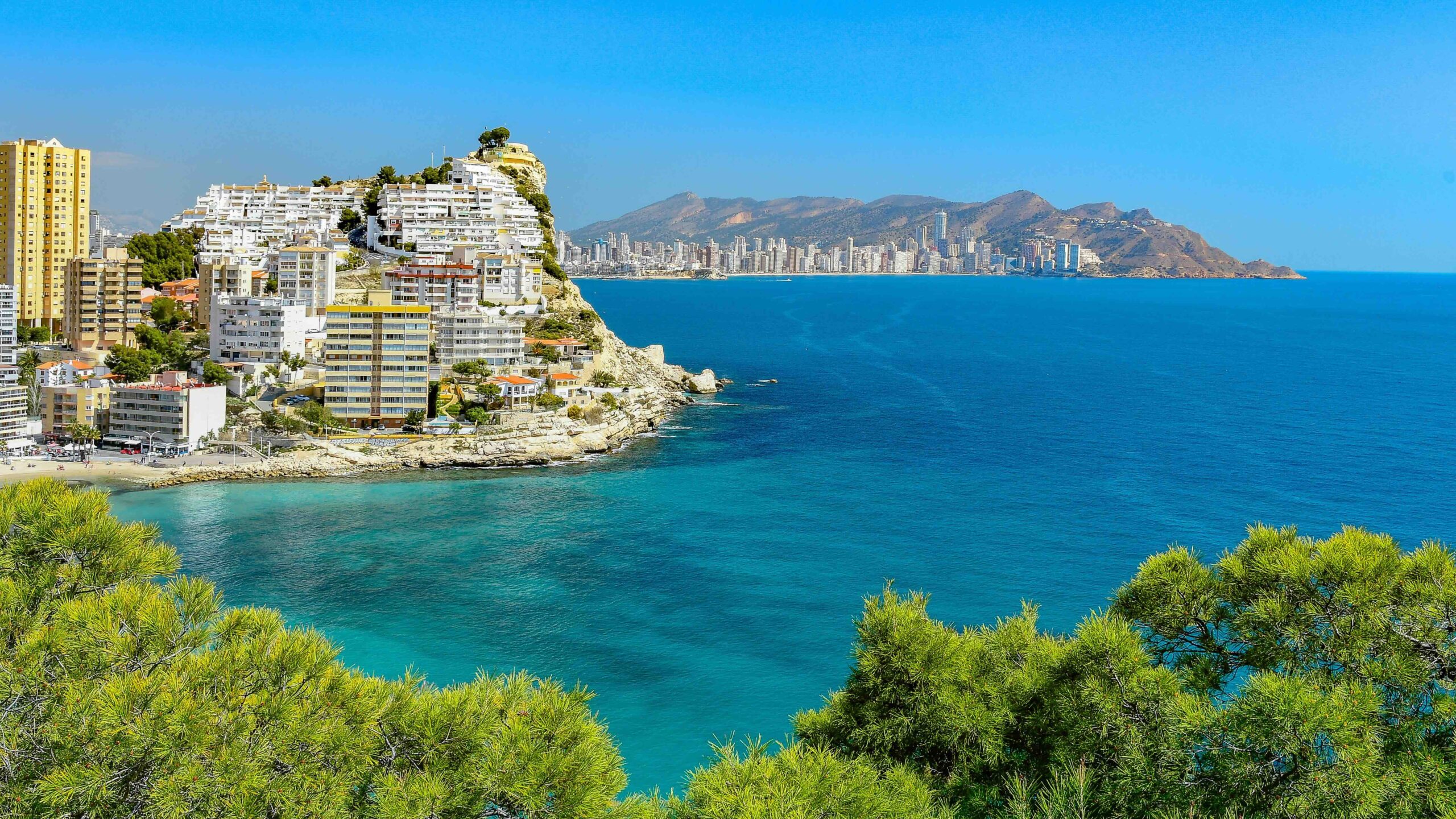
The best time to visit Spain in 2026 is spring, from late April into May, or fall, from September through October. Both windows land in what travelers call the shoulder season: warm days, manageable crowds, and hotel rates well below their summer peak. The rest of this guide breaks that down by region and by the kind of trip you have in mind, because Spain is large enough that the right month in Seville is the wrong month in San Sebastián.
The case against August is worth stating plainly. It is the single most expensive, most crowded, and hottest month on the calendar, with southern cities pushing past 104°F (40°C) while much of the country goes on holiday and shuts down. Before booking anything, it helps to see the whole year at once.
The 2026 Spain Season Planner at a Glance
2026 estimates reflect publicly listed rates for centrally located 3- to 4-star hotels at the time of writing. Verify directly before booking, since prices swing sharply by city, event, and demand.
Season | Crowds | Hotels (per night) | Weather (Madrid and south) | Best for |
|---|---|---|---|---|
Spring (Apr–May) | Moderate | $150–$200 | Ideal, 68°F to 77°F (20°C to 25°C) | Cultural festivals, orange blossom, walking |
Summer (Jun–Aug) | Very high | $250–$400+ | Hot, 95°F to 104°F (35°C to 40°C) | Island beaches (Canaries, Ibiza), nightlife |
Fall (Sep–Oct) | Easing | $150–$200 | Warm, 72°F to 79°F (22°C to 26°C) | Wine harvest, food, fewer lines |
Winter (Nov–Mar) | Very low | $80–$120 | Cold, 41°F to 59°F (5°C to 15°C) | Skiing, budget trips, Canary sun |
Best Time to Visit Spain by Region
Spain does not have one climate; it has several. A single national recommendation hides the fact that the north stays green and mild while the south bakes, so the smarter approach is to match your destination to the calendar.
Andalusia and the South: Seville, Granada, Córdoba
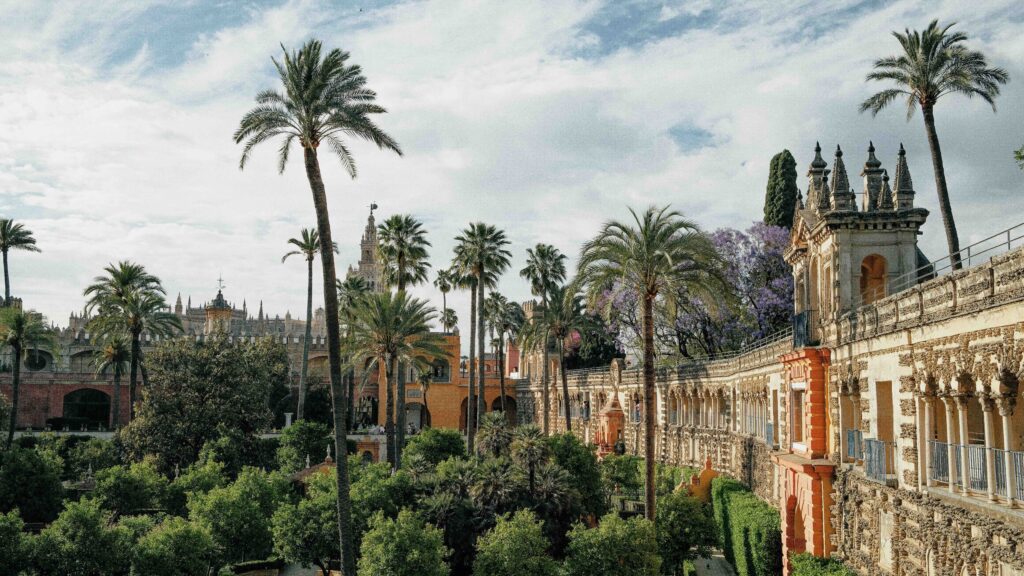
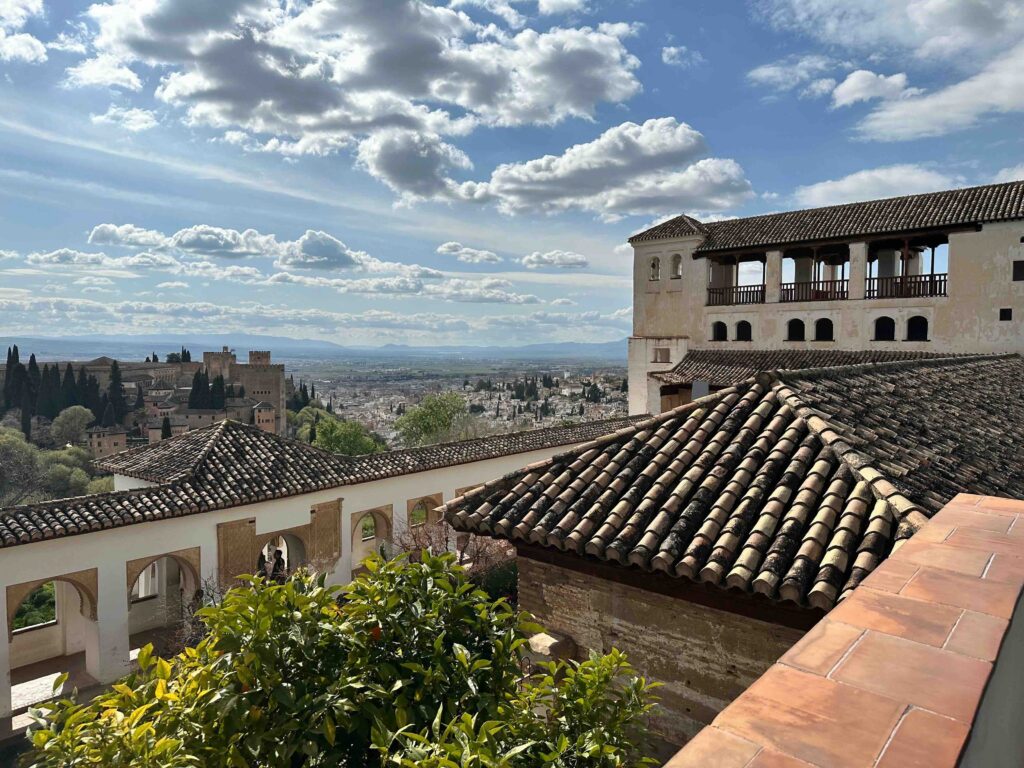
The south has some of the harshest summer heat in Europe, with Seville and Córdoba regularly climbing past 104°F (40°C) in July and August. Seville takes this seriously enough that in 2022 it became the first city in the world to name and rank heat waves the way other places name storms.
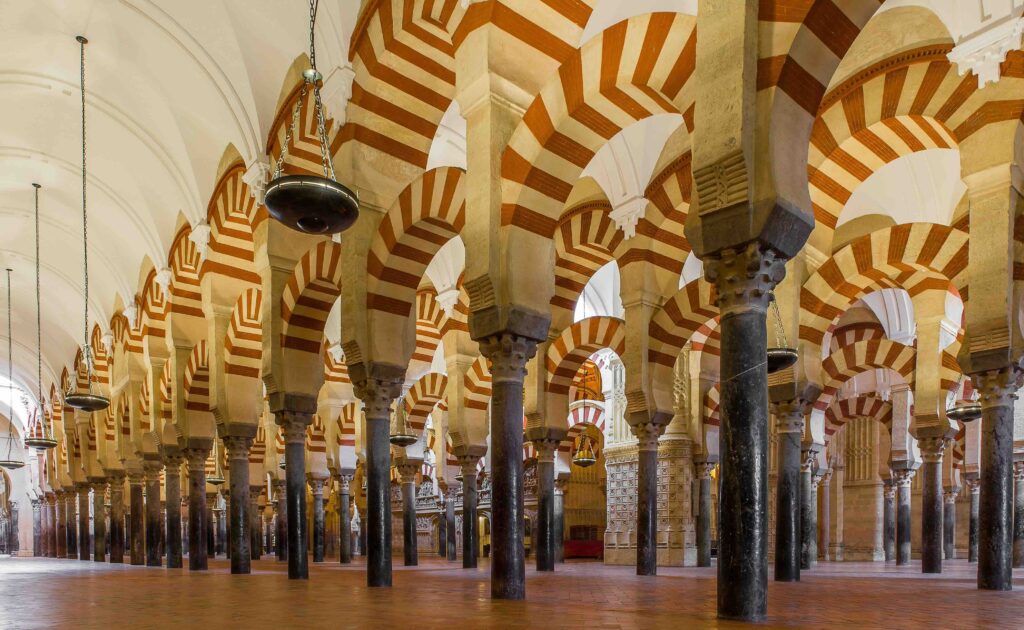
Aim instead for April and May, when the weather sits comfortably in the 70s°F (low 20s°C), orange blossom scents the streets of Seville, and it is cool enough to explore the Alcázar, the Alhambra in Granada, and the great Mezquita of Córdoba on foot. September and October work almost as well once the worst heat breaks. Skip August unless you are prepared for both the temperature and the sight of shuttered shops whose owners have left for the coast.
Madrid and Central Spain
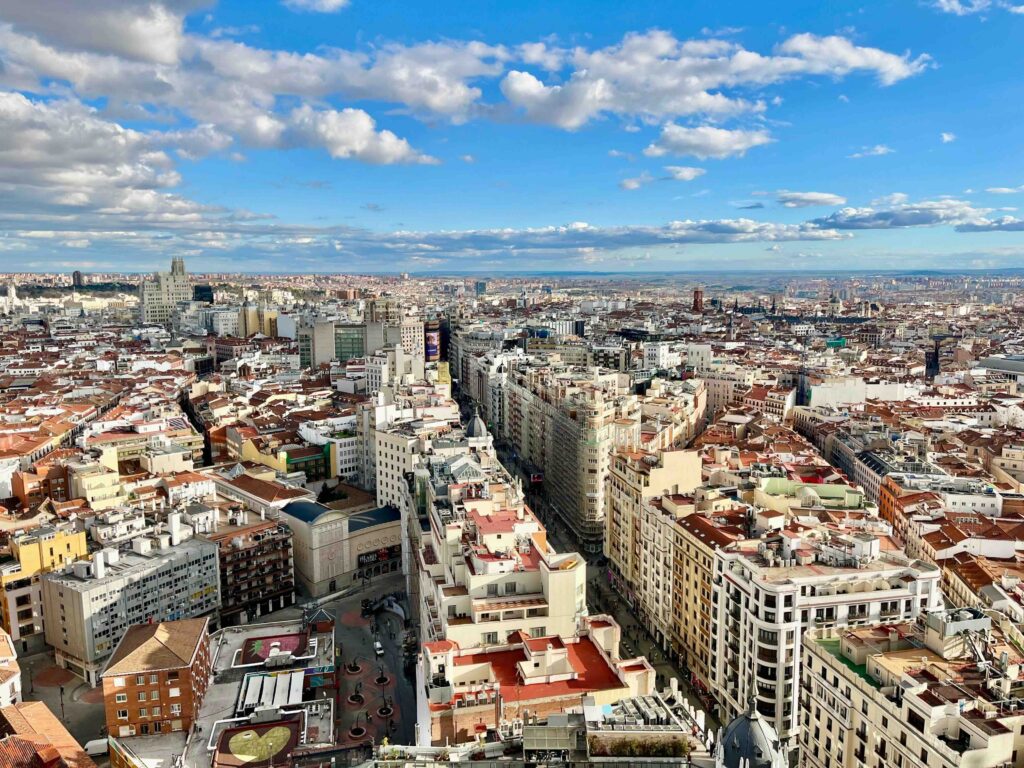
Madrid sits on a high plateau at roughly 2,200 feet, which gives it the extremes captured in the old local saying: 9 months of winter and 3 months of hell. Winter nights drop close to 32°F (0°C) and summer afternoons climb above 95°F (35°C). May, September, and October are the sweet spots, when mild, sunny days are made for lingering over coffee outdoors and working through the Prado without wilting. The elevation also means clear light and cool evenings even in the warmer shoulder weeks.
Barcelona and the Mediterranean Coast

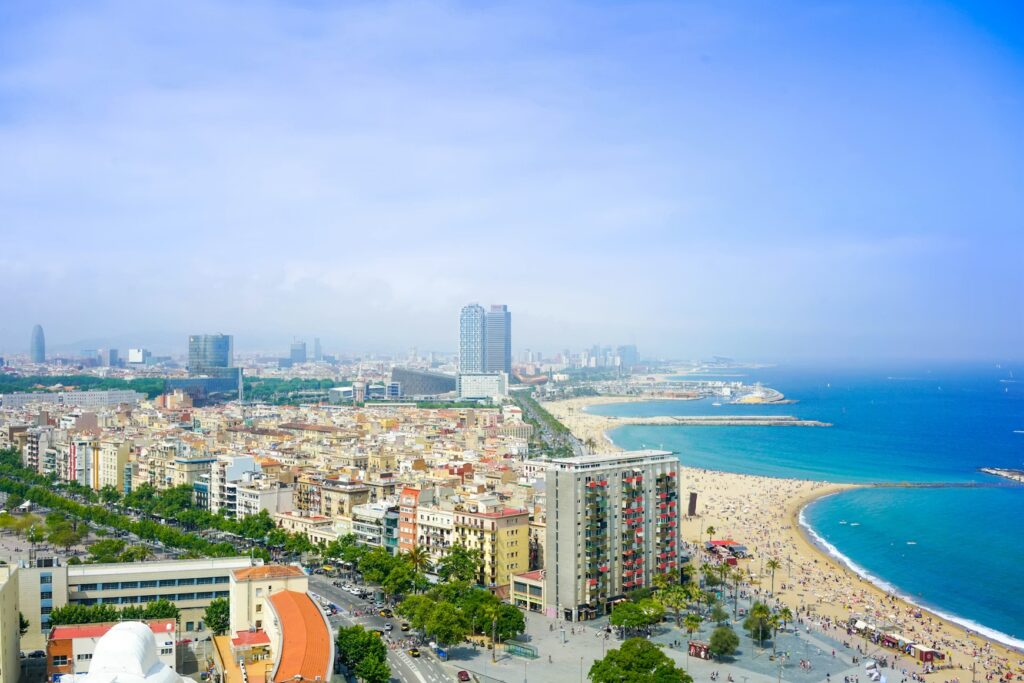
The eastern coast is tempered by a sea breeze that softens the heat, though it trades that for higher humidity. The best stretch runs from late May into early July, plus September. June is arguably the finest month, since the water is finally warm enough to swim but the beaches have not yet filled to the August crush. September brings La Mercè, Barcelona’s largest festival, with human towers and fire runs through the streets. Weather and crowds shift a great deal month to month here, so if a festival or a cheap flight is driving your dates, it is worth reading a dedicated Barcelona timing guide before you commit.
The Basque Country, Galicia, and Green Spain
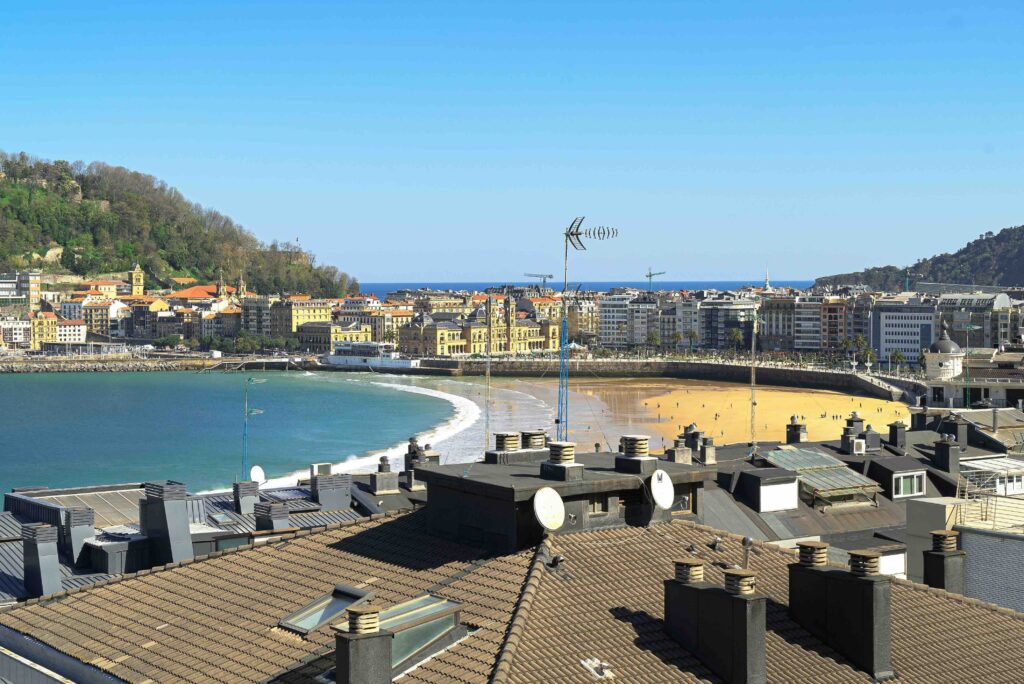
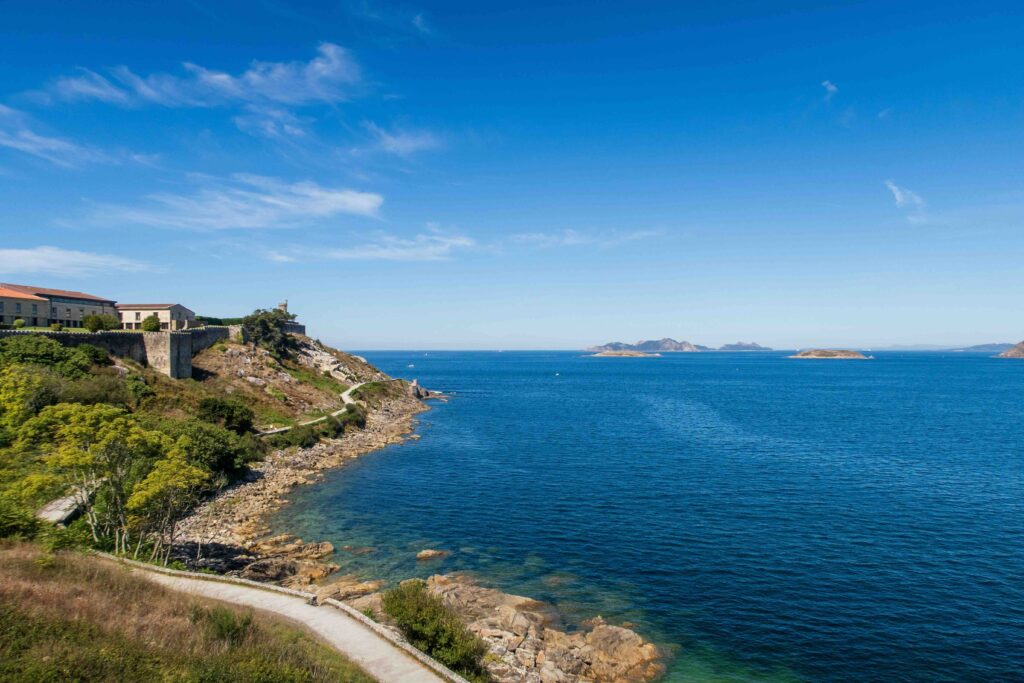
The north is the mirror image of the arid south, lush and green thanks to rain that falls all year. Counterintuitively, July and August are the best months to go, precisely when the rest of the country is unbearable. While Madrid and Seville bake, San Sebastián and the Galician coast hold a comfortable 72°F to 77°F (22°C to 25°C), ideal for walking a stretch of the Camino de Santiago or eating your way through the Basque coast. San Sebastián alone carries one of the highest concentrations of Michelin stars per capita anywhere in the world, which makes the summer trip as much about the table as the weather.
The Islands: Balearics and Canaries
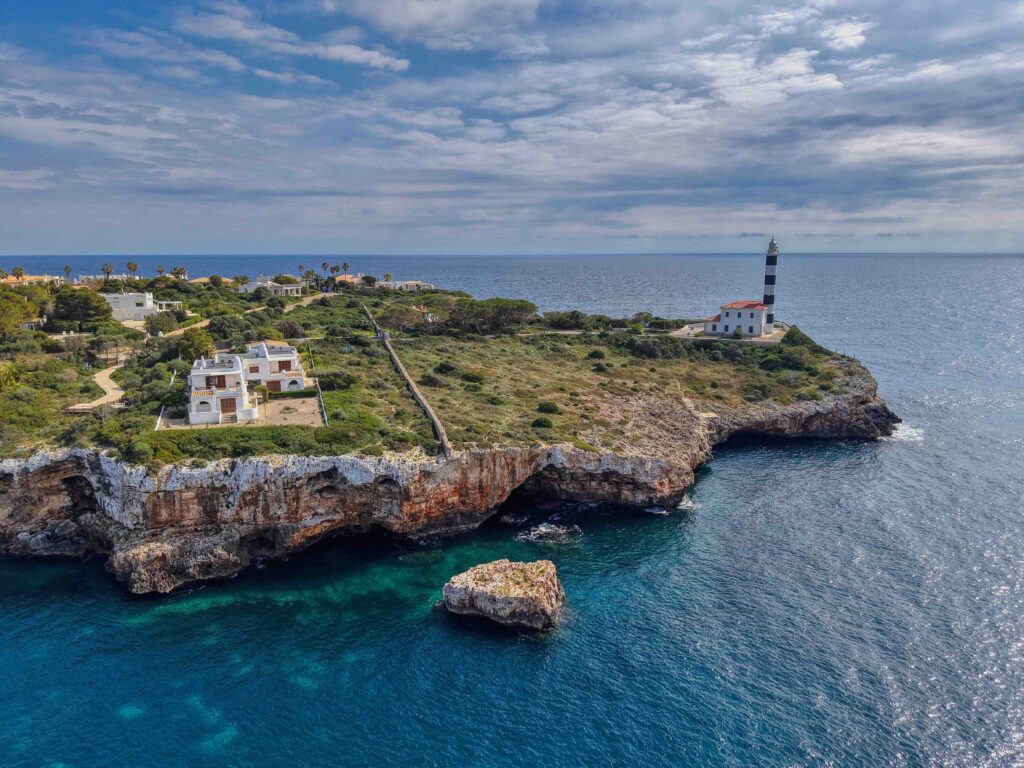
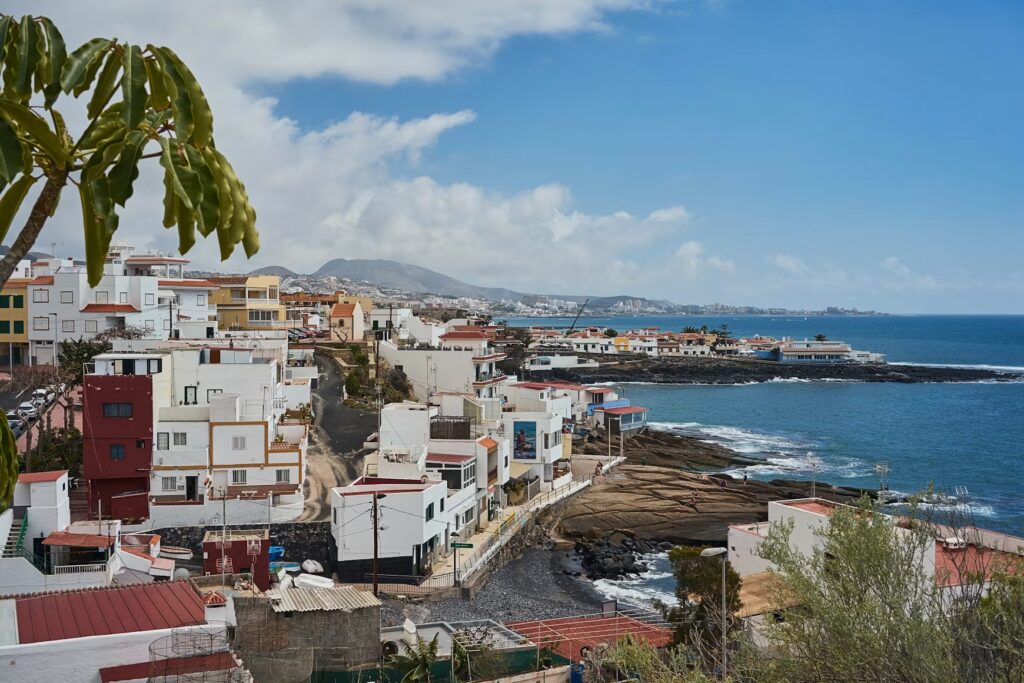
The 2 island groups run on different clocks. In the Balearics, Ibiza and Mallorca peak from June through September for beaches and nightlife, then go quiet in winter when many hotels close. The Canary Islands are the outlier: sitting closer to the coast of Africa (about 60 miles) than to mainland Spain (over 600 miles), they enjoy what locals call eternal spring, holding a steady 68°F to 72°F (20°C to 22°C). That makes December through March the ideal window for winter sun, and the archipelago is also home to Teide, at 12,198 feet the highest peak in all of Spain.
When Is the Best Time to Go to Spain for Your Kind of Trip
Beyond the region, the best time to go to Spain depends on why you are going. The same September that thrills a wine traveler frustrates a beach-goer who arrives to find the sea cooling and the clubs winding down.
Budget Travelers and Backpackers
The cheapest stretch runs from late January into early March, plus November, once you subtract the Christmas weeks and Semana Santa. Flights, both within Europe and from the US, can fall 40% to 50% below summer prices, and central hotels in Barcelona or Madrid regularly dip under $100 a night. The trade-off is short daylight and cool weather, but for anyone counting costs, the savings are substantial.
Food and Wine Enthusiasts
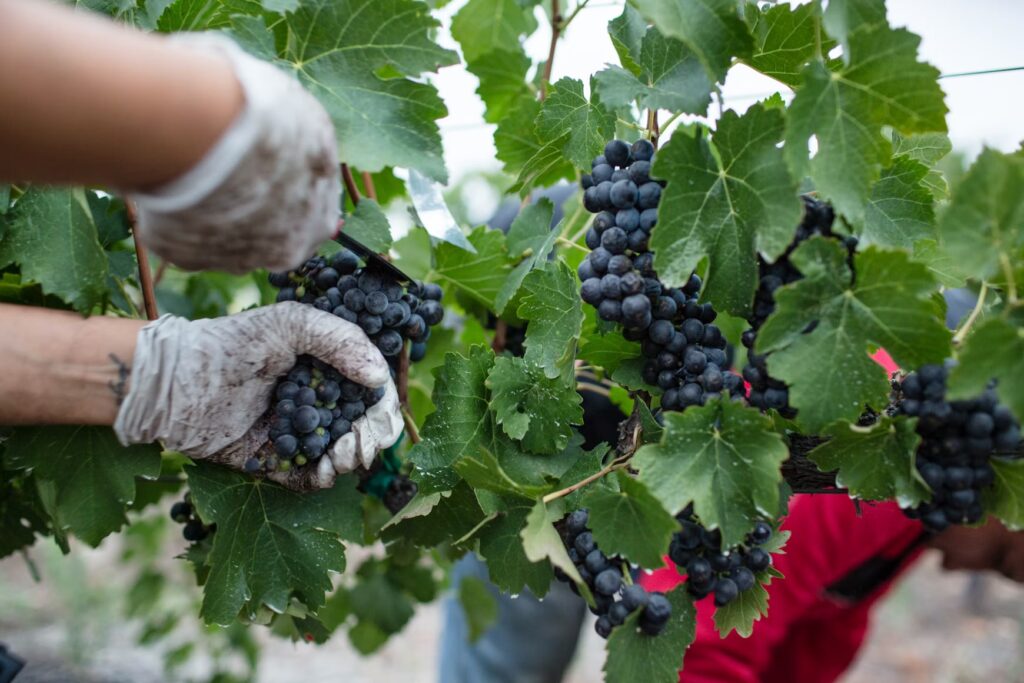
Fall is the season here, particularly September and October. The grape harvest, the vendimia, is in full swing across La Rioja and Ribera del Duero in September, and by October and November the Basque Country turns to wild mushrooms such as porcini. It is the most rewarding time to eat and drink your way through the country, and a good moment to plan around regional Spanish cuisine rather than a single city.
Beaches, Islands, and Nightlife
The window is late June through mid-September, with July and August the absolute peak, when the Mediterranean reaches around 77°F to 79°F (25°C to 26°C). This is when Ibiza’s clubs run at full tilt, though you should budget roughly double what the shoulder season costs. If you are locked into summer dates but dislike the crowds of the commercial resorts, it is worth seeking out quieter Spanish beaches away from the main strips.
Sightseeing, Museums, and Culture
Spring, especially April and May, is built for sightseeing. Standing in a 2-hour line outside the Sagrada Família under 104°F (40°C) heat is its own kind of misery, whereas spring holds a walkable 64°F to 73°F (18°C to 23°C) for the long, 20,000-step days that Spanish cities invite. There is an added reason to visit in 2026: the Sagrada Família is expected to complete its central tower, making the basilica the tallest church in the world after nearly a century and a half of construction.
Skiing and Winter Sports
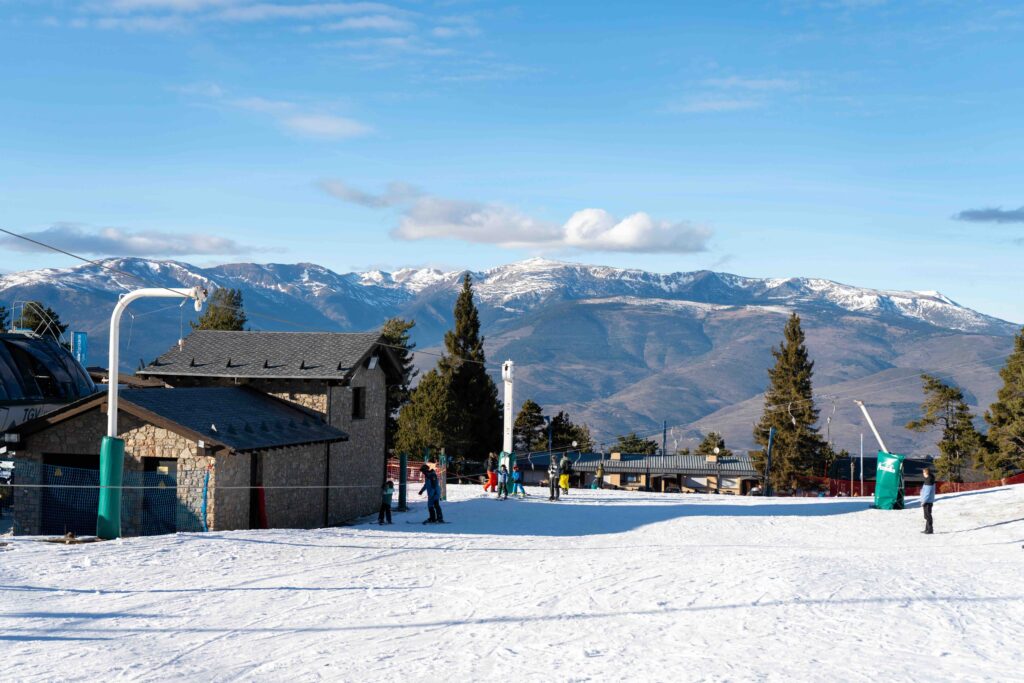
Few foreign travelers realize Spain is a serious ski destination. From late December through March, the Pyrenees along the French border and the Sierra Nevada above Granada offer good snow at prices well below the Alps. The Sierra Nevada is one of the most southerly resorts in Europe, close enough to the coast that you can ski in the morning and reach Costa del Sol beach the same afternoon.
The 2026 Spain Festival Calendar

Spain’s festivals can define a trip, or wreck the budget of anyone who books blind into one. The table below covers the events most likely to affect your dates and prices in 2026.
Dates (2026) | Festival | Where | Worth knowing |
|---|---|---|---|
Mar 15–19 | Las Fallas | Valencia | Giant sculptures (ninots) are burned in the streets; rooms triple in price, so book 4 to 6 months ahead |
Late Mar–early Apr | Semana Santa | Nationwide | Holy Week processions, grandest in Seville and Málaga; expect heavy crowds across the south |
April | Feria de Abril | Seville | 2 weeks after Semana Santa; a week of flamenco, traditional dress, and sherry in decorated tents |
Jul 6–14 | San Fermín | Pamplona | The running of the bulls; safe viewing balconies rent for several hundred dollars and sell out early |
Last Wed of Aug | La Tomatina | Buñol | The world’s largest tomato fight; official tickets are limited and must be bought in advance |
The 3 Months to Avoid in Spain (and Why)
August: Peak Heat and Closed Shutters
August is when all of Europe takes its holiday at once, and Spain delivers a double blow. Southern cities such as Seville and Córdoba routinely break 104°F (40°C), and at the same time locals empty out under the custom of “Cerrado por Vacaciones,” closing their businesses and leaving the hot inland cities for the sea. The result is a strange mix: major cities drained of residents but packed with sweating tourists paying peak prices.
January and February: Short, Grey Days
Outside the Canary Islands, most of mainland Spain in deep winter is quiet and grey. Days are short, with the sun setting shortly before 6 p.m., the north sees steady drizzle, and central Madrid turns cold and windy. Part of this feels stranger than the latitude suggests because Spain runs on Central European Time despite sitting as far west as the UK, a legacy of a decision made in the 1940s to align its clocks with the rest of the continent. That quirk is also why Spaniards eat and go out so late.
If you are picturing sun-drenched terraces in a summer dress, these 2 months are the biggest mistake you can make, unless you are heading to the slopes. For a wider view of logistics, from rail passes to tipping customs, a general first-trip planning guide is a useful companion once your dates are set.
Frequently Asked Questions
What is the cheapest month to go to Spain?
January, February, and November are the least expensive. Flights and hotel rooms can run up to 50% below the summer peak, which adds up to real savings on a longer trip, as long as you avoid the Christmas and Semana Santa weeks.
Is September a good time to visit Spain?
September is one of the finest months of the year. The Mediterranean is still warm enough to swim, temperatures inland have eased from their August extremes, and the vineyards move into harvest, so it suits beach-goers and food travelers alike.
When is the rainy season in Spain?
Spain has no tropical-style rainy season, but the north, including the Basque Country and Galicia, sees rain throughout the year. For the rest of the country, October and November tend to bring the heaviest rainfall.
Is it too hot to visit Spain in August?
Often, yes, especially in the center and south, where Andalusia regularly hits 104°F (40°C). If you must travel in August, head for the cooler north, such as San Sebastián or the Galician coast, where the heat is far milder.
What is the shoulder season in Spain?
The shoulder season falls in April and May, and again in September and October. These months strike the best balance of pleasant weather, moderate crowds, and reasonable prices, which is why they consistently rank as the ideal time to travel.
Conclusion
Spain rewards travelers who plan around its contrasts rather than against them, from the snow of the Pyrenees to the sun of the Mediterranean, from the stillness of a summer siesta to festivals that run until dawn. If you want a comfortable, well-rounded 2026 trip with good weather, real local life, and fair prices, build your itinerary around spring, in May, or fall, in September and October.
The heat of August is best avoided unless your plan is to stay on the breezy islands, and deep winter suits only skiers and those chasing Canary sun. Beyond that, the best time to go to Spain comes down to your own priorities, and the season planner above is the fastest way to weigh them before you book.