
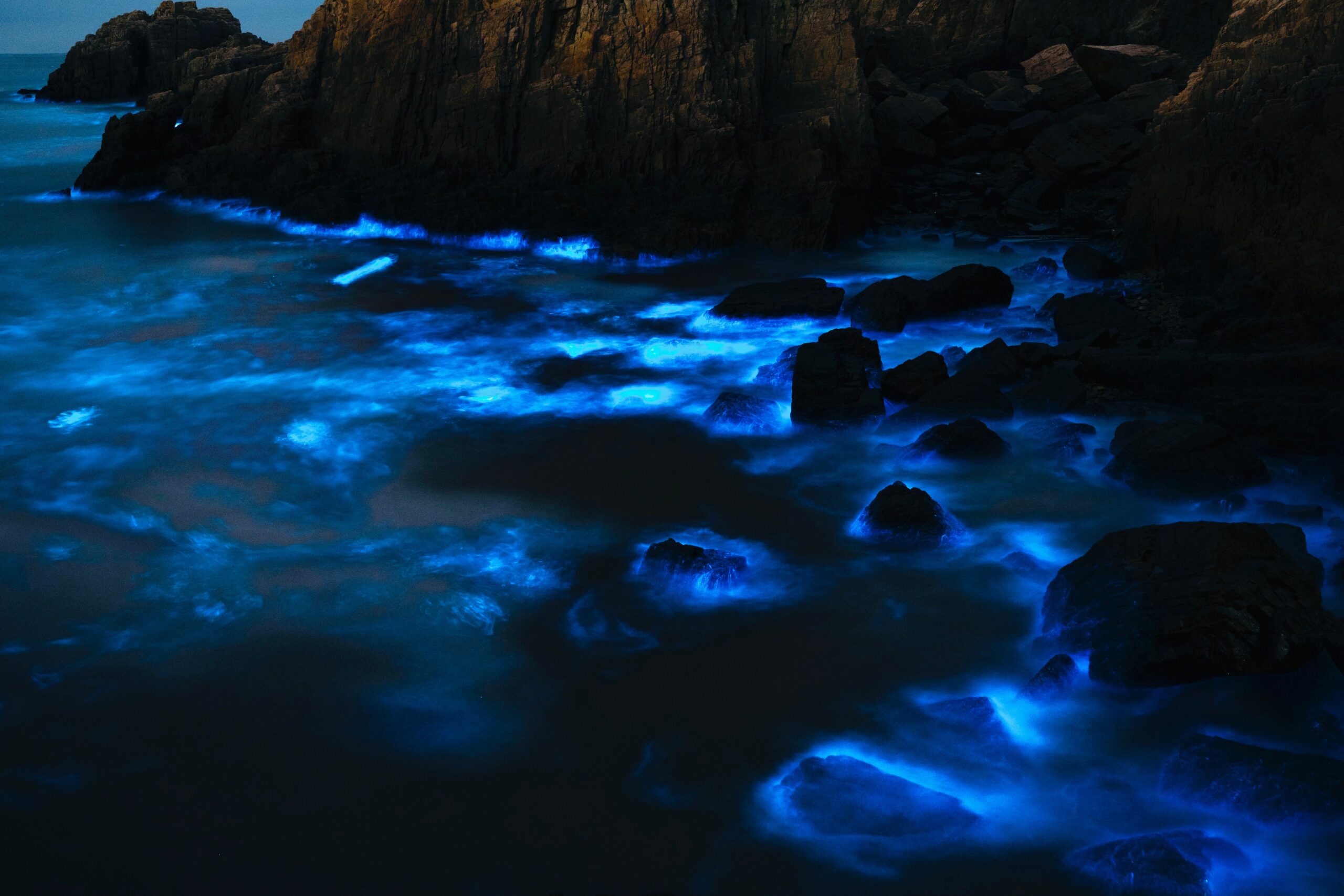
Watching the water light up under a breaking wave or a paddle stroke is one of the more surreal things you can see in nature, and it is also one of the least dependable. There is no switch. Plenty of travelers have booked flights and hotels around a glowing shoreline only to arrive on the wrong week, under a bright moon, and stand on a dark, ordinary beach. This guide lists the 11 best places to see bioluminescence in the US with that risk in mind, sorted less by hype than by how likely you actually are to see something in 2026.
The destinations below are organized around 3 practical questions: how reliably the glow appears, how easy it is to reach without special access, and what your realistic options are once you get there, from a free shore walk to a guided boat tour. Nothing here promises a guaranteed show, because no honest source can.
The 2026 Bioluminescence Matrix: Quick Compare
2026 estimates reflect publicly listed guided-tour rates at the time of writing. Verify directly with each operator before booking, since prices shift by location, season, and demand.
Location | Type | Reliability | Best Access | Est. 2026 Cost |
|---|---|---|---|---|
Mosquito Lagoon, FL | Ecological lagoon | Very high (summer) | Clear kayak tour | $60–$95 |
Mosquito Bay, Vieques, PR | Bioluminescent bay | Highest (year-round) | Electric-boat or kayak tour | $50–$100 |
Tomales Bay, CA | Saltwater bay | Moderate (fall) | Night kayak tour | $90–$150 |
Kona Coast, HI | Open ocean, manta snorkel | High (year-round) | Night snorkel | $120–$180 |
San Juan Island, WA | Cold-water bay | Moderate (summer/fall) | Night kayak tour | $90–$130 |
San Diego, CA | Red-tide beach | Low (unpredictable) | Shore walk (self-guided) | Free |
Cape Cod, MA | Public beach | Moderate (late summer) | Shore wading (self-guided) | Free |
Outer Banks, NC | Open beach | Low (summer) | Shore walk (self-guided) | Free |
Navarre Beach, FL | Bay and shore | Low (summer) | Self-guided kayak or SUP | Free |
Manasquan, NJ | Public beach | Very low (fall) | Shore viewing (self-guided) | Free |
Gulf Coast, AL | Gulf shore | Very low (summer) | Shore viewing (self-guided) | Free |
Tier 1: The High-Reliability Spots (Guided Access)
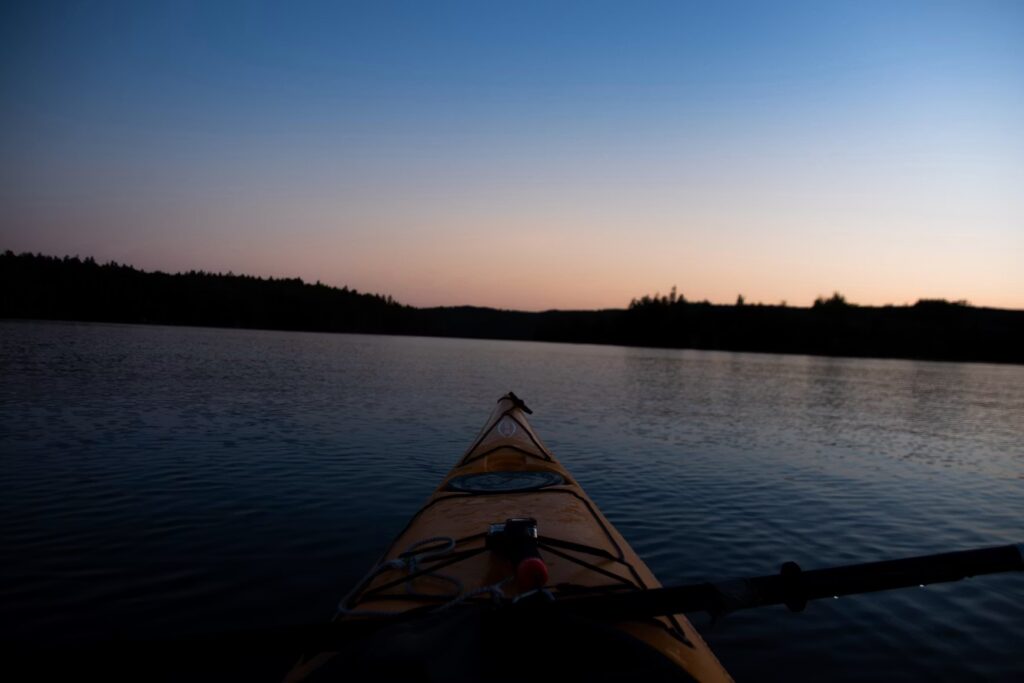
These are the places where the glow shows up most consistently in the US. Because they sit in deeper bays or protected preserves, you will generally need, or at least strongly want, a guided tour to see them safely and get the most out of the night.
1. Mosquito Lagoon and Indian River, Florida
The lagoons along Florida’s Space Coast hold dense populations of the dinoflagellate Pyrodinium bahamense, which flashes a bright neon blue when disturbed by a paddle or a passing fish. Reliability here is among the highest in the country during the warm-water months, roughly late June–early October, when the water is warmest and the blooms are strongest; in winter the light shifts to harmless comb jellies instead.
The lagoon borders the Merritt Island National Wildlife Refuge next to the Kennedy Space Center, so on the right night a rocket launch can share the sky with the glow. A clear-bottom kayak tour is the standard way to experience it, since the transparent hull lets you watch the light directly beneath you, and heavy mosquito activity after dark makes repellent non-negotiable.
2026 Est. Price: $60–$95, with clear kayaks at the top of that range.
2. Mosquito Bay, Vieques, Puerto Rico
Puerto Rico is a US territory, which is why this bay belongs on the list, and it is worth the logistics. Recognized by Guinness World Records as the brightest bioluminescent bay on record, its water glows strongly enough to light your hands as you trail them through the surface. It performs year-round, though the dry season, December–April, tends to be clearest.
Getting there means a ferry or a small commuter flight from the main island to Vieques, and swimming is banned to protect the ecosystem, so you will join a licensed eco-tour by electric boat or kayak. Tours also prohibit sunscreen and insect repellent, since the chemicals damage the organisms, and the bay itself mysteriously dimmed for months in 2014 before recovering, a reminder of how fragile the display is.
2026 Est. Price: $50–$100.
3. Tomales Bay, California
In Northern California, the glow along Tomales Bay reads as a cooler blue-white, and the deep darkness of the surrounding Point Reyes National Seashore makes it stand out. The bay is not a coincidence of geography: it sits directly on the San Andreas Fault, which carved the long, straight channel you paddle through. The season runs from late summer into fall, roughly August–November. This is cold, sometimes windy water, and the National Park Service caps how many tour permits operators can hold, so trips sell out. Book 2 to 3 months ahead if you want a specific date near the new moon.
2026 Est. Price: $90–$150.
4. Kona Coast, Hawaii
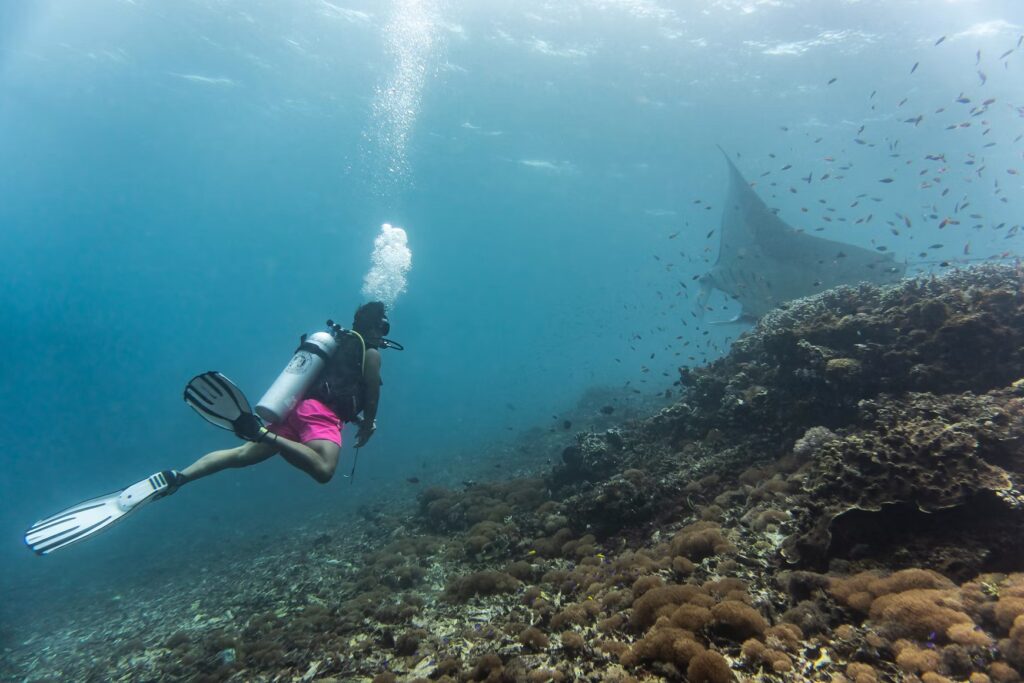
Kona is the outlier on this list, because it is not a paddle at all but a night snorkel or dive, one that regularly ranks among the best in the world. Operators anchor lights that draw in plankton, which in turn attract reef manta rays with wingspans that can reach about 12 feet; they loop and barrel-roll to feed, sometimes within arm’s reach, while you float among glowing organisms in the water column. It runs year-round thanks to Hawaii’s steady water temperatures. You will need to be a confident swimmer in reasonable physical shape, since this is open ocean at night rather than a sheltered bay.
2026 Est. Price: $120–$180.
5. San Juan Island, Washington
The cold Pacific Northwest water off San Juan Island produces a scattered, dust-like sparkle rather than a solid wash of color. Tours usually launch from Friday Harbor and run from midsummer into early fall, roughly July–September, which is also peak orca-watching season in these same waters, so a daytime whale trip and a nighttime paddle pair naturally. Because the water is genuinely cold, a wetsuit or drysuit is standard and often required, which is worth factoring into how comfortable a first-timer will feel.
2026 Est. Price: $90–$130.
Tier 2: Sporadic and Free Glowing Beaches (Shore Viewing)
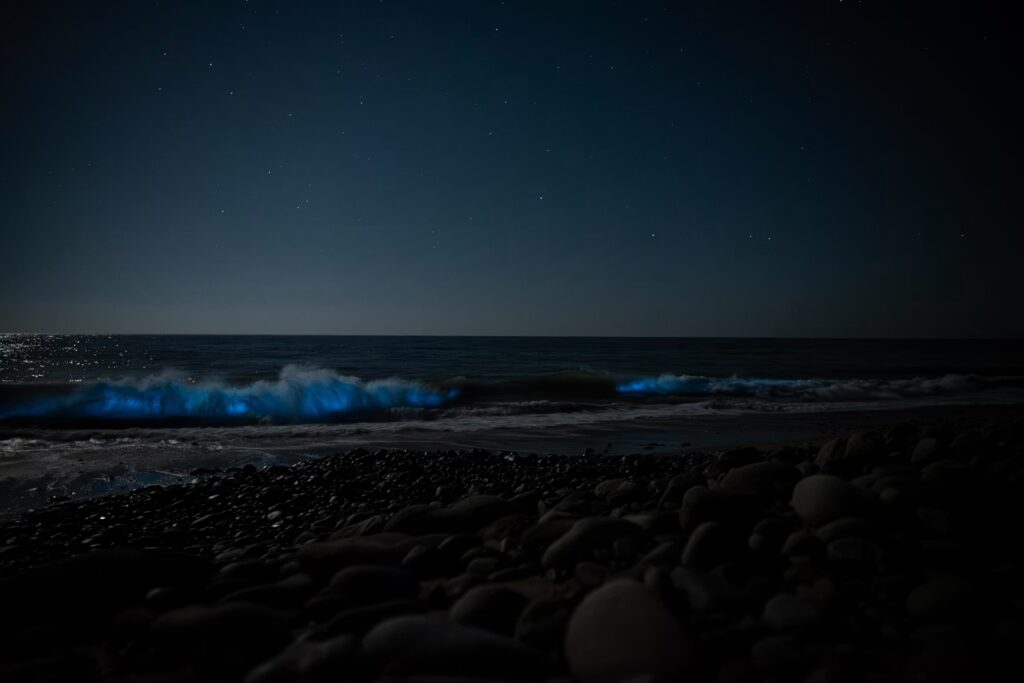
This 2nd group is for self-guided travelers who are comfortable with uncertainty. Every glowing beach here is free, because you watch from the sand or wade in from shore, but the trade-off is that the phenomenon is highly unpredictable. Seeing it takes patience, flexible plans, and a willingness to check local conditions right up to the night you go.
6. San Diego Coastline, California (Torrey Pines and La Jolla)
San Diego is the best-known bioluminescent beach in the country, thanks to red-tide events that turn breaking waves electric blue. The organism responsible, a dinoflagellate called Lingulodinium polyedra, is what tints the surf a murky reddish-brown by day and blue by night, and the 2020 bloom here was among the brightest in decades, drawing crowds night after night.
The catch is timing: the blooms are sporadic, usually appearing in spring or late summer, and can vanish within days. Access is free, but preserve lots such as Torrey Pines State Beach close at sunset, so you will park on the road above and walk down in the dark. It is worth watching local reports before committing to a trip rather than booking flights on a hunch.
2026 Est. Cost: Free.
7. Cape Cod, Massachusetts
Cape Cod’s glow is unusual because it often comes not from algae but from comb jellies, which are ctenophores rather than true jellyfish and carry no sting at all, so wading among them is harmless. Their bodies flash green-blue when the water around them is stirred. The window is short, generally late August through September. You do not need a boat here; quiet beaches branching off Cape Cod Bay let you roll up your pants, wade in to about calf depth, and set off the light with your own movement.
2026 Est. Cost: Free.
8. Outer Banks, North Carolina
The Outer Banks occasionally catch warm currents carrying luminescent plankton, with the light tending to cling to wet sand and shallow pools. It is a summer possibility, mostly July–August, and never a sure thing. The upside is the setting: Cape Hatteras National Seashore has some of the darkest night skies on the East Coast, and the same absence of light pollution that makes any glow easier to notice also makes it one of the better East Coast spots for stargazing while you wait. Bring a red-light flashlight for the dark walk to the water, since it protects your night vision.
2026 Est. Cost: Free.
9. Navarre Beach, Florida
If Florida’s Space Coast can feel crowded with kayaks on a good night, Navarre Beach in the Panhandle offers a quieter, more private version of the same idea. Home to the longest fishing pier in Florida, the area sits on a narrow barrier island, and the calm Santa Rosa Sound on its bay side is where the glow tends to concentrate. The season runs June–August, and the warm, gentle water makes it approachable for families. Many visitors simply bring their own kayak or paddleboard out into the shallows to stir up the light on their own schedule.
2026 Est. Cost: Free if self-guided.
10. Manasquan, New Jersey
Manasquan is a genuinely rare event rather than a dependable destination. In unusually warm years, blooms of Noctiluca, the algae often nicknamed “sea sparkle,” light up along the rock jetties, and watching waves break against the stone is the best way to catch the light spraying up. Recent warm summers drew nighttime crowds to the inlet when the glow appeared, though it is never something to count on. The season is narrow, late August into September, and take care near the jetties at night, since the rocks are slick with algae and easy to slip on.
2026 Est. Cost: Free.
11. Gulf Coast, Alabama (Dauphin Island and Gulf Shores)
The Alabama coast sometimes lights up when salinity levels line up just right, most often in late summer during hot, dry stretches with little rain. This is the least predictable spot on the list, and the people who see it are usually those already camped on Dauphin Island who happen to notice quiet blue ripples reaching the sand. The island is worth an overnight regardless: it is home to the Dauphin Island Sea Lab, whose researchers track these coastal waters, and it is one of the most important bird-migration stopovers on the Gulf. Treat any glow you catch as luck rather than a plan.
2026 Est. Cost: Free.
The 2026 Action Plan: How to Improve Your Odds
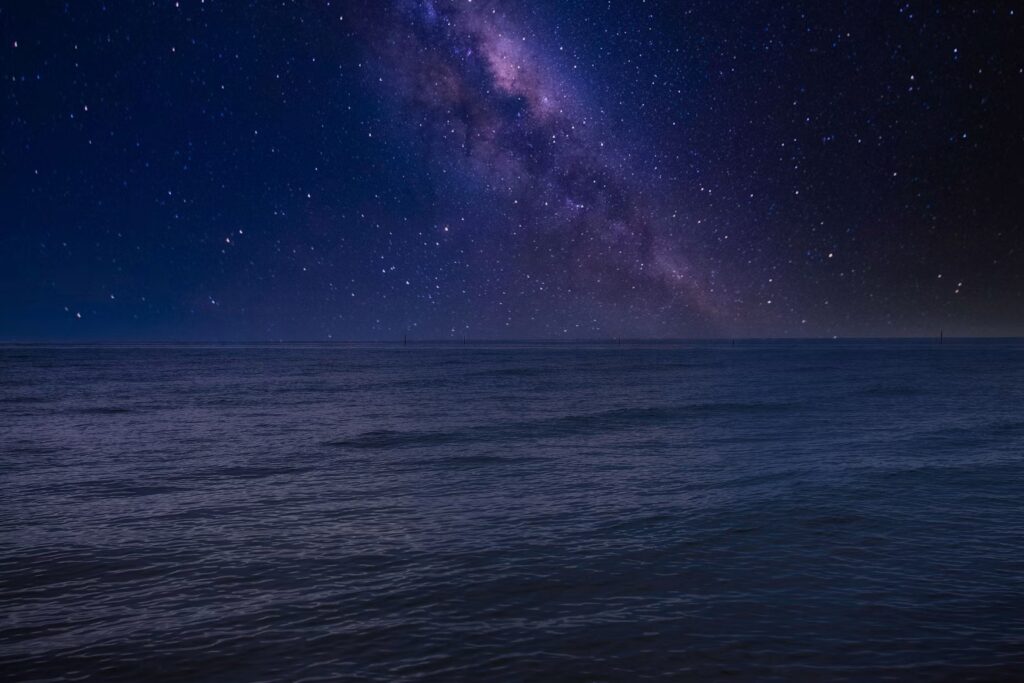
4 things separate a wasted trip from a good sighting, and none of them come down to luck alone:
- Follow the new moon. A full moon washes the glow out almost completely, so check a 2026 lunar calendar and aim for the window within about 3 days on either side of a new moon. That timing does more for your chances than the destination itself.
- Ask about weather cancellations before you pay. Kayak tours are called off the moment thunderstorms move in, so confirm each operator’s refund or reschedule policy for weather up front. A clear cancellation policy is worth as much as a good forecast.
- Choose shore or boat deliberately. Watching from the sand is free and often quietly beautiful, but paddling into a bay usually delivers a much stronger, more concentrated glow. If maximum brightness is the goal, a guided boat tour is the safer bet.
- Track conditions in real time. For the California coast, the Scripps Institution of Oceanography reports on red tide and bioluminescence activity, a far more reliable signal than social media. Elsewhere, local operators and regional community groups post current sightings worth checking in the days before you leave.
First-timers planning their first night paddle may also want to review the First-Time Bioluminescent Kayaking guide before booking, since preparation matters as much on the water as the timing does.
Frequently Asked Questions
What is the most reliable place to see bioluminescence in the US?
Mosquito Bay in Puerto Rico and Mosquito Lagoon in Florida, during its summer peak, are the 2 most consistent, with the glow appearing on close to a nightly basis in the right conditions.
Can you see bioluminescence from the shore without a tour?
Yes. Cape Cod in Massachusetts and San Diego in California both let you watch from the beach or wade into the shallows. The intensity is usually weaker than paddling out into a bay, but it costs nothing and takes no special gear.
Is a bioluminescent beach safe to swim in?
It depends on the organism causing the glow. The dinoflagellate behind San Diego’s red tide is generally considered non-toxic, though it can irritate the skin or eyes for some people, while other blooms can involve harmful algae. Most guided tours prohibit night swimming regardless, largely because of poor visibility and currents.
What is the best month to go?
For most of these US locations, the warmest-water stretch from late July through October is when blooms tend to be strongest. Puerto Rico and Hawaii are the main exceptions, holding up well year-round.
Why is my camera not capturing the glow?
The human eye is far more sensitive to faint bioluminescence than a phone sensor is. Capturing it usually takes a camera capable of a long exposure, ideally a DSLR or mirrorless body on a tripod, rather than a handheld phone on a moving boat.
Conclusion
Chasing bioluminescence in the US is less a matter of luck than of stacking the odds: the right geography, the right weather, and the right point in the lunar cycle. If you want near-certainty, put your money toward a guided tour at Mosquito Lagoon in Florida or Mosquito Bay in Puerto Rico, where the glow is dependable enough to build a trip around.
If you would rather improvise, the free option has its own appeal. A well-timed red tide in San Diego or a comb-jelly night on Cape Cod can be just as memorable, provided you go in expecting nothing and treat any sighting as a bonus. Either way, the pattern is the same: mark the 2026 new moons, plan your safety and gear before you go, and keep an eye on live conditions. Nature supplies the light show; the rest is preparation.