

Planning a trip should feel like the fun part, not a string of small anxieties about overweight bags or hidden fees. In 2026, becoming a smarter traveler doesn’t require racking up a million miles. It just takes a set of best travel hacks that actually hold up against how airlines, banks, and airports operate right now. What follows are 23 practical strategies, organized from the ones that protect your wallet to the ones that protect your peace of mind once you land.
Tier 1: The Financial Travel Hacks

These six hacks focus on keeping money in your pocket before and during the trip, where most of the avoidable spending tends to happen.
- Browse flights in a private window. Airline pricing algorithms can raise fares the more times a specific route is searched from the same device. Searching in a private or incognito browser window, and occasionally checking from a VPN set to a lower cost-of-living country, helps you see a price closer to the airline’s base fare rather than one inflated by your own search history.
- Use the DOT’s 24-hour rule to your advantage. If you book a ticket directly with a US airline at least seven days before departure, federal law requires the airline to let you cancel within 24 hours for a full refund. If the fare drops shortly after you buy, this gives you a no-cost window to cancel and rebook at the lower price.
- Always choose to pay in local currency. When a card terminal or ATM abroad asks whether to charge you in US dollars or the local currency, choosing local currency avoids Dynamic Currency Conversion (DCC), a service that can quietly add 5% to 7% to the transaction through a worse exchange rate.
- Call the hotel directly to match a price. Find a competitive rate on an OTA like Booking or Agoda, then call the property directly and ask if they can match it. Hotels often will, since booking direct lets them skip the commission they would otherwise pay the OTA, and they may throw in a room upgrade or free breakfast instead of a price cut.
- Withdraw cash with a fee-rebating debit card. A Schwab Bank Investor Checking account, for example, comes with a debit card that refunds ATM fees worldwide and charges no foreign transaction fee. It won’t cover the DCC fee mentioned above, so the local-currency rule still applies even with this card in hand.
- Do the math before booking Basic Economy. A “Basic Economy” fare can end up costing more than a standard fare once seat selection and carry-on fees are added back in. Add up the realistic total before assuming the lowest sticker price is the better deal.
Tier 2: The Packing Matrix for Packing Lighter
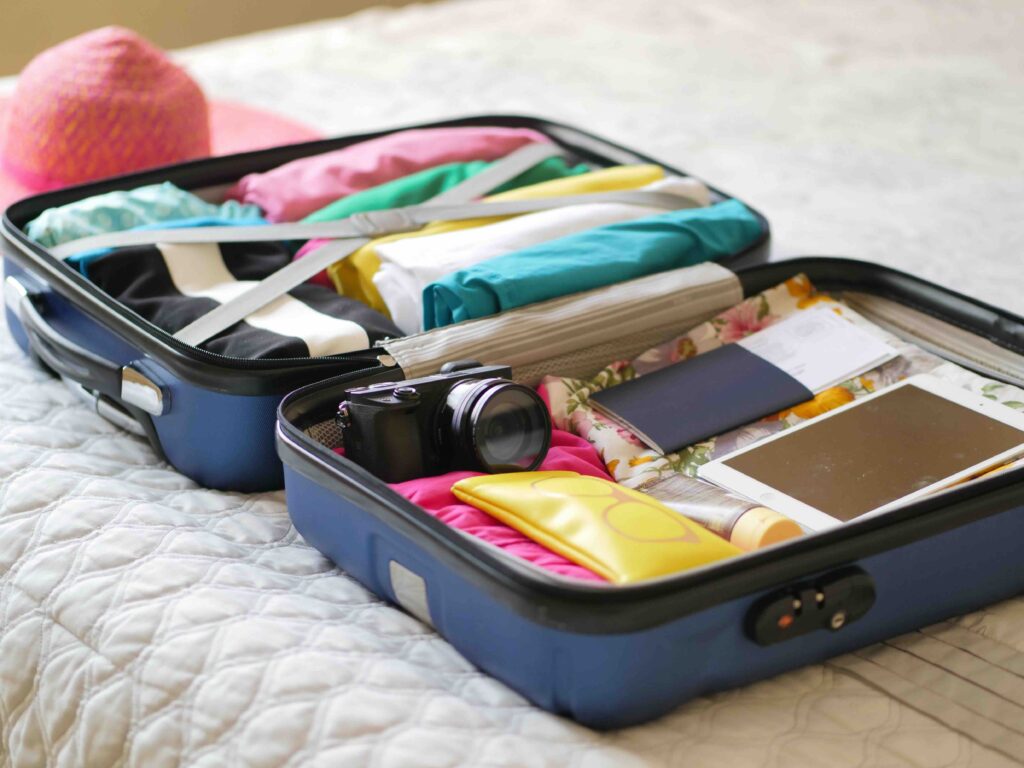
This group is where the “pack lighter” promise actually gets delivered, through a handful of habits rather than a more expensive suitcase.
- Follow the 5-4-3-2-1 rule for a week-long trip. Five tops, four bottoms, three accessories, two pairs of shoes, one jacket. It is a simple ceiling that keeps a carry-on realistic without a packing list spiraling out of control.
- Pack with compression cubes. Sorting clothes into cubes by day or by category, and compressing them in the process, can free up meaningfully more usable space in the same suitcase, often cited at around 30%.
- Use a pillowcase for soft items. Stuffing soft clothing into a plain pillowcase and carrying it on board is a long-standing workaround that many gate agents treat as a personal item rather than a second carry-on, though it is worth confirming with your specific airline since this is airline discretion rather than an official TSA rule.
- Wear your bulkiest items to the airport. A heavy coat and a pair of boots take up disproportionate suitcase space. Wearing them through the airport instead of packing them is one of the simplest ways to dodge an overweight bag fee.
- Switch to solid toiletries. Shampoo bars and solid versions of other toiletries are not subject to the TSA’s 100 ml liquid limit and cannot leak in transit, which removes two packing headaches at once.
- Keep a digital backup of your documents. Photographing your passport, visa, and credit cards and saving them to an offline folder on your phone means you are not starting from zero if the originals are lost or stolen.
Tier 3: The Airport and Flight Survival Guide

These hacks are aimed at the parts of travel that wear people down before they even reach their destination.
- Consider TSA PreCheck or Global Entry. TSA PreCheck currently runs $78 for new applicants and is valid for five years, letting you skip removing shoes and laptops at security. Global Entry costs $120 for the same five-year term, includes TSA PreCheck automatically, and adds expedited customs processing when flying back into the US, which makes it the better value for anyone who travels internationally even occasionally.
- Carry an empty water bottle through security. Filling it at a water fountain past security avoids paying $5 or more for a bottle of water at an airport kiosk.
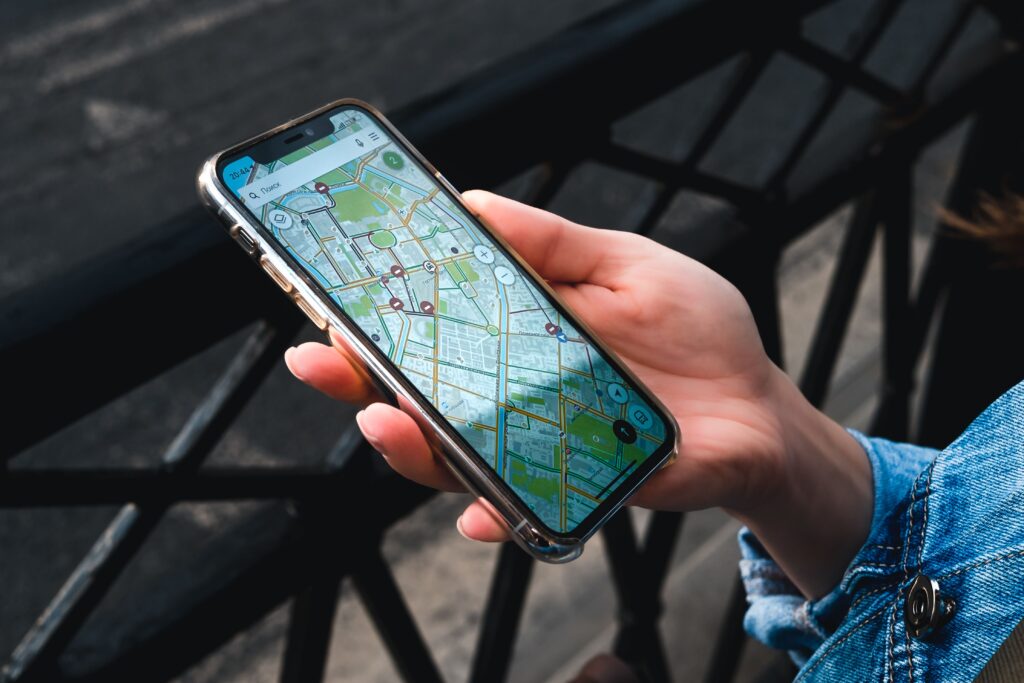
- Download offline maps before you leave home. Saving your destination in Google Maps while still connected to WiFi means GPS will keep working even without a local data plan.
- Book the earliest flight of the day when possible. Flights departing before 8 AM tend to have the lowest delay and cancellation rates, mainly because the aircraft has typically been sitting at the gate overnight rather than arriving from an earlier, possibly delayed, route.
- Use pressure-relief earplugs instead of noise-canceling headphones. They are built specifically to ease the ear pain and pressure headaches that come from altitude changes, which noise-canceling headphones are not designed to address.
- Check your credit card for lounge access you already have. A surprising number of travel credit cards include complimentary airport lounge access, which means quieter seating and free food may already be sitting unused in your wallet.
Tier 4: Safety and Destination-Smart Hacks
The last five hacks are about making sure the trip actually goes the way it was planned.
- Drop a tracker into checked luggage. An Apple AirTag or similar tracker lets you see roughly where your bag is in the world rather than relying entirely on the airline’s own tracking, and small lithium coin-cell trackers like these are permitted in checked bags under current battery rules.
- Carry a decoy wallet in crowded tourist areas. An old wallet with a small amount of cash gives pickpockets something to take that is not your real cards or ID.
- Build in a buffer day before time-sensitive events. If you are catching a cruise or attending a wedding, flying in a day early protects you from a same-day flight delay derailing the whole reason for the trip.
- Download offline translation packs. Loading your destination’s language pack into Google Translate ahead of time lets you use camera translation on menus and signs without needing a local data connection.
- Pack one universal adapter with built-in USB ports. A single multi-country adapter with several USB ports replaces a tangle of individual chargers and adapters for every device you bring.
The Decision Engine: Traditional Travel vs. Travel Hacking
A quick side-by-side helps explain why each of these habits beats the more conventional approach most travelers default to.
| Category | The Common Myth | The 2026 Hack | Realistic Impact |
| Booking Flights | Tuesday is the cheapest day to buy. | Search in a private browser, and use the DOT’s 24-hour rule to lock in a fare risk-free. | Savings of roughly $50 to $200 per ticket. |
| Currency and Payments | Exchanging cash at the airport feels safer. | Use a no-foreign-fee card and decline Dynamic Currency Conversion at ATMs. | Avoids a 5% to 7% hidden markup on every transaction. |
| Packing | Pay for extra checked luggage to be safe. | Apply the 5-4-3-2-1 rule with compression cubes to stay carry-on only. | Saves $70 to $100 in round-trip bag fees and the wait at baggage claim. |
| Hotel Booking | OTAs always have the rock-bottom price. | Find the OTA rate, then call the hotel to ask for a price match. | Often unlocks a room upgrade, free breakfast, or a direct discount. |
| Airport Security | Arrive three hours early and wait in line. | Enroll in TSA PreCheck or Global Entry, often reimbursed by a credit card. | Cuts 1 to 2 hours of standing in line and removes the shoes-off step. |
Travel Hacking FAQ: Answers for 2026
Do these best travel hacks work for families traveling with toddlers?
Packing carry-on only is a harder ask with small children, but most of the other hacks still apply just as well. Booking through a private browser, choosing early morning flights to reduce the odds of a delay, and using TSA PreCheck to move through security faster all help reduce the chaos that comes with traveling alongside a toddler.
Is it actually cheaper to book flights on a Tuesday?
This is an outdated idea at this point. Airline pricing in 2026 runs on dynamic algorithms that adjust fares by the minute based on demand and even your own browsing history, not on the day of the week you happen to buy. Setting price alerts on a tool like Google Flights and searching in a private browser window does more for your wallet than waiting for a specific day.
Are packing cubes actually worth the money?
For most travelers aiming to stay carry-on only, yes. Beyond compressing clothing volume, they function like portable drawers, which means you are not unpacking the entire suitcase just to find one pair of socks.
Conclusion: The Smart Traveler’s Mindset

You don’t need to remember all 23 of these hacks on your next trip. The real point of travel hacking is not perfection, it is removing the friction that does not need to be there. Start with packing carry-on only, search for flights in a private browser, and download an offline map before you leave home. Those three habits alone put a meaningful amount of control back in your hands heading into 2026.