
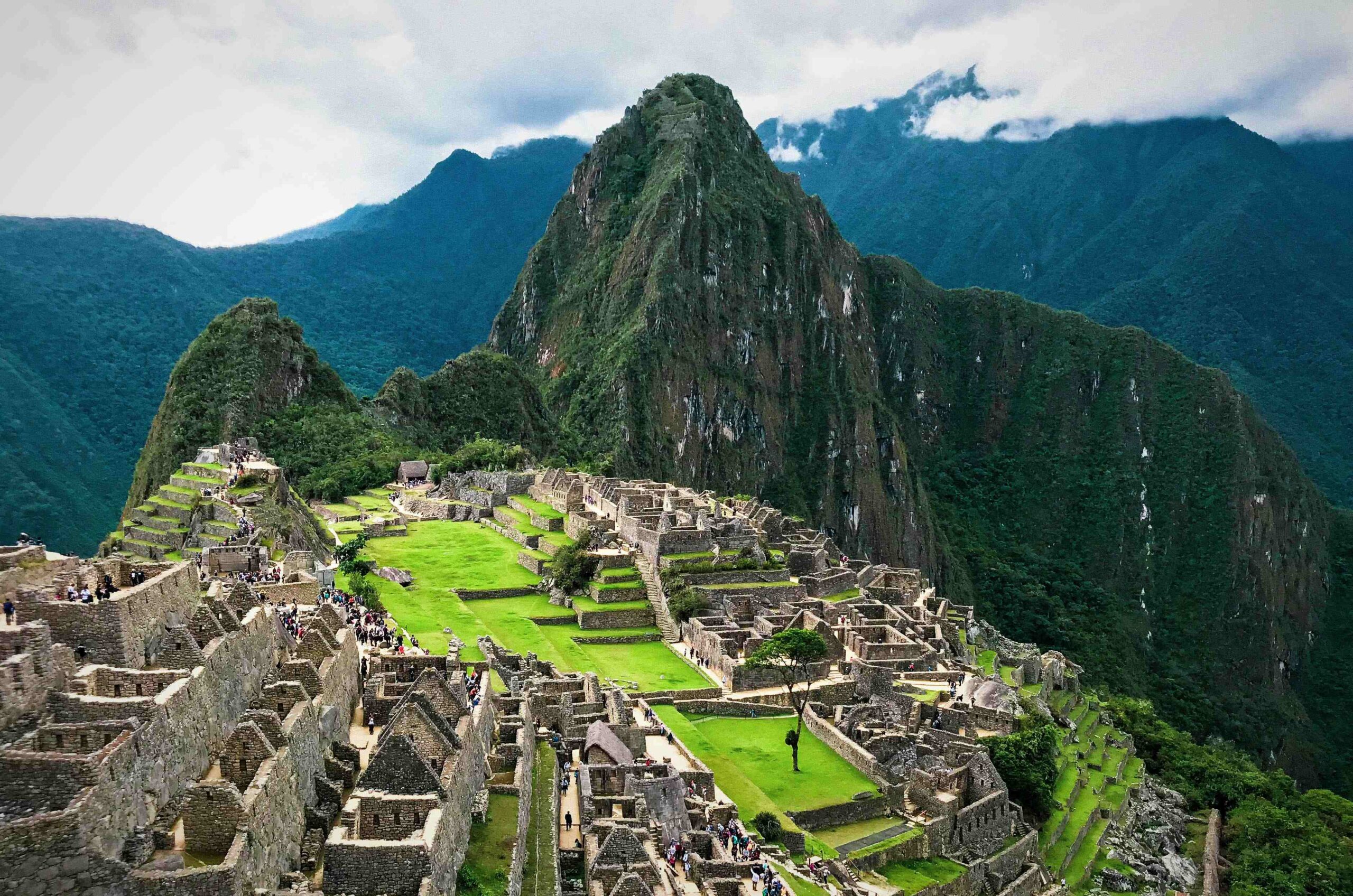
Planning a trip to Peru often begins with a simple question about the calendar, yet the answer depends on geography. Because Peru contains three starkly different climate zones: the arid Pacific coastline, the towering Andean highlands, and the dense Amazon rainforest there is no single month when every corner of the country experiences identical weather. Deciding the best time to visit Peru requires aligning your travel priorities with the specific regional conditions you wish to experience. And once you see how much the country offers, our rundown of what Peru is known for beyond Machu Picchu is a good place to start scoping out your priorities.
Understanding Peru’s Microclimates Before Planning Your Trip
Region | Primary Destinations | Best Weather Window | Climate Characteristics | Primary Travel Highlight |
|---|---|---|---|---|
Andean Highlands | Cusco, Machu Picchu, Sacred Valley, Lake Titicaca | May – September (Dry Season) | Clear, sunny days with freezing night temperatures; low rainfall. | Trekking ancient trails, exploring Inca ruins, high-altitude photography. |
Pacific Coast | Lima, Paracas, Huacachina, Máncora | December – March (Summer) | Warm, sunny, and dry; coastal mist (garúa) clears. | World-class coastal gastronomy, beach life, ocean sports, desert oases. |
Amazon Basin | Iquitos, Puerto Maldonado, Tambopata | May – October (Low-Water) | Warm and humid year-round; lower river levels expose forest trails. | Jungle trekking, wildlife observation, eco-lodge biodiversity tours. |
The Dry Season (May to September): Prime Conditions for the Andes and Amazon
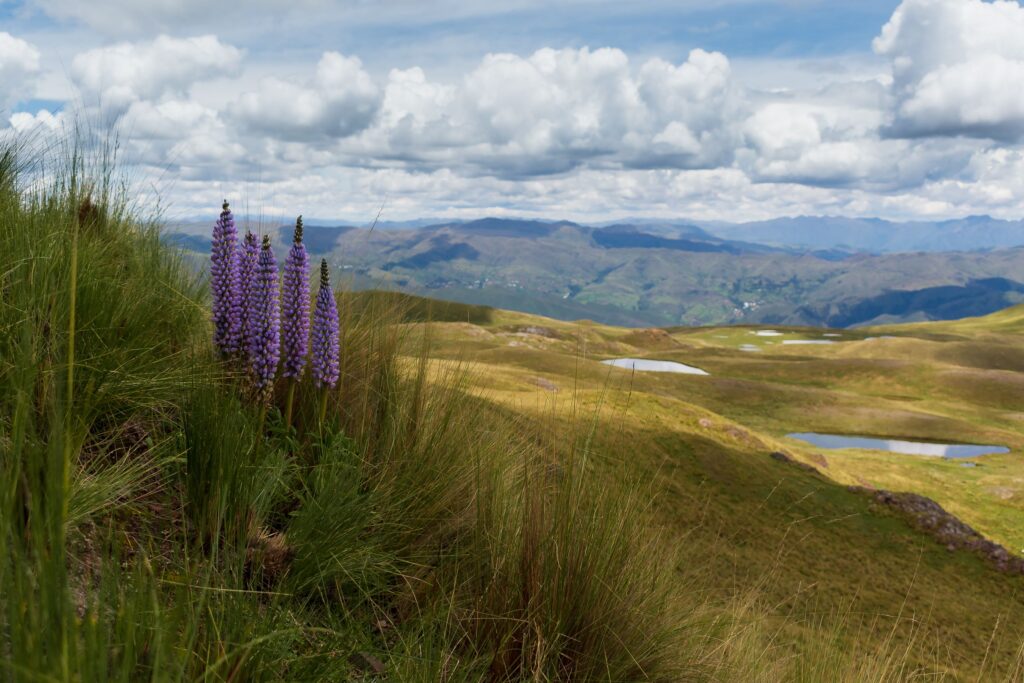
From May through September, the Andean highlands and Peruvian Amazon experience their dry season, marked by minimal rainfall and clear skies. This period provides the most reliable weather for trekking, high-altitude photography, and wildlife viewing.
Peak Season Demand and Logistics
Because weather conditions are at their finest in the interior, this window serves as the peak tourism season throughout the country. Major Peru tourist attractions experience their highest visitor volumes during June, July, and August.
Accommodations, regional flights, and excursion slots operate near full capacity, requiring advance planning and reservation lock-ins several months ahead of departure. If you’re trying to decide whether the trade-off of visiting during this window is worth it, our comparison of peak season vs. off-season travel breaks down what you gain and lose either way.
Financial Expectations for Peak Months
Financial expectations should be adjusted accordingly when booking travel during the dry season. Round-trip flights from major United States hubs to Lima typically range between $800 and $1,300. Luxury and high-end boutique hotel accommodations in key destinations such as JW Marriott El Convento Cusco or Belmond Palacio Nazarenas generally range from $450 to $900 per night during these peak months. Premium guided excursions and scenic train passages also maintain peak-tier pricing.
(All airfare and luxury hotel rate ranges referenced above reflect market estimates and room rates searched on booking platform for the 2026 travel season).
Highland Temperature Shifts
Despite higher costs and larger crowds, the dry season remains the undisputed choice for long-distance trekking. The days are pleasantly warm, with daytime highland temperatures averaging between 60°F and 68°F (15°C to 20°C). However, the clear skies allow heat to escape rapidly after sunset, causing nighttime temperatures to plummet near or below freezing, particularly at extreme elevations. Packing high-quality thermal layers is essential for comfort during early morning excursions and atmospheric evening walks through historic mountain towns.
Determining the Best Time to Visit Machu Picchu and Cusco
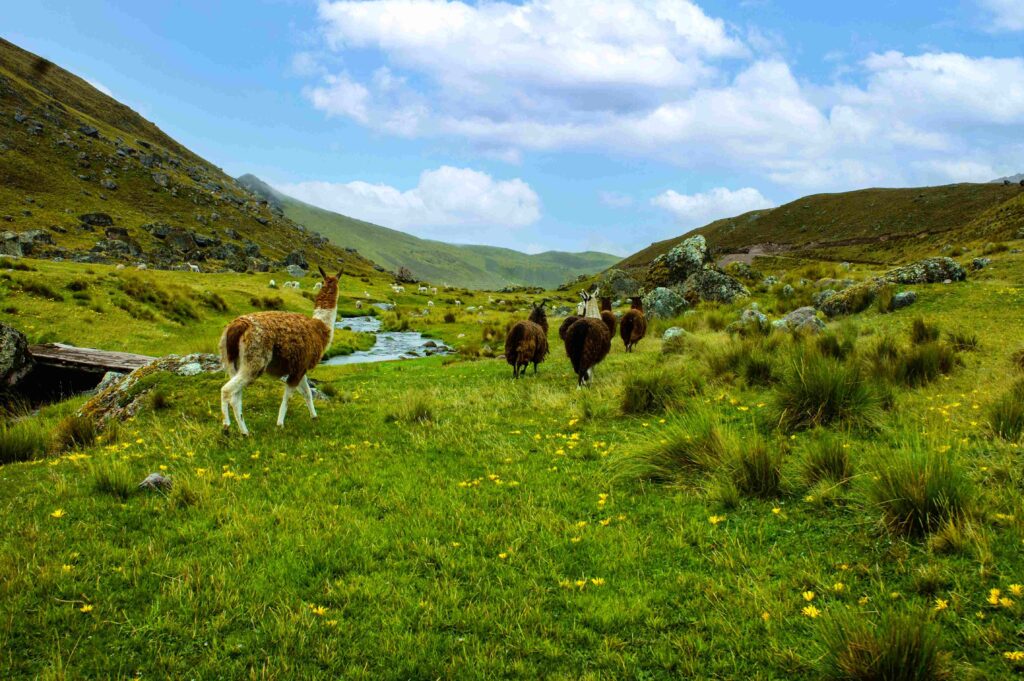
For the majority of international visitors, exploring the historic citadel of Machu Picchu and the nearby imperial city of Cusco forms the centerpiece of their journey.
Determining the best time to visit Machu Picchu relies on securing stable atmospheric conditions, as heavy rain can obscure mountain views, render stone pathways slippery, and occasionally cause transportation disruptions along the railway lines serving Aguas Calientes. For a deeper dive into ticket types, entry windows, and crowd patterns specific to the citadel, our best time to visit Machu Picchu guide covers those details in full.
Mountain Visibility and Trail Conditions
The dry months from May to September offer the clearest visibility and most stable footpaths for exploring the ruins. During this window, early mornings often reveal dramatic mist rising off the surrounding peaks before giving way to bright, unobstructed sunlight by midday. The clear conditions allow visitors to appreciate the full architectural scale of the agricultural terraces, dry-stone masonry, and surrounding Andean peaks without the persistent threat of sudden downpours.
Trekking Permits and Advance Booking
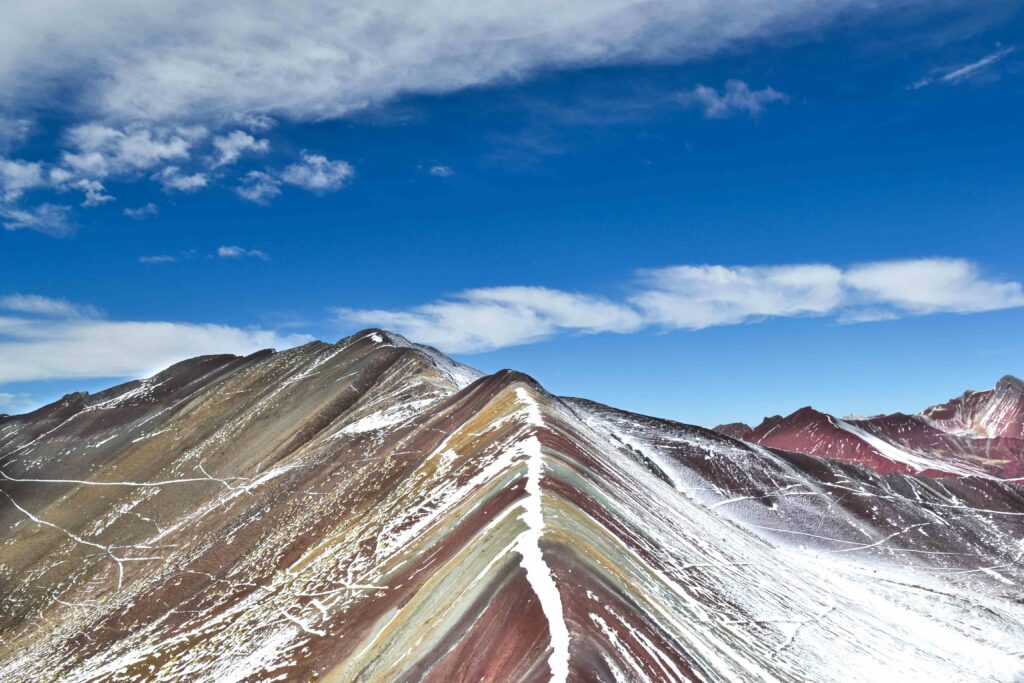
Hiking the classic Inca Trail or alternative routes like the Salkantay Trek is best undertaken during these months. Trail surfaces remain firm, river crossings are stable, and camping conditions are dry, albeit cold at night.
Because daily permits for the Inca Trail are limited by government regulations to preserve the environment, securing access requires booking 4 to 6 months in advance, particularly for dates falling in June or July. Total excursion costs, including official circuit passes, round-trip train transfers, and licensed guides, generally average between $250 and $350 per person.
(Government permit fees and transit package pricing represent updated official rates verified for 2026 itineraries).
Cultural Celebrations in Cusco
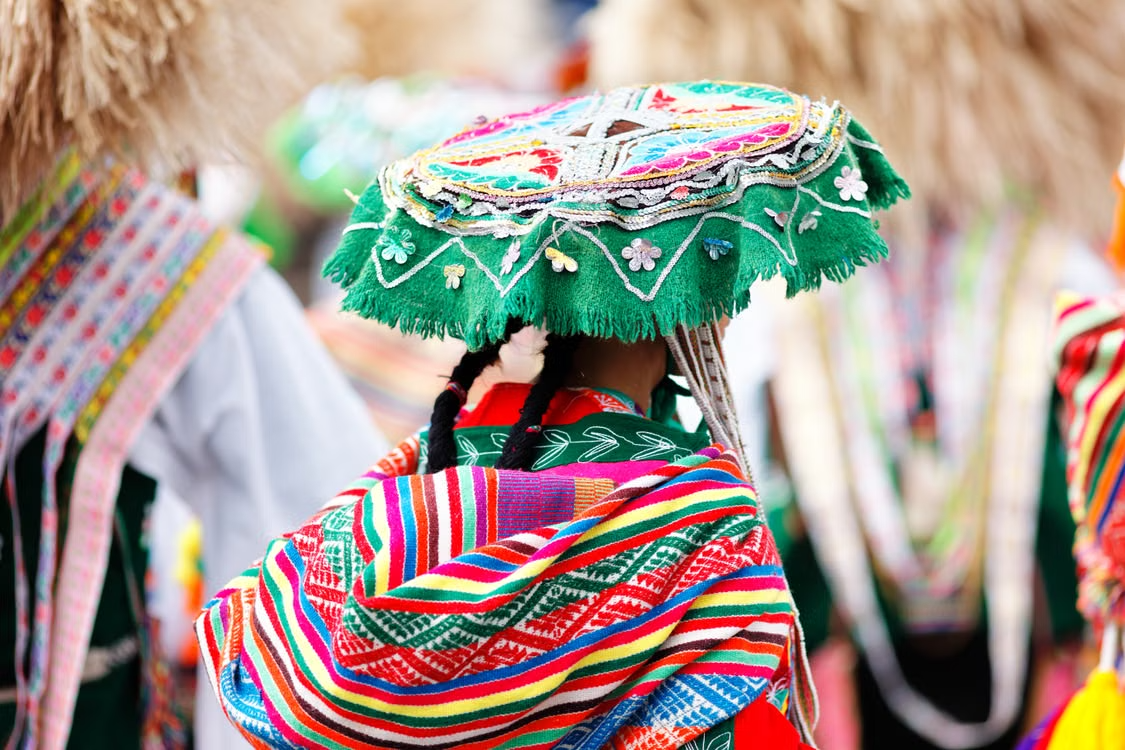
Travelers seeking the best time to go to Peru for cultural festivities will also find June particularly rewarding in Cusco. The city hosts the annual Inti Raymi (Festival of the Sun) on June 24th, bringing elaborate street parades, traditional music, and colorful historical reenactments to the historic center. While this cultural spectacle adds immense value to an itinerary, it also attracts maximum crowd numbers, making early hotel bookings indispensable.
The Shoulder Seasons (April & October): Balance of Weather, Crowds, and Costs
The shoulder months of April and October offer an ideal balance of pleasant weather, lower prices, and fewer crowds. As the Andean rains either fade or haven’t fully begun, travelers enjoy comfortable conditions across both the mountains and the rainforest without the peak-season tourist volumes.
April: Lush Landscapes and Post-Rain Clarity
April marks the transition out of the Andean rainy season. The landscape across the Sacred Valley and Cusco highlands is remarkably lush and green, fed by months of precipitation. Rivers run high, waterfalls are at their most dramatic, and the air feels fresh and clear. While an occasional afternoon shower remains possible, long stretches of sunny weather are common. Daytime temperatures are mild, and nighttime lows are far less severe than during the sub-zero winter nights of July.
October: Mild Weather Before the Rains
October represents the autumn transition, offering warm daytime temperatures before the heavy seasonal rains return in late November. The Andean countryside remains dry, mountain passes remain accessible for trekking, and tourist density drops significantly after the mid-summer peak. Rainforest lodges in Puerto Maldonado and Iquitos also report excellent wildlife sighting opportunities during October as water levels begin their gradual seasonal rise.
Financial and Operational Advantages
From a financial perspective, shoulder seasons offer distinct advantages. Hotel rates at premier properties lower considerably compared to peak mid-summer pricing. Luxury accommodations, such as Tambo del Inka, a Luxury Collection Resort & Spa in the Sacred Valley, often range between $250 and $480 per night in April and October.
Flight availability from North America is generally more flexible, and securing prime entrance times for key archaeological sites becomes noticeably easier, allowing for a more relaxed and flexible travel pace.
(Accommodation price ranges and availability patterns cited here reflect rates searched on booking platform for 2026).
The Wet Season (November to March): Coastal Sunshine vs. Andean Rains
The Andean wet season runs from November through March, bringing frequent rain and heavy clouds to the mountains, peaking in January and February. Travelers should note that the classic Inca Trail closes every February for mandatory annual conservation work.
Coastal Summer vs. Highland Rains
However, the wet season in the interior coincides directly with summer along the Pacific coast. While the mountains experience rain, the coastal region enjoys its warmest, sunniest weather of the year. Travelers whose itineraries emphasize coastal exploration, culinary tours, surfing, and wildlife excursions along the desert coast will find this period attractive.
Navigating Highland Travel in the Rain
Navigating the wet season requires flexibility and realistic expectations if your route includes high-altitude regions. Outdoor excursions should be scheduled for early mornings, as rainfall typically concentrates in the late afternoon and evening hours. Temperatures in the mountains remain relatively mild during the day, rarely dropping to the freezing thresholds seen in July, but damp conditions can make the air feel chilly.
Savings and Solitude
The primary incentive for traveling to the interior during the wet season lies in lower travel costs and solitude. Major archaeological sites host a fraction of their dry-season crowds, allowing visitors to experience famous monuments without navigating dense tour groups.
Airfares and accommodation rates hit their annual lows, making high-end travel far more accessible for budget-conscious travelers willing to pack waterproof gear and adapt to shifting daily weather forecasts. Flight deals from major U.S. cities can drop as low as $650 to $800 round-trip.
(Off-peak flight rates and regional discount structures reflect verified market pricing for 2026).
Coastal Highlights and Things to Do in Lima Peru During Summer
From December to March, while the mountains receive rain, the Pacific coast enjoys warm, sunny summer weather as the regional garúa fog clears, bringing average temperatures of 75°F to 85°F (24°C to 29°C). For a fuller list of what to do while you’re there, see our roundup of the 17 best things to do in Lima.
Coastal Gastronomy and Outdoor Life
This sunny summer window offers prime conditions for exploring the capital city. Among the most popular things to do in Lima Peru during this season is spending time along the coastal bluffs of Miraflores and Barranco. Visitors can enjoy paragliding over the ocean cliffs, walking through seaside parks, and sampling world-renowned Peruvian ceviche at outdoor seafood establishments where fresh ocean catches are served daily under bright skies.
Excursions South along the Pacific
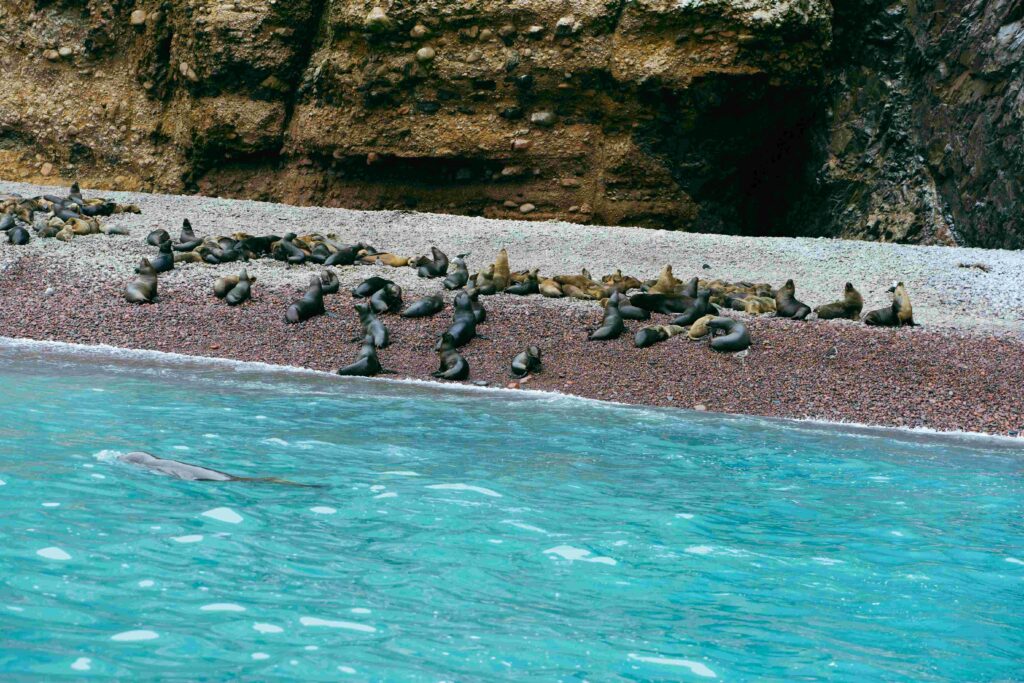
Summer is also ideal for embarking on overland trips south of the capital along the Pan-American Highway. The desert oasis of Huacachina offers dune buggy rides and sandboarding under clear skies, while the coastal nature reserve of Paracas provides calm waters for boat excursions to the Ballestas Islands. Here, travelers can observe large colonies of sea lions, Humboldt penguins, and marine birds in comfortable, sunny weather.
Coastal Accommodation Planning
Accommodations along the coast maintain steady demand during these summer months due to domestic holiday travel. Excellent oceanfront properties, such as AC Hotel by Marriott Lima Miraflores or Miraflores Park, A Belmond Hotel, generally range from $180 to $350 per night. Booking coastal accommodations slightly ahead of time remains advisable, particularly for travel surrounding the Christmas and New Year holiday period.
(Coastal hotel price ranges represent standard rates searched on booking platforms for the 2026 summer season).
Wildlife and Weather Patterns in the Amazon Rainforest
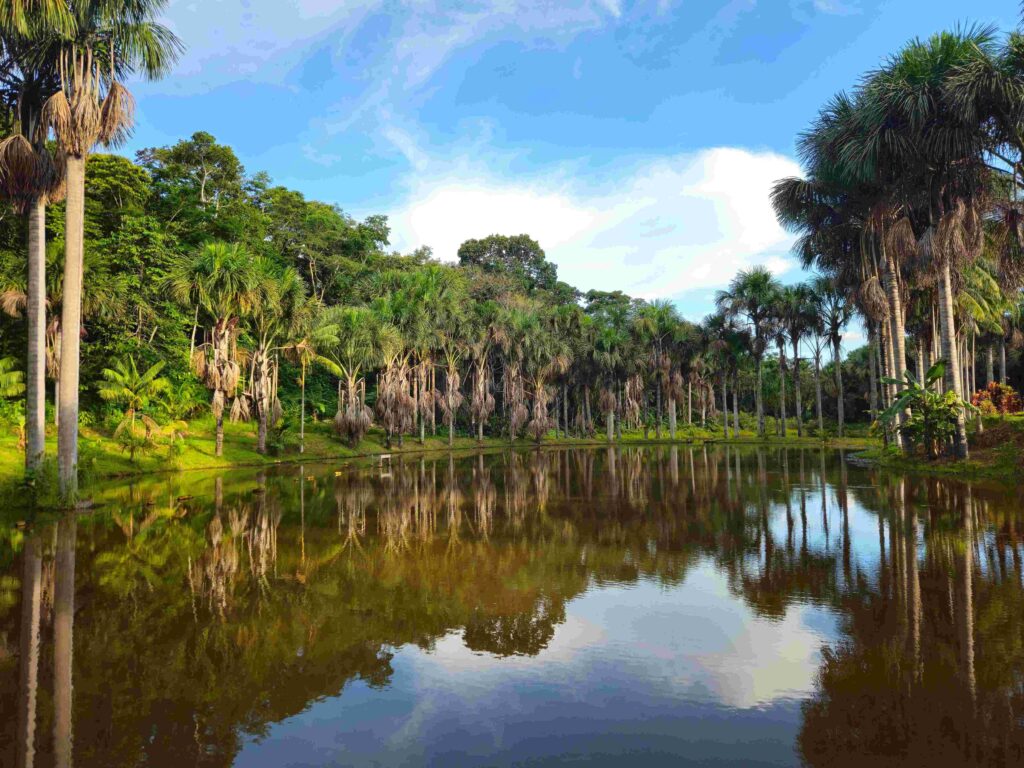
The Peruvian Amazon operates on a water-level cycle rather than temperature seasons, remaining warm and humid year-round at 80°F to 90°F (27°C to 32°C) around Iquitos and Puerto Maldonado. If you’re weighing Peru’s jungle lodges against other rainforest destinations, our Amazon Rainforest adventure guide covers planning tips that apply across the wider region.
Low-Water Season (May to October)
The low-water season aligns with the Andean dry months from May to October. During this period, rainfall decreases slightly, causing river levels to drop significantly. Lower water levels expose wide riverbanks and sandbars, which creates optimal conditions for walking along forest trails on foot and spotting caimans resting along the shorelines. However, lower water levels mean some smaller tributaries become unnavigable by boat, requiring longer forest treks to reach remote oxbow lakes.
High-Water Season (November to April)
The high-water season spans from November to April, coinciding with the Andean rainy period. Increased rainfall causes rivers to rise by up to 20 feet, flooding the forest floor and creating submerged waterways.
This allows excursion boats to navigate deeper into the jungle canopy, bringing travelers closer to eye level with canopy-dwelling wildlife such as monkeys, toucans, and sloths. Mosquito activity increases during these wetter months, making high-grade repellent and long lightweight clothing essential.
Choosing Your Amazon Experience
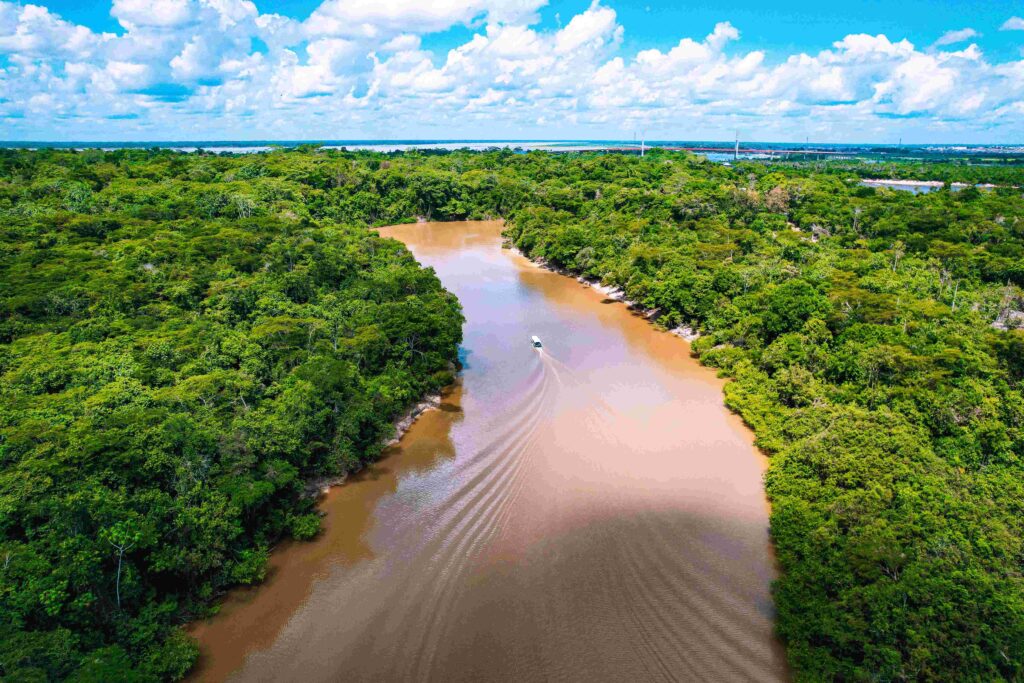
Regardless of when you travel, short, heavy rainforest showers can occur at any time. Selecting the best time to go to Peru for an Amazon expedition depends largely on whether you prefer exploring the jungle via boat navigation during high water or walking forest trails during the low-water season.
FAQs
What is the absolute best month to visit Peru if I want to see everything?
May and September are widely considered the 2 best months for a comprehensive multi-region itinerary. During these shoulder months, the Andes offer dry, clear weather for exploring Cusco and Machu Picchu, the Amazon features favorable river levels for wildlife viewing, and the coastal fog in Lima begins to clear, all while avoiding the extreme crowd volumes of July.
How far in advance should I book tickets for Machu Picchu and the Inca Trail?
If traveling during the peak dry season (May through August), Inca Trail permits should be secured 4 to 6 months in advance, as daily entry passes are strictly capped. Standard entrance tickets for Machu Picchu circuits during peak months should be booked at least two to three months ahead of time to ensure your preferred entry window.
Is February a bad time to visit Peru?
February is the wettest month of the year in the Andes, and the classic Inca Trail is closed the entire month for maintenance. However, February is an excellent time to visit Lima and the southern coast, where summer beach weather is at its peak. If you visit Machu Picchu in February, expect rain and pack quality waterproof gear, but enjoy far fewer crowds.
Will high altitude affect my travel timing?
Altitude affects travelers regardless of the season. Cusco sits at approximately 11,150 feet (3,400 meters) above sea level. It is recommended to schedule 2 days of light activity upon arrival preferably spending time in the lower-elevation Sacred Valley first to allow your body to acclimatize before undertaking strenuous physical hikes.
Conclusion
Whether your priority is dry, clear conditions for Machu Picchu, a quieter and more affordable shoulder season, or a sun-soaked stretch on Lima’s coastline while the Andes get their rain, matching your trip to the right window for your specific priorities makes the difference between a smooth vacation and one spent working around the weather. Once you know which region matters most to you, the rest of the calendar decision tends to fall into place on its own, and once your dates are set, our list of 19 unmissable things to do in Peru is a solid next stop for filling in the itinerary.