
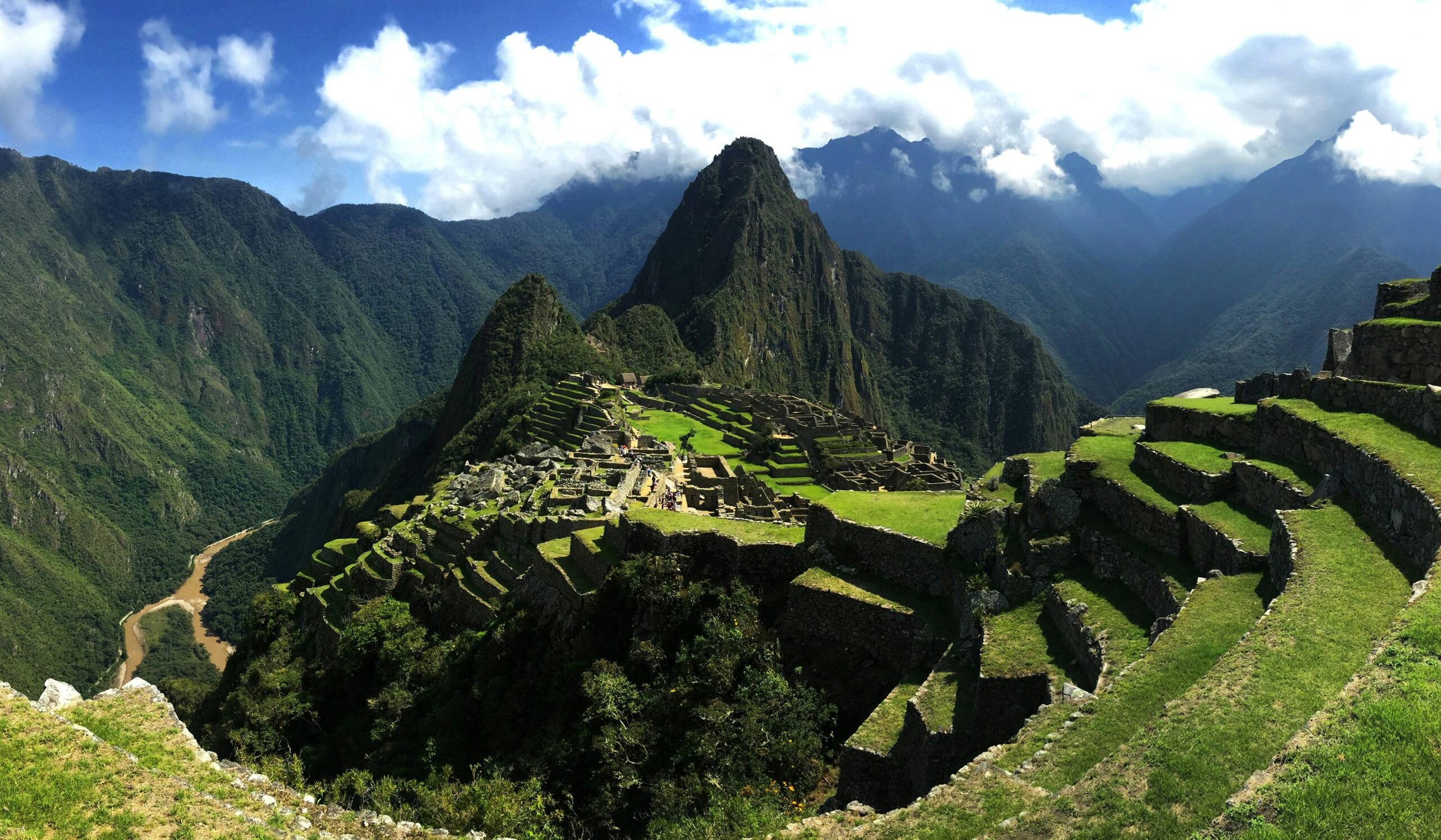
The decision of when to visit Machu Picchu shapes almost every detail of an Andean journey, from the mountain views you experience to the specific logistics of securing entry passes. Conditions here shift between dramatic dry windows and heavy tropical downpours, each influencing trail conditions, train schedules, and crowds. This guide breaks down weather patterns, visitor trends, entrance ticket systems, and realistic costs observed for the 2026 travel season, helping you choose the precise timeframe that aligns with your expectations.
Note that all pricing figures, entrance regulations, and transportation rates referenced throughout this article reflect verified market rates and official structures accurate as of 2026.
Evaluating the Microclimates of the Peruvian Andes
The citadel sits in a unique transition zone where the high, arid Andes drop steeply into the humid Cloud Forest of the Amazon Basin. This geographical placement creates localized microclimates that frequently defy broader predictions for southern Peru.
Atmospheric Conditions and Rain Dynamics
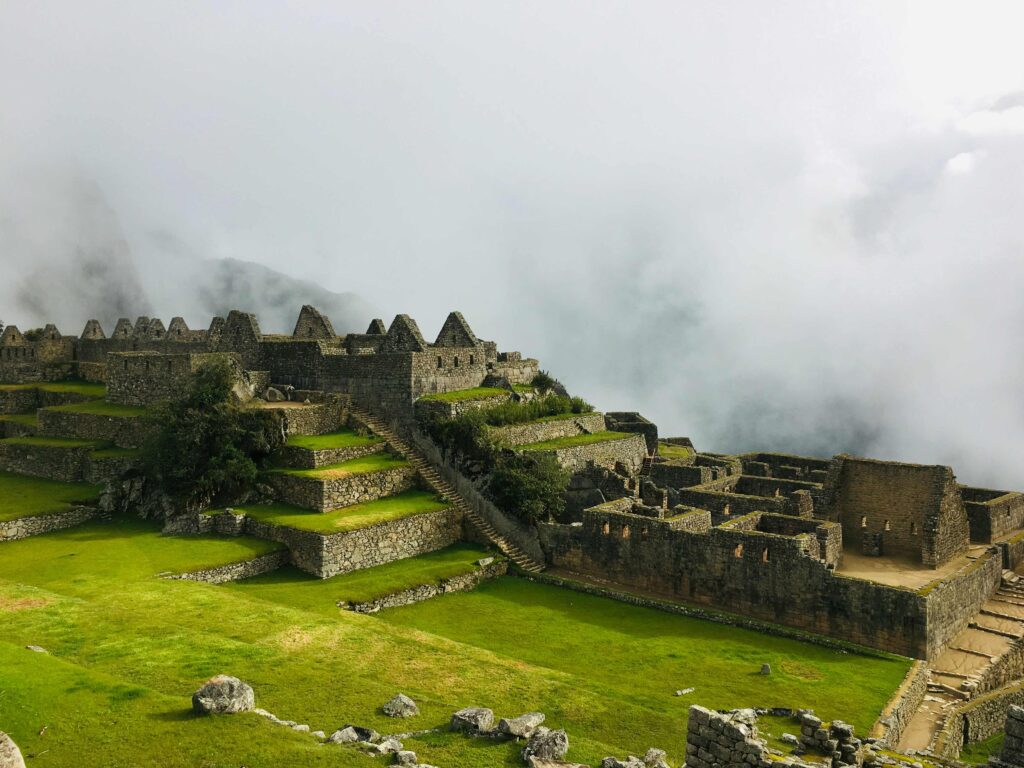
The primary variable in the region is precipitation, driven by warm, moisture-laden air masses rising from the eastern Amazon lowlands. As these air currents strike the cold granite peaks of the Urubamba mountain range, they cool and condense rapidly. This atmospheric dynamic creates dense banks of morning mist and sudden, localized rain showers, even on days predicted to be clear.
Temperature Shifts and Elevation Differences
Temperature remains relatively consistent throughout the year, with average daytime highs ranging between 68°F to 72°F. However, nighttime temperatures drop significantly, especially during the dry mid-year months when clear skies allow heat to escape rapidly into the atmosphere. Travelers basing themselves in Cusco, which rests at a much higher elevation of 11,150 feet, often mistake local valley conditions for those at the ruins. Machu Picchu is noticeably warmer, lower, and considerably more humid than Cusco.
Seasonal Breakdown: Dry, Shoulder, and Rainy Months
Selecting your travel dates involves balancing clear skies against overall foot traffic. The Peruvian calendar is divided into three distinct operational periods, each presenting clear tradeoffs for accessibility, photography, and overall comfort. If you’re weighing this same trade-off elsewhere in the country too, our best time to visit Peru guide breaks down how the coast, the Andes, and the Amazon each run on their own separate calendar.
1. Dry Season (May to September): The Best Time to Visit Machu Picchu for Optimal Visibility
The dry season aligns with the Southern Hemisphere winter and represents the absolute peak of tourism in the Sacred Valley. During these months, rain is rare, and days are dominated by crisp, blue skies and warm sunlight. Blue overhead conditions offer the iconic, panoramic views of the stone terraces set against the jagged peak of Huayna Picchu.
Nighttime temperatures in nearby towns like Ollantaytambo and Cusco frequently dip toward freezing, dropping as low as 32°F to 35°F. At Machu Picchu itself, morning visits start crisp before heating up quickly under direct sunlight.
The compromise for this steady weather is high visitor density. During June, July, and August, daily capacity limits across all entry circuits operate at absolute maximums. Narrow stone pathways through the urban sector can experience congestion, and photo opportunities without other travelers in the frame become rare after 8:00 AM. If you plan to travel during this window, securing tickets, train reservations, and hotels three to four months in advance is essential.
2. Shoulder Season (April and October): The Strategic Middle Ground
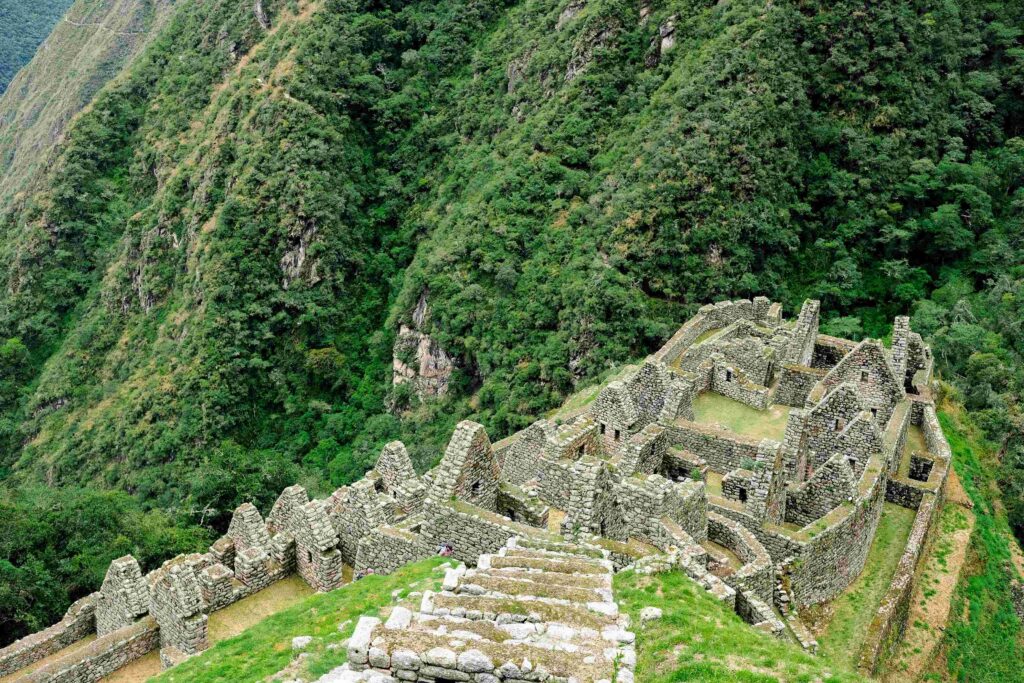
The shoulder months serve as transition periods, offering a balanced mix of reasonable weather and manageable crowd levels. April marks the conclusion of the rainy season, leaving the surrounding peaks lush and intensely green. The air is remarkably clear, and while occasional afternoon showers still occur, sustained rainstorms become uncommon.
October represents the shift toward the wet season. Temperatures warm up slightly, and clouds begin to build over the mountains, bringing short, localized rainfall every few days. However, mornings during October frequently offer long stretches of clear, sunlit viewing.
During these months, visitor counts decrease noticeably compared to the mid-summer rush. Hotel rates ease, train seats remain available closer to departure dates, and walking through the ruins feels far less hurried. For travelers seeking a balance between good photographic conditions and a calmer overall atmosphere, the shoulder season is exceptionally practical.
3. Rainy Season (November to March): High Humidity and Budget Considerations
The wet season brings frequent precipitation, heavy cloud cover, and high humidity across the Urubamba Valley. January and February see the highest rainfall totals, with storms often taking the form of intense afternoon downpours or prolonged morning drizzles that blanket the ruins in thick fog.
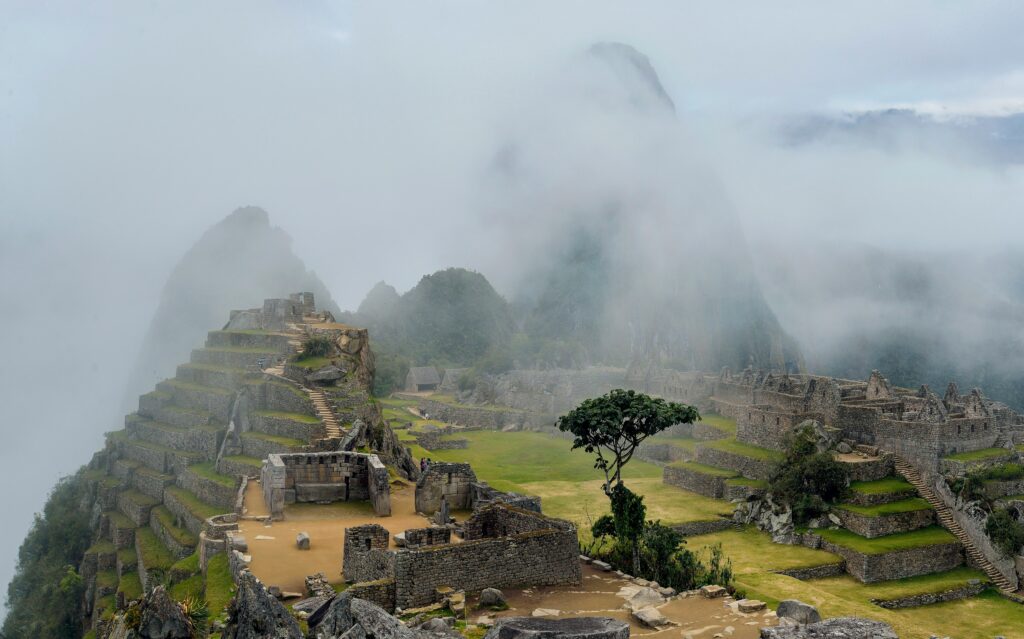
Visibility during these months is unpredictable. The citadel can be veiled in cloud cover at 7:00 AM, for the mist to clear by noon, revealing breathtaking views of clouds rolling over the surrounding peaks. February requires special logistical attention, as the official Inca Trail network closes for annual maintenance and environmental restoration, though the sanctuary itself remains open via train routes.
The primary benefit of traveling during the wet season is solitude paired with lower prices. Hotel rates across the Sacred Valley drop noticeably on booking platforms, and train operators frequently offer discounted fares. If you’re trying to figure out how far that lower spend actually stretches, our travel budgeting guide covers how to plan around savings like these without underestimating the trip.
If you travel with high-quality waterproof gear, flexible daily planning, and a willingness to accept fluctuating weather, the rainy season offers a quiet, moody perspective on the ancient site.
Navigating Machu Picchu Ticket Circuits and Regulations in 2026
Entering Machu Picchu requires navigating strict administrative regulations managed by the Peruvian Ministry of Culture. To preserve the structural integrity of the stone terraces and manage daily crowd flows, entry is strictly organized through assigned time slots and designated walking circuits.
Official Entry Circuits Breakdown
The current 2026 ticketing framework divides visitor access into distinct routes designed to distribute foot traffic evenly across different sectors of the sanctuary:
- Circuit 1 (Panoramas): This upper-terrace route provides sweeping, classic view angles over the entire complex. It’s designed primarily for travelers focused on panoramic photography and short walks without descending deep into the lower stone sectors.
- Circuit 2 (Classic Circuit): The most comprehensive route through the core urban and agricultural sectors. It grants access to iconic structural highlights including the Temple of the Sun, the Main Plaza, and the Sacred Rock. This circuit involves substantial walking across uneven stone steps and requires approximately 2.5 to 3 hours to complete fully.
- Circuit 3 (Royalty & Lower Sectors): Designed as an accessible lower-level loop, this path explores the lower terraces, the Royal Compound, and the Condor Temple area. It involves fewer steep stair climbs and serves as the entry path for visitors holding permits to hike Huayna Picchu or Huchuy Picchu peaks.
Pricing Structure and Booking Timeline
Official government entrance tickets generally range from $45 to $62 per adult for standard entry paths, depending on the specific circuit chosen and any associated booking fees. Passes that combine entry with additional high-mountain hikes like Huayna Picchu range between $62 and $80.
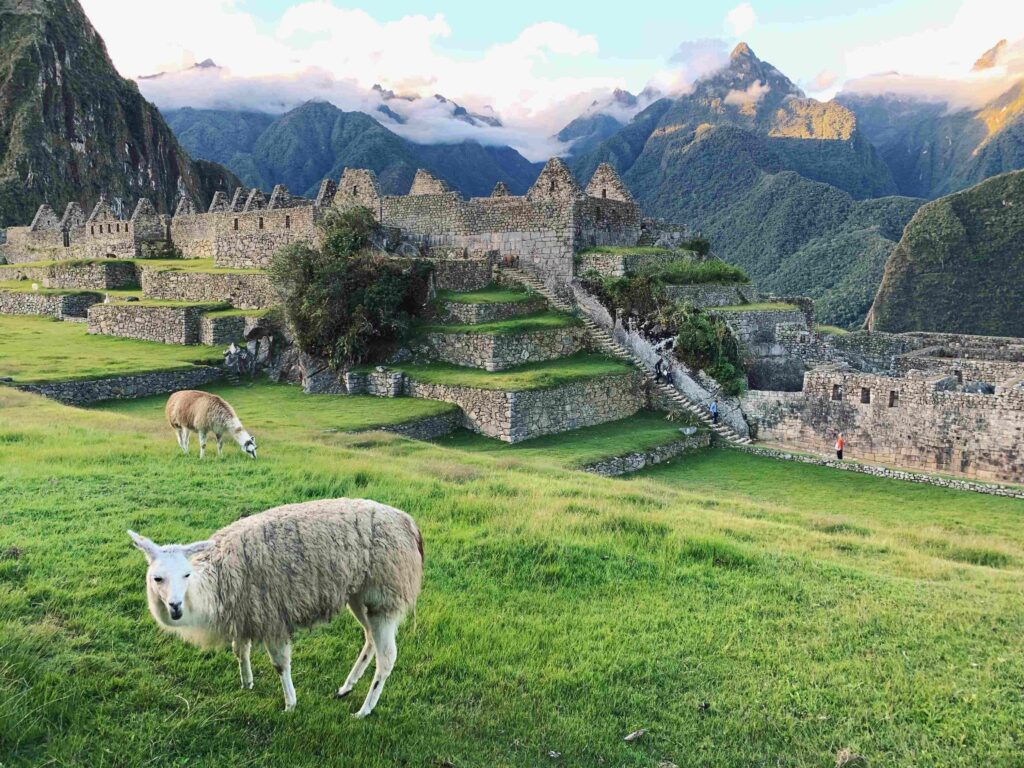
Because total daily entries are capped and timed in precise one-hour entry windows, tickets must be booked weeks or months ahead of your trip, particularly for Circuit 2 during the dry season. Once purchased, entry passes are tied strictly to your passport number and can’t be altered or transferred on-site.
Crowd Dynamics and Daily Timing Strategies
Selecting your entry time slot during the day directly impacts your overall experience inside the ruins. Daily visitor traffic follows predictable patterns driven by the schedules of incoming day-trip trains from Cusco and Ollantaytambo.
Morning Windows (6:00 AM – 9:00 AM)
The early morning window appeals to visitors staying overnight in the nearby gateway town of Aguas Calientes (Machu Picchu Pueblo). While early entry allows you to beat the largest waves of tourists, morning mist frequently covers the mountain ridge at dawn. Seeing the ruins emerge through lifting fog is visually dramatic, but guaranteed clear overhead shots are less likely during the first light of the day.
Peak Hours (9:00 AM – 1:00 PM)
Peak visitor density occurs during the middle of the day. During these hours, high-capacity passenger trains arrive at the station below, releasing large tour groups that move through the designated circuits together. Walking paths through narrow stone doorways can become slow-moving during this time frame, making advance movement between sectors less fluid.
Late Afternoon Windows (2:00 PM – 5:00 PM)
The late afternoon window offers one of the best operational compromises for clear views and quiet conditions. By 2:30 PM, the majority of day-trip visitors have returned to the train station to catch afternoon departures back toward Cusco. The light softens as the sun drops behind the western peaks, crowd volume thins out significantly, and the site becomes noticeably quieter during its final operating hour.
Logistic Realities: Accommodation and Transit Planning
Executing a seamless visit requires coordinating multiple layers of transport and accommodation well before reaching the entrance gates. Most international travelers land in Lima before taking an internal flight to Cusco. From Cusco, reaching Machu Picchu involves combining vehicle transfers, mountain train journeys, and final shuttle bus connections.
Train Services and Transit Options
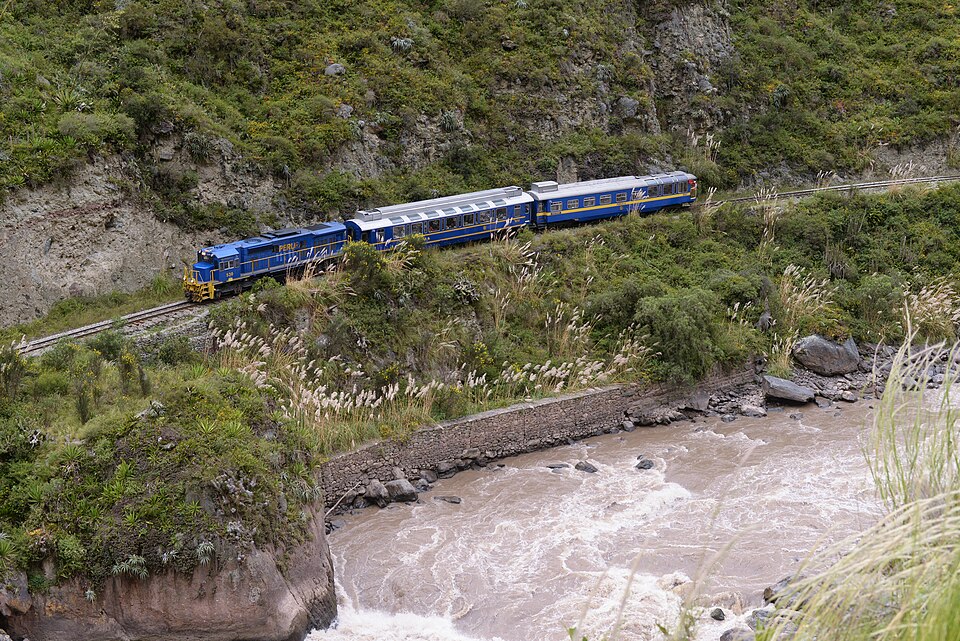
Sashimi-b, CC BY 4.0, via Wikimedia Commons. Link to image
The journey by rail follows the winding course of the Urubamba River, descending from high Andean plains into the lush, steep canyon surrounding Aguas Calientes. Train service operates across distinct service tiers:
- Standard rail services (PeruRail expedition / Inca rail voyager): Comfortable, reliable options featuring overhead windows for mountain viewing. Round-trip fares generally range from $140 to $180.
- Panoramic services (PeruRail vistadome / Inca Rail 360°): Feature expanded glass roof panels, leather seating, and onboard cultural demonstrations. Round-trip fares range from $190 to $260.
- Luxury express (Belmond Hiram Bingham): An exclusive, fine-dining rail service operating vintage carriages, including a gourmet meal, lounge car access, and private transfers. Fares typically range from $1,000 to $1,250 per person.
Upon arriving in Aguas Calientes, travelers board official shuttle buses that climb the switchback road (Hiram Bingham Highway) to the citadel gates in approximately 25 to 30 minutes. Bus tickets cost approximately $24 round-trip per adult.
Accommodation Framework in Aguas Calientes
Choosing where to stay overnight depends on your preferred pacing. While some opt to visit as a long day trip from Cusco, spending a night in Aguas Calientes allows for an earlier or later entrance slot, avoiding peak transit windows.
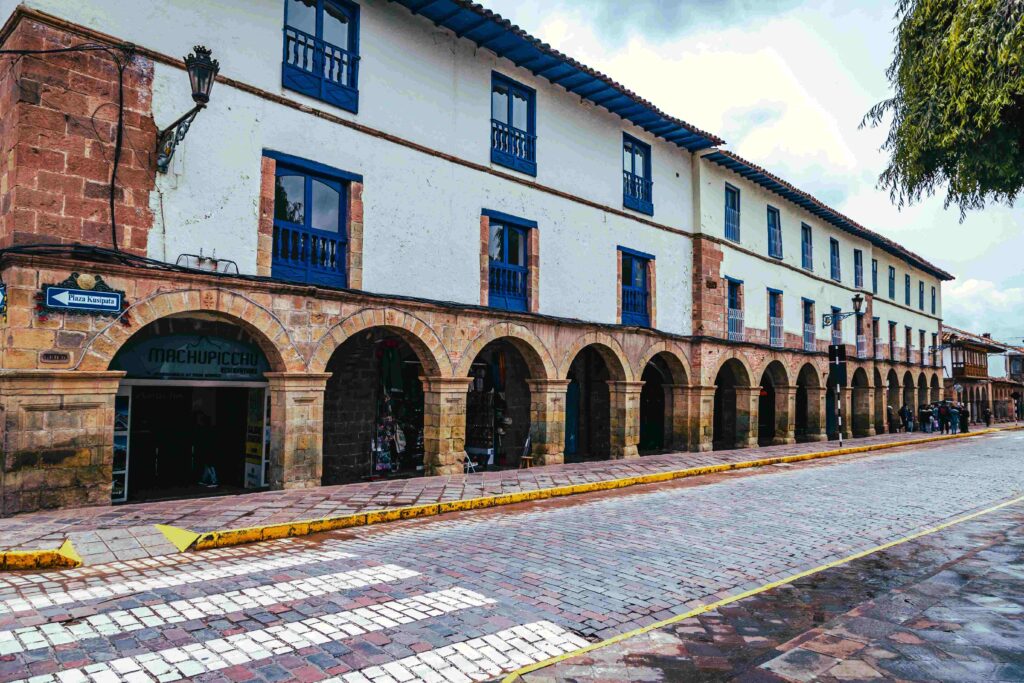
Hotels in Aguas Calientes range from clean, mid-tier properties such as Tierra Viva Machu Picchu ($110 to $220 per night) to luxury boutique stays like the Inkaterra Machu Picchu Pueblo Hotel ($450 to $850 per night), both listed on booking platforms like Hotels.com. For those seeking absolute proximity, the Sanctuary Lodge by Belmond rests directly outside the citadel gates, with room rates often exceeding $1,200 per night.
Quick Reference Summary Guide (2026)
Season / Metric | Dry Season (May – Sep) | Shoulder Season (Apr & Oct) | Rainy Season (Nov – Mar) |
|---|---|---|---|
Weather & Rainfall | Minimal rain, clear skies, cold nights | Moderate rain, clear mornings, green scenery | Heavy rain, high fog, warm temperatures |
Crowd Levels | Peak density (Maximum capacity) | Moderate and manageable | Low density (Quiet walking paths) |
Ticket Booking Lead Time | 3 to 4 months in advance | 4 to 6 weeks in advance | 1 to 2 weeks in advance |
Average Ticket Price | $45 – $62 (Circuits 1-3) | $45 – $62 (Circuits 1-3) | $45 – $62 (Circuits 1-3) |
Round-Trip Train Rates | $140 – $260 (Standard/Panoramic) | $140 – $260 (Standard/Panoramic) | $140 – $220 (Frequent discounts) |
Hotel Rates | High ($150 – $850+ / night) | Moderate ($120 – $600 / night) | Low ($110 – $450 / night) |
FAQs
What is the single best time to visit Machu Picchu for clear photos?
The months of June, July, and August offer the highest statistical probability of clear, cloudless skies. For optimal photo lighting with minimal crowd interference, aim for an entry ticket timed between 2:00 PM and 4:00 PM during these dry months.
How far in advance should I purchase Machu Picchu entry tickets?
For travel during the dry season (May through September), purchase entry tickets at least 3 to 4 months in advance, especially if you plan to walk Circuit 2 or hike Huayna Picchu. For shoulder season travel, 4 to 6 weeks is usually sufficient, while wet season tickets can often be secured 1 to 2 weeks out.
Is Machu Picchu open year-round?
Yes, the sanctuary remains open 365 days a year, regardless of rain or holidays. The only major seasonal closure in the area is the classic four-day Inca Trail hiking route, which closes down for the entire month of February for environmental maintenance and trail repairs.
What happens if it rains during my scheduled ticket time slot?
Operations continue normally during rain, and tickets can’t be refunded or exchanged due to weather conditions. It’s advisable to wear layered waterproof clothes and use ponchos rather than umbrellas, as large umbrellas can be cumbersome on narrow stone steps and are often restricted by site wardens.
How many days should I budget for visiting Machu Picchu from Cusco?
A minimum of 2 days and one night is recommended. Traveling from Cusco to Aguas Calientes on day one allows you to settle in, adjust to the elevation, and enter the ruins early or late on day two before returning to Cusco by evening train. If your trip has room for more, our things to do in Peru guide is a good next stop, since Machu Picchu is only one part of what the country has to offer.
Conclusion
Choosing the best time to visit Machu Picchu comes down to aligning your personal priorities with the natural cycle of the Andes. If guaranteed sunshine and sharp panoramic photos are your main goals, the dry winter months of June through August deliver steady weather, though they require early ticket planning and navigating peak crowd volumes.
For travelers who value a quiet, contemplative experience and want more room to walk the stone paths at a natural pace, the shoulder months of April and October offer an ideal balance of green mountain scenery, mild weather, and reduced foot traffic.
By looking closely at seasonal climate patterns, selecting the right ticket circuit, and timing your entry slot strategically, you can experience this extraordinary mountain sanctuary under conditions that best suit your personal travel style. And since the ruins are really just one chapter of a much bigger country, our guide to what Peru is known for is worth a look before you lock in the rest of the itinerary.