
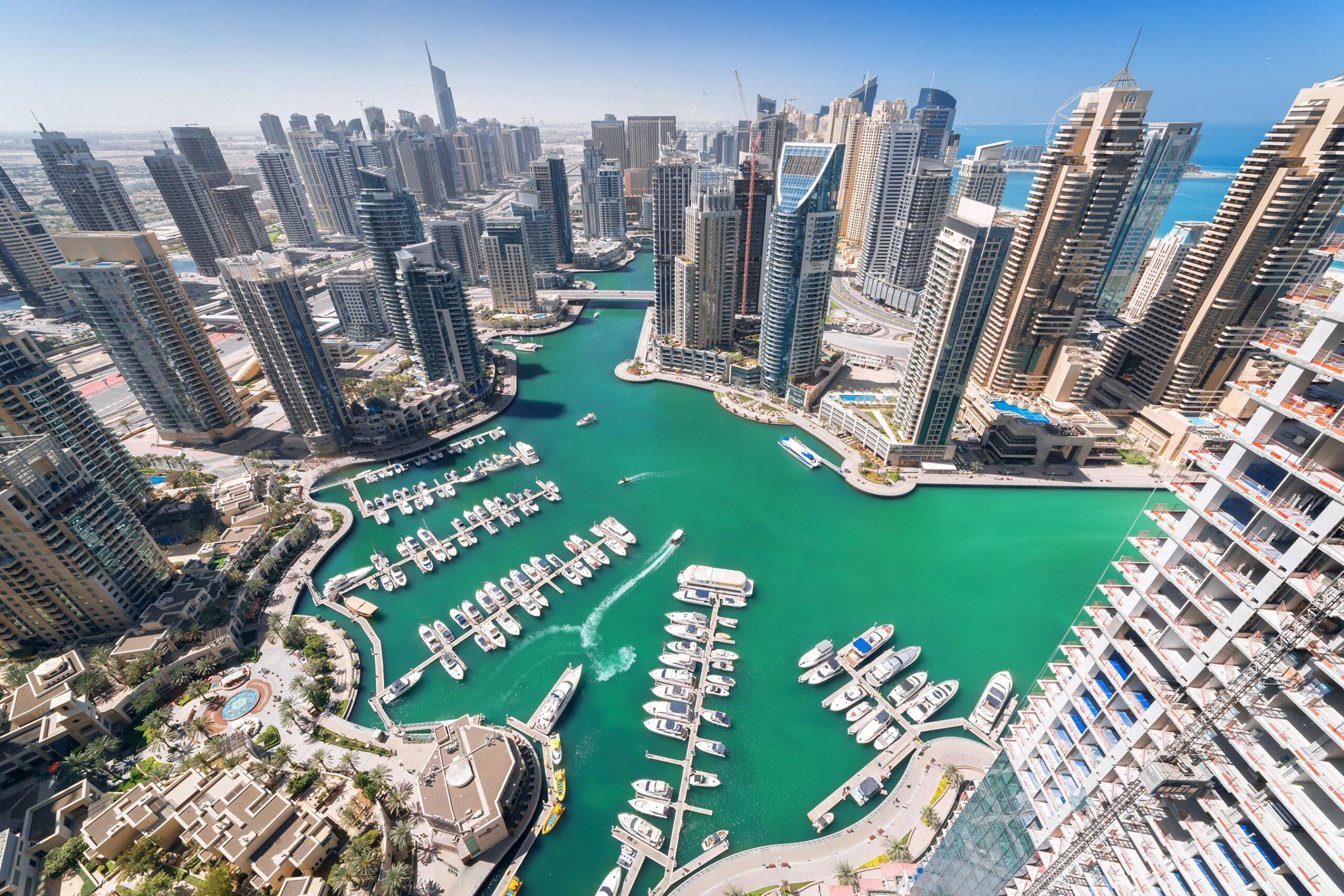
Dubai has a reputation for pushing limits, but its desert climate imposes a strict reality on travel plans. Choosing the best time to visit Dubai can decide whether you want to spend your days enjoying outdoor street cafes and desert dunes, or running between air-conditioned buildings to escape oppressive heat.
The city shifts dramatically depending on the month. Hotel rates can double or triple overnight when winter arrives, while summer slashes prices across five-star resorts to rock-bottom levels. Whether you’re planning a week-long winter getaway, looking to save on a luxury stay, or trying to maximize a short Dubai layover between long-haul flights, timing shapes your entire experience.
2026 Dubai Season Planner at a Glance
Hotel estimates reflect typical seasonal rates for central 4-to-5-star properties. Prices fluctuate based on major international events, holidays, and booking windows.
Season | Crowds | Hotel Rates (Per Night) | Weather & Temperature | Best For |
|---|---|---|---|---|
Winter Escape (Nov–Mar) | Very High | $250 – $700+ USD (900 – 2,500+ AED) | Peak comfort, 68°F to 82°F (20°C to 28°C) | Outdoor sightseeing, desert safaris, beach days |
Shoulder Season (Apr–May, Oct) | Moderate | $120 – $280 USD (440 – 1,000 AED) | Warm to hot, 82°F to 98°F (28°C to 37°C) | Swimming, balancing budget with warm weather |
Extreme Summer (Jun–Sep) | Very Low | $60 – $140 USD (220 – 500 AED) | Severe heat, 100°F to 113°F+ (38°C to 45°C+) | Luxury indoor resort stays, budget travel, mall dining |
The Winter Escape Window: November to March
If you’re coming from anywhere north of the equator in the US, winter in Dubai is basically the reward you’ve been waiting for since October. This is the stretch when the city makes the most sense as a destination rather than a place to survive.
Climate Comfort and Outdoor Exploration
From November through March, daytime temperatures settle into a genuinely pleasant range of 68°F to 82°F, and evenings can even dip cool enough for a light jacket. This is the only real window where you can spend a full day outside without planning your route around air conditioning.
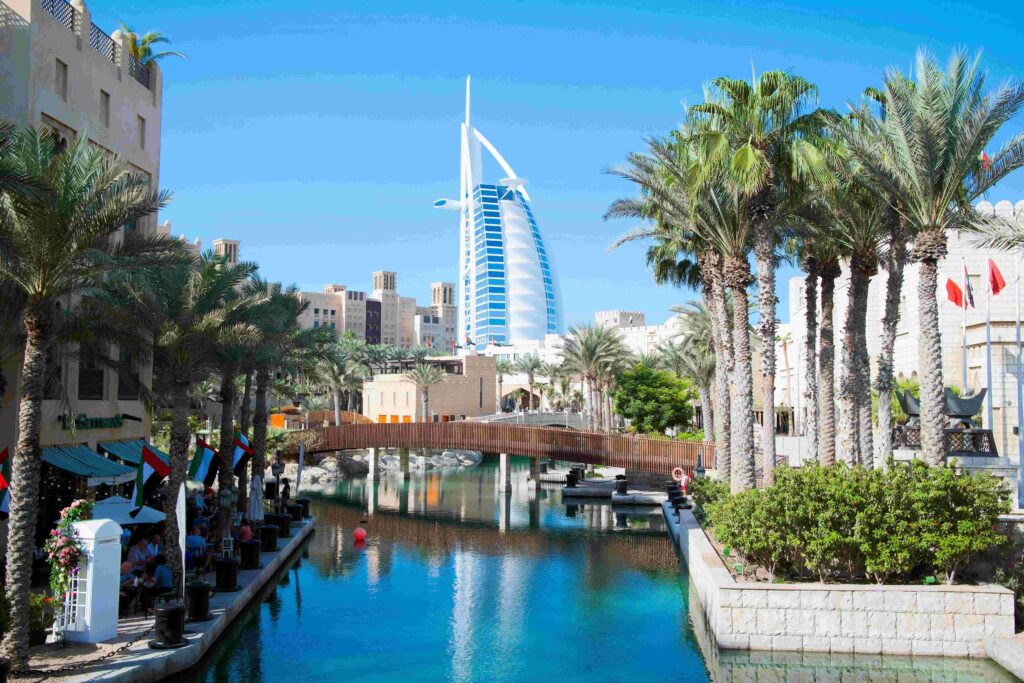
Desert safaris feel like an adventure instead of an endurance test, the walk through Al Fahidi’s old wind-tower houses is actually enjoyable, and the beach clubs along Jumeirah fill up with people who came here specifically for the weather. If you’ve been wondering about things to do in Dubai that don’t involve a mall, winter is when that list opens up completely.
The Cost of Perfection: Peak Rates and Crowd Control
Naturally, everyone else figured this out too. Hotel rates climb to their highest point of the year, often $250 to $700 a night for a solid three to five star property downtown, and flights from JFK, LAX, or ORD can run anywhere from $900 to $1,600 round trip.
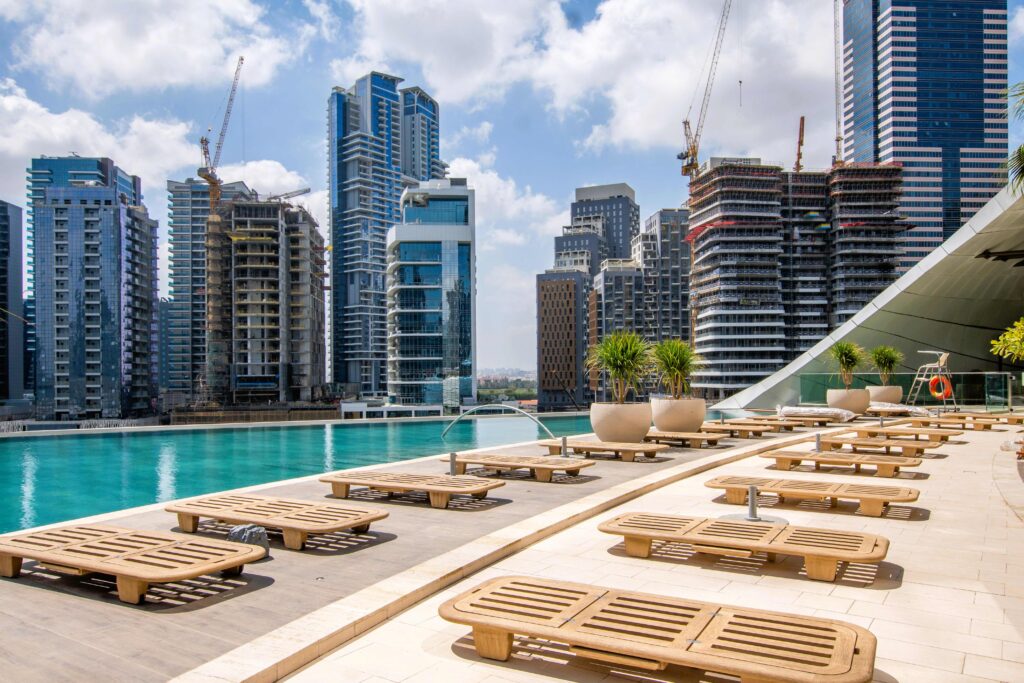
December and January carry the added weight of holiday travelers and New Year’s fireworks crowds, so if you’re set on visiting during this window, book your hotel and any big attraction tickets two to three months out. Burj Khalifa observation deck slots and desert safari operators sell out fast once the weather turns favorable, and last minute planning in peak season usually means paying more for a worse time slot..
4 Months to Avoid in Dubai (And Why)
While Dubai operates year-round with massive indoor infrastructure, visiting during the peak of summer requires serious compromises. If your travel style relies on walking, outdoor tours, or beach lounging, there are specific months that are best avoided.
July and August: Extreme Heat and Coastal Humidity
July and August are the worst times to visit Dubai if you plan on spending time outside. Temperatures regularly climb past 108°F (42°C) during the day, but the temperature alone doesn’t tell the full story. Because Dubai sits right on the Persian Gulf, marine humidity surges during mid-summer, pushing the heat index well above 120°F (50°C).
Stepping outside during a July afternoon feels like stepping into a heated sauna. Ocean water warms up so much that it stops feeling refreshing, and stepping out onto the beach offers little relief. Public sidewalks empty out, and outdoor markets, garden venues, and seasonal pop-ups shut down their operations until autumn returns. Unless your trip revolves around indoor shopping malls, covered theme parks, and hotel pools equipped with water chillers, these two months bring severe physical discomfort.
June and September: The Transition Heat Traps
June and September flank the peak summer core, and while they’re marginally less intense than July, they still present major environmental challenges. June brings a rapid escalation in temperatures with intense, unyielding sunlight. September suffers from lingering atmospheric humidity that makes late afternoons feel sticky and heavy, even as daytime highs begin a slow decline toward 100°F (38°C).
Travelers often book September thinking autumn has arrived, only to find that outdoor sightseeing remains impractical for more than fifteen minutes at a time. If you’re sensitive to heat or traveling with young children, treating June through September as a period for indoor-only travel saves you from a frustrating vacation.
When Is the Best Time to Go for Your Kind of Trip
Dubai adapts to different travel priorities throughout the year. Matching your specific goals to the right season ensures you don’t overpay or end up trapped indoors when you want to explore.
Budget Travelers and Deal Hunters
If saving money matters more than spending hours outside, the summer low season from May through September is the cheapest time to visit Dubai. High-end luxury hotels that charge $600 a night in January regularly drop their rates to $100 or $150 a night to maintain occupancy. Airlines offer competitive fares from major U.S. hubs, and top-tier restaurants feature discounted summer tasting menus.

Visiting on a budget during these months works well if you structure your days around climate-controlled environments. You can spend mornings at indoor exhibitions, afternoons at air-conditioned aquariums or ski slopes, and evenings dining in elevated indoor spaces.
Beachgoers and Water Sports Enthusiasts
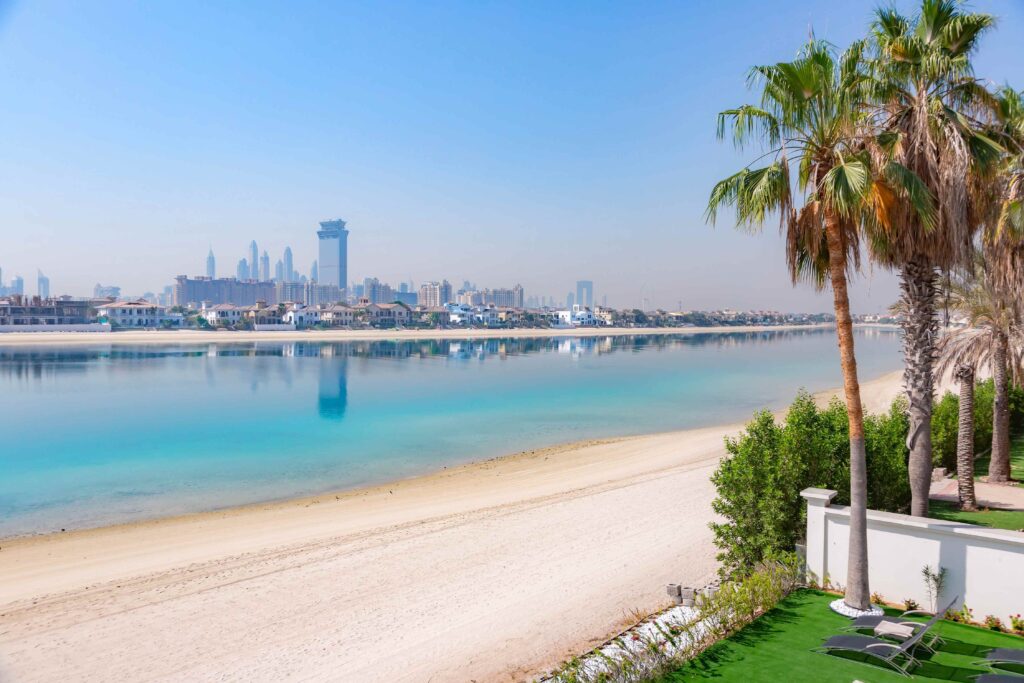
For the ultimate beach getaway, target the shoulder months of April, May, and October. During these windows, daytime temperatures stay warm enough for swimming, while the ocean remains comfortably warm without reaching the bathwater heat of mid-summer.
April and October strike a great balance. You’ll get plenty of sunshine for paddleboarding, kitesurfing, or relaxing on public beaches, with sea temperatures averaging a balmy 80°F (27°C). Hotel prices during shoulder season drop roughly 30% to 40% below peak winter rates, letting you enjoy coastal luxury without paying absolute top-tier prices.
Cultural Events and Festive Travelers
Travelers seeking vibrant city energy, live performances, and festive street life should aim for December through February. December brings holiday markets, outdoor concerts, and massive New Year’s Eve fireworks displays centered around the downtown skyline.
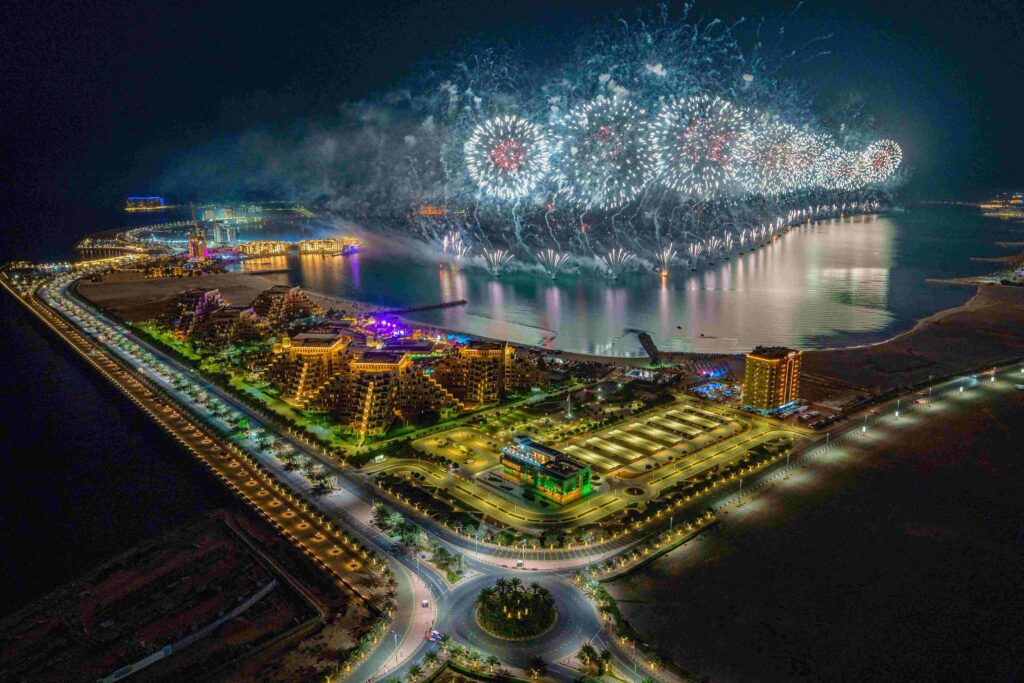
January and February host the annual Dubai Shopping Festival, filling malls and street districts with pop-up entertainment, outdoor food markets, and major retail promotions. The pleasant evening air makes it comfortable to stay out late, exploring night markets and waterfront shows.
Planning a Dubai Layover: Seasonal Considerations
Dubai International Airport (DXB) serves as one of the world’s largest international transit hubs, making a Dubai layover a popular way to break up long journeys between North America, Asia, and Africa. However, whether leaving the airport for a quick twelve-hour tour makes sense depends heavily on the season.
Winter Layovers (12 to 24 Hours)
If your transit lands between November and March, stepping out of the airport is smooth and rewarding. The metro line connects directly from the terminal to major central districts in under thirty minutes. You can easily fit a walk through the historic souks, a quick traditional boat ride across the creek, and an afternoon view of the Burj Khalifa into a short window without worrying about heat exhaustion.
Winter layovers offer a seamless transition from long flights. The fresh outdoor air helps reset your circadian rhythm, and outdoor dining near the downtown fountains provides a relaxing break before your next flight.
Summer Layovers: Navigating Thermal Shock
Handling a summer layover requires a different strategy. Stepping out of a cool aircraft cabin into 105°F heat at two in the afternoon can cause immediate thermal shock, making outdoor walking uncomfortable almost instantly.
During summer transits, keep your itinerary indoors. Take a taxi directly from the airport terminal to climate-controlled destinations like the Museum of the Future, indoor observation decks, or air-conditioned shopping galleries. If your transit is under eight hours during a mid-summer afternoon, staying inside the airport terminal lounges or booking an air-side hotel room is often far more restful than dealing with external weather extremes.
Dubai Weather by Month: Quick Decision Breakdown
Navigating the local calendar is much easier when you understand how climate conditions shift across each quarter. Here’s what to expect throughout the year:
November through February: Peak Winter Comfort
This is the absolute sweet spot for weather across the Arabian Peninsula. Daytime temperatures hover between 70°F and 80°F (21°C to 27°C), accompanied by minimal rainfall and cool evening breezes that sometimes require a light jacket. It’s the ideal window for outdoor sports, desert excursions, and open-air dining. Expect high demand, busy attractions, and premium hotel pricing throughout this period.

March through May: The Warm Spring Transition
Temperatures climb steadily from the low 80s in March to the mid-90s by late May. Early spring remains very pleasant for outdoor sightseeing, though midday sun grows intense by May. Humidity stays manageable during these months, and the ocean warms up nicely for water sports. Hotel rates begin to ease down from their winter peaks, offering strong value for spring break travelers.
June through September: High Summer Heat
Extreme heat dominates this period, with daily highs ranging from 100°F to 115°F (38°C to 46°C). Coastal humidity peaks in July and August, creating heavy outdoor air that limits physical activity. High-end resorts drop prices significantly, making it an attractive window for luxury budget stays, provided you’re content spending your daylight hours inside air-conditioned spaces.
October: The Autumn Reopening
October marks the return of manageable weather as temperatures drop back into the low 90s (33°C to 35°C). Humidity begins to clear, evening temperatures become comfortable again, and seasonal outdoor venues, desert camps, and beach clubs open up for the winter season. It serves as an excellent shoulder month for travelers looking to catch good weather before peak winter crowds arrive in November.

FAQs
Is Ramadan a good time to visit Dubai?
Visiting during Ramadan offers a unique cultural perspective, but it changes the daily rhythm of the city. While tourist hotels and major attractions operate normally, public daytime eating and drinking regulations are observed, and pace slows down before sunset. In the evening, the city comes alive with vibrant Iftar buffets and late-night night markets.
What is the absolute cheapest month to fly to Dubai?
July and August are consistently the cheapest months for both flights and hotels. Because leisure travel drops sharply due to summer heat, airlines and luxury resorts offer substantial discounts to attract business.
Can you swim in the ocean in Dubai during winter?
Yes, sea temperatures in December and January average around 70°F to 73°F (21°C to 23°C). While it might feel slightly cool when you first step in, it remains very swim-friendly, especially for visitors arriving from colder northern climates.
How far in advance should I book for a winter escape?
For travel between December and February, booking hotel accommodation and major attraction tickets two to four months in advance is recommended. Popular boutique hotels and top-tier desert safaris sell out early during peak winter weeks.
Is a 12-hour layover enough time to see the city?
Yes, twelve hours is plenty of time to get a good sense of the city. Since Dubai International Airport is located close to the central district, a quick taxi or metro ride puts you within easy reach of major landmarks, historic markets, and waterfront dining.
Conclusion
Choosing the best time to visit Dubai comes down to balancing your tolerance for heat against your travel budget. If your ideal trip involves open-air desert adventures, heritage walks, and comfortable beach days, building your itinerary around the mild winter months from November to March is well worth the higher price tag. If you prefer five-star luxury on a modest budget and don’t mind staying indoors, the summer months deliver incredible value. Align your plans with the seasonal reality, and you’ll experience the city on your own terms.