
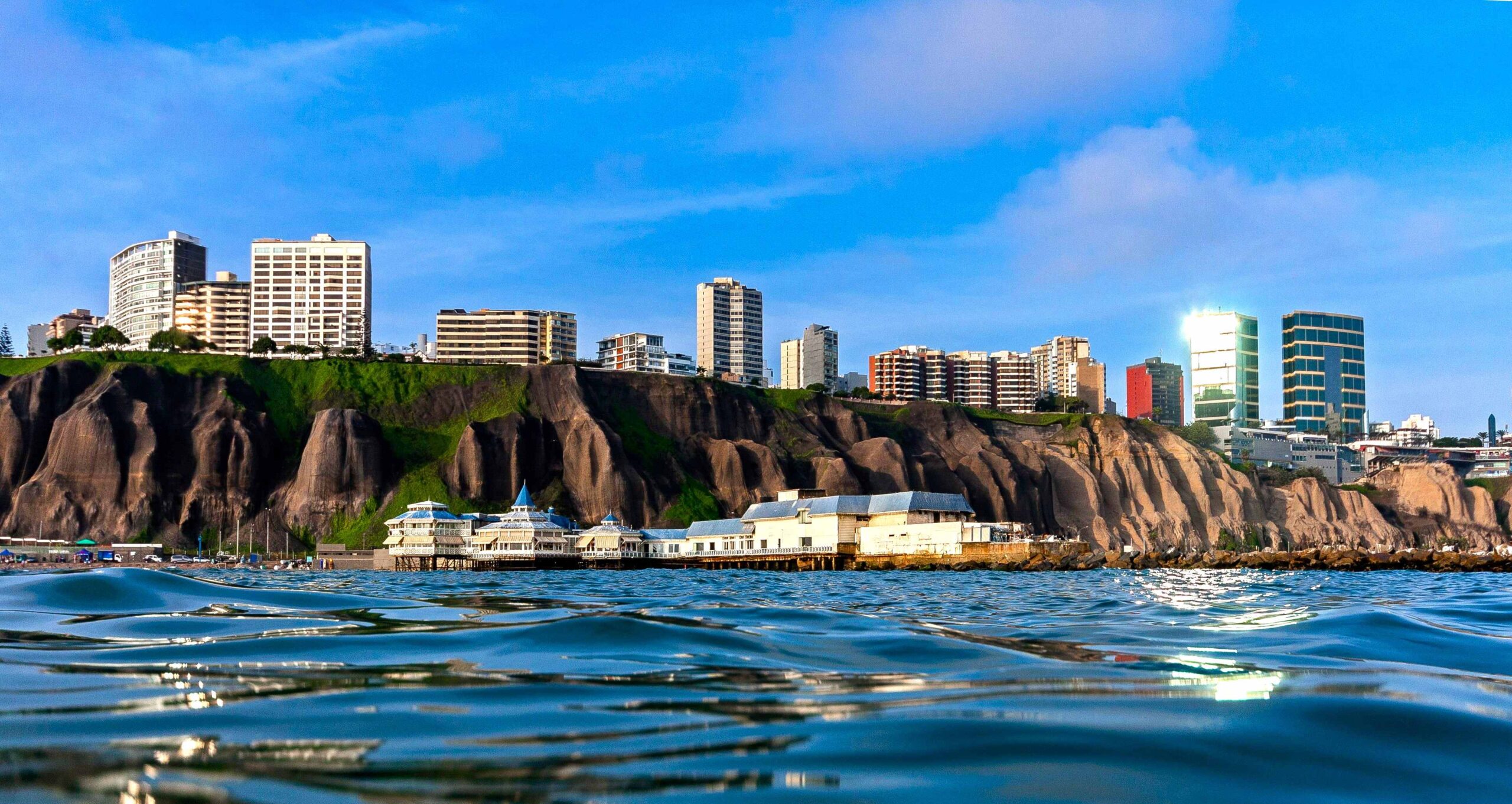
Most travelers treat Lima like a layover with a passport stamp attached to it, one night before the flight to Cusco and nothing more. That’s a mistake. Lima is South America’s most underrated food capital and one of the few cities on the continent where pre Inca pyramids sit quietly between apartment buildings and beach clubs.
If you’re weighing things to do in Lima Peru before you commit real days to the city, the honest answer is that it deserves at least a couple of them, and by the end of this guide you’ll know exactly how to spend them.
Navigating Lima: Neighborhoods, Logistics, and Timing
When to Visit and How Long to Stay
The best time to visit Lima Peru depends on how you like your coast. December through April brings clear skies and warm days around 75 to 82°F , perfect for anything oceanfront.
May through November brings garúa, a thick coastal fog that keeps things cool and gray, but it’s still a fine stretch for museums, old buildings, and long indoor lunches. If you’re mapping Lima against the rest of the country, our best time to visit Peru guide breaks down how the coast, the Andes, and the Amazon each run on a completely different weather clock.
2 to 3 days is the sweet spot. Two covers the historic center, a few neighborhood walks, and the coastline. A third day leaves room for a big culinary reservation or a museum you’d otherwise have to skip.
Neighborhood Breakdown and Getting Around
Where you sleep shapes the whole trip. Miraflores is the easy choice, walkable, safe, and right on the clifftop near restaurants and the ocean path. Barranco, just south, is looser and more artsy, full of murals and late nights, the kind of place you wander rather than rush through. San Isidro is calmer and more upscale, good if you want a break from crowds. Pueblo Libre feels like a small colonial town on its own, home to some of Lima’s best museums and taverns that haven’t changed in a century.
Skip street taxis. Uber and Cabify are the norm here, the fare’s locked in before you get in, and there’s a record of the driver and route. It’s a small habit that saves a lot of hassle.
Culinary Capital: Seafood, Fine Dining, and Markets
1. Sample Coastal Flavors and Daytime Ceviche
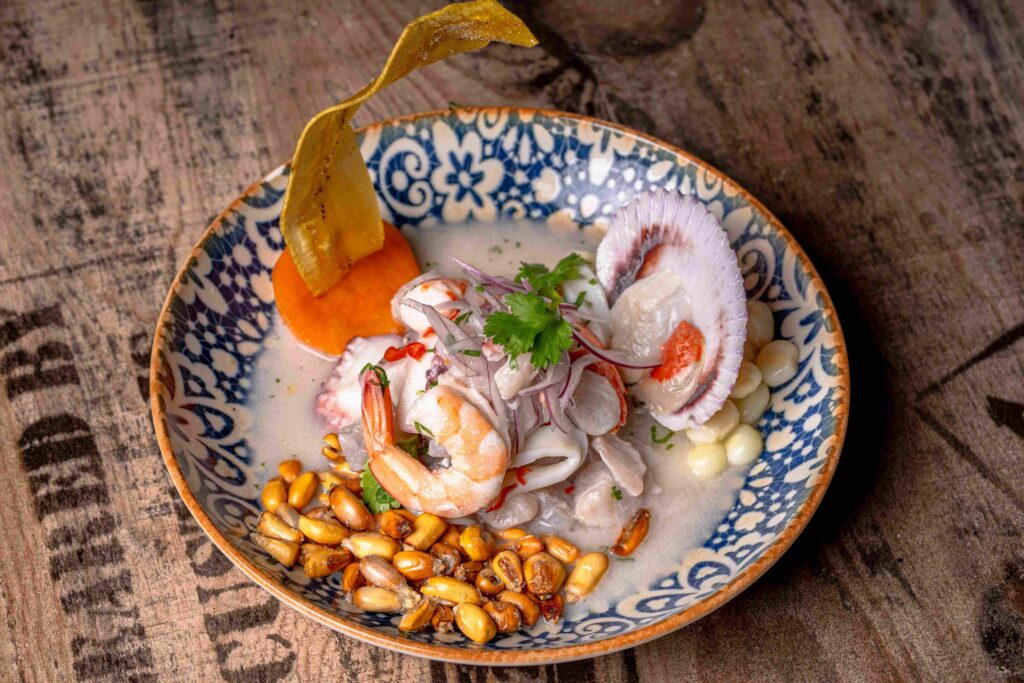
Lima’s relationship with seafood is anchored in the Humboldt Current, which brings cold, nutrient-rich water along the Peruvian coast. Ceviche, the national dish of fresh raw fish cured in freshly squeezed key lime juice with red onions and rocoto peppers, is traditionally consumed during daytime hours. Local culture dictates that fish caught in the early morning should be eaten by mid-afternoon to ensure absolute freshness.
Established establishments like La Mar in Miraflores or Isolina in Barranco showcase this tradition at a high standard. A meal centered on classic ceviche, paired with sweet potato and oversized Andean corn kernels known as choclo, generally costs between $20-$35 (75-130 PEN) per person. Ordering ceviche at lunch aligns with local dining customs and guarantees the highest quality catch.
2. Experience High-End Gastronomy and World-Class Tasting Menus
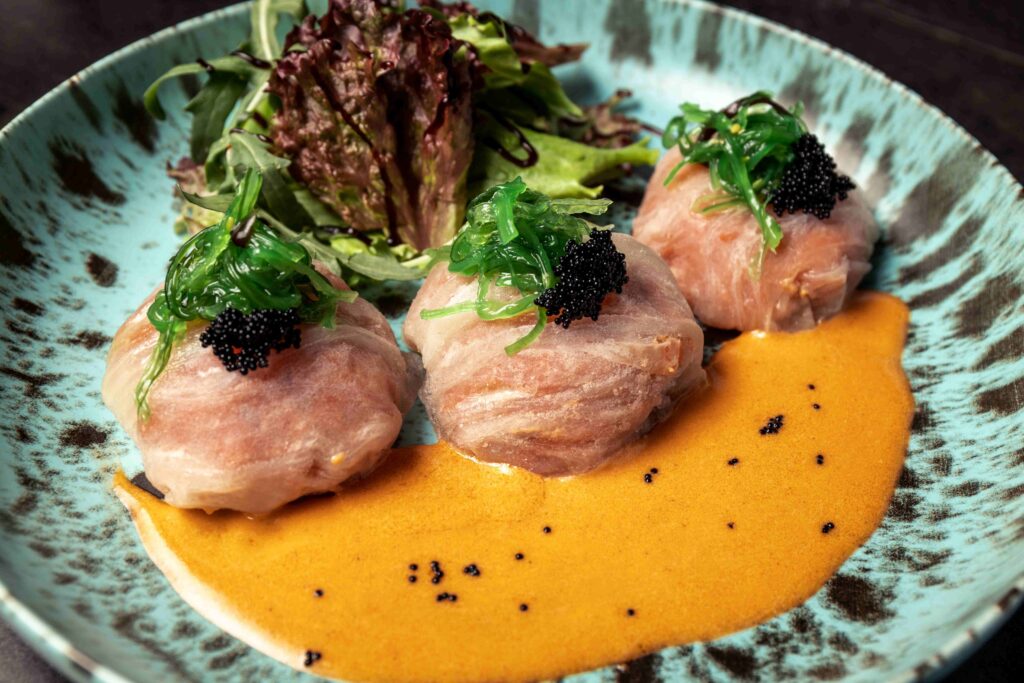
Lima has established itself as a global focal point for fine dining, home to restaurants that rank among the finest in the world. Central, led by chefs Virgilio Martinez and Pia Leon, offers an elevation-based tasting menu that takes diners through Peru’s varied ecosystems, from hundreds of meters below sea level in the Pacific to extreme altitudes in the Andes. Reservations for Central open several months in advance online and require prompt booking.
Another cornerstone of Lima’s culinary reputation is Nikkei cuisine, the fusion of Peruvian ingredients and Japanese culinary technique perfected over generations. Maido, overseen by chef Mitsuharu Tsumura, represents the pinnacle of this tradition, serving multi-course tasting menus featuring Amazonian fish, dashi-infused reductions, and slow-cooked short ribs.
A full tasting experience at these flagship destinations ranges from $240-$400 (890-1,480 PEN) per person without beverage pairings.
3. Immerse in Historic Tavern Culture in Pueblo Libre
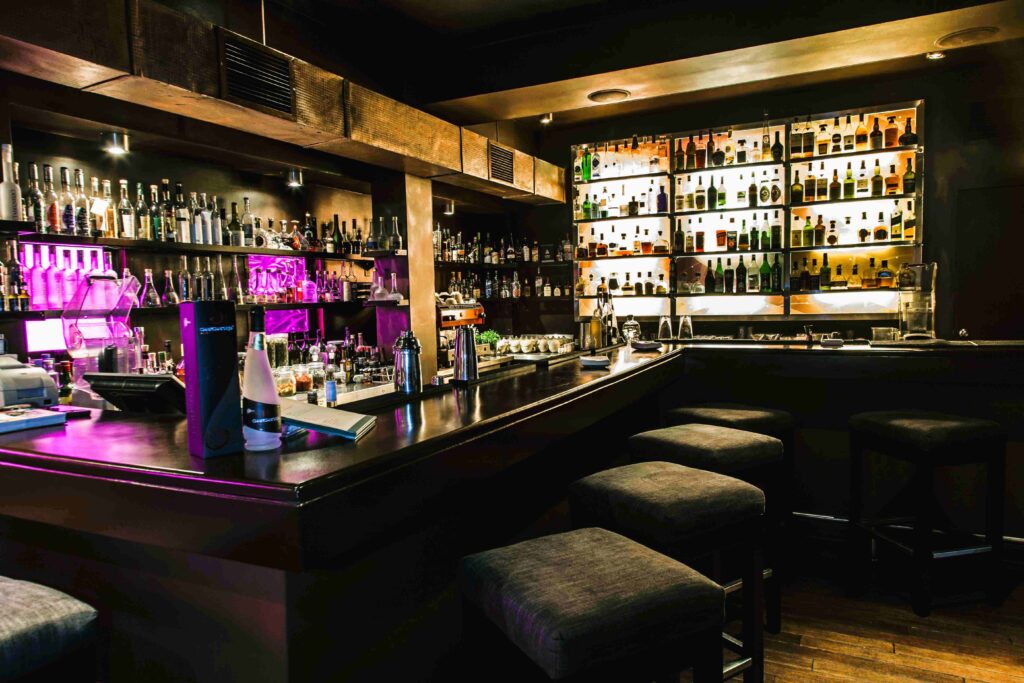
Beyond contemporary fine dining, Lima maintains a rich tavern culture that reflects its late nineteenth and early 12th century heritage. Located in the residential district of Pueblo Libre, Antigua Taberna Queirolo has operated since 1880. Originally established as a grocery store by Italian immigrants, the tavern retains its original dark wood counters, vintage bottles, and unpretentious atmosphere.
Visiting a classic tavern provides context on traditional Peruvian spirits, particularly Pisco. Ordering a classic Pisco Sour – crafted from Pisco grape brandy, lime juice, simple syrup, and egg whites – or a refreshing Pisco Chilcano with ginger ale costs between $6-$10 (22-38 PEN) per glass. These venues also serve hearty, traditional small plates such as ham sandwiches on rustic bread and potato croquettes known as papas rellenas.
4. Discover Local Produce at Mercado Surquillo No. 1
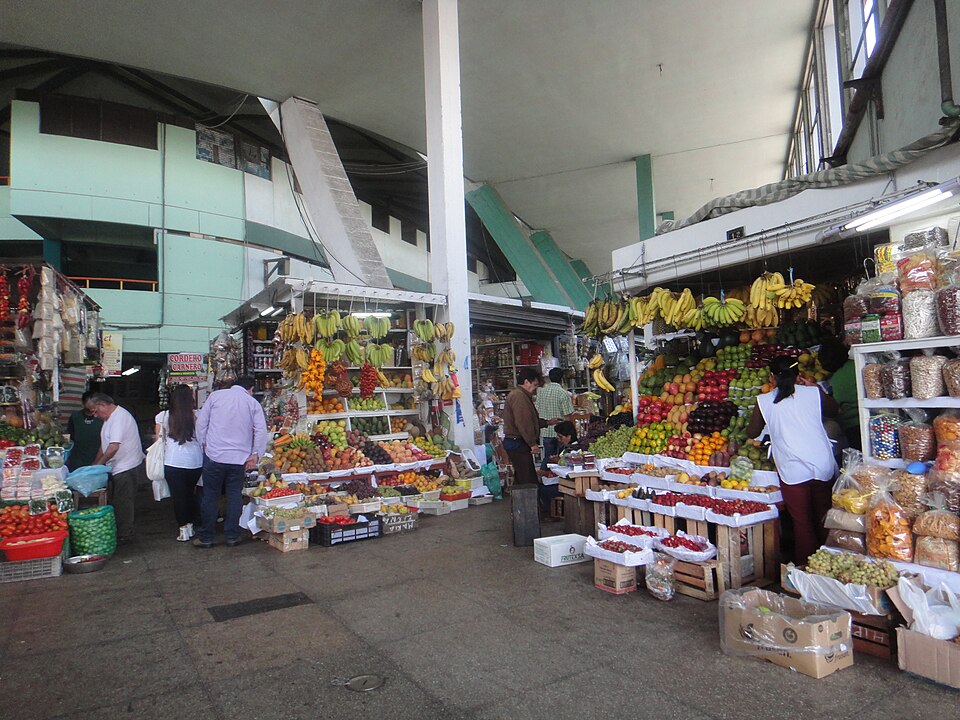
To understand the raw ingredients behind Lima’s restaurant industry, a visit to Mercado Surquillo No. 1 offers an authentic look at regional commerce. Located just a short walk across the highway from northern Miraflores, this market gathers produce from the Amazon basin, the Andean highlands, and the Pacific coastline under one roof.
Walking through the stalls reveals dozens of native potato varieties, exotic fruits like cherimoya and maracuya, and an array of fresh chilies including Aji Amarillo and Aji Limo. The market is free to explore, though setting aside $3-$8 (11-30 PEN) allows visitors to sample freshly squeezed fruit juices or casual street bites prepared at interior market stalls.
Ancient History Embedded in Modern Districts
5. Explore Huaca Pucllana Clay Pyramids of Miraflores
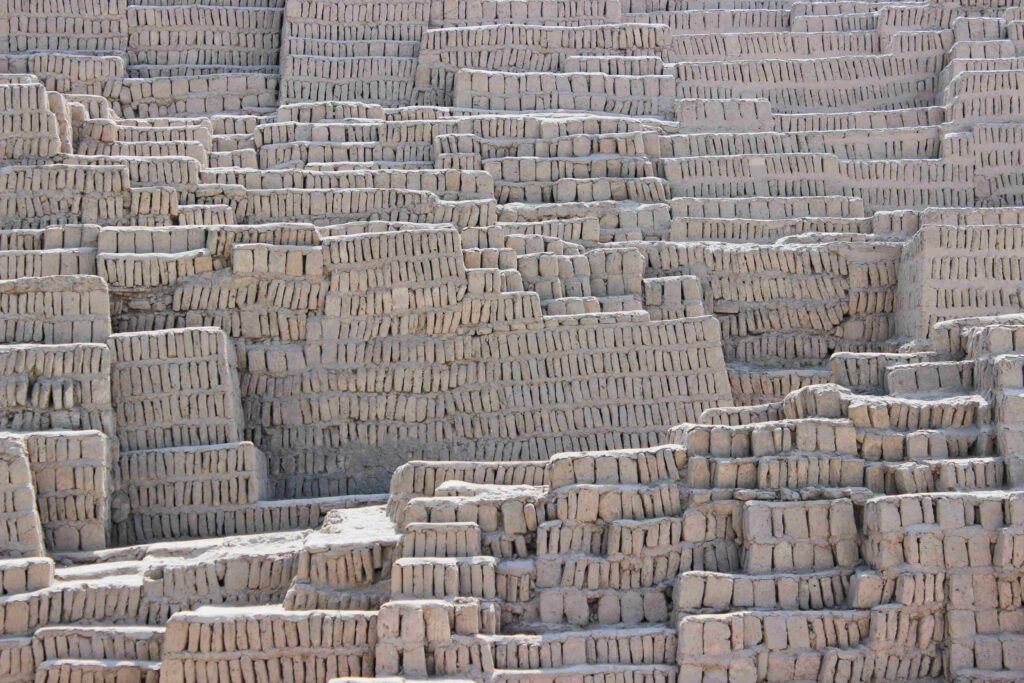
Unlike conventional Lima Peru tourist attractions that sit in isolation far outside urban boundaries, Huaca Pucllana rises out of the residential blocks of Miraflores. Constructed around 500 CE by the Lima culture centuries before the Inca Empire expanded, this massive ceremonial complex was built using millions of hand-molded adobe bricks arranged in an unstable bookshelf pattern designed to withstand severe earthquakes.
Visitors can explore the pyramid via guided walking tours that explain the site’s original functions as an administrative and religious center. An evening visit is particularly compelling, as floodlights illuminate the clay structures against the dark sky, creating a striking contrast with the modern city lights surrounding the perimeter. Daytime admission costs $4 (15 PEN), while specialized night tours cost $4.50 (17 PEN).
6. Visit Huaca Huallamarca in San Isidro
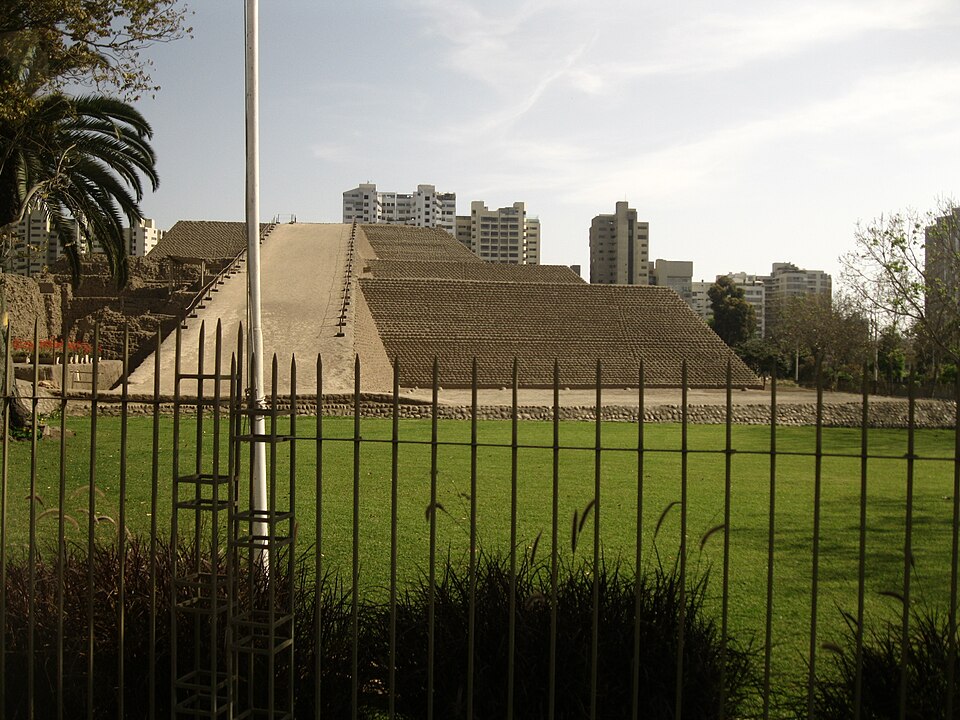
A short drive northwest into San Isidro brings travelers to Huaca Huallamarca, another remarkably preserved pre-Inca pyramid. This structure features a distinct, stepped ramp architecture constructed from small adobe bricks known as adobitos. Originally utilized as an elite burial mound and later as a ceremonial platform by successive cultures, the site offers an intriguing glimpse into pre-Columbian urban planning.
The on-site museum displays artifacts recovered during excavations, including mummies, textiles, and ceramic vessels. Admission is $1.50 (5 PEN), making it an efficient and educational historic stop that takes under an hour to explore completely.
7. Tour Larco Museum Pre-Columbian Gold and Pottery
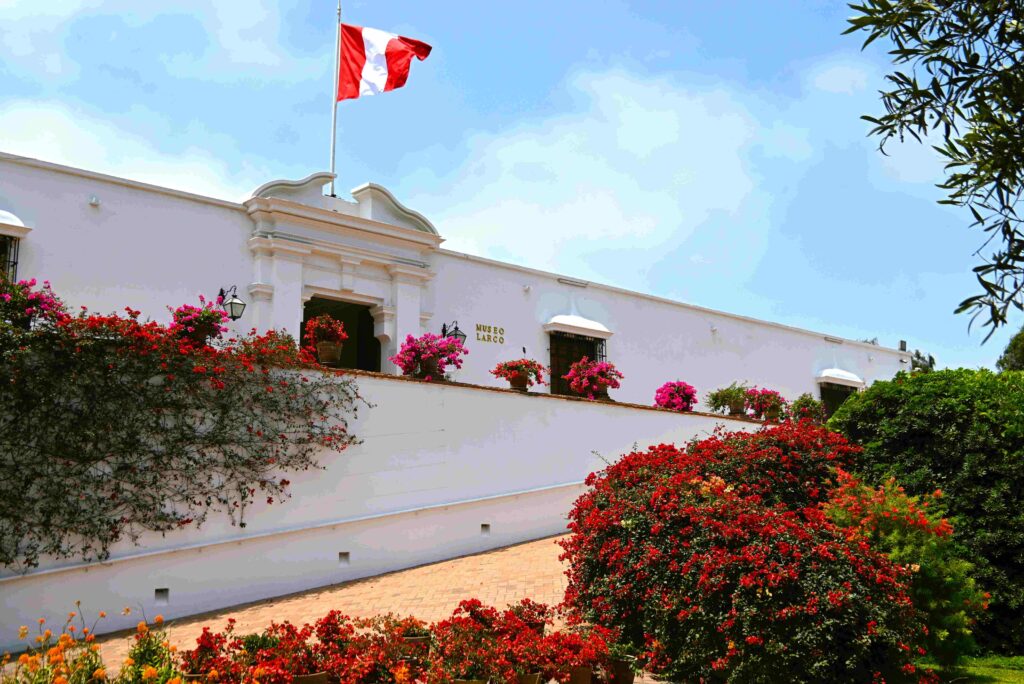
Situated in Pueblo Libre within an eighteenth-century mansion built over a seventh-century pyramid, the Larco Museum houses the most comprehensive collection of pre-Columbian art in South America. The museum’s galleries exhibit gold and silver metalwork from ancient Peruvian cultures, intricate textiles, and thousands of ceramic vessels detailing ancient daily life.
The museum is notably famous for its open-storage storerooms, which allow guests to wander through thousands of categorized ceramic artifacts, as well as its separate gallery of pre-Columbian erotic pottery. The surrounding gardens, filled with vibrant bougainvillea and native flora, provide a tranquil setting for reflective walks. Online advance tickets cost $12 (45 PEN), while entry purchased on-site runs $13.50 (50 PEN).
Historic Center: Spanish Colonial Heritage
8. Walk Plaza Mayor and the Cathedral of Lima
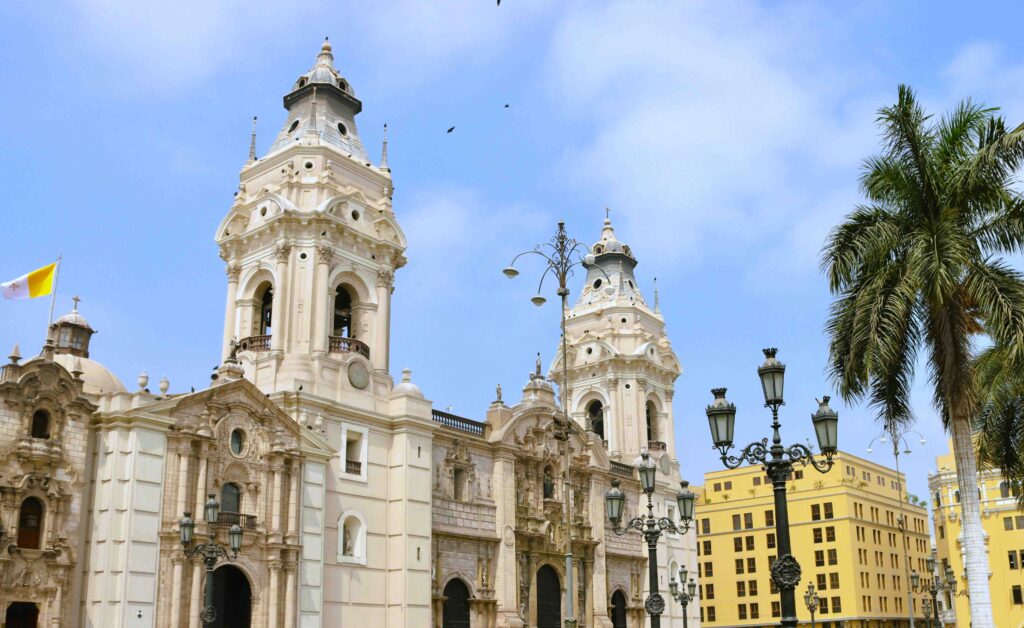
Centro Historico is designated a UNESCO World Heritage site due to its dense concentration of Spanish colonial architecture. The Plaza Mayor, or Plaza de Armas, serves as the historic core where Spanish conquistador Francisco Pizarro founded the city in 1535. Surrounding the square are key civic buildings, including the Government Palace and the Municipal Palace, featuring elaborate carved wooden balconies.
On the eastern side of the plaza stands the Cathedral of Lima, a grand structure rebuilt several times following major historical earthquakes. Inside, high vaulted ceilings, choir stalls carved from solid cedar, and the chapel housing the tomb of Pizarro offer insight into the colonial era. Exploring the exterior plaza is free, while entering the cathedral and its sacred art museum costs approximately $5 (18 PEN).
9. Descend into San Francisco Monastery and Underground Catacombs
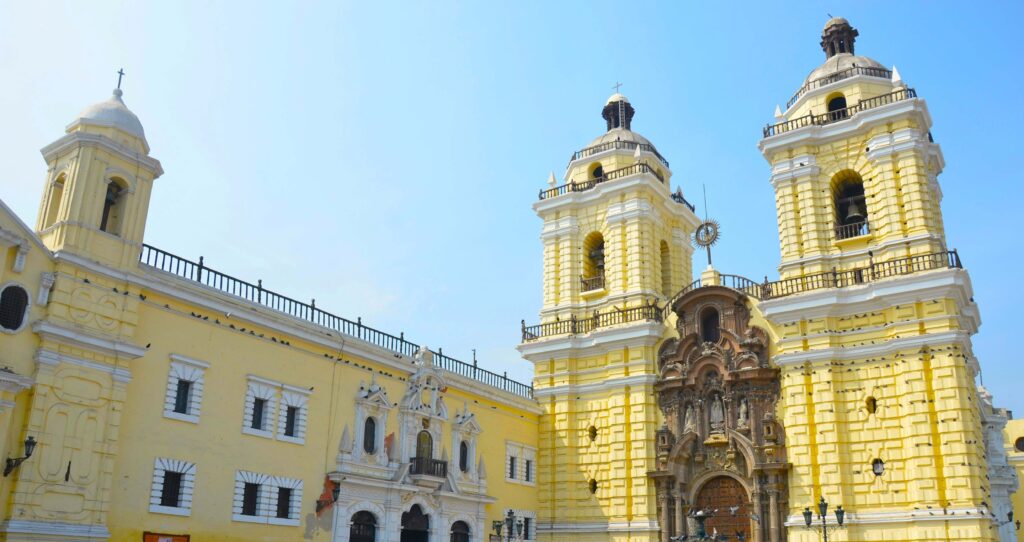
A few blocks northeast of the main plaza lies the Basilica and Convent of San Francisco, famous for its Spanish Baroque architecture, yellow facade, and preserved library containing thousands of antique texts. The monastery complex represents one of the best-preserved colonial religious sites in South America.
Beneath the church floor lies a vast network of stone catacombs that served as the primary burial site for Lima’s population until the early nineteenth century. Guided tours take visitors through stone vaults where bones from an estimated 25,000 individuals are organized into geometric burial pits. Admission to the monastery and catacombs costs $5.50 (20 PEN).
10. Visit Casa de Aliaga for Five Centuries of Living History
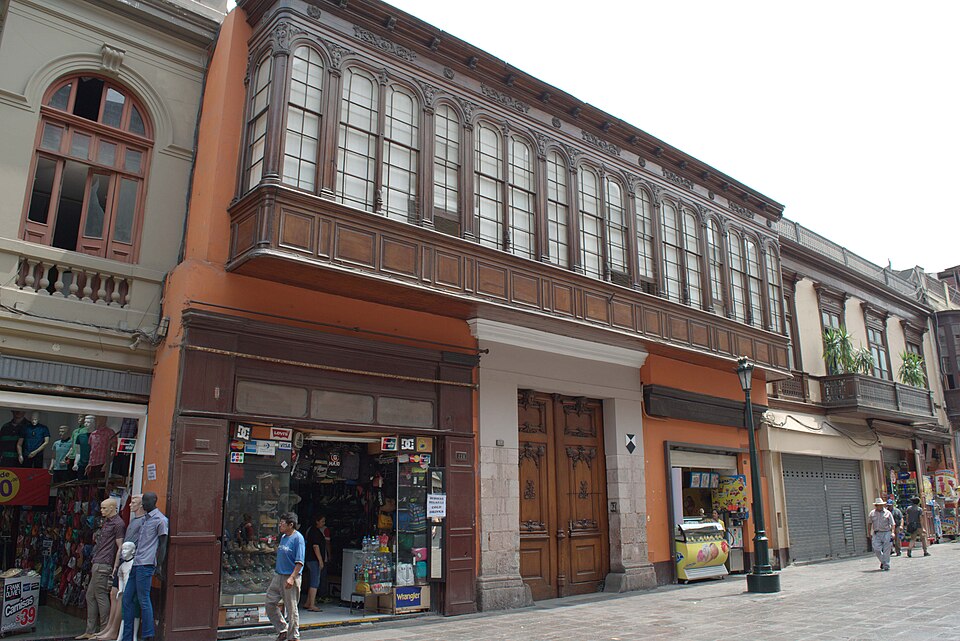
Juan José Pacheco Ibarra, CC BY 4.0, via Wikimedia Commons. Link to image
Located just off the Plaza Mayor, Casa de Aliaga holds the distinction of being the oldest continuously inhabited private residence in the Americas. Given to Jeronimo de Aliaga, one of Pizarro’s captains, in 1535, the home has remained in the same family for eighteen generations across nearly five centuries.
The interior showcases an extraordinary blend of historical styles, featuring a central courtyard with a 400-year-old tile fountain, original colonial furniture, silver artifacts, and wood-paneled halls. Because it remains a private residence, visits must be arranged in advance through private tours or official booking portals, with admission generally priced between $8-$11 (30-40 PEN).
11. Browse Modern and Ancient Works at Museo de Arte de Lima (MALI)
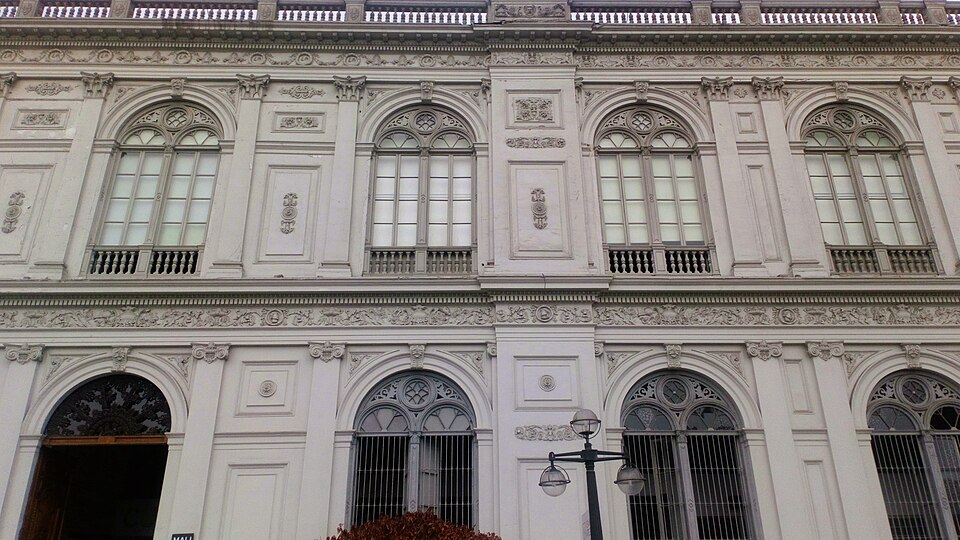
YusmarBlanco, CC BY 4.0, via Wikimedia Commons. Link to image
Situated at the edge of the historic center within the expansive Parque de la Exposicion, the Museo de Arte de Lima (MALI) occupies a grand nineteenth-century exhibition palace. The museum presents a comprehensive timeline of Peruvian art, spanning 3,000 years from early pre-Inca textiles to colonial religious paintings and contemporary visual art.
The permanent exhibition galleries on the upper floor are meticulously curated, offering clarity on how Peruvian artistic identity evolved through pre-Columbian, colonial, and modern eras. General admission costs $8 (30 PEN), providing an ideal indoor itinerary option during overcast winter afternoons.
The Coastal Line: Cliffs, Parks, and Ocean Activities
12. Stroll The Miraflores Boardwalk and Parque del Amor
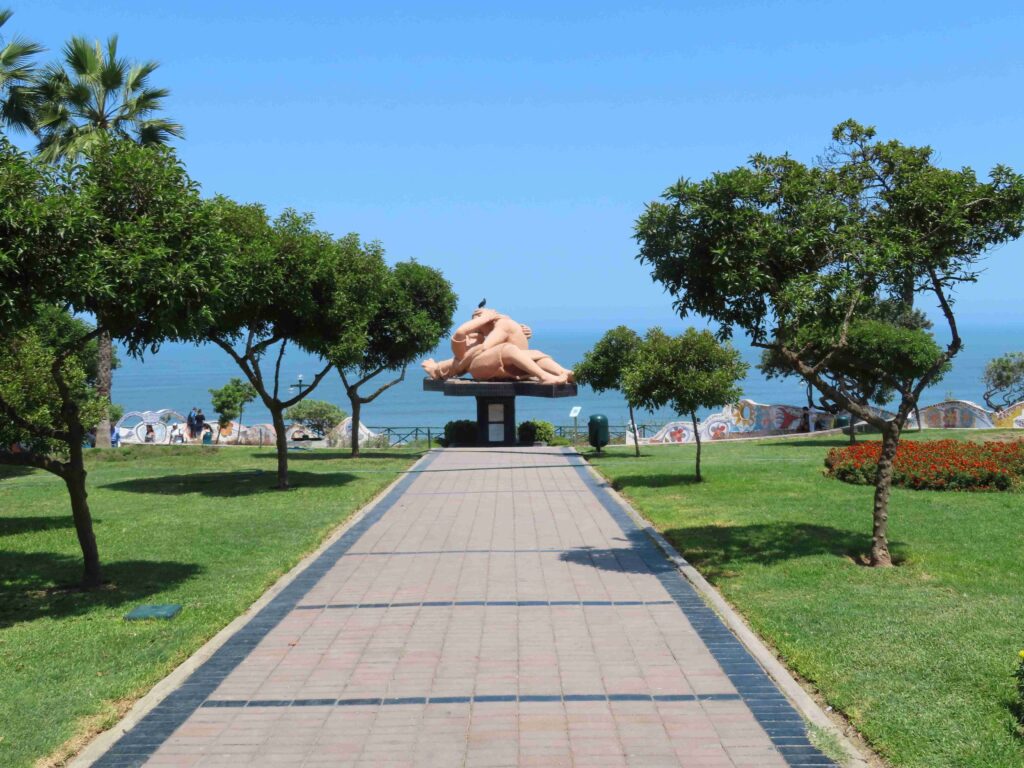
Travelers seeking coastal things to do in Lima Peru often start along the Malecon de Miraflores, a manicured greenway stretching for miles along the cliff tops hundreds of feet above the Pacific Ocean. The boardwalk features walking paths, dedicated bicycle lanes, and landscaped gardens overlooking the ocean below.
A central point along the walk is Parque del Amor (Love Park), opened on Valentine’s Day in 1993. The park features undulating mosaic walls inspired by Catalan architect Antoni Gaudi, inscribed with quotes from Peruvian poets, and centers around El Beso, a massive sculpture by artist Victor Delfin. Access to the entire boardwalk network is free and provides one of the city’s finest vantage points for viewing sunset over the ocean.
13. Go Paragliding Over the Pacific Coast
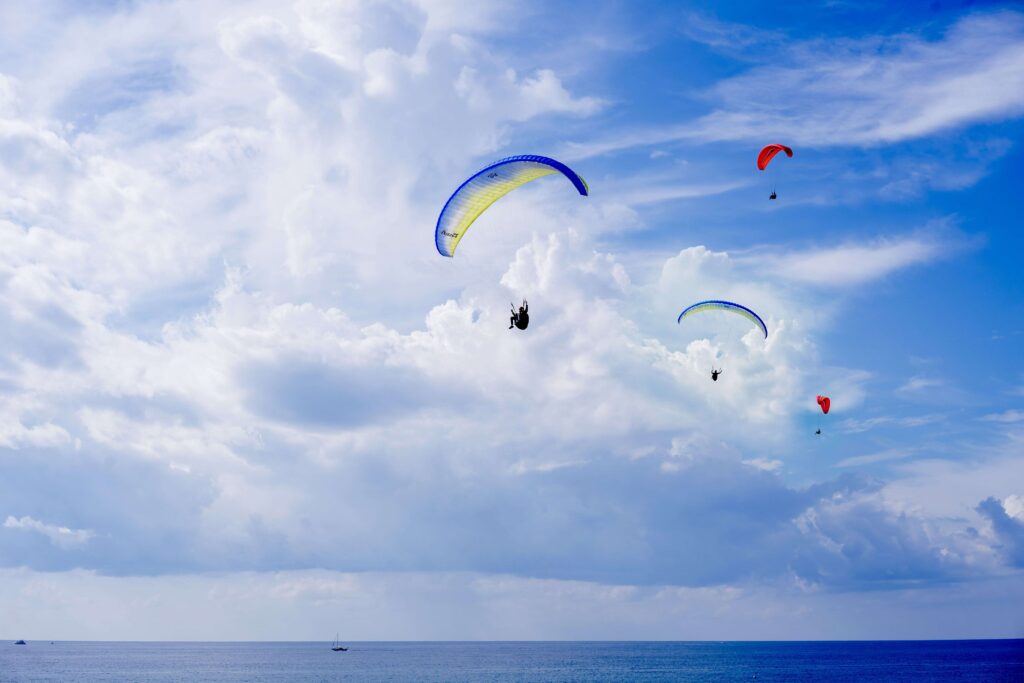
The steady coastal winds hitting the high cliffs of Miraflores create ideal conditions for tandem paragliding. Operating out of the Parque Raimondi launch area near the boardwalk, licensed flight companies take visitors into the air to soar alongside the city skyline and over the oceanfront highway below.
No prior experience is necessary, as passengers are paired with certified flight instructors who manage all navigation. Flights generally last 10 to 15 minutes, depending on wind strength, and cost between $70-$90 (260-340 PEN), often including digital video footage recorded during the flight.
14. Take Surfing Lessons at Playa Makaha
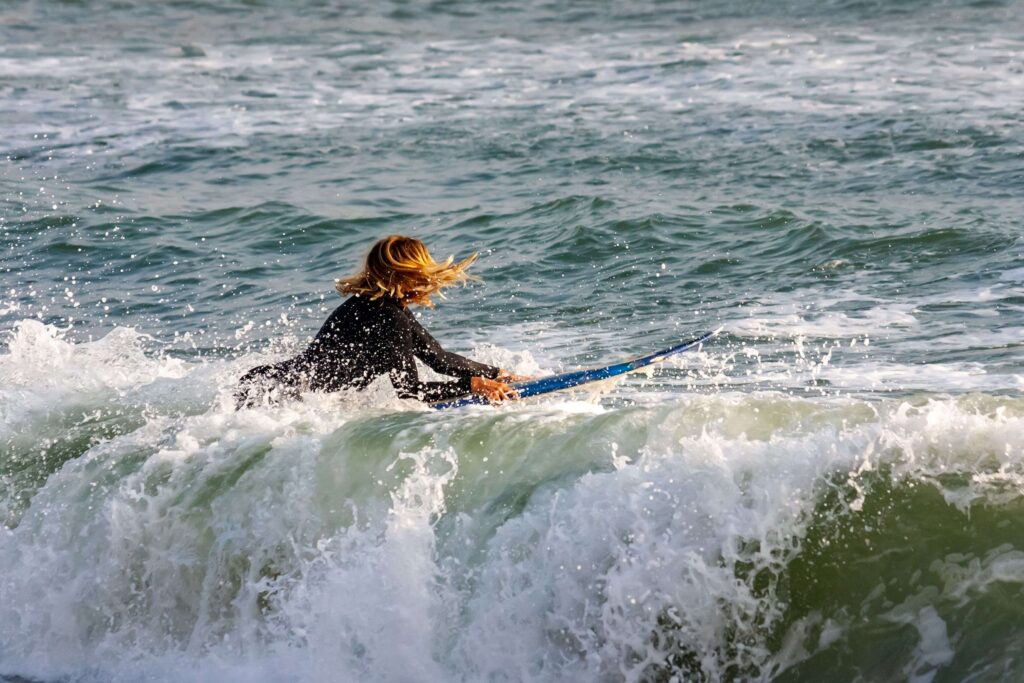
Beneath the Miraflores cliffs lies Playa Makaha, the focal point of Lima’s urban surf culture. The beach features a rocky shore with consistent, forgiving ocean swells, making it one of the premier locations in South America for beginner and intermediate surf instruction.
Local surf huts lined along the beach provide gear rentals and private lessons year-round. Neoprene wetsuits are provided to handle the cool Humboldt Current waters. A one-hour private lesson, including board rental and dedicated instruction on paddling and pop-up technique, typically costs between $25-$35 (90-130 PEN).
Bohemia and Arts: The Barranco District
15. Cross The Bridge of Sighs and Walk Bajada de Banos
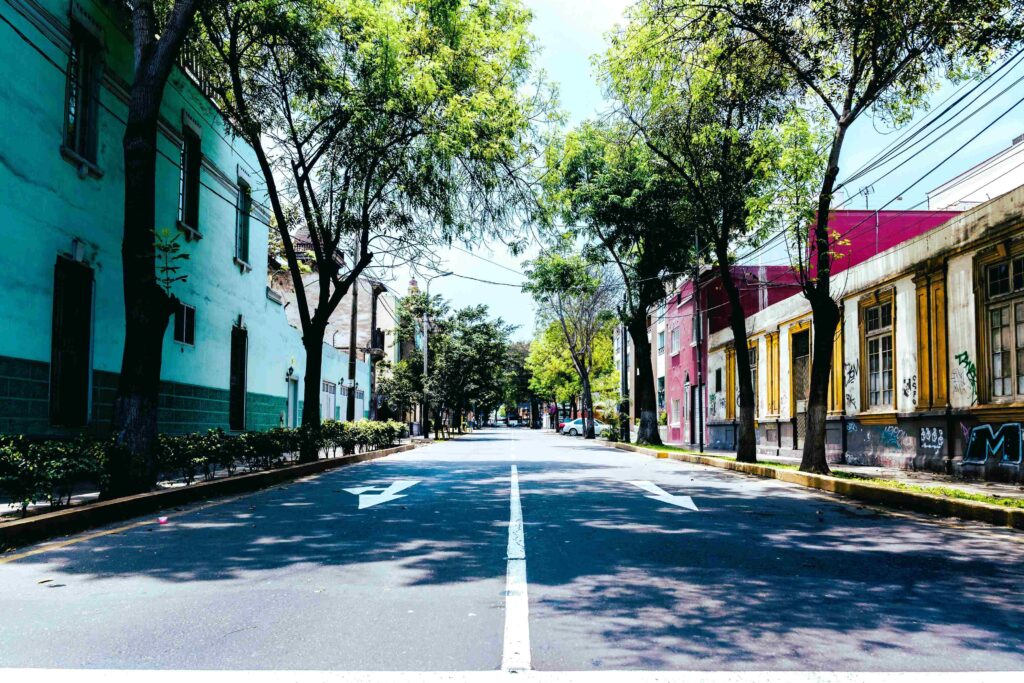
Directly south of Miraflores lies Barranco, a district that transformed from a nineteenth-century seaside retreat for wealthy residents into Lima’s primary bohemian and artistic hub. The focal point of the neighborhood is the Puente de los Suspiros (Bridge of Sighs), a small wooden footbridge constructed in 1876 that spans a ravine cutting through the district.
Beneath the bridge runs the Bajada de Banos, a stone walkway lined with restored nineteenth-century casonas, street murals, and small cafes that leads downward to the Pacific shore. Walking down this corridor offers an engaging mix of architecture, ocean views, and public art, distinguishing it from other places to visit in Lima. Accessing the bridge and walking down the ravine path is free.
16. View Contemporary Art at MATE Museum
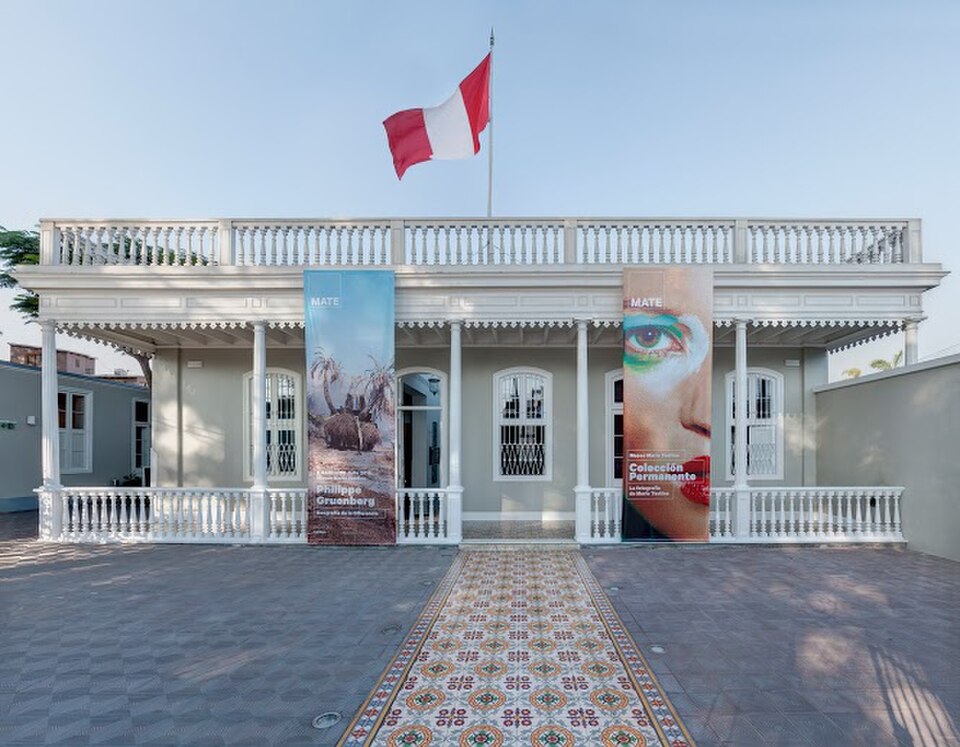
For modern cultural perspective, Barranco hosts several galleries and cultural spaces. Among the most notable is MATE, the museum established by internationally acclaimed Peruvian fashion photographer Mario Testino. Housed in a restored 19th century townhouse, the museum displays Testino’s iconic celebrity portraiture alongside dedicated galleries celebrating traditional Peruvian textiles and Andean culture.
The rotating exhibits highlight contemporary South American artists, bridging historic Peruvian heritage with modern visual culture. General admission to the museum costs $7 (25 PEN), making it a refined cultural stop while exploring Barranco’s walkable streets.
17. Enjoy Sunset Cocktails at Cliffside Bars
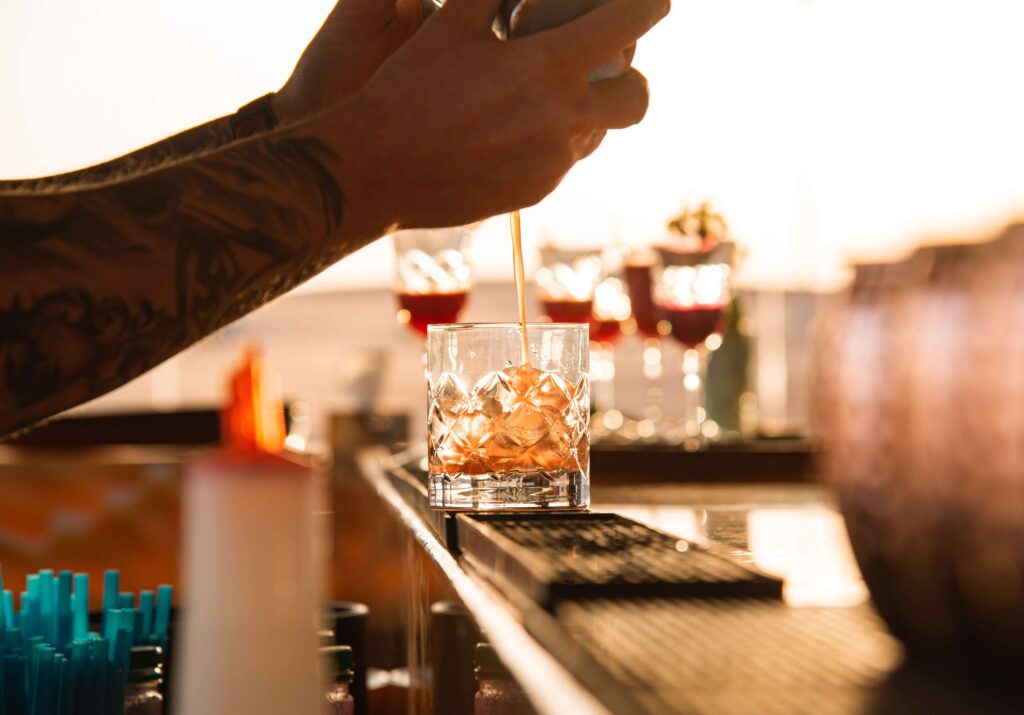
As afternoon transitions into evening, Barranco’s cliffside establishments offer prime locations for observing the Pacific sunset. Venue choices range from historic hotels to modern oceanfront lounges set into the rocks above the water.
Establishments like Cala, positioned along the shoreline, or the intimate terrace at Hotel B, serve refined craft cocktails accompanied by small plates. Enjoying a signature Pisco drink or a glass of South American wine while watching the waves crest below typically costs $10-$16 (38-60 PEN) per drink.
FAQs
Is Lima safe for international travelers?
Lima’s primary tourist districts – specifically Miraflores, Barranco, and San Isidro – maintain high security levels, visible municipal police patrols, and well-lit public spaces. Standard urban safety precautions apply: keep valuables secured, avoid showing expensive electronics unnecessarily on public streets, and use ride-hailing services like Uber or Cabify rather than hailing unmarked taxis on the street.
How many days should I spend in Lima before going to Cusco?
Spending 2 to 3 full days in Lima provides sufficient time to explore the historic center, sample its dining scene, and adjust to the country without rushing. It also creates a buffer for international flight arrivals before taking a domestic connection to high-altitude destinations like Cusco or Arequipa, and if Machu Picchu is the reason for that connection, our best time to visit Machu Picchu guide covers the weather, crowd patterns, and ticket timing worth locking in before you book that flight.
Can you drink tap water in Lima?
Tap water in Lima isn’t recommended for drinking without boiling or filtration. International hotels typically provide filtered water stations or bottled water. Using tap water for brushing teeth is generally acceptable in major hotel properties, but bottled water is advised for consumption.
Do I need to make restaurant reservations in advance?
For top-tier dining destinations like Central or Maido, advance reservations booked several months ahead are mandatory. For popular casual dining spots like La Mar or Isolina, arriving right at opening for lunch helps avoid long waits, as these venues often don’t take reservations for midday service.
Final Decision: Integrating Lima Into Your Peru Itinerary
Lima rewards travelers who stop treating it as a stopover. 2 to 3 days is enough to eat at some of the best restaurants in South America, walk through ruins that predate the Incas, and spend an evening watching the sun disappear over cliffs that most people fly right past.
Whether you’re chasing tourist attractions, working out the best time to visit Lima Peru for your schedule, or trying to figure out what to do in Lima before heading to Cusco or Arequipa, the city holds up on its own terms, and for what comes after, our guide unmissable things to do in Peru rounds out the landmarks and adventures worth building the rest of the trip around. Build in the extra days, you’ll land in Cusco already glad you did.