

Figuring out the best time to visit Mexico is rarely just a matter of checking a thermometer. A day in August might be ideal for swimming alongside whale sharks off the Caribbean coast near Cancun, and the same week could be miserable for walking around in the desert heat of the Baja peninsula. Mexico runs across three genuinely different climate zones and an elevation range that starts at sea level and climbs past 7,000 feet in Mexico City, so the idea of one season working for the whole country falls apart fast.
What follows isn’t a dry weather forecast. It’s organized around what actually changes from month to month: when flights and resort rates drop, when hurricanes become a real planning concern, and which exact weeks let you dodge winter crowds while still catching things like the monarch butterfly migration.
The 2026 Verdict: November Is the Sweet Spot to Visit Mexico
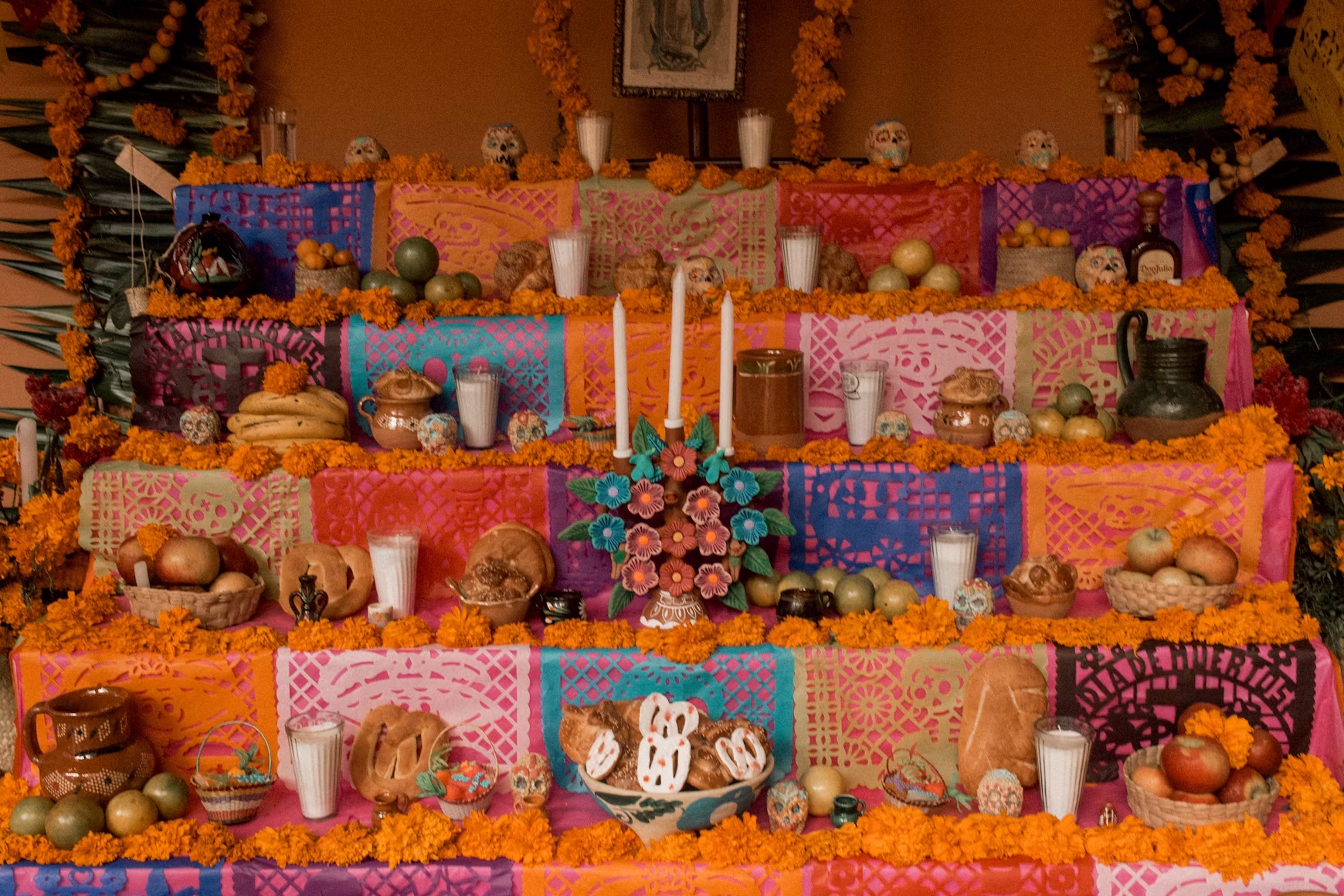

If only one window had to be picked for a 2026 trip, November is it. The rainy season and the riskiest stretch of hurricane season on both coasts have wrapped up by then, leaving clear skies and noticeably greener landscapes inland.
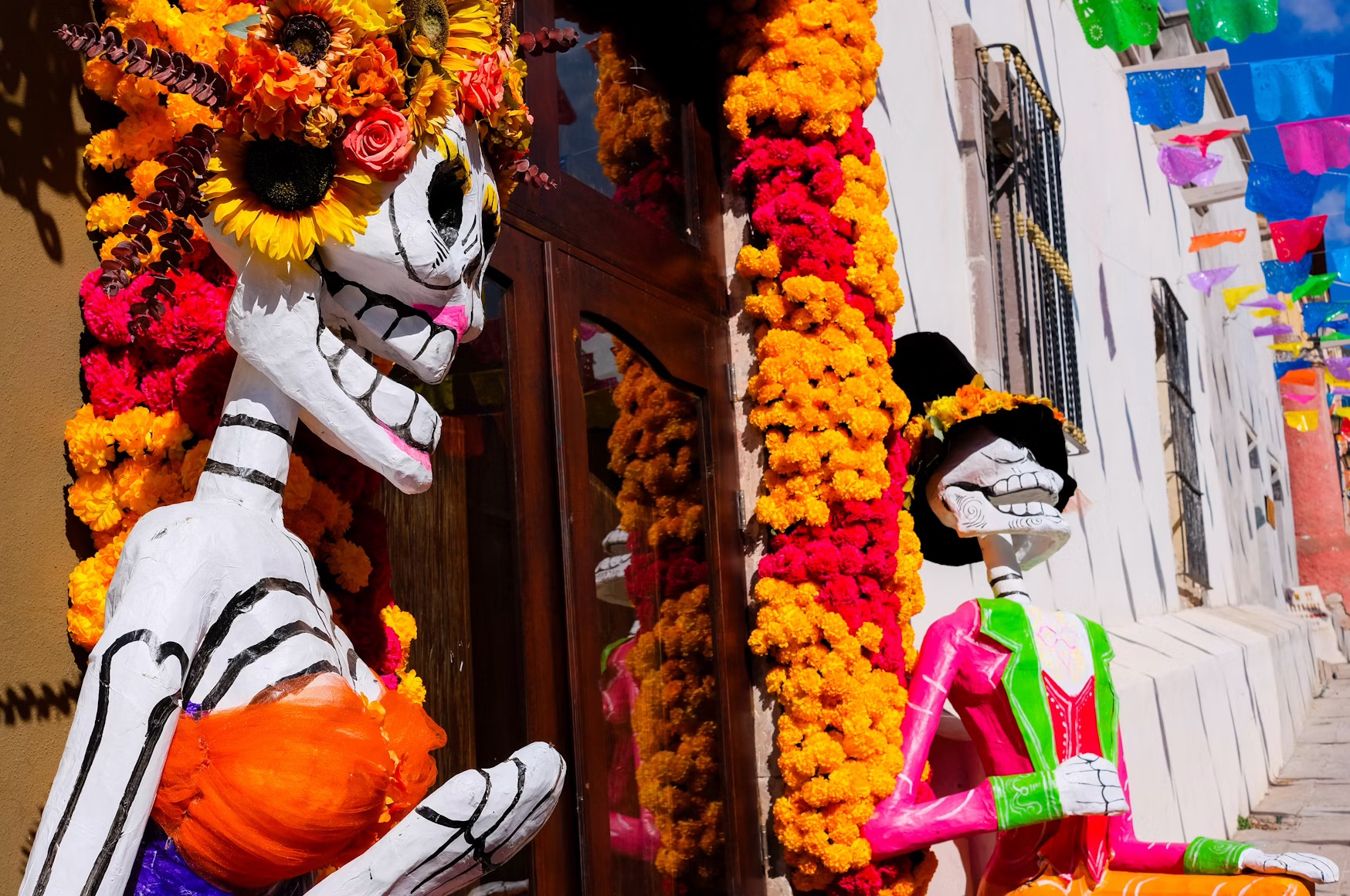
Resort pricing hasn’t yet climbed into the holiday surge that hits in mid-December, so rates still sit closer to shoulder-season levels. And travelers land squarely inside Día de los Muertos, the country’s most recognizable cultural event, observed November 1 and 2, when cemeteries and town squares across the country fill with marigolds, candlelight, and altars built for the dead. No other month combines good weather, reasonable pricing, and a major cultural moment quite as cleanly.
Mexico Weather and Deals by Season
The itineraries below run anywhere from 6 to 9 days, and that’s deliberate rather than arbitrary: longer stays make sense during shoulder and low season, when hotel discounts reward a few extra nights, while trips get tightened up during peak storm season to keep the whole visit safely ahead of bad weather.
High Season: Mid-December to April
Coastal Mexico turns dry and consistently sunny during these months, with humidity dropping to some of the lowest levels of the year. The catch is inland: Mexico City and highland towns like Puebla or San Miguel de Allende can swing into genuinely cold nights, with temperatures dropping toward 40°F (around 5°C), which catches travelers off guard if they’ve packed for the tropics rather than for a chilly desert-like evening.
The trade-off for that dry, sunny weather is cost. Hotel rates in Cancun and Cabo typically jump 50% to 150% over low-season pricing, since this window overlaps both the U.S. winter holidays and Spring Break in March, and dive trips and whale tours book out well in advance.
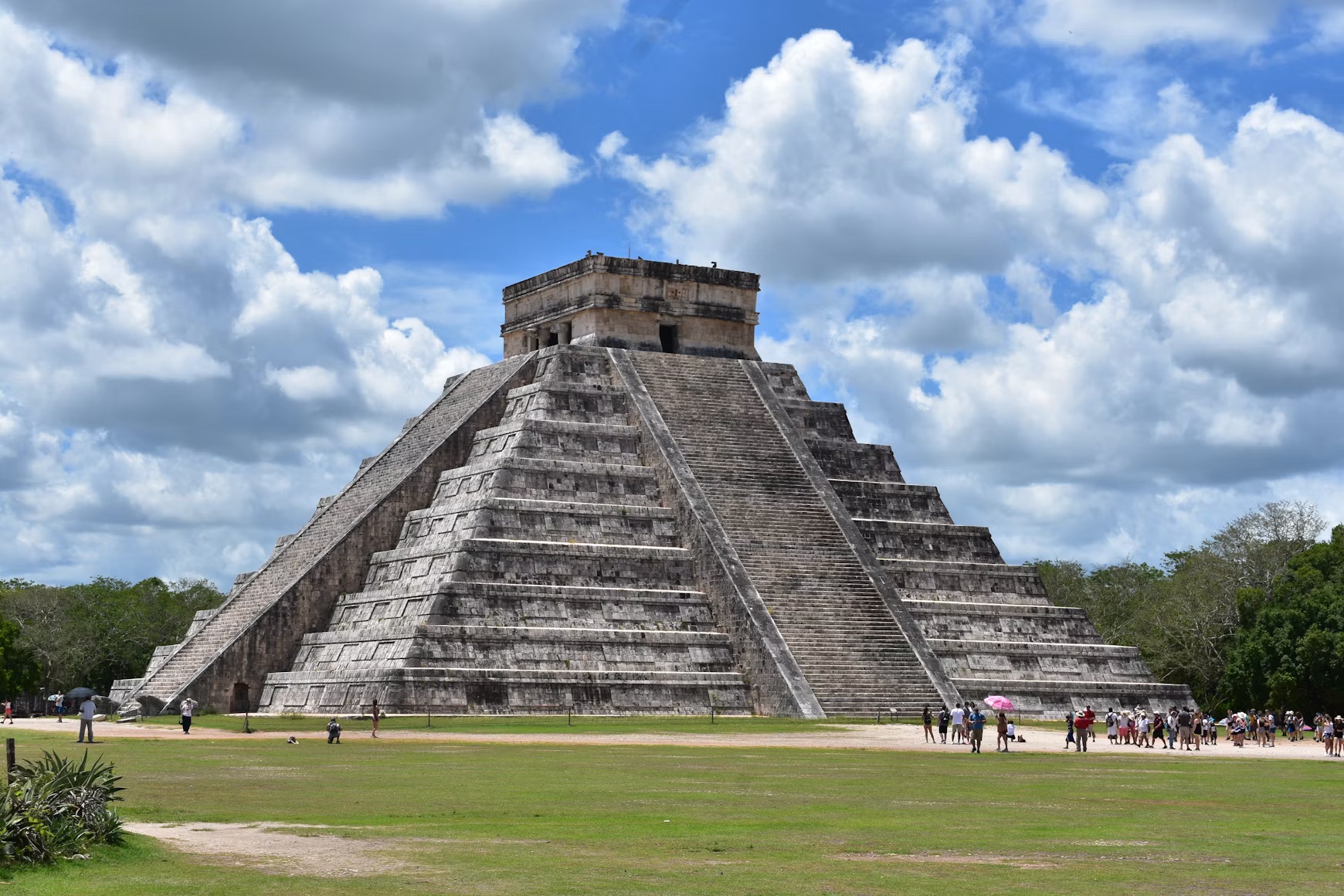
A reasonable 7-day plan for this season splits time between 4 days in Cancun’s Hotel Zone with a day trip to snorkel in Cozumel, followed by 3 days inland in Valladolid and at the Chichén Itzá pyramids, timed for the cooler morning hours. It’s worth locking in resort bookings and whale-watching tours four to six months ahead, packing a light puffer jacket for outdoor dinners if visiting Mexico City in January, and steering clear of Cancun between roughly March 10 and 25 if avoiding the peak of Spring Break matters.
Shoulder Season: May and November
May is the hottest month of the year on paper, muggy and intense, but it also happens to be when coastal water visibility is at its clearest. November, on the other hand, is close to Mexico’s most universally pleasant stretch, with cool nights and gentle, warm days.
Hotel rates and flights drop 20% to 35% below peak pricing in both months, and the crowd thins out to mostly couples and retirees looking for a quieter trip rather than families on a school break.
A 9-day version of this season might open in Mexico City for the Día de los Muertos parade in early November, continue with 3 days built around Oaxaca’s food scene, and close with four slower days on the beach in Puerto Vallarta. If traveling in May, it’s worth shifting cenote dives or other midday activities to the noon-to-3 PM window specifically to dodge heat exhaustion, and anyone hoping to catch Día de los Muertos in smaller towns like Pátzcuaro or Oaxaca should book close to a year out, since these historic towns simply don’t have much hotel inventory to begin with.
Low and Rainy Season: June to October

Heat and humidity peak during these months, though the rain itself tends to behave predictably: rather than soaking an entire day, storms typically roll in as short, intense downpours in the late afternoon, often between 4 and 6 PM, then clear out fairly quickly.
The real concern is hurricane season, which runs officially from June through November but concentrates its highest risk in September and October along both the Caribbean coast and the Baja peninsula. The upside of all that risk is real value: ultra-luxury resorts routinely discount 50% during this stretch, occasionally putting a private-pool villa within reach at a genuinely unusual price.
A 6-day itinerary built for this season might fly into Isla Mujeres near Cancun specifically to swim with whale sharks in July or August, then shift inland to somewhere like San Miguel de Allende or Santiago de Querétaro to enjoy the rainy season’s dramatic afternoon storms from a safer, non-coastal vantage point.
Travel insurance with a hurricane or weather-cancellation clause is close to essential for any trip booked in September or October, and anyone still set on Caribbean beach time during summer should check a live Sargassum seaweed tracker before locking in a hotel, since the seaweed bloom can vary block by block along the same stretch of coast.
Destination-by-Destination: When to Visit Cancun, Cabo, Puerto Vallarta, and Mexico City
When Is the Best Time to Visit Cancun and the Riviera Maya?
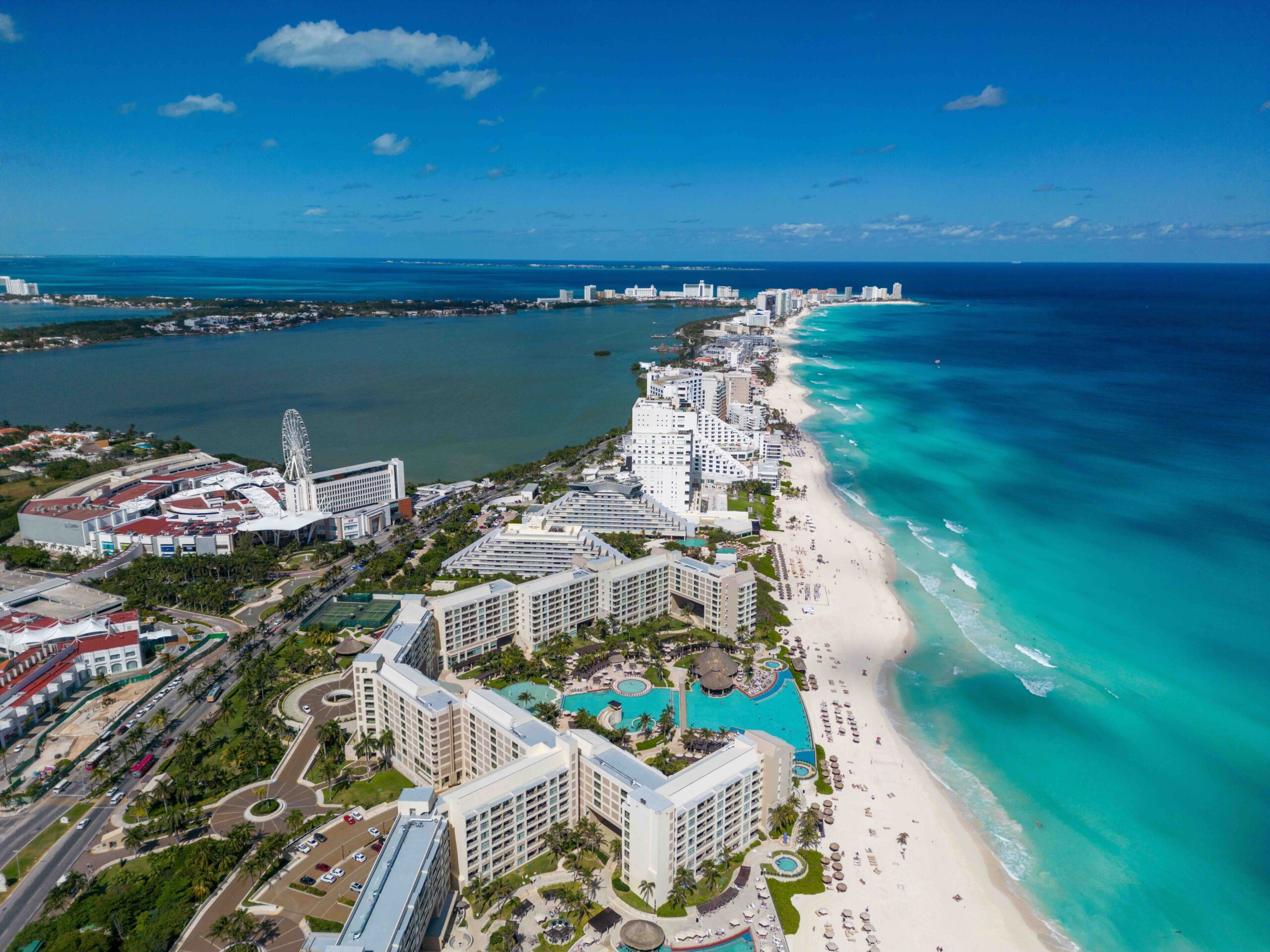
The Caribbean coast, covering Cancun, Playa del Carmen, Tulum, and Cozumel, has its best weather lining up almost exactly with its most expensive months: December through April. Specifically, the best time to go to Cancun without paying full peak-season rates, the first two weeks of December and essentially all of April, just after Easter, are the better-kept secret windows.
Traveling between May and August to save money means accepting the real possibility of Sargassum seaweed washing ashore, though that same window, specifically June through August, is also when whale shark tours out of Isla Mujeres hit their peak season. September and October are worth crossing off the Cancun itinerary entirely for most travelers, since hurricane-related beach closures during peak storm season can mean days stuck inside a hotel room rather than on the sand.
When Is the Best Time to Visit Cabo and the Baja Peninsula?
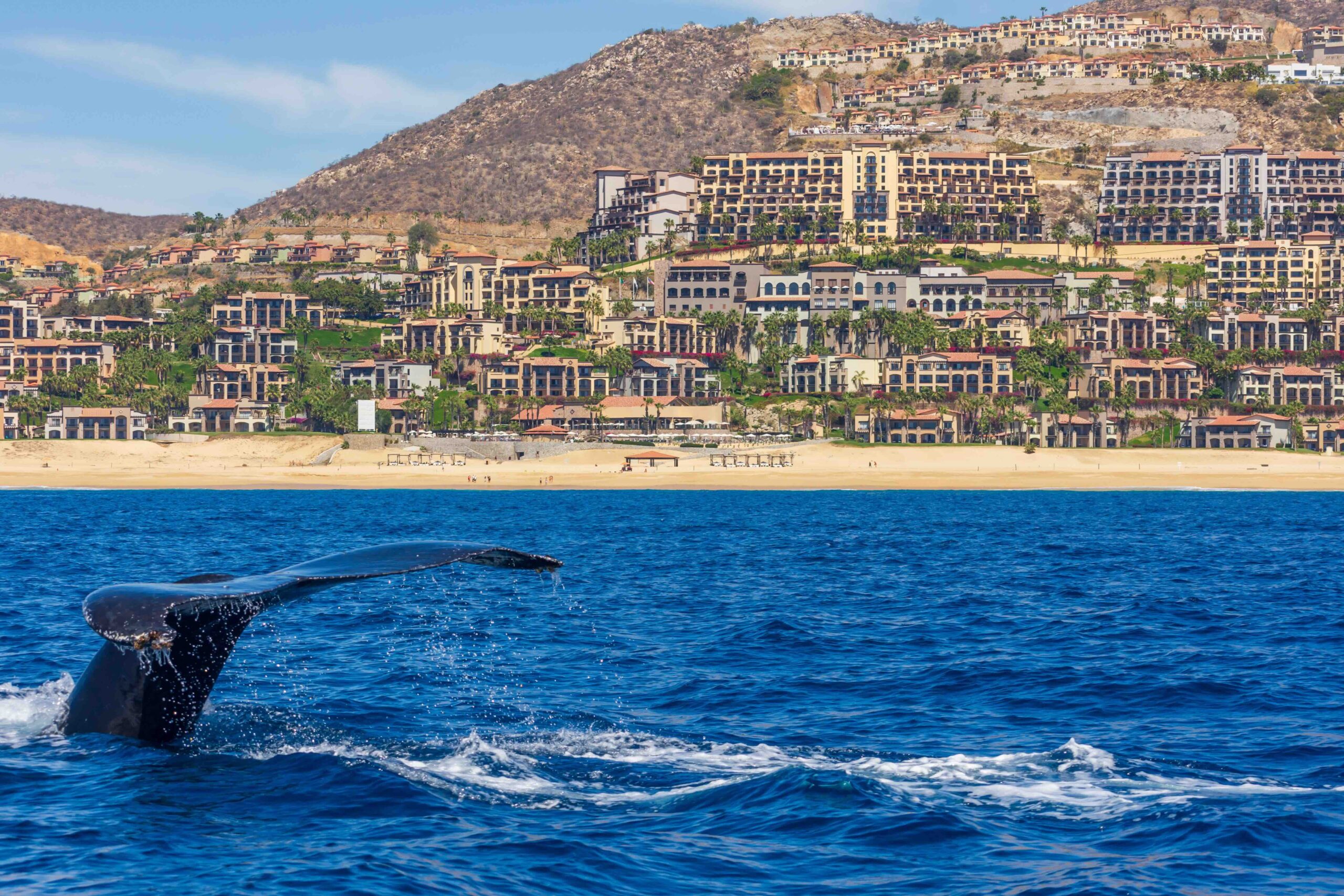
The Baja peninsula, home to Cabo San Lucas and San José del Cabo, runs a true desert climate, largely skipping the dramatic summer thunderstorms that define the Caribbean coast but compensating with serious heat. For anyone weighing the best time to go to Cabo, January through March stands out as the ideal window, and it’s also the only stretch of the year when gray and humpback whales move into sheltered bays like San Ignacio Lagoon to calve, drawing dedicated whale-watching boats from shore. August and September are worth avoiding outright: temperatures regularly push past 100°F (38°C), and outdoor activities like golf or cliffside hiking become genuinely unsafe rather than just uncomfortable.
When Is the Best Time to Visit Puerto Vallarta and the Pacific Coast?
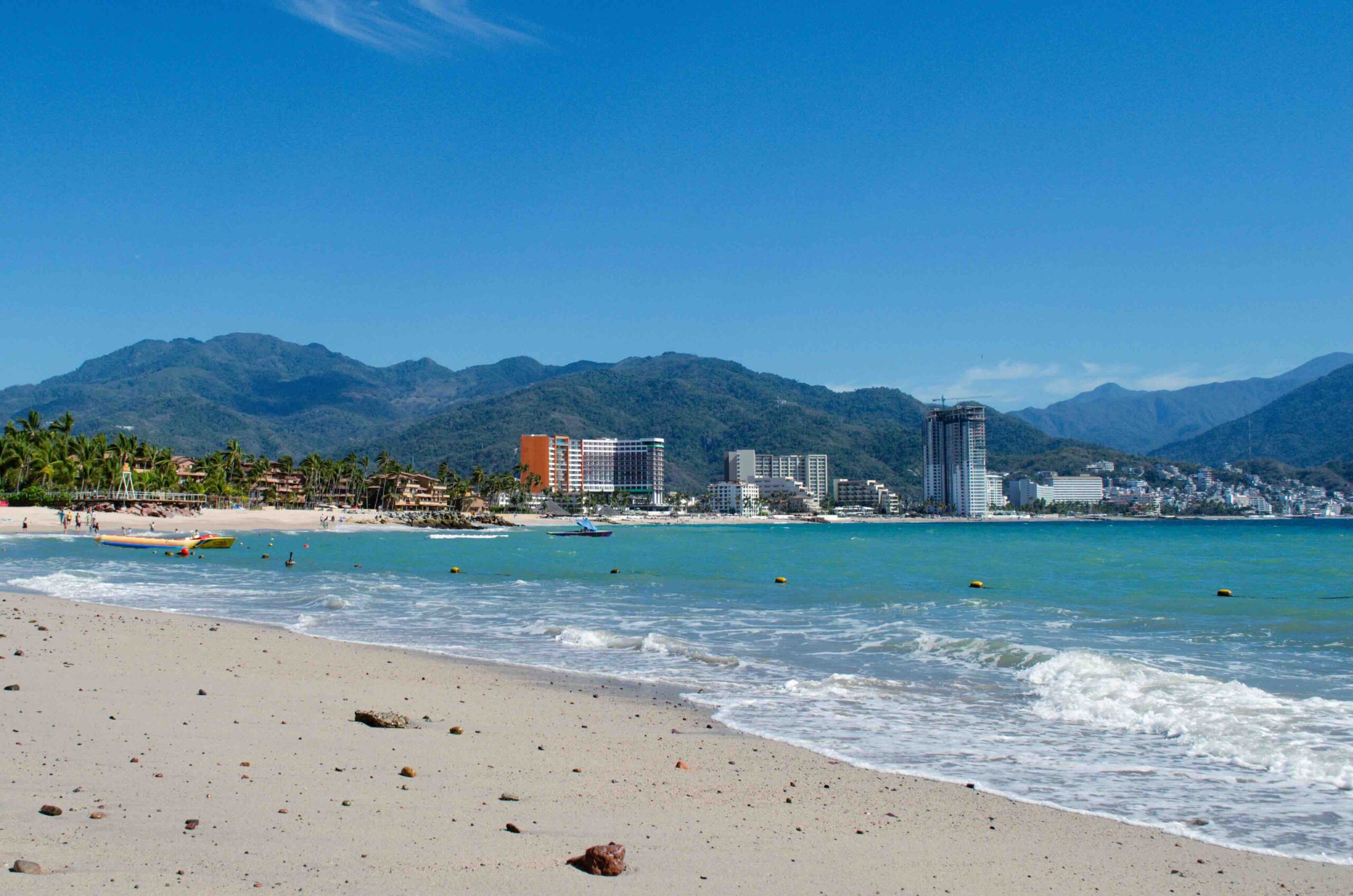
For Puerto Vallarta specifically, November through April is the clearest answer to the best time to visit Puerto Vallarta. The Pacific settles into calmer, breezier conditions during these months, which suits the kind of trip built around walking the oceanfront Malecón or spending an evening in the Zona Romántica, the city’s LGBTQ+-friendly nightlife district. Surfers should flip that calendar entirely: winter swells along this stretch of coast tend to be small, and the real action shifts to nearby surf towns like Sayulita or Puerto Escondido between May and August, when ocean currents generate swells that regularly run two stories high.
When Is the Best Time to Go to Mexico City and the Colonial Highlands?

Mexico City and its surrounding highland towns operate on a completely different climate logic than any coastline, sitting at roughly 7,350 feet (2,240 meters) above sea level. The best time to go to Mexico City really splits into two answers depending on what’s being chased. Spring, from March through May, brings the city’s jacaranda trees into a citywide bloom of purple and mild, comfortable temperatures. Late autumn and early winter, from November into January, bring both the cultural intensity following Día de los Muertos and the option of a day trip out to see the monarch butterfly migration settle into the forests of Michoacán.
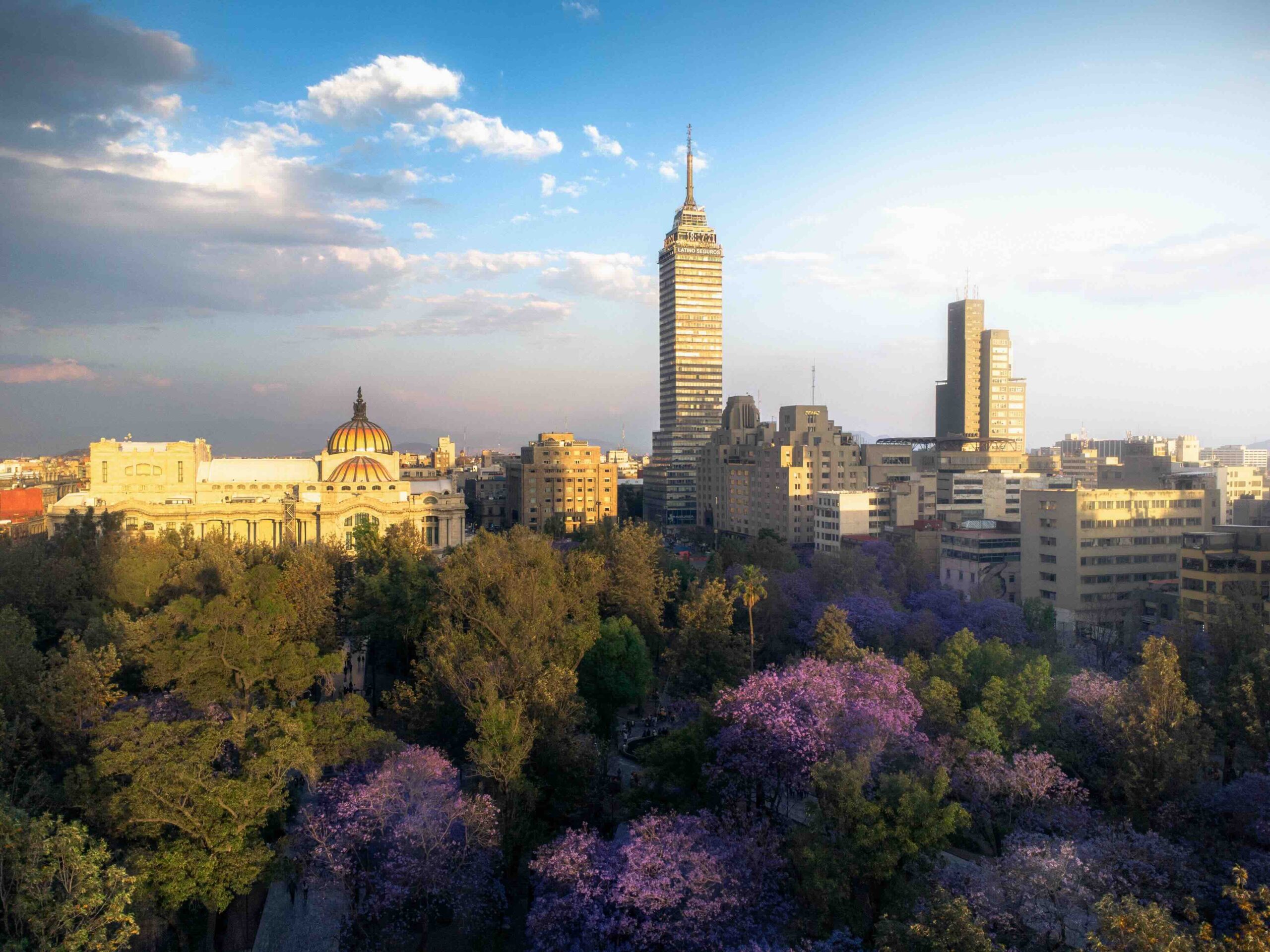
The one health-related catch worth knowing: during the dry winter months from December through February, the city experiences thermal inversions that trap pollution close to the ground, particularly in the early morning. Anyone with asthma or another respiratory condition should keep outdoor exercise out of the 7 to 10 AM window during that stretch.
2026 Month-by-Month Weather and Value Matrix
| Month | Weather Snapshot | Crowd Level | Deal Potential | Notable Event or Wildlife Window |
|---|---|---|---|---|
| January | Cold in CDMX (around 54°F/12°C), warm in Cancun (around 75°F/24°C) | Very high | Low | Peak gray and humpback whale season in Cabo |
| February | Dry and sunny nationwide | High | Moderate | Mazatlán’s Carnaval, one of the world’s largest |
| March | Heat starting to climb on the coasts | Peak | Very low | U.S. college Spring Break crowds |
| April | Clear skies, calm and clear coastal water | Moderate | High | Post-Easter rate drops |
| May | Hottest month nationwide, intense humidity | Low | Very high | CDMX jacaranda bloom winds down |
| June | Late-day rain showers begin | Low | Very high | Whale sharks begin arriving off the Caribbean coast |
| July | Hot and humid, scattered afternoon storms | Domestic travelers up | Moderate | Sea turtle nesting season at Akumal |
| August | Peak desert heat in Cabo | Low | High | Strong swells along the Pacific surf coast |
| September | Heaviest rain, peak hurricane risk | Quiet | Steepest (up to 50% off) | Mexican Independence Day, September 16 |
| October | Storm risk easing, weather shifting | Low | High | Monarch butterflies begin arriving in Michoacán |
| November | Dry, cool at night, the year’s sweet spot | Moderate | Moderate | Día de los Muertos, November 1 and 2 |
| December | Quiet early, packed by the holidays | Peak by month’s end | Very low | Feast of the Virgin of Guadalupe, December 12 |
2026 Traveler FAQ
Is hurricane season actually dangerous, or is it overhyped?
Hurricane season technically runs from June through November, but the genuinely dangerous stretch narrows down to September and October. A trip booked for June or July doesn’t need to be canceled out of caution, since rain during those months tends to arrive as a short, predictable afternoon storm rather than anything tied to an actual hurricane. If a trip does land in September, shifting toward inland highland cities like Mexico City or Querétaro is the standard advice from travel planners, since the mountainous terrain weakens tropical systems well before they could reach those areas.
When should I travel to avoid the Sargassum seaweed problem?
Sargassum is the recurring headache for the Caribbean coast, specifically Cancun and Tulum, generally from May through August. Anyone sensitive to the smell or just wanting clear water during summer should consider the Pacific coast instead, hitting Cabo San Lucas or Puerto Vallarta, since the currents on that side of the country don’t carry Sargassum at all.
Why does the forecast for Mexico City in winter look mild, but everyone still recommends a heavy coat?
This comes down to the temperature swing that’s typical at 7,350 feet in elevation. Daytime sun can push temperatures up to a comfortable 75°F (24°C), light enough for a t-shirt. The moment the sun sets, though, that same day can drop below 40°F (5°C) within an hour or two. Travelers who only pack warm-climate clothing often end up stuck indoors once evening hits, simply because they underestimated how sharply the temperature falls after dark.
Conclusion: Locking In a 2026 Travel Calendar
Picking the best time to go to Mexico does more to shape a trip than almost any other single decision. Travelers chasing sun-drenched beach days and the chance to spot whales from a boat should budget for it and book during the January-to-March winter stretch. Travelers more interested in the country’s cultural depth, real mole sauce, and cooler weather without the crowds will find November hard to beat. The clearest path forward is settling on what the trip is actually for first, whether that’s luxury beach time, wildlife, or culture, then matching that goal against the seasonal and storm-risk patterns laid out above before locking in time off and reservations for 2026.
Related Articles
11 Safest Cities in Mexico: A 2026 Worry-Free Guide (+ 3 to Avoid)
10 Best Things to Do in Mexico City: 2026 Art, History & Food Guide
Mexico City Nightlife 2026: Speakeasies, Tacos & Safe Things to Do