

Most travelers arrive with a version of Thailand already in mind. Ideas of warmth and ease tend to arrive before the journey itself. The images are calm and reassuring, such as still water, meals that seem to appear at the right moment, days that feel as if they move forward without being pushed. What many travelers encounter instead, at least in the beginning, is something more demanding.
The air feels denser, movement more demanding, and sound refuses to stay in the background. Even moments that appear calm hold a low, constant tension, as time starts to behave less generously than anticipated. It isn’t hostility so much as persistence, a sense that adjustment comes first.
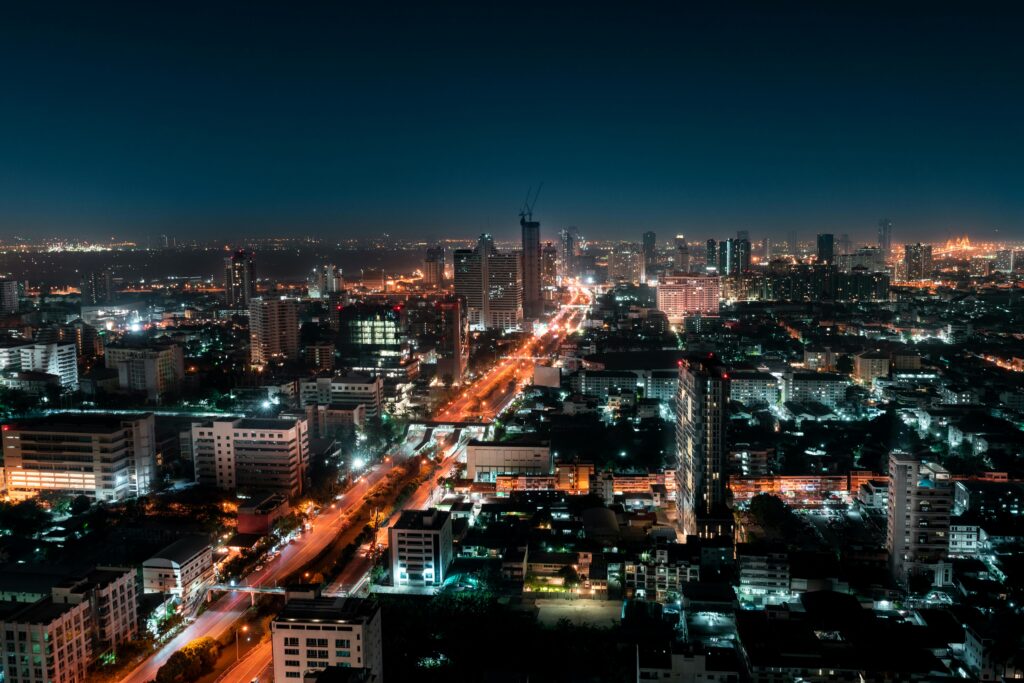
That early friction is easy to misread. People often assume they’re doing something wrong, moving too fast or choosing poorly, when in fact they’re simply encountering the country as it is, for the first time.
Arrival Has a Way of Reshaping You
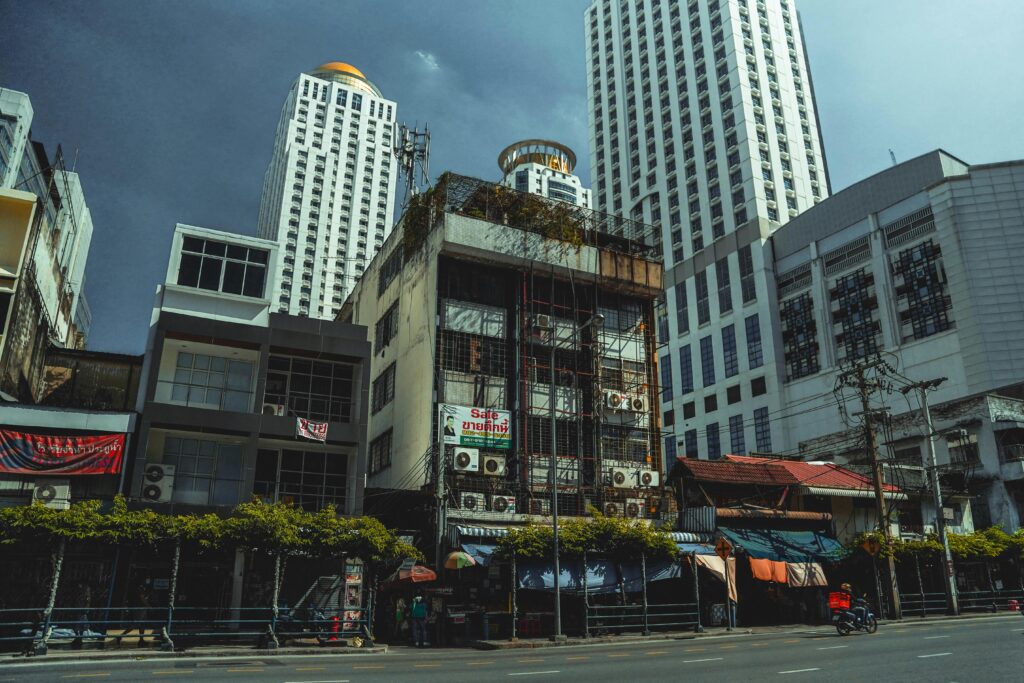
For many, that first encounter takes place in Bangkok, a city that offers little relief on arrival. Density registers immediately. Distance feels unstable, stretching or collapsing depending on heat, traffic, and timing. Plans that look efficient on paper begin to loosen once they meet the street.
In those first days, nothing feels especially dramatic, yet everything seems to demand more attention than expected. Simple movements take thought, timing becomes a decision, and momentum requires checking in with the body more often. Fatigue builds quietly, without any single moment to explain where it came from.
This is often when disappointment begins to surface. Thailand’s beauty remains visible, but the pace travelers arrive with starts to feel out of place. The body starts to register the mismatch first, through fatigue, impatience, and friction. Only later does it become clear that the discomfort carried an early signal of adjustment.
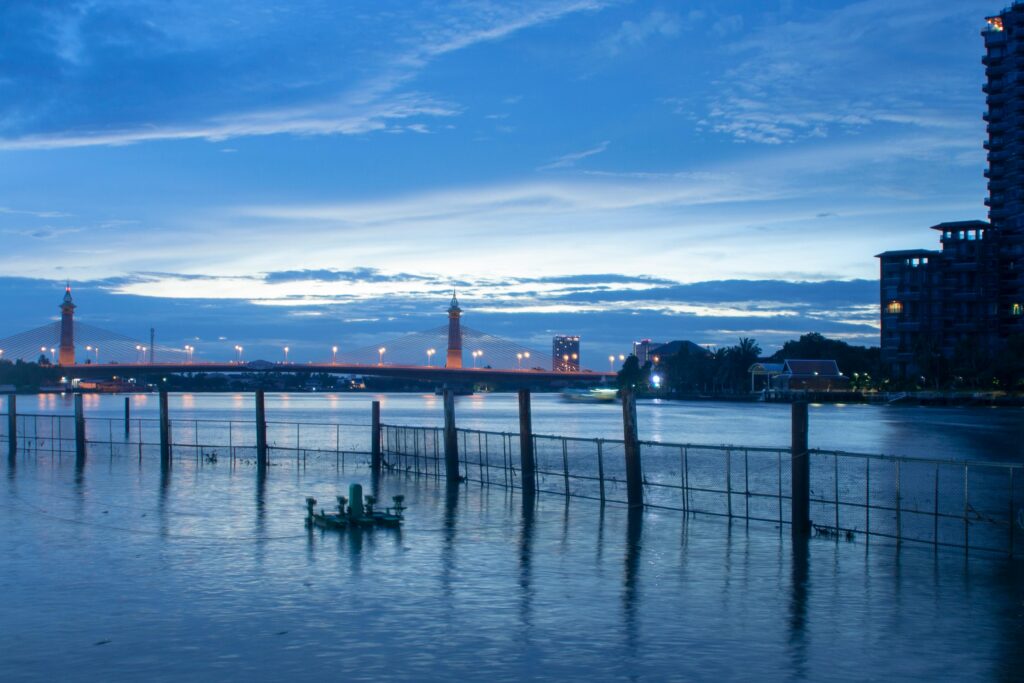
Ease Still Has a Cost
People often call Thailand an easy place to travel, partly because so many everyday needs are met without much friction, like meals, transport, help, once you’re on the ground.
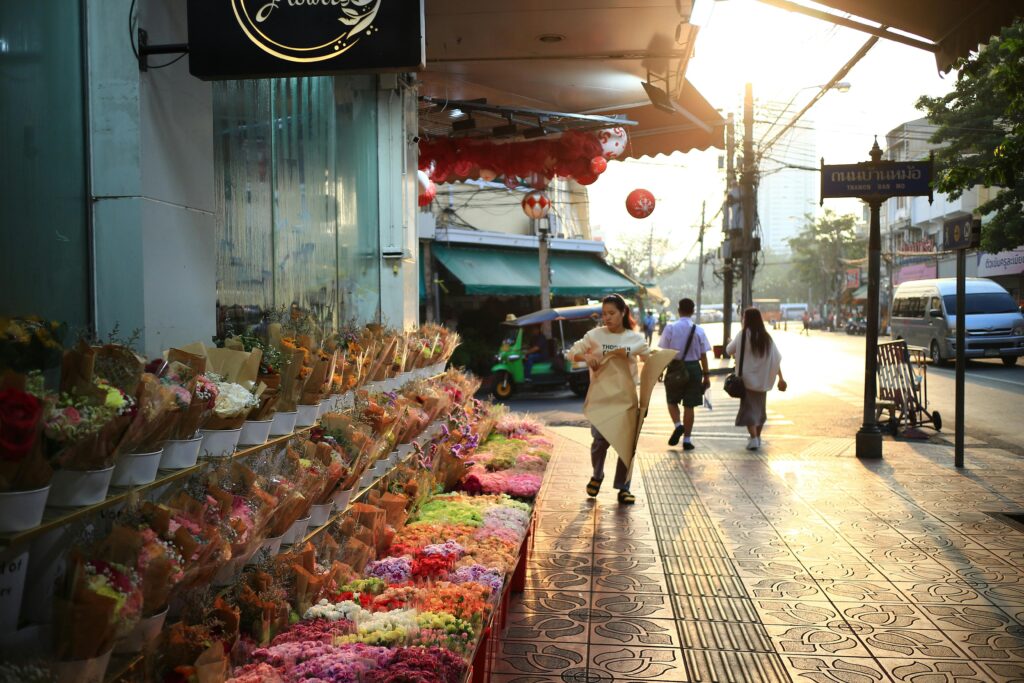
Heat reshapes effort across the day. Short distances begin to feel less contained, transitions take more out of the body than expected, and travel days leave a residue that doesn’t clear overnight. When destinations are stacked too tightly, recovery quietly slips out of reach.
Fatigue tends to arrive without a clear source. Days keep extending forward, decisions stack quietly, and rest drifts further into the background than intended. At some point, the trip begins to hold together only when pauses find their way back into the day.
Bangkok’s Quiet Role in the Journey

Bangkok is often treated as a place to pass through quickly. A starting point, a necessary stop, a city to escape on the way to somewhere calmer. In doing so, its most important role is overlooked.
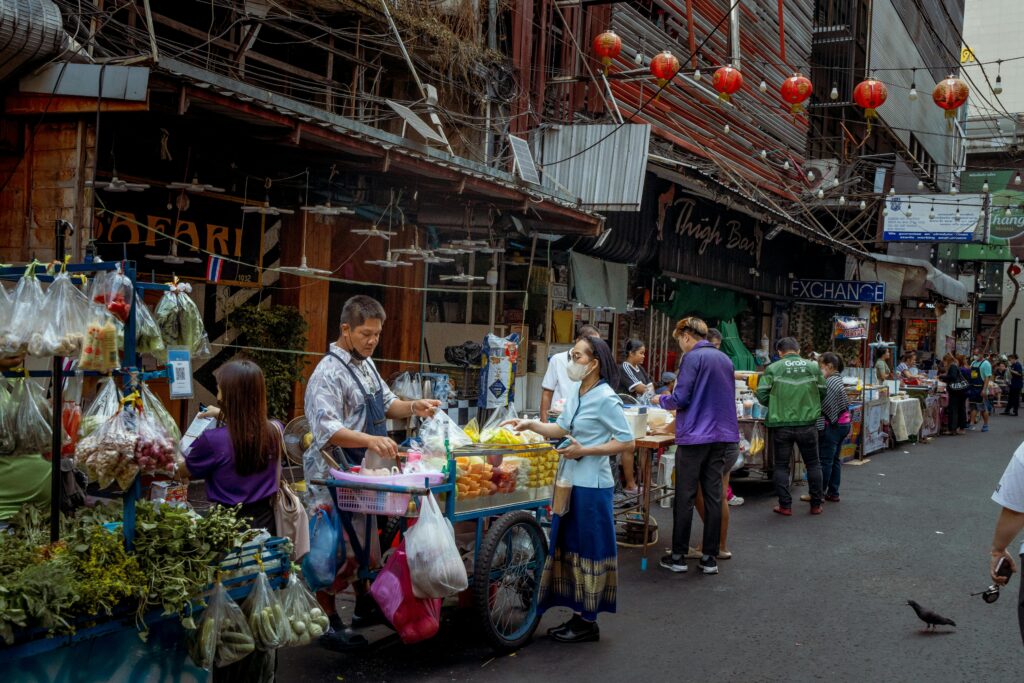
Bangkok makes the country’s rhythm visible. It reveals a different logic of timing, shaped by heat, movement negotiated, and daily life unfolding alongside temples, markets, offices, and homes without ever separating them into categories. Movement and pause begin to organize themselves through daily negotiation.
Travelers who spend enough time in Bangkok often notice a shift before they leave, as decisions begin to simplify and expectations soften. What once felt overwhelming gradually becomes readable, and that adjustment carries forward quietly into the rest of the journey.
Chiang Mai settles into a gentler register. By the time the journey reaches the islands, slower rhythms no longer feel foreign. Rural areas feel less opaque, as observation arrives more easily. Bangkok establishes the conditions under which calm becomes possible later.
Where Slowness Begins to Appear

Some of the most restful moments in Thailand take shape through repetition, as novelty fades and choice gently narrows instead of demanding constant attention. On quieter islands, repetition arrives early. Familiar places reappear, days soften, and time stretches just enough to slip out of focus, leaving room without anyone deliberately making it.
In the north, slower towns begin to register only after movement pauses. They take shape after a pause, once movement gives way to staying. Plans soften into walks, markets become familiar through repetition, and evenings settle in on their own. Slowness emerges when motion stops driving the day.

The Moment When Things Shift
The change rarely announces itself. It settles into small decisions: when you leave, how long you stay, whether you return somewhere familiar instead of continuing on. Heat is noticed earlier, and accommodated without effort.
Eventually, the trip begins to demand less effort. Days hold together more easily, movement feels less deliberate, and attention loosens its grip. What once required intention starts to happen on its own, as expectations quietly give way to experience.
When the Pace Begins to Settle

With time, attention shifts toward observation, and action follows more slowly. Days no longer need to justify themselves, and the pressure to move efficiently loosens as the pace becomes easier to inhabit.
It comes down to how much strain can be held and how much resistance you’re willing to move through before the experience begins to feel heavy. For some, adjustment brings relief. For others, the pace never quite settles, and the trip lingers as something harder than anticipated.
What Lingers After You Leave

Toward the end of the journey, subtle changes tend to surface. Waiting feels lighter, movement less sharp, attention less strained. These shifts rarely stay contained. They move on with you, into the next destination, and sometimes all the way home. Thailand settles gradually. Repetition accumulates, adjustments layer quietly, and movement begins to feel lighter as the days start to hold together on their own.
Related Articles
Why Thailand Feels Easy to Some Travelers, and Heavy to Others