

Thailand is often described as easy, a place where logistics resolve themselves and the days seem to open without resistance. For many travelers, that description holds almost immediately. They arrive, settle in, and find that meals, transport, and small daily needs tend to fall into place without demanding much attention.
For others, the experience unfolds differently, with energy draining faster than expected and movement requiring more effort than the map suggests. Even when nothing is overtly difficult, the days seem to ask for a level of focus that slowly accumulates into fatigue. In these moments, Thailand feels persistent, with comfort emerging only after engagement has begun.
The difference often surfaces in pace and tolerance, in how movement is managed and how much friction can be carried before it begins to weigh on the day.
Ease Is Often Conditional

Thailand’s reputation for ease isn’t unfounded. Infrastructure functions reliably, food is widely available, and the tourism system has spent decades accommodating people who arrive from elsewhere. Compared to many destinations, especially for first-time visitors to the region, the barriers to entry are low.

What tends to be missed is that this ease exists alongside conditions that quietly reshape effort. Heat alters the rhythm of the day. Density changes the cost of short distances. Choice is constant, and decision-making rarely pauses on its own. These conditions pass quietly at first, gradually settling into a background that asks for adjustment.
Travelers who experience Thailand as easy often register these conditions early and adapt without formalizing the process. Space appears in their days almost unintentionally, as plans loosen slightly and rest arrives before it becomes urgent. Those who struggle often keep moving forward, assuming recovery will emerge on its own, even as strain quietly accumulates.

Bangkok as an Early Signal

For many journeys, Thailand begins in Bangkok, and that first encounter shapes how the rest of the country is perceived. The city makes its density felt immediately. Distances behave unpredictably, expanding or contracting depending on heat, traffic, and timing. Efficiency rarely survives first contact with the street.

Travelers who settle into Bangkok tend to do so gradually. Familiar routes replace constant navigation, decisions simplify, and movement becomes more predictable, even as the city maintains its pace. Those who resist this adjustment often leave quickly, carrying the same pace forward and expecting relief to arrive elsewhere.
When that happens, quieter destinations can feel unexpectedly flat. The setting shifts, while the internal pace carries on unchanged.
The Role of Repetition

One of the quiet dividing lines between ease and exhaustion in Thailand is repetition. The country responds well to familiarity. Returning to the same food stall, the same walk, or the same café reduces the number of decisions required to move through the day. Over time, effort stops leaking into logistics and begins to settle.

Travelers who prioritize constant novelty often bypass this shift. Each day becomes a new series of small choices, manageable individually but tiring in accumulation. Fatigue appears without a clear source, making it difficult to understand why a place that looks calm doesn’t feel restorative.
In places like Chiang Mai or on smaller islands, this difference becomes more noticeable. Some people relax quickly, while others remain restless, unsure why the atmosphere hasn’t delivered the relief they expected. Often, movement hasn’t slowed enough for repetition to take hold.
Pace Shapes Perception
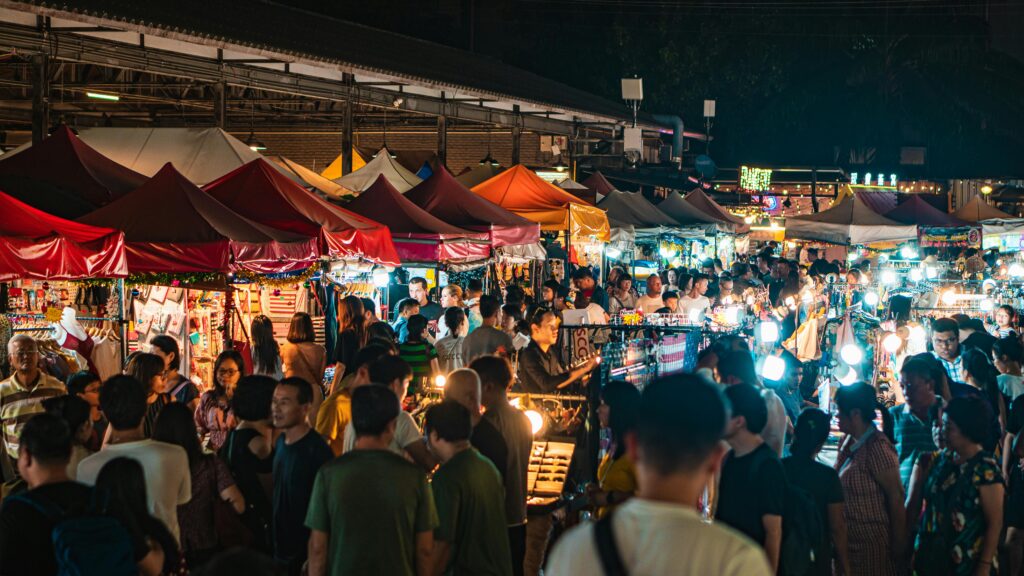
Crowds, traffic, and overtourism are part of the experience, though reactions often diverge around pace. Thailand moves most comfortably through days that leave room for delay and redirection. Waiting settles into movement as a normal condition rather than a disruption.
Travelers who allow for this often find that effort redistributes itself. Those who arrive intent on extracting value from every hour experience something different. Even beautiful moments carry a residue of strain, as the country continues to operate at a tempo that doesn’t bend to urgency. In Thailand, speed carries a cost that accumulates quickly.
Who Tends to Settle In
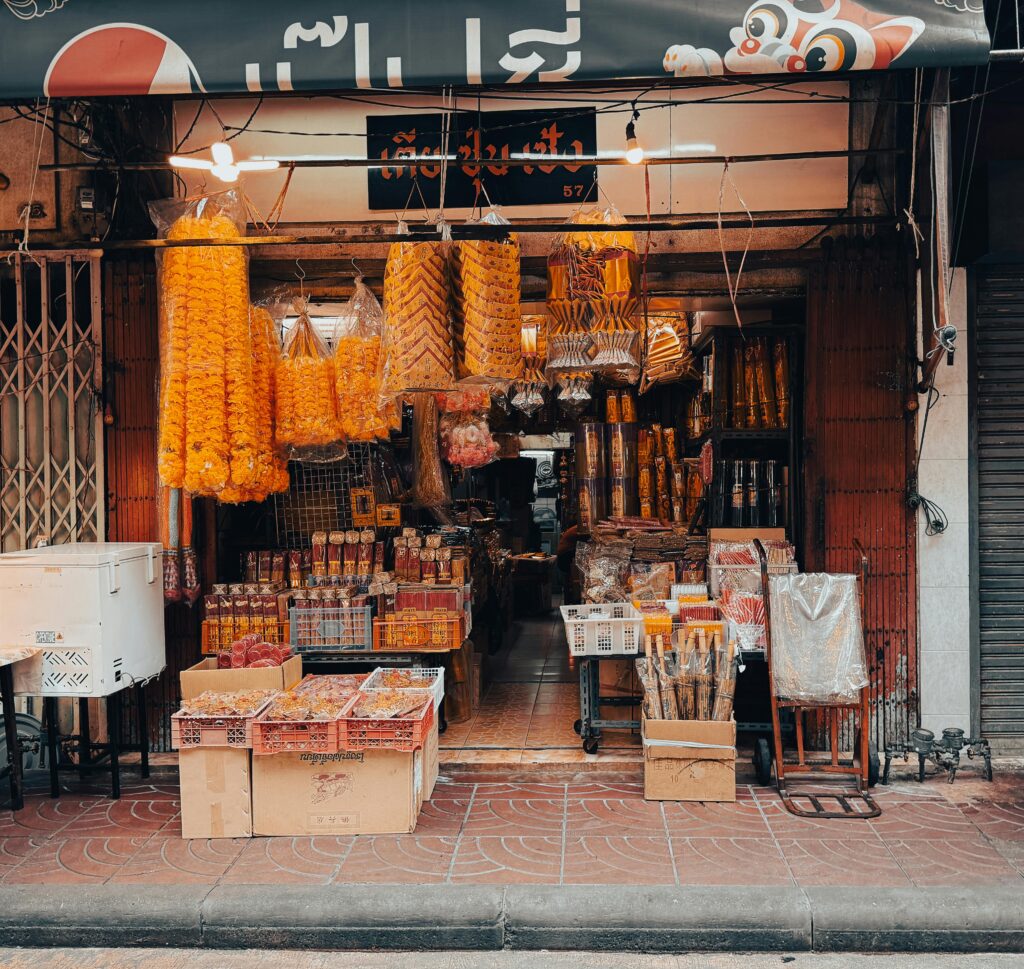
Travelers who describe Thailand as easy often share a comfort with observation. They don’t require constant confirmation that the day is progressing well, and they tolerate ambiguity without needing to resolve it immediately. This isn’t a personality trait so much as a way of engaging.
For them, the same systems that wear others down begin to feel supportive. Familiarity accumulates, and what once felt chaotic becomes readable through use. Those who feel worn down often continue with familiar patterns of movement. In Thailand, rest rarely appears on its own. It tends to enter the day through choice, and when that choice is delayed, effort begins to accumulate quietly.
When Things Begin to Change

For many, Thailand begins to feel easier through gradual subtraction. Plans narrow, familiar places return, heat is noticed earlier and accommodated without negotiation, and movement begins to carry less intention than before. From there, the country often becomes easier to move within, once the effort of engagement falls into a manageable range.
Why the Difference Persists

Thailand continues to be described as both easy and exhausting because it responds closely to how it is approached. It doesn’t impose a single way of moving through it. For those willing to adjust pace, tolerate friction, and allow repetition to do its work, the country often feels generous. For those who arrive expecting ease to be automatic, the same conditions can feel draining. Understanding this difference can bring clarity to what is being asked. With spacing and attention, effort in Thailand often begins to soften over time.