

Colorado’s reputation rests on its big peaks and big parks, but a lot of what makes the state worth visiting lives in places with populations under five thousand. The small towns in Colorado are where the real character of the Rockies sits: Victorian main streets that survived the silver crash, ski villages tucked into box canyons, hot springs that have been drawing people since long before the highways arrived, and ghost towns left mostly alone by time. This guide pulls fifteen of them together, grouped by what they’re best at, with the practical detail you’ll need to decide which one fits your trip.
The Small Town Matrix: At a Glance
| Looking for… | Best fits |
| Families & kids | Steamboat Springs, Grand Lake |
| Couples & romance | Carbondale, Ouray |
| Hidden gems with thin crowds | Paonia, Florence |
| A day trip from Denver | Idaho Springs, Georgetown |
| Hot springs | Pagosa Springs, Buena Vista |
| History & ghost towns | Victor, Leadville, Silverton |
Smart Routes: Pairing Towns Into Trips
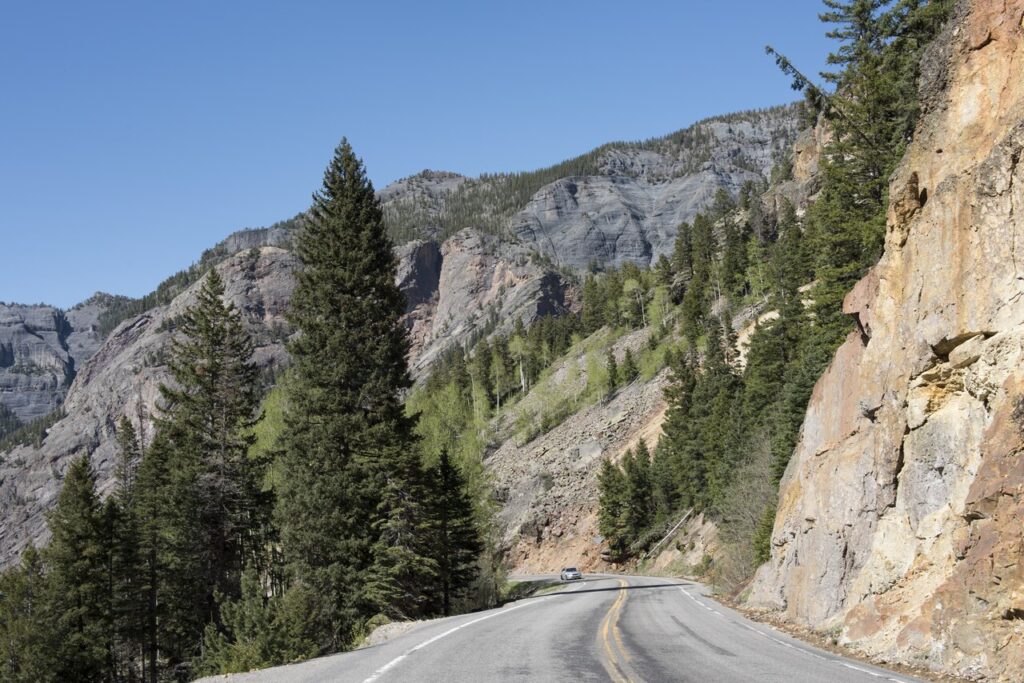
Most of these places work better in pairs than alone, since a single small town rarely fills more than a weekend. Four routes, each following an officially named scenic byway, cover most of what travelers come for.
The first is the San Juan Skyway, which incorporates the famous Million Dollar Highway and shows best in summer when the high passes are open. Start in Telluride for a couple of nights, drive northeast to Ouray for a long soak in the hot springs, then continue south along the Million Dollar Highway stretch of US-550, over Red Mountain Pass, and into Silverton. The route is consistently ranked among the most spectacular drives in the country.
The second is the I-70 Mountain Corridor, which works year-round and fits into a single day. Drive straight west from Denver on Interstate 70, stop in Idaho Springs for lunch, then push another 15 minutes up to Georgetown for the historic main street and, in December, the Christmas Market.
The third is the Top of the Rockies Scenic Byway, which connects to the Collegiate Peaks region farther south. Spend a morning in Leadville, which sits on the byway itself, exploring the National Mining Museum and the historic downtown, then drive south on US-24 along the Arkansas River valley to Buena Vista to raft the river and end the day at Mt. Princeton Hot Springs.
The fourth is the Gold Belt Tour Scenic Byway, an antiquing-and-mining loop most travelers miss. Browse Florence’s main street in the morning, then take Phantom Canyon Road, a former narrow-gauge railroad grade and part of the official Gold Belt Tour, up to the old gold-mining town of Victor for photographs around the abandoned mines as the light drops.
The Ultimate Small Ski Towns in Colorado
The first cluster is the towns built around skiing. What makes these different from the giant corporate resorts is that they’ve kept the bones of small towns underneath the chairlifts: walkable streets, independent restaurants, and almost no chain storefronts.
1. Telluride

Telluride sits at the floor of a box canyon so steep that the only road in is the same road out, and the geography keeps the town honest. There are no stoplights, no fast-food chains, and most people get around on bikes or on foot. It’s one of the more isolated of the small ski towns in Colorado, which is exactly why people love it.
The drive from Denver runs about 6.5 hours, 360 miles, so most travelers fly into Montrose instead. February is the deep ski month, and late September brings both the fall color and the film festival. Skip Telluride if you’re traveling on a tight budget, since lodging consistently lands among the highest in the country.

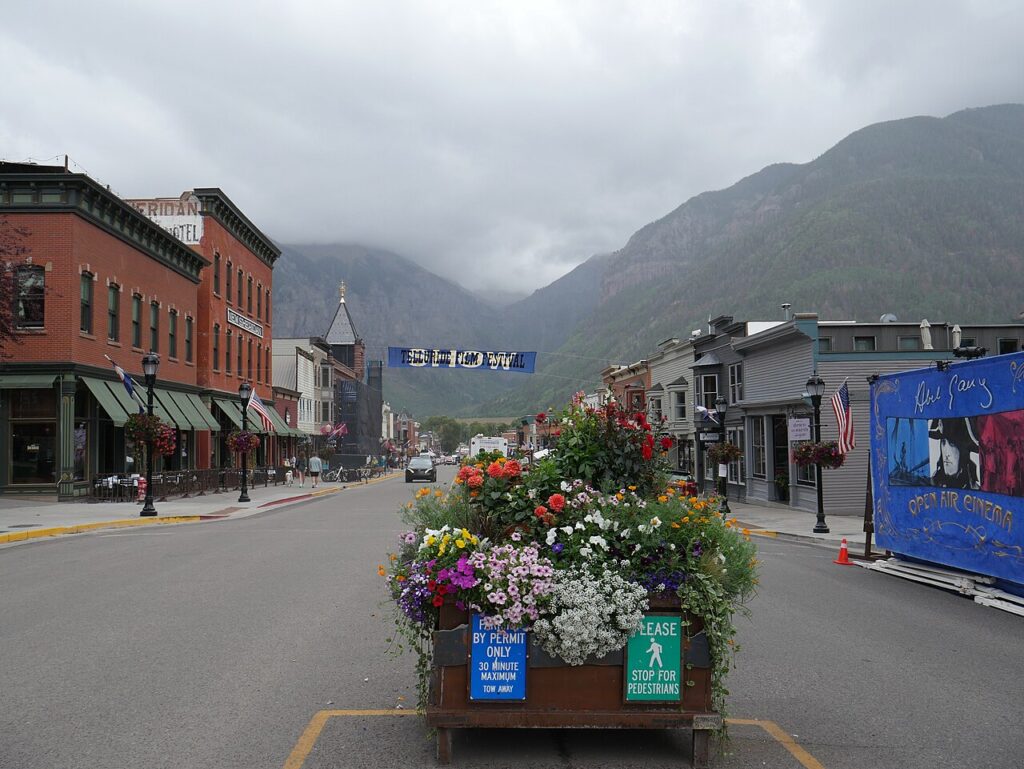
The single must-do that costs nothing is the free gondola linking the historic town to Mountain Village, with views across the San Juans from the saddle in the middle. For lodging in 2026, expect roughly $350–$650 a night at The Hotel Telluride and $250–$450 at the historic New Sheridan downtown.
2. Crested Butte

Crested Butte has a stronger residue of its hippie past than most resort towns, and Elk Avenue, the main street, is lined with colorful Victorian buildings that still look more like a real working downtown than a planned village. The community feels close-knit in a way that bigger ski towns have lost.
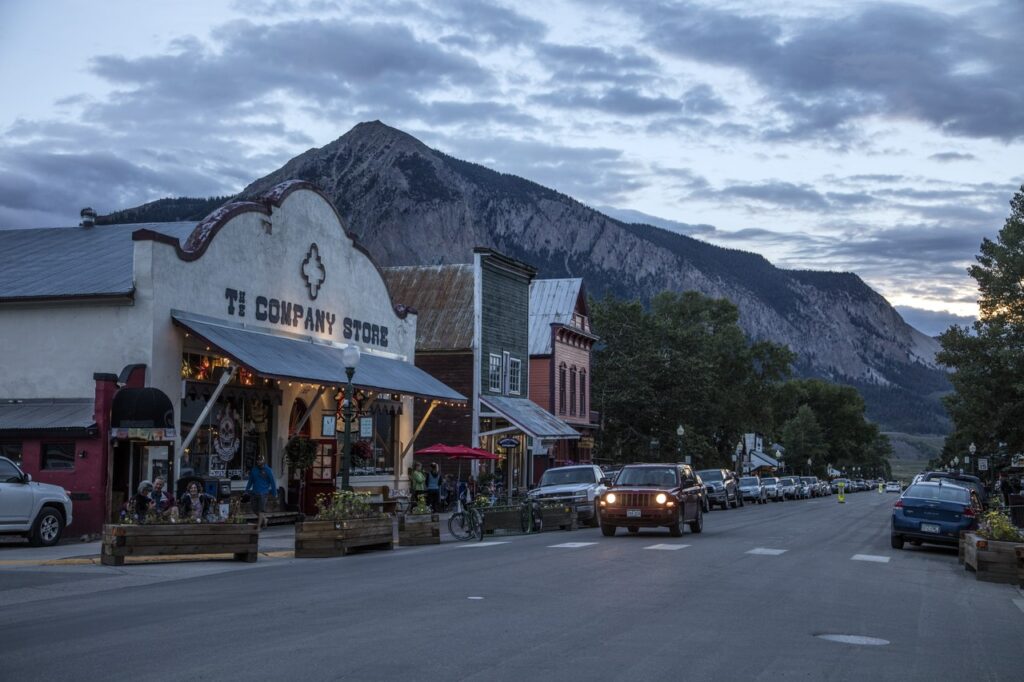
It’s about 4.5 hours from Denver, 230 miles. The signature visit is in July, when the surrounding meadows fill with wildflowers and the town hosts a festival around the bloom. Skip Crested Butte in winter if you’re a beginner skier, since the mountain is notoriously steep and rewards advanced terrain more than gentle learning curves. The summer move is renting a mountain bike and riding the legendary 401 Trail, which contours the high country with views you’ll remember.
Lodging-wise, the Elevation Hotel & Spa runs roughly $200–$450, and Purple Mountain Bed & Breakfast around $150–$250.
3. Steamboat Springs
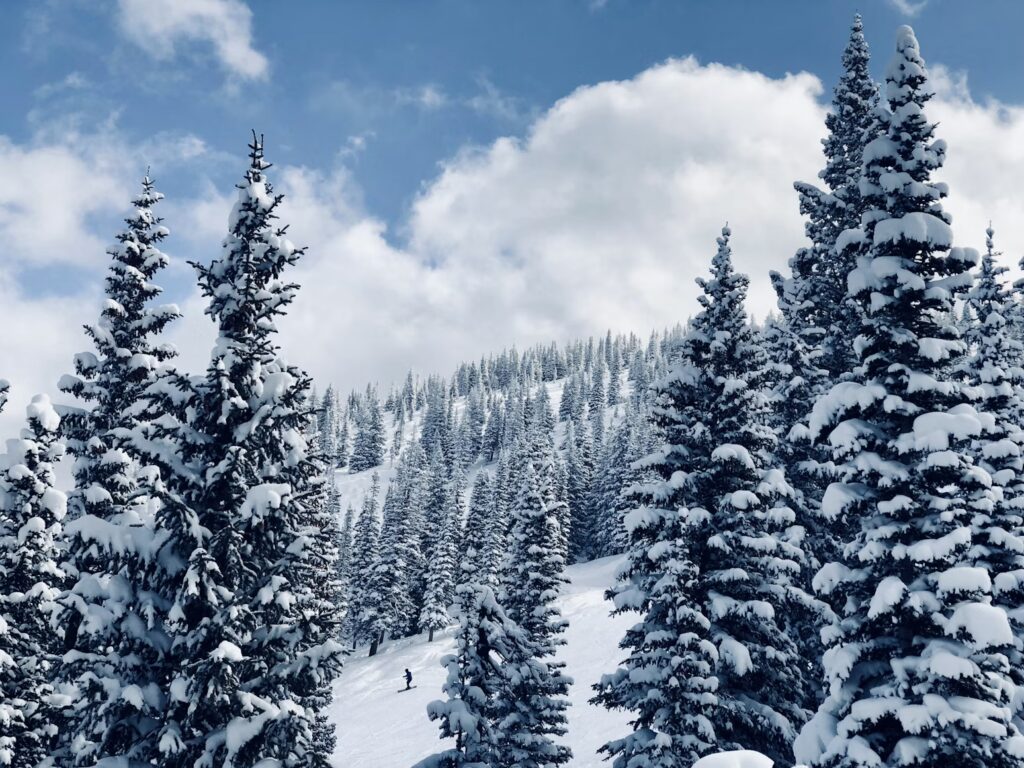
Steamboat is the largest of the small ski towns on this list, but it still feels like an old ranching town that happens to have a ski mountain attached. The cattle culture is genuine, not staged for visitors, and the main drag carries that character into the restaurants and shops.

3 hours from Denver, 156 miles. January and February deliver the famously dry Champagne Powder snow, while June through August are for tubing the Yampa River right through the middle of town. Skip Steamboat if you’re after total seclusion, since it draws steady family traffic year-round. The single experience that defines a visit is driving out to Strawberry Park Hot Springs and soaking in the rock pools while snow falls into the surrounding forest. The Steamboat Grand runs around $250–$550 in 2026, while the budget Rabbit Ears Motel sits at $120–$180.

Scenic Small Towns: Hot Springs and Mountain Views
The next cluster trades skiing for setting. These are small towns where the surrounding landscape is the main attraction, and where the rhythm bends around hot springs, lakes, and the slow business of being outside.
4. Ouray
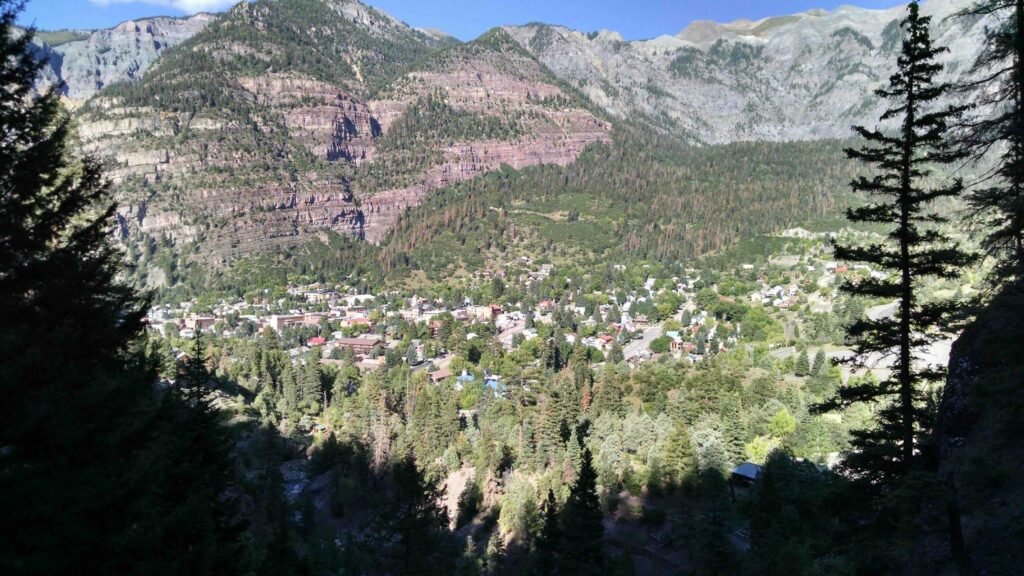
Ouray has fewer than a thousand residents and sits ringed by sheer cliffs that climb so abruptly the comparison to the Alps writes itself. Most people call it the Switzerland of America, and the nickname is genuinely earned the first time you stand on the main street and look up.
About 5.5 hours from Denver, 300 miles. The Ouray Ice Festival in January draws climbers from around the world, while July and August are for off-roading the Jeep trails up to old mining sites. Skip Ouray if narrow mountain roads with no guardrails unsettle you, particularly the Million Dollar Highway over Red Mountain Pass.
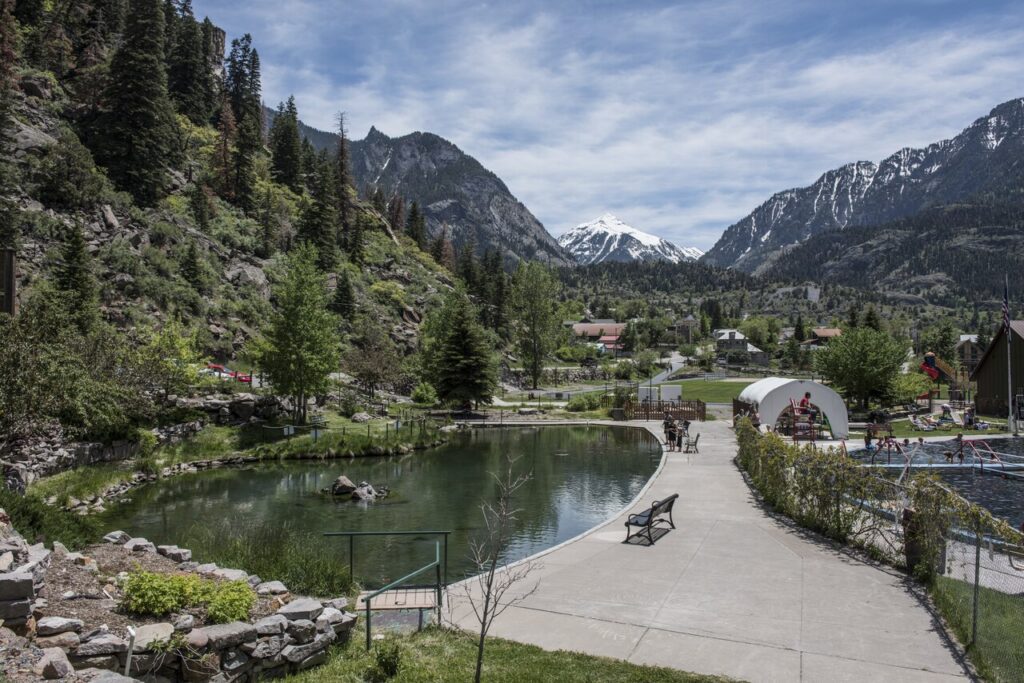
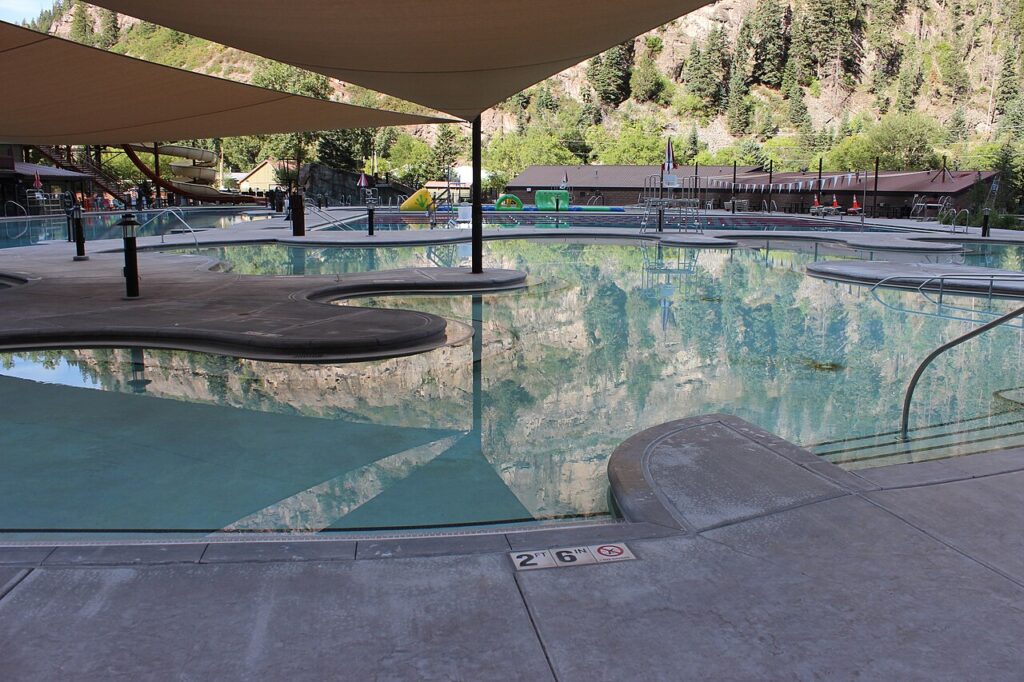
The signature soak is at Box Canyon Hot Springs or Orvis, both sulphur-free, which means no rotten-egg smell that you find at many geothermal pools. The Beaumont Hotel & Spa runs roughly $250–$400, with Box Canyon Lodge a notch cheaper at $180–$250.
5. Pagosa Springs
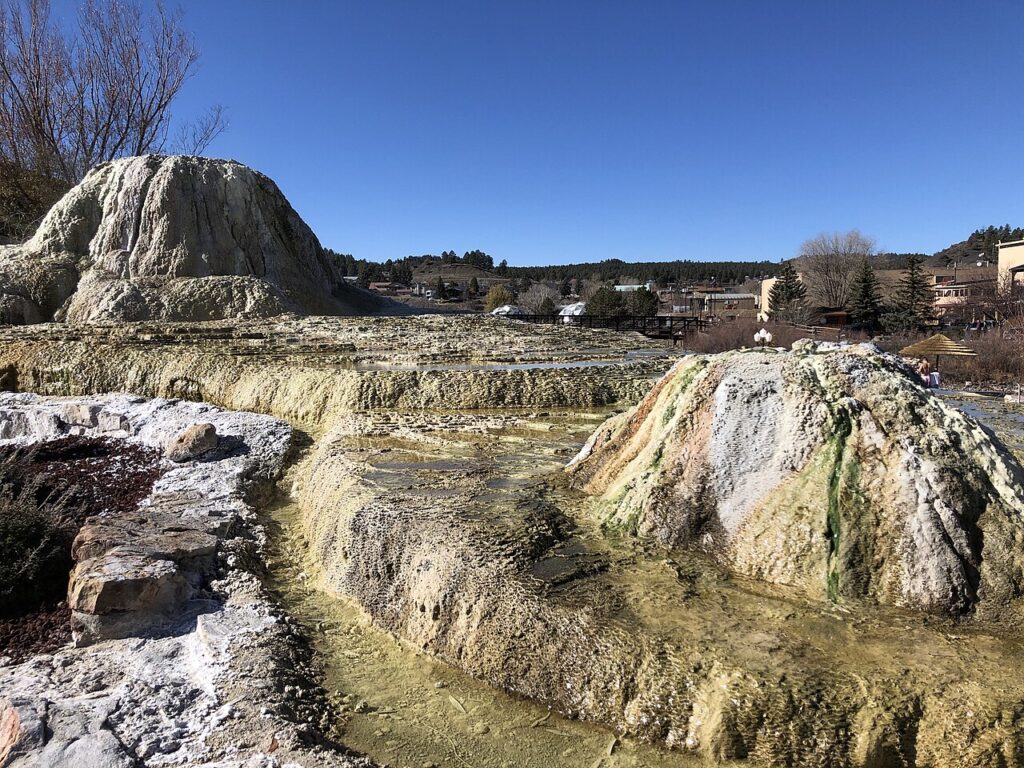
Pagosa Springs runs at a deliberately slow pace, and the giveaway is the sight of locals walking along the San Juan River in bathrobes between soaks. The hot springs aren’t an attraction here; they’re the town’s reason for existing.
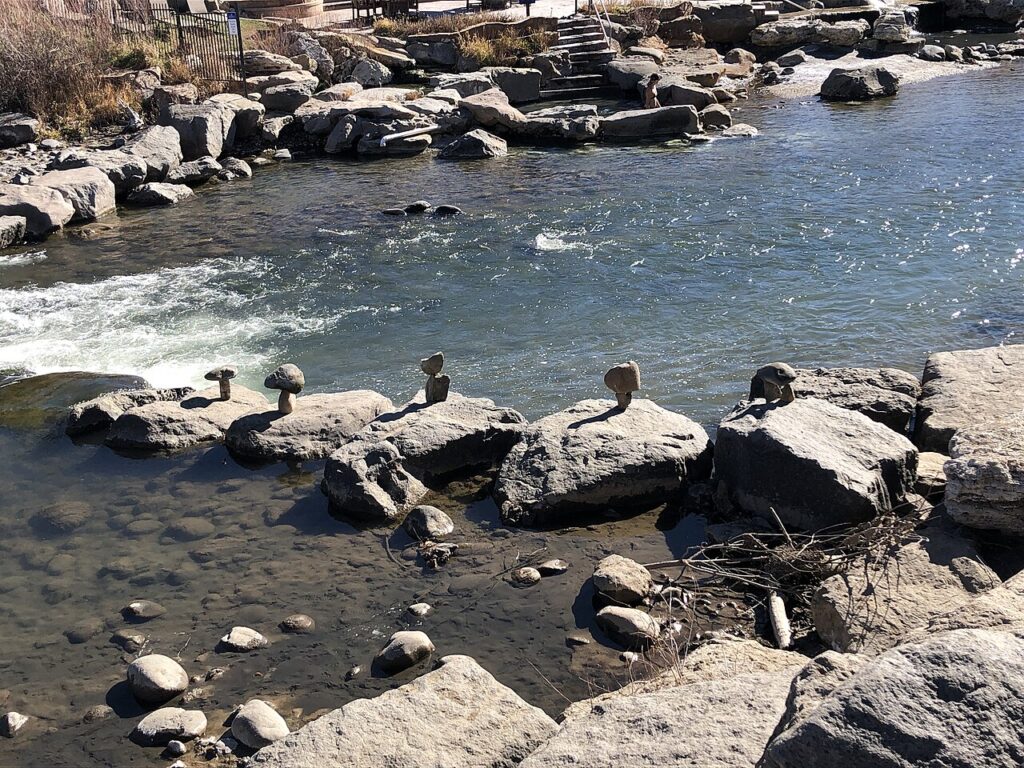
5 hours from Denver, 277 miles. The peak experience is winter, sitting in a 100-degree pool with snow falling onto your head. Skip Pagosa if you’re looking for nightlife or shopping; neither really exists. The day-pass at The Springs Resort gets you access to the deepest geothermal pools in the world by Guinness standards. Staying at The Springs Resort itself includes pool access and runs around $350–$600, while the budget High Country Lodge sits at $130–$180.
6. Buena Vista

Buena Vista is a rafting town. Whitewater paddlers and craft brewers cross paths every evening after the boats come off the Arkansas River, and the whole town has the loose, slightly sunburnt energy of a place built around moving water.
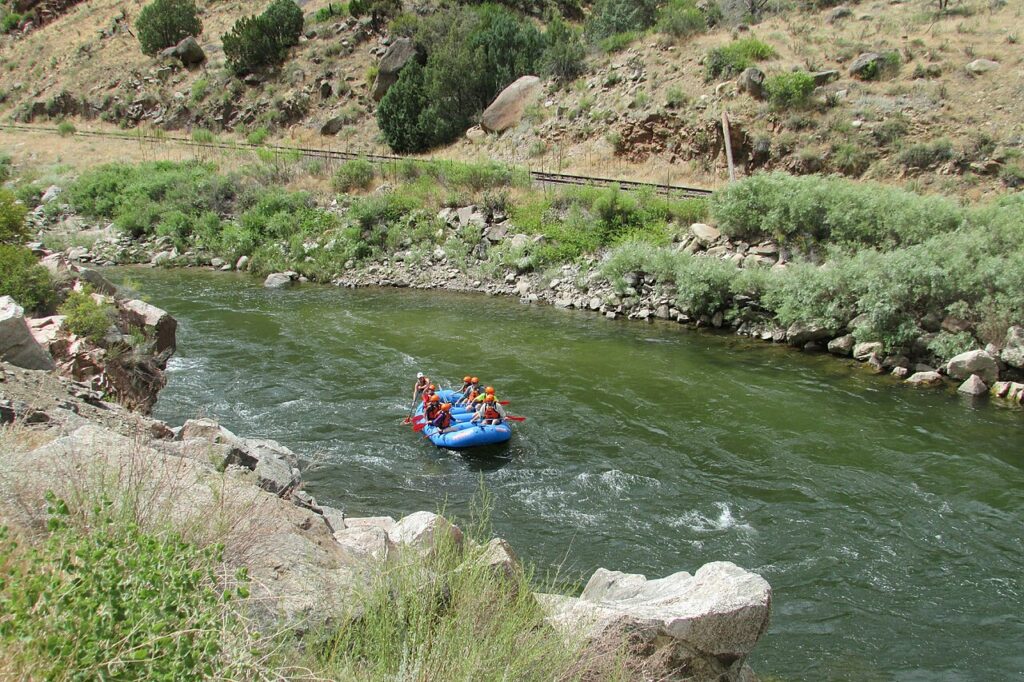
2.5 hours from Denver, 122 miles. Late May through July is the peak rafting window, when snowmelt sends Arkansas to its highest flows of the year. Skip Buena Vista from November through April if you don’t like a quiet town in its off-season. The classic day pairs a rafting trip with an evening soak at Mt. Princeton Hot Springs Resort, where a day pass runs around $28. The Surf Hotel & Chateau is the design-forward option at $220–$350, while Mt. Princeton itself runs $200–$320 if you want to roll out of bed into the water.

7. Carbondale

Carbondale is the artist’s answer to the ski-resort question. Down the valley from Aspen, it has built itself around contemporary galleries, organic farms, and a downtown that runs at a different tempo than the resort up the road.

3 hours from Denver, 170 miles. The town shows best in fall, September through October, when the Rio Grande Trail is cool enough for long bike rides and the surrounding ranches are in harvest.
Skip Carbondale if you want to walk straight out of your hotel onto a ski lift; choose Aspen for that. The unusual stay is at Marble Distilling Co., where the rooms sit above a working vodka distillery and breakfast comes with a tasting flight. Rates there run about $280–$450, with the Comfort Inn & Suites as the budget option at $150–$200.
8. Grand Lake
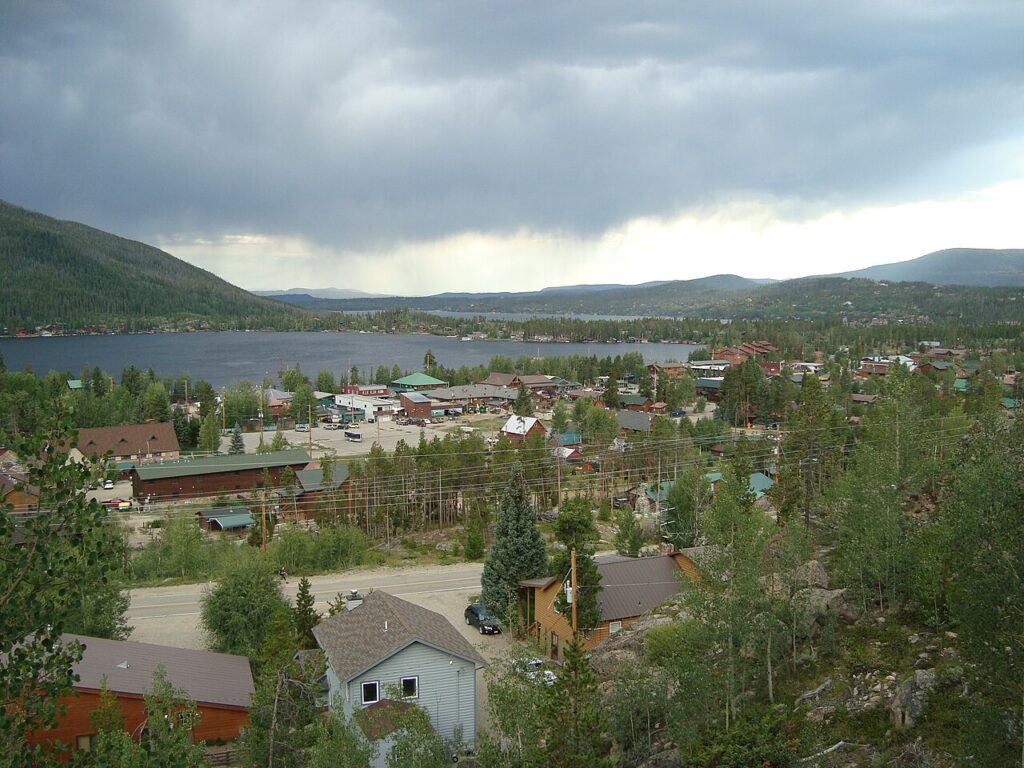
Grand Lake serves as the western gateway to Rocky Mountain National Park, and the wooden boardwalks running along its main street give the place a Western feel that’s deliberately preserved rather than themed.
About 2.5 hours from Denver, 100 miles. June through September is the window for boating and hiking, and the lake itself, the deepest natural lake in Colorado, is the centerpiece. Skip Grand Lake in winter unless your car is set up for snow, since the surrounding passes ice over and close. The afternoon to plan for is renting a kayak and being out on the water at sunset. The historic Grand Lake Lodge runs $200–$350, with Western Riviera Lakeside Lodging at $140–$220.
Historic Towns and Real Ghost Towns in Colorado
The third cluster is for travelers drawn to what mining built and what it left behind. These are towns where the history isn’t recorded; it’s the same buildings, sometimes the same families.
9. Victor
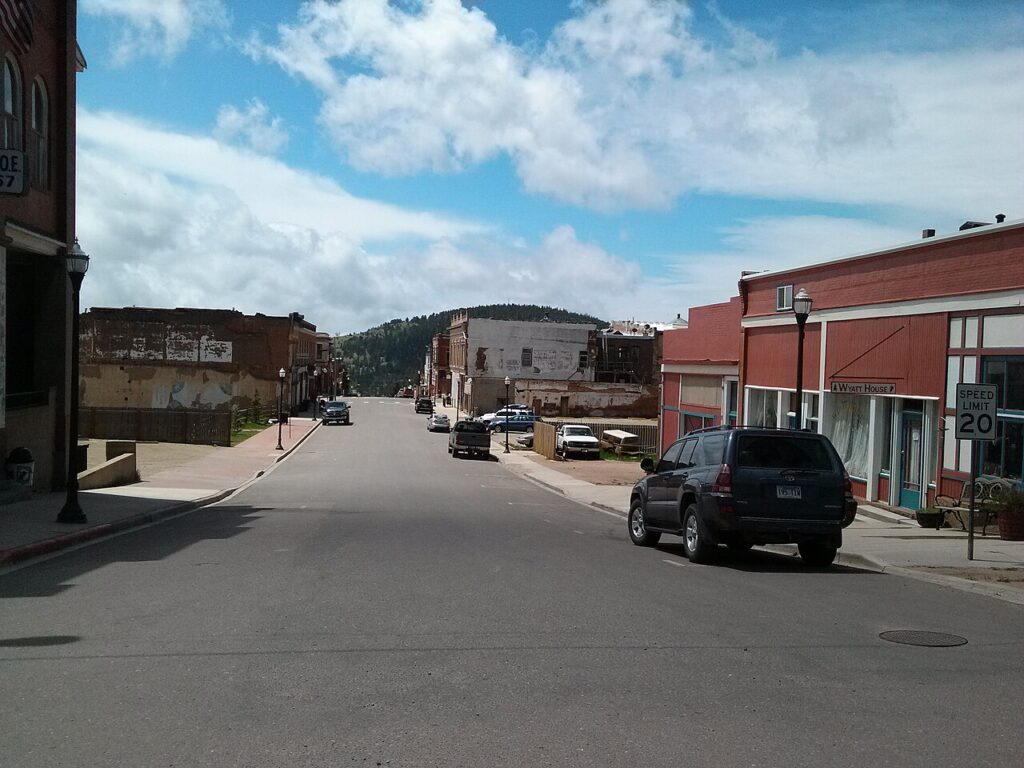
Victor is the closest thing to a genuine ghost town that still has people living in it. The red-brick buildings from the 1890s stand quietly on streets that haven’t been polished up for tourism, which is exactly the appeal. Nothing is staged here.

2 hours from Denver, but only 1 hour from Colorado Springs, which is the more practical base. May through October keeps the weather warm enough for walking the old mining trails. Skip Victor if you’re traveling with younger children who spook easily, since the abandoned cemeteries and decaying mine structures lean into the eerie. The signature stop is the giant wooden sculpture known as Rita the Rock Planter, paired with a walk on the Vindicator Valley Trail through old mining ruins.
The Black Monarch Hotel, a horror-themed boutique stay, runs $150–$200; otherwise this is best as a day trip from Colorado Springs.
10. Silverton
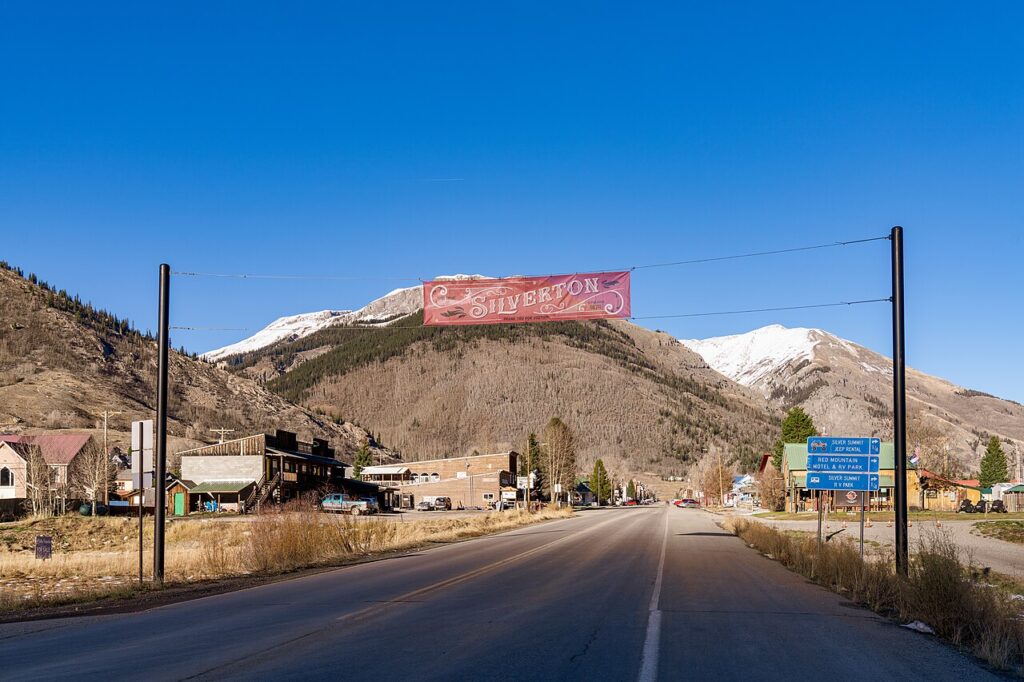
Silverton sits alone in an old volcanic basin at the end of a single gravel main street lined with original saloons. It’s one of the most isolated of the historic small towns in Colorado, and that isolation is part of what kept it intact.

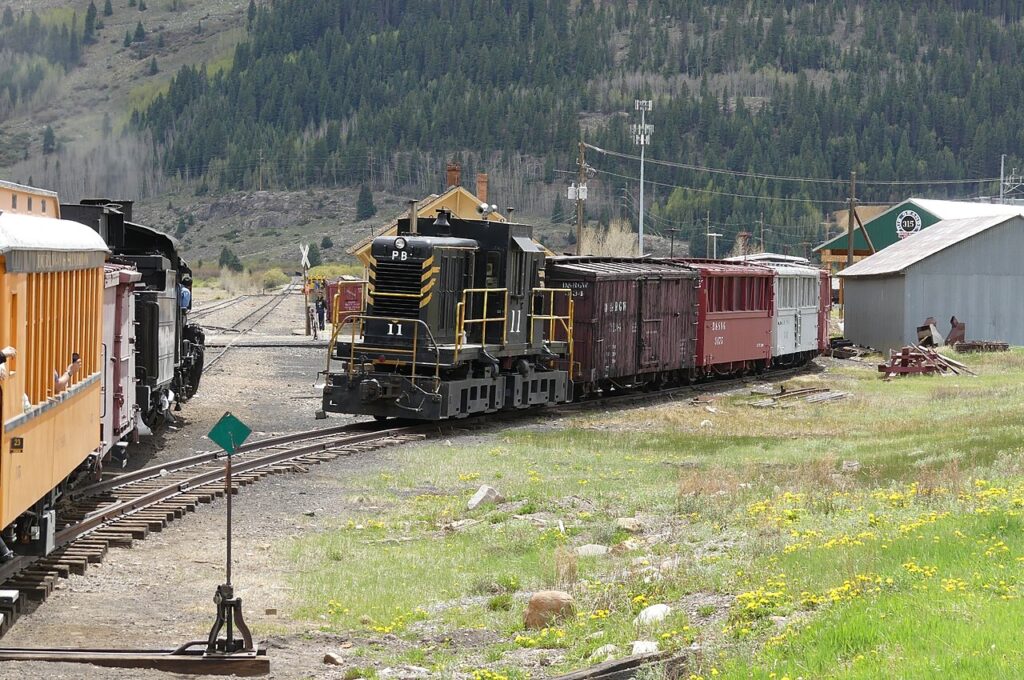
6 hours from Denver, 330 miles. May through October is when the Durango and Silverton Narrow Gauge Railroad runs full schedule, and most visitors arrive on the train rather than by road. Skip Silverton in winter unless you’re heli-skiing, since services thin out almost completely. The train ride itself, at $100–$200 a ticket, is the experience. The Grand Imperial Hotel runs roughly $160–$250, and the boutique Wyman Hotel about $180–$300.
11. Leadville

Leadville holds a single record that shapes everything about a visit: at 10,152 feet, it’s the highest incorporated city in North America. The thin air keeps casual visitors away and gives the town a stoic, mining-camp pride that other historic towns have softened over time.
2 hours from Denver, 100 miles. June through September is the practical hiking window, when the surrounding fourteeners are reachable. Skip Leadville if you have heart or respiratory issues, since the elevation is genuinely demanding and most travelers feel it. The cult experience is buying a Made-in-Leadville fleece at Melanzana, which typically requires a scheduled appointment to enter the small shop. The historic Delaware Hotel runs $130–$200, with the novel Tiny House Leadville option at $120–$160.
12. Florence
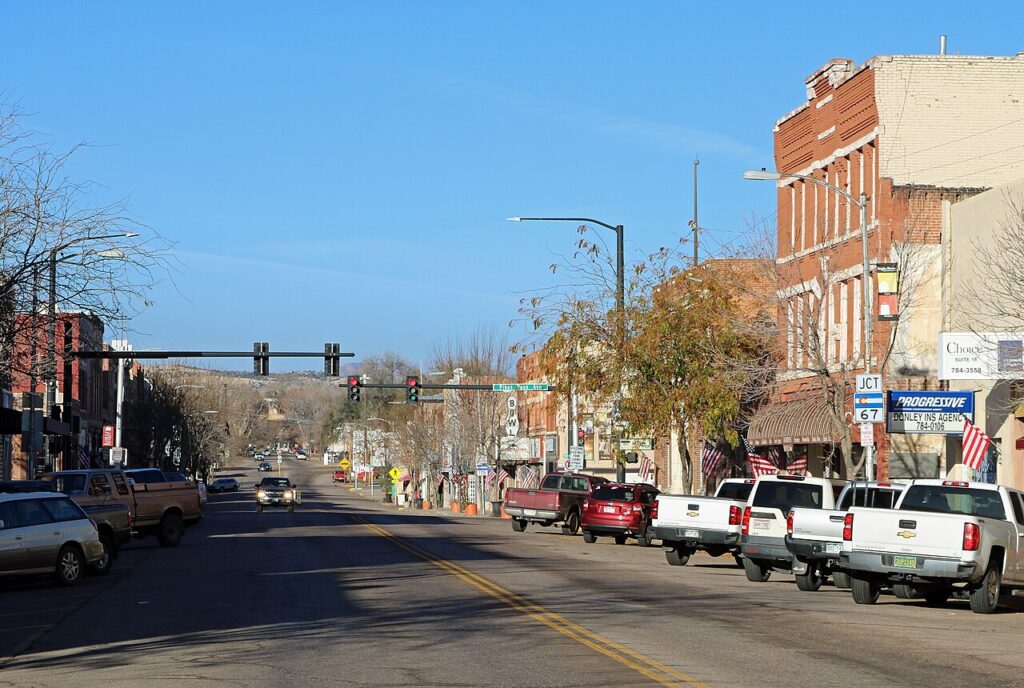
Florence sits out on the plains rather than in the mountains, and where the others trade in altitude or scenery, Florence trades in antiques. The pace is slow, the architecture is older than you’d expect, and the main street holds enough secondhand shops to fill a long afternoon.
2 hours from Denver, 115 miles, or 45 minutes from Colorado Springs. Florence works year-round since the weather is mild. Skip it if you need mountain scenery and outdoor activity to make a trip feel complete; this isn’t that kind of stop. The afternoon to plan is hunting along the antique stretch of Main Street, which served as a filming location for the Netflix film Our Souls at Night. The Florence Rose Bed & Breakfast runs around $120–$160.
The Best Small Towns Near Denver
The last cluster is the one most travelers actually use: small towns close enough to Denver to manage as a day trip or a weekend, without committing to the longer drive west.
13. Idaho Springs
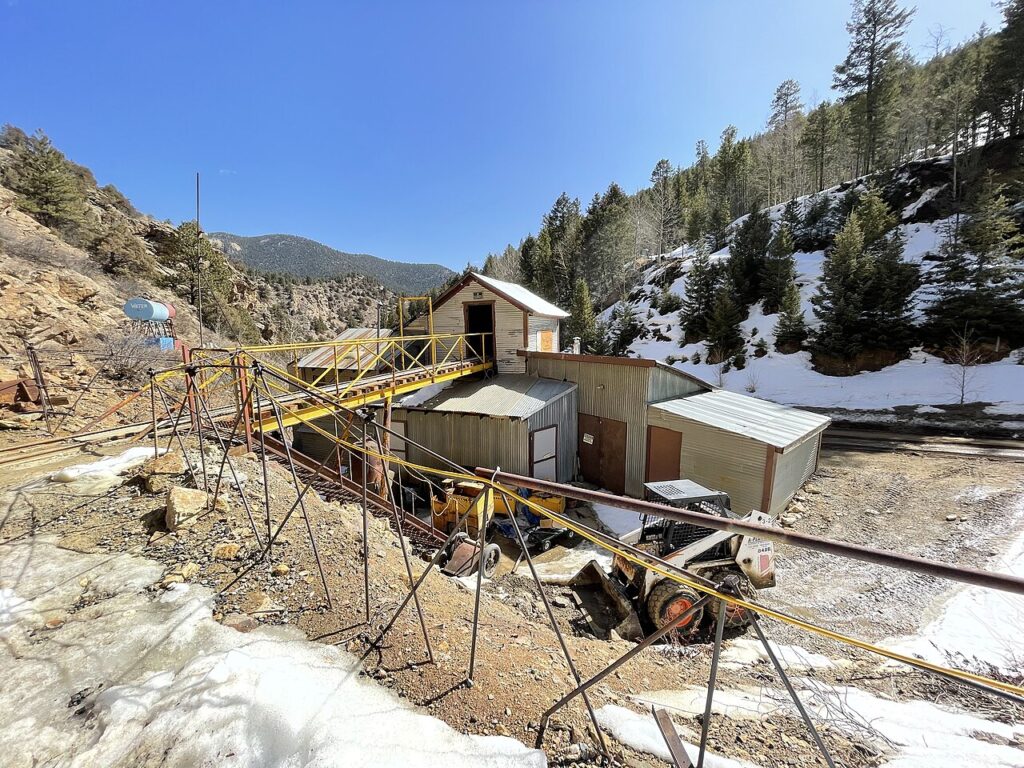
Idaho Springs is the first mountain town you reach driving west from Denver, and it carries an unusual mix of gold-rush heritage and busy roadside-stop energy from the constant I-70 traffic. It’s not quaint, but it’s authentic.

Under 45 minutes from Denver, 32 miles. It works year-round and is the natural escape valve when I-70 traffic stalls further west. Skip Idaho Springs if you’re sensitive to highway noise; the interstate runs close to town. The afternoon to plan is a slice from Beau Jo’s pizza followed by a soak at Indian Hot Springs. Miner’s Pick Bed and Breakfast runs $140–$200, and a day trip from Denver works just as well.
14. Georgetown

Georgetown holds the best-preserved Silver Rush architecture in the state, and the whole downtown is designated as a National Historic Landmark. It’s small enough that walking is the only sensible way to see it.
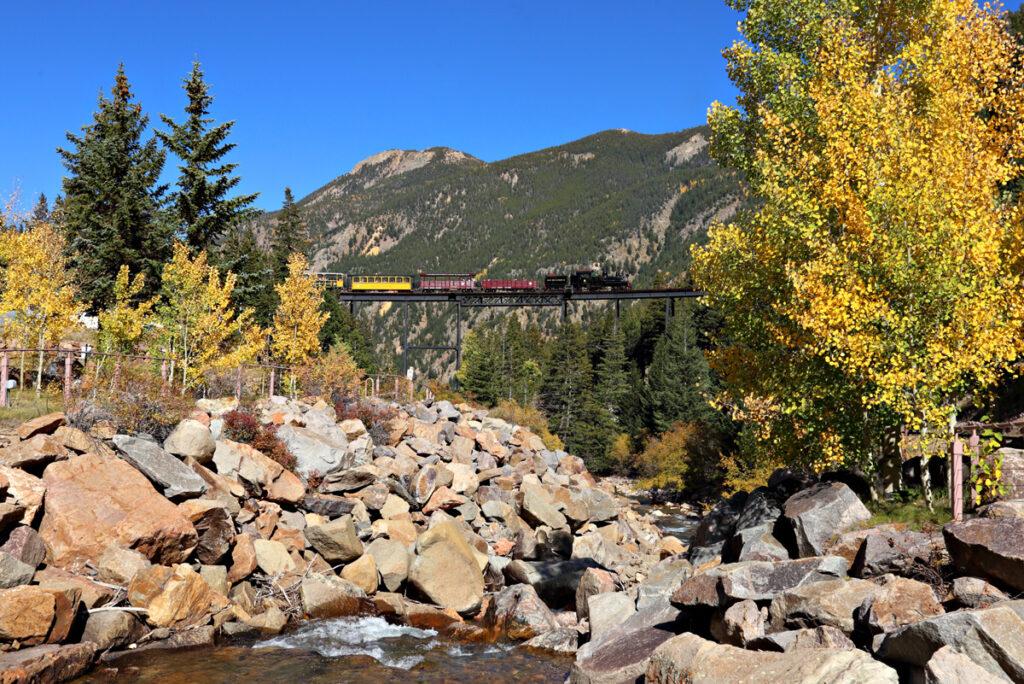
Under 1 hour from Denver, 45 miles. December turns the town into a European-style Christmas Market that fills the historic streets with stalls and lights. Skip Georgetown if you’re a night owl, since the restaurants and shops close early. The classic ride is the Georgetown Loop Railroad, a narrow-gauge steam train across a high trestle, at $30–$45 a ticket. Hotel Chateau Chamonix runs around $180–$280 a night.
15. Paonia

Paonia is the most off-the-beaten-path of any of the small towns near Denver, well off the main highways and built around a working farm-to-table culture. It’s where you go when you want the rural, slow version of Colorado rather than the tourist version.

4 hours from Denver, 230 miles. September brings the Mountain Harvest Festival, which is the most active week of the year. Skip Paonia if wine tasting and orchard visits don’t interest you, since that’s the heart of what the town offers. The afternoon to build a visit around is U-pick fruit at the orchards along Highway 133, with stops at the small wineries between them. Bross Hotel Bed & Breakfast runs around $150–$220.
Practical Planning for Mountain Towns
Three things deserve a moment of advance thinking before any small-town trip into the Colorado Rockies.
Altitude
Several of these towns sit at elevations where your body will notice the change. Leadville, at 10,152 feet, is the extreme case, but Telluride, Silverton, and Crested Butte all sit comfortably above 8,000 feet. The standard precautions are genuine: drink more water than feels natural, hold off on alcohol the first day, and don’t plan a strenuous hike on your first morning. If you can sleep at a lower elevation early in the trip before climbing, your body adjusts more smoothly.
Winter Driving on I-70
Colorado’s Traction Law applies on I-70 during winter storms, which means your vehicle needs either snow tires, four-wheel drive with all-season tires, or chains. Rental cars don’t always come equipped for this, so it’s worth asking at the counter. Even in clear weather, the weekend bottlenecks westbound on Saturday and eastbound on Sunday turn a two-hour drive into four or five. Midweek travel or very early starts make a real difference.
What Things Cost
Hot spring admission runs from about $28 at Mt. Princeton up to roughly $70 at the more upscale Sunwater Spa in Buena Vista. Gondola rides split sharply by town: Telluride’s is free, while Aspen and Breckenridge charge $30–$55. The two scenic train rides have very different price points, with the Durango and Silverton at $100–$200 a ticket and the shorter Georgetown Loop at $30–$45.
Frequently Asked Questions
Which Colorado small town is closest to Denver?
Idaho Springs is the closest mountain town to Denver, under 45 minutes and roughly 32 miles west on I-70. It’s the easiest day trip in this guide and the most realistic afternoon escape if you’re working with a half day rather than a full weekend.
What is the highest incorporated town in Colorado?
Leadville holds the record at 10,152 feet, which also makes it the highest incorporated city in North America. The elevation defines the town’s character, the difficulty of physical activity there, and the kind of traveler it suits.
Which Colorado mountain town has the best hot springs?
Pagosa Springs has the deepest natural geothermal pools in the world by Guinness measurement, which puts it at the top of the list. Ouray and Buena Vista are the strong runners-up, each with multiple soaking options at different price points and atmospheres.
Are there any real ghost towns in Colorado?
Yes. Victor is one of the most genuine surviving examples, with original 1890s mining-era buildings and abandoned mine structures still standing on the surrounding hills. It hasn’t been polished up for tourists, which is exactly what makes it work.
Which small town is the best for a family ski trip?
Steamboat Springs consistently ranks at the top for family skiing, thanks to gentler beginner terrain, the dry Champagne Powder snow that makes falls less punishing, and a wide range of off-mountain activities including the hot springs that keep non-skiing family members happy.
When is the best time to visit Colorado’s small towns?
February is the peak window for skiing across the resort towns. July is the strongest summer month for hiking and wildflowers, especially in Crested Butte. September into early October brings fall color through the San Juans, and December turns Georgetown and a handful of other historic towns into walkable Christmas destinations.
Choosing the Right Town for Your Trip

The honest answer to which of these towns is best is that it depends almost entirely on who you’re traveling with and what you’re chasing.
Couples looking for slow evenings and good food gravitate toward Carbondale or Ouray. Families balancing different ages tend to do well in Steamboat or Grand Lake, where the activity menu is wide enough to keep everyone happy. Travelers drawn to history and quieter places find more to chew on in Victor, Leadville, and Silverton than in any of the polished resorts. And for anyone working with limited time out of Denver, Idaho Springs and Georgetown deliver a real small-town experience inside a single afternoon.
For deeper planning, the companion guide on the best time to visit Colorado breaks the year down month by month, and the broader overview of the best places to visit in Colorado sets these towns into the wider context of the state.