
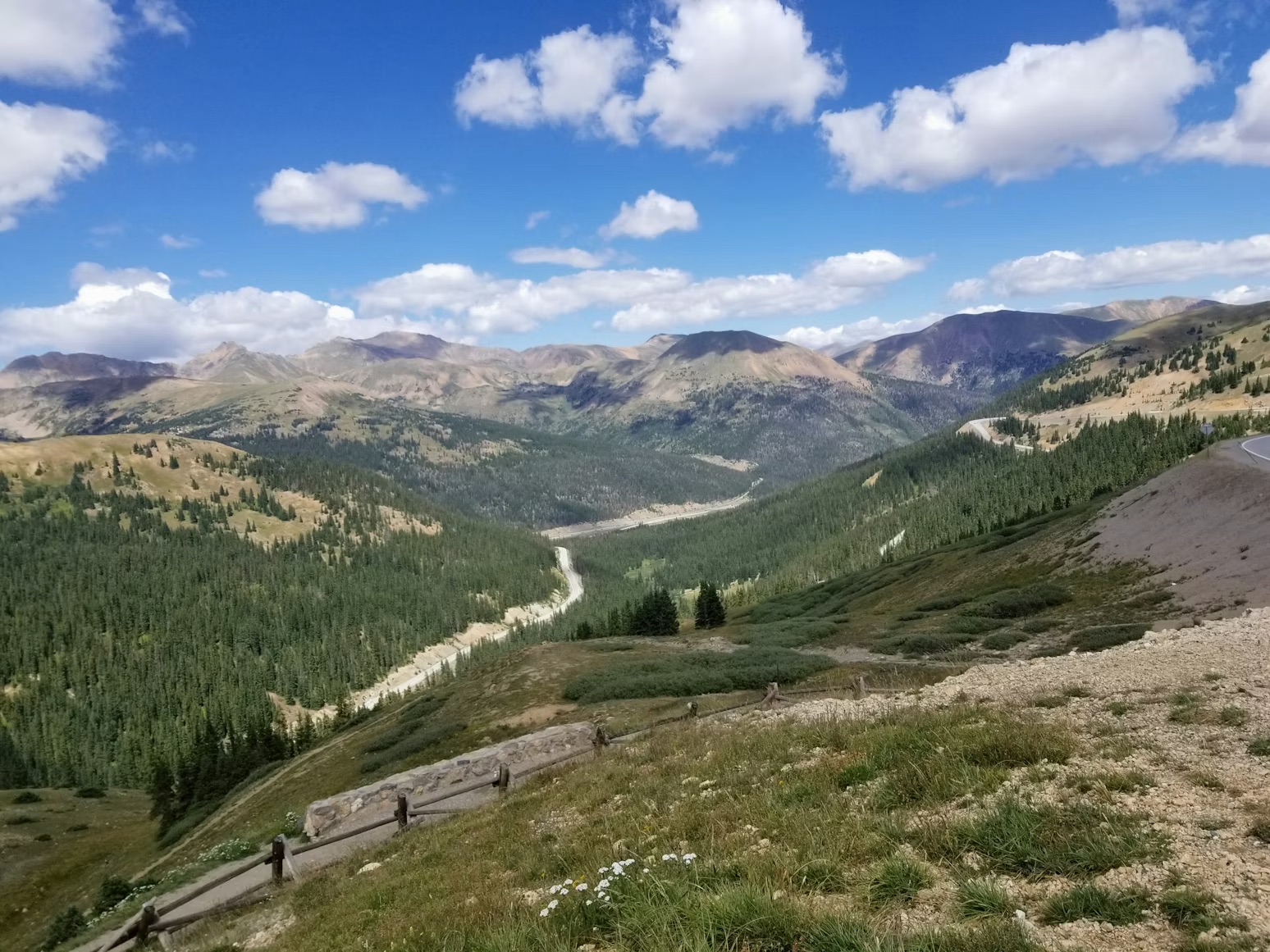
Colorado is one of those places where the right time to visit depends almost entirely on what you want to do once you get there. The same valley that sits buried in snow in February turns into a wildflower meadow in July, and a road that’s central to a fall foliage trip in late September may be closed by storms a month later. This guide walks through the year month by month, then digs into the three activities most travelers come for, so you can match your trip to the season instead of the other way around.
The Quick Answer: When Is the Best Time to Visit Colorado?
If you’re skiing or snowboarding, the sweet spot is roughly February to early March, when the snowpack tends to be deepest and most consistent across the major resorts. For hiking and wildflowers, aim for the second half of June through August, once the higher trails have shed their snow. Leaf-peepers do best from mid-September into early October, with the timing sliding south and lower as the month goes on. And if you’re traveling on a tight budget, late April through May and the bulk of November are the cheapest windows in the year, though both come with real trade-offs that the rest of this guide will get into.
A Month-by-Month Colorado Planner
The table below pairs typical high and low temperatures for both Denver and the mountain resorts with rough hotel-rate ranges and the character of each month. Mountain weather is variable, so treat these as guideposts rather than guarantees.
| Month | Temp (Denver) | Temp (Mountains) | Hotels/night | Crowds & weather | Highlights | Watch-outs |
| Jan & Feb | 45°/18°F | 30°/5°F | $300–$800+ | Cold, packed resorts | Peak skiing, winter festivals | Heavy I-70 ski traffic |
| March | 54°/27°F | 36°/12°F | $250–$600+ | Deepest mountain snowpack | Spring skiing, Monte Vista Crane Festival | Rain & slush at lower elevations |
| Apr & May | 61°/33°F | 45°/20°F | $120–$180 | Mud season, very quiet | Cheap Denver stays, hot springs | Mountain lifts & restaurants close |
| June | 82°/51°F | 65°/35°F | $180–$250 | Warming up, crowds rising | Hiking opens, Telluride Bluegrass | Snow lingers on high trails |
| Jul & Aug | 90°/59°F | 75°/42°F | $250–$400+ | Hot below, cool above, busy | Hiking, wildflowers in Crested Butte | Dangerous afternoon thunderstorms |
| September | 80°/48°F | 65°/35°F | $200–$350 | Cooling, thinning crowds | Fall foliage, Oktoberfests | Cold nights arrive fast |
| October | 66°/36°F | 52°/24°F | $130–$190 | Quiet, first snow possible | Stillness, low prices | Early-season blizzards |
| Nov & Dec | 53°/25°F | 35°/12°F | $250–$600+ | Cold, packed over holidays | Ski openings, holiday spirit | Early snow often man-made |
The pattern that emerges is fairly clean: prices and crowds spike twice a year, once for ski season around the holidays through February, and once for the summer hiking peak in July and August. The shoulder months on either side of those spikes are where the best value lives, but they’re also where the trade-offs sharpen.
The Three Activities Colorado Is Known For
Three things draw most travelers to the state, and each has its own calendar. Knowing which one is the centerpiece of your trip is usually the fastest way to decide when to come.
The Best Time for Skiing and Snowboarding

The Colorado ski season generally runs from late November to mid-April, though the texture of each month is very different. The early season relies heavily on snowmaking and rarely opens the upper terrain, so December tends to be more about the holiday atmosphere than serious skiing.
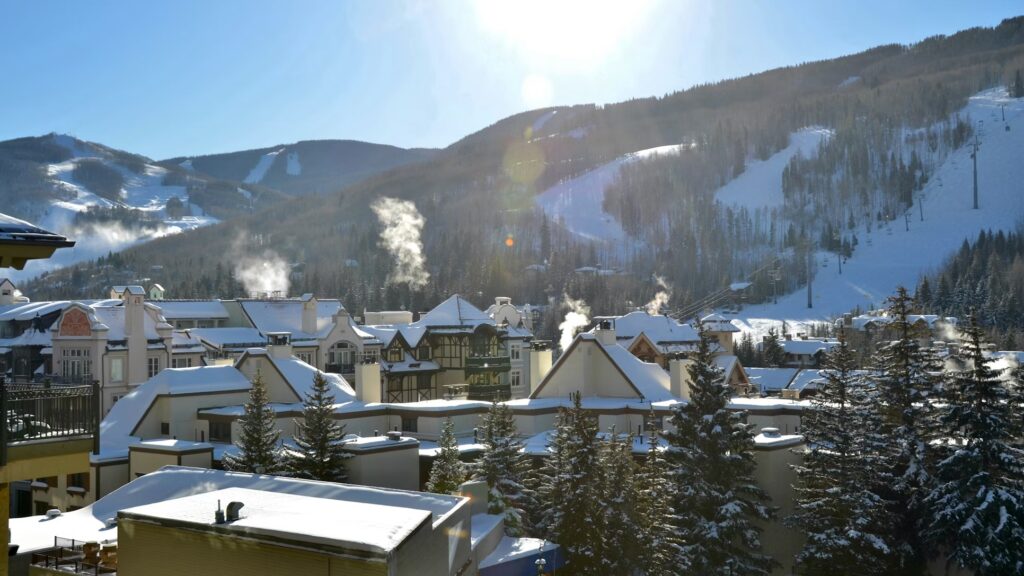
The deep middle of winter, from mid-January through February, is when the snowpack is most reliable and the conditions feel most consistent. March can deliver the heaviest natural snowfall of the year alongside warmer days and longer sun, which is why a lot of veterans quietly prefer it.

The resorts that headline this season are Vail and Breckenridge along the I-70 corridor, Aspen in the central Rockies, and Telluride and Steamboat further afield. Each has its character, but the calendar that governs them is roughly the same. If you want the deepest snow, plan around February. If you want sunshine and lift-ticket deals, aim for March.
The Best Time for Hiking, Biking, and Wildflowers

The hiking calendar is determined by snowmelt at elevation, and that lags well behind the spring you see in the city. By the time Denver is wearing shorts in May, the high trails are still under several feet of snow, and many alpine routes don’t fully clear until late June or even early July. July and August are the dependable months for high-country hiking, with passes open, wildflowers blooming, and creeks running clear.
For flowers specifically, the window is narrower: late June through early August, with the peak landing somewhere in the second half of July in most years.


Crested Butte, which calls itself the wildflower capital of the state, hosts a festival around the bloom for good reason. Rocky Mountain National Park is the other clear anchor for summer hiking, with the understanding that you’ll need a timed-entry reservation for peak hours during the season. The trade-off in these months is afternoon thunderstorms, which deserve their own section below.

The Best Time for Leaf-Peeping

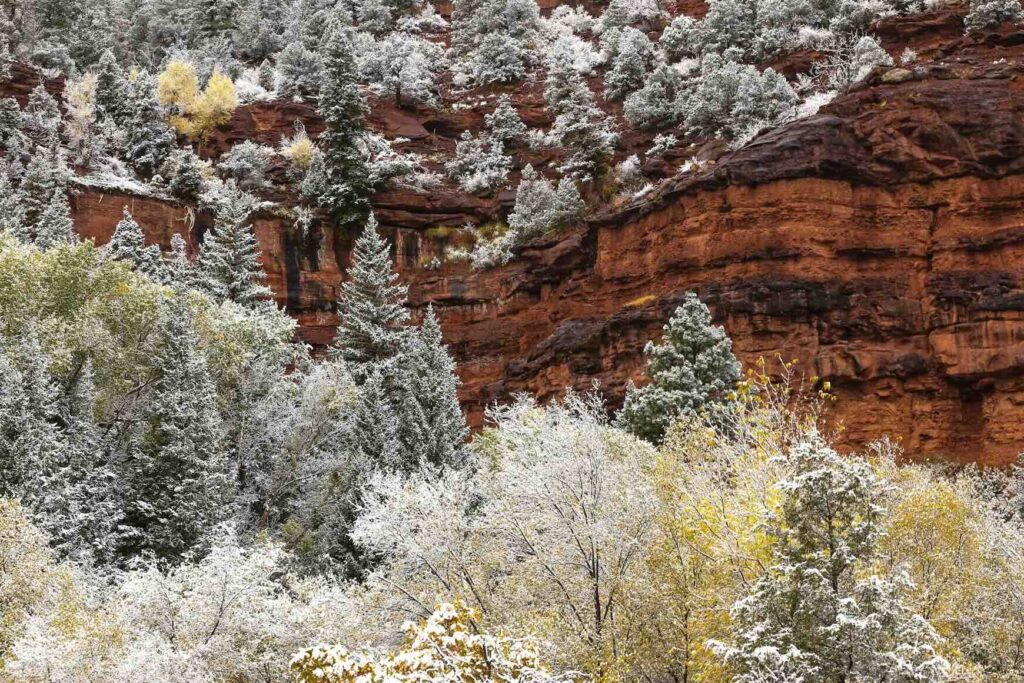
Colorado’s fall color is almost entirely about aspens, and the show moves down the elevation gradient as the weeks pass. The higher elevations and more northerly stands typically turn first, somewhere in mid-September, while the lower and more southerly groves can hold their color into the first week or two of October. The window in any one spot is short, often only a week or ten days of real brilliance before the leaves drop.

Two areas usually top the list. The San Juan Mountains in the southwest, especially the drives around Ouray, Telluride, and the road over Kebler Pass near Crested Butte, deliver some of the densest aspen color in the country.

Closer to the Front Range, the Peak to Peak Scenic Byway makes an easy day’s drive out of Denver and times its peak around the same window. Whichever you choose, the trick is keeping an eye on real-time reports the week before you travel, since the turn can move by a week in either direction depending on the year.
Best Time to Visit by Destination
Where you’re going matters almost as much as what you’re doing, because the climate shifts noticeably across a state this large.
Denver and the Front Range
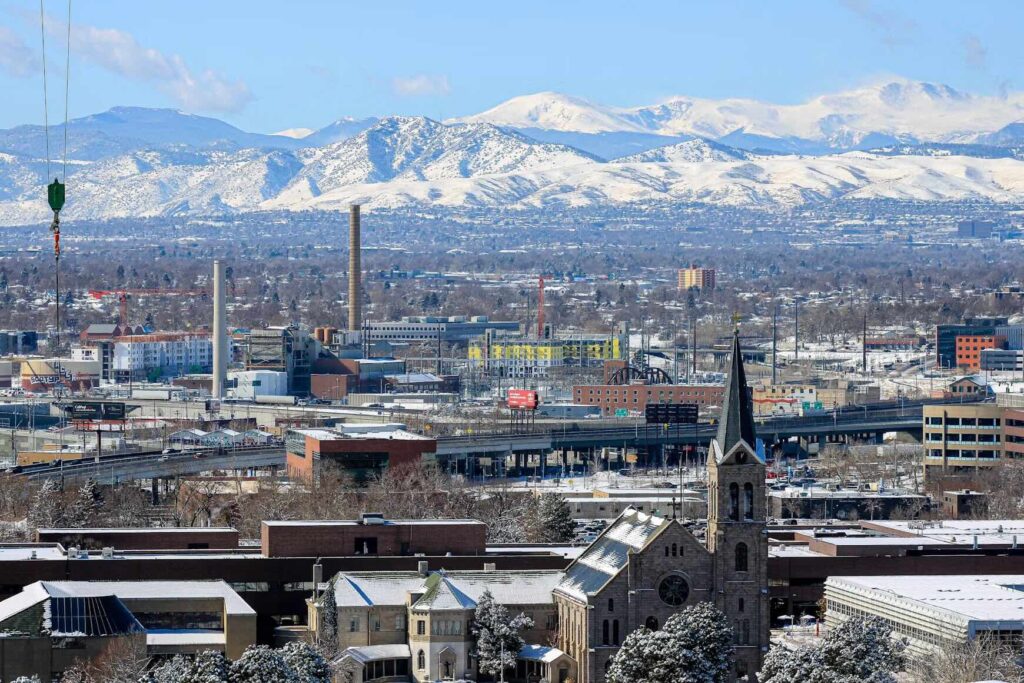
The Front Range is the closest thing Colorado has to a year-round destination. Denver itself is comfortable in some form for most of the year, with spring and fall as the genuine sweet spots: mild temperatures, low humidity, and a city that’s less crowded than the mountains in either direction.
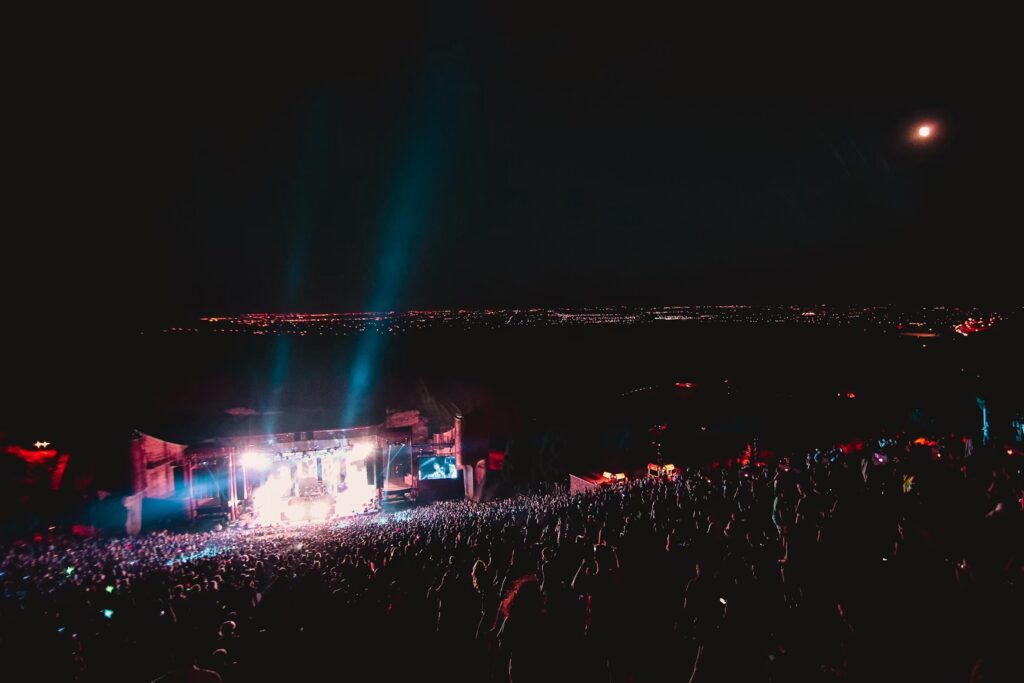
Summer brings a concert season at Red Rocks and long evenings, while winter is cold but rarely brutal and stays open for travel even when the mountains are storming. If you’re choosing between seasons for a Denver-focused trip, late September into early October is hard to beat.
The I-70 Corridor: Vail and Breckenridge

The corridor west of Denver lives or dies on two peaks: deep winter for skiing, and high summer for hiking, festivals, and music. The months between those peaks aren’t dead, but they thin out considerably, and a fair number of restaurants and lifts close during mud season in late spring and again in the off-week or two of November. Plan a winter trip for January or February if conditions matter most, March if you want sun. For summer, July and August are the strongest, with concerts, mountain biking, and the bowl of trails above the resort villages all in full swing.
Telluride, Durango, and the Southwest

The southwestern corner of the state has its own rhythm. Summer is when the Durango and Silverton Narrow Gauge Railroad runs its full schedule, when the high desert at Mesa Verde and the Canyons of the Ancients are most navigable, and when the dirt roads into the San Juans open.
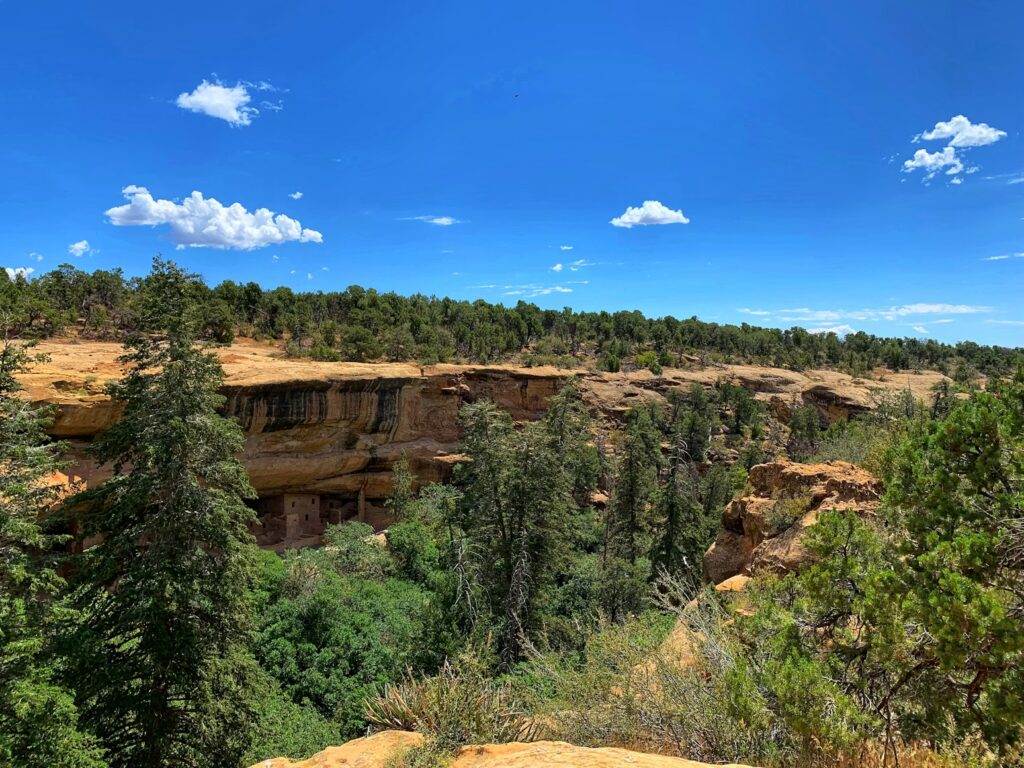
Telluride’s festival calendar fills the summer months, while late September brings the famous aspen displays. Winter here is real winter, Telluride is a serious ski town, but the lower-elevation archaeological sites can be visited year-round, and the southern reach of the state often holds milder temperatures than the I-70 mountains.
The Worst Time to Visit Colorado
There isn’t really a bad time to come, but there are two windows in the year that will test your patience if you arrive without a plan.
Mud Season: Late April Through May

This is the gap between ski season and hiking season, when the snow at lower elevations is melting into the trails and the upper mountains are still under snow that’s too thin and slushy to ride.
Mountain towns like Aspen and Telluride visibly empty out. A surprising number of restaurants, bars, and lifts close down for a few weeks of rest, and the towns can feel oddly subdued. The flip side is that this is one of the best windows of the year for a Denver-only trip or a luxury mountain stay at a steep discount, since the lodging that stays open is often dramatically cheaper than at any other time.
November Before Thanksgiving
The first half of November sits in a similar limbo, but at the other end of the year. It’s too cold for summer activities and the natural snowfall is rarely deep enough yet to fully open the ski resorts. Most of the early openings rely on snowmaking, which means a few groomed runs on artificial snow rather than the bowls and trees that draw skiers out here in the first place. The exception is Thanksgiving itself, when prices and crowds jump back to peak winter levels almost overnight.
Weather, Altitude, and Driving: What to Plan Around

Colorado’s weather and terrain demand a little advance thinking that beach destinations don’t. Three things in particular tend to catch travelers off guard.
Summer Monsoon Thunderstorms
From early July through August, afternoon thunderstorms build up almost daily over the high country. They form fast, deliver heavy rain, hail, and dangerous lightning, and they’re especially hazardous above treeline, where exposed ridges become the highest point in a wide radius. The standard rule among Colorado hikers is to be off summits and ridgelines by noon during these months, even if the morning looks blue and clear. Start hikes early, plan to be back down by lunchtime, and don’t try to outrun a building storm.
Altitude Adjustment
Most of the state’s destinations sit at elevations where your body will notice the change, and many of the mountain towns are above eight thousand feet. The first day or two often brings mild headaches, fatigue, and trouble sleeping for newcomers. The standard advice is genuinely useful: drink more water than feels natural, go easy on alcohol for the first couple of days, and if you can, sleep at a lower elevation early in the trip before climbing higher. Denver at 5,280 feet is a comfortable starting point before heading into the mountains.
I-70 Weekend Traffic
The interstate between Denver and the ski resorts is famous for its winter weekend bottlenecks. Saturday mornings westbound and Sunday afternoons eastbound can turn a two-hour drive into four or five, especially after a fresh snowfall. The simplest fix is to travel midweek, or if your dates are fixed, to leave very early or very late and use the off-peak hours. Chain laws apply in winter storms, so even with a rental car, it’s worth knowing what your tires are.
Sample Itineraries by Season

A few rough frameworks make planning easier. For a three-day winter ski trip, fly into Denver, drive west on I-70 the same evening to stay closer to the slopes, ski two full days at a single resort, and head back to the city on the afternoon of day three to avoid the worst of the Sunday traffic. Breckenridge, Vail, and Keystone all work well at this distance.
For a five-day fall foliage trip, time the visit to the third or fourth week of September. Spend the first day in Denver acclimating, then drive south and west toward the San Juan Mountains, basing in Ouray or Durango for two or three nights and looping over Red Mountain Pass and out to Kebler Pass near Crested Butte for the densest color. If you’d rather stay closer to Denver, swap that San Juan loop for the Peak to Peak Scenic Byway and a couple of nights in Estes Park.
For a summer trip built around hiking, a week splits naturally between Rocky Mountain National Park on the east side of the Continental Divide and a second base in the Aspen or Crested Butte area, with a long driving day in between. Plan early starts to beat the thunderstorms.
Where to Stay, Season by Season
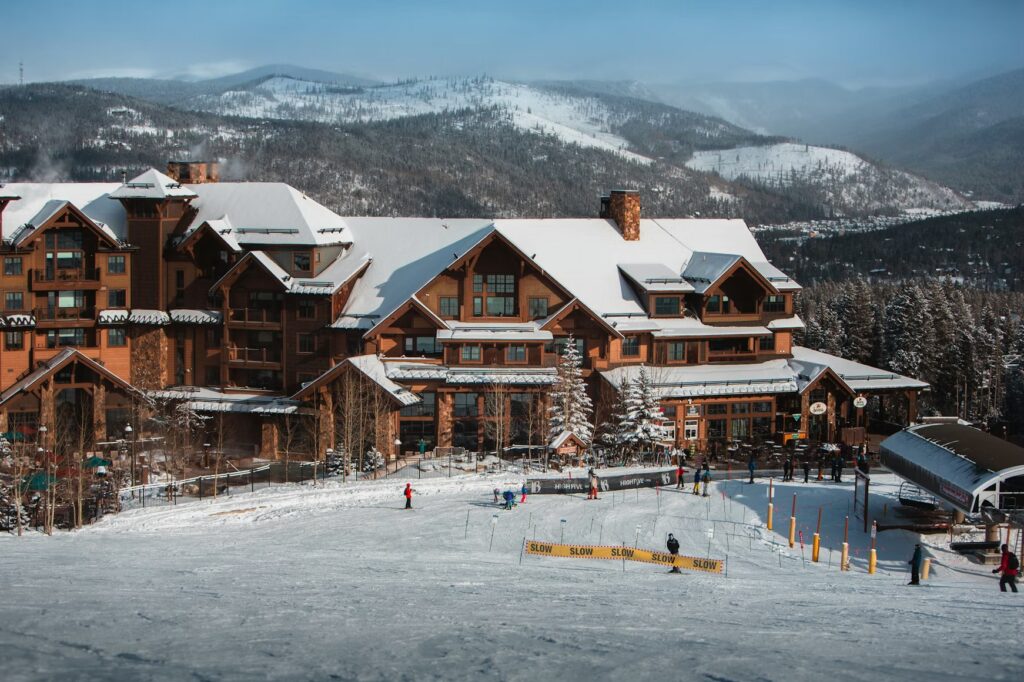
Lodging choices shift with the seasons as much as the activities do. Winter trips tend to revolve around ski-in, ski-out condos and resort hotels along the I-70 corridor and in Aspen, Telluride, and Steamboat, where being able to step out the door onto the snow is worth the premium.
Summer opens up a much wider range, including the dude ranches scattered across the state, which package horseback riding, meals, and family activities into multi-night stays and are at their best from June through September.
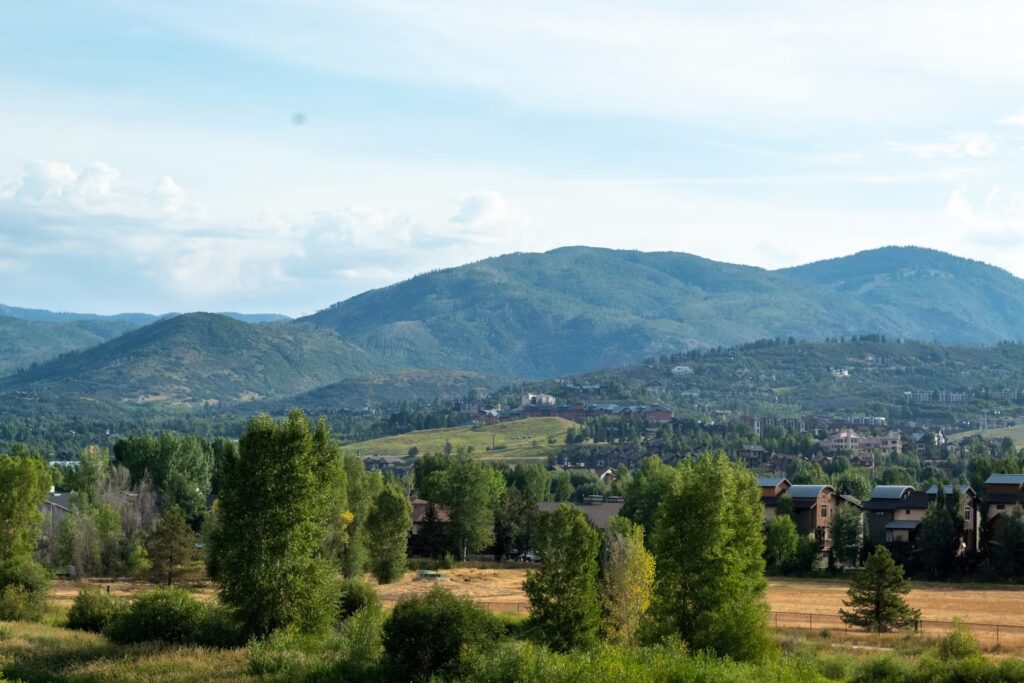
Shoulder seasons reward travelers willing to look at boutique hotels in mountain towns at off-peak prices, or to base themselves in Denver and Boulder, where rates stay more even through the year. And for hot springs, which run year-round, a stay in Glenwood Springs, Ouray, Pagosa Springs, or Steamboat works in any month, with the soaking arguably most rewarding in the snow.
Frequently Asked Questions
What is the best month to visit Colorado?
September is the answer most often given, and for good reason. The summer crowds thin out, the temperatures settle into something genuinely pleasant in both city and mountains, the aspens turn gold in the second half of the month, and the afternoon thunderstorms ease off. The only real catch is that nights cool fast at elevation, so pack accordingly.
What is the cheapest month to visit Colorado?
November tends to be the lowest for hotel rates, since it falls between hiking and ski seasons. October often delivers the best airfares, as summer demand has eased and the holiday travel push hasn’t begun. May runs a close second on lodging, especially in mountain towns during mud season, when the discounts can be steep if you don’t mind a quiet town.
What is Colorado’s coldest month?
January is consistently the coldest month of the year across the state. Denver averages a daytime high around 45°F and overnight lows in the high teens, while the mountain resorts sit well below freezing for most of the month. It is also peak ski season, so the cold is the price of the deep snow.
What is Colorado’s warmest month?
July is the warmest month, with Denver averaging a high near 90°F and the mountain resorts cooling things off considerably at 75°F or so. The temperature contrast between the city and the high country is at its widest right now, which is partly why so many locals head for the hills in midsummer.
Does Colorado have a hurricane season?
No. Colorado is landlocked and well clear of any hurricane tracks. The closest analogue is the summer monsoon, when afternoon thunderstorms build over the mountains from roughly early July through August. They can be violent, with lightning and hail, but they pass quickly and rarely cause the kind of regional disruption a hurricane does.
When is Colorado’s rainy season?
There are really two. The lower elevations, including the Front Range, get most of their precipitation in May and early June, often as evening showers rather than steady rain. At elevation, the wet season is the summer monsoon in July and August, which delivers short, intense afternoon storms almost daily for several weeks.
When does it snow in Colorado?
Mountain snow can begin in late September in the highest terrain and continues into April or even May at altitude, with peak snowfall arriving in January and February at most resorts. Denver and the Front Range cities see their first snow typically in late October or November and their last in April, though the city’s snow generally melts off within a day or two of falling.
When do Colorado aspens peak?
The peak runs from roughly the second week of September at the highest elevations down through the first week of October at lower stands, with the southern San Juans often holding color a bit later than the northern Rockies. The window in any one location is usually about ten days, so checking real-time reports the week before you travel pays off.
When does Trail Ridge Road open?
Trail Ridge Road, the high alpine route through Rocky Mountain National Park, typically opens around Memorial Day weekend and stays open through mid-October, though both ends shift with the weather each year. Spring openings can be delayed by heavy late-season snow, and the road has been known to close early when October storms move through.
Is March a good time to visit Colorado?
Mixed. The skiing is often at its best of the entire season, with deep snow and brighter sun, and lift deals start appearing late in the month. But spring breakers fill the resort towns, the lower elevations are starting to thaw into mud, and travelers who aren’t there to ski may find the mix awkward. If you’re skiing, March is excellent. If you’re not, you’ll likely have a better trip earlier or later.
Putting It Together
The best time to visit Colorado really does come down to what’s in your bag.
If it’s skis, plan around February and early March for the deepest, most reliable snow. If it’s hiking boots and a camera for wildflowers, July and August are the window, with early-morning starts to stay ahead of the storms. If it’s a camera for fall color, target the last two weeks of September and the first week of October, and watch the foliage reports as the date approaches. And if it’s a tight budget, accept the trade-offs of mud season or early November in exchange for prices that won’t show up again until next year.
For deeper planning on individual regions, the companion guides on the best places to visit in Colorado and the state’s best small towns pick up where the calendar leaves off.