

Bangkok isn’t immediately legible. Understanding tends to form through repetition, movement, and time spent inside the city.
Many travelers first meet it as a point of arrival, a place where flights touch down and plans take shape quickly, usually with the quiet assumption that this is somewhere you pass through. What surprises people is how much the city continues to shape the rest of the journey, long after they’ve left it behind.
Bangkok doesn’t offer orientation in obvious ways. Friction, repetition, and daily negotiation shape how the city becomes legible, often revealing how Thailand functions beneath the surface.
The First Lessons Come Through Movement
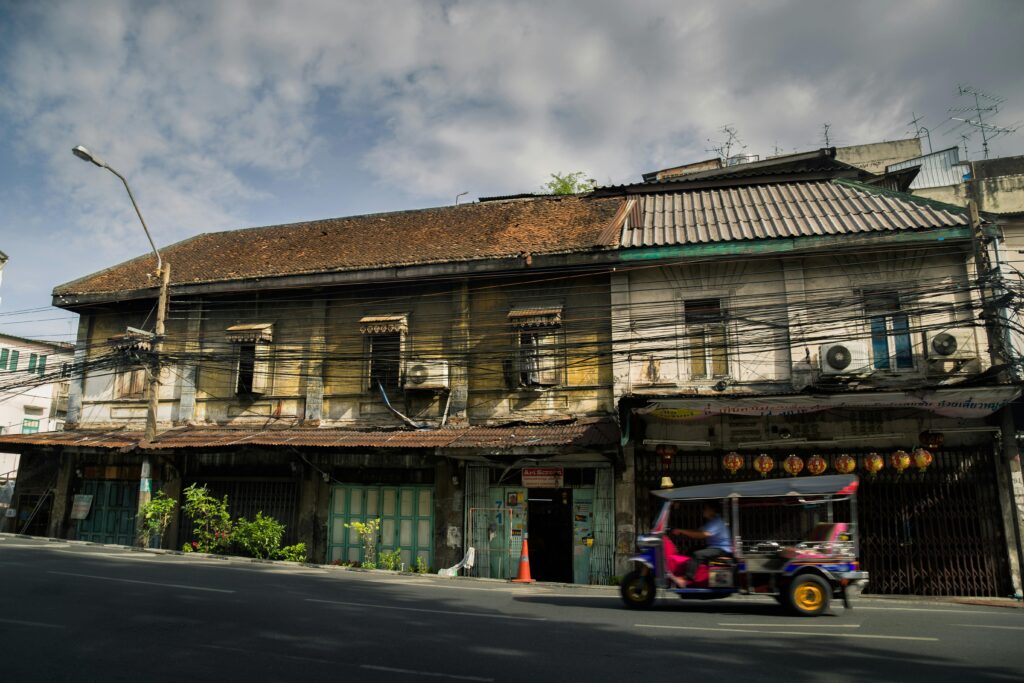
Bangkok tends to introduce itself through logistics before culture.
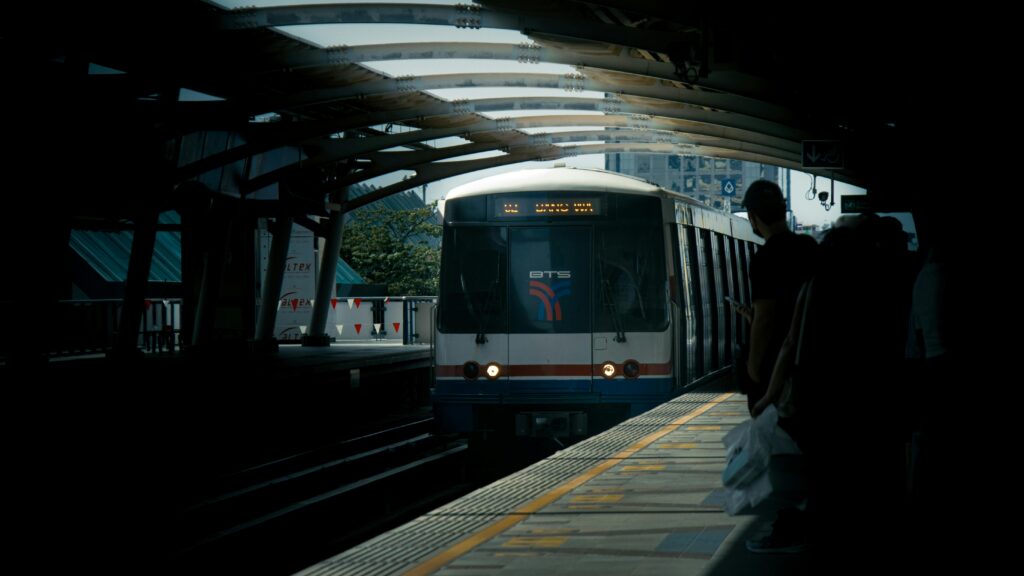
Distances look manageable on a map, until traffic stretches them into something heavier. Trains offer speed, but only if your destination happens to sit along their narrow paths. Roads promise flexibility and quietly test your patience, while the river slows everything down just enough to remind you that movement here follows its own internal rhythm.

Early days often feel inefficient. Short journeys stretch, plans adjust, and time behaves differently than expected. This pattern tends to repeat.
Motion begins to signal when it carries you forward and when it pushes back, and instead of forcing decisions, you start layering them, letting one choice inform the next. By the time travelers leave Bangkok, that adjustment is often already in place through the rest of the country without realizing it.
Daily Life Operates at Street Level

Bangkok’s structure becomes clearer at ground level, where daily movement, pace, and proximity shape how the city is experienced.
Much of the city’s rhythm lives at ground level, moving through markets, sidewalks, narrow alleys, and curbside stalls. Space is constantly negotiated, sounds bleed into one another, and motion continues with very little interest in stopping.
Changes in pace become easier to notice as places shift from urban centers to smaller towns, quieter regions, and eventually more open landscapes.
Food as a Working System

In Bangkok, eating folds directly into daily movement. Food appears when it’s needed, repeats what’s already been proven, and stays in place long enough for a rhythm to form between cook, dish, and crowd.

The pace often becomes noticeable around food. Menus don’t linger, choices move fast, and language remains partial. Gradually, repetition takes over. The same places return, decisions shorten, and eating requires less focus. This flow carries through much of Thailand, where meals follow the day instead of interrupting it.
Temples, Malls, and the Coexistence of Systems

Temples don’t stand apart from the city in Bangkok. They sit next to shopping complexes, tuck themselves beneath office towers, and fold religious practice directly into the errands and routines of everyday life.

This layering reflects how tradition tends to appear across Thailand. Ritual remains present within daily routines, often without calling attention to itself. The movement between them rarely feels contradictory.
Time Behaves Differently

Bangkok has a way of resisting optimization. Days that look efficient on paper tend to loosen once heat settles in, traffic reroutes itself, and small waits begin to stack. Without meaning to, travelers start leaving gaps, less as a strategy than as a quiet adjustment to how the city actually moves.

This adjustment becomes one of the city’s most important lessons. Days tend to unfold more easily when not tightly managed. Bangkok introduces that principle early, sometimes uncomfortably. Once that shift happens, frustration often eases. The city becomes less exhausting and other destinations feel easier by comparison.
Who Bangkok Tends to Reward
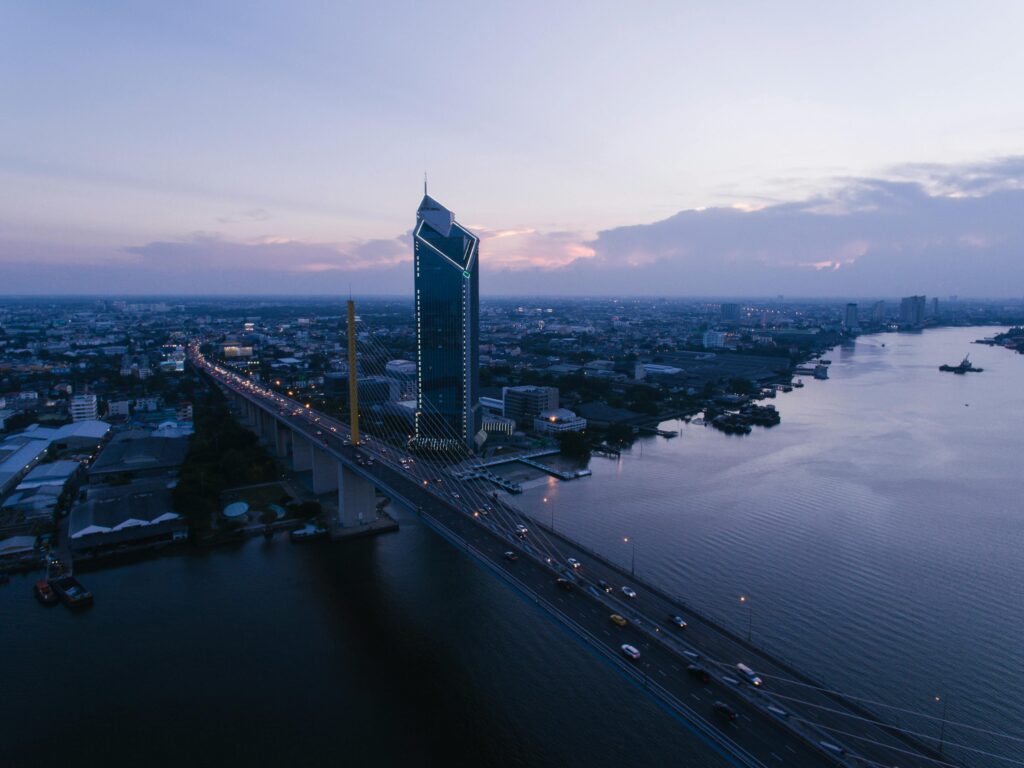
Bangkok tends to settle differently depending on how observation and action are balanced. Those comfortable adjusting plans without immediate payoff often settle in faster. Efficiency rarely sets the pace here for long. In Bangkok, understanding often develops through use rather than clarity. Eventually, this process makes it easier to notice how different travel styles interact with Thailand’s pace.

Why Bangkok Shapes the Rest of the Journey
By the time travelers leave Bangkok, their pace has often shifted without much conscious effort, like how they move, eat, wait, and take things in. That adjustment carries forward, softening the experience elsewhere: Chiang Mai settles more easily, islands stretch time out, and rural areas begin to feel simpler to read.
Bangkok is often where that process begins. Spending time within its pace often reshapes how the rest of the country is approached, as expectations settle through experience and familiarity.
A City That Teaches Through Use
Clarity in Bangkok doesn’t arrive all at once. It forms slowly, through repetition and closeness, through time spent rather than moments staged for attention, until everyday routines begin to change how the city is experienced.

For many travelers, this is where that understanding starts to take form. It settles in gradually, through small adjustments made in daily movement and habit, and often continues quietly long after the city is left behind.