
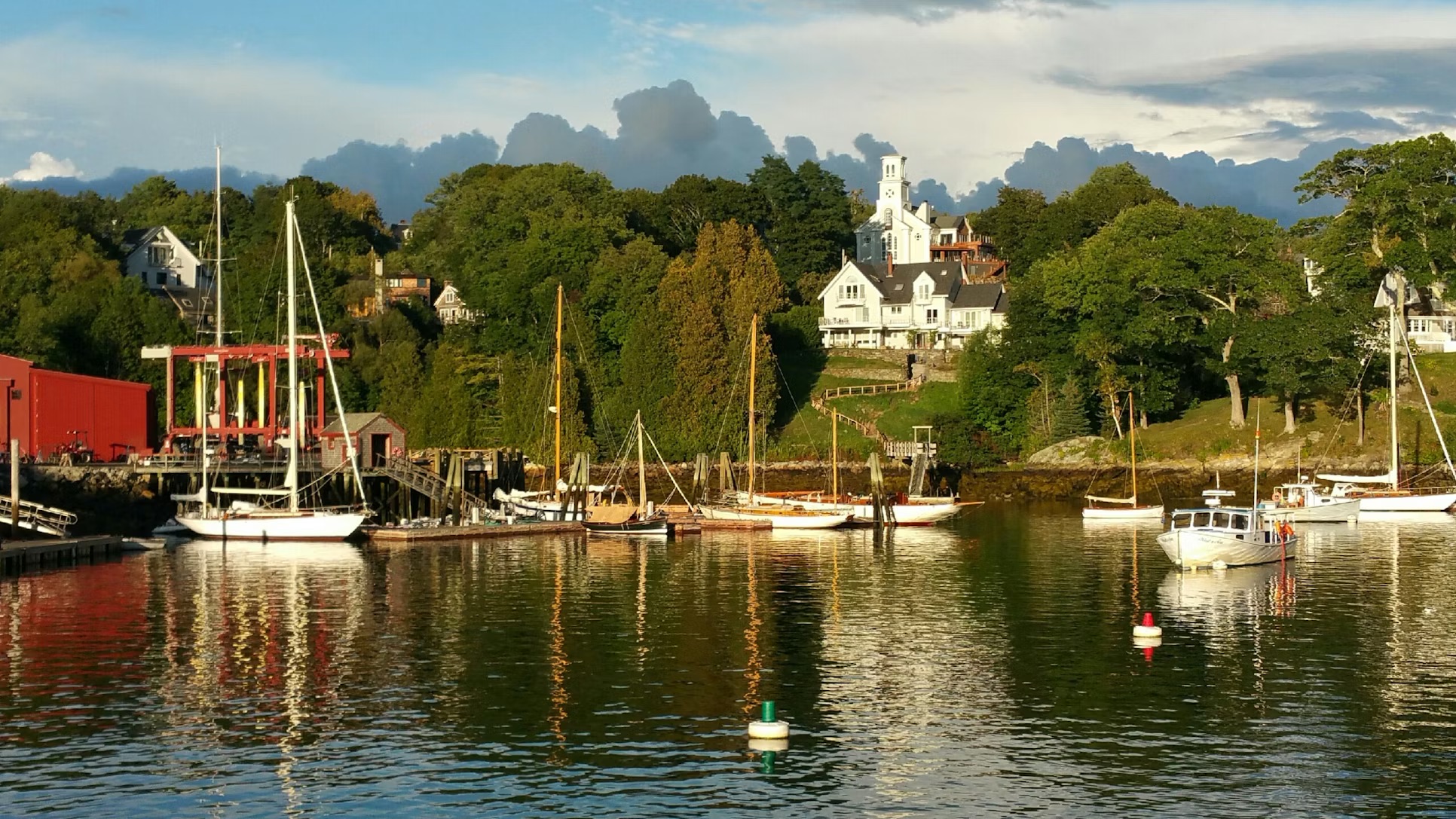
In the language of the indigenous Abenaki people, “Ogunquit” translates roughly as “beautiful place by the sea.” The southern Maine town has spent the past century living up to that name. Unlike the urban energy of Portland or the rugged wilderness of Acadia, Ogunquit delivers three specific things that are hard to combine anywhere else on the Maine coast: rare stretches of fine white sand, a paved cliff walk along the open Atlantic, and a working fishing harbor still photogenic enough to anchor an entire vacation.
The catch is parking. Ogunquit in July and August is one of the more parking-hostile towns in New England, and the trip works best for travelers who plan to leave the car somewhere and walk. The 12 things to do in Ogunquit, Maine below organize the town into three walking hubs (the Cliff, the Cove, and the Beach), with 2026 prices, the trolley logistics that save the day in peak season, and the local detail that’s easy to miss on a first visit.
Pricing disclaimer: The 2026 estimates below reflect publicly listed rates from Ogunquit operators at the time of writing. Parking, lodging, and restaurant prices in particular spike sharply between peak summer and shoulder seasons. Verify with each operator before booking.
Quick-Decision Matrix: Ogunquit at a Glance
The matrix below previews the three walking hubs and their headline experiences. It’s the fastest way to spot which part of town fits the kind of trip you’re planning.
| The hub | Top highlight | The vibe | Time needed & logistics |
| The Cliff Hub | Marginal Way | Oceanfront cliff walk with sweeping Atlantic views | 1.5–2 hours, easy walking, iconic scenery |
| The Cove Hub | Perkins Cove | Working fishing village, lobster shacks, boat tours | Half day, very difficult parking in summer |
| The Beach Hub | Ogunquit Beach | 3 miles of soft white sand, surfing, swimming | Half day, family-friendly |
The Cliff Hub: Walking the Marginal Way
This is the geographic center of any Ogunquit trip. No car required, just comfortable walking shoes.
1. Walk the Iconic Marginal Way
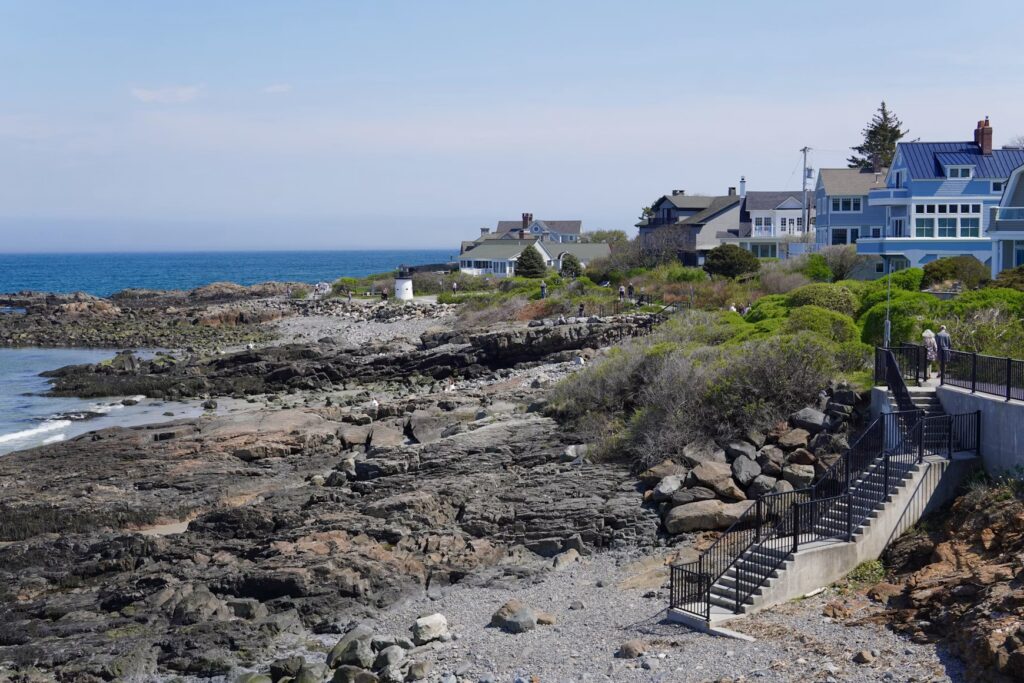
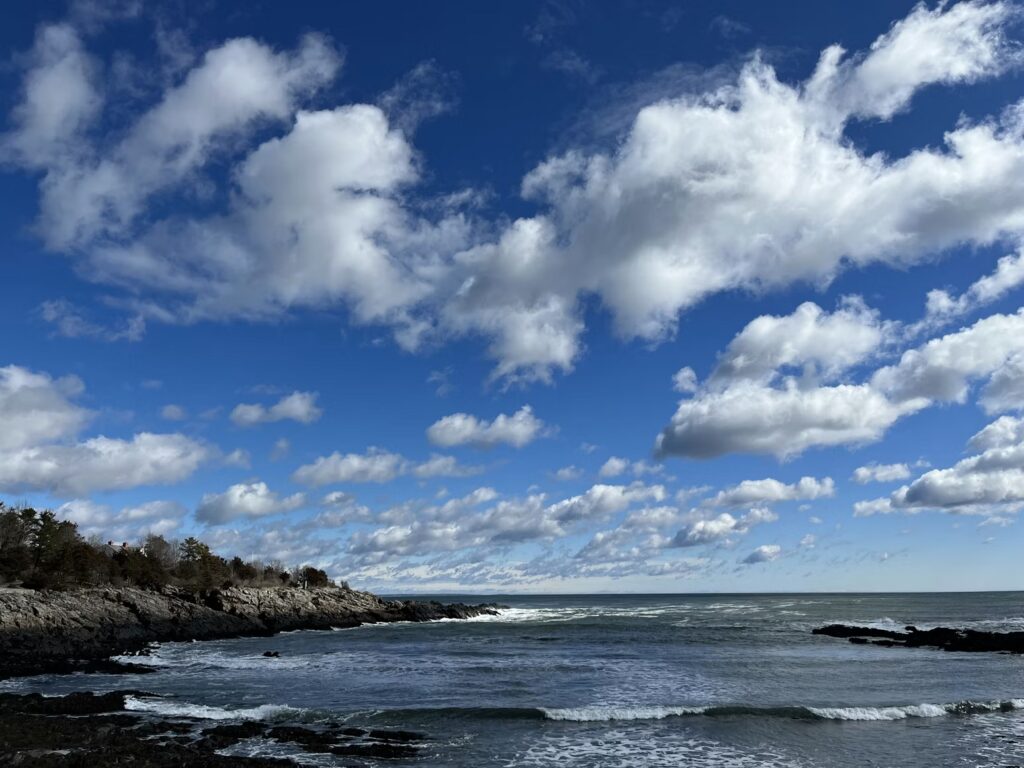
The Marginal Way is one of the best-known coastal walks in New England for legitimate reasons. The 1.25-mile paved path winds along the rocky cliffs of southern Maine, connecting the Sparhawk Oceanfront Resort area on Shore Road at the northern end to the Perkins Cove fishing village at the southern end. The name refers to the “margin” between land and sea, which is exactly where the path runs, sometimes within a few feet of waves breaking against the granite below.
The history behind the path matters. In 1925, Josiah Chase Jr. donated a mile-long strip of oceanfront property to the town of Ogunquit, which laid the foundation for what’s become one of the most photographed coastal walks in the Northeast. Today the path is maintained by the Marginal Way Preservation Fund, established in 2010 after a major storm severely damaged sections of the trail. There are 39 benches placed at the best viewpoints, native flora including bayberry, honeysuckle, bittersweet, and pink-and-white sea roses along the route, and the small Marginal Way Lighthouse roughly at the halfway point.
The walk itself takes 25–30 minutes at a brisk pace, but most visitors stretch it to 45 minutes or more because of the photo stops. For the quietest experience, start before 8:00 AM. The path is dog-friendly only outside the peak months (no pets April through August), and pedestrian-only year-round. The path is mostly accessible for strollers, though some sections narrow.
2. Climb Down to the Hidden Pebble Beaches
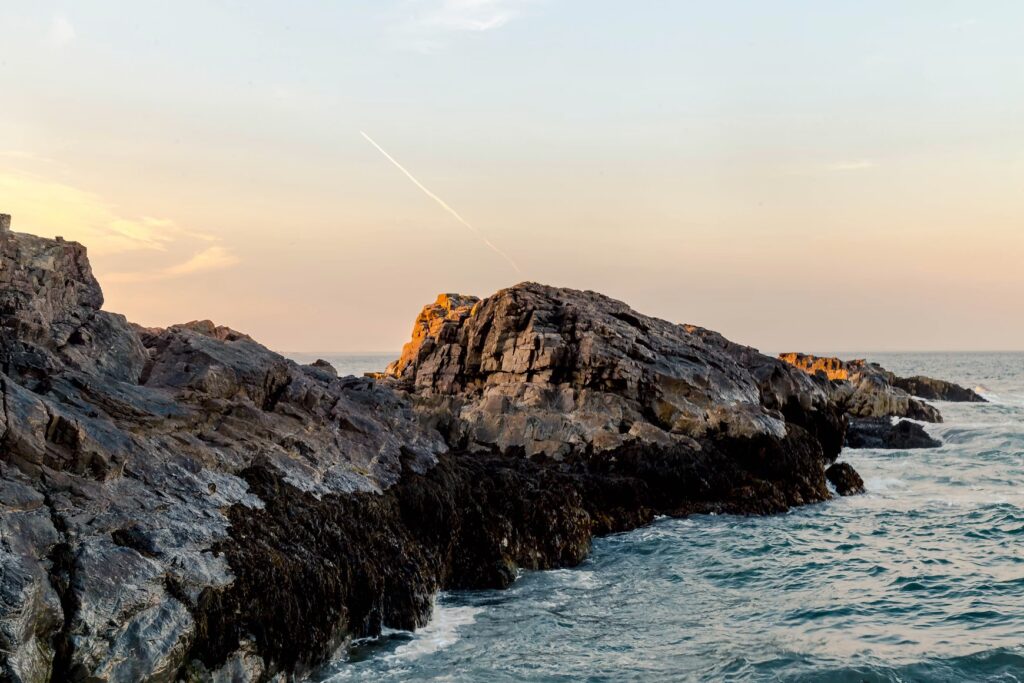
Several small staircases along the Marginal Way lead down to tiny pebble beaches and tide pools at sea level. These aren’t sandy beaches in the traditional sense. They’re concentrations of smooth granite cobbles, sea glass, and small coves where the cliff geometry creates natural inlets between the rocks. The pebble-and-cobble shoreline produces a distinctive clacking sound as waves draw back across the stones, which is one of the genuinely memorable sensory details of an Ogunquit visit.
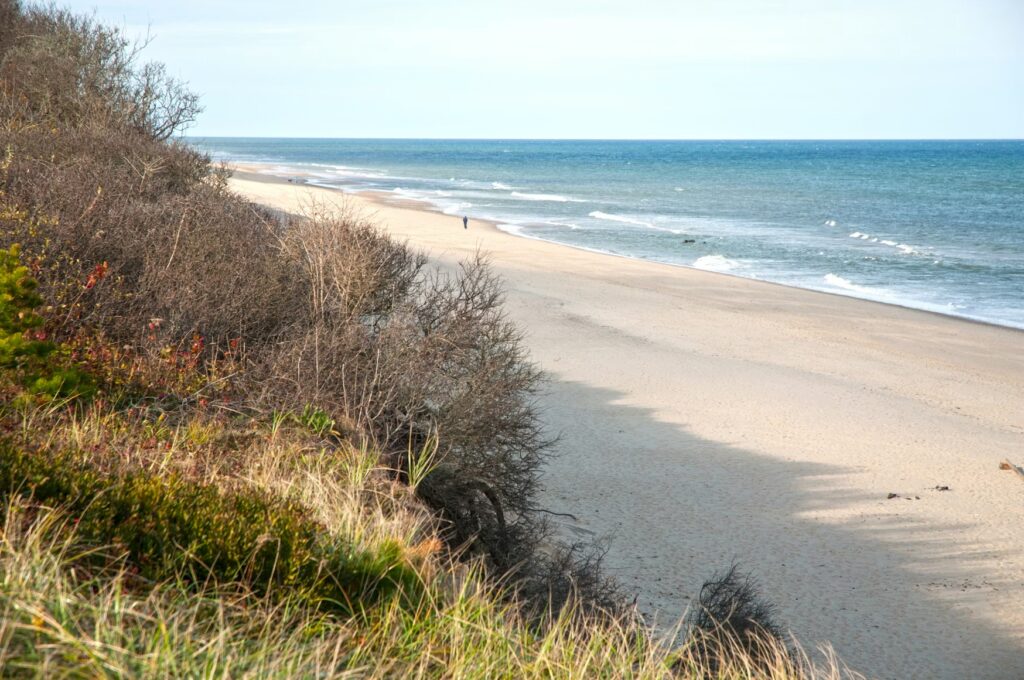
This is one of the more rewarding stops for travelers with kids, who tend to spend long stretches hunting for shells, small crabs in the tide pools, or interesting pieces of sea glass. The staircases aren’t always marked clearly, and some are steeper than they look from the path. Closed-toe shoes with grip matter here; the rocks turn slick with sea spray throughout the day.
3. Visit the Marginal Way Lighthouse
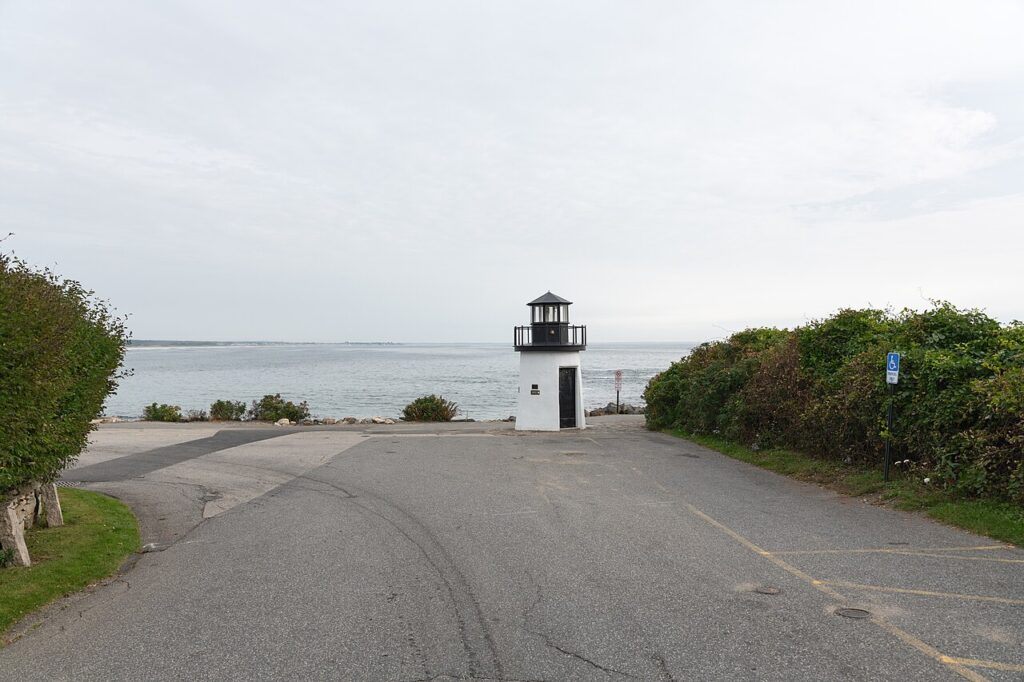
The Marginal Way Lighthouse, sometimes called Lobster Point Light, sits at roughly the halfway point of the cliff walk. It’s a small, almost ornamental lighthouse rather than a major navigational structure, built more for the working fishing fleet than for offshore shipping. The scale catches first-time visitors off guard. This isn’t Portland Head Light. It’s a compact tower set against a dramatic cliff backdrop, and the photograph it produces is one of the most-shared images from the Marginal Way.
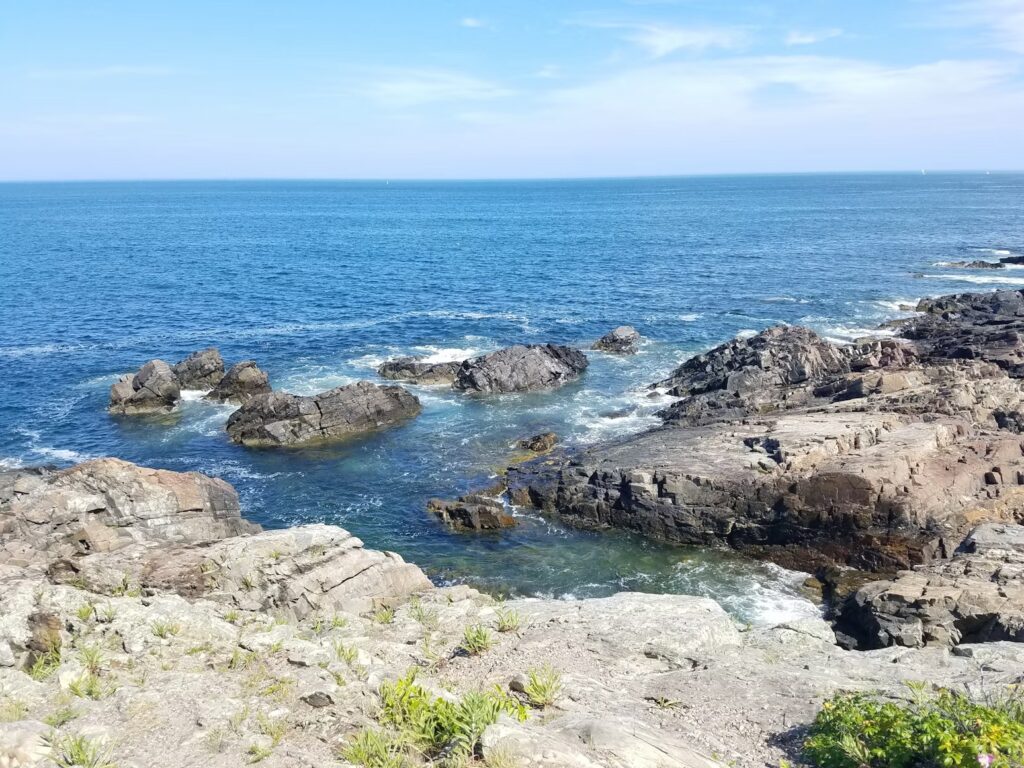
The lighthouse is closed to the public and operates as an unmanned aid to navigation, but the surrounding rocks and benches are accessible. This makes a natural midway pause on the full Marginal Way walk, with several benches positioned for the best framing of the tower against the open Atlantic.
4. Take in the View from the Sparhawk End
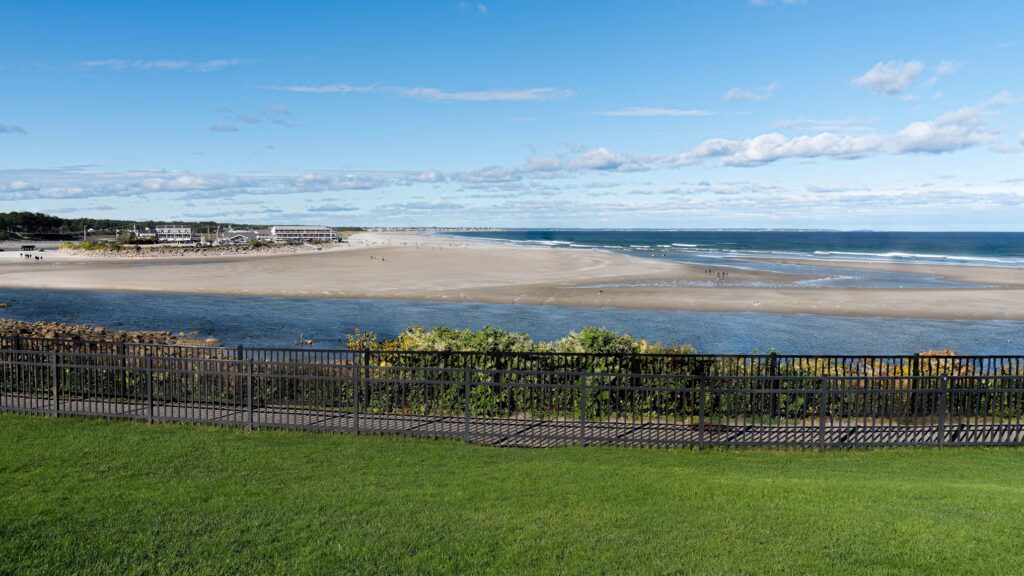
The northern end of the Marginal Way, near the Sparhawk Oceanfront Resort and the Shore Road hotels, anchors the section closest to downtown Ogunquit and to Ogunquit Beach. The views from this stretch of the path open onto Ogunquit Beach and the long sandy peninsula extending southward, with the harbor visible in the distance.
For travelers staying in oceanfront lodging at this end of the path, sunrise on the Atlantic becomes a no-cost daily routine, with the path essentially functioning as a private patio. For day visitors, this end is the better starting point if the trip is timed for morning light. Walking from north to south (Sparhawk end toward Perkins Cove) catches the cliffs at their best angles in morning hours.
The Cove Hub: Seafood and Sailing at Perkins Cove
At the southern end of the Marginal Way, Perkins Cove is the working fishing village that anchors the southern half of any Ogunquit visit. Fresh seafood, scenic boat tours, and a small-art-colony past combine in a setting that’s been photographed and painted continuously for over a century.
5. Cross the Perkins Cove Drawbridge
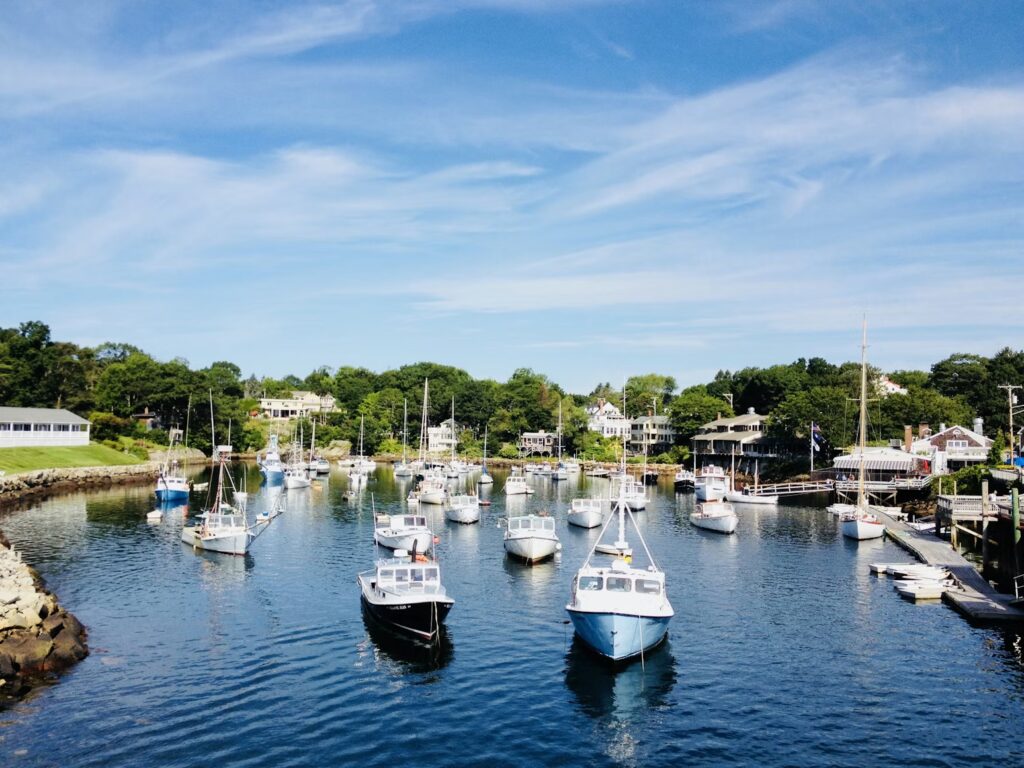
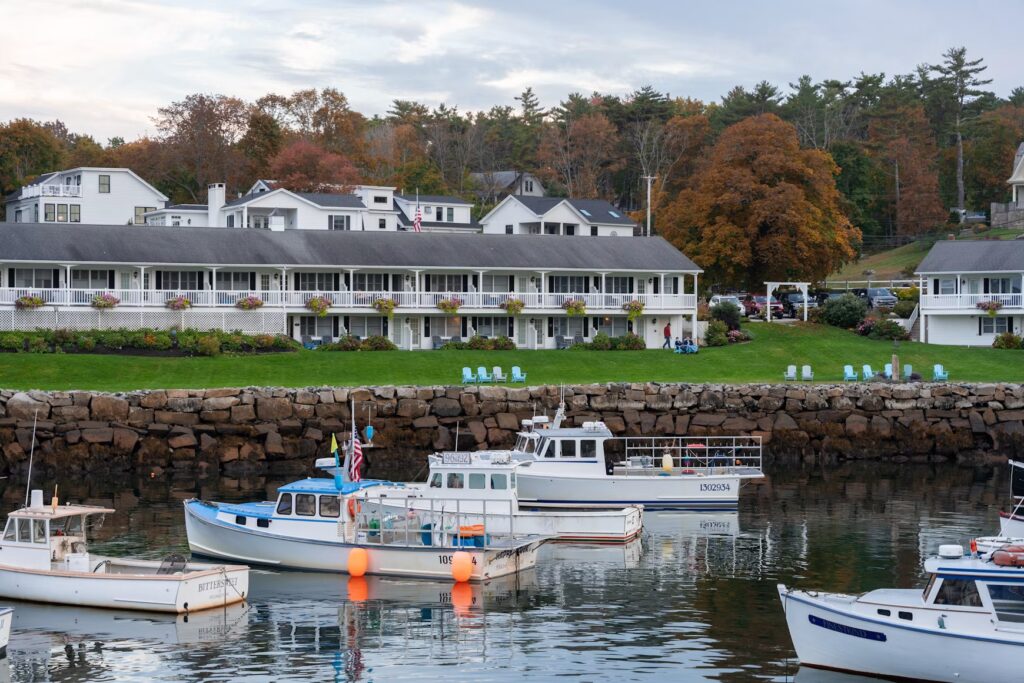
The Perkins Cove footbridge is genuinely unusual: a wooden double-leaf draw footbridge, often described as the only remaining one of its kind in the United States. The bridge was built in 1941 at a cost of $12,979, after the cove was dredged in 1940 to allow larger fishing vessels into the inner harbor. The original mechanism was manual, but the bridge was modernized in the mid-1970s with an electric push-button system. Today any pedestrian can operate the bridge by pressing the button when a tall-masted sailboat needs to pass through.
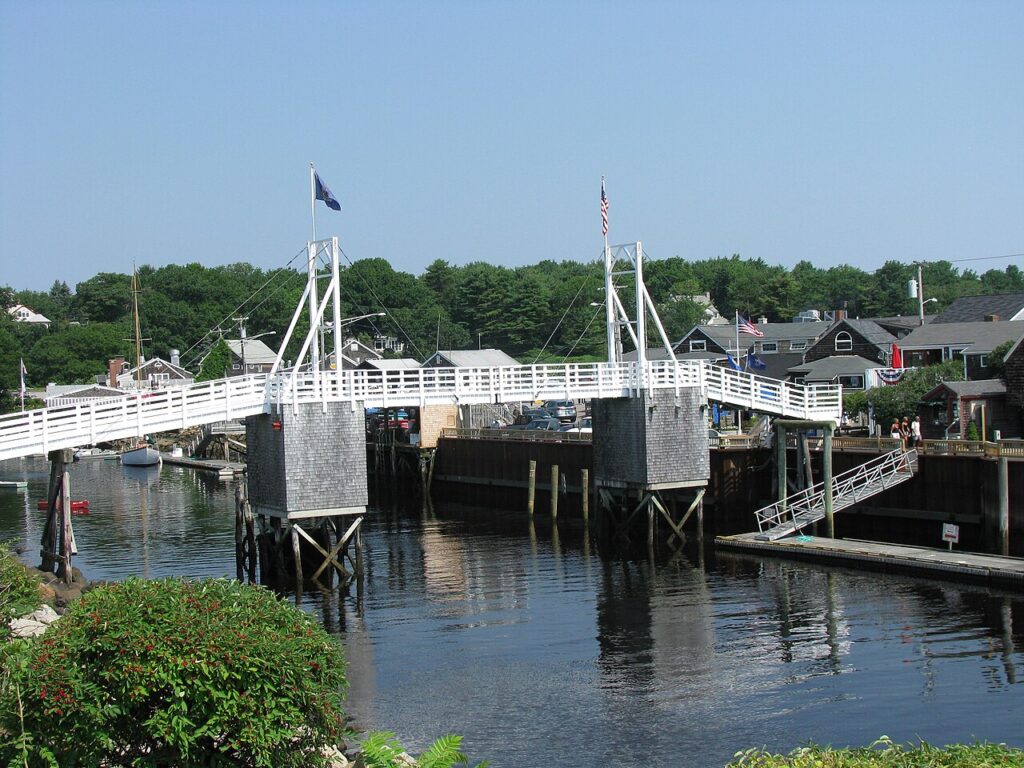
A horn sounds before the bridge raises, both leaves lift to allow more than 40 feet of clearance, and the boat passes through. The whole sequence takes a few minutes and is one of the more memorable small experiences in Ogunquit. The bridge underwent a $2.85 million federal renovation in recent years to address aging timber and pilings, so the current structure should be in service for decades to come.
6. Eat Fresh Lobster in the Rough

Perkins Cove’s lobster shacks are the right call over the more formal restaurants for a first lobster meal in Ogunquit. “Lobster in the rough” is the local term for the no-frills version: paper plates, plastic bibs, picnic tables on the dock, lobster boats unloading directly in front of you. The contrast with white-tablecloth lobster service is significant, and most travelers find the dockside version more memorable.
Expect $25–$40 for a whole steamed lobster with corn and potato, and $25–$30 for a lobster roll. The shacks open seasonally, roughly mid-May through mid-October, and lines build sharply between 11:30 AM and 1:30 PM in peak summer. Arrive before 11:30 AM for lunch or wait for the mid-afternoon lull. Cash and card both work at most stands.
7. Take a Scenic Boat Cruise or Sailing Trip
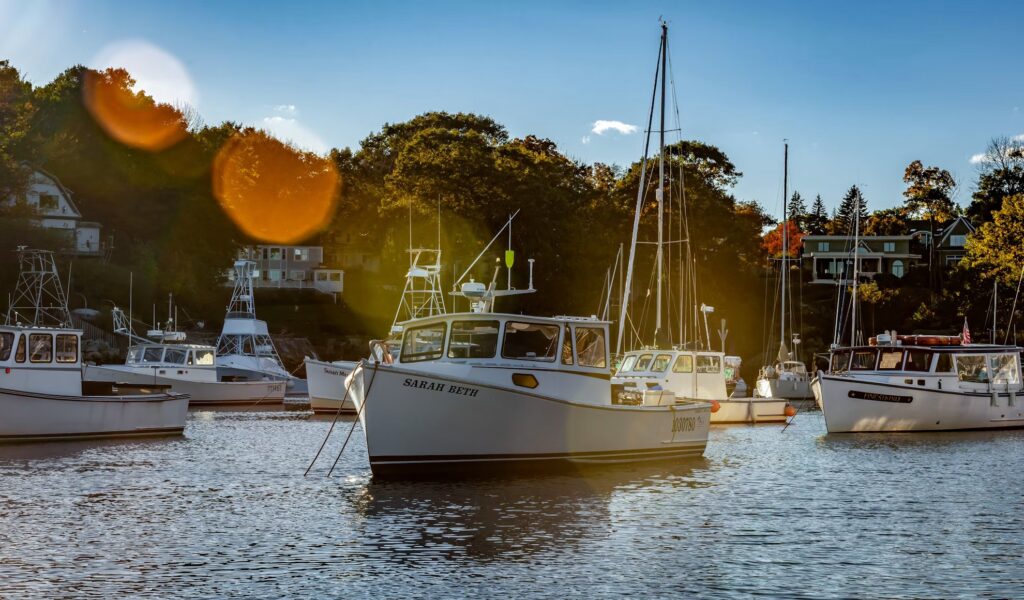
Multiple operators in Perkins Cove offer water-based excursions, with three categories worth knowing about. Working lobster boat tours run 60–90 minutes and let you watch traps being hauled and lobsters measured against the legal-size gauge. Scenic cruises run a longer route along the coast for views of the Marginal Way from the water. Sunset schooner sails, the most romantic of the three, board traditional sailing vessels for 1.5- to 2-hour sails around the harbor and into the open Atlantic.
Prices vary by operator and tour length but typically range $35–$75 per adult. Reservations are recommended in peak summer, particularly for sunset sailings, which book out a week or more in advance during July and August. The Maine Atlantic stays cold even in August, so layers matter on the water.
8. Shop for Local Arts and Souvenirs
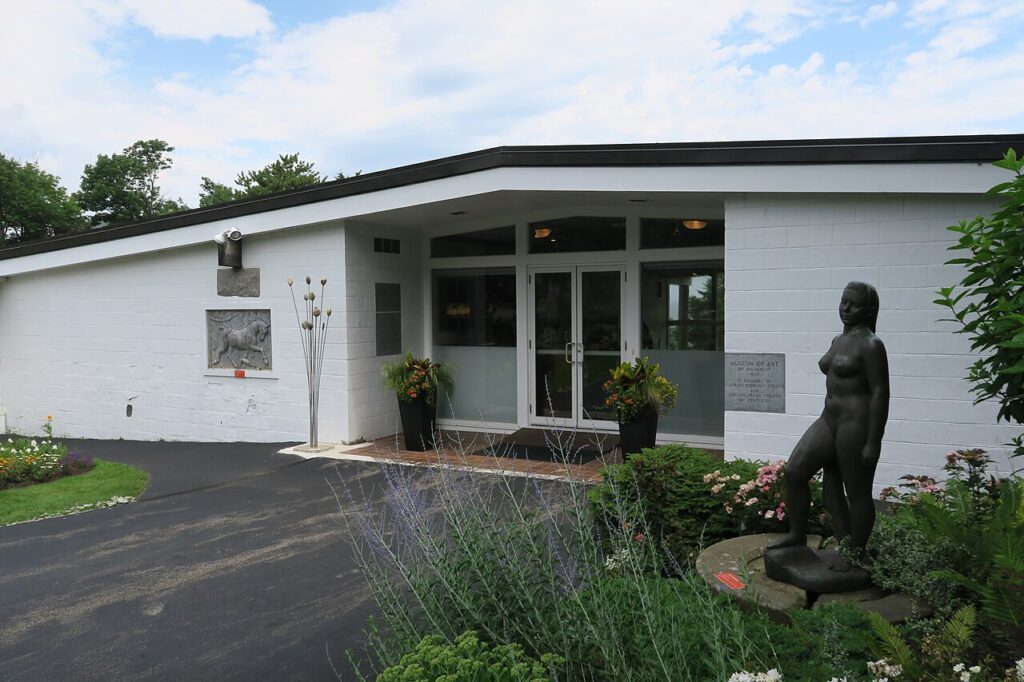
The Ogunquit Art Colony was established in 1898, when painter Charles H. Woodbury founded one of the first art schools in the cove. Artists and fishermen lived side by side here for decades, and the village has retained that creative character despite becoming a major tourist stop. Today Perkins Cove holds a dense cluster of galleries, handmade-goods shops, and nautical-themed boutiques in the converted fishing shacks that line the harbor.

The shops worth knowing about lean toward original art, jewelry, leather goods, and Maine-made souvenirs rather than the generic boardwalk merchandise found in other coastal towns. Most shops open by 10:00 AM and close by 6:00 or 7:00 PM, with reduced hours in shoulder seasons. The art-colony history alone makes the village worth an unhurried hour even if you’re not in a buying mood.
The Beach Hub: Sand, Surf, and Downtown
Maine’s coastline is overwhelmingly rocky, which is what makes Ogunquit’s 3-mile stretch of fine white sand genuinely unusual. The beach and the downtown that backs onto it form the third walking hub.
9. Relax at Ogunquit Beach
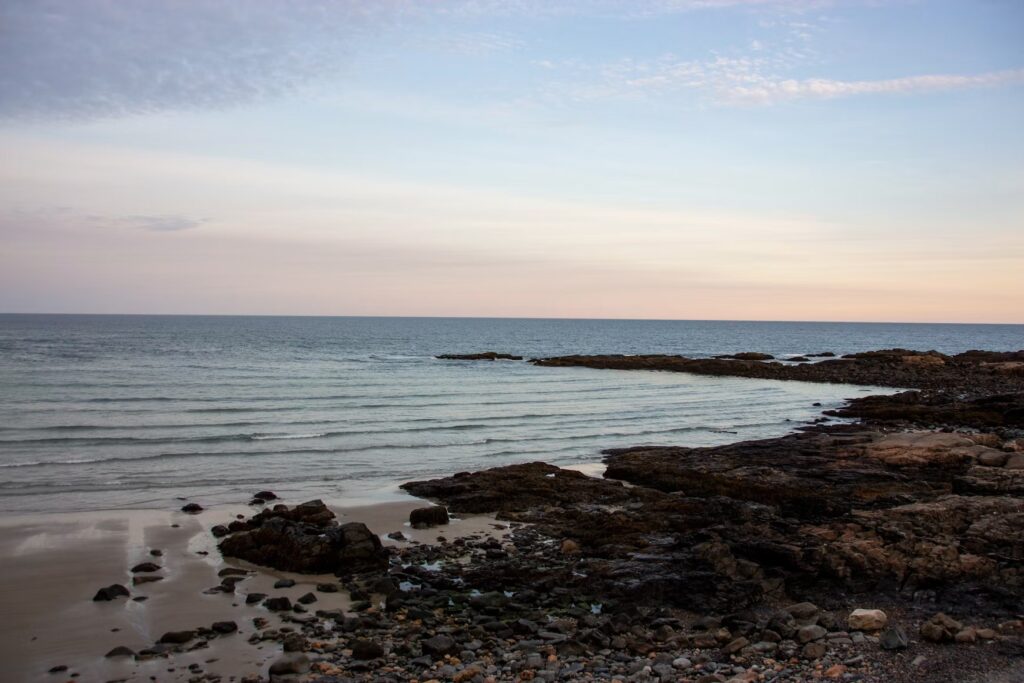

Ogunquit Beach is technically a long sand peninsula, with the Atlantic on one side and the calmer Ogunquit River on the other. The beach is divided into three sections: Main Beach (closest to downtown, with concessions and restrooms), Footbridge Beach (mid-section, accessed by a wooden footbridge), and North Beach (the quietest stretch). All three have lifeguards in summer and connect along the dunes.
The biggest practical issue is parking. The main beach parking lot is expensive (often $30+ per day in peak summer) and fills by 9:00 AM on weekends in July and August. The locally recommended strategy is staying within walking distance of the beach or using the Ogunquit Trolley, which loops between the major beach access points, downtown, and Perkins Cove for a small per-ride fee. Beach gear can be rented on-site, and swimming on a calm day is among the best in southern Maine.
10. Float on the Ogunquit River
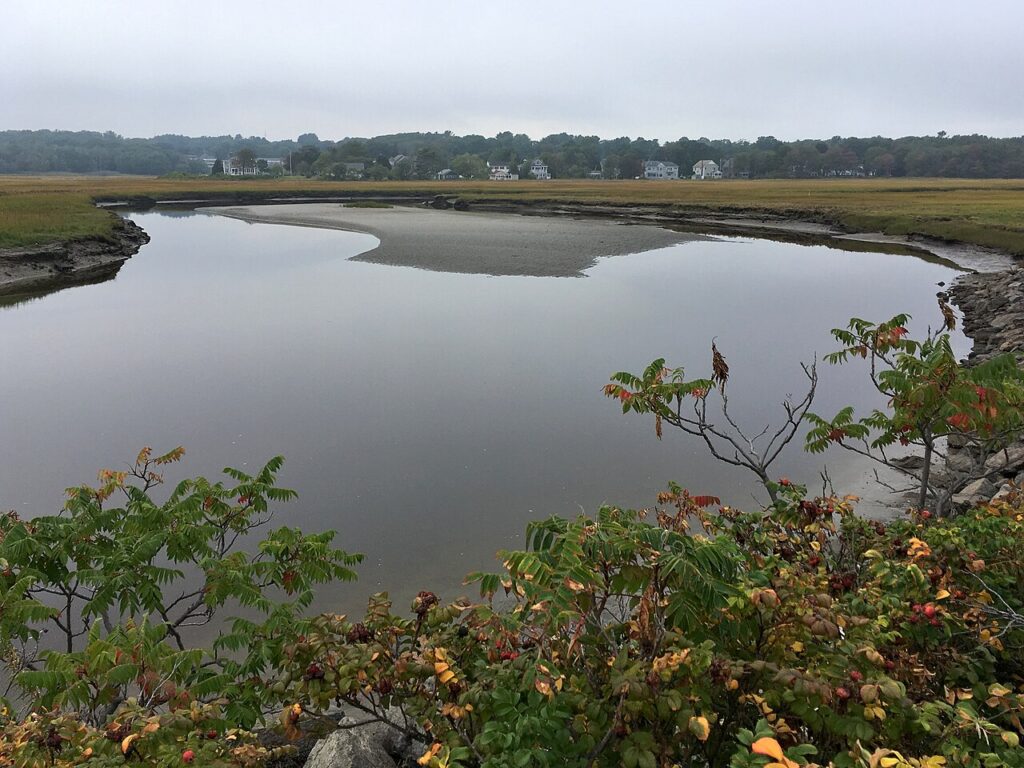
The Ogunquit River runs parallel to the beach behind the dunes, and as the tide turns, it creates a gentle natural current that flows along the back of the sand peninsula. Visitors with inflatable tubes, paddleboards, or pool floats can drop in upstream and ride the current downstream for a slow drift along the back side of the beach. The water is warmer than the open Atlantic, and the protected setting makes this much friendlier to families with young children.
The trick is timing the tide. Going against the current is exhausting; going with it is effortless. Check the daily tide chart and time the float to start about an hour before high tide, which produces the cleanest ride. Tubes and floats can be rented from the small concession stands near Footbridge Beach.
11. Explore Downtown Ogunquit

Downtown Ogunquit, centered on Main Street and Route 1, is the dining and entertainment heart of town. The walkable core holds coffee shops, ice cream stands, casual lunch spots, and the more polished evening restaurants that anchor the dinner scene. Most shops stay open later than the typical New England small town, with weekend evenings particularly busy through the summer.
The town is more compact than first-time visitors expect. The whole downtown can be walked end-to-end in 15 minutes, and the Marginal Way’s northern entrance sits just a few blocks east of Main Street. For travelers staying downtown, this means leaving the car parked for an entire day is not just feasible but the obvious choice.
12. Catch a Show at the Ogunquit Playhouse

The Ogunquit Playhouse, founded in 1933 and operating from its current 750-seat building since 1937, is one of the last major summer-stock theaters in America still producing Broadway-caliber productions. The building is on the National Register of Historic Places, the season runs May through October with 5 productions per year, and the theater draws over 100,000 visitors annually. Alumni who performed here over the decades include Bette Davis, Myrna Loy, and Steve McQueen.
The 2026 season includes Ain’t Too Proud, Hello Dolly, City of Angels, the 25th-anniversary production of The Producers, and the world premiere of Small Town, a new John Mellencamp musical. Tickets typically run $50–$120 depending on the show and seat location. Reservations are essential, with the most popular productions often selling out 6–8 weeks in advance. The Playhouse sits at 10 Main Street, walkable from most downtown lodging.
The Ogunquit Itinerary Modules (How to Plan Your Days)
The hardest part of an Ogunquit trip isn’t picking activities. It’s avoiding the parking and traffic headaches that define peak summer. The 3 itineraries below are sequenced specifically to minimize car use.
The 1-Day “Park Once” Strategy
- Best for: Day-trippers and travelers passing through southern Maine.
- When to go: Any season, but allow extra time for parking in July and August.
- Total walking: Roughly 3–4 miles across the day.
The single most important Ogunquit rule for a 1-day trip: park once, then walk.
Morning: Marginal Way. Park at the Sparhawk end (Shore Road) or the downtown lots before 9:00 AM, then walk the full 1.25 miles of the Marginal Way south to Perkins Cove. Allow 45 minutes to an hour with photo stops at the lighthouse and pebble beaches along the way.
Midday: Perkins Cove. Have an early lunch at one of the dockside lobster shacks before the 11:30 AM rush, watch the drawbridge operate if a sailboat passes, and browse the art galleries in the converted fishing shacks.
Afternoon: Ogunquit Beach. Take the Ogunquit Trolley back to downtown and walk down to Ogunquit Beach for a few hours of swimming and sand time before driving out at the end of the day.
The 2-Day Coastal Weekend
- Best for: Couples and travelers who want a fuller Ogunquit experience.
- When to go: June or September, when crowds ease but most businesses remain open.
- Total walking: Roughly 5–7 miles across 2 days.
Day 1 follows the 1-day itinerary above. Day 2 shifts focus to the beach and the surrounding cultural stops.
Morning of Day 2: Beach and river. Spend the morning on Ogunquit Beach with a tube float on the Ogunquit River when the tide is right.
Afternoon: Museum and theater. Drive 10 minutes north on Route 1 to the Ogunquit Museum of American Art, set on cliffs overlooking the ocean and one of the most underrated small museums in New England. Return to downtown for an early dinner.
Evening: Ogunquit Playhouse. Catch one of the 2026 musicals for the culture close to the trip. Tickets need to be booked weeks ahead in peak season.
The Shoulder Season Escape (September–October)
- Best for: Travelers who want full Ogunquit without the summer chaos.
- When to go: Mid-September through mid-October.
- Total walking: Flexible, no parking pressure.
This is the locally recommended version of the Ogunquit trip. The water becomes too cold for swimming by mid-September, but every other activity stays open. Restaurants no longer require an hour-long wait, parking opens up across the town, and the Marginal Way at sunrise becomes effectively private. The Ogunquit Playhouse runs into late October. Most lodging drops 20–30% off peak-summer rates after Labor Day, which makes this the best-value window of the year.
Where to Stay in Ogunquit (The “Park Once” Strategy)
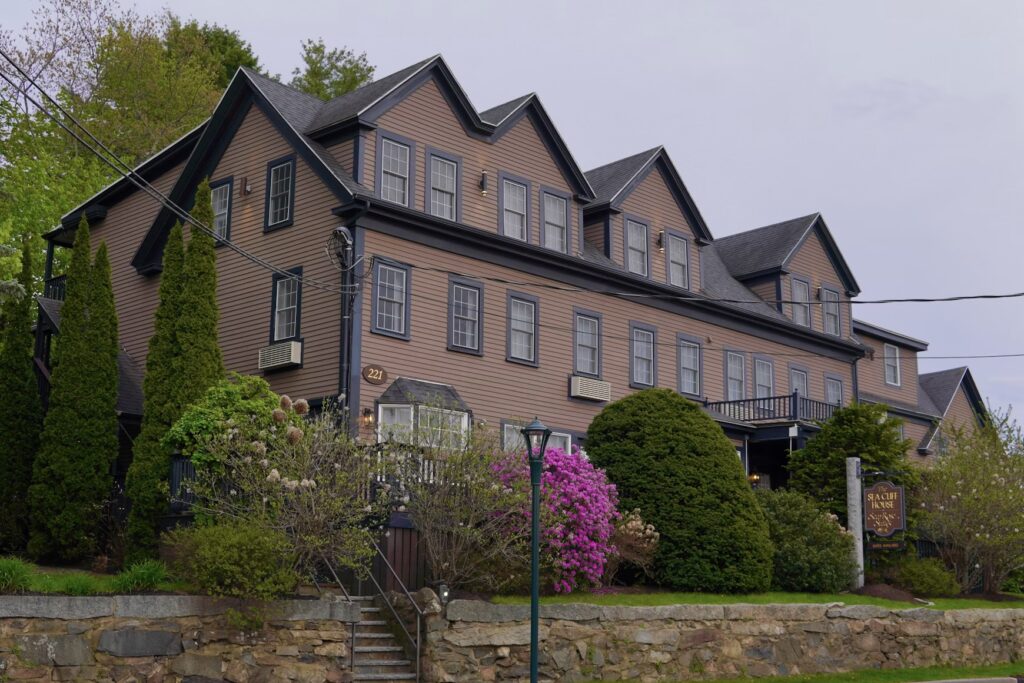
In Ogunquit more than in most beach towns, the choice of lodging location determines the entire transportation experience. Three areas cover the practical options.
Downtown Ogunquit (Most Convenient)
Lodging along Route 1 near the downtown core puts you within walking distance of Ogunquit Beach, the northern end of the Marginal Way, and every restaurant and shop worth visiting. This is the area where you can genuinely leave the car parked for several days. Expect $200–$450 per night for inns and hotels in peak summer, dropping to $130–$280 in shoulder season. The trade-off is the highest density of summer foot traffic right outside the door.
Oceanfront and Marginal Way (Premium Experience)
The hotels and inns built directly along the cliffs or above Ogunquit Beach occupy the most scenic positions in town. These properties typically open onto private access points to the Marginal Way, and the sunrise views from the rooms genuinely justify the premium pricing. Expect $300–$800 per night in peak summer; rooms book months in advance. The premium tier of the Ogunquit lodging market.
Route 1 North and South (Budget and Trolley-Based)
For travelers visiting in peak summer who want to save on lodging, the inns and small hotels along Route 1 outside the immediate downtown area drop pricing significantly. The trade-off is the loss of walking access. Expect $130–$220 per night in this category, balanced by reliance on the Ogunquit Trolley to get into town. The trolley loops between the outlying lodging clusters, downtown, the beach, and Perkins Cove for a small per-ride fee throughout the summer season, making this option workable even without a car.
2026 Ogunquit Travel FAQ
Is Ogunquit, Maine worth visiting?
Yes. The combination of a 3-mile sandy beach (genuinely rare on the Maine coast), an iconic cliff walk, and a working fishing village within a single small town is hard to match anywhere else in New England. Ogunquit packs more variety of coastal experience into one walkable area than most southern Maine destinations.
When is the best time to visit Ogunquit?
July and August deliver the warmest beach weather and the fullest operating hours across the town, but bring serious crowds and parking pressure. September through mid-October is the shoulder-season sweet spot: thinner crowds, most businesses still open, the Marginal Way at its most peaceful, and lodging rates noticeably easier. June works as a quieter alternative to peak summer if the goal is beach weather without the worst of the August chaos.
Do I need a car in Ogunquit?
If your lodging sits in or near the downtown core, no. The town is genuinely walkable, and the Marginal Way connects downtown to Perkins Cove without driving. During peak summer, the Ogunquit Trolley is faster and significantly less stressful than circling the town in a car looking for parking. A car becomes useful for day trips north toward Portland or south to York, but for time within Ogunquit itself, walking and the trolley cover everything.
Pin Your Coastal Getaway
Where other coastal Maine towns specialize in one thing, Ogunquit holds three distinct experiences within a single walkable boundary. The 12 stops above cover all of them: cliff walking, harbor wandering, and beach time, with theater and dining filling in the evenings. The trip works best when planned around the parking constraint, not against it, and the towns that get the most out of Ogunquit are the ones whose visitors leave the car alone for most of the visit.
Keep planning the 2026 itinerary with the companion guides below:
- North to the food capital: Drive 1 hour up the coast to 21 Best Things to Do in Portland, Maine (Lighthouses, Lobster & Local Secrets).
- The big picture: Read 25 Best Things to Do in Maine (Must-Do Activities & Hidden Gems) for the wider state-level overview.
- Fall foliage planning: Time the trip around peak color with Maine in the Fall (2026): The Ultimate Road Trip & Itinerary Guide.
- Timing the trip: Check The Best Time to Visit Maine (And the 2 Worst Months to Avoid in 2026) before booking flights.