
Planning a trip to Greece often starts with a single challenge: choosing where to begin when thousands of islands and centuries of history are competing for your itinerary. With so many regions offering different experiences, finding the right mix of culture, landscapes, and island ease can quickly feel overwhelming.
Knowing where to go in Greece comes down to understanding how the country’s distinct regions fit together. From ancient mainland hubs to classic island archipelagos, this guide breaks down the 12 best entry points for first-timers, complete with daily costs, ideal stay durations, and practical logistics to help you build a smooth, well-paced trip.
Quick Comparison of the 12 Best Places to Visit in Greece
To help clarify your planning, the table below outlines the core attributes, ideal stay duration, and average daily cost range for each destination.
Destination | Region | Avg. Daily Cost (USD) | Ideal Stay | Primary Appeal |
|---|---|---|---|---|
Athens | Attica (Mainland) | $150 – $280 | 2 – 3 Days | Ancient heritage, urban culture, culinary scene |
Delphi | Central Greece | $130 – $220 | 1 – 2 Days | Archaeological depth, alpine scenery |
Meteora | Thessaly | $120 – $200 | 1 – 2 Days | Geological cliffs, suspended Byzantine monasteries |
Nafplio | Peloponnese | $140 – $250 | 2 – 3 Days | Venetian architecture, coastal tranquility |
Santorini | Cyclades Islands | $250 – $500+ | 3 – 4 Days | Caldera landscape, premium hospitality |
Naxos | Cyclades Islands | $140 – $240 | 3 – 5 Days | Agricultural traditions, long sandy beaches |
Milos | Cyclades Islands | $160 – $300 | 3 – 4 Days | Volcanic coastlines, unique swimming coves |
Syros | Cyclades Islands | $130 – $220 | 2 – 3 Days | Neoclassical elegance, authentic local life |
Crete | Southern Aegean | $130 – $260 | 5 – 7 Days | Distinct culture, culinary depth, dramatic gorges |
Rhodes | Dodecanese Islands | $140 – $250 | 3 – 5 Days | Medieval Old Town, multicultural history |
Corfu | Ionian Islands | $150 – $270 | 3 – 5 Days | Venetian influence, lush green landscapes |
Hydra | Saronic Gulf | $180 – $350 | 1 – 2 Days | Car-free retreat, high-end island charm near Athens |
Cultural Foundations: Continental Heritage Sites
Athens: The Historical Anchor and Transit Hub
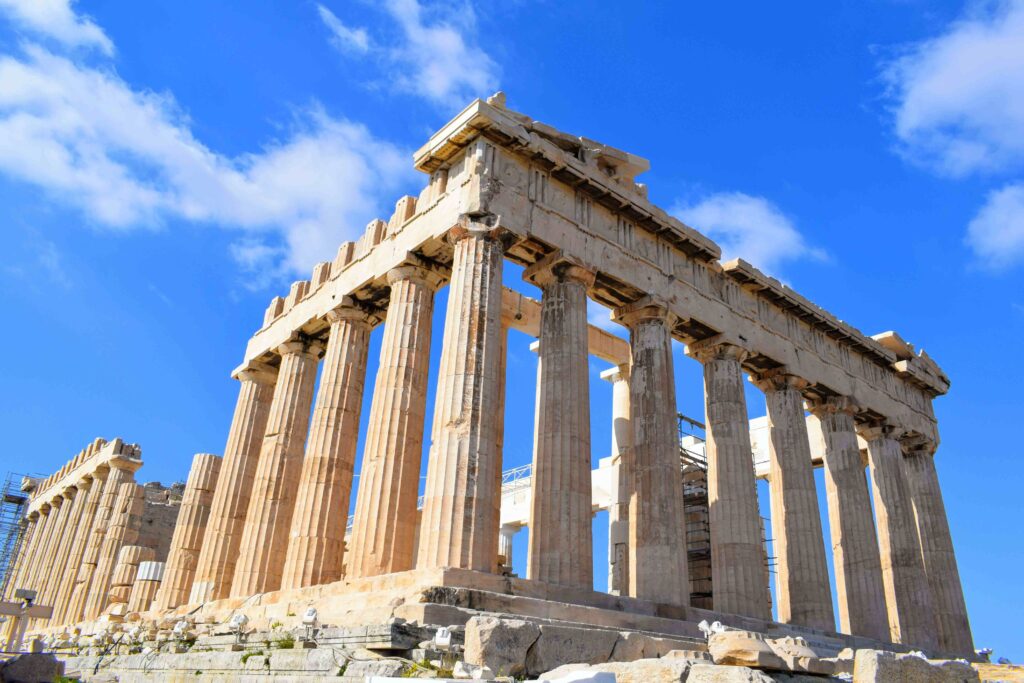
Athens is far more than a transit point for island ferries. It’s a dynamic capital where millennia of history sit alongside modern Mediterranean life. Spending 2 to 3 days in the city provides essential historical context before heading outward. The Acropolis dominates the skyline, housing the Parthenon and Erechtheion, while the nearby Acropolis Museum offers a world-class environment for understanding these classical monuments.
Beyond classical antiquity, neighborhoods like Koukaki and Pangrati showcase contemporary Athenian dining, specialty coffee shops, and quiet residential squares. Staying centrally allows easy walking access to major archaeological parks and keeps travel times to Piraeus port under 45 minutes by metro or taxi. Expect an average daily spend of $150 to $280 per person, depending on hotel choices and dining preferences. As a central node, Athens remains one of the foundational Greece tourist attractions for any first-time visitor.
Delphi and the Mountainous Interior
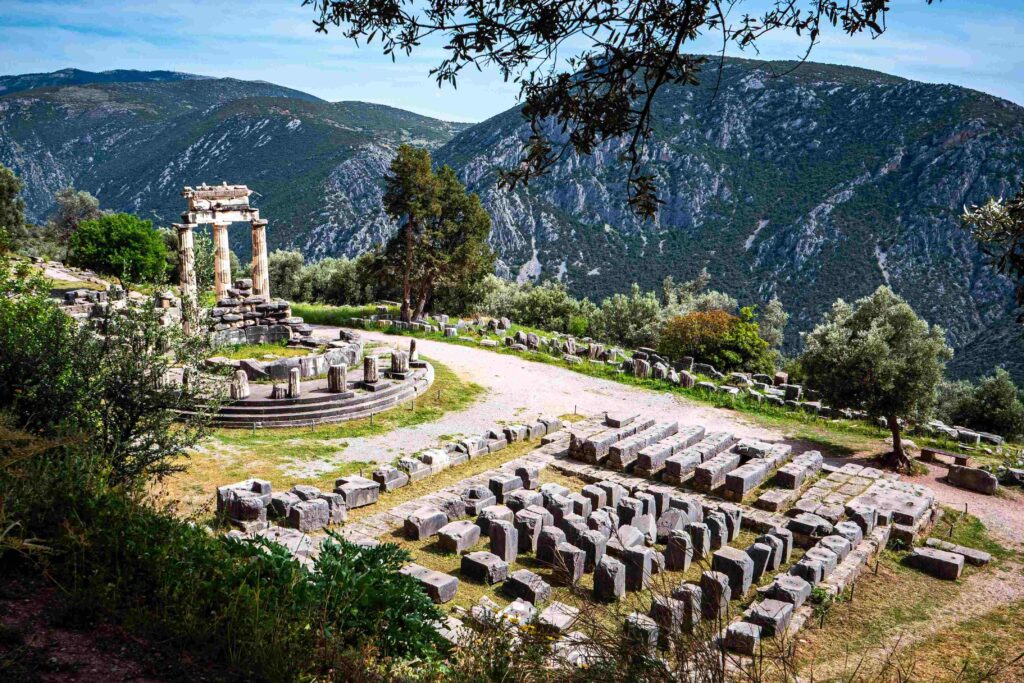
Situated on the slopes of Mount Parnassus, Delphi was considered the center of the ancient world in classical Greek mythology. The archaeological complex includes the Sanctuary of Apollo, an ancient theater, and a remarkably well-preserved stadium built into the mountain landscape. Beyond its historical weight, Delphi offers dramatic alpine vistas overlooking vast olive groves stretching down to the Gulf of Corinth.
A stay of 1 to 2 days works well, allowing time to explore the site during quiet morning hours before tour buses arrive. Accommodations in the adjacent village of Delphi or nearby Arachova offer scenic mountain lodging with average costs around $130 to $220 per day. Visiting during spring or autumn provides comfortable temperatures for walking the terraced ruins.
Meteora: Monastic History Above the Plain of Thessaly
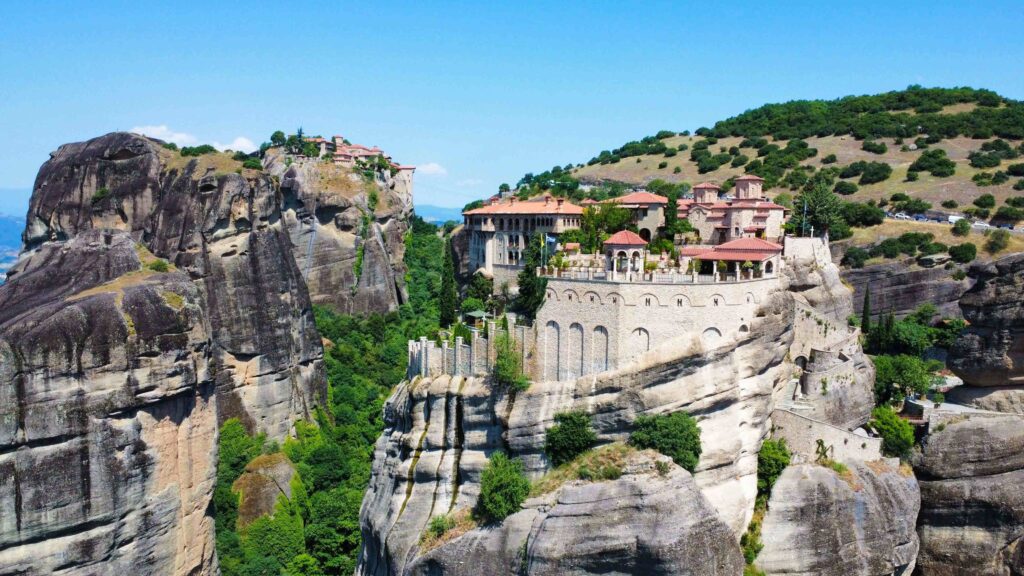
Meteora is defined by immense sandstone rock pillars rising dramatically from the Thessalian plain. Perched atop these natural monoliths are Eastern Orthodox monasteries dating back to the fourteenth century. Six of the original monasteries remain active today, accessible by carved stone staircases and mountain roads. The site offers an extraordinary intersection of natural geology and monastic devotion.
2 days in Meteora allow sufficient time to visit several monasteries and experience sunset over the valley. Staying in the foothill towns of Kalabaka or Kastraki puts local tavernas and guesthouses within walking distance. Daily expenses average $120 to $200 per person. Meteora links smoothly with Delphi via rental car or regional bus, making it a compelling addition to a mainland itinerary.
Nafplio and the Peloponnese Peninsula
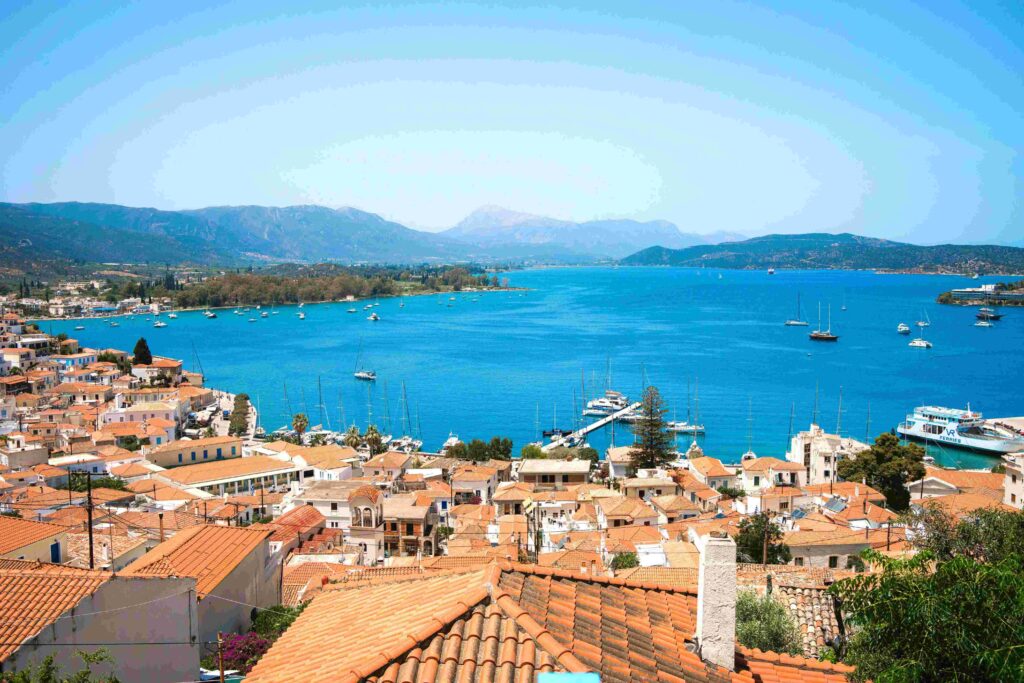
Located in the Argolic Gulf just a two-hour drive from Athens, Nafplio served as the first capital of modern Greece. The town features narrow neoclassical alleys, Venetian fortresses, and sea-facing promenades. Overlooking the town is the Palamidi Fortress, a massive Venetian stronghold offering wide vistas over the Gulf of Argolis.
Nafplio provides a relaxed, coastal base for 2 to 3 days while exploring nearby UNESCO World Heritage sites like Epidaurus and Mycenae. Daily budget requirements fall in the $140 to $250 range. The town offers a balanced mix of historical depth, seaside dining, and an atmospheric old town that feels distinct from the island archipelagos.
Classic Archipelago: Highlighting the Cyclades Islands
Santorini: Geological Drama and Caldera Architecture
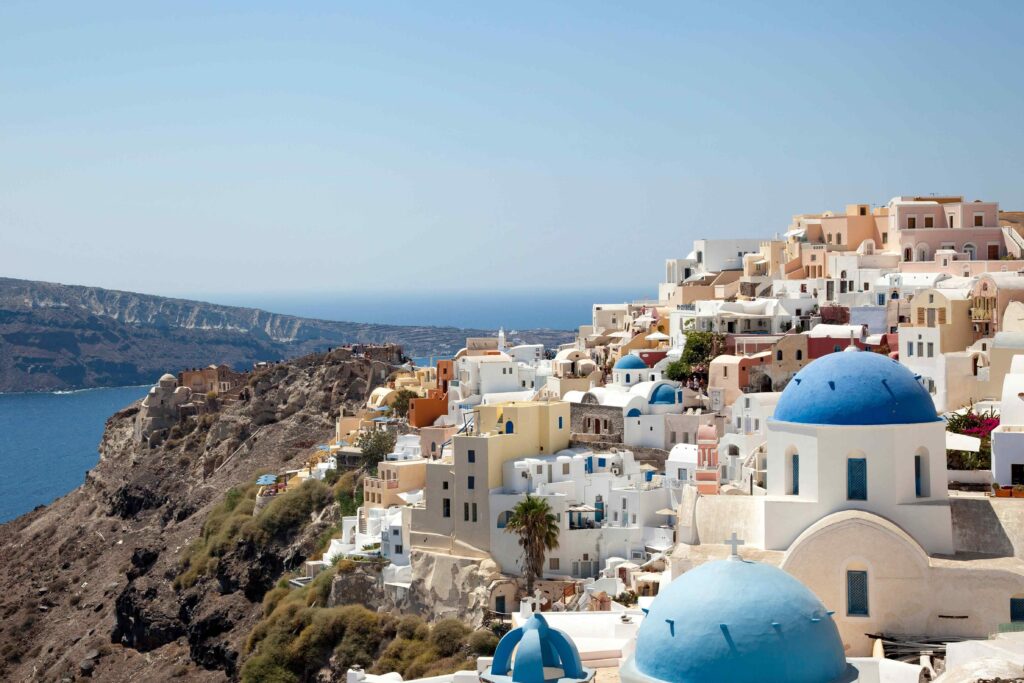
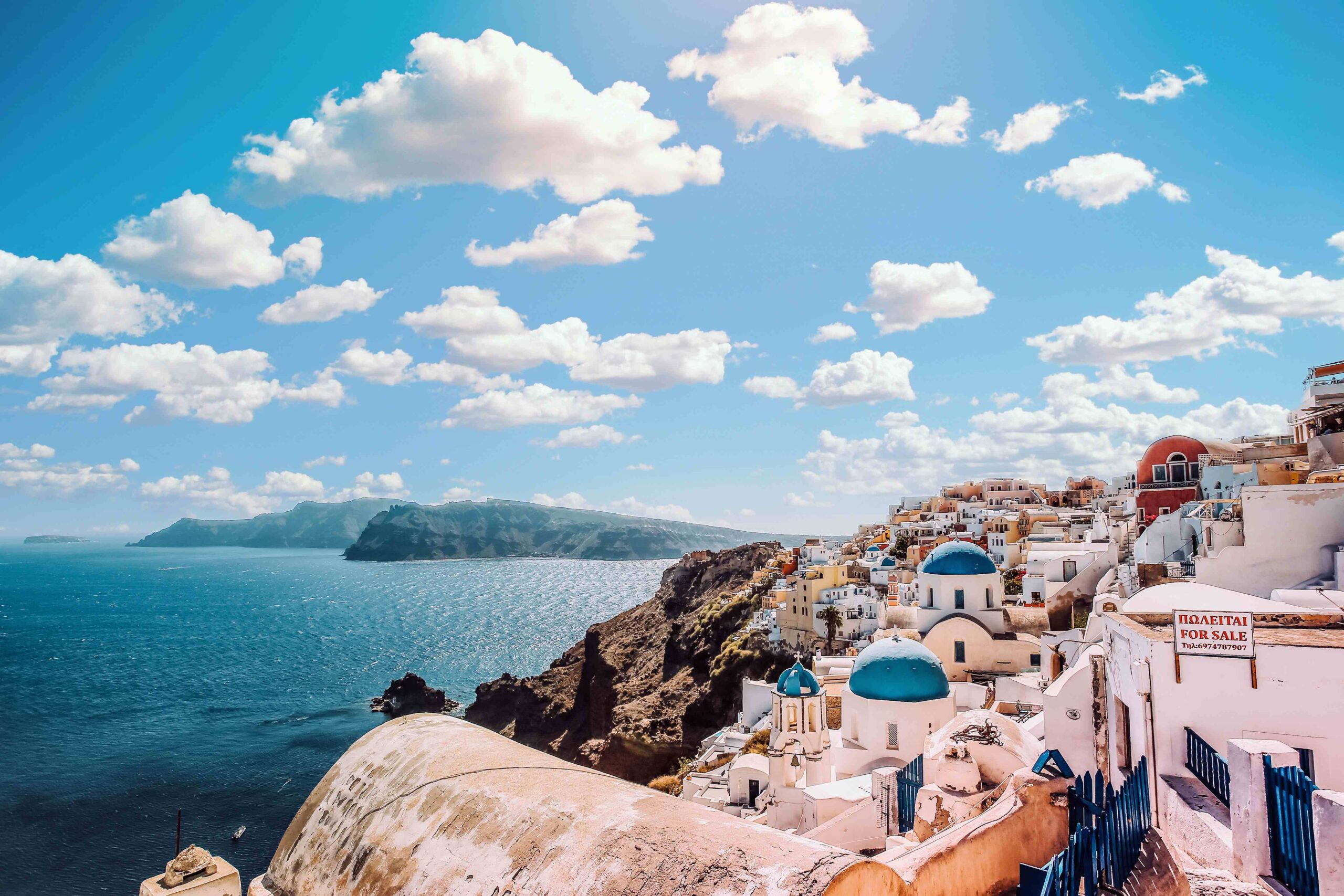
Santorini owes its extraordinary topography to a massive volcanic eruption around 1600 BCE, which left behind a sea-filled crater bordered by sheer cliffs. Perched along these cliff edges are villages characterized by whitewashed cave houses and blue-domed churches. The island’s unique geology creates one of the most striking landscapes in the Mediterranean.
Staying in cliffside villages such as Imerovigli or Firostefani offers a somewhat quieter atmosphere while retaining views of the caldera. Plan for 3 to 4 days to explore ancient Akrotiri, sample local Assyrtiko wines, and sail the volcanic bay. As a premium destination, daily expenses average $250 to $500 or more. Santorini stands out as one of the best places to visit in Greece for travelers seeking dramatic visual appeal and refined hospitality. If you’re narrowing down where to stay, our guide to the best Santorini hotels breaks down the top picks by village and budget.
Naxos: Agricultural Richness and Coastline Diversity
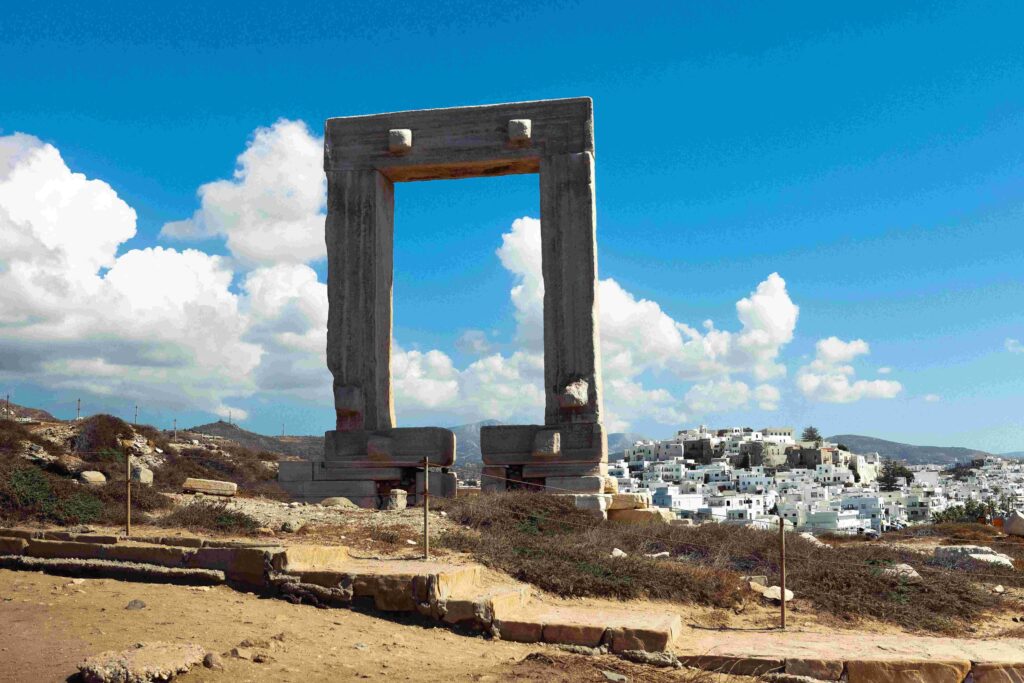
Naxos is the largest of the Cyclades, standing out for its lush agricultural valleys, granite mountains, and expansive sandy beaches. Unlike islands dependent on seasonal tourism, Naxos produces its own potatoes, cheeses, olive oil, and citrus liqueurs, giving its villages a grounded, working atmosphere.
Spending 3 to 5 days allows time to explore coastal stretches like Agios Prokopios, hike Mount Zeus, and wander through marble-paved inland villages like Apiranthos. Daily costs range from $140 to $240, making it an excellent value within the Cyclades. Naxos ranks among the best Greek islands to visit for travelers wanting a balance of beach time, active exploration, and authentic local cuisine.
Milos: Volcanic Formations and Distinctive Coastlines
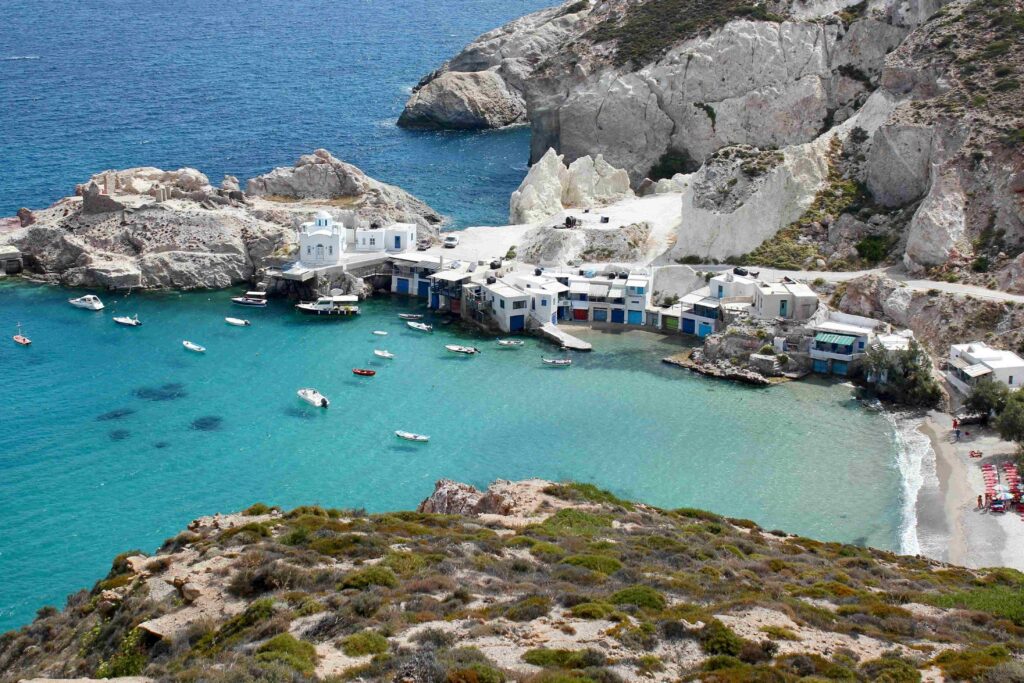
Milos features one of the most varied marine environments in the Aegean, shape-shifted by ancient volcanic activity. The coastline is defined by white stone formations, sea caves, and colorful fishing hamlets with traditional boathouses built into the rock. Sarakiniko beach, with its smooth, moonlike chalk-white rocks, is among the most unique coastal settings in the region.
A 3 to 4 day stay provides time to take a boat excursion around the Kleftiko sea caves, visit the ancient theater near Klima, and explore local seaside tavernas. Expect daily costs between $160 and $300 per person. For travelers prioritizing sea swimming, coastal landscapes, and boat trips, Milos offers access to some of the best beaches in Greece.
Syros: Neoclassical Culture Beyond Tourism Standard
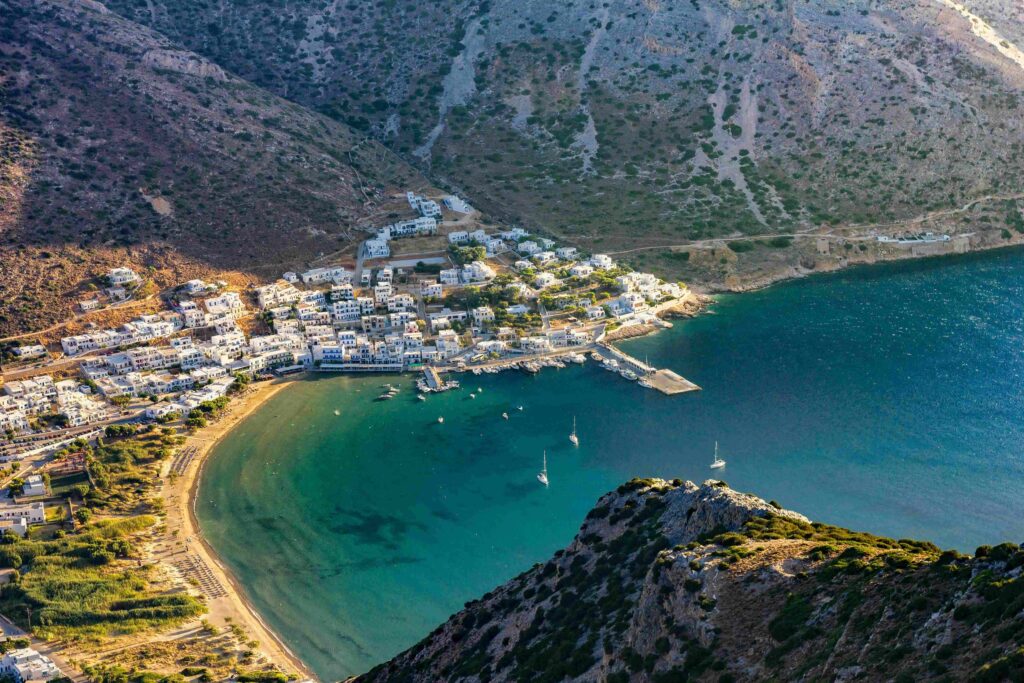
Syros serves as the administrative capital of the Cyclades, centered around the grand port town of Ermoupoli. Built across twin hills, the city features marble plazas, nineteenth-century neoclassical mansions, and the historic Apollo Theater. Because Syros functions as a regional civil hub year-round, its daily life revolves around local residents rather than seasonal visitors.
2 to 3 days on Syros provide a gentle contrast to more tourist-dense neighboring islands. You can stroll through the medieval hilltop quarter of Ano Syros, sample local loukoumi sweets, and dine along the harbor promenade. Daily budgets run $130 to $220. Syros offers a quiet, culturally rich perspective on island life with straightforward ferry links to Athens and the rest of the Cyclades.
Beyond the Cyclades: Diverse Regional Destinations
Crete: An Island of Independent History and Scale
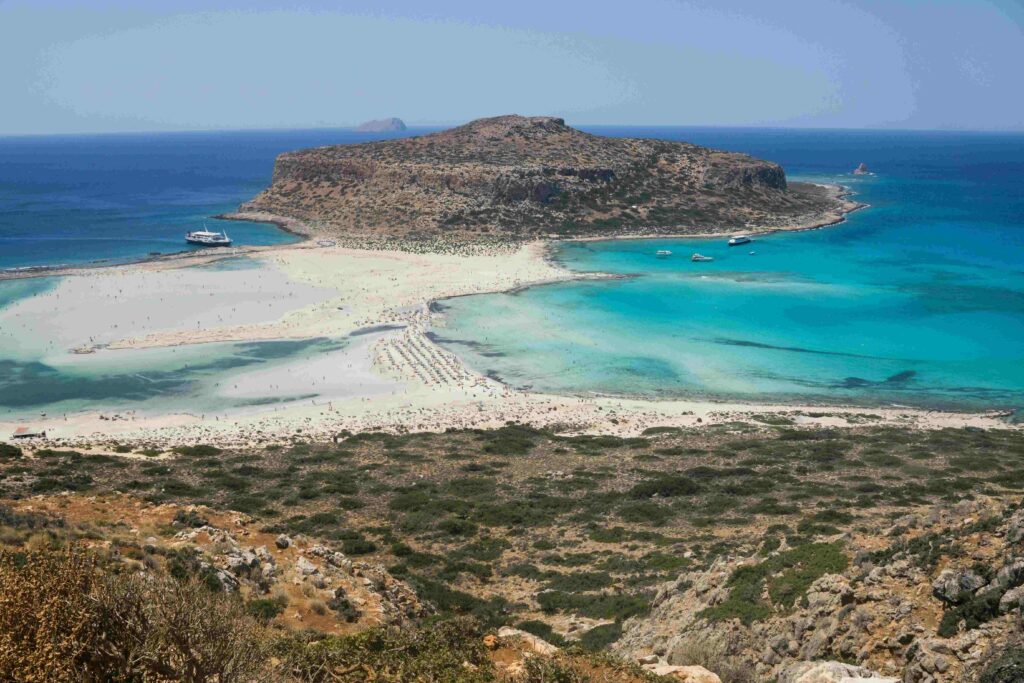
Crete is the largest island in Greece, operating almost as a country unto itself. Its landscape spans rugged mountain ranges, deep gorges, ancient olive groves, and long sandy shores. Historically, Crete was the center of the Bronze Age Minoan civilization, leaving behind impressive archaeological sites like the Palace of Knossos near Heraklion.
Given its size, Crete warrants at least 5 to 7 days, focusing on a specific region such as western Crete around Chania and Rethymno. Here, Venetian harbor architecture meets a distinct Cretan culinary tradition reliant on wild greens, local cheeses, and olive oil. Daily costs range from $130 to $260. Crete easily qualifies as one of the best islands to visit in Greece for travelers interested in history, hiking, and culinary depth.
Rhodes: Medieval History and Dodecanese Influence
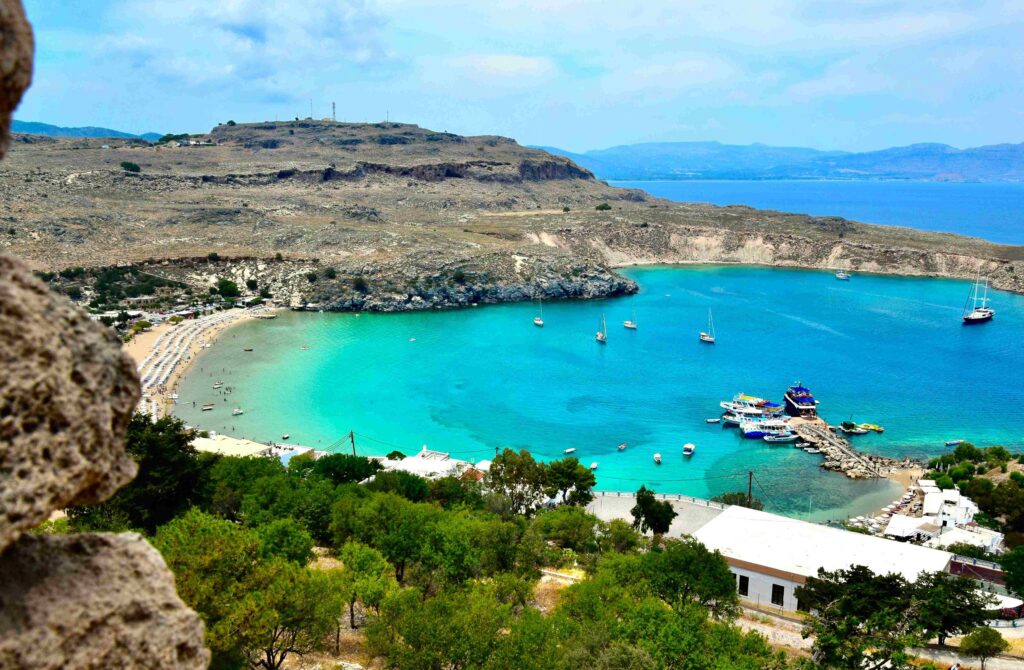
Located in the southeastern Aegean near the Turkish coast, Rhodes boasts a long, layered history influenced by classical Greece, the Byzantine Empire, the Knights Hospitaller, and the Ottoman Empire. The medieval Old Town of Rhodes, enclosed by fortified stone walls, is an extraordinarily preserved living monument where cobblestone streets lead to grand palaces and historic mosques.
Planning three to 5 days allows adequate time to tour the Palace of the Grand Master, visit the clifftop acropolis of Lindos, and relax along the eastern beaches. Average expenses run between $140 and $250 per day. Rhodes serves as an ideal gateway to the Dodecanese archipelago, offering a blend of beach relaxation and rich historical exploration.
Corfu: Venetian Architecture and Ionian Greenery
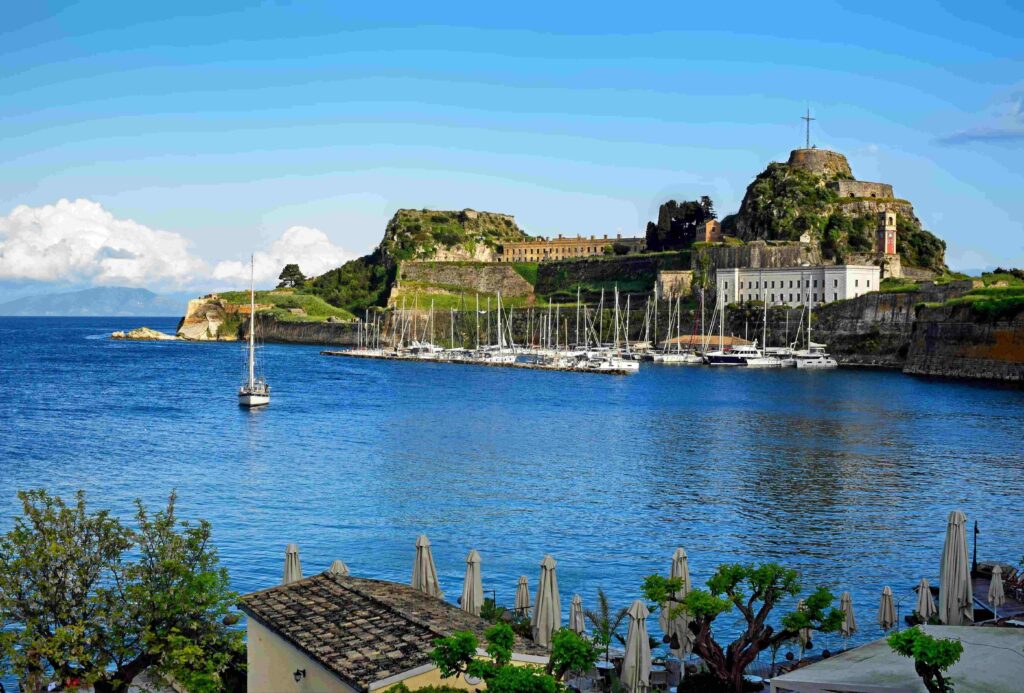
Situated off Greece’s northwestern coast in the Ionian Sea, Corfu features a landscape characterized by dense olive groves, cypress trees, and dramatic sea cliffs. Having spent centuries under Venetian, French, and British rule, Corfu Town exhibits European architectural influences, from pastel-hued Venetian mansions to grand arcaded esplanades.
A stay of 3 to 5 days gives visitors time to tour the Old Fortress, explore hidden coves along the northern coast, and sample local dishes like pastitsada and sofrito. Daily travel budgets average $150 to $270 per person. Corfu presents a distinctly green, western Mediterranean feel that contrasts with the arid landscapes of the Aegean islands.
Hydra: Car-Free Preservation Close to the Capital
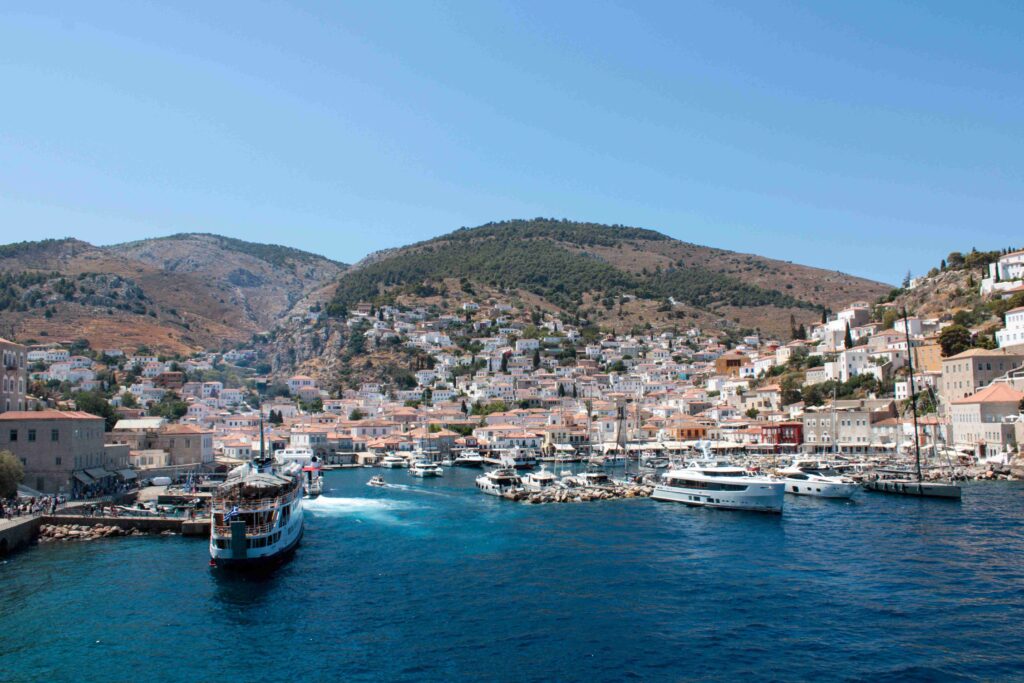
Hydra is located in the Saronic Gulf, just a ninety-minute high-speed hydrofoil ride from Athens’ Piraeus port. The island maintains a strict preservation order prohibiting motor vehicles, including cars, scooters, and bicycles. Transportation relies on donkeys, water taxis, or walking along well-maintained stone paths.
Hydra Town curves around a crescent-shaped harbor framed by eighteenth-century stone mansions built by wealthy shipping merchants. Spending 1 to 2 days here offers a peaceful retreat centered around harbor walks, art galleries, and clear swimming spots along the rocky shoreline. Daily costs range between $180 and $350. Its proximity to the capital makes Hydra a convenient finish to a mainland itinerary.
Structuring Your Itinerary: Making the Final Decision
Building a logical Greece itinerary comes down to matching your available time with geographic proximity. Rather than trying to cover every region, focusing on a single geographical cluster keeps travel days efficient and enjoyable.
- 7 day classic overview: Spend 3 days in Athens exploring classical heritage and urban neighborhoods, followed by a fast ferry to either Santorini or Naxos for 4 days of island scenery and coastal relaxation.
- 10 day culture and islands route: Spend 3 days in Athens, take a day trip or overnight to Delphi, then catch a flight or ferry to the Cyclades (choosing two islands, such as Naxos and Milos) for 6 days.
- 14 day deep regional exploration: Combine 4 days on the mainland (Athens, Delphi, and Meteora) with a 7-day stay on Crete, finishing with 3 days on a Cycladic island like Santorini or Syros before returning home.
By picking destinations that link smoothly by ferry or short flights, you can experience the historical depth, regional variations, and maritime beauty that make Greece such a rewarding country to explore. Since daily costs vary widely between a budget island like Naxos and a premium stop like Santorini, it’s worth thinking through your numbers before you book. Our guide on how to set a travel budget without ruining the experience walks through a practical way to do that.
FAQs
What is the best time of year to visit Greece for first-timers?
The shoulder seasons of May to June and September to October offer ideal conditions for a first trip. During these months, weather is warm enough for swimming, crowd levels at major heritage sites are manageable, and ferry schedules run frequently. July and August bring peak summer heat, higher hotel rates, and heavy tourist density. If you’re weighing the trade-offs of visiting in high season versus these quieter months, see our breakdown of peak season vs. off-season travel for what you gain and lose either way.
How many days should I spend in Greece on my first trip?
A minimum of 7 to 10 days is recommended for a first trip. This allows 2 to 3 days to explore the historical sights in Athens and 4 to 7 days to visit one or two islands without feeling overly rushed by transport logistics.
Is it better to travel between islands by ferry or domestic flight?
For long distances, such as traveling from Athens to Crete or Rhodes, a short 50-minute domestic flight saves considerable time. For hopping between neighboring islands within the same archipelago, high-speed or conventional ferries are efficient, scenic, and cost-effective.
Do I need to rent a car in Greece?
Renting a car is beneficial on larger islands like Crete and Naxos, as well as for mainland road trips to Delphi, Meteora, or Nafplio. On smaller islands like Santorini or Hydra, public buses, taxis, or walking are sufficient for getting around.
Conclusion
Finding where to go in Greece comes down to picking destinations that match your travel rhythm rather than trying to see everything at once. Whether you focus on continental heritage sites like Athens and Delphi, classic Cycladic islands like Naxos and Santorini, or sprawling regional hubs like Crete, each area offers a distinct look at Greek history, geography, and hospitality.
By paying attention to ferry connections, planning reasonable stay durations, and mixing high-profile landmarks with quieter towns, your first journey to Greece will feel well-paced, rewarding, and thoughtfully structured.