
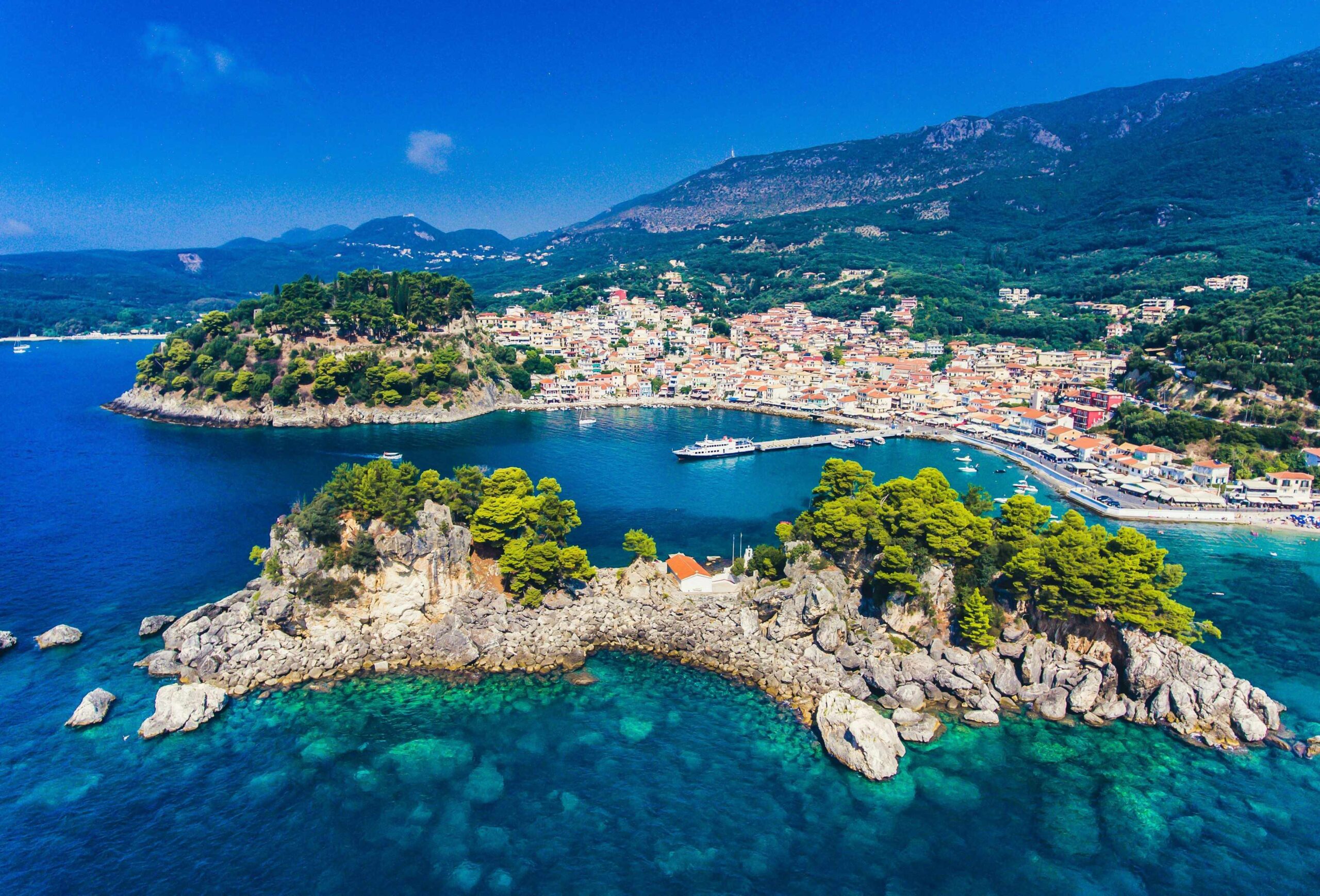
Understanding the geography of the Greek archipelago is often the first real hurdle when planning a trip to Southern Europe. While thousands of landmasses dot the Aegean and Ionian seas, narrowing down where to actually spend your vacation requires looking past sheer numbers and focusing on infrastructure, ferry connections, and realistic travel pacing.
All price estimates, ferry fares, and hotel rate ranges in this guide reflect updated market data for the 2026 travel season, including current local taxes and seasonal surges.
How Many Islands Does Greece Have and Why the Numbers Vary
Depending on who you ask, the official count of how many islands Greece has ranges wildly from 1,200 to over 6,000. That gap simply comes down to cartography math: some surveys count every uninhabited rock formation in the Mediterranean, while others focus on substantial landmasses.
For practical travel planning, however, the vast majority of these landmasses are uninhabited, lacking fresh water, electricity, or ferry docks. Only 227 inhabited Greek islands exist today, and among those, fewer than thirty maintain the tourism infrastructure necessary to support regular passenger ferries, boutique accommodation, and vehicle rentals.
Rather than attempting to navigate hundreds of options, decision-making becomes significantly easier when you group these destinations into six primary geographical clusters, along with the standalone island of Crete.
How to Group the 227 Inhabited Greek Islands
The single biggest mistake first-time visitors make is assuming that proximity on a map equals direct ferry service. Greek maritime transit relies heavily on a hub-and-spoke system centered around the main ports of Athens, specifically Piraeus and Rafina. Attempting to cross between different island groups, such as sailing from the Ionian Islands on the western side of the mainland over to the Cyclades in the Aegean, requires returning to the mainland or taking costly regional flights.
To maximize your time on the ground, your itinerary should focus on one or two islands within a single geographical cluster. If you’re wondering how many Greek islands there are that genuinely warrant a spot on a high-value 7 to 14 day itinerary, the list realistically condenses down to 12 standout destinations spread across four major regions.
Iconic Cyclades: High Contrast, Dramatic Landscapes, and High Season Premium
The Cyclades cluster is the quintessential picture-postcard Greece, characterized by whitewashed stone houses, blue-domed churches, and rugged volcanic terrain. Because these islands are tightly clustered in the central Aegean, island hopping within this group is remarkably straightforward, though prices reflect their global popularity.
Santorini and Mykonos: The High-Budget Benchmark
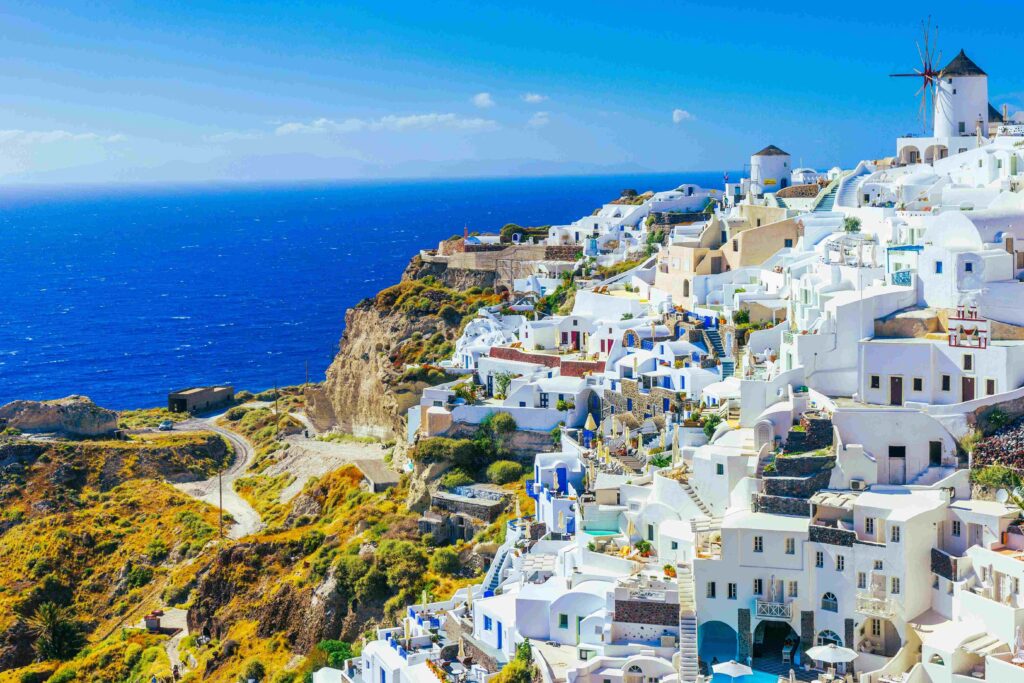
Santorini and Mykonos represent the commercial peak of Greek tourism. Santorini is built along the rim of a massive volcanic caldera, offering dramatic sea views and steep cliffside settlements, while Mykonos is defined by its preserved Cycladic town center, high-end beach clubs, and nightlife. Both destinations operate at a noticeable price premium, particularly during the peak summer months of June through August. High-end boutique hotels with caldera views in Santorini or central Mykonos, along with waterfront dining, represent the highest cost tier in the country.
- Boutique / caldera view hotel: $250 – $900+ per night
- Standard dining (waterfront): $60 – $120 per person per meal
- High-speed ferry from Athens: $75 – $120 per person (one way)
Prices peak significantly during July and August; booking 3 to 6 months in advance is essential for prime caldera views. Prices peak significantly during July and August; booking 3 to 6 months in advance is essential for prime caldera views. If you’re weighing where to base yourself for those caldera views, our guide to the best Santorini hotels breaks the options down by village and price tier.
Naxos and Paros: The Balanced Alternatives for Culture and Beaches
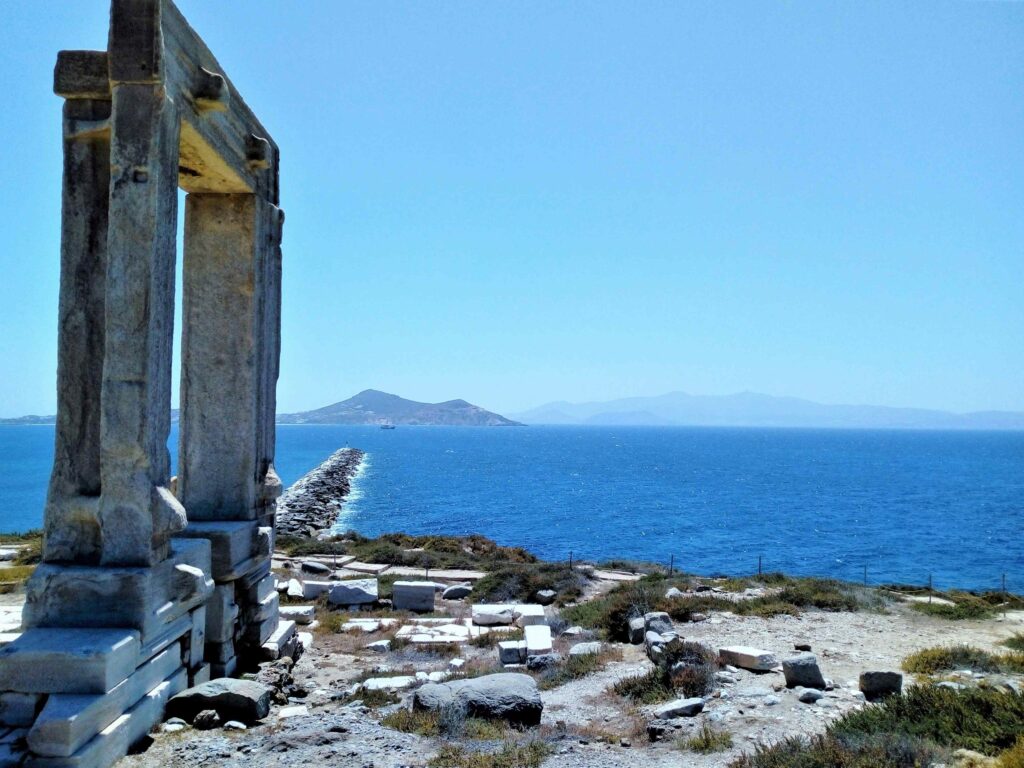
Located just a short ferry ride from their more famous neighbors, Naxos and Paros offer a more grounded, traditional experience without sacrificing scenic appeal. Naxos is the largest island in the Cyclades, featuring fertile valleys, mountain villages, and long sandy beaches that remain uncrowded even in mid-summer. Paros balances a chic, walkable town infrastructure in Naoussa with accessible coastal coves.
- 3 to 4 star hotel: $120 – $280 per night
- Traditional taverna meal: $25 – $45 per person
- Inter-island ferry (short route): $25 – $45 per person (one way)
Naxos has a strong local agricultural economy, meaning food quality is exceptionally high while restaurant prices stay moderate compared to neighboring islands.
Ionian Islands: Venetian Architecture and Lush Western Coastlines
Positioned off the western coast of mainland Greece, the Ionian Islands feature a different climate and aesthetic. Heavy winter rainfall creates dense pine forests that run directly down to turquoise waters, while centuries of Venetian rule left an architectural legacy of pastel-colored townhouses and vaulted arcades rather than white sugar-cube structures.
Corfu and Kefalonia: Vast Space and Accessible Coastal Travel
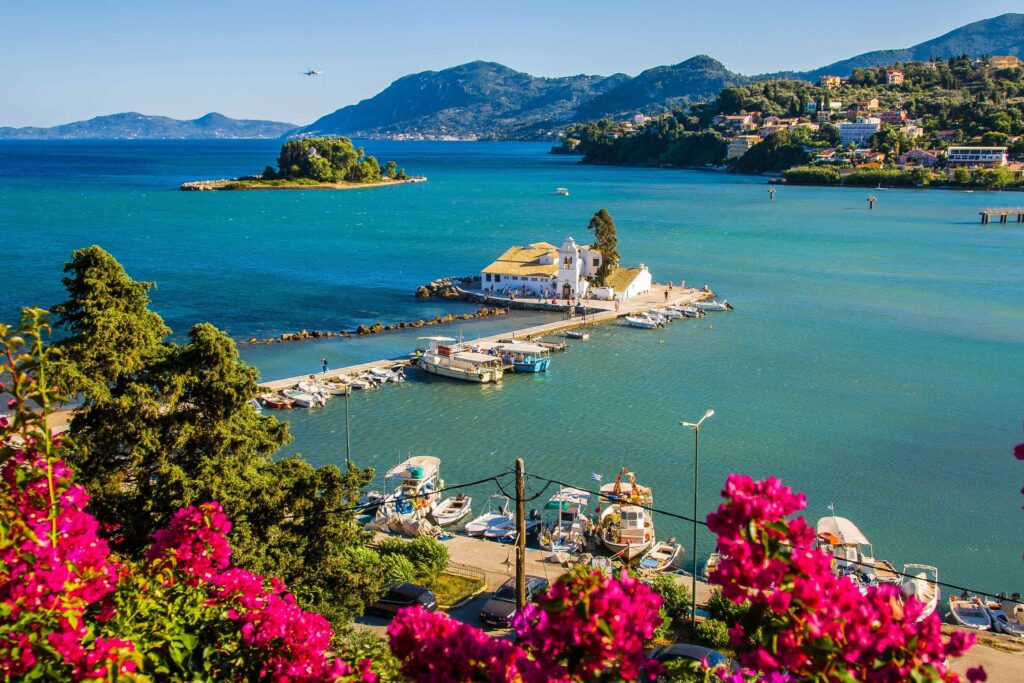
Corfu and Kefalonia are ideal choices for travelers who prefer renting a car and exploring sprawling, varied landscapes. Corfu Town is a UNESCO World Heritage site filled with historic fortresses and grand plazas, whereas Kefalonia is famous for dramatic geological formations, including Melissani Cave and the towering cliffs of Myrtos Beach. The weather here is noticeably milder, and the waters remain calm, shielding visitors from the strong summer Meltemi winds that affect the Aegean.
- Standard hotel / apartment: $90 – $230 per night
- Car rental: $40 – $75 per day
- Short inter-island ferry: $15 – $35 per person (one way)
A rental vehicle is virtually mandatory on Kefalonia due to its mountainous terrain and spread-out attractions.
Dodecanese and Crete: History, Scale, and Year-Round Culture
Situated far south near the coast of Türkiye, the Dodecanese and Crete offer profound historical depth, unique geological sites, and longer warm-weather seasons that stretch well into October.
Crete: A Country Within an Island
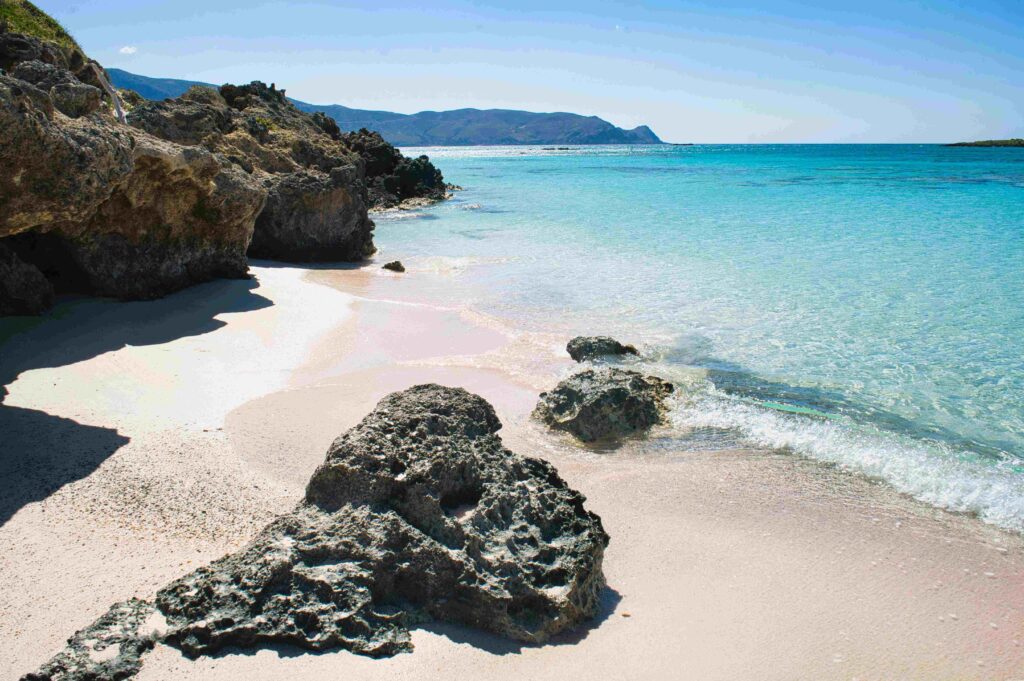
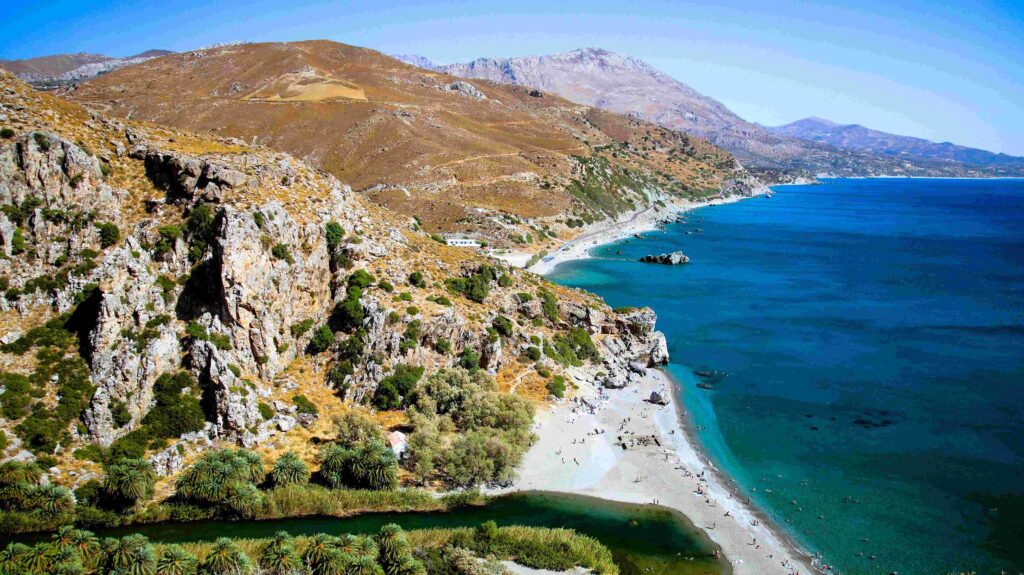
Crete is the largest island in Greece and functions almost as its own distinct country. It requires a minimum of five to seven days to explore even a fraction of its terrain, which spans the Minoan Palace of Knossos, deep hiking routes like Samaria Gorge, and distinct regional cuisines centered on olive oil, wild greens, and mountain cheeses. Because Crete possesses a large resident population and a fully developed local economy, accommodation and dining rates remain very accessible.
- Hotel / resort accommodation: $80 – $220 per night
- Domestic flight from Athens: $50 – $130 per person (one way, 50-minute flight)
- Daily expenses (food & entry fees): $35 – $65 per person
Flying from Athens to Heraklion or Chania is significantly faster and often cheaper than taking the overnight 8-hour ferry.
Rhodes, Milos, and Symi: Medieval Heritage, Volcanic Formations, and Neoclassical Harbors
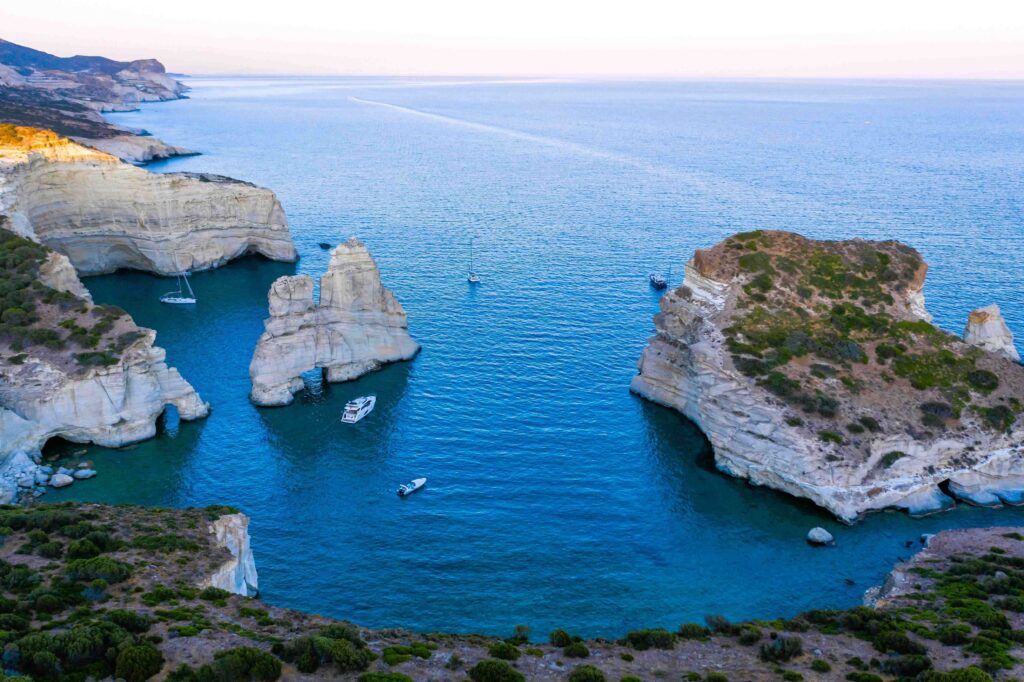
Rhodes stands out for its remarkably preserved medieval walled city, built by the Knights of St. John, combining Crusader history with wide resort beaches. Milos, located in the southwestern Cyclades, offers one of the most unusual coastal landscapes in the Mediterranean, defined by the stark white, smooth volcanic rock formations of Sarakiniko Beach. Symi, situated just a 50-minute ferry ride from Rhodes, features an amphitheater of colorful neoclassical mansions rising directly from a deep turquoise harbor, offering a quieter and highly scenic day trip or overnight stay.
- Boutique Hotel (Rhodes / Milos / Symi): $100 – $250 per night
- Excursion Ferry from Rhodes to Symi: $20 – $35 per person (round trip)
- Small Boat Cave Excursion (Milos): $60 – $110 per person, the same waters around Milos’s sea caves regularly show up on rankings of the best places to snorkel in the world.
Saronic and Sporades: Proximity to Athens and Pine-Fringed Waters
For travelers with limited time who wish to avoid long ferry crossings, the Saronic Gulf islands near Athens and the lush Sporades network in the northwest offer excellent alternatives.
Hydra and Skiathos: Easy Access and Focused Escapes
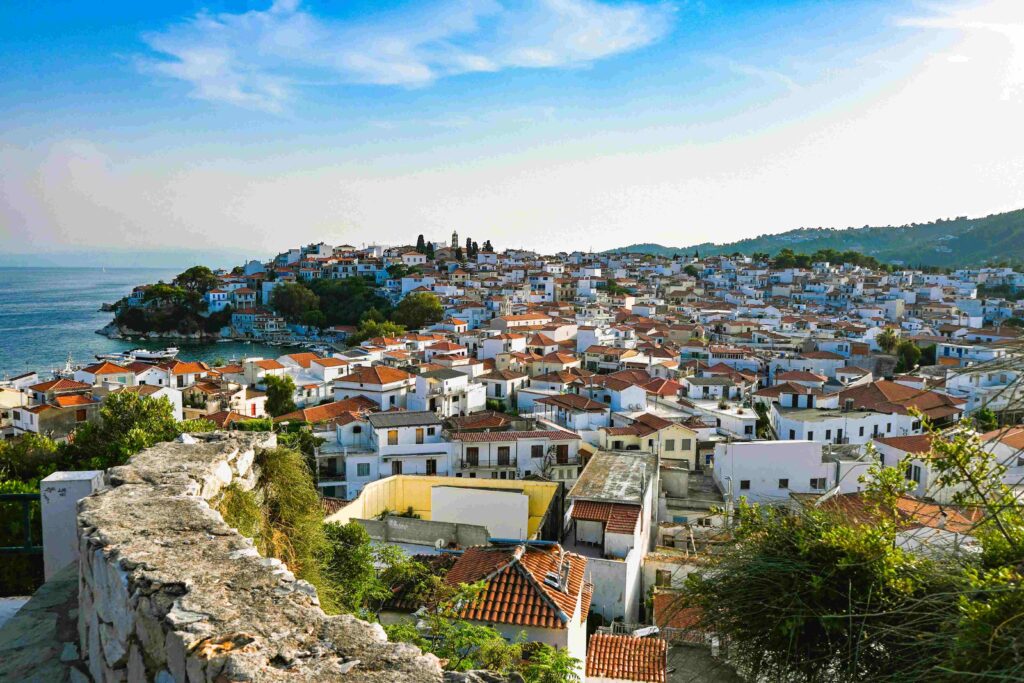
Hydra is unique in that motor vehicles of any kind are banned on the island, leaving transport to foot travel, donkeys, and water taxis. Located just a short hydrofoil ride from Athens, Hydra provides an extraordinarily quiet escape centered around an amphitheater-shaped marble harbor. Skiathos, part of the Sporades group, features over 60 sandy beaches backed by dense pine forests and caters well to travelers seeking straightforward beach relaxation.
- Fast Hydrofoil from Athens (to Hydra): $38 – $55 per person (one way, 90 minutes)
- Standard accommodation: $120 – $280 per night
- Water taxi transfer (Hydra): $15 – $30 per trip
Practical Planning and Budget Allocation for Greek Island Hopping
When finalizing your itinerary, calculating realistic ground costs helps prevent budget overruns. When calculating how many islands in Greece you can comfortably afford to visit, remember that transit costs compound quickly with every extra stop. If you want a more structured way to work through these numbers before you commit to a route, our guide on how to set a travel budget without ruining the experience is a good place to start.
Overall Daily Expenditure Estimates
Mid-Range Travel Style: $180 – $320 per person / per day
Includes 3- or 4-star lodging, sit-down meals at tavernas, vehicle rentals, and standard ferry passes.
Luxury Travel Style: $500 – $1,100+ per person / per day
Includes caldera view suites, fine dining, private boat charters, and high-speed transit.
Mandatory Taxes & Mandatory Fees to Keep in Mind
- Climate resiliency fee: $1.50 to $10.00 per room, per night (levied directly by hotels based on their star rating and season).
- Cruise passenger levy: $5.00 to $20.00 per person when disembarking at high-traffic ports such as Santorini or Mykonos.
- Ferry class differences: Standard slow ferries (e.g., Blue Star Ferries) run $35 – $55 per leg, whereas high-speed catamarans (e.g., SeaJets) cost $75 – $120 per leg.
FAQs
What is the best month to visit the Greek islands?
May, late September, and October offer the best combination of warm swimming weather, manageable tourist crowds, and lower accommodation rates. July and August bring extreme heat, peak crowd density, and the highest hotel prices of the year. See our breakdown of peak season vs. off-season travel for a fuller picture of that trade-off.
Is it better to take ferries or regional flights between islands?
Regional flights are best when traveling long distances from Athens to outer islands like Crete, Rhodes, or Corfu. For moving between islands within the same group, such as Paros to Naxos or Santorini to Mykonos, high-speed passenger ferries are much more practical and cost-effective.
Do I need to rent a car on the islands?
On larger islands like Crete, Kefalonia, Naxos, and Rhodes, renting a vehicle is essential if you wish to explore beyond the main port town. On smaller or car-free islands like Hydra, Santorini, or Mykonos, localized public buses, taxis, or walking are sufficient.
How far in advance should I book Greek island ferries?
If you are traveling during peak season (June through August) or plan to take vehicle ferries, booking tickets two to three months in advance is recommended. For shoulder season travel on passenger-only routes, booking a few weeks ahead is generally sufficient.
Final Decision Guide: How Many Islands in Greece Should You Actually Visit?
When structuring your final travel plans, quality of experience always trumps quantity. Trying to pack too many stops into a short timeframe results in spending most of your holiday waiting in ferry ports rather than relaxing.
If you have a 7 day window, choose two neighboring islands within the same group, such as Paros and Naxos, or pair a short stay in Athens with a single destination like Santorini. For a 10 to 14 day trip, visiting three islands is the ideal limit. By focusing on a carefully selected few among the 227 inhabited options, you gain a far deeper appreciation for the distinct culture, landscape, and pace of life that makes the Greek islands so enduring.
Read Next:
12 Best Greek Islands to Visit (2026): Ranked by Vibe, Budget & Crowds