
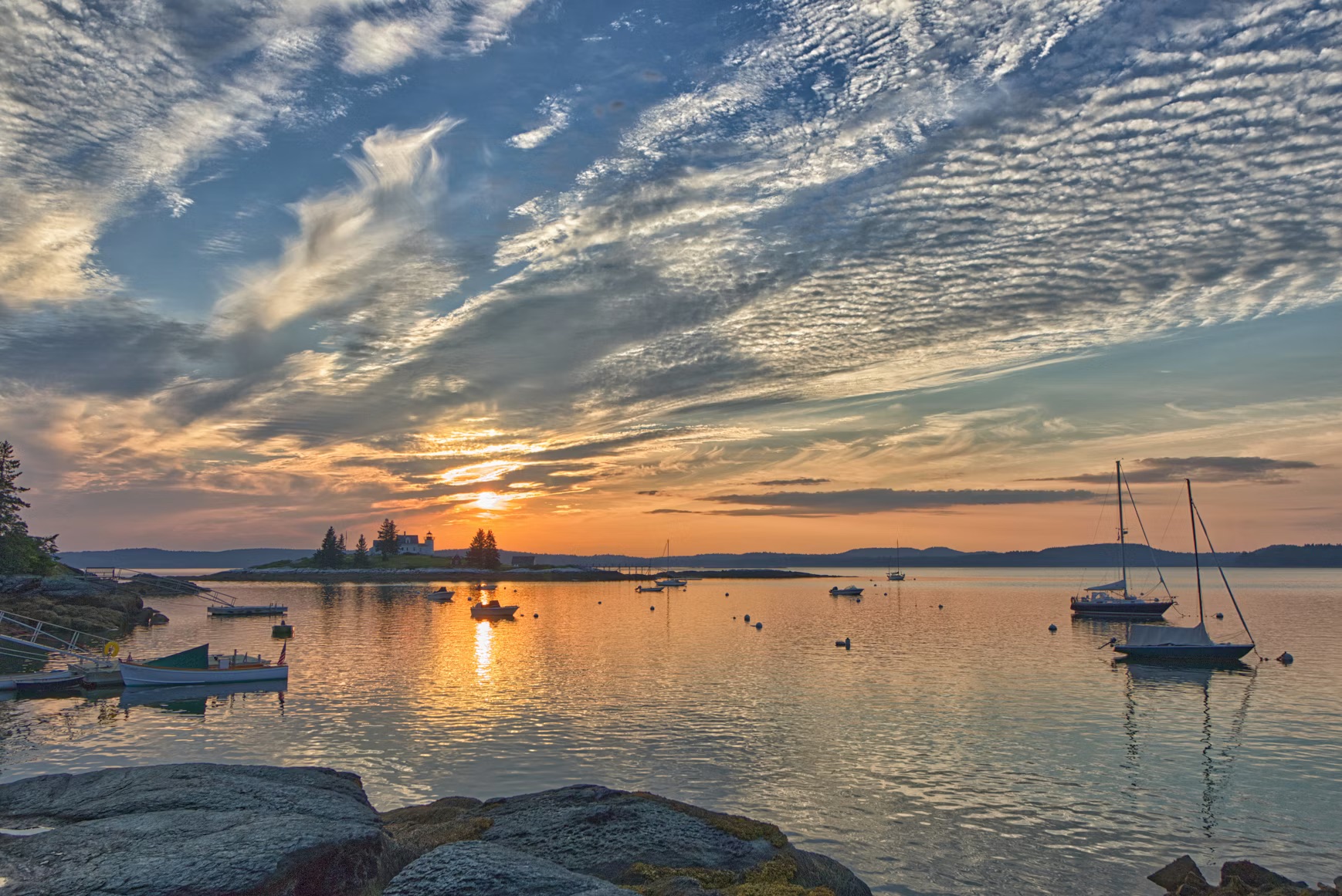
Maine is known for its rugged coastline, the quiet lakefront cabins locals still call “camps,” and lobster pulled from the cold Atlantic that morning. Visit in late September and you get all three at their peak, with thinning crowds and lodging that’s no longer rationed by the week. Visit in April, and you get mud-locked trails and a state half-asleep. The best time to visit Maine depends entirely on what you want from the trip, and this guide covers the full 2026 calendar, the two stretches worth avoiding, and the FAQ travelers wish they’d read before booking.
The Honest Truth: The 2 Worst Times to Visit Maine
Two windows in the calendar genuinely test the patience of visitors, and both are predictable enough to plan around. The honest framing is that neither window is unsalvageable, just specific in the kind of trip it suits.
April: Mud Season
April is what locals call mud season. Snowmelt turns the inland trails into impassable channels, and most backcountry routes in the western mountains and Maine Highlands officially close to protect the trails from damage. The coast stays cold, the trees are still bare, and the towns that built their summer economy around outdoor visitors operate on a skeleton schedule.
That said, April isn’t a write-off. It’s the cheapest hotel month of the year across most of the state, and travelers focused on Portland’s restaurants, the brewery scene in East Bayside, or indoor stops like the Portland Museum of Art can have a rewarding low-key trip at half the peak rate. If the goal is hiking or beach time, push the trip to June.
Mid-May to Mid-June: Black Fly Season
The second window worth knowing about is black fly season, which runs roughly from mid-May into mid-June and is at its worst in the inland woods, around lakes, and at campsites. Black flies and horseflies emerge in dense clouds, and unprepared visitors describe the experience as genuinely miserable. The bugs typically end the day for anyone not carrying DEET-based repellent and wearing long sleeves.
The coast escapes the worst of it, though. The weather is warming, the wildflowers are out, and with proper repellent and long sleeves, towns and beaches stay perfectly enjoyable. The hard rule: skip inland camping during these weeks unless you’re seriously committed to the gear.
2026 Quick-Decision Matrix: Best Time by Intent
The matrix below filters the year by what you actually want from the trip, which is usually the more useful question than asking which month is “best” in the abstract.
| Intent / Activity | Best months | 2026 estimated pricing & logistics |
|---|---|---|
| Overall winner | September | Crowds drop sharply after Labor Day. Average hotel rates $180–$350/night. |
| Lobster (new-shell) | Late September | New-shell lobster sweeter and cheaper: $9–$12/lb vs. hard-shell $11–$15/lb. |
| Whale watching | Aug–early Sep | Peak window for humpback and finback sightings on tours from Portland, Boothbay Harbor, and Bar Harbor. |
| Fall foliage | Late Sep–mid Oct | North peaks late September; Portland area peaks the last two weeks of October. |
| Budget & deals | Nov–April | Off-season hotel rates bottom out at $130–$250/night. |
2026 pricing note: The estimates above reflect 2026 market research for lodging and lobster. Prices fluctuate significantly based on harvest yields and dynamic hotel availability, so use these as a baseline. Check directly with providers for current rates before booking.
Maine Month by Month at a Glance
Use this table for a quick read on each month. Temperatures are approximate average daytime highs for Portland; inland and northern Maine run colder, especially in winter.
| Month | Avg. high (Portland) | Crowds | Highlights |
|---|---|---|---|
| January | ~31°F | Low | Ski season, snowshoeing, lowest coastal rates |
| February | ~34°F | Low | Skiing, ice fishing, long nights for aurora in the far north |
| March | ~42°F | Low | Late ski season, Maine Maple Sunday |
| April | ~53°F | Very low | Mud season; city trips, museums, and breweries only |
| May | ~63°F | Low–moderate | Puffins return, coastal towns reopen, black flies start inland |
| June | ~73°F | Moderate | Strawberries, long days, black flies fade by mid-month |
| July | ~79°F | High | Peak summer, Yarmouth Clam Festival, lake season |
| August | ~78°F | Very high | Maine Lobster Festival, wild blueberries, whale watching |
| September | ~70°F | Moderate | Best overall month, new-shell lobster, northern foliage begins |
| October | ~58°F | Moderate–high | Peak foliage moving south to the coast |
| November | ~47°F | Low | Quiet coast, off-season deals, many seasonal businesses closed |
| December | ~36°F | Low | Holiday towns, start of ski season |
Maine Season by Season
The state moves through four distinct seasons that genuinely feel different from one another, and the right time to visit Maine depends on which one fits your trip.
Summer (June–August): Peak Crowds, Produce, and Festivals
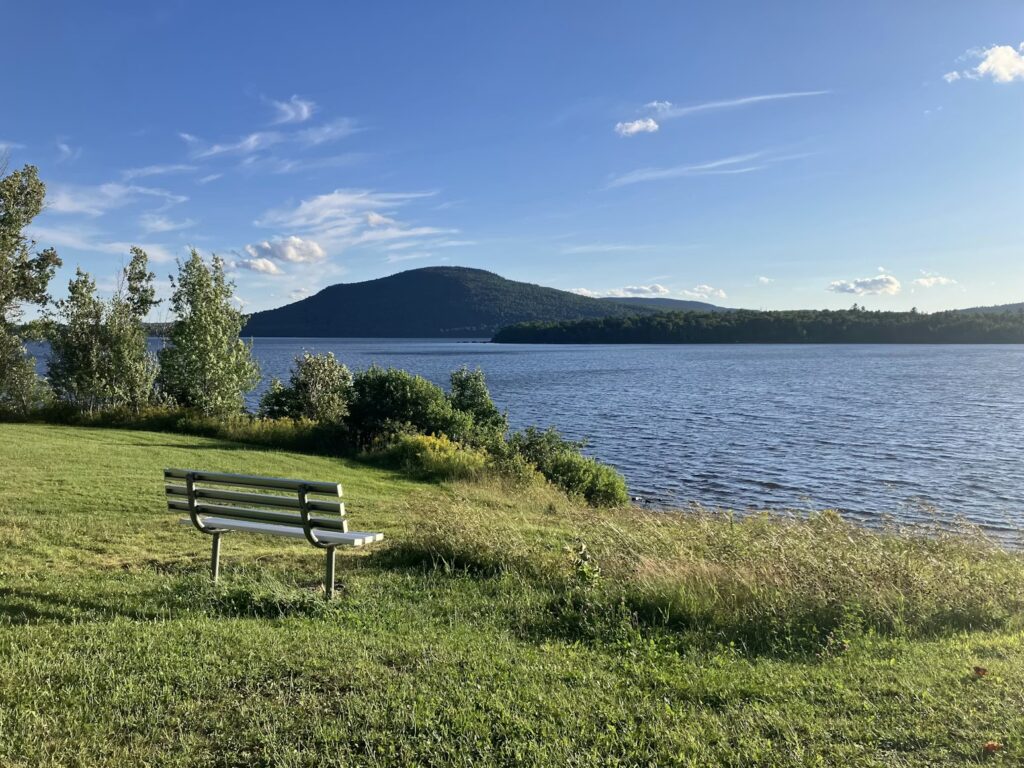
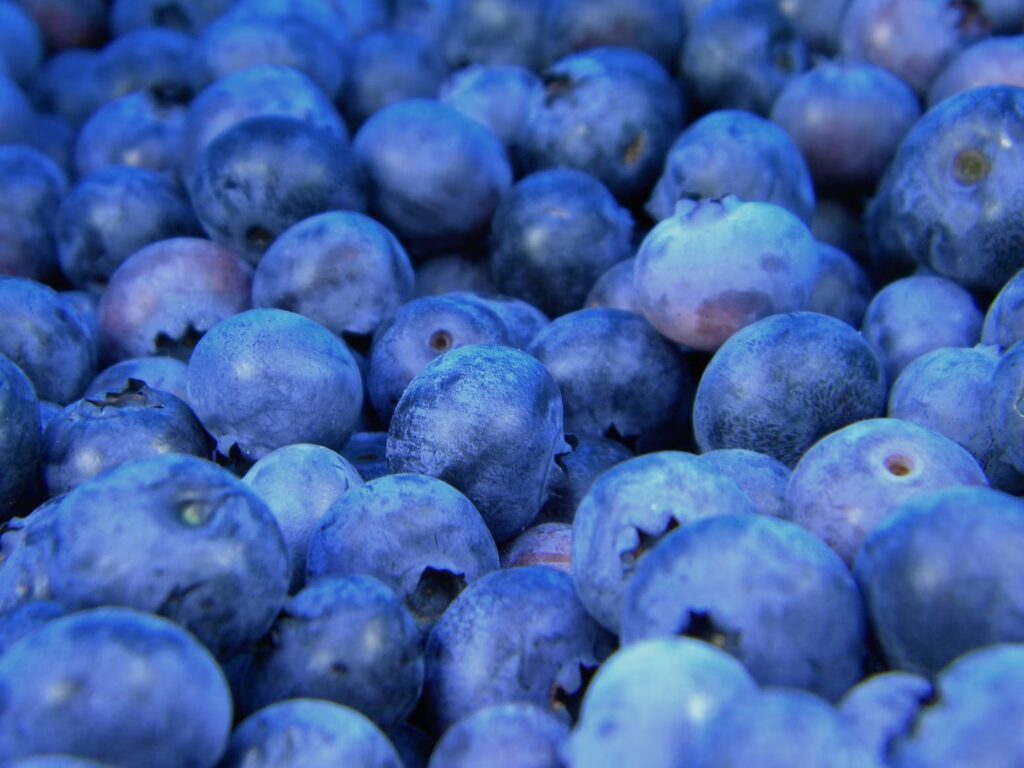
Summer brings the warmest weather of the year, with daytime highs typically in the mid-to-upper 70s°F along the coast, cooler on foggy days and right at the water’s edge, and slightly warmer inland. The ocean stays cold even in August, so most swimmers stick to the southern beaches or head to the lakes. June arrives with the strawberry harvest, July shifts to raspberries, and August closes the produce calendar with wild blueberries, which appear in everything from pies to pancakes across the state.
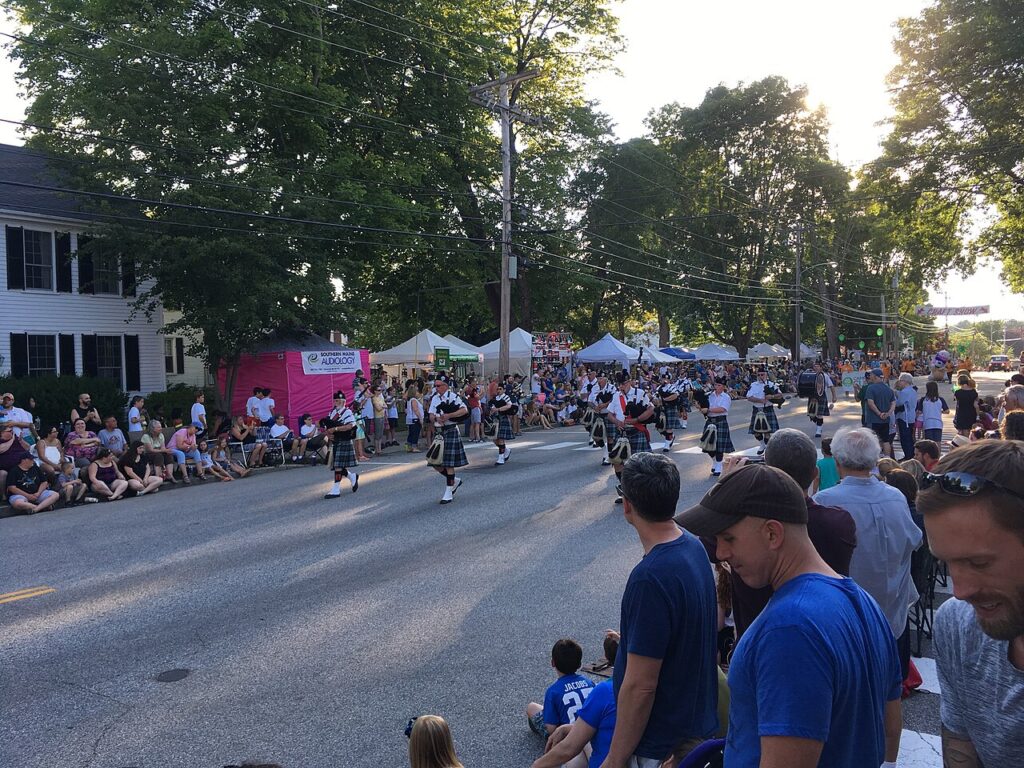
The festival calendar tracks the produce. The Yarmouth Clam Festival in mid-July is the largest of the early summer events, the Maine Lobster Festival in Rockland fills the first full weekend of August with parades and crustaceans, and the Great Falls Balloon Festival in Lewiston-Auburn rounds out the month. August is also when the crowds genuinely peak: parking in Bar Harbor becomes a serious sport, beach traffic in Ogunquit and Old Orchard Beach stretches restaurant waits, and the southern coast hotels reach maximum occupancy on most weekends.

One crucial 2026 rule: from May 20 through October 25, 2026, a timed-entry reservation on recreation.gov is required to drive Cadillac Summit Road in Acadia National Park. Sunrise tickets in particular sell out within minutes of release, so the booking date for your planned arrival month is a calendar item worth setting. Also note that the park is cashless, and non-US residents aged 16 and over pay an extra $100 per person on top of the standard entrance fee in 2026. For more on what to do once you’re there, see our guide to the best things to do in Maine.
Fall (September–October): The Golden Era
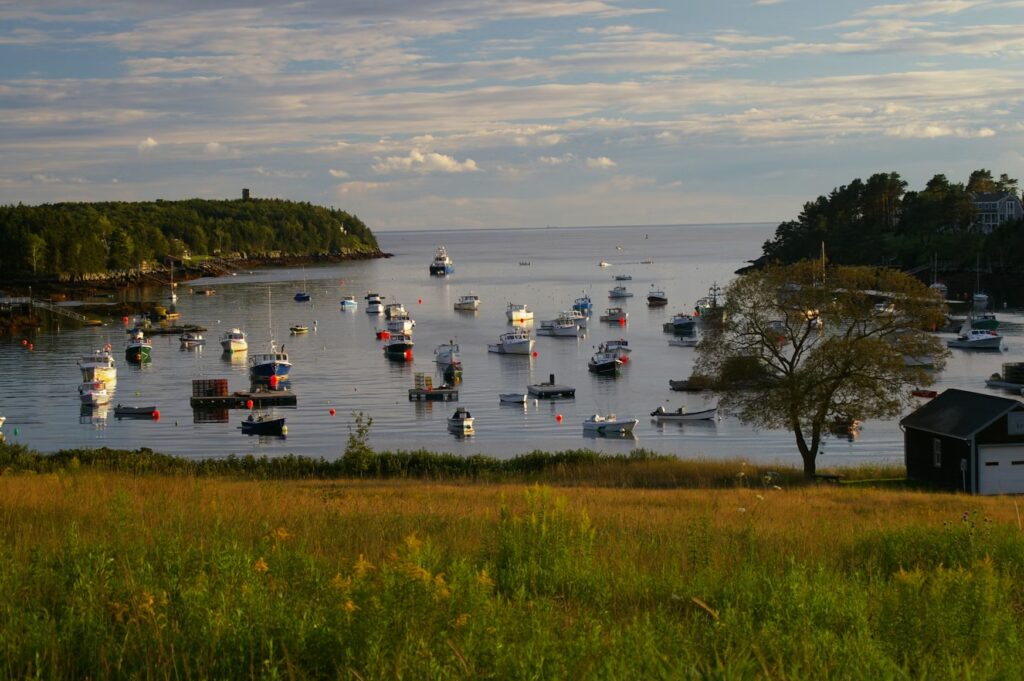
September is widely considered the best month in Maine, and the case for it is strong. The summer crowds thin sharply after Labor Day, the weather settles into something genuinely pleasant with cool nights and warm days, and the lobster harvest hits its peak. The lakeside camps in the western mountains, around Long Lake and Sebago, open up to availability that simply doesn’t exist in July or August.
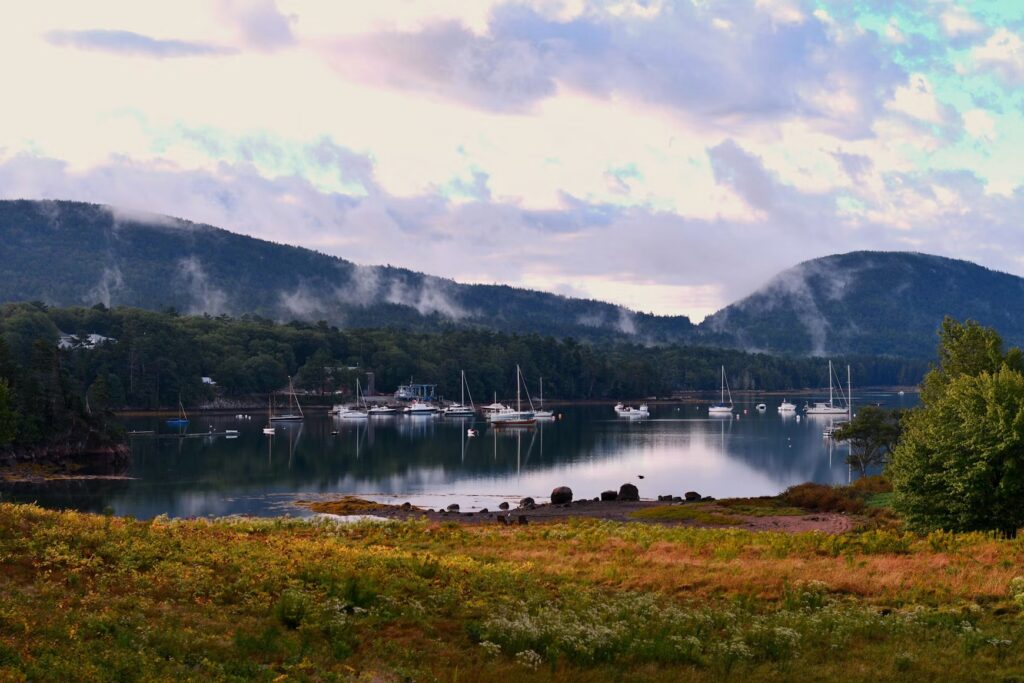
The foliage timing matters more than most guides admit. The northern interior, including Baxter State Park and the Aroostook County hills, peaks in the last week of September. The central regions follow in early October, and the coastal areas around Portland don’t typically peak until the last two weeks of October. Building a trip around the peak requires watching real-time foliage reports as the date approaches, since the window can shift by a week in either direction. For a route that follows the color, see our Maine in the fall road trip guide.
One safety note: while direct hurricane landfalls in Maine are rare, August and September carry residual risk from tropical systems tracking up the Eastern Seaboard. Trip insurance and flexible booking matter more in these months than at any other time of year.
Winter (November–March): Skiing and Cultural Trails
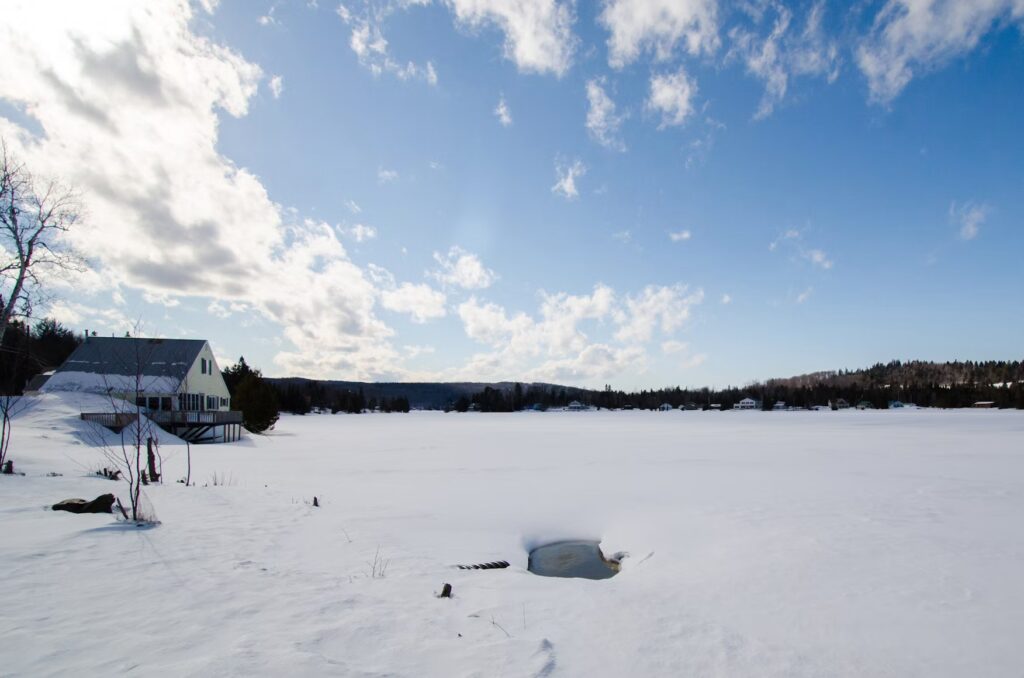
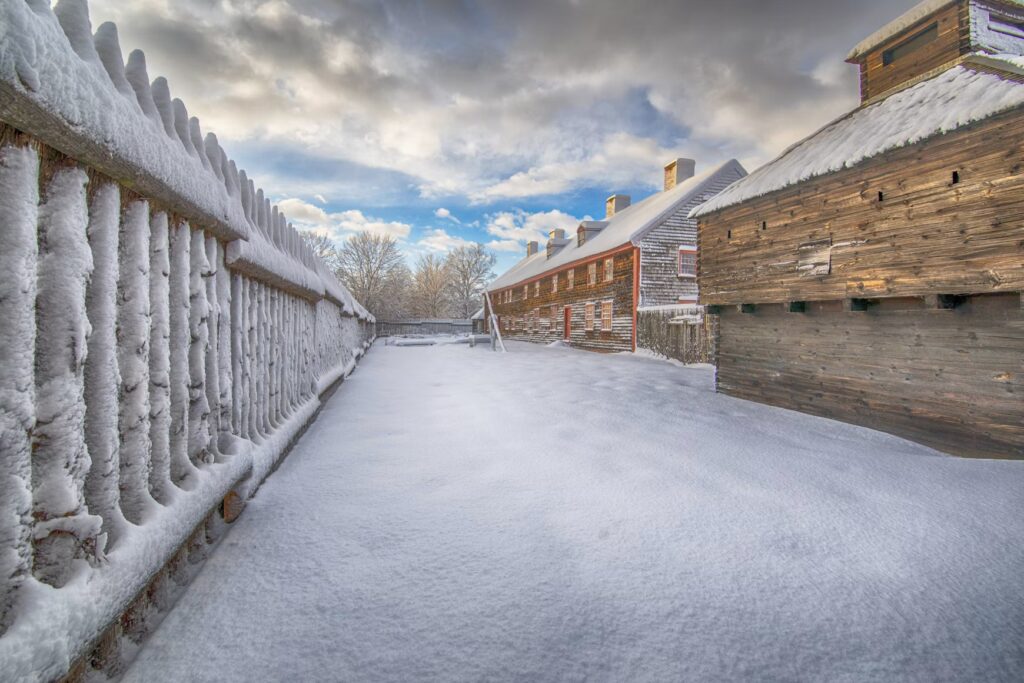
Maine in winter is a different state. The coast quiets, the snow accumulates in serious depth across the western mountains, and the focus shifts inland to skiing and cultural travel. Sugarloaf, in the Carrabassett Valley, is one of the largest ski resorts in the East. On clear, dark winter nights, Aroostook County is one of the better places in the Northeast to catch the northern lights during periods of strong solar activity.
The Maine Art Museum Trail links art museums across the state, including the Portland Museum of Art, the Farnsworth in Rockland, and the Bowdoin College Museum of Art, and it’s the kind of itinerary that works exceptionally well in cold weather. Lift tickets at Sugarloaf run $120–$180 per day depending on the date, and lodging through the ski season holds steadier rates than the coast, which discounts sharply.
Spring (April–May): The Shoulder Season Gamble
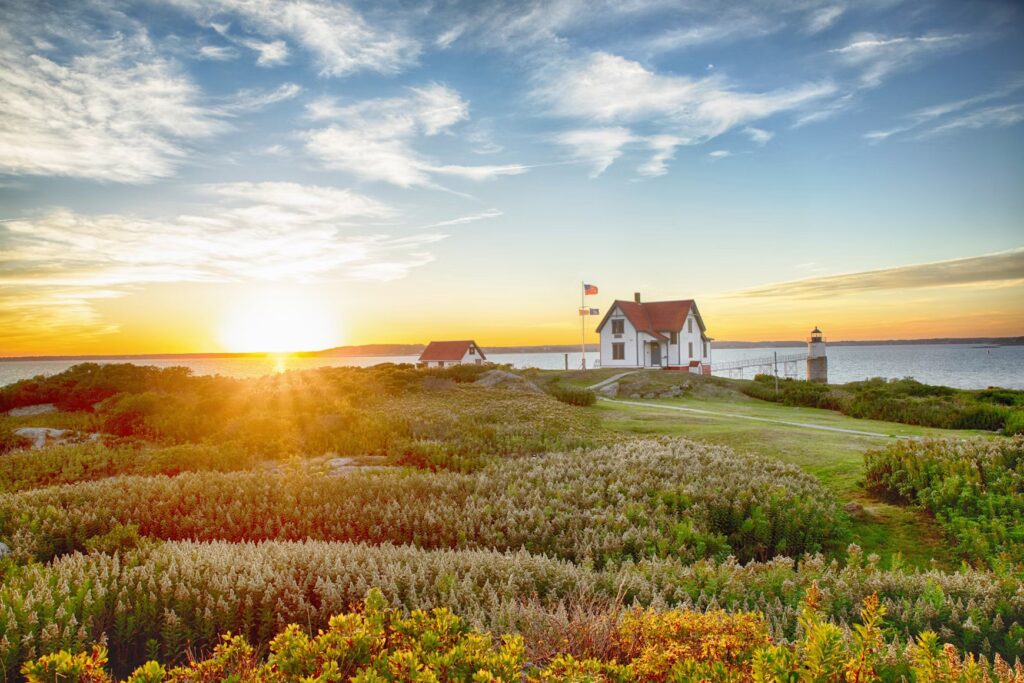
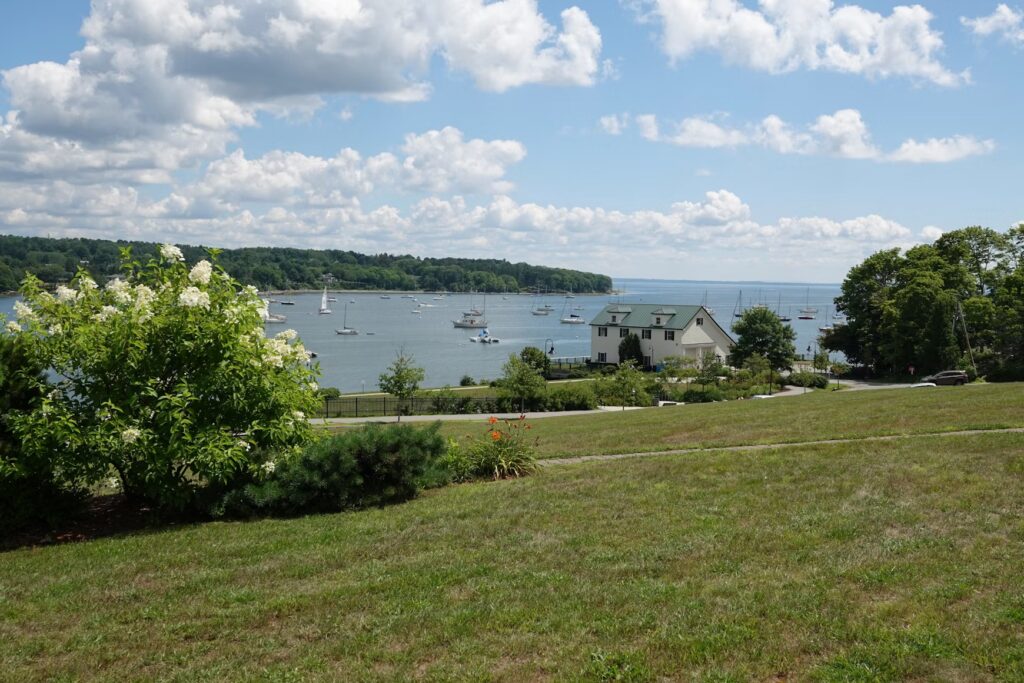
Spring is the most variable season in Maine and the hardest to plan around. April carries mud season, May brings the first puffin sightings as the seabirds return to coastal nesting islands, and the puffin viewing window then runs through August. Seaweed Week, held in late April or early May depending on the year, celebrates the state’s small but serious seaweed harvesting industry, and Maine Maple Sunday in March or early April opens sugarhouses across the state to visitors.
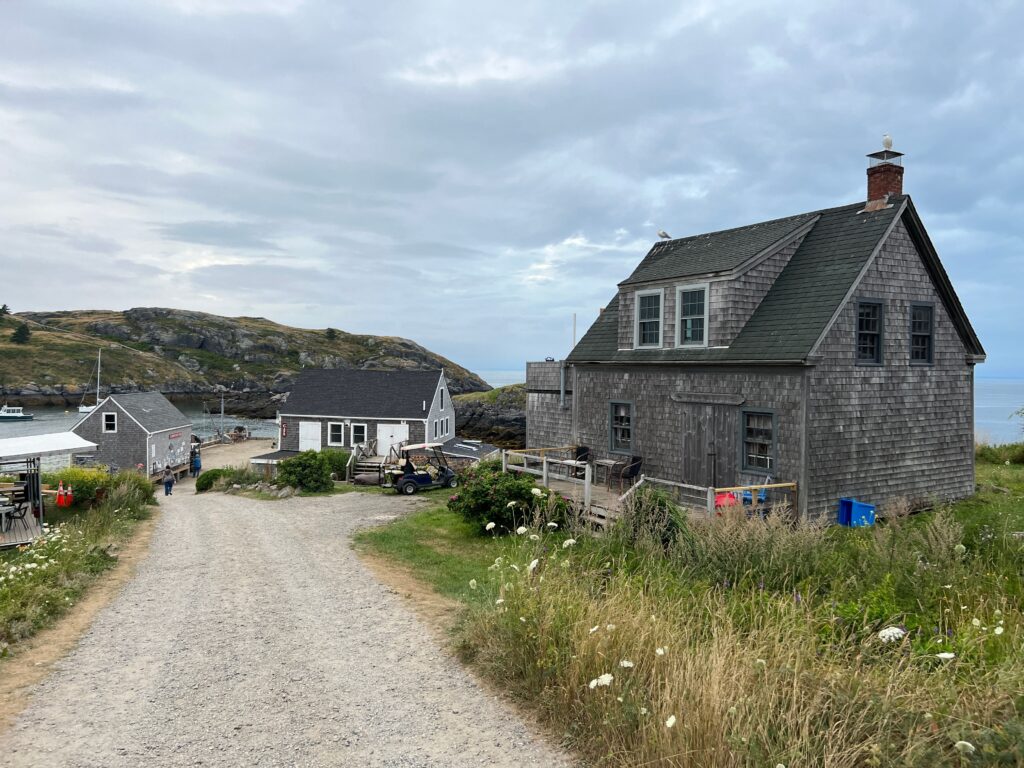
If you’re planning a ferry trip to Monhegan Island or one of the other offshore stops during the shoulder season, check the schedule carefully. The last ferries of the spring season often run earlier in the day than summer schedules, and missing one means an unplanned overnight stay on the island.
“Anytime” Maine: Breweries, Lighthouses, and Shopping
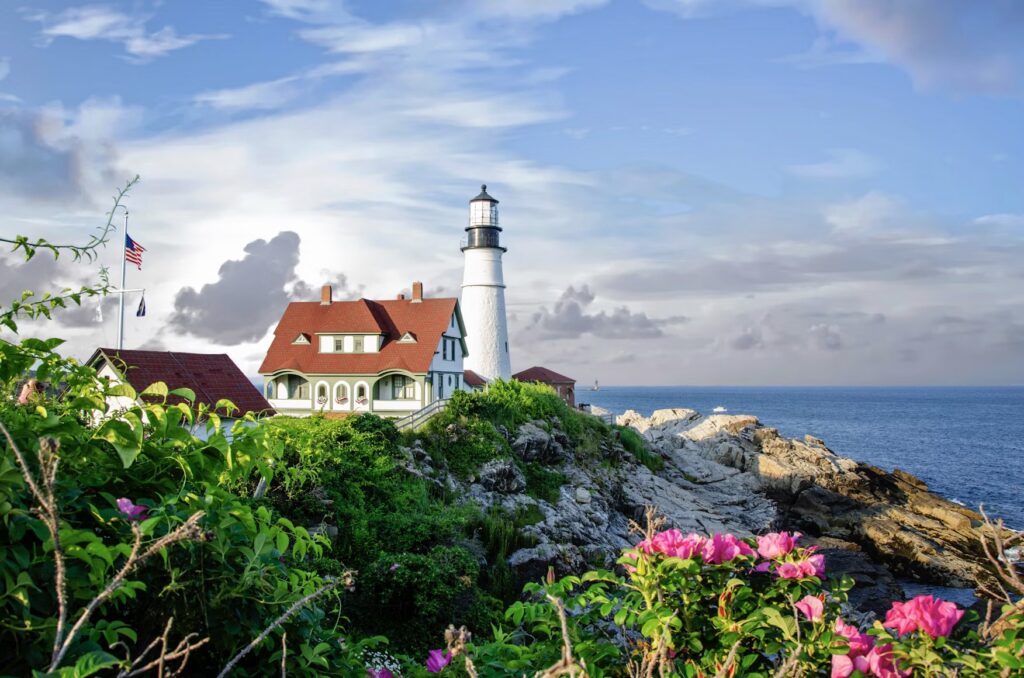
Several of Maine’s best experiences are weather-independent and run year-round, which makes the off-season more navigable than it first appears.
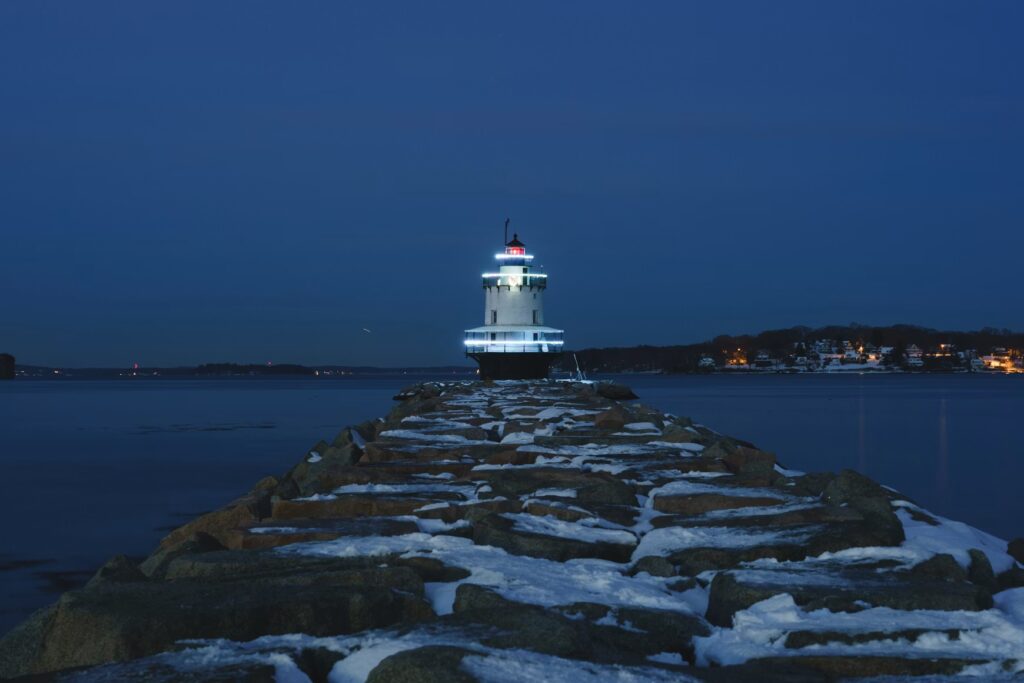
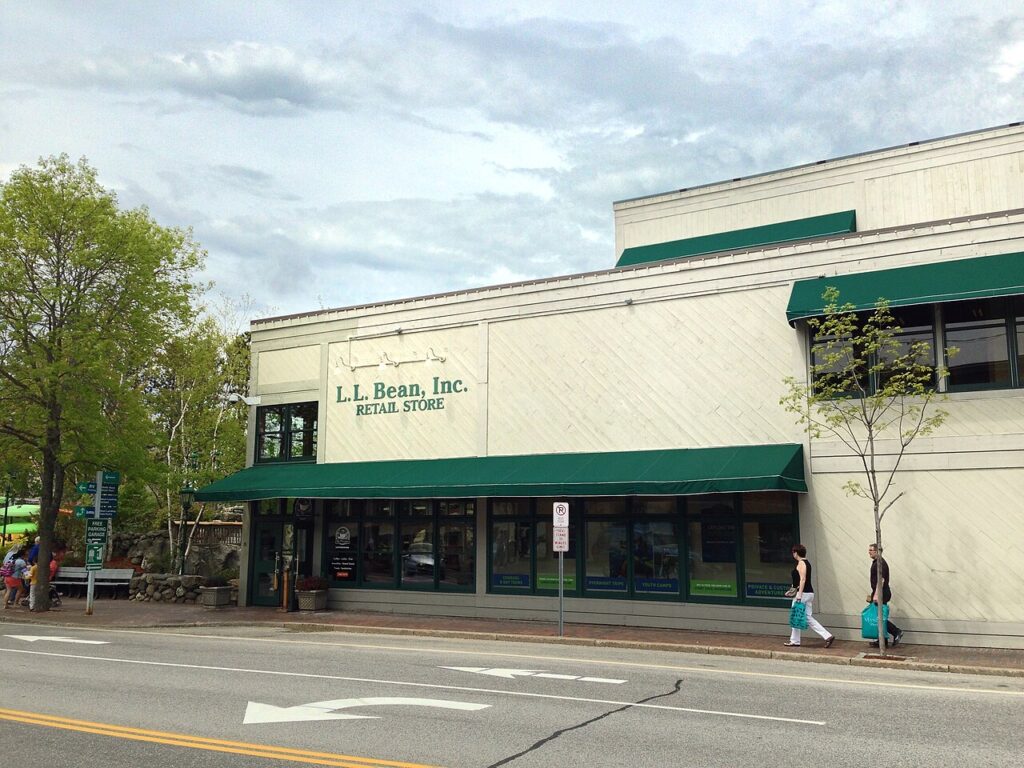
Portland’s craft beer scene is among the densest in the country, and East Bayside packs a cluster of breweries and tasting rooms, including Belleflower, into a few walkable blocks for a brewery crawl that works whether it’s snowing or eighty degrees. Allagash, the city’s best-known brewery, sits a short drive west of downtown. The L.L. Bean flagship in Freeport operates 24 hours a day, 365 days a year, which is genuinely useful if a 3 a.m. fishing pole purchase is on the itinerary. Portland Head Light, built in 1791 and still operating, sits in Fort Williams Park (90 acres, free entry) and is just as photogenic in winter as in summer.
3 Essential Tips for Your 2026 Maine Trip
Pack in Layers (Even in Summer)
Maine afternoons can reach the 70s°F and then drop to around 50°F overnight, especially on the coast and in Acadia, where morning fog can keep things genuinely cold until mid-morning. A light jacket and a warm layer in the bag are essential even in July, and dismissing them as overpacking is a mistake first-time visitors make often.
Book Acadia Access Early
The Cadillac Summit Road timed-entry system, required from May 20 through October 25, 2026, fills fast during peak months, particularly for sunrise tickets. About 30% of reservations open 90 days ahead and the remaining 70% open two days before, both at 10:00 AM ET on recreation.gov, and popular slots go within minutes. If sunrise on Cadillac is on the must-do list, set a calendar reminder for the booking release date and have an account ready before then.
Ditch the Car When Possible
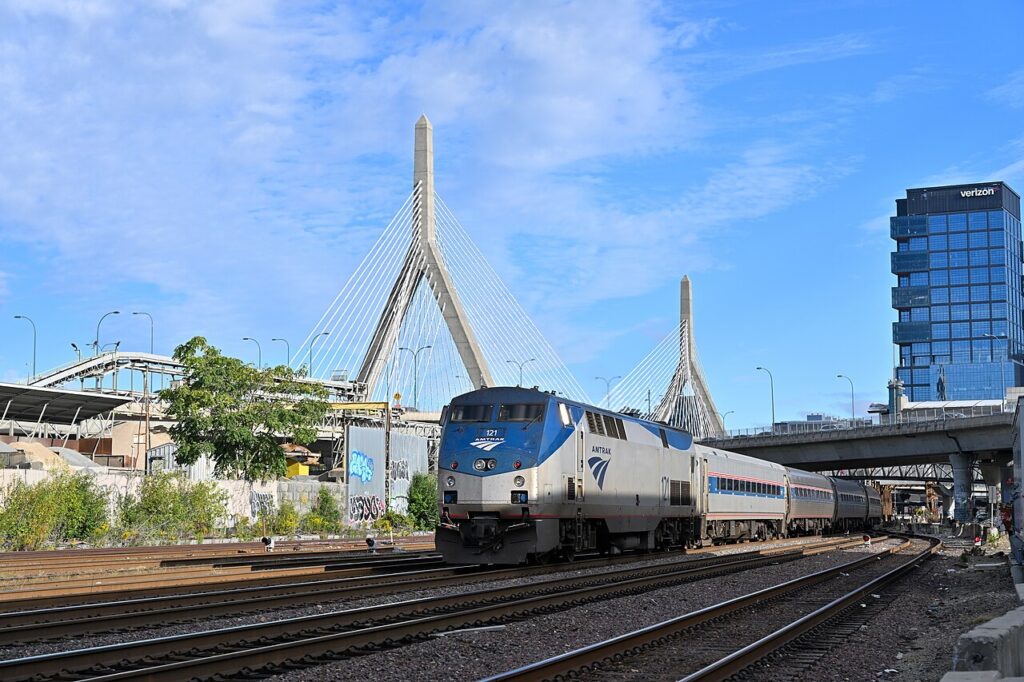
August traffic in southern Maine and around Bar Harbor approaches the worst urban-area gridlock most travelers ever encounter, and parking in popular towns like Kennebunkport and Ogunquit becomes a real time sink during peak weeks. The Amtrak Downeaster covers the southern coast effectively, and in-town trolleys in Bar Harbor and Ogunquit cover the last mile. A rental car still matters for the MidCoast and Acadia, but consider going carless for the Portland-and-south stretch of any trip.
2026 Maine Timing FAQ
What is the cheapest month to visit Maine?
November through April delivers the lowest hotel rates across most of the state, with the lone exception being the western mountains around Sugarloaf, where ski season inverts the pricing. For travelers willing to accept colder weather and shorter daylight in exchange for half-price lodging, the off-season represents one of the better travel values in the Northeast.
When is the best time to see whales in Maine?
Whale watching season runs from May through October, but the peak window for reliable humpback and finback sightings falls in August and early September, when the whales are feeding actively on the bait fish that congregate in the Gulf of Maine. Boats run regularly from Portland, Boothbay Harbor, and Bar Harbor.
When is the black fly season in Maine?
Black flies are at their worst from mid-May through mid-June, with the highest densities in inland Maine, around lakes, and in the deep woods of the Maine Highlands and Western Mountains. Coastal areas escape the worst of it. DEET-based repellent, long sleeves, and a head net are the standard kit for any outdoor activity during this window.
Can you swim in the ocean in Maine?
Yes, but expect cold water even at the height of summer. The southern beaches, such as Ogunquit and Old Orchard Beach, are the most comfortable in late July and August, while water further up the coast and around Acadia stays noticeably colder. For warmer swimming, Maine’s inland lakes are the better bet.
Is Maine too crowded in August?
Yes, in the most visited corners. August is the peak month, traffic surges meaningfully on I-95 and US-1, and the beaches along the southern coast plus Acadia National Park reach uncomfortable densities on weekends. The MidCoast and Down East regions stay more manageable, and weekday visits everywhere fare better than weekends.
When is new-shell lobster season?
New-shell lobster, which has just molted and offers sweeter, easier-to-extract meat, is most abundant and best-priced in late September. Hard-shell lobster is available year-round, but the September window is when the supply peaks and the price drops noticeably. Most Maine lobster shacks distinguish between the two when describing the day’s catch.
Does Maine get hurricanes?
Direct hurricane landfalls in Maine are rare but not impossible, and the state more frequently experiences the residual effects of tropical systems tracking up the Eastern Seaboard from August through September. Trip insurance and flexible booking matter more in those months than at any other time of year, particularly for travelers visiting from inland states unfamiliar with hurricane-track adjustments.
Final Verdict: Choosing the Best Time to Visit Maine
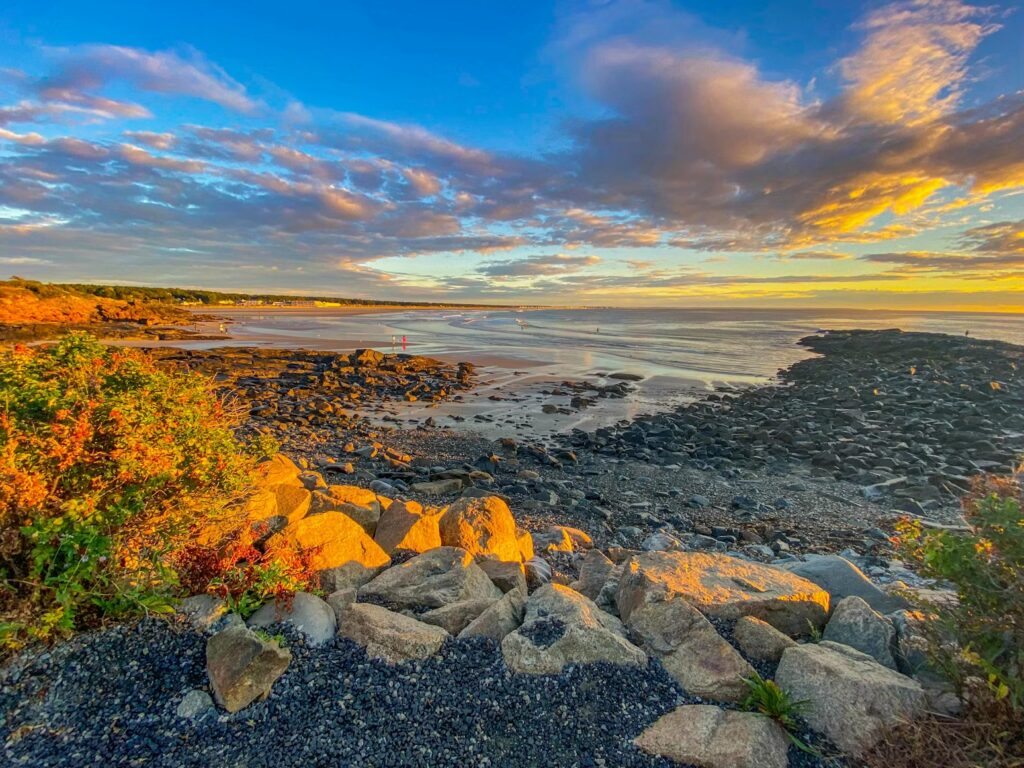
Choosing when to visit Maine comes down almost entirely to what you want from the trip. The traveler chasing perfect weather, lobster at its peak, and the absence of summer crowds has one clear answer: book September. The traveler watching the budget should look at November through March outside of the ski resorts, where lodging rates drop by half or more. The traveler who can only travel in August should accept the crowds in exchange for the warmest water, the produce harvest, and the heart of the festival calendar.
Two things matter regardless of when the trip lands. Check the trail status before any inland hike in April, when mud season closures shift week to week. And pack DEET if you’re traveling between mid-May and mid-June, because the alternative is genuinely unpleasant.
For deeper planning, the companion guide to the 19 best places to visit in Maine breaks down where to go by region, and the 25 best things to do in Maine guide picks up where the seasonal calendar leaves off.