
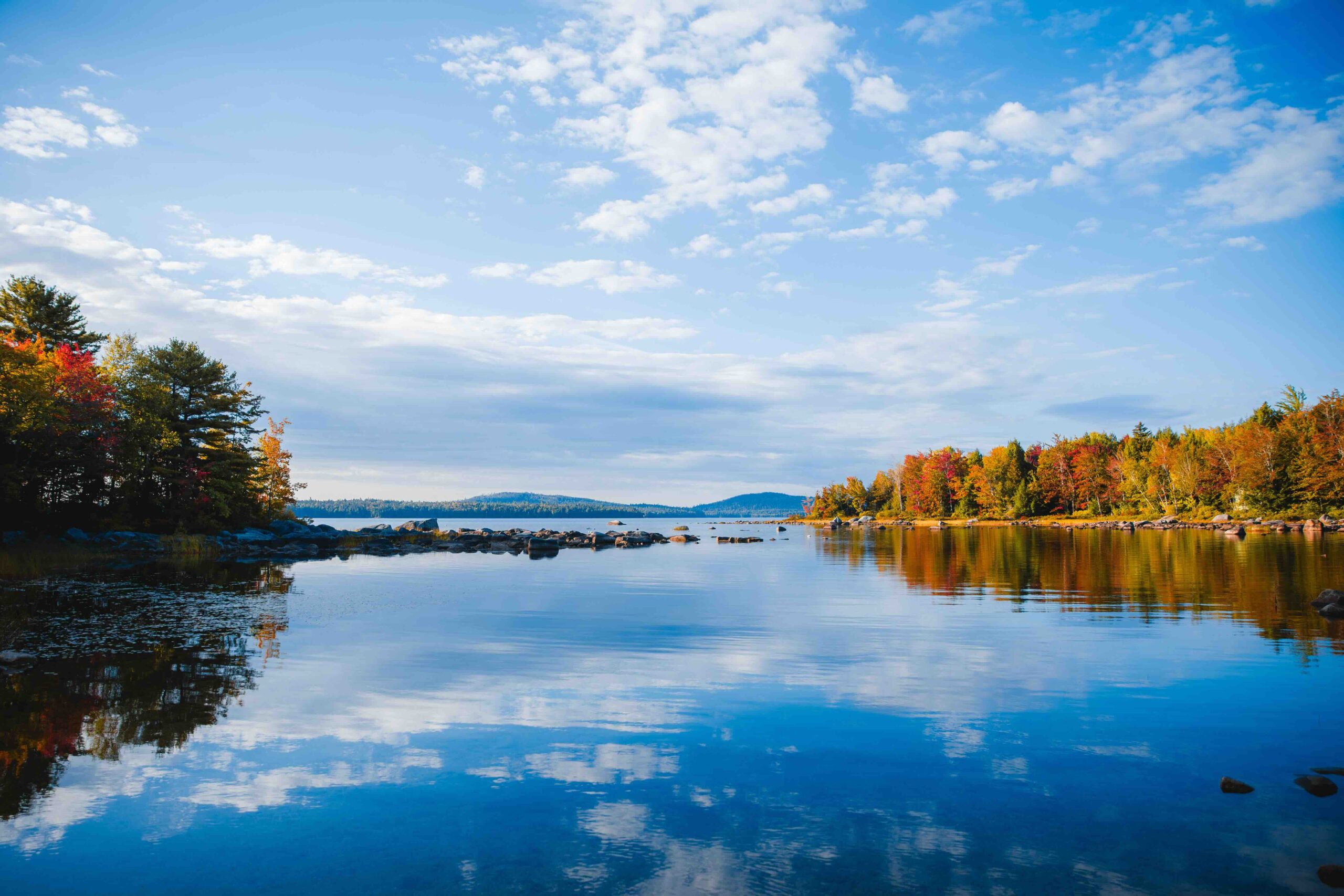
Every fall, millions of travelers head north for a few weeks of one of the most spectacular foliage displays in the United States. Maine in the fall isn’t a single event though. It’s a 4-week color wave that moves down the state from the northern wilderness to the southern coast, and missing the right window by a week can mean arriving to bare trees in one region or unchanged green canopy in another. The 300-plus miles between Aroostook County in the north and the York County coast in the south create a real planning challenge: peak in Baxter State Park can land a full 3 weeks before peak in Portland. This guide walks through the 2026 timing region by region, ranks the scenic drives by what kind of trip you’re planning, lays out 3-, 5-, and 7-day itineraries, and covers the budget and logistics that determine whether the trip goes well.
Pricing disclaimer: The 2026 estimates below reflect publicly listed rates from Maine operators at the time of writing. Hotel rates in particular spike sharply during October fall foliage, often 50% or more above shoulder-season prices. Verify directly with each operator before booking, and book several months in advance for peak-color weeks.
When to Go: The 2026 Maine Fall Foliage Peak Times
Fall color in Maine moves from north to south on a fairly predictable schedule, though the exact week shifts year to year based on weather. Three timing windows cover the state.
Late September to Early October: Northern Maine
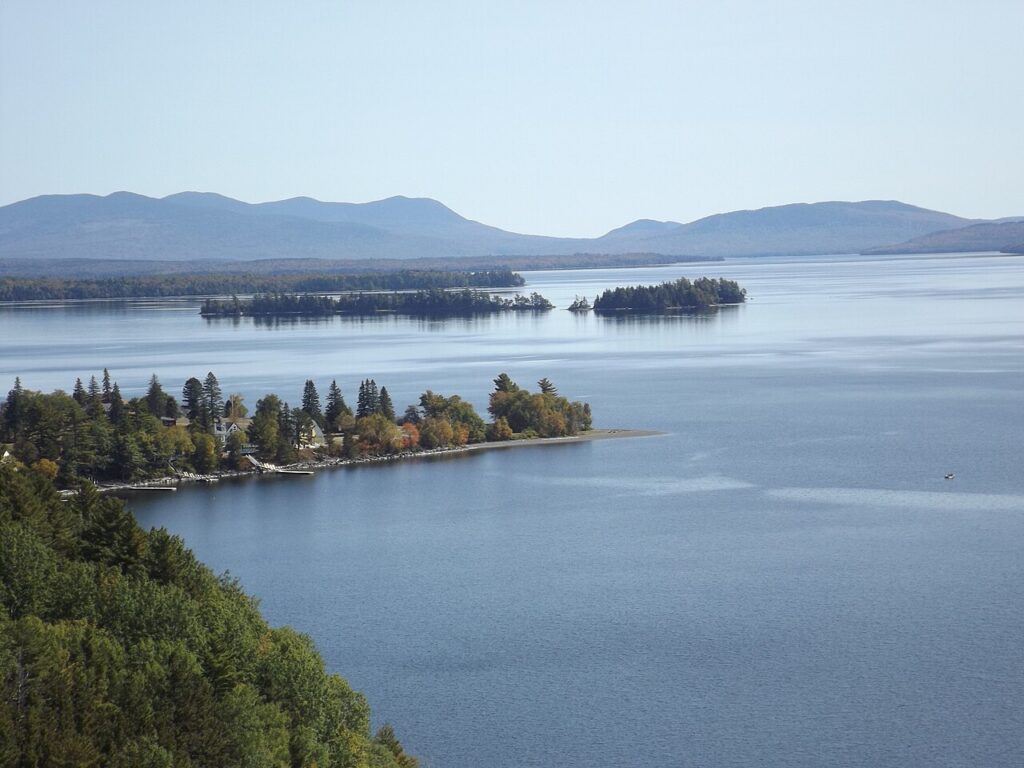
The first wave of color arrives in Aroostook County, Baxter State Park, and the Moosehead Lake region during the last week of September and the first week of October. Cooler temperatures and higher elevations push the leaves several weeks ahead of the rest of the state. This is the quietest window for a leaf-peeping trip, with significantly fewer travelers than peak weeks bring to Acadia or Camden. The Aroostook potato fields turn golden at the same time the surrounding hardwood forests explode in red and orange, which is a combination found nowhere else in New England.
Mid-October: Central Maine and the Western Mountains

The Western Mountains region, including Rangeley, Bethel, and the inland areas around Grafton Notch State Park, reaches peak color around Indigenous Peoples’ Day weekend, which typically falls in the second week of October. This is the broadest and most reliable peak window for the state. Acadia National Park enters peak during this stretch as well, with the southwestern side of the park hitting peak around the second week of October and the northeastern side peaking the third week.
Late October: Coastal Maine

The southern coast holds its color the longest. Portland, Camden, Kennebunkport, and the York County beaches typically reach peak between October 12 and 22, sometimes pushing into Halloween in warmer years. Travelers who can’t make it north earlier in the month still have a strong leaf-peeping window along the coast in late October, with the added bonus of milder weather and slightly thinner crowds than the inland peak weeks.
Quick-Decision Matrix: Choose Your Fall Vibe
Rather than ranking towns against each other in the abstract, the matrix below filters them by what kind of trip you’re planning. Daily budget estimates assume one hotel night plus food.
| Region & base town | Best for | Crowds | Est. daily budget (hotel + food) |
| Camden / MidCoast | Mountains meeting the sea, lakeside hiking | Busy | ~$250–$400/day |
| Acadia / Bar Harbor | Iconic coastal cliffs framed by foliage | Very busy | ~$300–$500/day |
| Rangeley & Bethel | Lake-and-mountain scenic driving in the west | Quiet | ~$150–$250/day |
| Bangor | Cultural stops, Stephen King tour, gateway to nature | Moderate | ~$150–$200/day |
The Best Maine Fall Foliage Scenic Drives (Ranked by Travel Style)
The right scenic drive for your trip depends almost entirely on what you actually want from the experience. Three categories cover the practical choices.
1. The Iconic Route: Acadia Park Loop Road
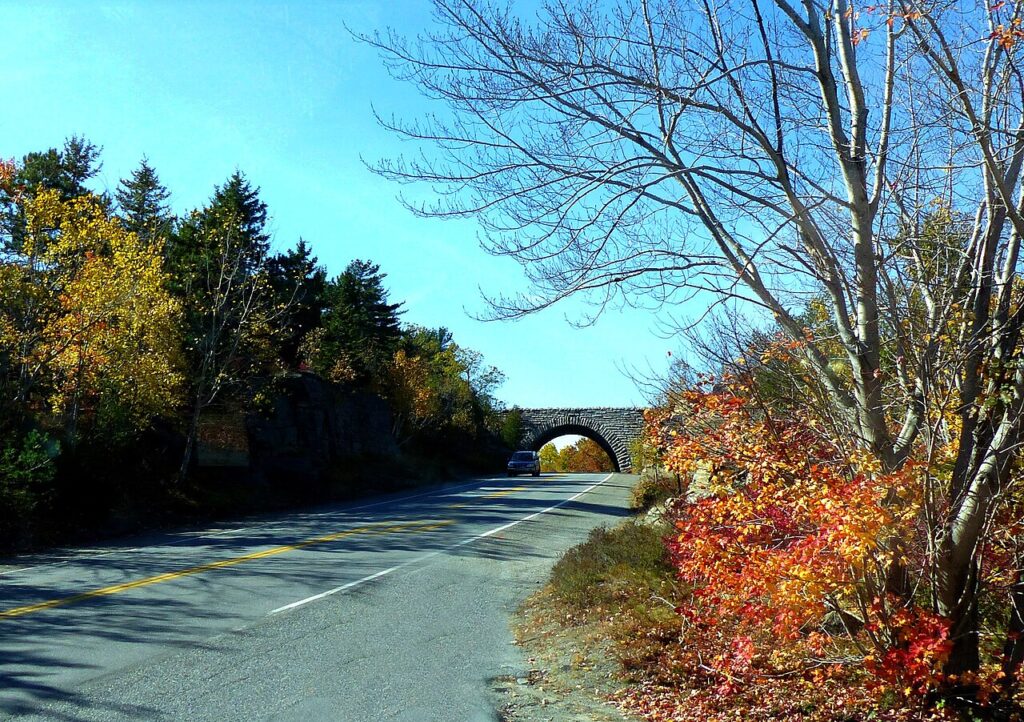
Acadia’s 27-mile Park Loop Road is the most photographed fall foliage drive in Maine for legitimate reasons. The route threads coastal granite cliffs, glacial lakes, and the famously color-saturated hardwood forests of Mount Desert Island, all within a single morning’s drive. The shots from Otter Cliff and the overlook above Frenchman Bay are the postcards that draw most leaf-peepers to Maine in the first place.
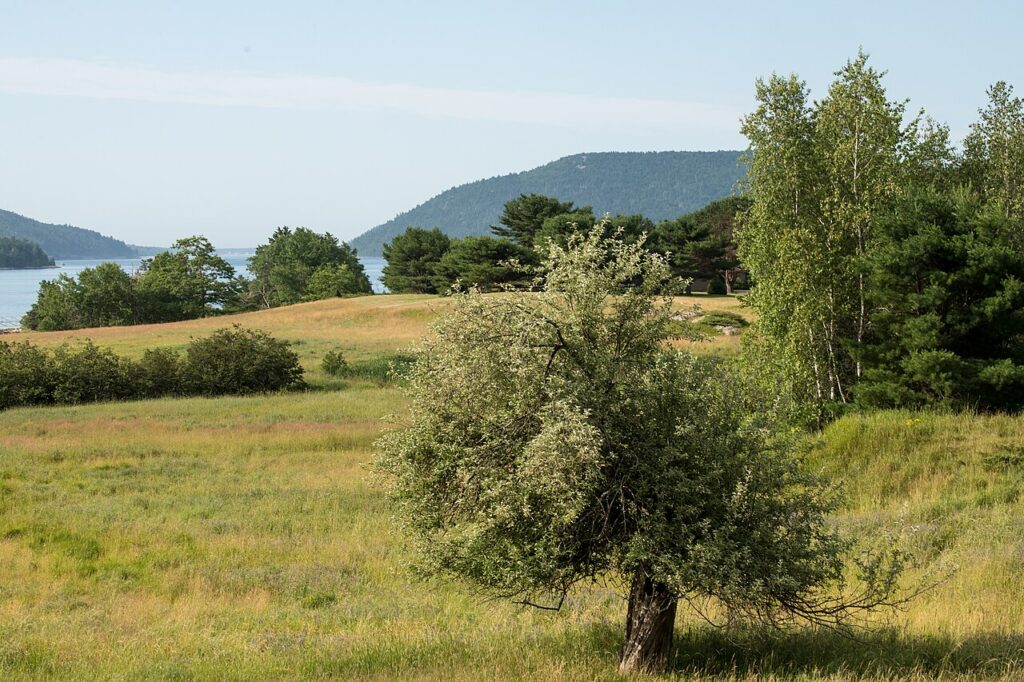
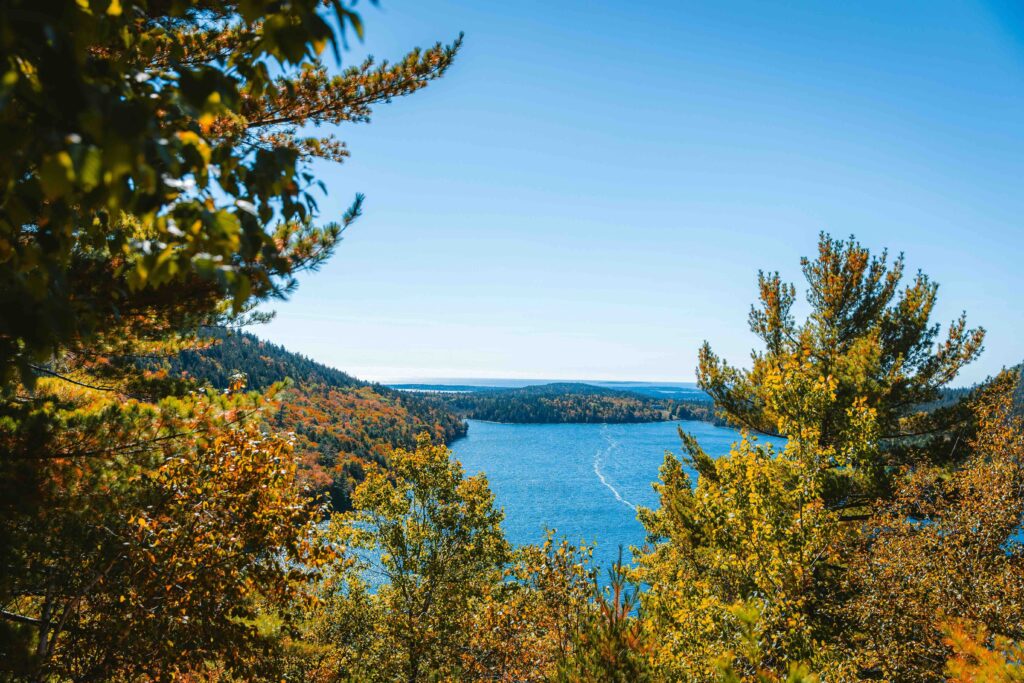
The trade-off is real: Acadia in October is one of the most crowded national park experiences in the country, with parking lots filling by 8:30 AM and the Park Loop Road slowing to a crawl on peak-color weekends. Strategy matters here. Arrive at the park entrance by 7:00 AM at the latest, drive the loop counterclockwise to avoid the worst traffic patterns, and have a backup plan if Cadillac Mountain Summit Road reservations sold out (sunset at Blue Hill Overlook covers similar views with less competition). Park entry is $35 per vehicle for a 7-day pass; the Cadillac Summit Road requires a separate $6 timed-entry reservation booked through recreation.gov, with sunrise tickets in particular selling out within seconds of release.
2. The Mountain Escape: Rangeley Lakes Scenic Byway
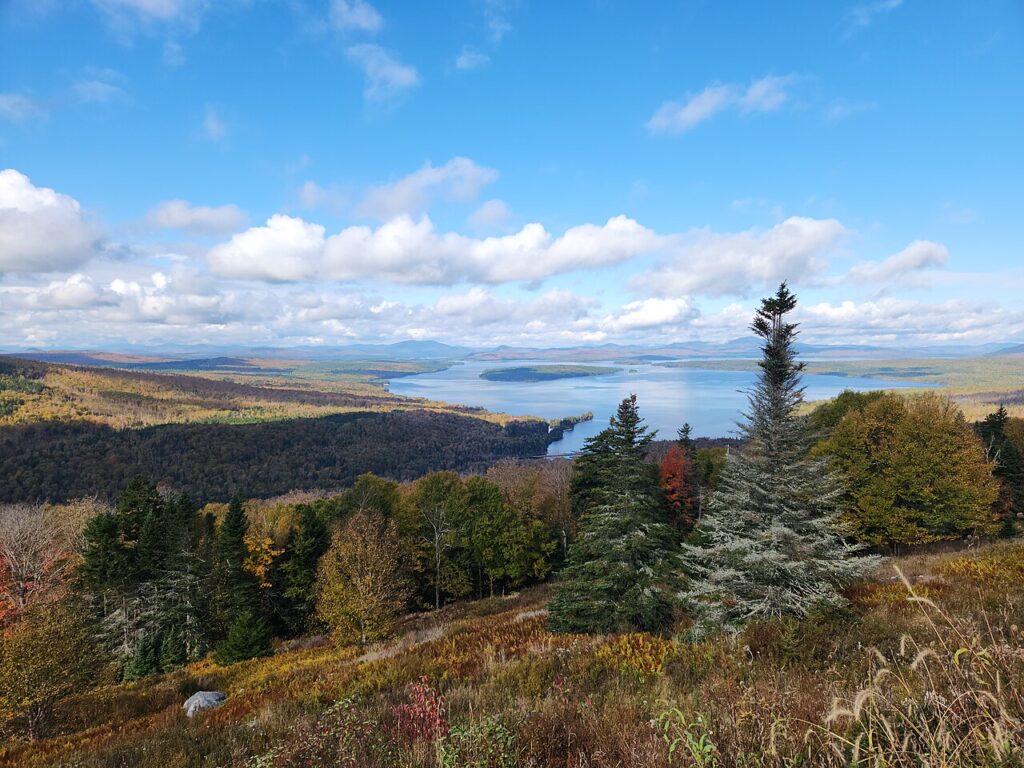
For travelers who want serious fall color without serious crowds, the Rangeley Lakes Scenic Byway along Routes 17 and 4 is the strongest alternative to Acadia. The byway wraps around Rangeley Lake through the Western Mountains, following the ridgeline of the Appalachian range before dropping into rolling hills and valleys. The centerpiece is the Height of Land overlook on Route 17, often called the most spectacular roadside view in northern New England, with sightlines over Mooselookmeguntic and Upper Richardson Lakes plus the White Mountains visible in New Hampshire.
The full byway covers roughly 36 miles and takes about 2.5 hours with stops. The trade-off is distance from the urban areas: Rangeley sits about 3 hours from Portland and 5 hours from Boston, which makes this a multi-day commitment rather than a day trip. The reward is genuine wilderness scenery and a tenth of Acadia’s traffic. Best driven at sunrise, when the morning light catches the lakes.
3. The Hidden Gem: The Bold Coast and Schoodic Byway
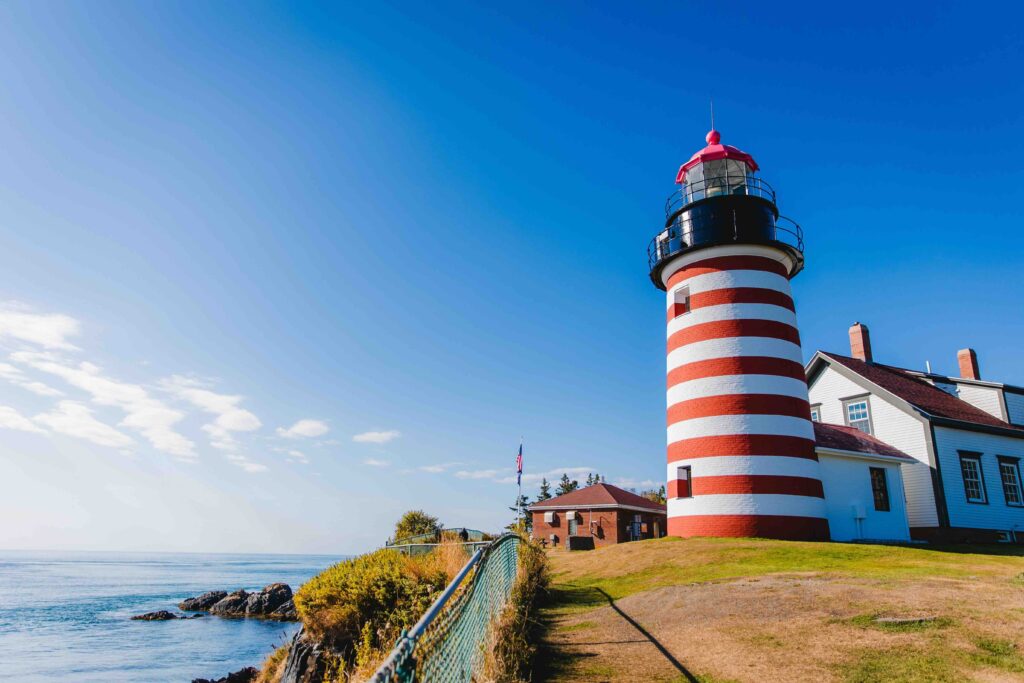
The Bold Coast Scenic Byway, running roughly 125 miles from Milbridge to Lubec or Eastport along Maine’s far Downeast coast, is the road for travelers who want fall color without other travelers. The drive passes wild blueberry barrens that turn deep crimson in autumn, working fishing harbors, and the candy-striped West Quoddy Head Lighthouse marking the easternmost point in the continental United States. The Schoodic Peninsula section of Acadia, accessible via the byway, sees a fraction of the visitors that the main island does.
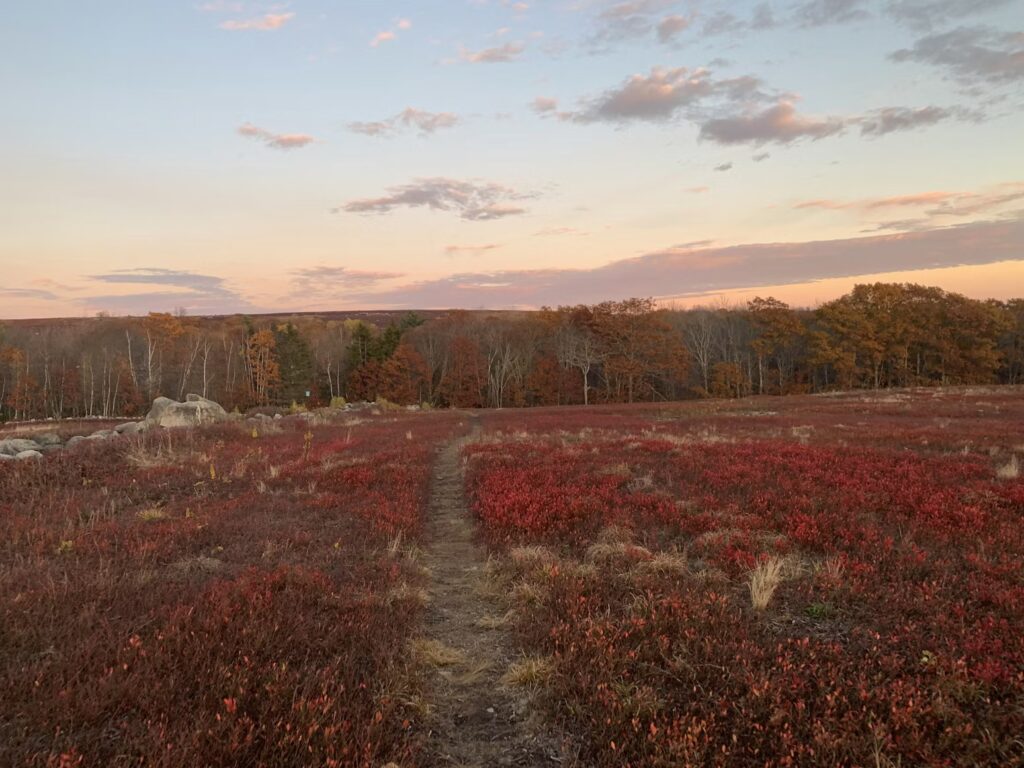
The catch is that this is a serious commitment. The Bold Coast is sparsely populated, services are limited, and the drive itself runs 4 to 5 hours one-way from Bangor. Plan for at least 2 nights in the region to make the distance worthwhile. The crowds are negligible, the scenery is rawer and less manicured than Acadia, and the lobster shacks along the route are some of the best in the state for travelers who prefer working harbors to tourist towns.
Head-to-Head Comparisons: Where Should You Go?
Three direct comparisons cover the most common dilemmas leaf-peepers face when picking a base for the trip.
Portland vs. Camden
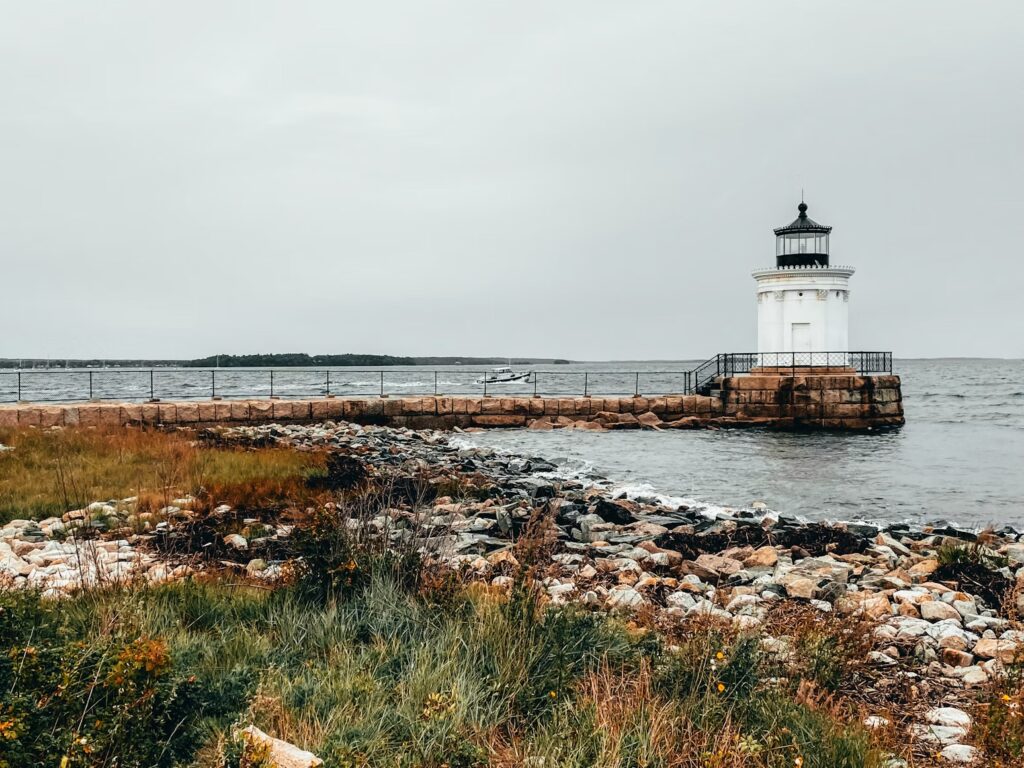

Portland makes the better base for travelers who want an urban fall trip with a top-tier restaurant scene, walkable lighthouse access, and the lodging variety of a small city. The downside is that Portland’s foliage is comparatively modest. The peak color here arrives late and the surrounding landscape is more suburban than rural. Camden, by contrast, delivers genuine mountains-meeting-sea scenery within minutes of downtown. The view from Mount Battie straight down to Camden Harbor is one of the more dramatic fall vistas anywhere in New England. The trade-off for Camden is the smaller restaurant scene and the higher demand on October lodging, which fills 6 months ahead.
Acadia vs. The Bold Coast

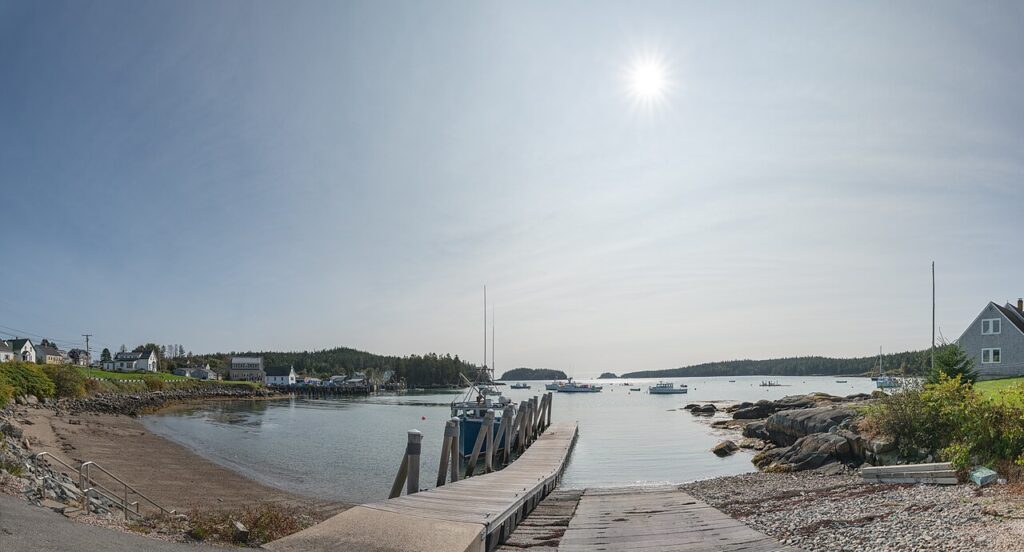
Acadia is the right call for first-time visitors who want the iconic Maine fall photographs and accept crowded conditions as the price of admission. The infrastructure is robust, the trails are well-maintained, and the views genuinely live up to their reputation. The Bold Coast is the right call for return visitors, travelers who’ve already done Acadia, or anyone whose ideal fall trip involves significantly fewer people. The scenery is harsher and less postcard-perfect, the lodging is more basic, and the drive is longer, but the experience is closer to what Maine’s coast felt like before mass tourism arrived.
Rangeley vs. Moosehead Lake
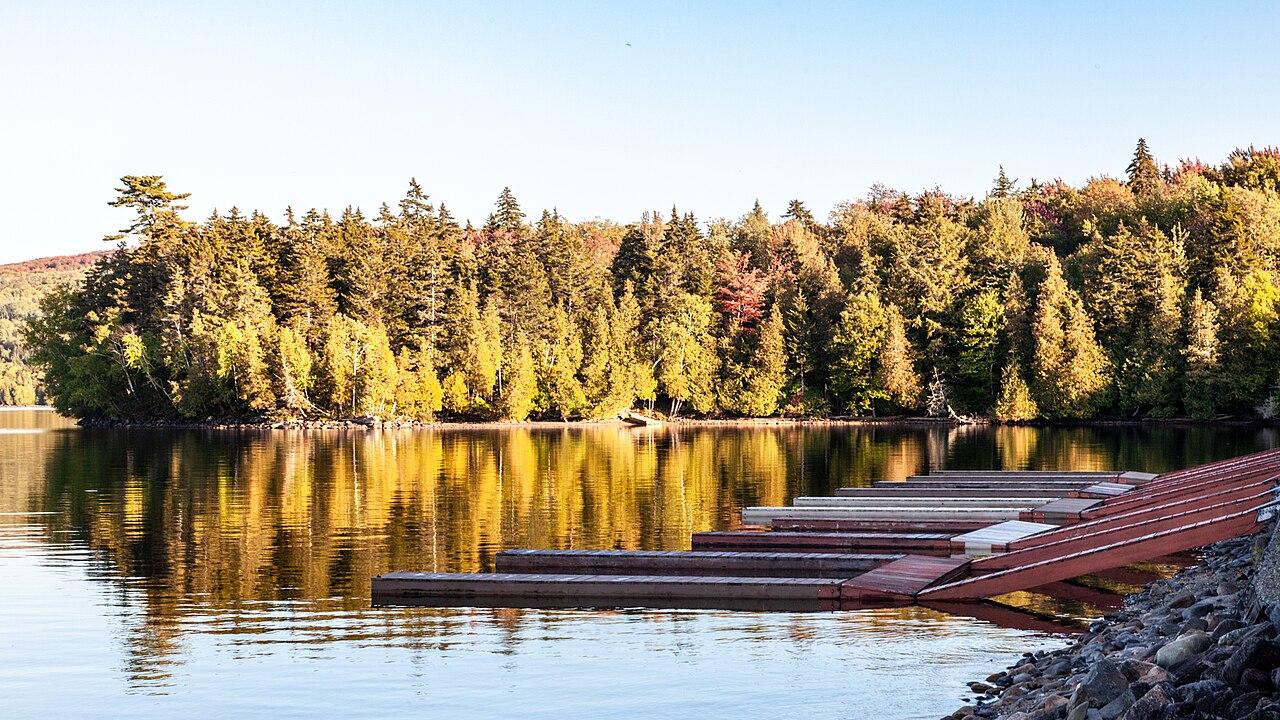
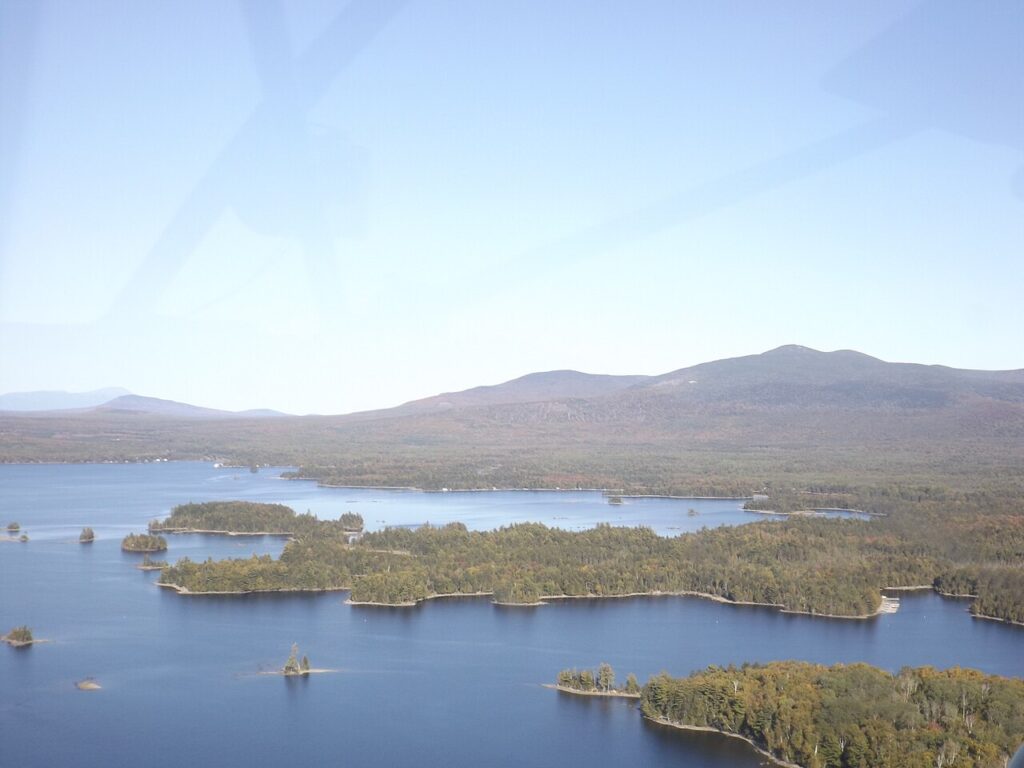
Both deliver inland mountain-and-lake scenery without coastal crowds, but they suit different priorities. Rangeley focuses on the rolling-hills aesthetic of the Western Mountains, with easier driving access and a more developed small-town infrastructure. Moosehead Lake, further north, is wilder, larger (Maine’s biggest lake by surface area), and significantly better for wildlife viewing, particularly for moose during their active fall season. Rangeley works better for travelers prioritizing scenic drives; Moosehead works better for travelers prioritizing wildlife and remote feel.
The Maine Fall Foliage Itinerary Engine (3, 5, and 7 Days)
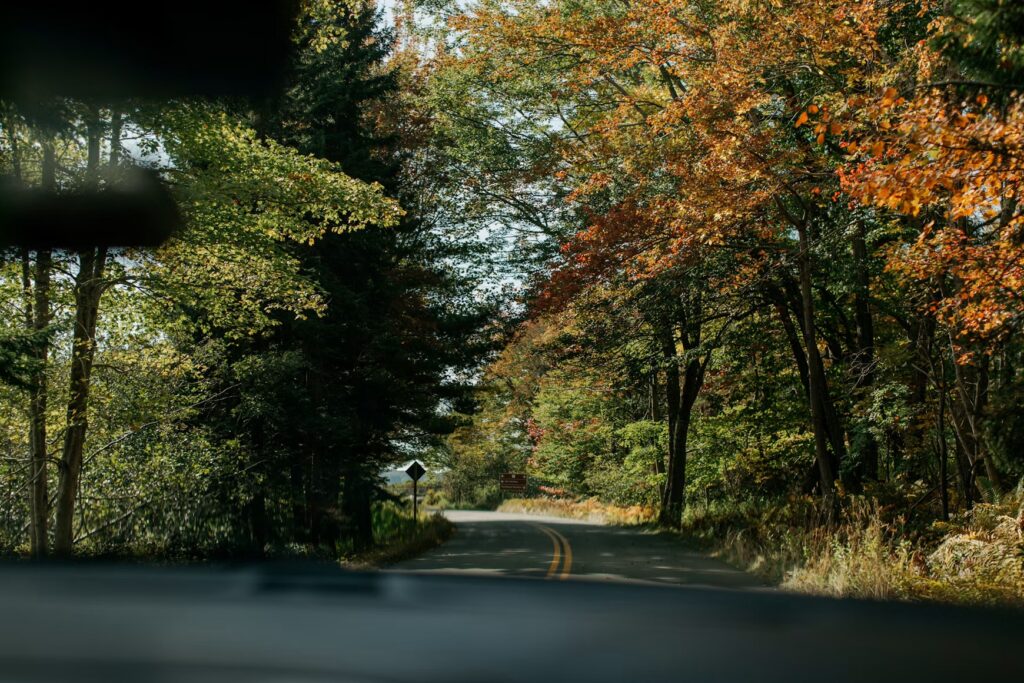
The hardest part of a Maine fall trip isn’t picking the destinations. It’s sequencing them well enough that the driving stays manageable and the timing lines up with peak color. The 3 frameworks below scale from a quick weekend escape to a full week-long road trip, each built around proven driving routes and tested pacing.
Option 1: The 3-Day Coastal Sampler (First-Timers)
- Best for: Travelers with limited time, families, or anyone visiting Maine for the first time.
- When to go: Second or third week of October, when coastal foliage hits peak.
- Total driving: Roughly 4 hours over 3 days.
This is the trip for travelers who want a real taste of coastal Maine in autumn without committing to a serious road trip.
Day 1: Portland. Fly into Portland International Jetport (PWM) and spend the afternoon in the Old Port, walking the cobblestone streets and the working waterfront. Sunset at the Eastern Promenade frames the harbor in soft October light. Dinner at one of the harborside restaurants closes the day.
Day 2: Coastal drive to Camden. Drive 2 hours north along Route 1, with a mid-morning coffee stop in Brunswick or Bath. Arrive in Camden by lunch, climb Mount Battie in the afternoon for the panoramic view of Penobscot Bay framed by autumn color, and finish with dinner at a Camden harborside restaurant.
Day 3: Back south to Portland. Drive back along Route 1, stopping in Wiscasset (often called the “Prettiest Village in Maine”) and grabbing a slice of blueberry pie at one of the roadside bakeries before the flight home.
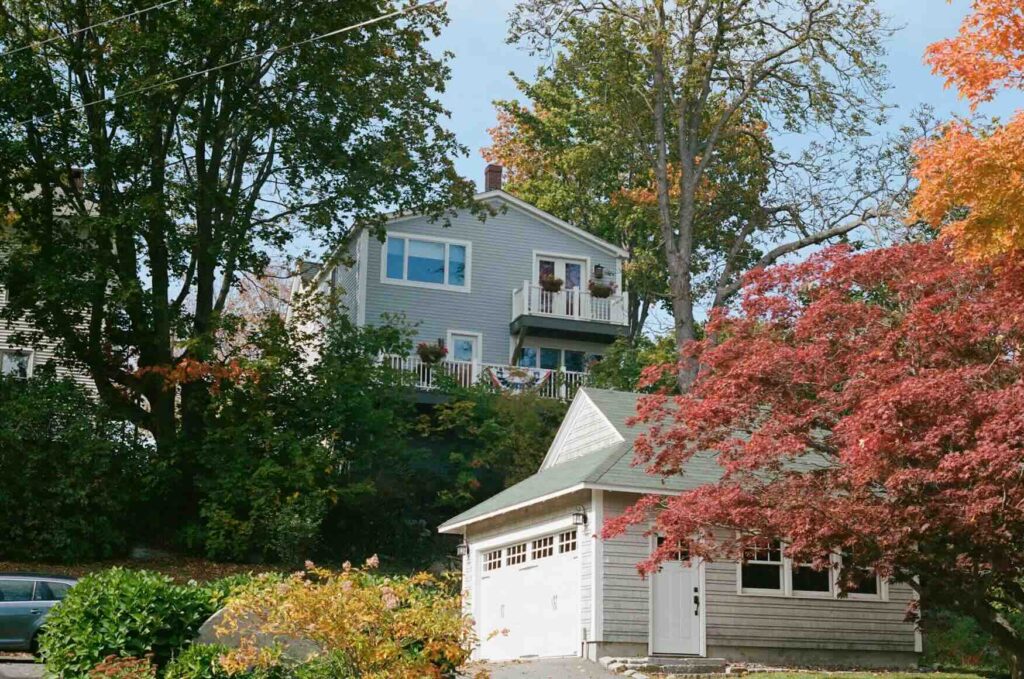
Option 2: The 5-Day Culture and Colors Loop
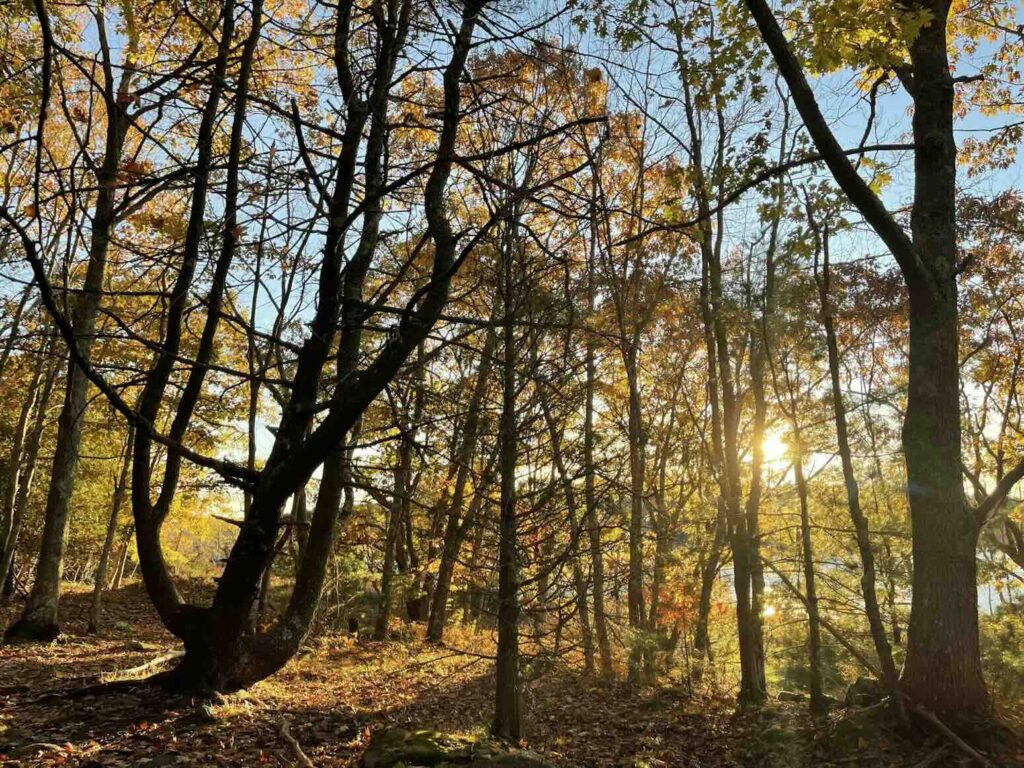
- Best for: Travelers who want to combine cultural stops with the iconic national park experience.
- When to go: Second week of October, hitting Acadia at peak.
- Total driving: Roughly 8 hours over 5 days.
A 5-day window opens the trip to inland Maine and Acadia without backtracking the same road twice.
Days 1–2: Portland and Bangor. Start in Portland for the food scene, then drive 2.5 hours north to Bangor on day 2. The cultural draws here are unexpectedly strong: SK Tours of Maine runs a Stephen King-themed bus tour through the locations that inspired It and Pet Sematary, the International Cryptozoology Museum holds the world’s only serious Bigfoot collection, and the Maine Discovery Museum works well for travelers with kids.
Days 3–4: Acadia National Park. Drive 50 miles east to Bar Harbor and base there for 2 nights. Sunrise on Cadillac Mountain is the marquee experience, with timed-entry reservations booked 90 days ahead through recreation.gov. Build the full 27-mile Park Loop Road into day 4, with stops at Thunder Hole, Sand Beach, and Jordan Pond House for popovers.
Day 5: Coastal Route 1 back to Portland. Drive south through Belfast, Rockland, and Camden, with foliage stops at any of the harborside parks along the way. Aim to be back at PWM by mid-afternoon for the flight home.
Option 3: The 7-Day Ultimate Maine Road Trip
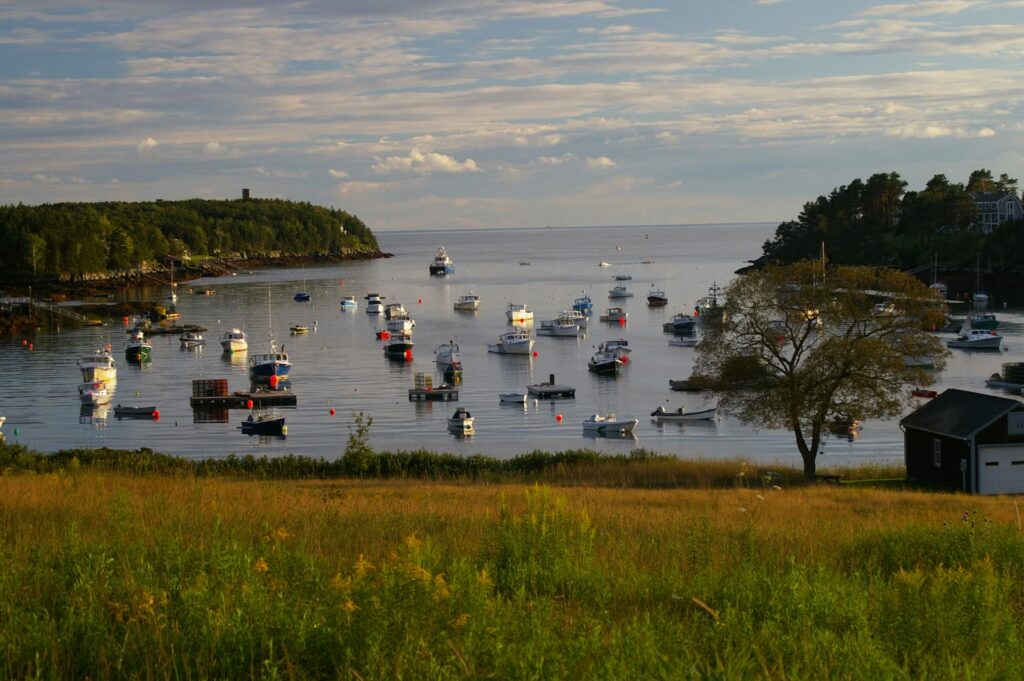
- Best for: Return visitors or travelers who want the most complete version of a Maine fall trip.
- When to go: Late September into the first week of October, catching northern peak before the southern coast turns.
- Total driving: Roughly 16 hours over 7 days (2 to 4 hours per day).
A full week is what it takes to combine the western mountains, the northern wilderness, and the coast into a single trip without rushing any of them. This is the route that earns the “ultimate” label honestly.
Days 1–2: Portland to the Western Mountains. Fly into Portland and spend the first night in the Old Port, then drive 2.5 hours northwest to Bethel and Rangeley on day 2. The Rangeley Lakes Scenic Byway and the Height of Land overlook are the centerpieces of this leg.
Days 3–4: Northern wilderness. Drive 3 hours north to either Moosehead Lake or Baxter State Park, depending on preference (Moosehead for wildlife viewing and lake reflections, Baxter for rugged hiking and Mount Katahdin). Two nights here gives time for both a full hiking day and a slower drive through the surrounding back roads.
Days 5–6: East to Acadia. Drive 4 hours east to Bar Harbor and spend 2 days in Acadia. By this point in the trip, northern foliage has likely peaked, but Acadia is hitting its window.
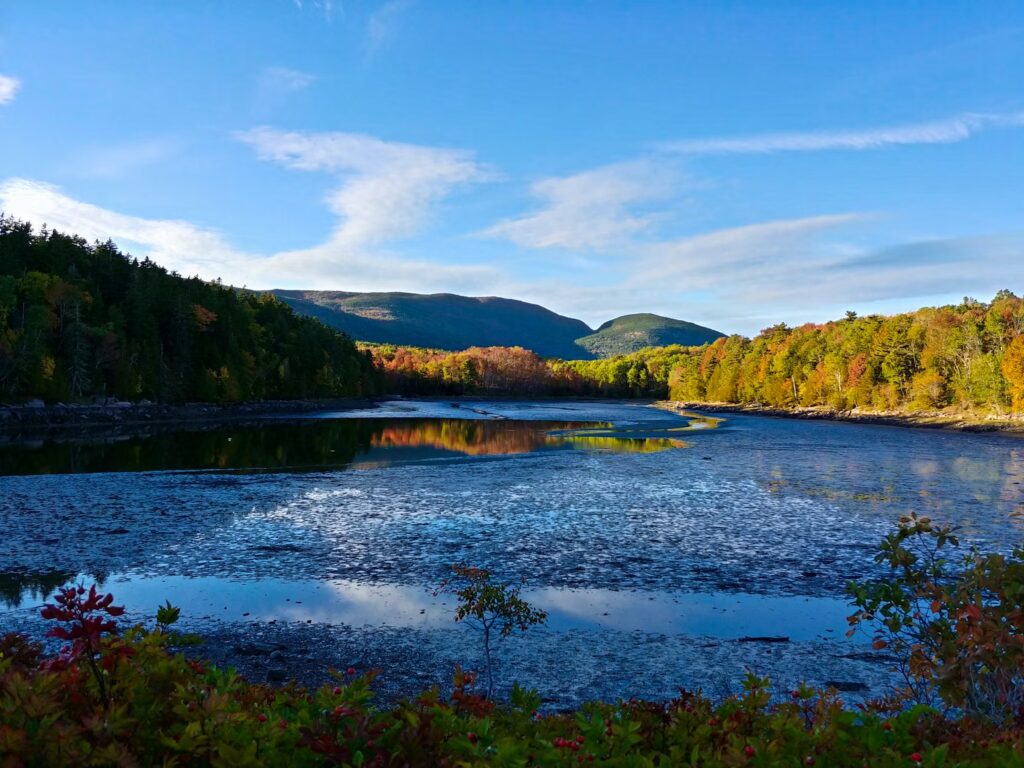
Day 7: South along the coast to Portland. The final day runs Route 1 south through Camden, Rockland, and the MidCoast, ending at PWM for the flight home.
Logistics and Budget Tips for a Maine Fall Road Trip
Choosing the Right Airport
Portland International Jetport (PWM) is the most convenient gateway for trips focused on coastal and southern Maine, with the widest flight selection and shortest drive times to Camden, Kennebunkport, and the York County coast. Bangor International Airport (BGR) is the better choice for trips heading north or focusing on Acadia, since it’s about an hour from Bar Harbor and significantly closer to Baxter State Park and the Moosehead region than Portland is. For trips that span the full state, flying into Portland and out of Bangor (or vice versa) avoids backtracking the long drive south.
Weather and Packing
Maine in October is significantly colder than most visitors expect, particularly in the mornings and on the water. Daytime highs along the coast average 55–65°F, while inland and northern regions can run 10°F cooler, with overnight lows dropping into the 30s°F by late October. A waterproof shell, multiple wool or fleece layers, gloves, and a warm hat are non-negotiable, especially for boat trips or sunrise hikes. Trails turn slick with wet leaves underfoot, which makes hiking boots with real grip a meaningful upgrade over the sneakers that suit summer travel.
Booking Early Matters More Than Usual
October lodging at Bar Harbor and Camden routinely books up 6 months ahead of peak weeks, and rates run 40–60% higher than shoulder-season equivalents. The supply genuinely runs out: by late August, finding a room in Bar Harbor for the second weekend of October requires either flexibility on price or willingness to stay 30 minutes outside town. For trips planned inside the 6-month window, focus on Bangor or Ellsworth as flexible base options, since both have larger hotel inventories that hold longer into the season.
2026 Maine Fall Travel FAQ
How many days do you need for a Maine fall road trip?
A 5- to 7-day trip is ideal for combining coastal and inland Maine. The drive between Portland and Bar Harbor is 3 hours one-way, and adding the western mountains or the northern wilderness adds another 2 to 3 hours of driving each direction. For 3 days, focus on the southern coast around Portland and Camden. For 5 days, add Acadia. For 7 days, add either the Western Mountains around Rangeley or the northern wilderness around Moosehead Lake and Baxter State Park.
Is October a good time to visit Maine?
October is the best time to visit Maine for foliage, festival atmosphere, and the slightly slower pace that follows the summer peak. The trade-off is cooler weather, the need to layer significantly, and the fact that some businesses begin scaling back hours after mid-October. The first 3 weeks of October are reliable for finding most attractions and restaurants open across the state; late October sees more variability outside the major towns.
Will Acadia National Park be crowded in the fall?
Yes. Acadia in October is one of the most-visited national park experiences in the country, with peak weekends seeing parking lots fill by mid-morning and Park Loop Road slowing to walking speed in places. The best strategies for managing crowds: arrive at the park entrance by 7:00 AM, prioritize weekdays over weekends, use the Island Explorer shuttle when available (typically through mid-October), and consider the Schoodic Peninsula as an alternative to the main Mount Desert Island for a fraction of the traffic.
Pin Your Maine Fall Adventure
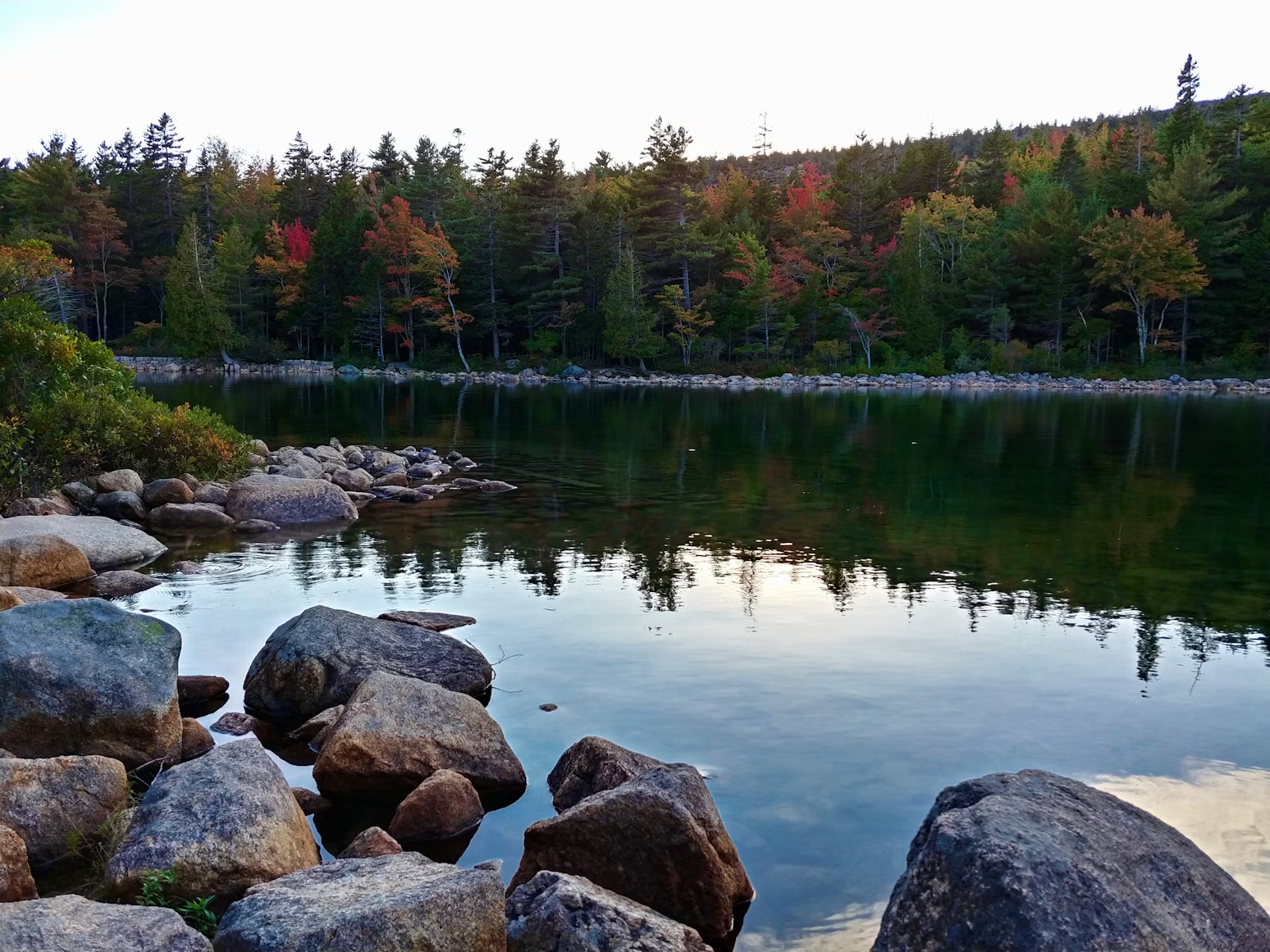
A leaf-peeping trip in Maine isn’t just about the photos. It’s the smell of woodsmoke from the small-town chimneys, the chill on the harbor at sunrise, the steam off a slice of warm blueberry pie eaten at a roadside diner. The right trip lines up the timing with the region, picks a base town that matches the kind of trip you’re actually taking, and books the lodging early enough that the peak weeks aren’t an automatic disappointment. With the right window selected, Maine in the fall delivers one of the more rewarding domestic trips on the calendar.
Keep planning the 2026 itinerary with the companion guides below:
- South to the food capital: Spend a day at 21 Best Things to Do in Portland, Maine (Lighthouses, Lobster & Local Secrets).
- The MidCoast basecamp: Settle in where the mountains meet the sea at 15 Best Things to Do in Camden, Maine (Mountains & Sea).
- Acadia in detail: Plan the national park stop with 15 Best Things to Do in Bar Harbor, ME (Acadia & Beyond).
- The bigger picture: Read 25 Best Things to Do in Maine (Must-Do Activities & Hidden Gems) for the wider state-level overview.
- Timing other seasons: Check The Best Time to Visit Maine (And the 2 Worst Months to Avoid in 2026) for the seasonal calendar beyond fall.