
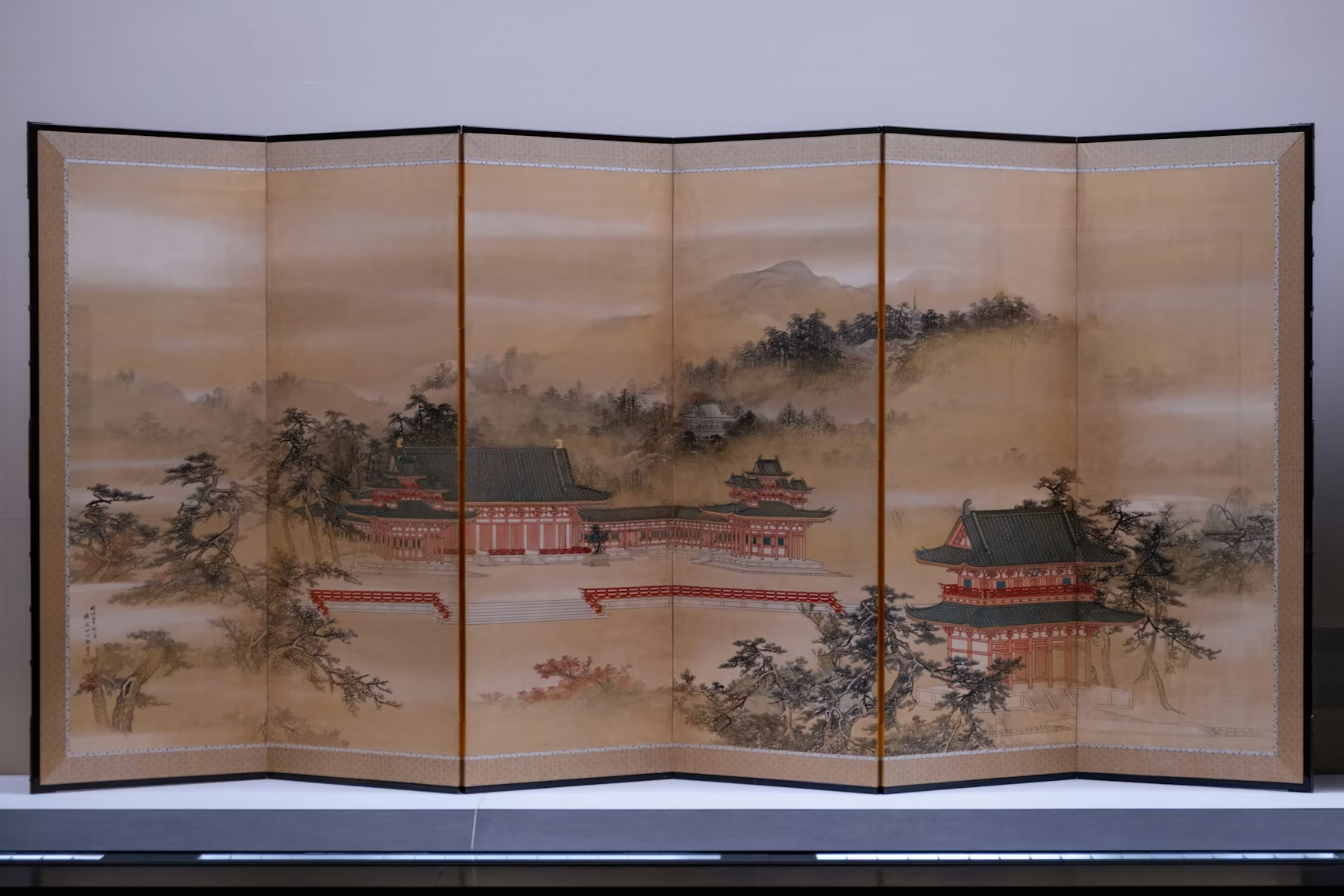
Tokyo is a city where modernity and tradition coexist, offering art lovers an exciting cultural journey. From traditional Japanese painting to cutting-edge digital art exhibitions, Tokyo’s museums offer a wide range of art experiences. Whether you’re a fan of historical masterpieces or contemporary innovations, this guide will take you through 10 of the best museums in Tokyo (2026), providing insights into both traditional and modern art. Perfect for those seeking to explore the breadth of Tokyo’s rich artistic heritage.
Practical Tips for Art Lovers

Before embarking on your museum tour, it’s essential to know a few helpful tips to make your visit smoother. For starters, consider purchasing a Tokyo Museum Pass, which grants access to multiple museums in the city at a discounted rate. This is especially useful if you plan on visiting several cultural attractions. However, popular museums like the Ghibli Museum or teamLab Borderless require advance booking due to their high demand, so make sure to secure your tickets early.

In terms of transportation, Tokyo’s Suica or Pasmo cards are perfect for seamless travel on trains and buses, ensuring that you can easily move between various neighborhoods and their museum offerings without the hassle of buying tickets for each ride.
The Best Museums in Tokyo for Traditional Japanese Art & Painting
Tokyo is home to some of the best museums in Tokyo that offer a glimpse into the country’s long-standing artistic traditions. From the historic collections of Edo Japan city to modern interpretations of traditional themes, the city’s museums cater to every art lover. One of the most iconic spots is the Tokyo National Museum, which showcases Japan’s artistic journey through centuries, with a focus on the Edo period’s profound influence on painting and drawing.
1. Tokyo National Museum – The Heart of Japan’s Traditional Art
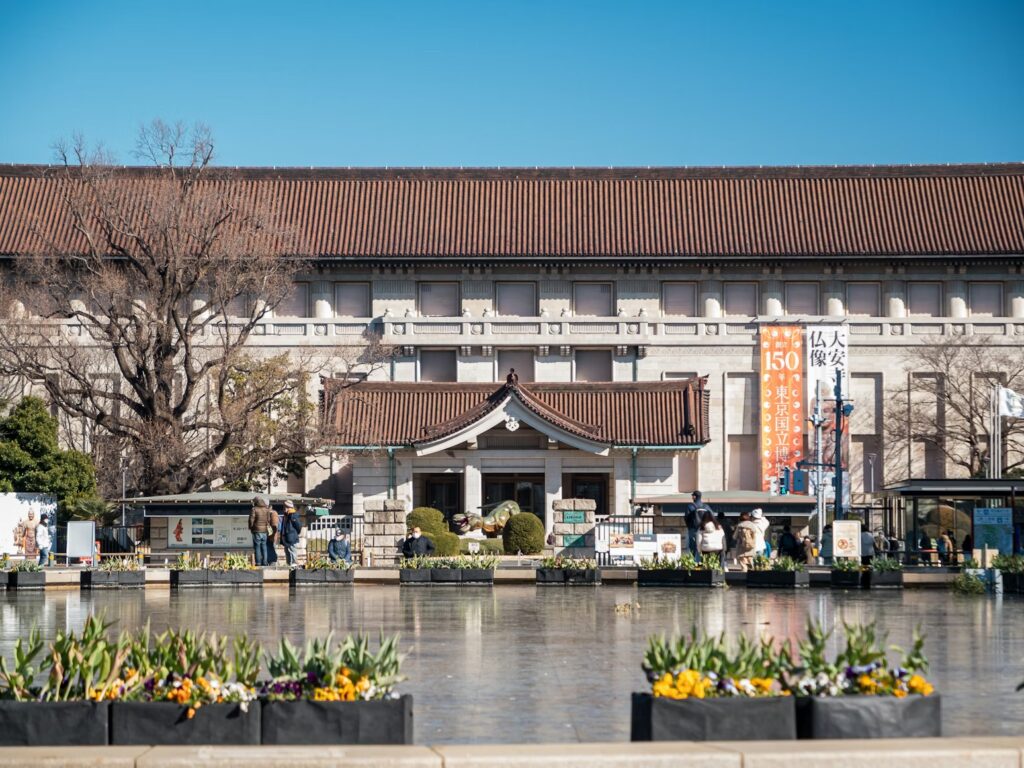
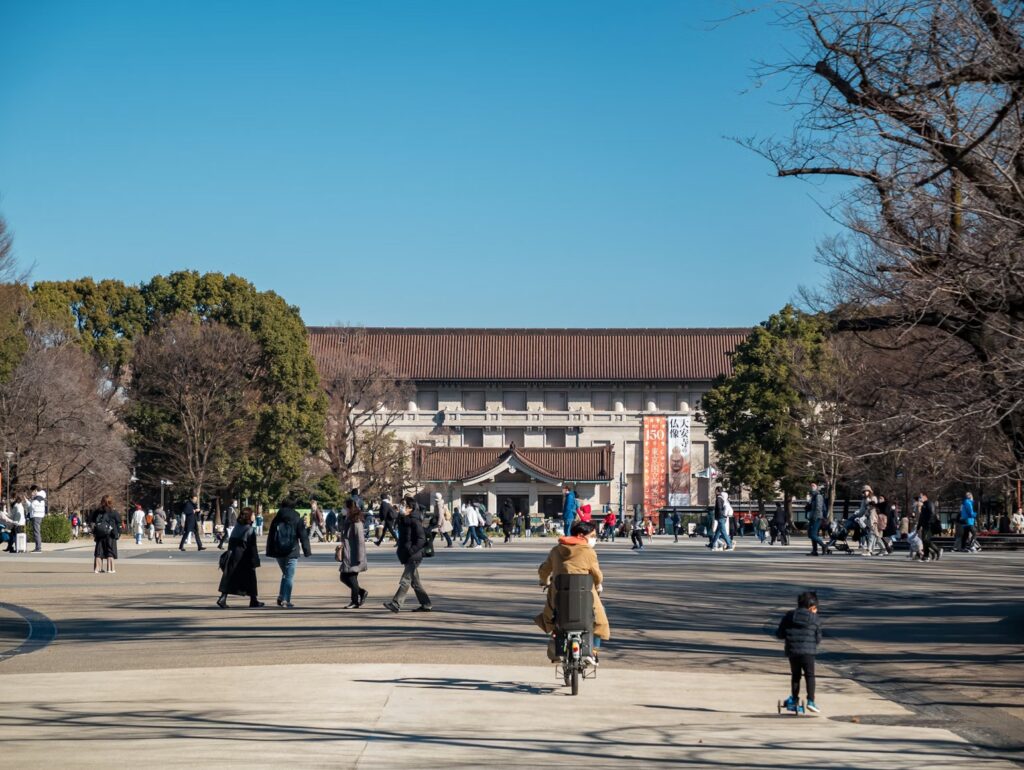
Located in Ueno Park, the Tokyo National Museum is the oldest and largest museum in Japan. It houses an extensive collection of Japanese art from the Edo period, including samurai armor, calligraphy, and traditional paintings. The museum offers visitors a fascinating glimpse into Japan’s rich cultural history and is ideal for those interested in traditional Japanese art. The museum’s architecture alone is worth the visit, with its majestic, classical style complementing the traditional artwork inside.
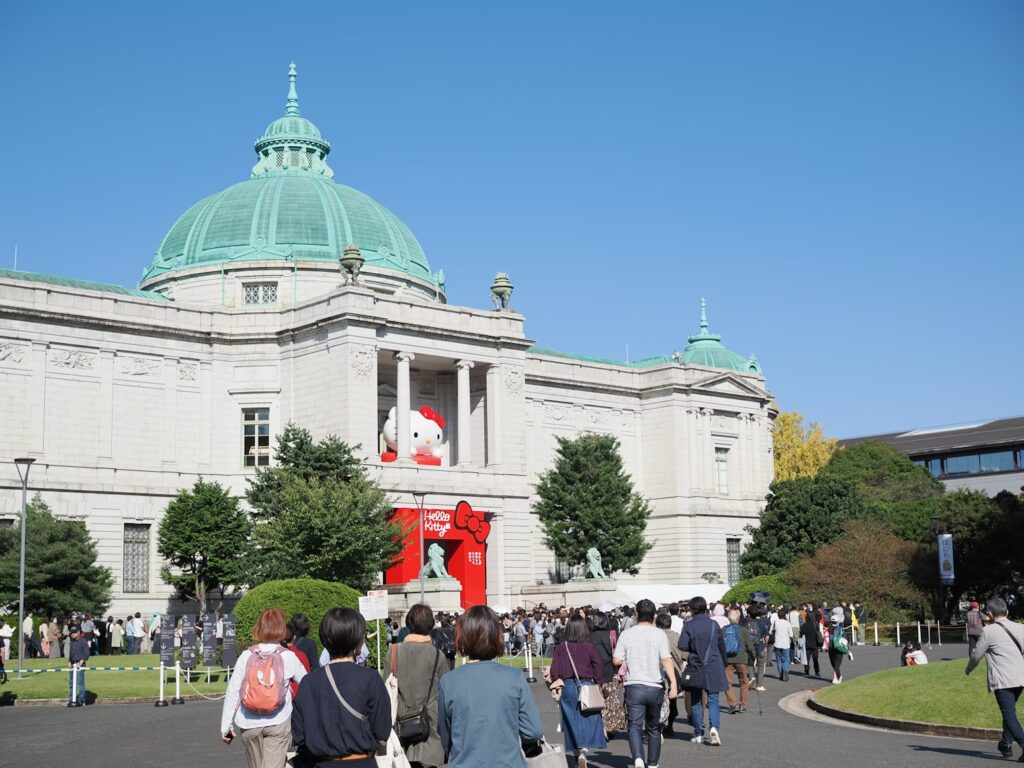
The museum’s beautiful traditional Japanese architecture also adds to the immersive experience, making it a must-visit for anyone looking to delve deep into the country’s past. This museum is part of the Tokyo National Museum guide that helps you explore the rich cultural history of Japan and its historical roots during the Edo Japan city era.
2. Sumida Hokusai Museum – The Legacy of Ukiyo-e

For fans of traditional Japanese woodblock prints, the Sumida Hokusai Museum is a must-visit. This museum is dedicated to the work of Hokusai, one of Japan’s most famous ukiyo-e artists, known for his iconic print ‘The Great Wave off Kanagawa’. Explore his sketches, paintings, and the evolution of his unique style. The museum’s design blends traditional elements with modern architecture, creating an immersive space where visitors can appreciate Hokusai’s genius. If you are fascinated by the history of ukiyo-e, this museum offers a rare insight into its most renowned practitioner.

3. Nezu Museum


Nestled in the heart of Tokyo’s Minami-Aoyama district, the Nezu Museum is a wonderful blend of art and nature. Known for its remarkable collection of traditional Japanese art, the museum showcases works from Japan’s classical period, as well as pieces from China and Korea. But what sets Nezu Museum apart is its stunning Japanese garden, which provides a tranquil escape for visitors. The museum is relatively smaller compared to the major institutions in Tokyo, making it an ideal spot for those looking to enjoy a more serene and less crowded experience while still appreciating remarkable works of art.
Exploring Japanese Art Styles: Modern & Contemporary Galleries
4. The National Museum of Modern Art, Tokyo (MOMAT) – Japan’s Modern Artistic Evolution

For those interested in the evolution of modern Japanese art, the National Museum of Modern Art (MOMAT) is a key destination. Featuring works from the 20th century onward, the museum showcases the influence of Western art on Japan and the rise of avant-garde movements. If you’re looking to see how traditional Japanese art has evolved into modern visual expression, MOMAT offers a comprehensive collection of works by renowned artists. From oil paintings to experimental installations, MOMAT provides a deep dive into Japan’s modern artistic evolution.
5. Mori Art Museum

Located on the top floors of the Mori Tower in Roppongi Hills, the Mori Art Museum offers not only impressive exhibitions of contemporary art but also breathtaking views of Tokyo’s skyline. The museum frequently hosts exhibitions on cutting-edge digital art, making it an exciting place for those interested in innovative forms of visual art.

While it may not focus heavily on traditional Japanese painting, it does explore themes that connect contemporary Japanese culture with global trends, providing a fascinating look at how modern art from Japan is influencing the international art scene.
Hidden Gems: Lesser-Known Tokyo Art Museums
6. Ota Memorial Museum of Art

If you’re particularly interested in ukiyo-e, the traditional woodblock prints of the Edo period, then the Ota Memorial Museum of Art is the place to go. This museum, though small, specializes in showcasing the delicate and vibrant art of ukiyo-e, which translates to “pictures of the floating world.” The collection includes works from famous artists such as Hokusai and Hiroshige, offering a rare glimpse into Japan’s visual culture during the Edo period. The peaceful and intimate setting allows you to admire these intricate works up close, far from the crowds of larger institutions.
7. Yamatane Museum of Art

For a truly unique experience in Japanese art, the Yamatane Museum of Art offers an exceptional collection of Nihonga paintings. Nihonga is a traditional Japanese painting style that uses mineral pigments and is often created on paper or silk. The museum’s focus on this style makes it a wonderful place to witness the craftsmanship and beauty of traditional Japanese art in its purest form. The works on display often evoke a sense of harmony and reflect Japan’s natural beauty, from serene landscapes to delicate floral compositions.
Interactive & Digital Japanese Art Experiences
8. teamLab Planets Tokyo – Immersive Digital Art Experience
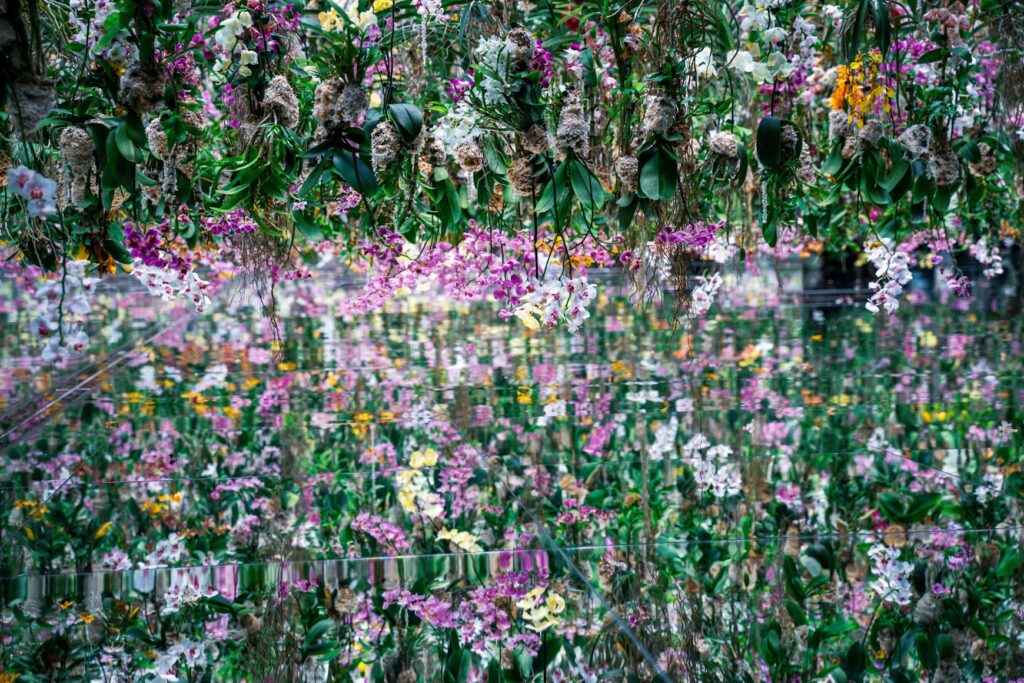
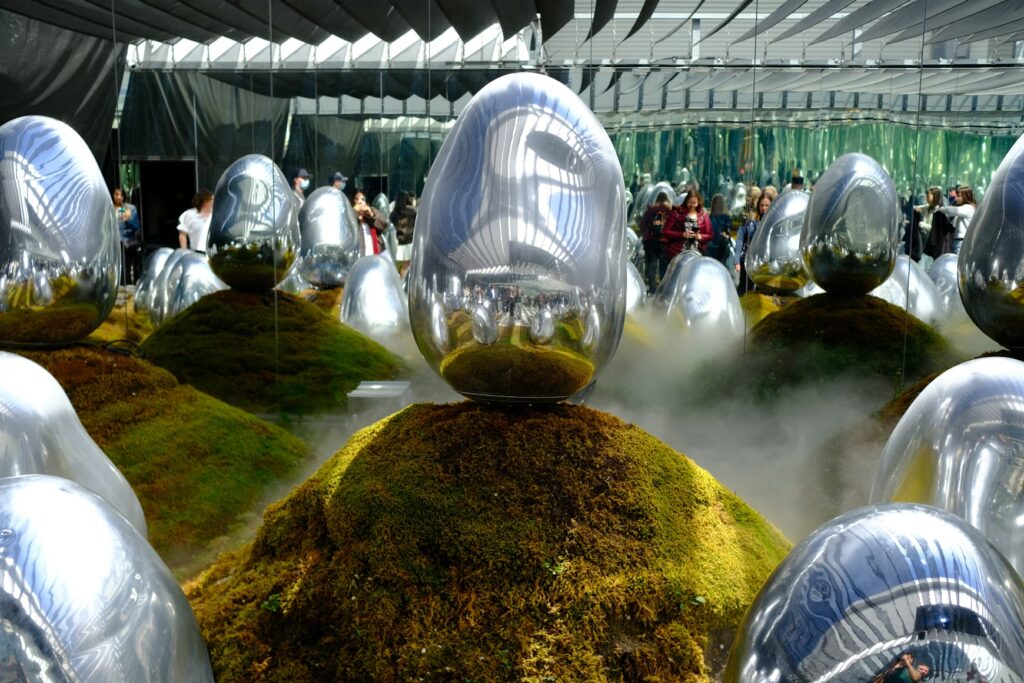
In contrast to traditional Japanese art, teamLab Planets Tokyo offers a futuristic, interactive digital art experience. This museum is known for its immersive installations where visitors can physically walk through digital landscapes that come alive with light and motion. The exhibits explore the intersection of art and technology, providing a hands-on experience unlike any traditional museum. If you’re seeking modern art that challenges the definition of art, teamLab Planets offers a unique opportunity to experience art through innovation and interactivity.

How to Group Your Tokyo Museum Visits
To make the most of your time in Tokyo, it’s a good idea to group museums based on their location. For example, if you’re in the Ueno area, you can easily visit the Tokyo National Museum, Ueno Zoo, and the Tokyo Metropolitan Art Museum all in one day, taking advantage of the proximity between these cultural landmarks. Alternatively, the Roppongi district offers a collection of modern and contemporary art museums, including the Mori Art Museum and National Art Center, making it an ideal area for those interested in contemporary Japanese culture.
Conclusion

Tokyo is a city that offers a stunning variety of museums, each reflecting a different facet of Japanese culture and art. Whether you’re drawn to the traditional elegance of Japanese painting or the cutting-edge allure of digital art, there’s something for everyone.
From the vast collections at the Tokyo National Museum to the interactive installations at teamLab Planets, Tokyo’s museums promise to provide a cultural journey that you won’t soon forget. So, plan your visit carefully, and be sure to explore both the famous and the hidden gems that make Tokyo an art lover’s paradise.