
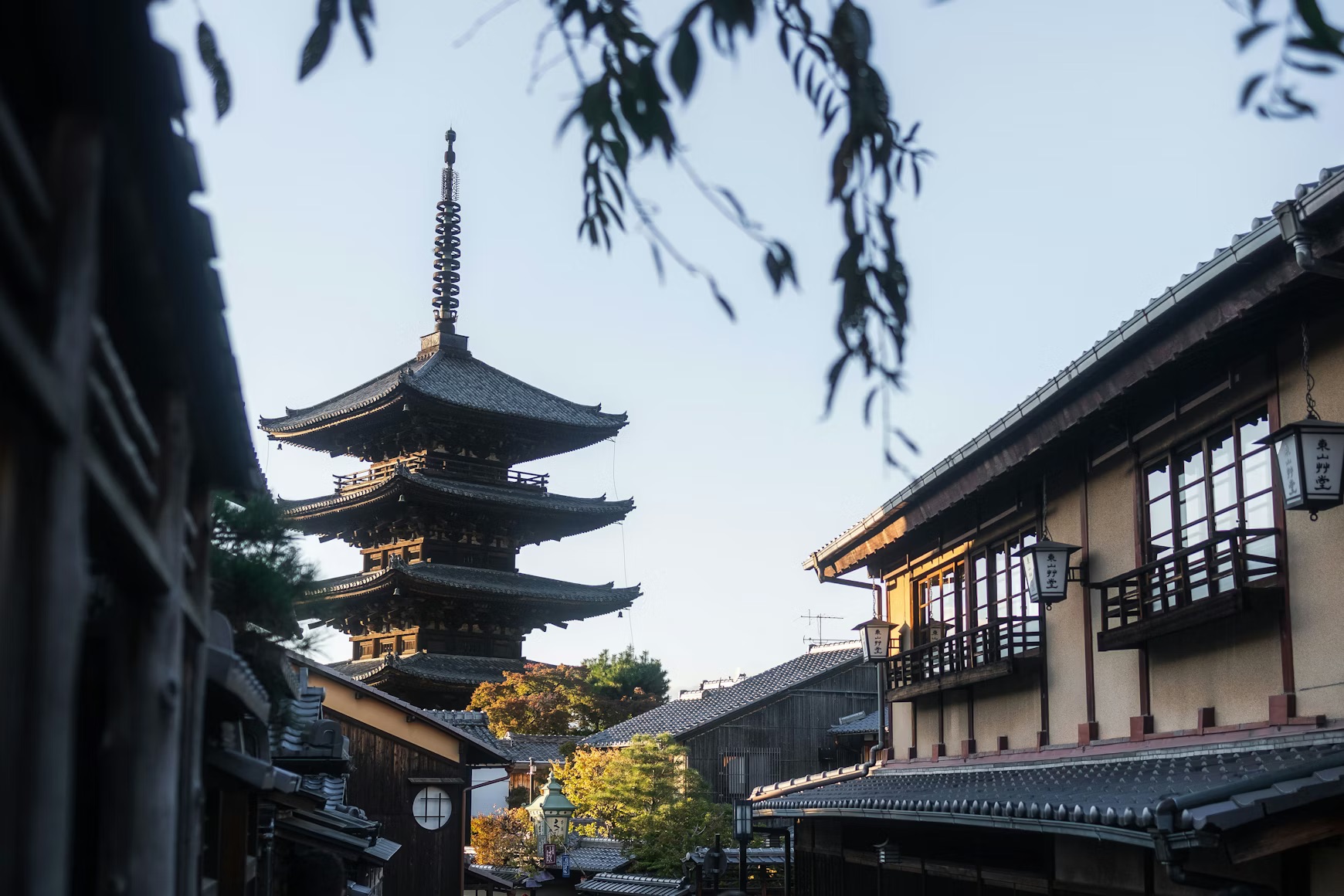
Tokyo, the modern capital of Japan, is deeply rooted in its rich past as Edo Japan City. The city’s transformation from the Edo period (1603-1868) to the bustling metropolis it is today hides many of the traditions and ancient Japanese art that defined this time. Whether you’re a history enthusiast or an art lover, exploring Tokyo’s Edo-era remnants through its museums, districts, and historical sites is a must. This guide highlights where to find the best traditional Japanese art and cultural landmarks that preserve the essence of Edo Japan.
The Heart of Old Edo: Edo Castle and Imperial Legacy
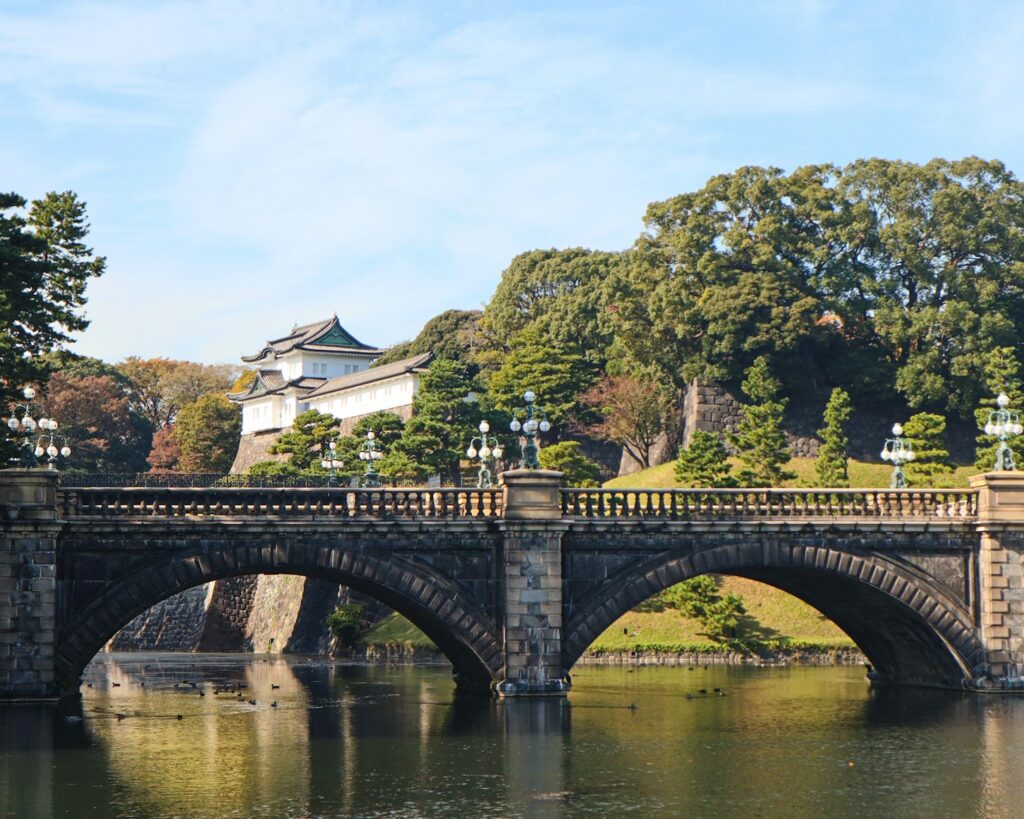
The Edo Castle, now the Imperial Palace, was the heart of the Tokugawa Shogunate and remains one of the most significant sites in Tokyo. The remnants of the castle and its surrounding gardens tell the story of Japan’s feudal era. While much of the original structure was destroyed, the Sannomaru Shozokan museum, located within the palace grounds, offers an impressive collection of Edo-period treasures, including ancient Japanese art like scroll paintings, samurai armor, and porcelain, providing a glimpse into the lifestyle of the ruling elite. The palace’s grounds are a serene space for visitors, offering a connection to Tokyo’s Edo-era past.
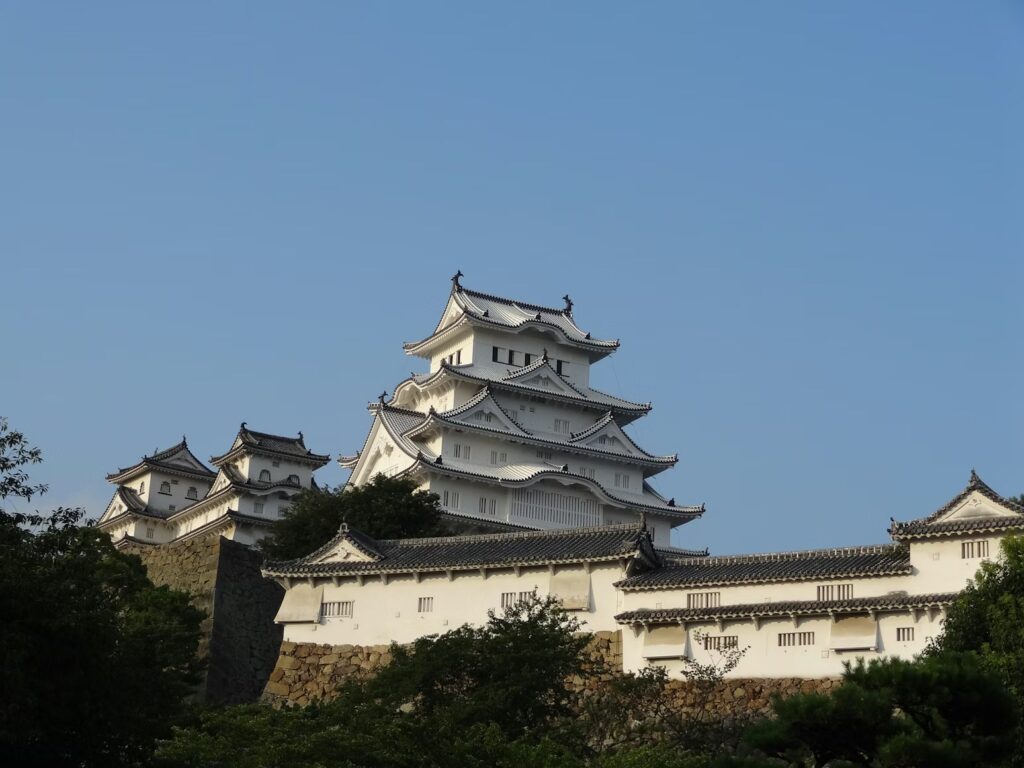
To immerse yourself in Edo’s imperial legacy and traditional Japanese art, visit the Sannomaru Shozokan on the Imperial Palace East Gardens. The gardens provide an opportunity to walk through Tokyo’s historical roots, and the museum offers various artifacts, including samurai history items.
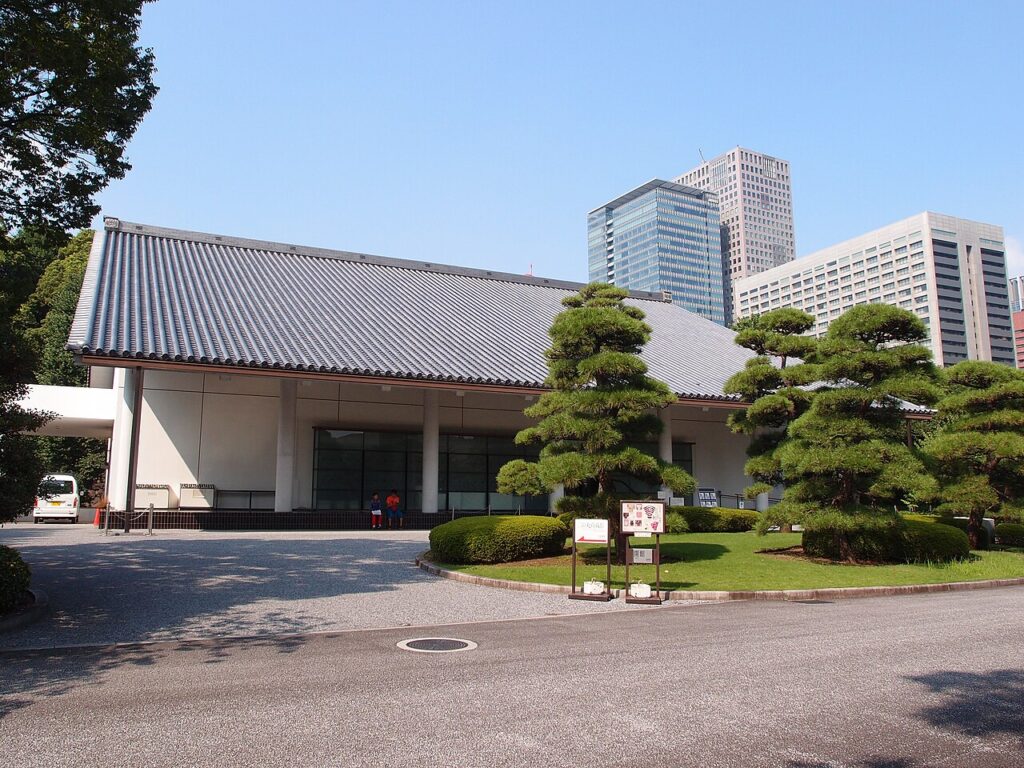
Immersive History: The Edo-Tokyo Museum Experience
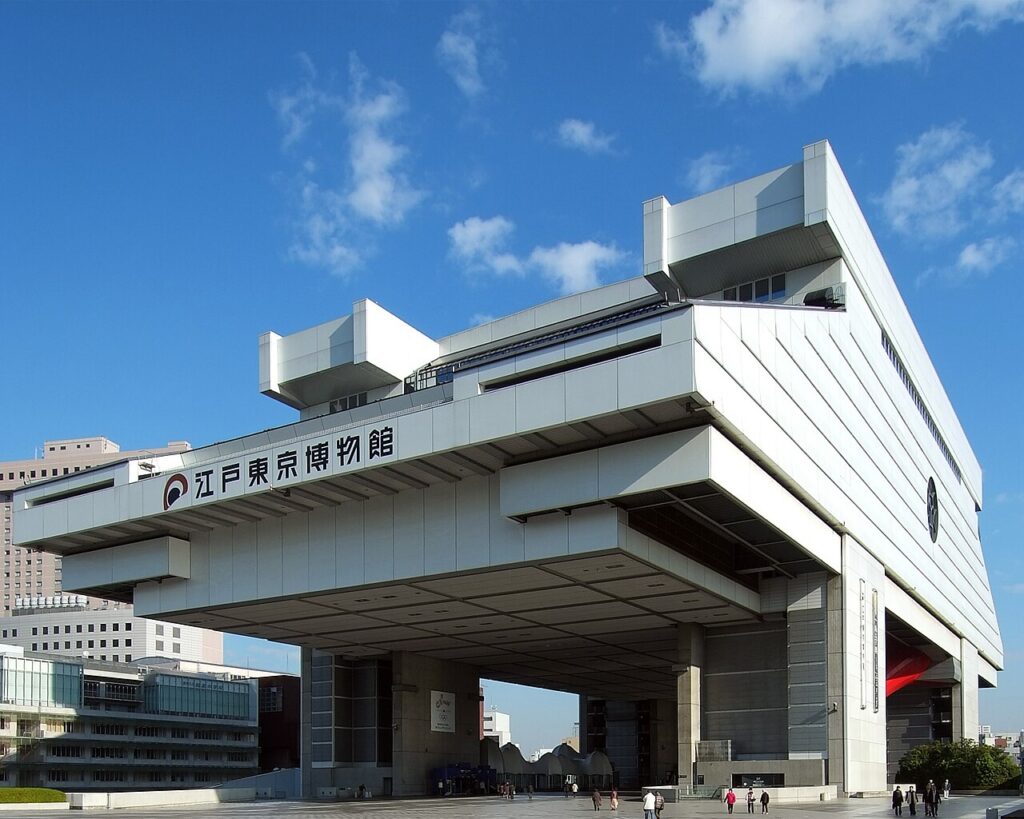
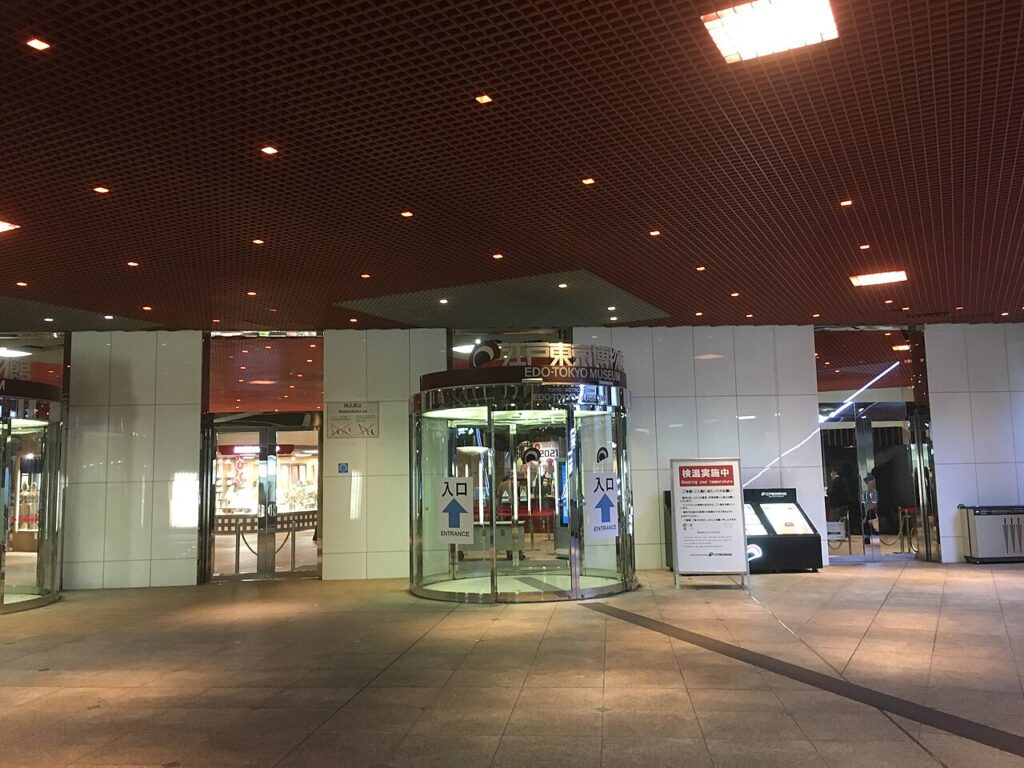
The Edo-Tokyo Museum offers an incredible way to understand the evolution of Tokyo from Edo. Through detailed models, interactive exhibits, and historical artifacts, the museum showcases the way of life during the Edo period. It presents the era’s traditional Japanese art, including ukiyo-e (woodblock prints) that depict daily life, landscapes, and scenes from Edo’s bustling urban centers. The museum’s displays give visitors a sense of how the city transformed and how its people lived, making it a key site for anyone interested in Edo-era art and culture.
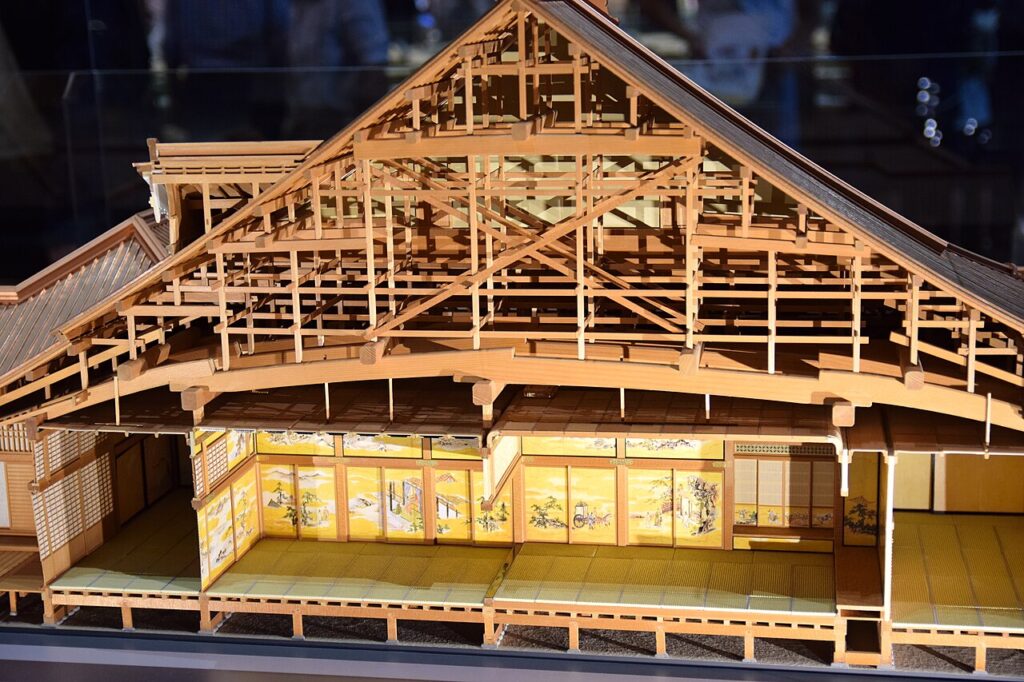
The Edo-Tokyo Museum, located in Ryogoku, is one of the best places to experience the art and culture of Edo Japan City. It offers an immersive experience with full-scale models and historical exhibits that bring Edo’s past to life. Here, you’ll find a rich collection of ancient Japanese art and artifacts from the Edo period, including stunning representations of samurai history.
Traditional Districts: Finding Edo in Asakusa and Yanaka
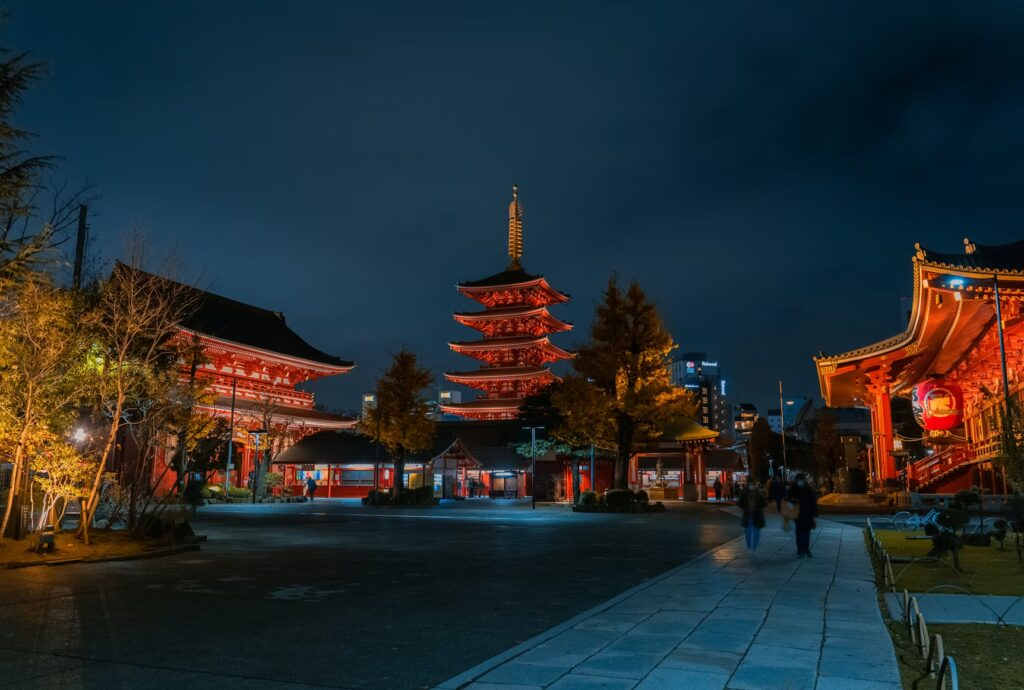
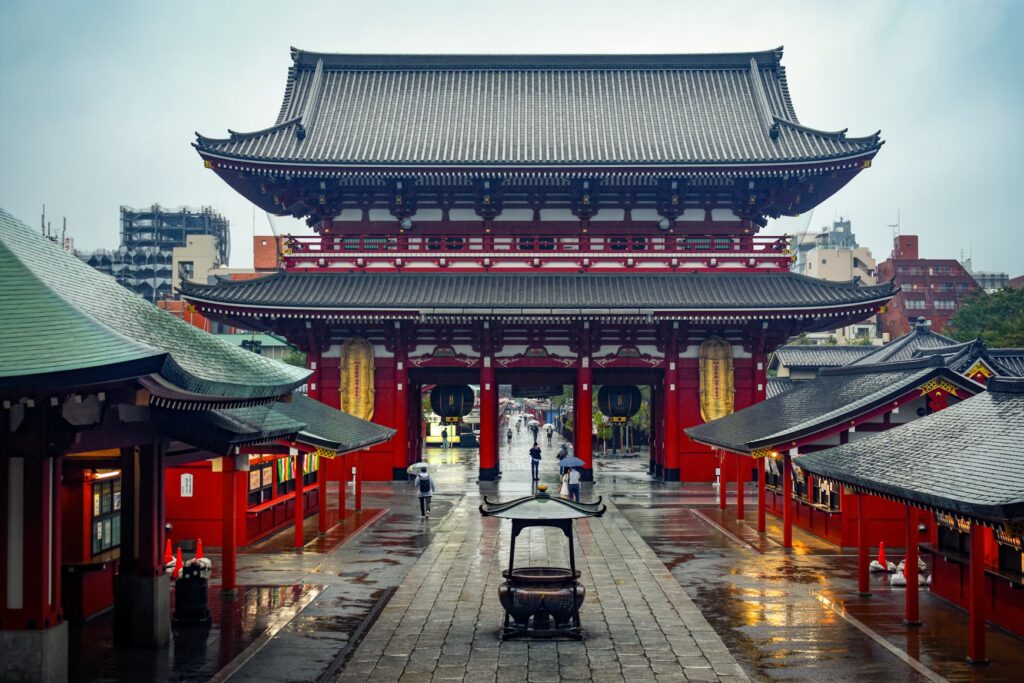
For a more authentic experience of Edo Japan City, visit the historic Asakusa district. Home to the iconic Senso-ji Temple, Asakusa was a thriving area during the Edo period and remains a cultural hub today. The area is often depicted in ukiyo-e prints, particularly those by artists like Hiroshige. Walking around Asakusa, you can connect with the images of Edo through the architecture, traditional markets, and temples that have endured for centuries.
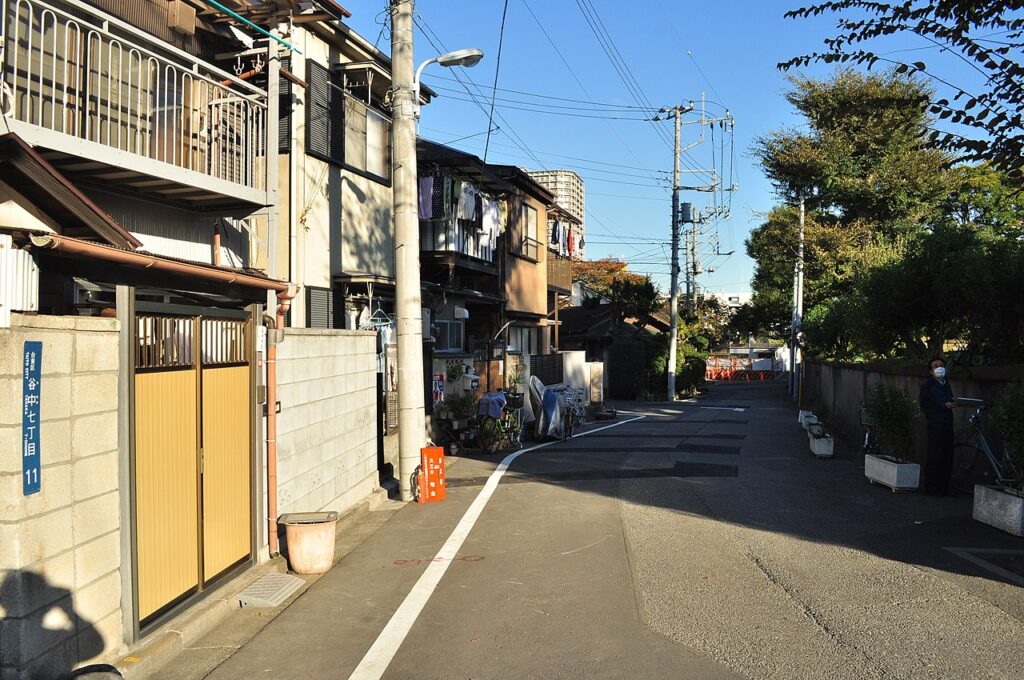
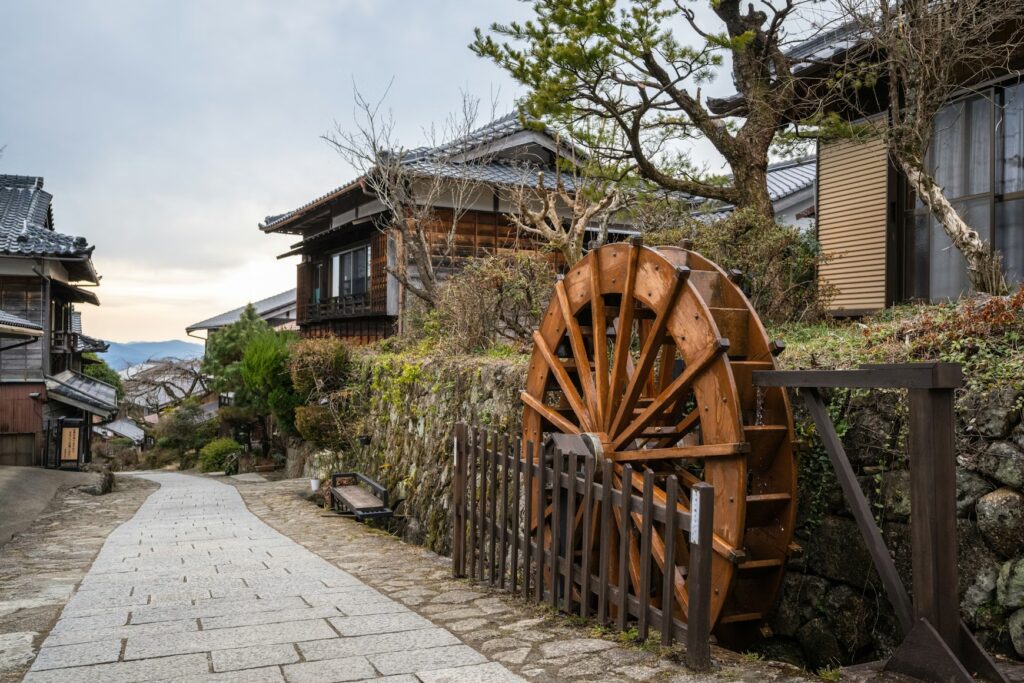
In Yanaka, one of Tokyo’s last traditional neighborhoods, you’ll find remnants of “Old Tokyo” where Edo-period traditions are still visible. The area, with its narrow lanes and old wooden buildings, feels like stepping back in time. Yanaka’s artisan workshops and temples provide a hands-on experience of Tokyo’s past. The Yanaka Cemetery also offers a peaceful glimpse into Edo’s history, while nearby traditional craft shops continue to preserve Japan’s ancient Japanese art traditions, including pottery and textiles.
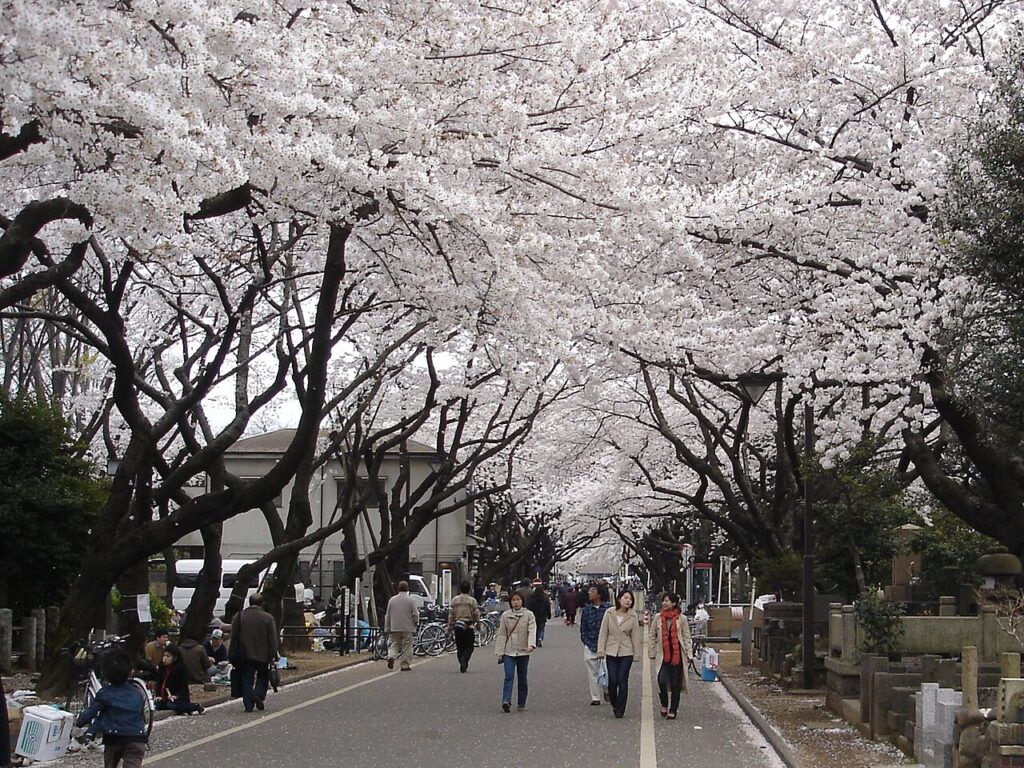
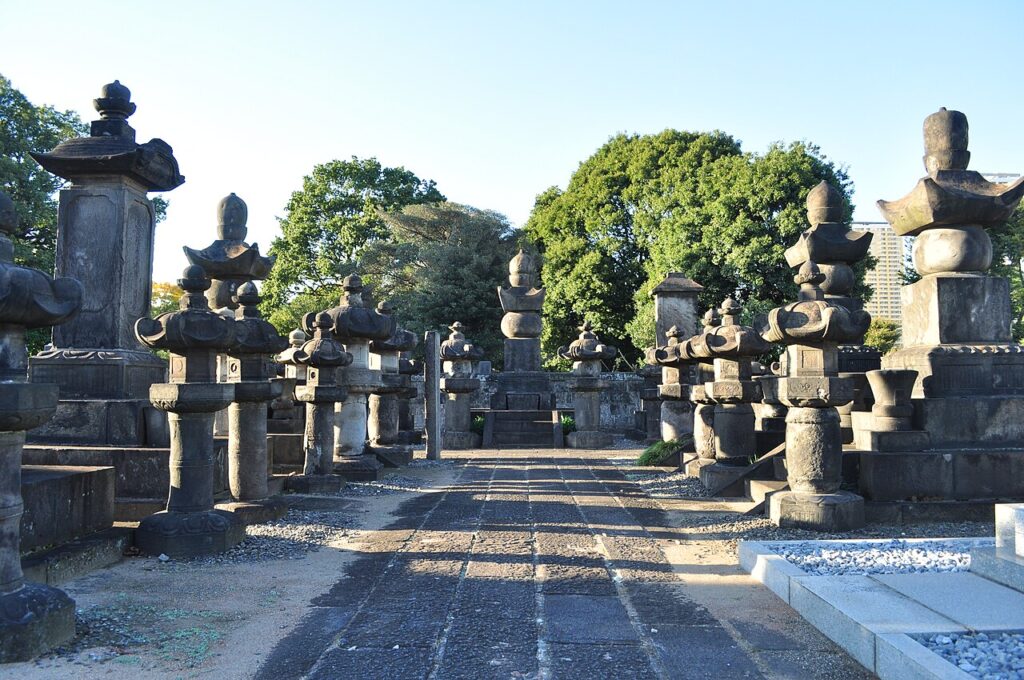
If you’re looking to connect with Edo Japan City, spend time in Asakusa and Yanaka. In Asakusa, visit Senso-ji Temple to experience the cultural richness that artists like Hiroshige immortalized in their prints. Yanaka offers a rare glimpse of Edo’s traditional artisanship, providing a tangible connection to the past.
Samurai History & Cultural Performances in Tokyo
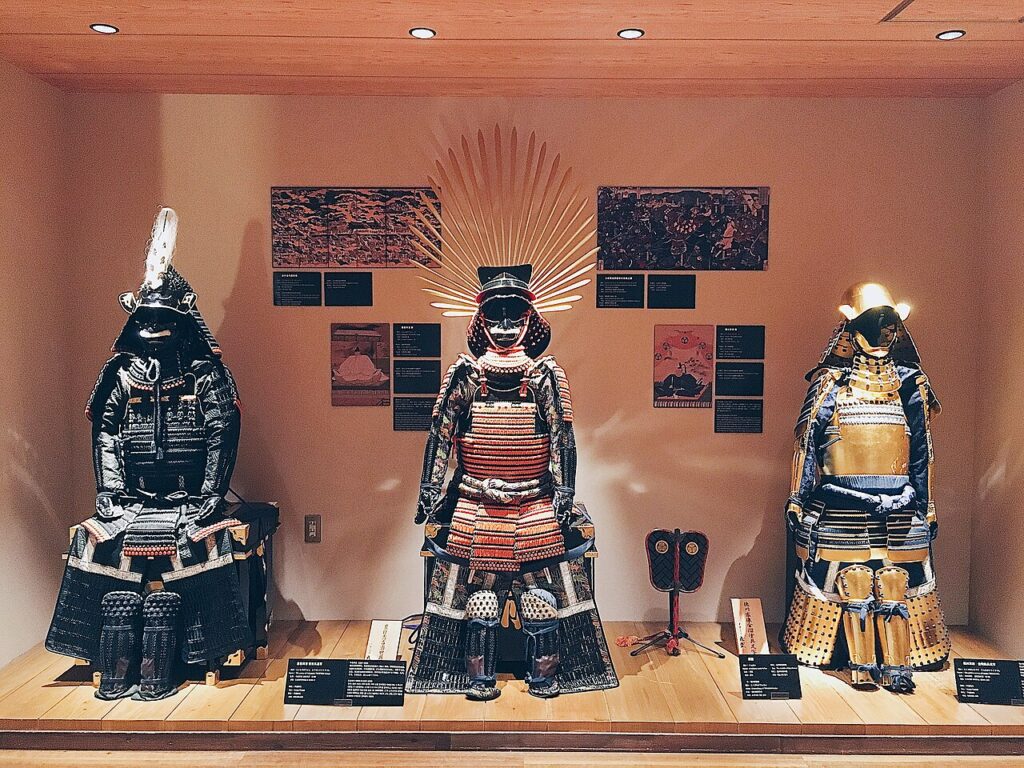
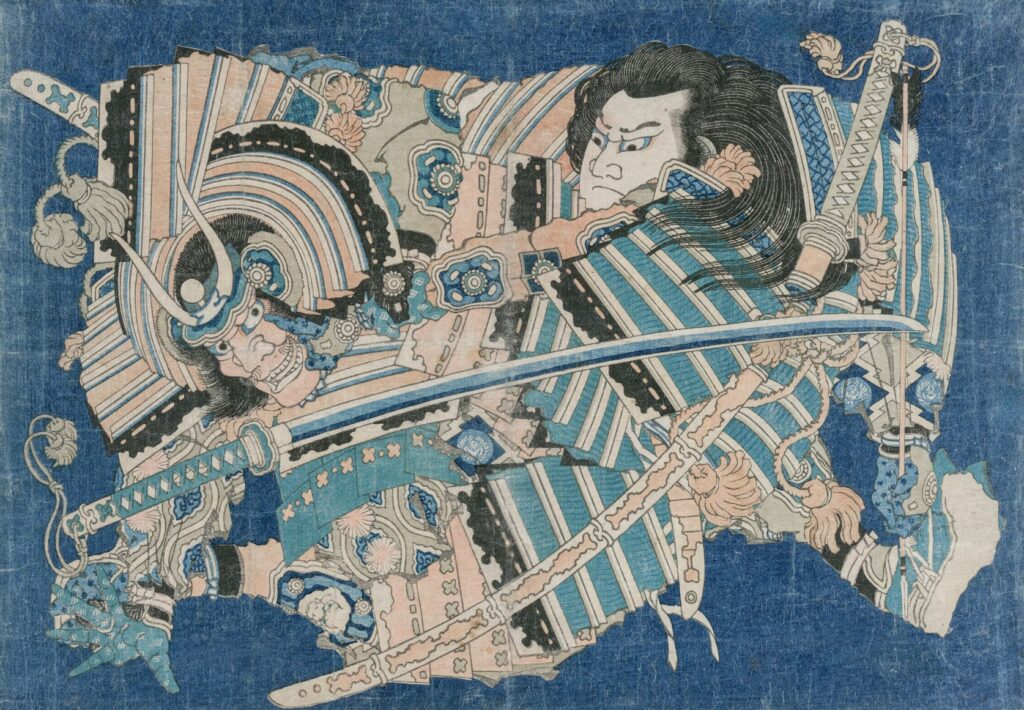
The samurai played a central role in shaping Edo Japan City, not just as warriors but also as patrons of the arts. The Samurai Museum in Shinjuku offers a comprehensive look at samurai history, showcasing samurai armor, swords, and artwork. This museum highlights how the samurai influenced ancient Japanese art, including ukiyo-e prints that often depicted samurai life. Additionally, Edo-period art was heavily influenced by the cultural performances enjoyed by the samurai, such as Kabuki theater.
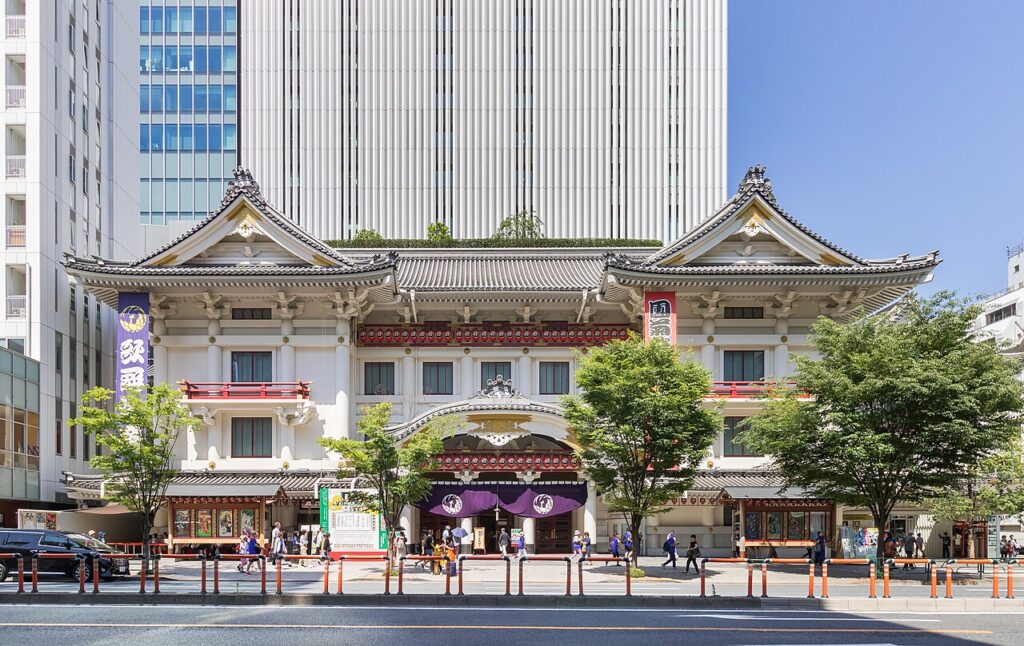
Samurai history in Tokyo is best experienced at the Samurai Museum, where visitors can see intricate displays of armor and learn about the role of samurai in Edo society. For those interested in the performing arts, Kabuki performances continue to thrive in Tokyo, and the Kabuki-za Theatre in Ginza is the perfect place to experience this traditional form of entertainment that flourished during the Edo period.
Practical Tips: Navigating Tokyo’s Historical Sites
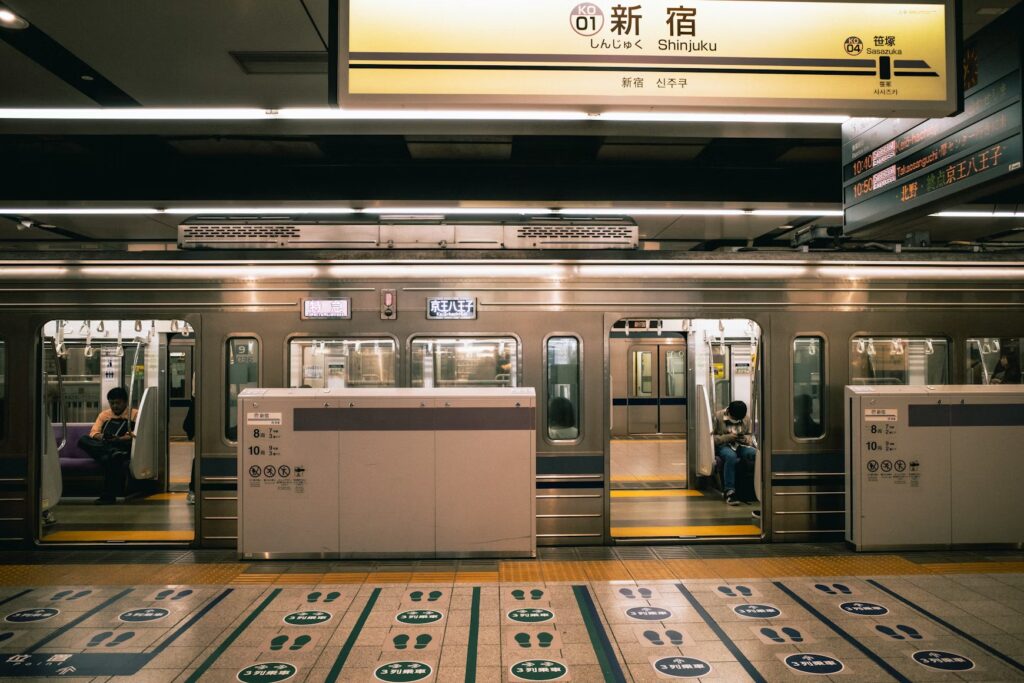
Tokyo is a large city, and while it’s full of historical and cultural experiences, navigating between Edo-period sites can be daunting. One of the best ways to explore the history of Edo Japan City is to group sites based on their proximity. Start with Asakusa and Yanaka for a more traditional Edo experience. Then head to Ryogoku for a visit to the Edo-Tokyo Museum.
Using the Tokyo Metro and JR lines, you can easily navigate between districts like Asakusa, Ueno, and Shinjuku, where many of the city’s Edo-period attractions are located. To make the most of your time, consider purchasing a Tokyo Subway Ticket, which offers unlimited rides for a set number of days, allowing you to travel efficiently between historical sites.
From Senso-ji Temple in Asakusa to the Edo-Tokyo Museum in Ryogoku, you can easily explore the city’s Edo-period roots. For a truly immersive experience, try visiting these locations by foot and public transport.
Conclusion: Why Edo Matters Today
Although Tokyo has evolved into one of the world’s most modern cities, the spirit of Edo Japan City is still alive today, embedded in its historical sites, museums, and art collections. The ancient Japanese art of the Edo period, with its emphasis on nature, urban life, and spiritual traditions, continues to inspire visitors and artists around the world.
Exploring these historical sites in Tokyo offers a chance to step back in time and experience the cultural legacy of the Edo period firsthand. Whether you’re captivated by samurai history, ukiyo-e, or the architectural remnants of the Edo Castle, Tokyo’s historical attractions provide a deep connection to the past that’s as rich and fascinating as the city itself.
After exploring the history of the city, see the world’s finest collections in our guide to the 10 Best Museums in Tokyo: Where to Find Japanese Painting & Japan Drawing.