
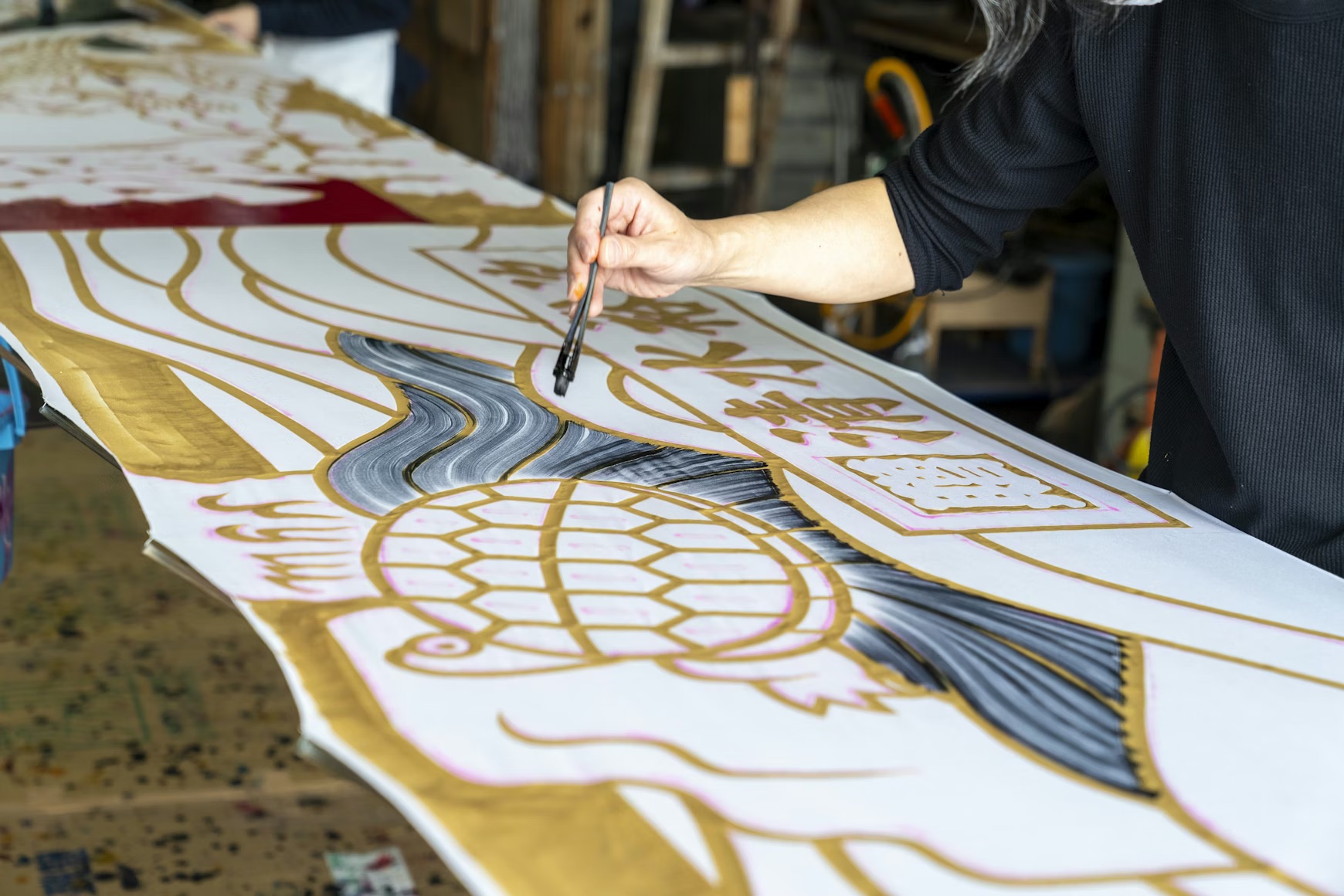
Japanese art offers an unparalleled journey through time and tradition, blending historical techniques with cultural philosophies. For beginners, exploring Japanese art styles and traditional Japanese paintings can seem overwhelming, but understanding the key movements, techniques, and artists will help you appreciate the unique beauty of Japanese art. This guide aims to break down the complexity and offer a comprehensive look into the diverse world of Japanese painting, from its roots in ancient traditions to its most celebrated masterpieces.
A Brief Look at Ancient & Old Japanese Art
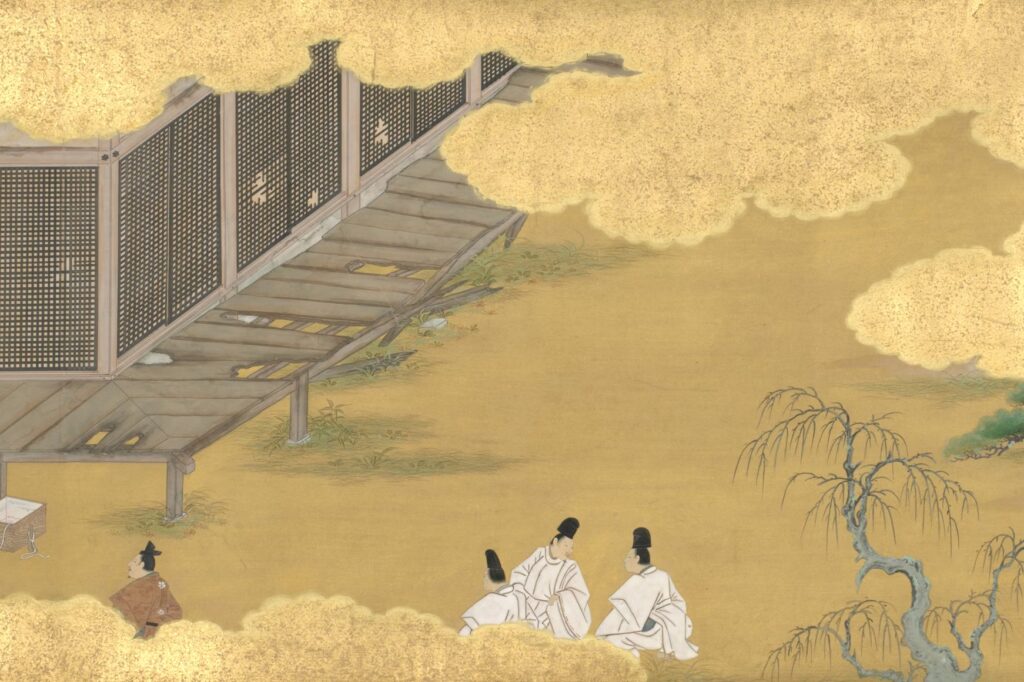
Japanese art has evolved over thousands of years, heavily influenced by Buddhism, Shintoism, and the natural surroundings. Early ancient Japanese art is deeply connected to religious themes, with the earliest works featuring mythological deities, nature, and spiritual motifs. The introduction of Chinese art and Buddhist iconography greatly influenced Japanese visual culture during the Asuka and Nara periods, setting the stage for what would later evolve into distinct styles like ukiyo-e and nihonga.
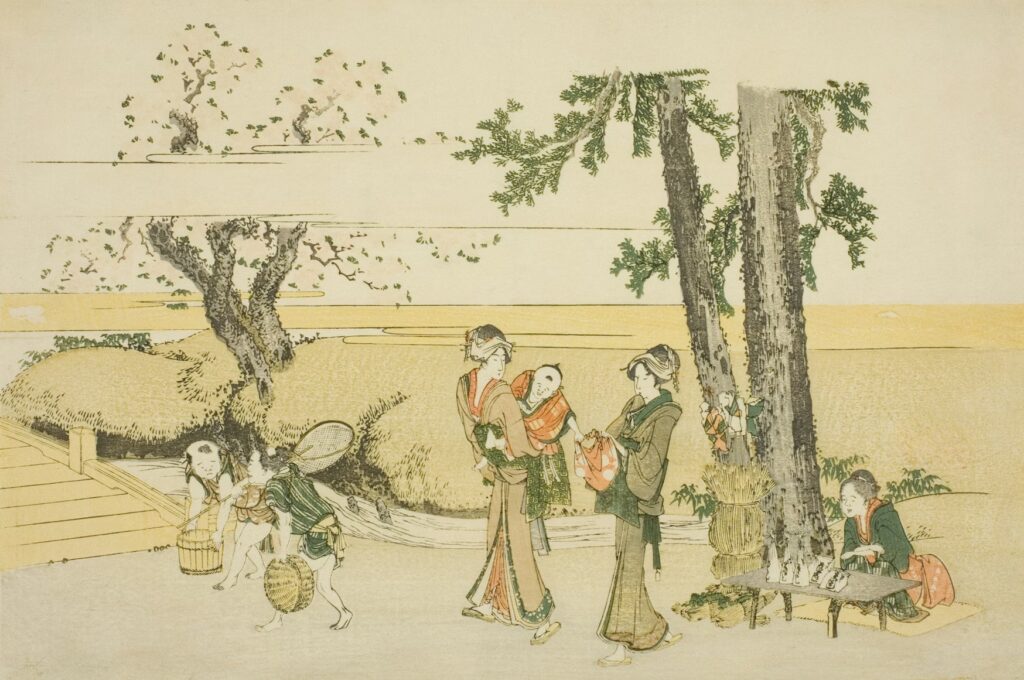
The old Japanese art forms were primarily focused on religious or symbolic themes. Early paintings were used in temples and shrines to depict gods, ancestors, and spiritual rituals. It wasn’t until the Edo period (1603-1868) that art became more secular, embracing a wide range of subjects, from landscape painting to depictions of kabuki actors and beautiful courtesans. This shift marks a significant moment in Japanese art history, making it more accessible to the general public and setting the stage for the famous art movements of the later centuries.
4 Iconic Japanese Art Styles You Need to Know
To understand Japanese painting, it’s important to explore the different artistic traditions that have shaped this rich cultural legacy. These Japanese art styles not only reflect Japan’s deep philosophical traditions but also offer a window into the country’s visual and emotional language.
1. Ukiyo-e (Woodblock Prints) & The Famous “Japanese Wave Painting”
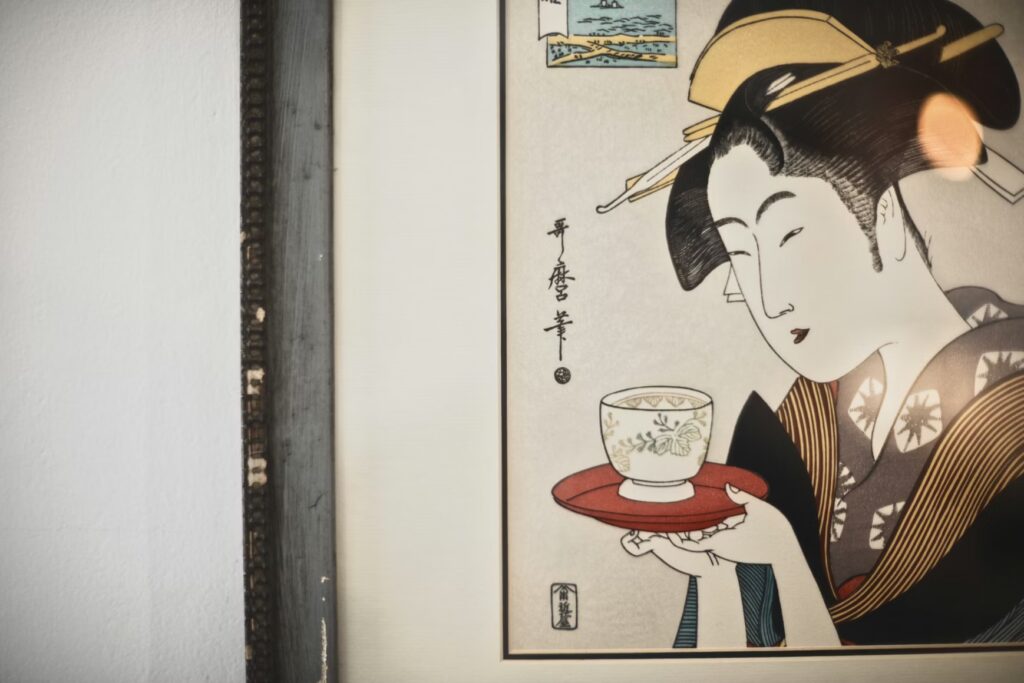
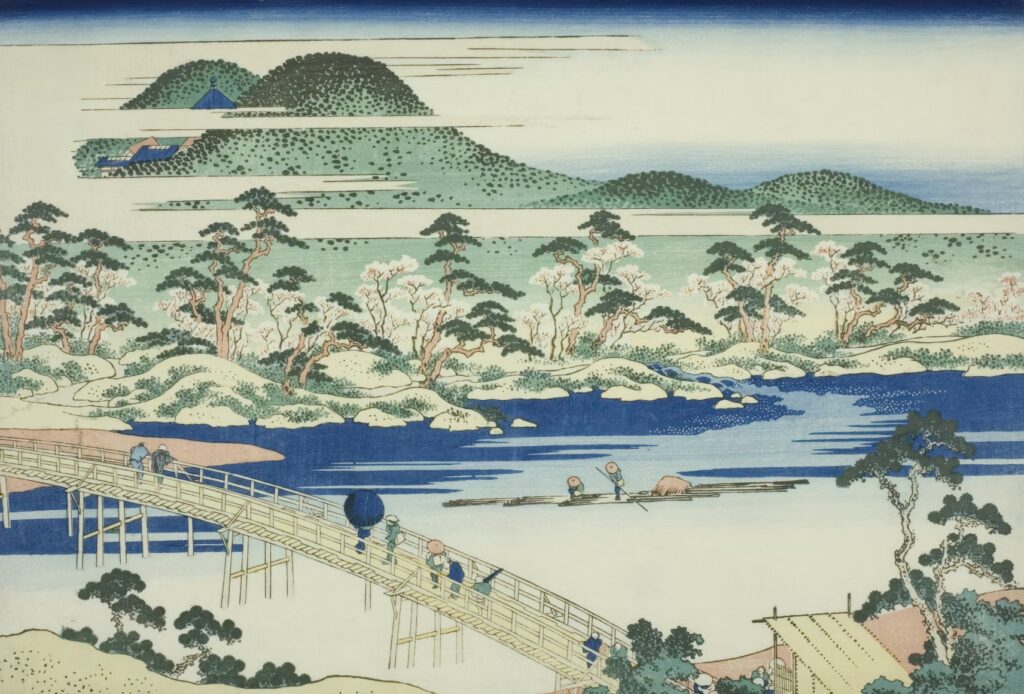
Ukiyo-e (meaning “pictures of the floating world”) is one of Japan’s most iconic art forms. Emerging in the 17th century during the Edo period, ukiyo-e features woodblock prints that depict everyday life, landscapes, kabuki actors, and beautiful women. The technique involves carving an image into a wooden block, applying ink, and pressing paper onto the block to create prints. This allowed for mass production of artwork, making it accessible to a larger audience.

Katsushika Hokusai
The most famous example of ukiyo-e is The Great Wave off Kanagawa by Katsushika Hokusai, a masterpiece that has become synonymous with Japanese art worldwide. This print is part of Hokusai’s Thirty-Six Views of Mount Fuji series and captures the beauty and power of nature with a towering wave threatening boats on the water. The print, often referred to as Japanese wave painting, reflects the dramatic relationship between humanity and nature, a theme central to much of Japanese painting.
2. Sumi-e (Ink Wash Painting)

Sumi-e, or Japanese ink wash painting, is a minimalist art form that emphasizes the beauty of simplicity. Originating in China and later refined in Japan, sumi-e uses ink, brush, and water to create delicate and evocative images, often focusing on landscapes, flowers, birds, and animals. It’s grounded in the philosophy of wabi-sabi, which celebrates the beauty of imperfection and transience.
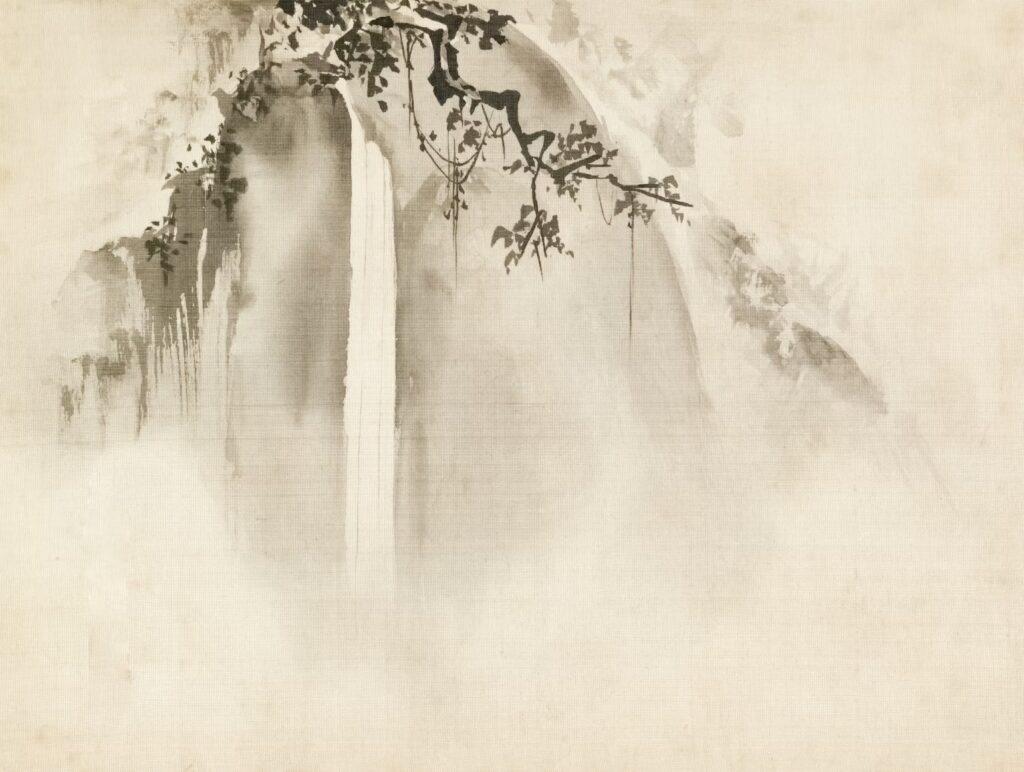
The Sumi-e artist uses controlled brush strokes to evoke the essence of a subject rather than its exact likeness. Each brushstroke is intentional, meant to convey emotion and atmosphere. In sumi-e, every line and wash of ink is a reflection of nature’s fleeting moments. The act of painting itself is a meditation, connecting the artist to the natural world and their inner spirit.
3. Nihonga (Traditional Japanese Painting)
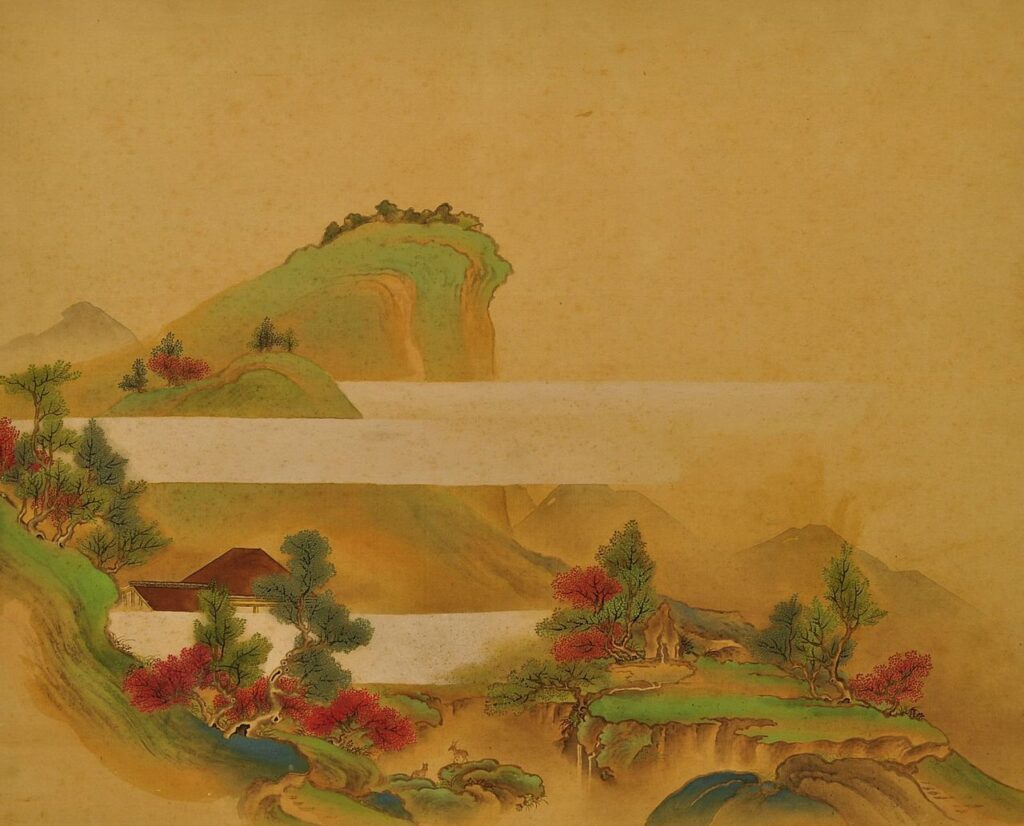
Nihonga is a style of traditional Japanese painting that arose in the late 19th century as a reaction against the growing influence of Western art during the Meiji Restoration. Artists sought to preserve and revive Japan’s unique artistic traditions, such as the use of mineral pigments and gold leaf, which had been employed in ancient Japanese painting.
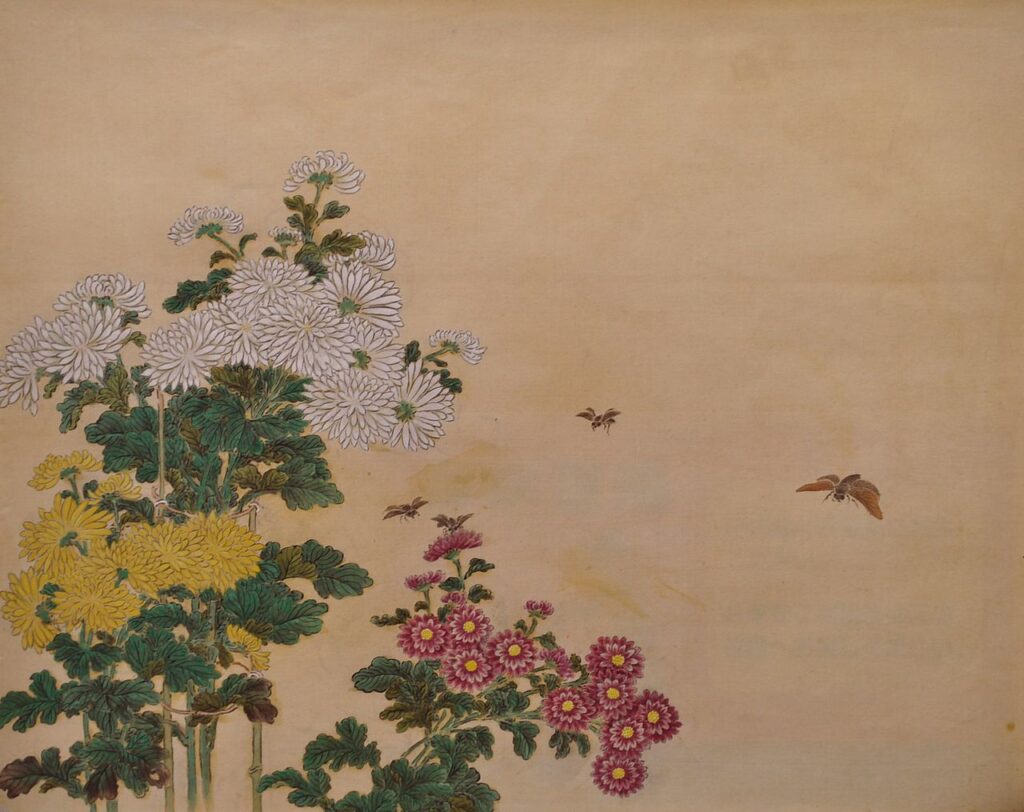
The most notable feature of nihonga is the use of traditional Japanese materials and techniques. Nihonga paintings are often created on silk or paper, and the process involves applying finely ground pigments mixed with animal glue. The style is characterized by intricate details and a deep connection to Japan’s cultural heritage. In contrast to the Western emphasis on perspective, nihonga often conveys beauty through delicate details, with a strong emphasis on symbolic and naturalistic themes.
4. Byobu (Folding Screens) & Calligraphy (Shodo)
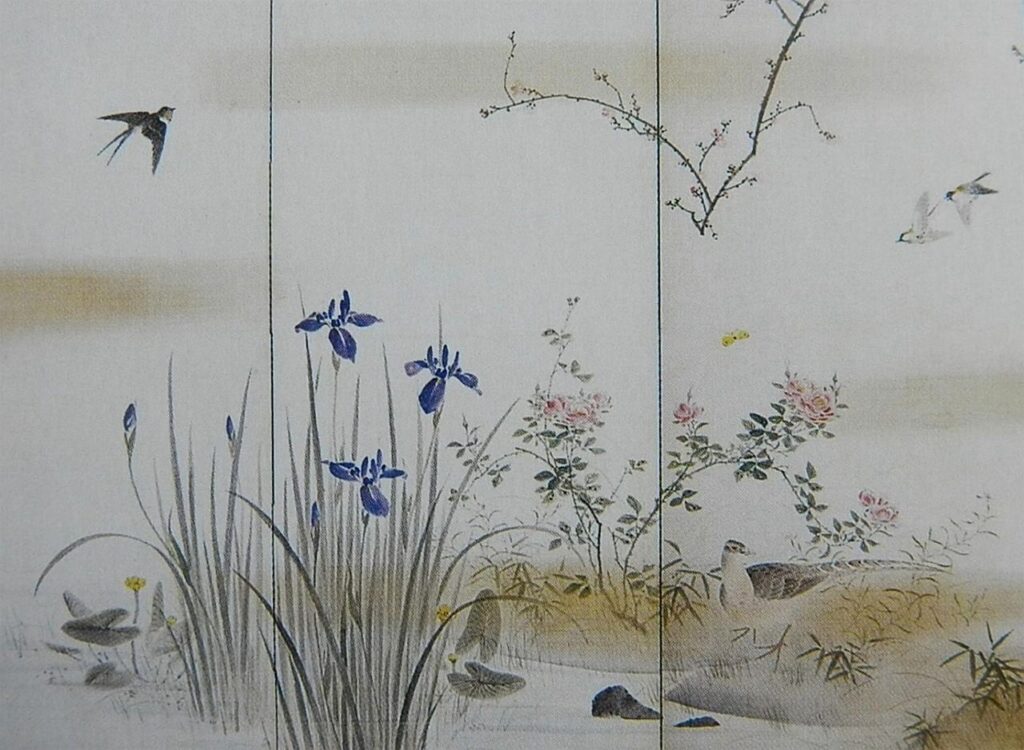
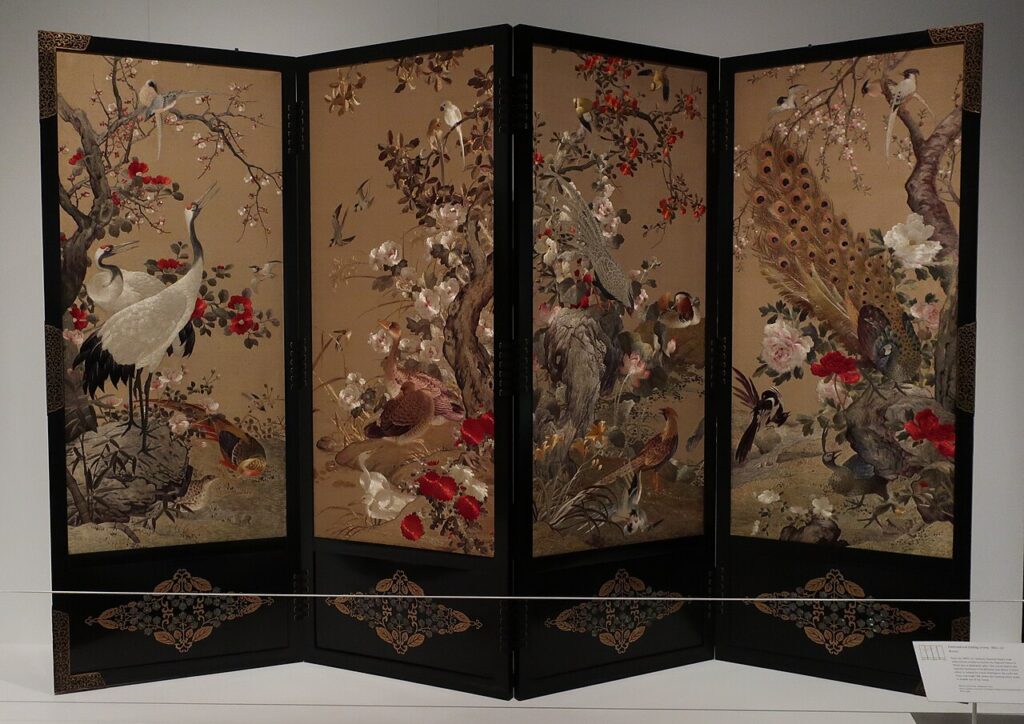
Byobu, or Japanese folding screens, are highly decorative panels that serve both functional and aesthetic purposes in traditional Japanese homes. Byobu paintings often depict nature, historical events, or mythological themes and are created using a combination of gold leaf, mineral pigments, and delicate brushwork. The use of folding screens in Japan dates back to the 8th century, and their decorative nature often reflected the artistic tastes and values of the Japanese aristocracy.
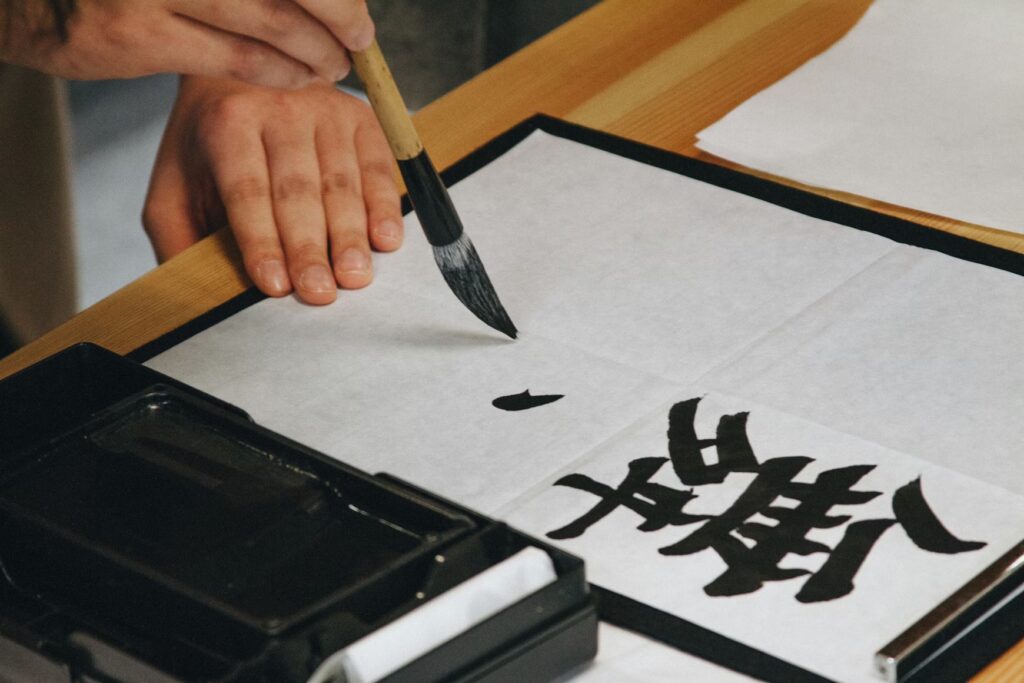
In parallel with byobu, shodo, or Japanese calligraphy, became a revered art form. Shodo is the art of writing Japanese characters using brush and ink, with each stroke embodying beauty and grace. The practice of shodo is not just about writing but also about achieving harmony between the brush, the ink, and the paper, reflecting the calmness and discipline of the artist.
Famous Japanese Artists Behind the Masterpieces
No discussion of traditional Japanese art is complete without mentioning the artists who have shaped it. Katsushika Hokusai and Utagawa Hiroshige are perhaps the most famous Japanese artists to emerge from the ukiyo-e movement. Hokusai, widely regarded as the master of woodblock prints, is best known for “The Great Wave off Kanagawa,” but his Thirty-Six Views of Mount Fuji series further solidified his place in art history.
Hiroshige, another master of ukiyo-e, is known for his stunning landscape prints, such as his “Fifty-three Stations of the Tōkaidō” series. His works showcase the serene beauty of Japan’s countryside, captured in delicate brushstrokes that evoke a sense of tranquility.
Practical Guide: Where to See Traditional Japanese Art in Real Life
While learning about Japanese painting from books and articles is valuable, there’s no substitute for experiencing these masterpieces in person.
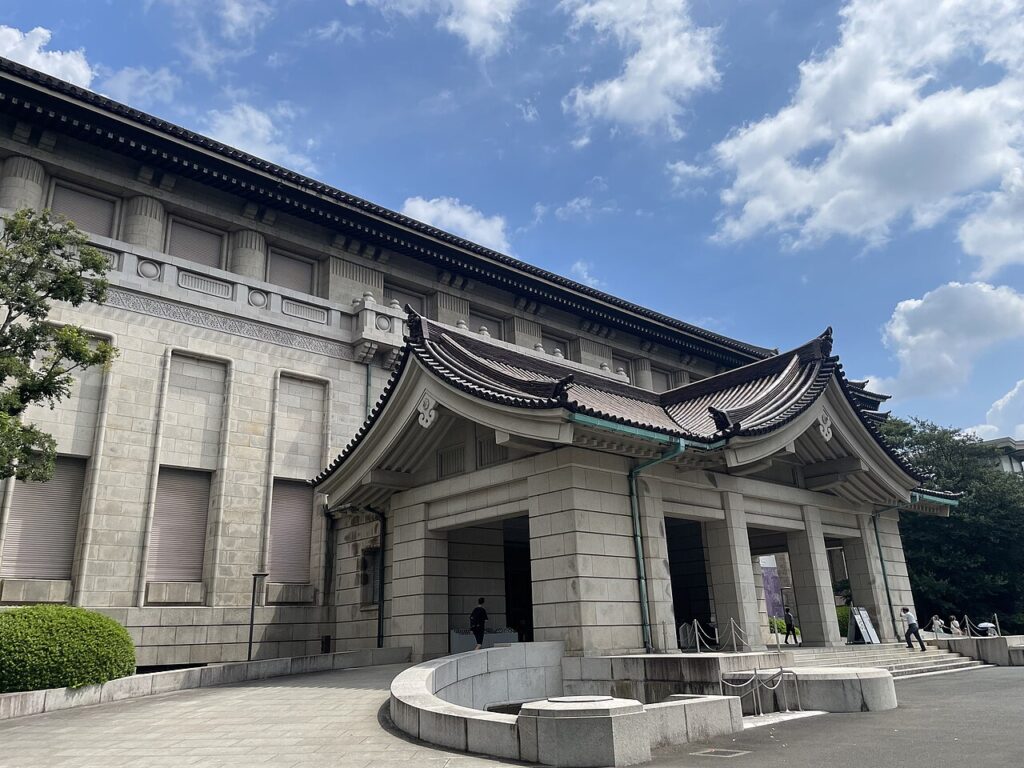
Tokyo is home to several museums that house collections of ukiyo-e and nihonga paintings. The Tokyo National Museum is a must-see for anyone interested in exploring Japan’s rich artistic heritage, offering a comprehensive collection of works from the Edo period and beyond. Additionally, the Sumida Hokusai Museum showcases the works of Hokusai, including his famous “The Great Wave.”
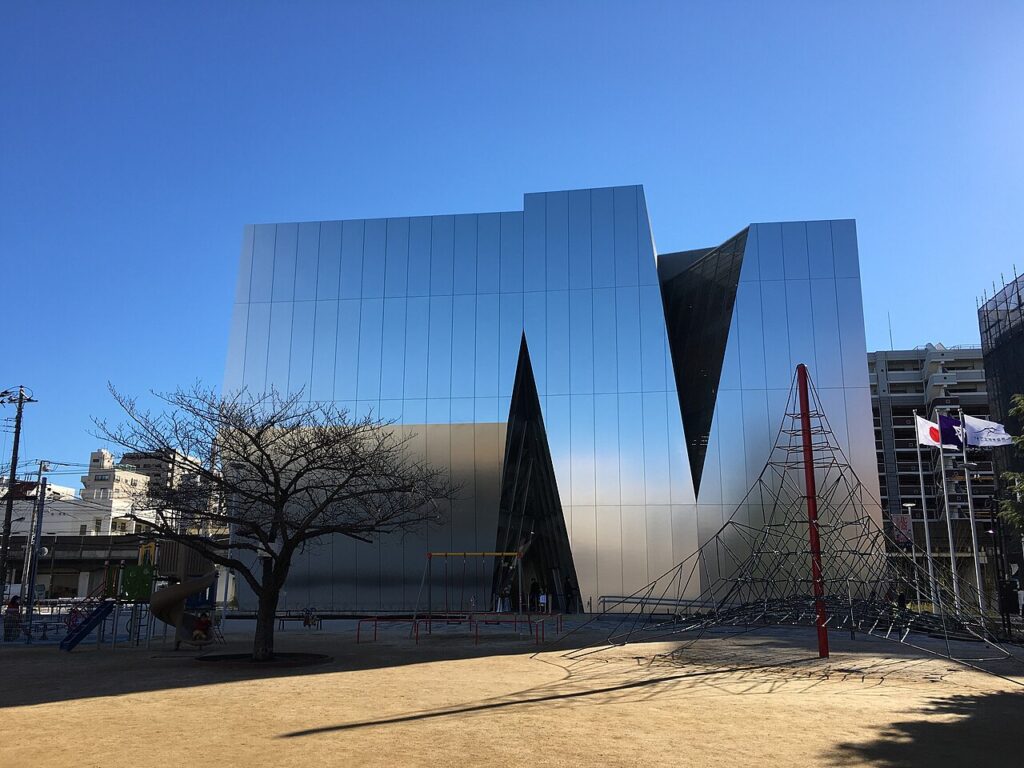
If you’re looking to experience sumi-e or shodo, there are many art studios and workshops in Kyoto and Tokyo where you can try your hand at these traditional Japanese arts.
Bringing It Home: Where to Buy Authentic Japanese Wall Art
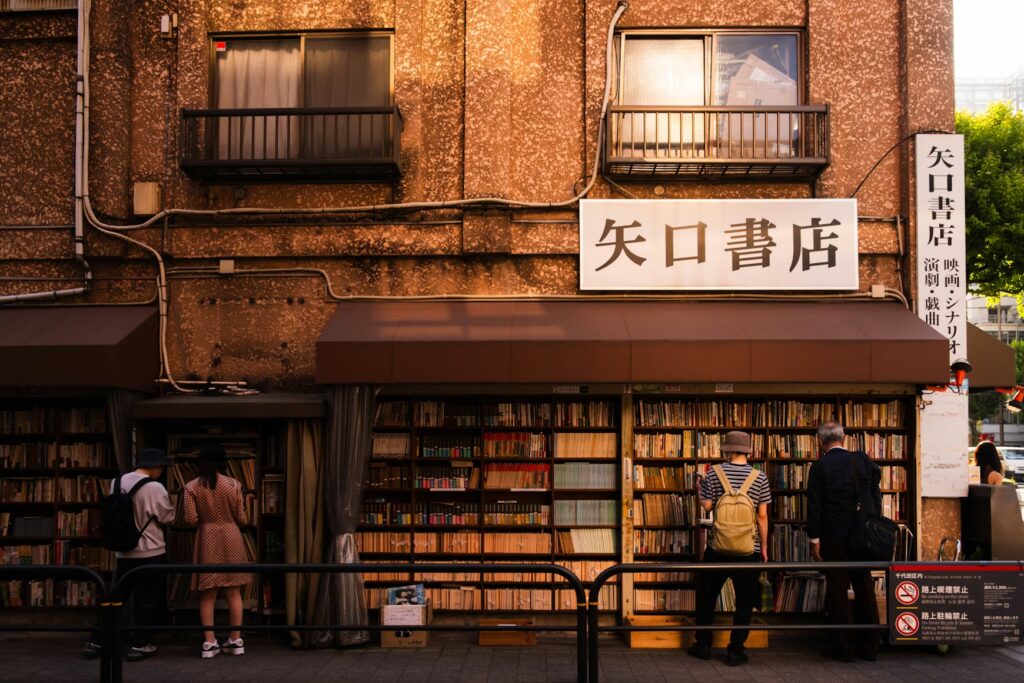
For those wanting to bring a piece of Japan’s artistic heritage home, there are plenty of places in Tokyo and Kyoto to purchase authentic Japanese wall art. Jimbocho in Tokyo is renowned for its bookstores and galleries, where you can find ukiyo-e prints and other traditional Japanese artworks. Asakusa in Tokyo also offers a wide range of souvenir shops where you can purchase high-quality prints of classic Japanese art.
Conclusion
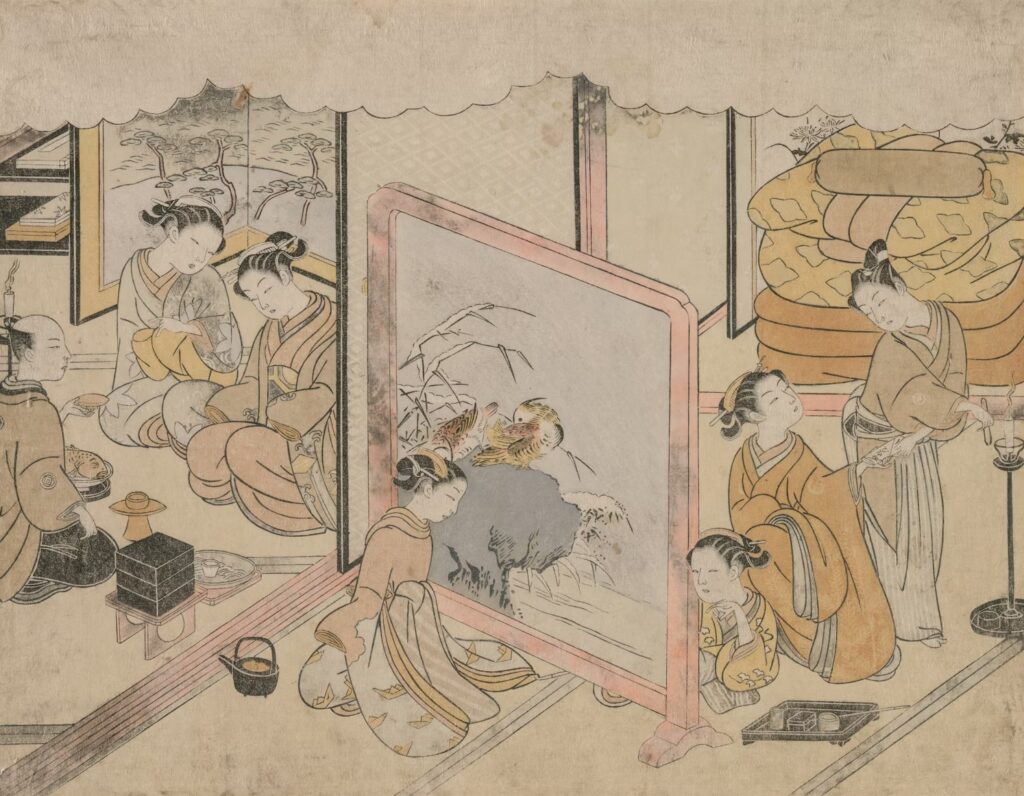
Japanese art, from the intricate brushstrokes of sumi-e to the stunning depictions in ukiyo-e, offers a window into the country’s rich cultural history and philosophy. Whether you’re exploring Japan’s art museums or collecting traditional Japanese paintings to adorn your home, understanding these Japanese art styles will deepen your appreciation for the beauty and significance of each piece. So, take the time to experience these masterpieces firsthand, and bring a piece of Japan’s timeless artistic heritage into your life.
Planning a trip to Japan? Don’t miss out on seeing these styles in person!
Read Next
10 Best Museums in Tokyo: Where to Find Japanese Painting & Japan Drawing