
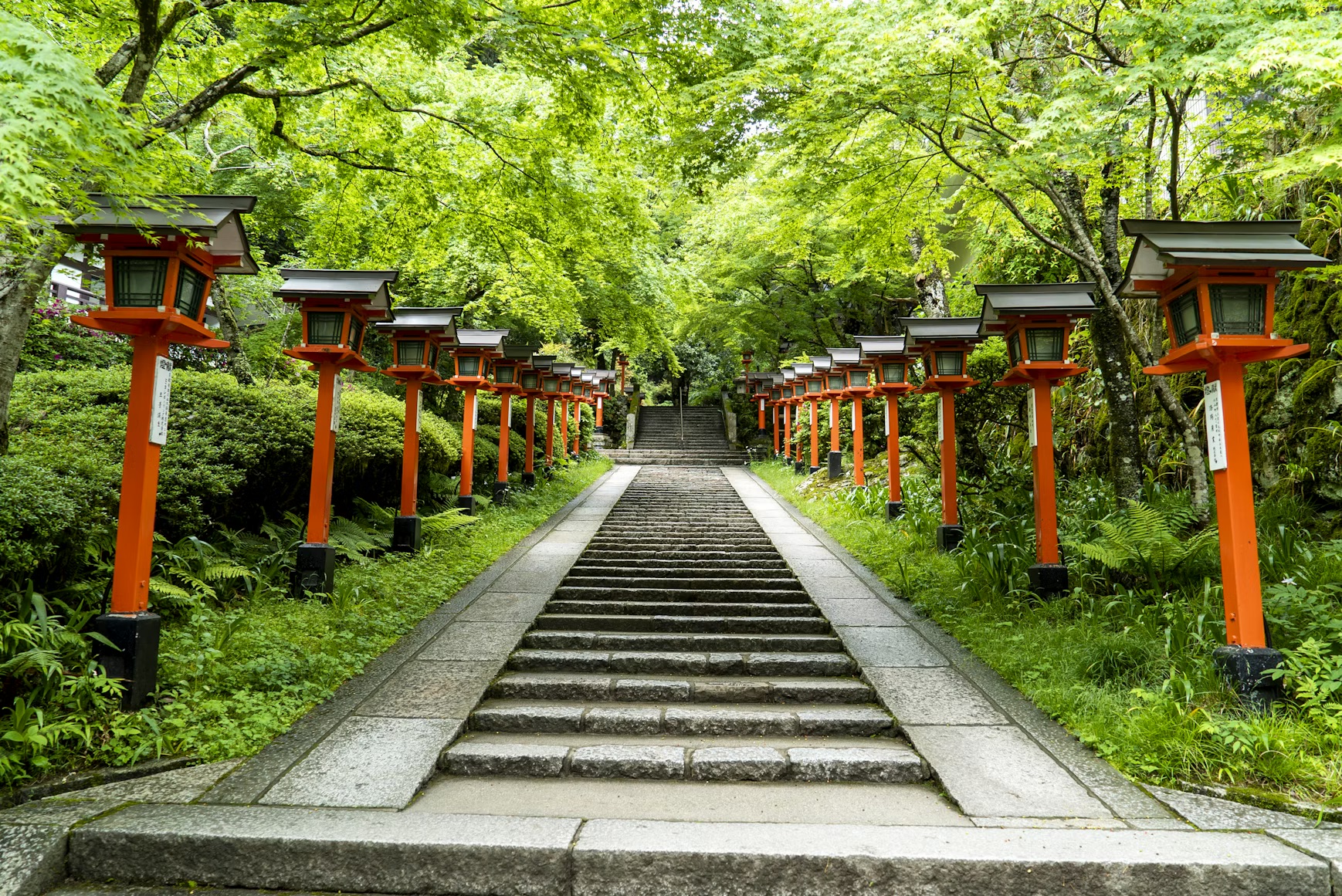
Japan rarely asks much of you at the beginning, and those first days tend to move forward almost on their own. Curiosity carries you through stations and streets, distance feels shorter than expected, and time compresses in a way that feels generous rather than demanding. Even when the days are full, there is still space inside them, and effort remains largely invisible at first.
The question of how long to stay in Japan doesn’t usually appear at this stage. It comes later, gradually, as the shape of the day begins to change. Movement starts to register more clearly. Pauses feel narrower. The rhythm that once felt natural begins to require a bit more attention, enough to become noticeable. Understanding how long to stay in Japan often begins there, in that subtle shift, long before numbers or itineraries come into focus.
When the Days Still Carry Themselves
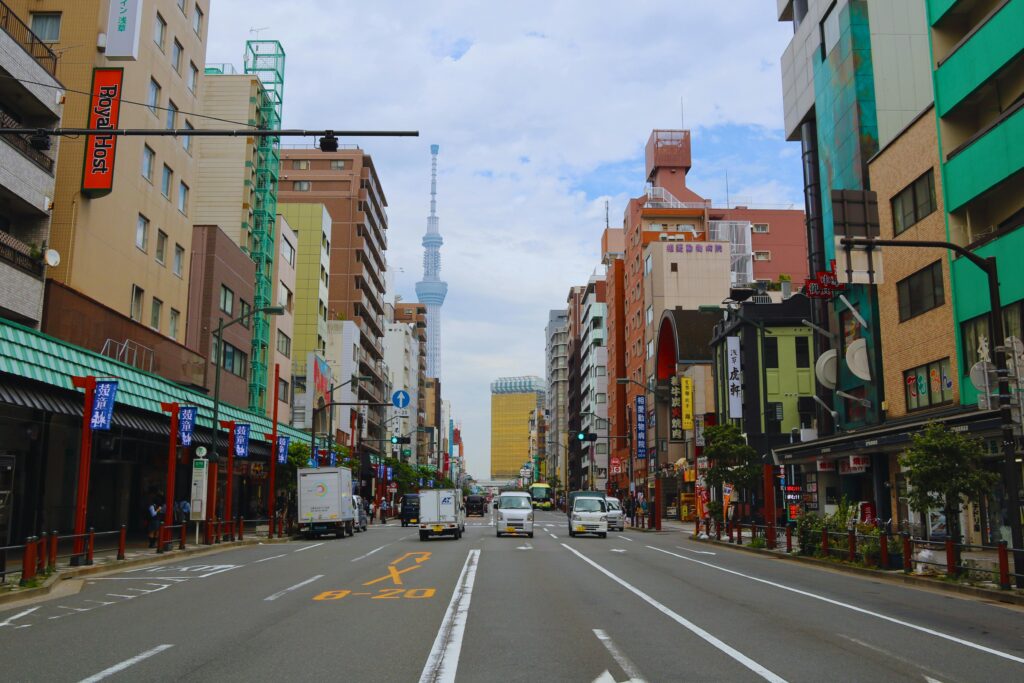
Early in a trip, Japan absorbs energy for you. Navigation feels intuitive, transitions fall into place, and unfamiliar routines remain engaging rather than draining. Walking long distances blends into the day without standing out, and evenings arrive with a sense of completion rather than closure.
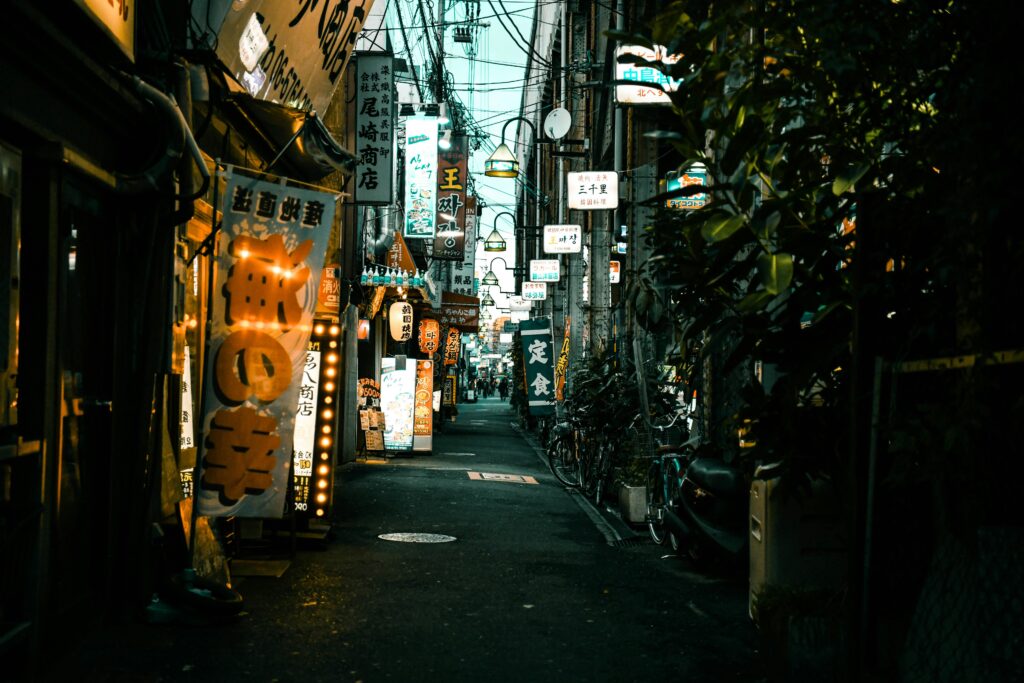
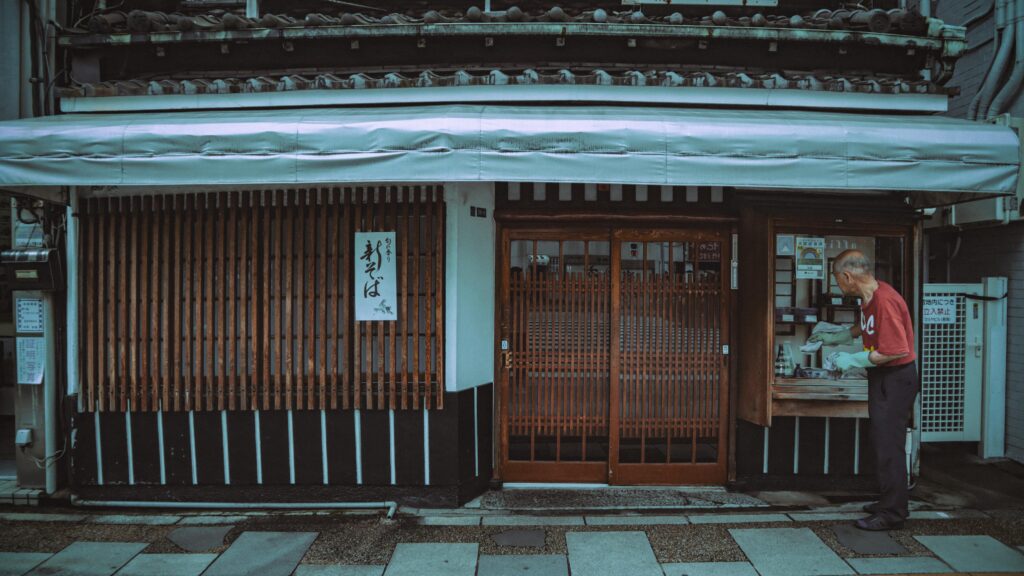
During this phase, time moves smoothly. Days feel dense, yet not heavy, and progress remains easy to sense. Many travelers remember this period most clearly, because novelty and momentum align. It’s also the phase that quietly makes shorter stays feel more sufficient than they often turn out to be.
As Time Begins to Accumulate
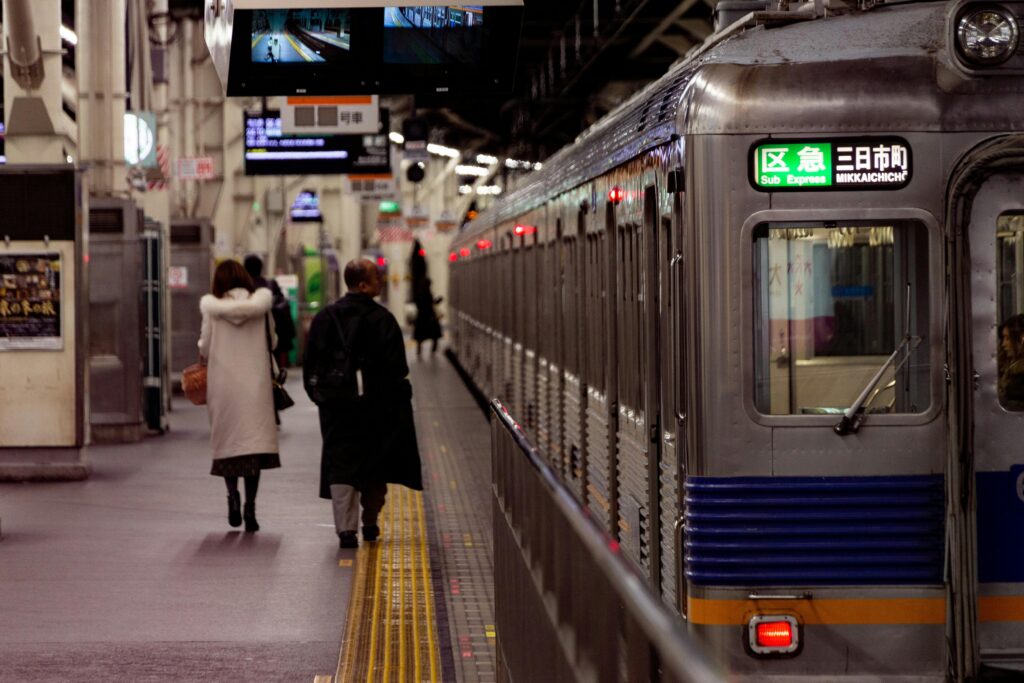
With more days, movement starts to leave a trace. Stations feel larger than before, transfers linger a little longer in the body, and the distance between places becomes easier to feel, even when routes are familiar. Recovery between days shortens steadily, as each day settles more tightly into the next.
Packing, arriving, orienting, repeating. Each action still feels manageable, and the experience remains engaging, though the accumulation becomes harder to ignore. Days tend to fill earlier, leaving less room for extension, and the sense of space inside them begins to narrow noticeably.

This is often when frequent changes in location start to shape the trip more than expected. Japan continues to offer depth and stimulation, while the pace quietly tests how much attention remains available to meet it.
The Middle of a Longer Stay
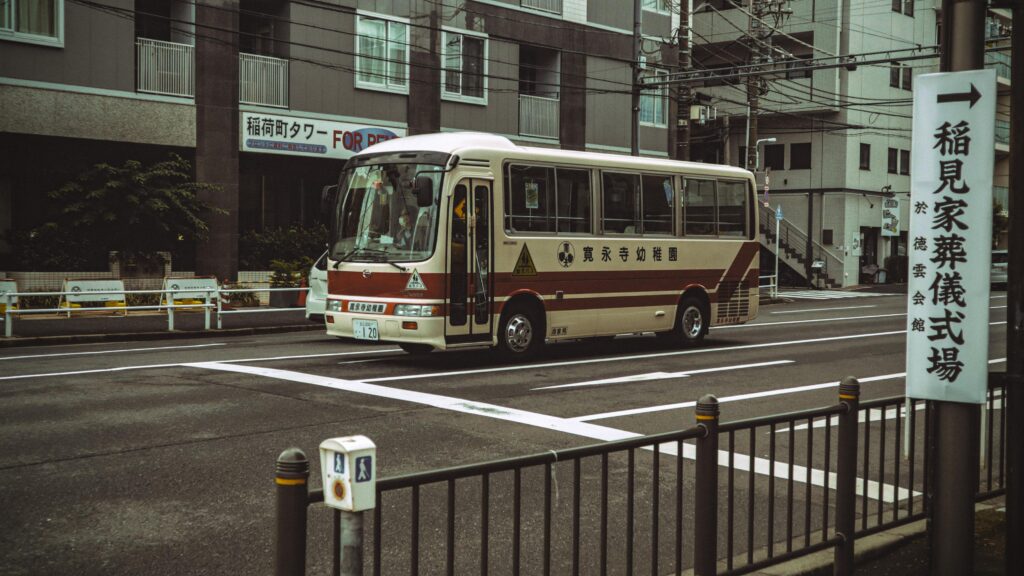
For those staying longer, the middle portion of a trip often defines its direction. Some travelers naturally slow down here, remaining longer in fewer places, allowing familiarity to soften the day. Routes become predictable, mental load decreases, and time begins to open again, even as the surroundings remain rich.
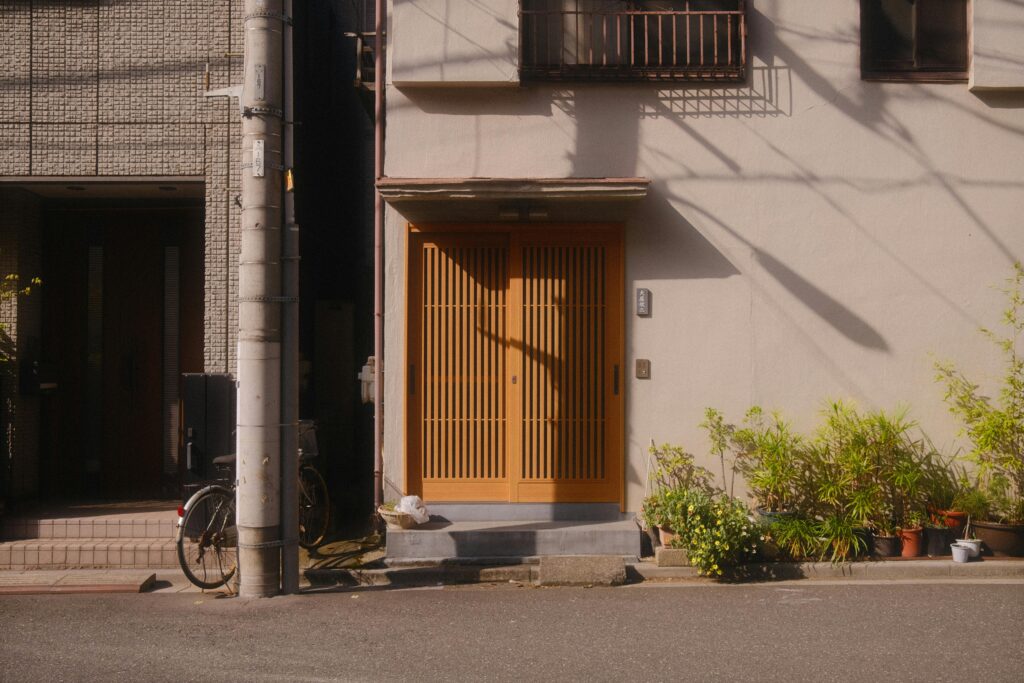
Others continue at the same rhythm, adding destinations without adjusting the structure of the day. In these cases, stimulation remains constant while recovery tightens. The unfamiliar loses some of its sharpness, though it continues to demand awareness, and the experience begins to feel heavier without losing interest.
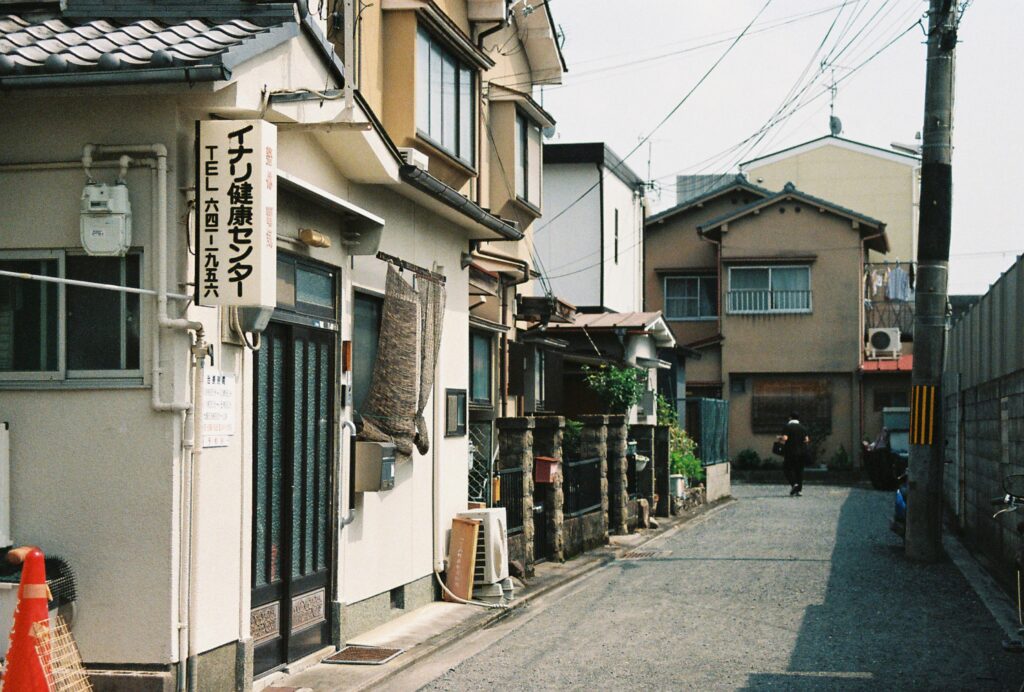
Japan holds intensity well over time. Visual density, urban scale, and social cues remain present, even as routines form. Without space to absorb, longer stays can carry more weight than expected, simply because the country continues to ask for sustained presence.
When the Pace Starts to Press

The moment when Japan begins to feel demanding arrives quietly. Choices shift without intention. Routes shorten. Sitting longer feels appealing. Days come to an end earlier from accumulation.
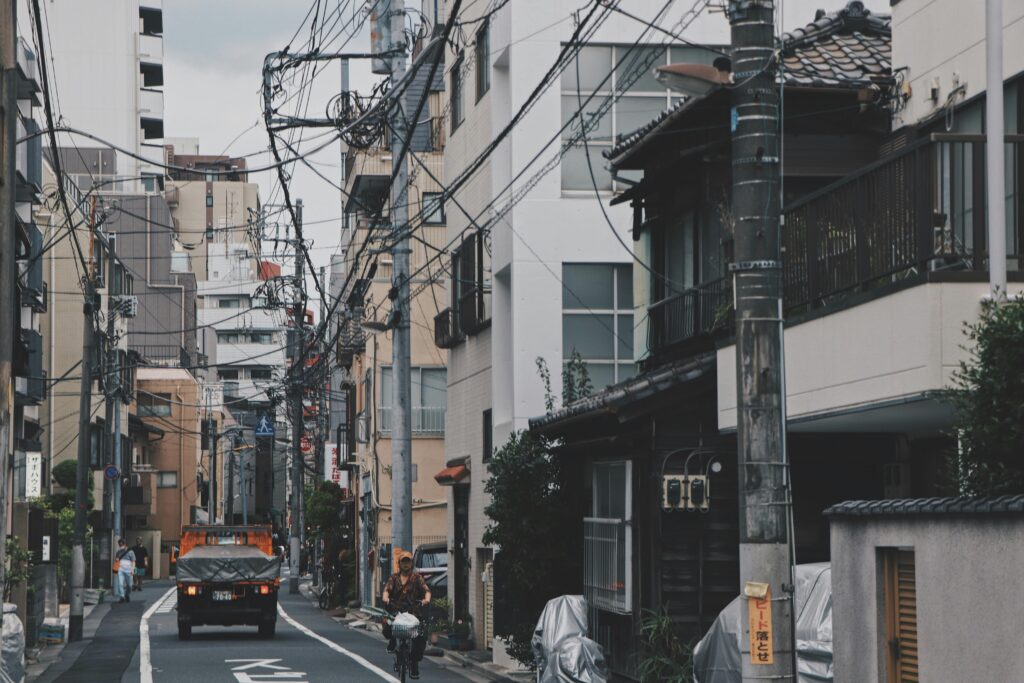
This shift doesn’t signal that the trip has gone too far. It points to the need for a different rhythm. Staying in one place begins to matter more. Repetition brings ease. Familiarity reduces effort, and the experience starts to settle rather than expand.
Travelers who allow this adjustment often find the trip deepening again. Those who continue without easing the pace may feel ready to leave, even while surrounded by places they have not yet seen.
How Long Feels Right
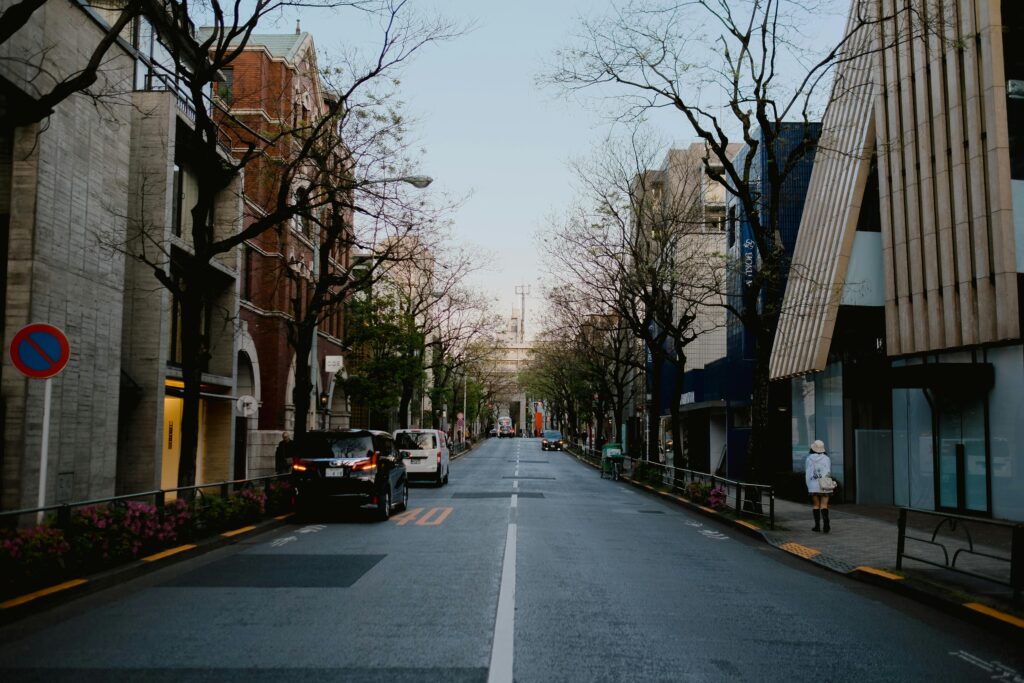
The right length of stay in Japan depends on how you want your days to behave as time passes. Some trips preserve clarity and momentum by ending while energy remains high. Others find their balance by allowing the rhythm to soften, letting continuity replace intensity.
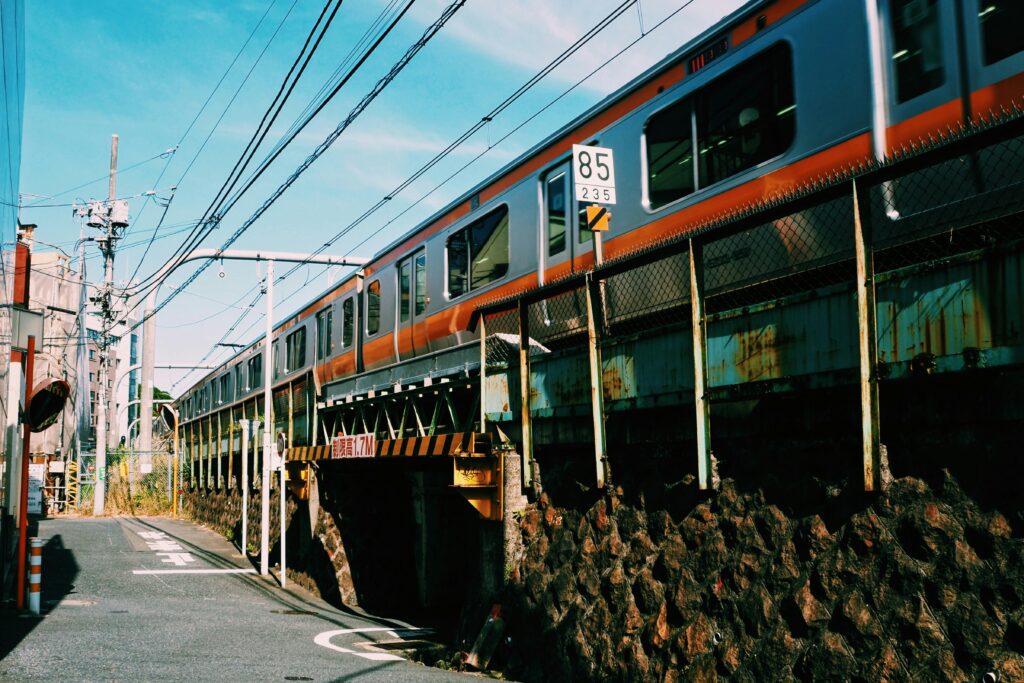
Japan supports both approaches. Shorter stays hold brightness and focus. Longer stays invite steadiness, provided the pace shifts as days accumulate.
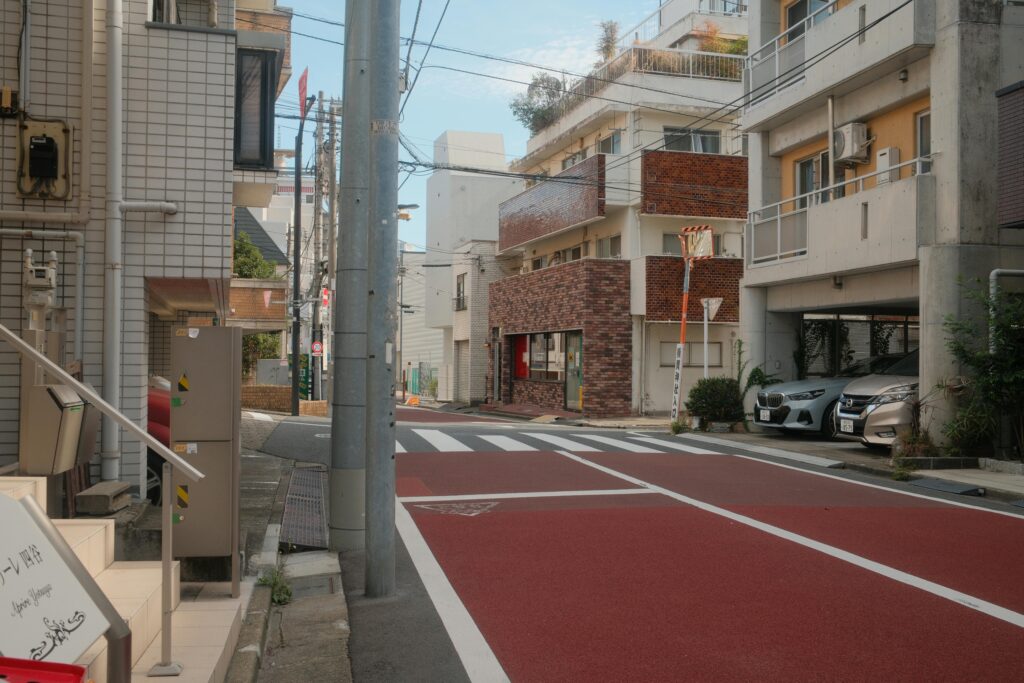
The question is how long you can remain before attention begins to feel like effort, and when the experience asks for more than it gives back. Recognizing that point, and adjusting before it arrives, is often the clearest way to decide how long to stay in Japan.