
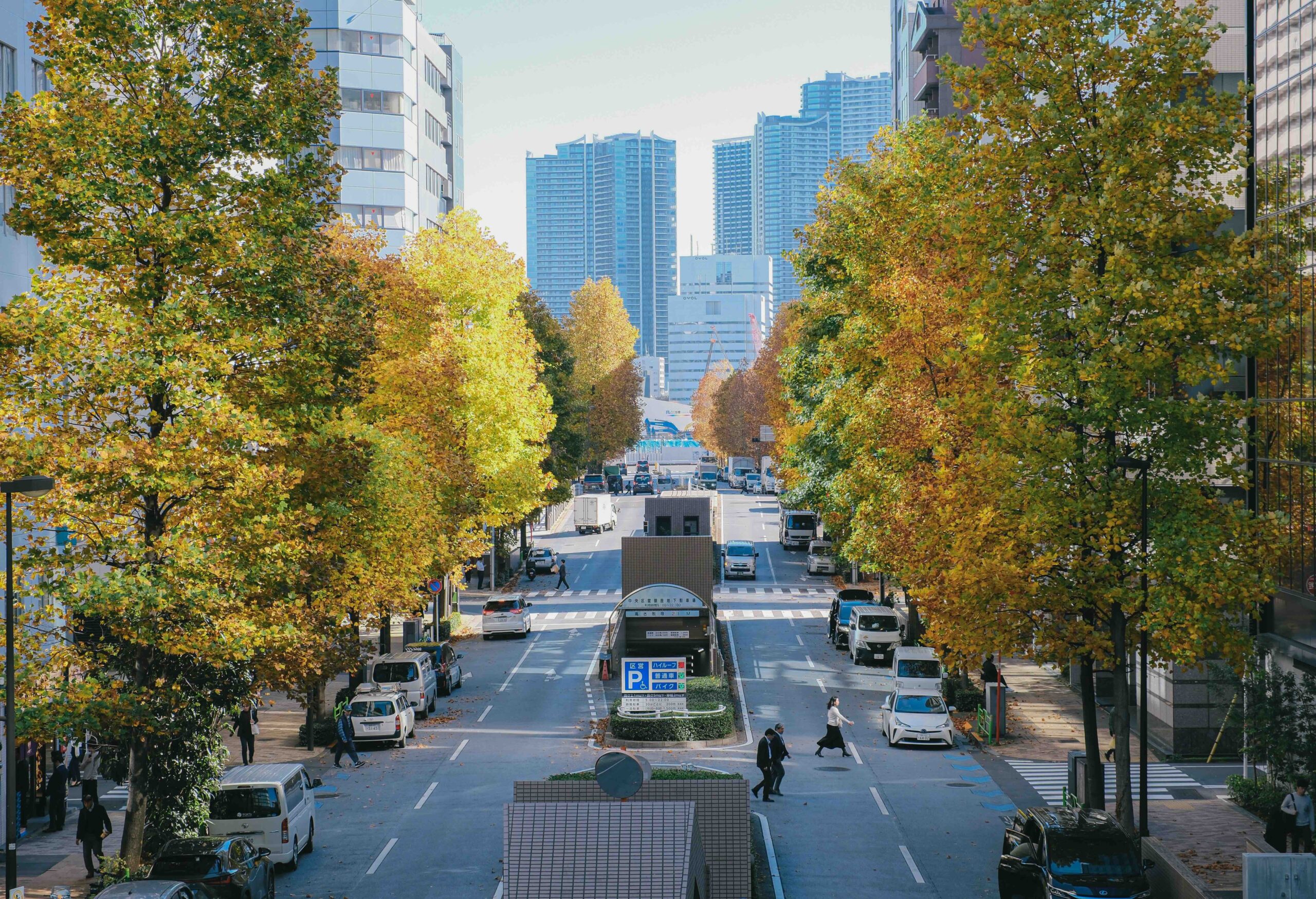
Tokyo doesn’t announce itself as difficult. From the outside, it appears precise, efficient, and unusually workable, especially for people who carry their work with them. Everything functions, and very little asks to be negotiated.
What takes longer to register is how much effort that smoothness quietly assumes, and how the city’s refusal to soften with familiarity begins to shape the remote experience in ways that are easy to miss early on.
When efficiency doesn’t translate into lightness
From a distance, Tokyo carries an impression of effortlessness. The city runs ahead of you, anticipating use and smoothing movement before anything needs to be asked. For remote travelers, this level of coordination can feel reassuring at first, especially after time spent in cities where friction is visible and daily life requires constant negotiation.
What becomes clearer over time is that ease in Tokyo functions as an operating condition. The city moves smoothly on the assumption of attentiveness, accuracy, and alignment from those moving within it. Stability is constant, and ease appears only when that shared level of care is met.
How the city keeps its distance
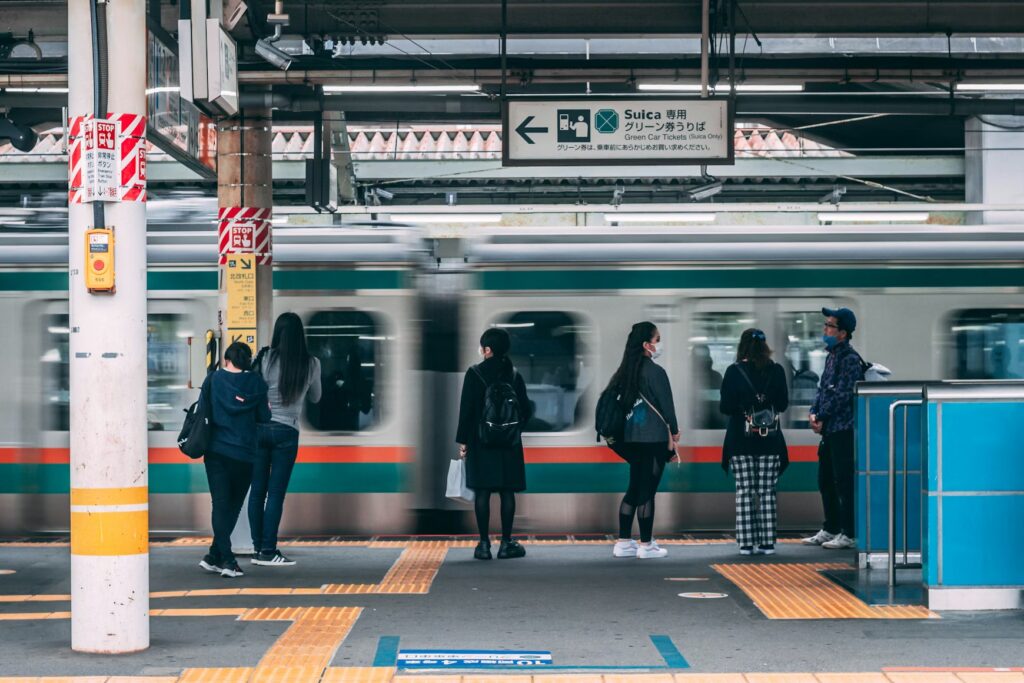
Tokyo doesn’t rush to accommodate outsiders emotionally, even while it supports them functionally. Navigation is possible without language. Daily tasks can be completed without explanation and work can continue uninterrupted. At the same time, the city rarely signals welcome in ways that reduce effort or invite lingering.
This distance shapes the remote experience quietly. Presence moves into the city with a light touch, allowed to exist without needing to be taken in or held closely. Over weeks, this can feel stabilizing for some, especially those who value structure and self-containment, while others begin to notice how much energy is spent maintaining surface-level alignment.
When repetition carries weight instead of relief
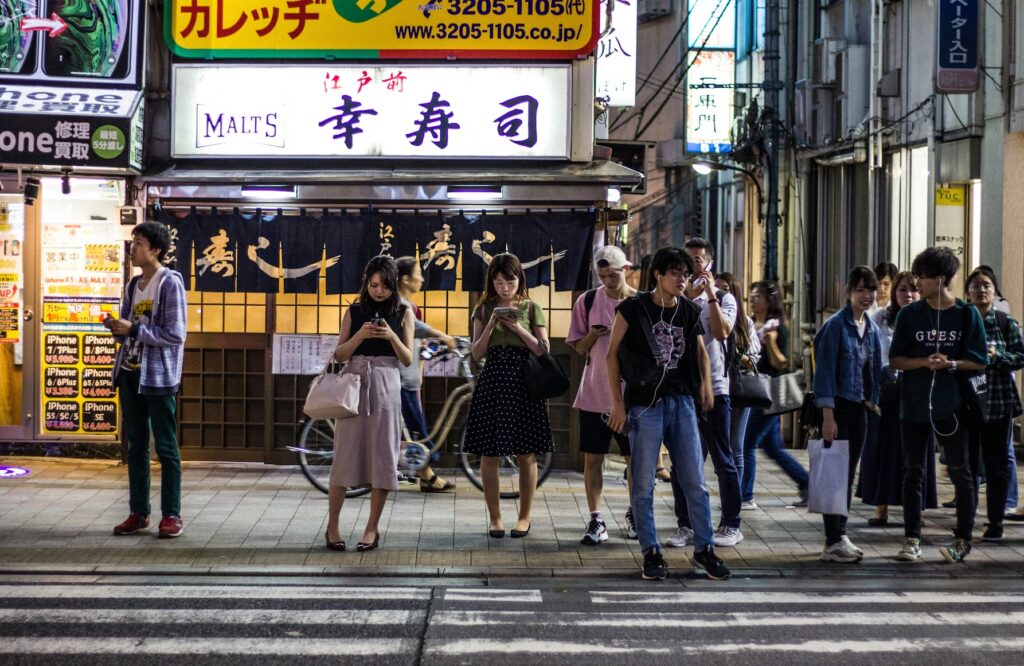
In Tokyo, repetition carries a steady expectation. Routes become familiar and routines take shape, but the level of attentiveness the city asks for doesn’t recede. Familiarity accumulates without easing the standard the day is held to. That constancy keeps the day aligned to a precise standard. Focus sharpens and reduces distraction, while attention stays alert, never fully loosening into the kind of ease where the body can settle completely.
Work fits cleanly, life less so
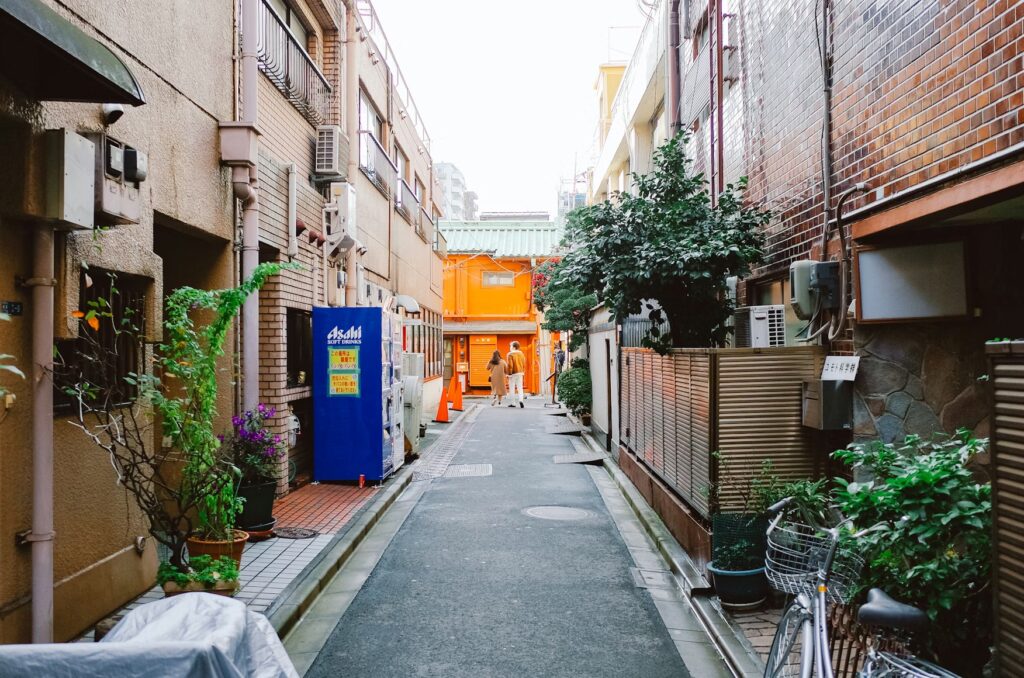
Tokyo supports work with a high degree of reliability. Infrastructure recedes into the background, and time begins to hold its shape in a way that feels precise and dependable.
What becomes harder to notice is how little room the day leaves for irregularity. Life runs most smoothly when kept within a narrow range, and anything outside that line begins to stand out. Rest arrives through intention, and over longer stays that quiet discipline starts to shape how recovery is felt.
Why resistance matters more than comfort
Tokyo’s resistance to ease sits at the center of how the city works. Experience isn’t cushioned or reshaped around individual preference. The city holds its form steadily, and moving within it requires a careful alignment with what already exists.
For remote travel, that resistance begins to matter in quieter ways. Attention gathers, days take on a sharper outline, and distraction thins as alignment is maintained. At the same time, the steady demand for precision accumulates, especially when work already calls for sustained focus, and the cost begins to register in the background.
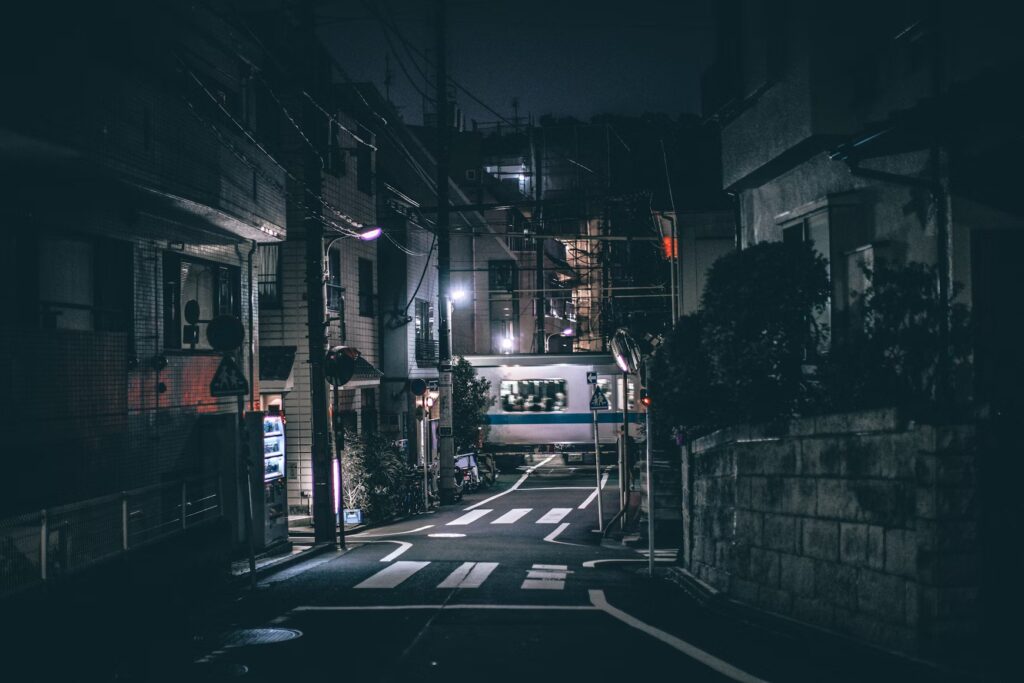
Who Tokyo tends to support over time
Tokyo often suits remote travelers who carry structure internally, who work best with boundaries, and who don’t rely heavily on ambient social energy to feel settled. It can stabilize people who prefer rhythm over spontaneity and who recover through quiet rather than softness.
Those seeking ease through emotional warmth, flexible social spaces, or frictionless belonging may find the city demanding in ways that don’t announce themselves early.
What Tokyo reveals about remote travel itself
Tokyo brings a certain clarity into focus. As novelty fades and days begin to repeat, what sustains remote travel becomes easier to feel. It rests in how much effort a place continues to ask, and how that request sits inside everyday life.
By resisting ease, Tokyo exposes the difference between systems that function and environments that carry you. That distinction becomes clearer gradually, especially when work remains constant and the city becomes the variable shaping attention, energy, and the possibility of staying.