
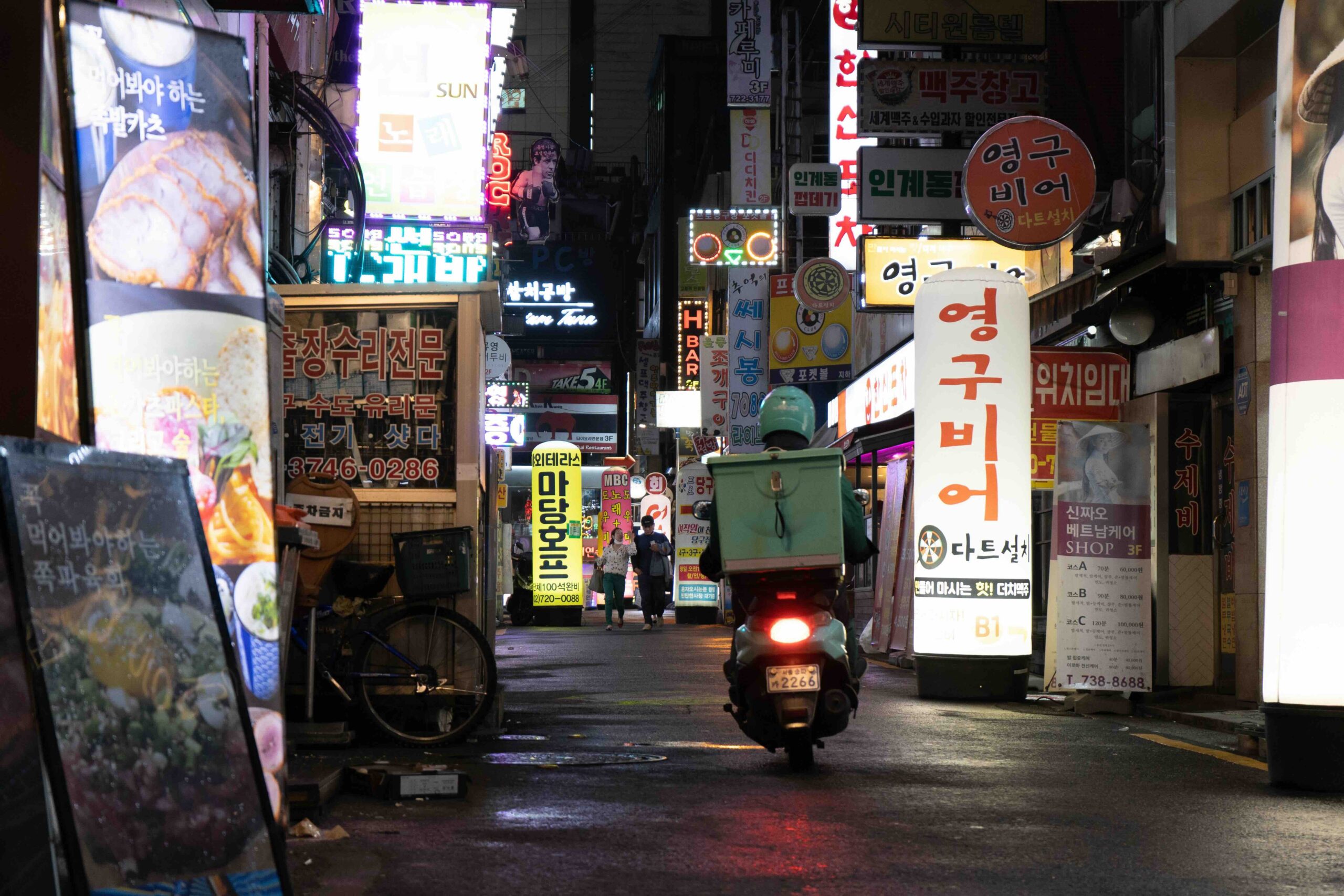
Seoul surrounds you through movement, late hours, density, and a sense that the city is always slightly ahead of where you’re standing. In the early weeks, this intensity often aligns well with remote travel. Work fits into the gaps, energy stays high, and novelty carries the weight of the day without asking much in return.
What changes more slowly is the role excitement plays once it begins to fade. Seoul doesn’t soften when that happens. The city continues at the same pace, leaving routine to operate inside an environment that never quite slows down on its own.
When familiarity arrives before comfort
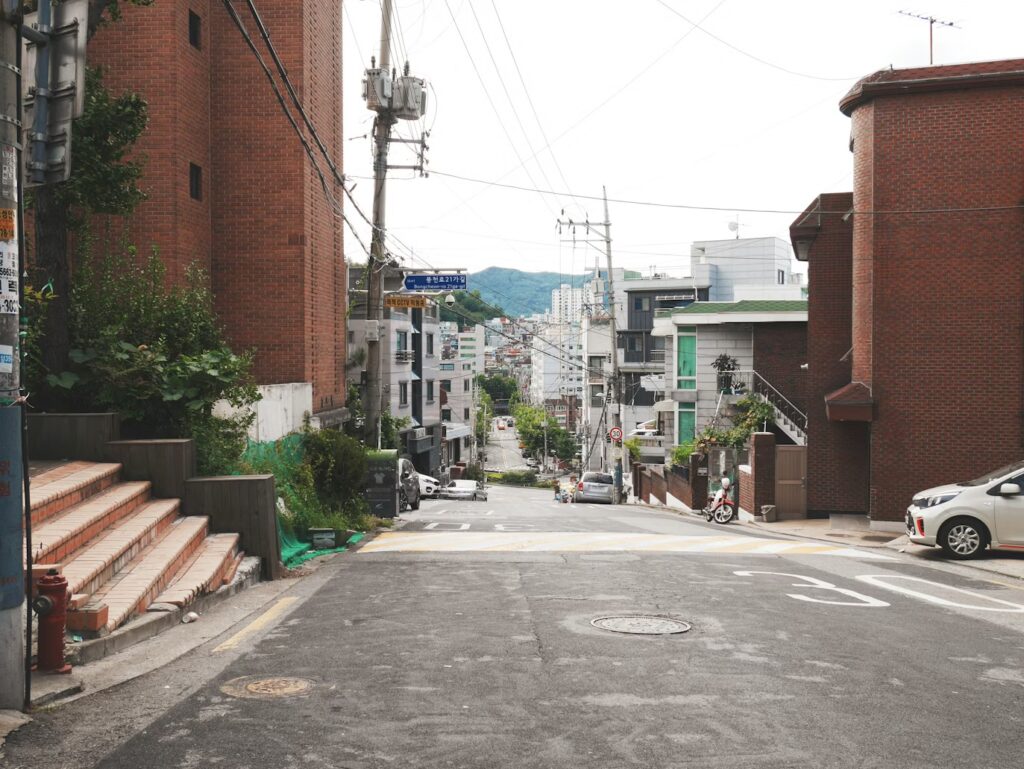
Daily life in Seoul becomes familiar quickly. Transit systems make sense, neighborhoods organize themselves clearly, and the repetition of cafés, convenience stores, and workspaces creates the feeling that the city is easy to move through even without deep local knowledge.
Ease arrives slowly. Familiarity gathers, routes repeat, habits form, and the day continues to ask for attention and precision. Routine is present, carrying on before it ever fully turns into comfort.
How excitement fades without releasing pressure
As the initial intensity thins, Seoul doesn’t become quieter in response. Streets remain active, schedules run late, and the background of the city stays full regardless of whether anything feels new anymore.
For some remote travelers, this sustained momentum feels grounding, providing structure through constancy. For others, it introduces a subtle strain, as the energy that once fueled excitement fades, while the pace that depended on it stays the same.

Work inside a city that stays switched on
Seoul supports remote work well in practical terms. Connectivity is reliable, workspaces are abundant, and cafés in many areas allow long stays without friction. It’s possible to build a consistent work rhythm without needing to push against the city directly.
Over time, it becomes clearer how much containment that rhythm requires. Focus is held deliberately, shaped by boundaries that need to be maintained. Work settles, though it does so inside a city that continues to move loudly around it.
When routine begins to compete with stimulation
Routine in Seoul doesn’t replace stimulation so much as it exists alongside it. Even as days repeat, options remain present, events continue unfolding, and the sense that something is always happening rarely drops away.
This often leaves routine feeling thin in the early stages. The day keeps moving, functioning well enough, but carrying a sense of incompletion. Evenings extend later, rest asks to be actively shaped, and the winding down that might arrive on its own takes longer to show up, especially when work already holds sustained attention.

How longer stays reshape the relationship
A quieter shift begins to appear. Neighborhoods narrow, social circles draw in, and attention tightens as movement becomes more selective. The city remains expansive, while the way you move through it grows more contained.
Routine becomes selective. Certain parts of the city fall away, while others begin to carry the day more reliably. This narrowing allows life to feel more livable, even as it reveals how much energy was previously spent staying open to everything at once.
Who Seoul tends to support over time
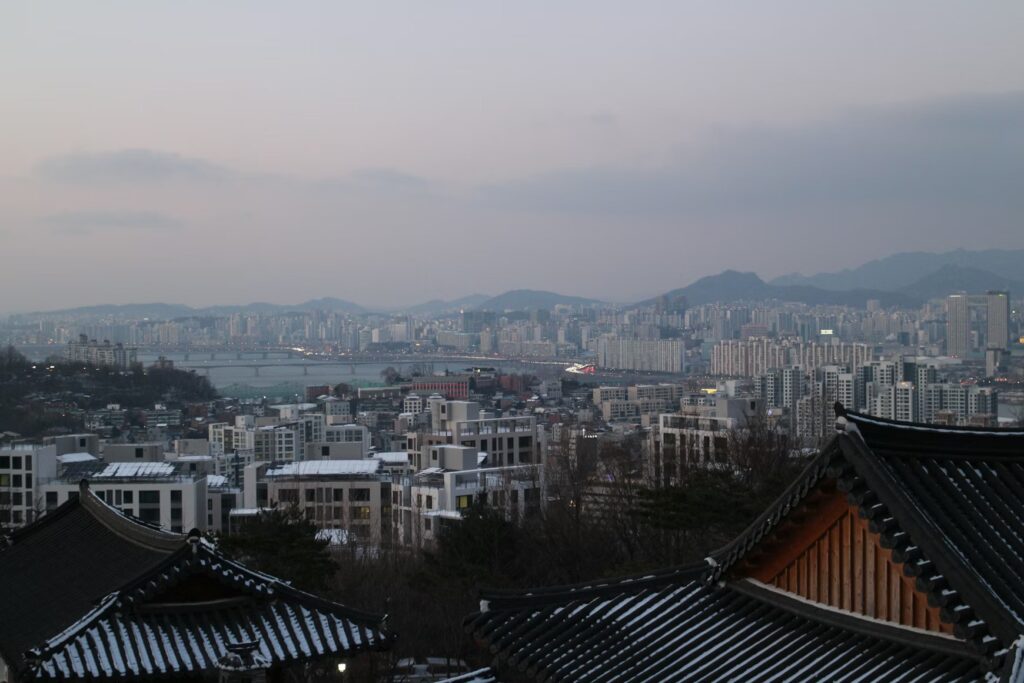
Seoul often suits remote travelers who recover through structure, who feel steadied by systems, and who can build internal boundaries strong enough to coexist with constant external movement. It supports those who don’t need the environment to quiet itself in order to rest. For some, the transition carries more weight. Excitement thins, the pace continues, and routine begins to require more effort to stay present inside daily life.
What Seoul reveals about staying
In Seoul, the fading of novelty brings a different question to the surface. Routine is expected to grow strong enough to carry itself, without relying on softness to arrive. For those who stay, the city shows that sustainability isn’t always found in ease. Sometimes it comes from learning how to live steadily inside intensity, and deciding whether that way of carrying the day continues to feel supportive once excitement is no longer doing the work.