



Latin American cities often enter remote travel through lived presence.
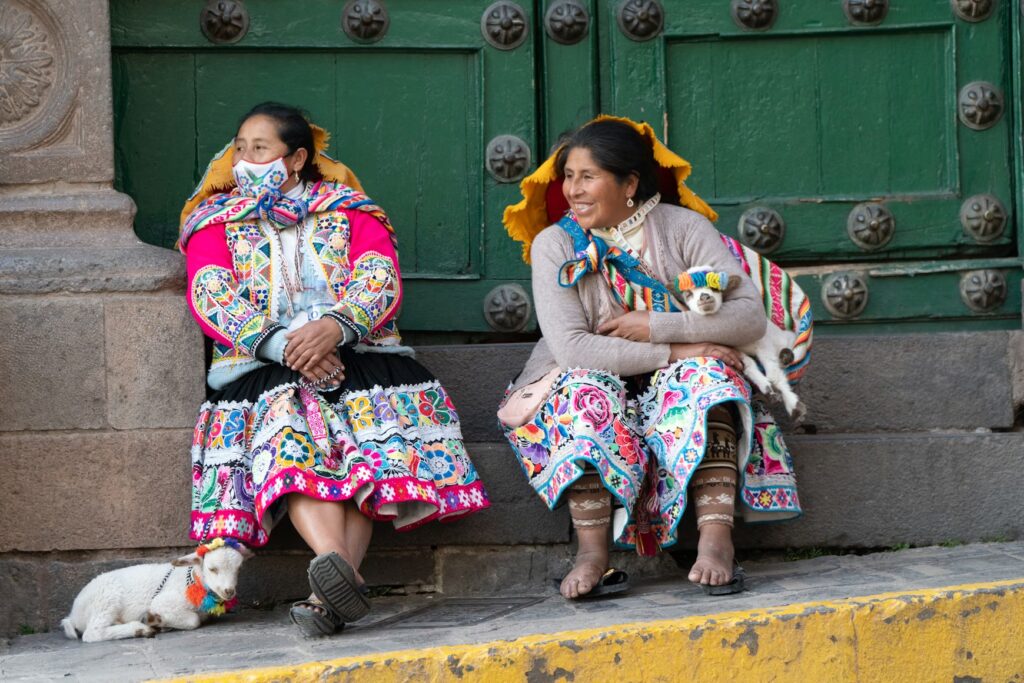
The city feels inhabited at close range, with interaction moving easily across streets and shared spaces, without ceremony or invitation. Daily life carries a social closeness that becomes noticeable almost immediately, especially for travelers arriving from places where interaction tends to stay contained or optional. Early on, this density can feel supportive, offering warmth and texture without requiring much effort to access.
What unfolds over time is how that closeness continues to shape the experience of staying. As novelty fades, the presence of others doesn’t thin out in the same way, and the city’s social field remains active even as the rhythm of daily life settles into repetition.
When proximity feels generous
In many Latin American cities, social contact sits naturally inside the flow of the day, carried through small acknowledgments and shared spaces that blur the edge between private and public life.
Conversations happen across short distances, and privacy loosens without fully disappearing. For remote travelers, this can feel grounding during the early weeks, especially when routines are still forming and work hasn’t yet claimed the full shape of the day.
The city offers connection without requiring formal entry points. Being present is often enough to feel included, and a sense of belonging arrives quickly as exposure repeats itself over time.
How repetition changes social weight
As days repeat, social density begins to register in a different way. Familiar presence continues, interaction remains available, and that constant openness starts to draw more energy as it settles into the background of daily life.
Staying longer means being seen more often, expected more frequently, and gently pulled into ongoing social patterns. The city remains welcoming, while the effort required to remain open and responsive becomes more noticeable as work and routine demand steadier attention.
Living inside a field of constant interaction
Latin American cities keep social life close to the surface. Presence stays audible and visible across the day, carrying a steady sense of continuity that supports short stays by filling the spaces between moments. As time stretches, rest begins to arrive later, thinner, and with more negotiation. Being surrounded by people doesn’t necessarily bring recovery, and stepping back becomes something that needs to be shaped deliberately as the day moves on.
Work shaped by social environment
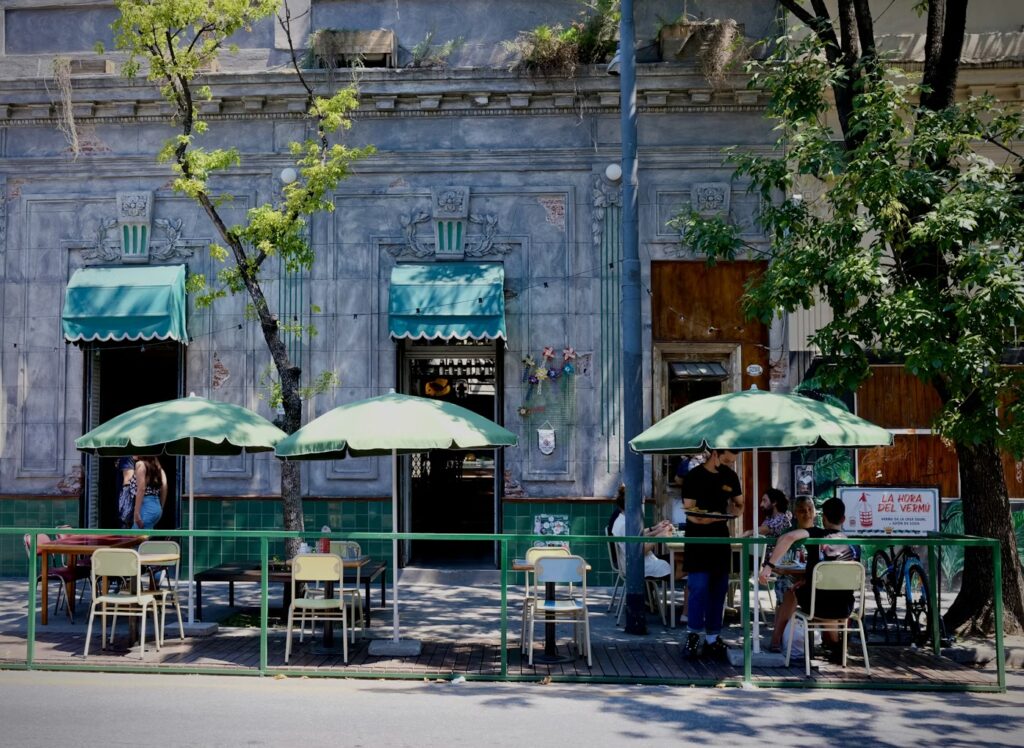
Remote work in many Latin American cities unfolds inside an ongoing social field. The environment remains workable, holding connectivity and space for work while voices, movement, and shared presence continue alongside it.
For a time, that integration can feel sustaining, letting work sit inside lived space rather than apart from it. As repetition deepens, attention begins to notice the cost of constant proximity, and focus starts to depend on how clearly boundaries can be held within a setting that stays socially active.
When closeness accumulates
As weeks stretch into months, social density gathers and stays close. Invitations recur, conversations carry on, and familiarity settles through repeated proximity while the city remains socially alive in a steady way. Staying begins to ask for selectivity. Attention narrows, circles draw in, and engagement takes on a more deliberate shape, guided by what can be carried alongside work and rest gradually.
The difference between access and depth
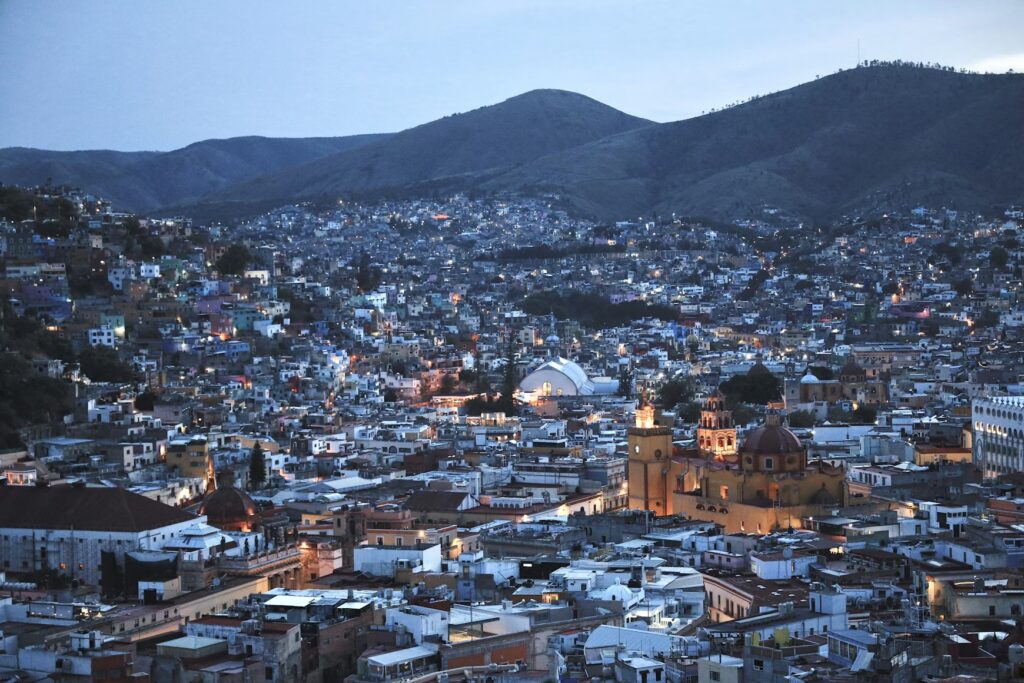
Latin American cities often provide access to social life quickly. Connection becomes available early, while depth takes shape gradually through language, shared time, and continued participation. As stays extend, the experience begins to center less on access and more on how closeness settles into the day, shaped by what can be held comfortably alongside work and rest.
What social density reveals over time
Latin American cities reveal how strongly the social environment shapes sustainability. Early warmth supports arrival and experimentation. Eventually, the same closeness requires calibration, especially as routine replaces novelty and the day asks for steadier boundaries.
For those who remain, these cities offer a clear lesson about staying. Social richness can carry a place far. Living well inside depends on how space is shaped once presence becomes constant, and the city keeps meeting you at the same distance, day after day.
