



Southern Europe often enters remote travel through atmosphere and texture, through light, sound, and social presence shaping the day more than systems designed to move you quickly from one task to the next. Arrival carries a sense of ease that feels lived-in and embodied, and in the early weeks this texture can feel grounding, especially after time spent in places where speed and output quietly dominate how days are lived.
What becomes more noticeable over time is how firmly the region’s daily rhythm holds its shape. Life already carries its own pattern, and work gradually finds its place inside it, moving alongside a pace that existed long before remote travel arrived.
When the day sets its own pace
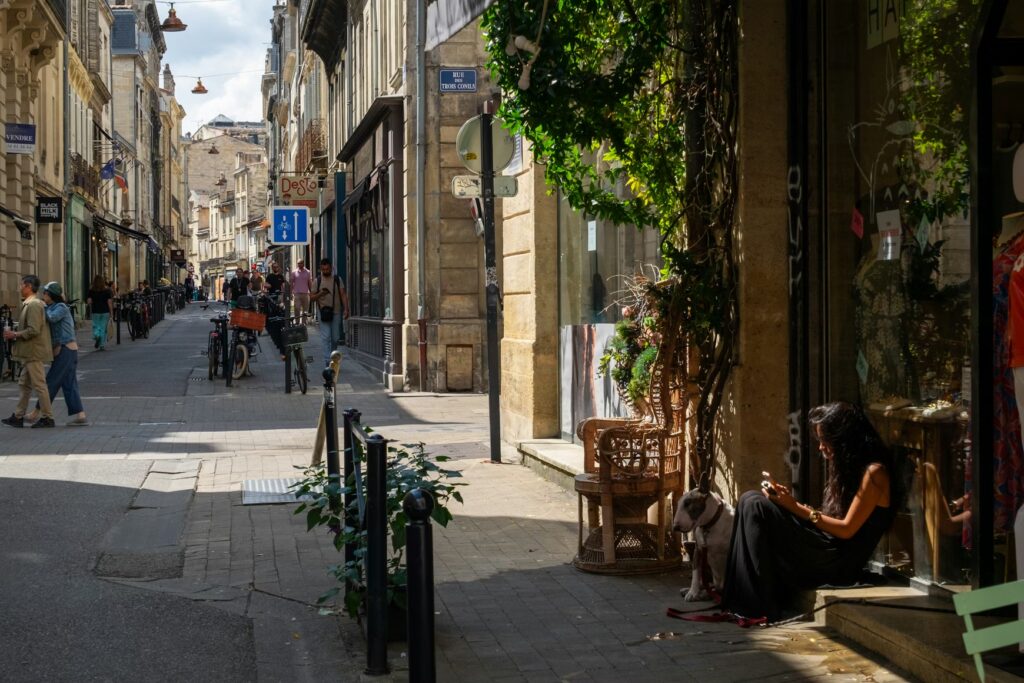
In much of Southern Europe, the day announces itself clearly as it unfolds. Mornings gather purpose, afternoons stretch and loosen, evenings accumulate weight, and rest arrives later than expected, following rhythms that feel social and collective. Shops open and close, meals find their own timing, and the streets shift in tone as the day moves along, carrying a sense that time belongs to the place itself.
For remote travelers, this rhythm often feels accommodating at first. Focus settles into quieter parts of the day, while the social energy that returns later can feel restorative as it reenters the evening. The lack of urgency creates space, and during the early weeks that space can feel expansive rather than restrictive.
How repetition makes rhythm heavier
As days repeat, the daily cadence that once felt generous begins to register more firmly in the body. The timing holds its shape, and what once felt spacious begins to register with more weight. The shape of the day stays consistent regardless of workload or deadlines, and repetition brings clarity without bringing change.
Work continues to fit, though it does so through more deliberate placement. Focus gathers within narrower windows, tasks shift to accommodate heat, noise, and social movement, and the day begins to feel guided by timing instead of choice. The rhythm holds steady, and over time its presence becomes something you carry through the day.
Living inside a schedule that doesn’t adjust
In many Southern European cities, time carries itself with confidence. The day unfolds on established terms, and movement follows a tempo that isn’t easily bent. Systems respond when they are ready, and social life reveals its patterns clearly while taking longer to fully open from the inside.
Early on, this predictability can feel reassuring. Structure arrives without needing to be built. With longer stays, it becomes clear that the structure doesn’t soften simply because you have learned it. Familiarity brings understanding, but the effort of staying aligned with the rhythm never fully recedes.
Work held between pauses
Remote work in Southern Europe often settles between the edges of the day. Early hours carry concentration, midday stretches thin, and evenings pull attention outward again as the city regains its social weight. The environment accommodates work within its existing structure.
Over time, productivity takes on a different shape. The workday begins to follow the timing the day can hold, shortening or breaking apart as needed, and output settles into a steadier pattern. Focus is maintained through small adjustments to the day itself, especially when consistency matters more than flexibility.

Social presence that never fully recedes
Southern Europe remains socially present even when you’re on the margins of it. The streets carry conversation, cafés stay animated, and evenings stretch on in a way that feels ambient rather than planned. Early on, that presence can feel nourishing, adding texture and warmth to the day while asking very little in return.
As repetition sets in, the constant availability of social life becomes part of the ongoing weight of the day. Being surrounded by connection doesn’t always translate into rest. The environment stays alive, and stepping away requires intention as the day moves toward its close.

When staying asks for adaptation
Over longer periods, living well in Southern Europe often depends on how comfortably you adapt to its cadence. Those who allow work to bend around the day tend to settle more easily, while those who need the day to bend around work begin to feel the friction sooner. The region continues as it always has. What shifts is your relationship to the rhythm, and how much energy you’re willing to spend staying aligned with it as repetition deepens.
What Southern Europe reveals through time
Southern Europe reveals how strongly daily rhythm shapes sustainability. Ease arrives early through atmosphere and openness, while weight emerges gradually through repetition and consistency.
For remote travelers who stay long enough to feel this shift, the region offers a quiet lesson. Living well here is less about finding balance and more about learning how to move inside a daily structure that doesn’t adjust, deciding whether that steady cadence continues to support the way you want to live day after day.
