
Japan sits high on many Americans’ travel wish lists. For a lot of first-time travelers, it looks reassuring on paper. The trains run on time. The cities are clean. The food is famously good. Japan feels orderly in a way that suggests things will be straightforward once you arrive. That sense of ease is part of the appeal and also where expectations quietly begin to form. This isn’t a guide to what you should see or how you should plan. It’s meant to give a clearer sense of what the experience often feels like once you’re there.
What tends to catch first-time visitors off guard isn’t that Japan feels difficult in an obvious way. It’s more subtle than that. The fatigue isn’t dramatic. It accumulates through long days, frequent transitions, and the constant need to pay attention. Even without major setbacks, the mental load starts to make itself felt. That awareness shapes the trip in quiet ways, such as how fast you move, what drains you, and what ends up feeling genuinely enjoyable rather than just impressive.
Japan Is Easy to Navigate, But Hard to Pace
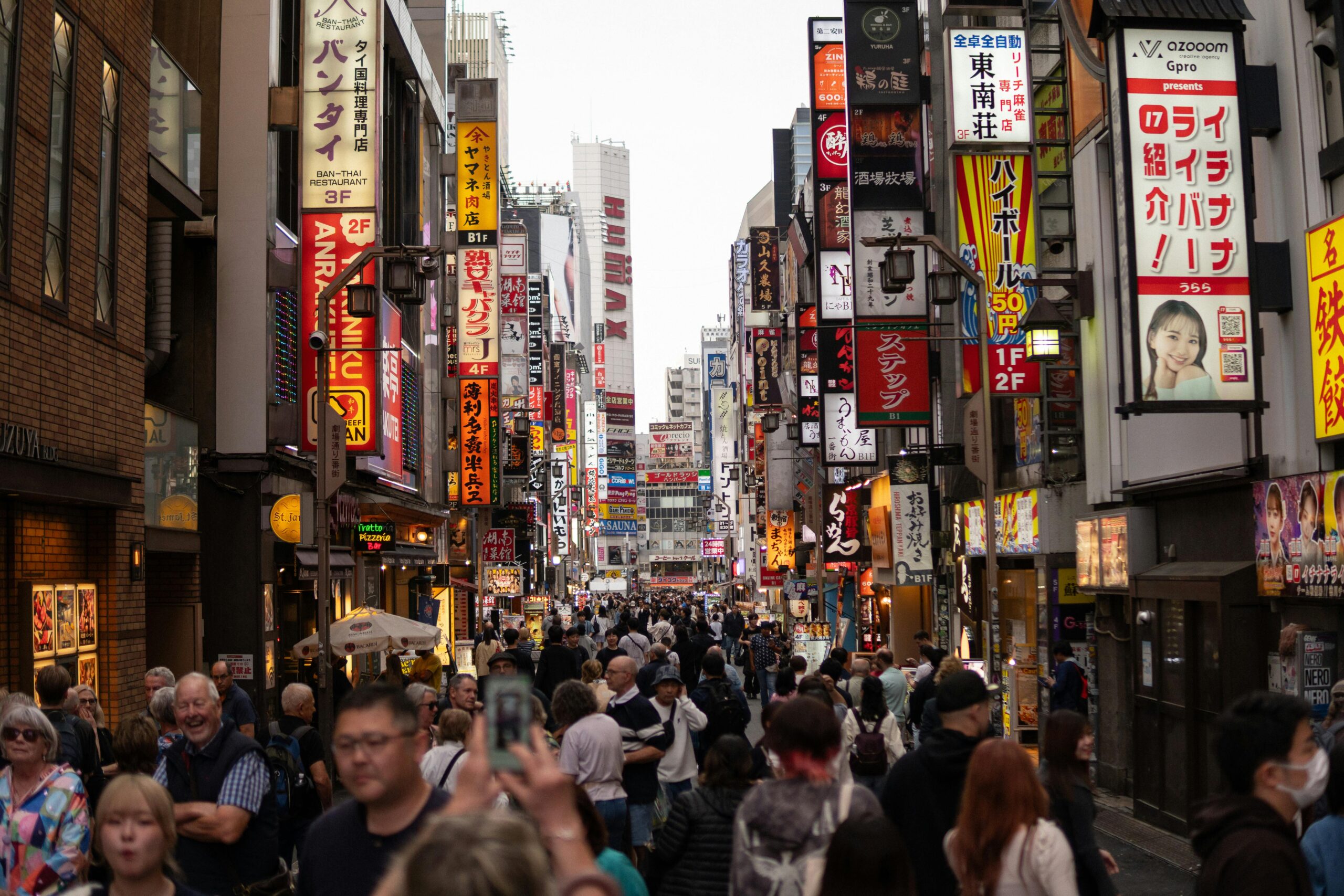
Japan’s infrastructure works remarkably well, often in ways that fade into the background once you’re there. Trains arrive when they’re supposed to. Cities feel orderly and safe. Day to day services simply function, with a level of consistency that can feel unfamiliar to many American travelers. What’s less obvious is how much effort it takes to move through that system all day, every day. Major stations like Tokyo, Shinjuku, or Kyoto operate at a different scale. Long corridors, repeated staircases, dense crowds, and nonstop visual input turn even short transfers into something more physically and mentally demanding than people expect.
Many first-time visitors don’t expect how tiring an “easy” trip can still feel. Distances stretch longer than they look on a map. Transfers take more attention than planned. Days fill themselves almost quietly, even when very little seems scheduled. In Japan, space in the day matters as much as what you choose to fill it with. How that lands depends a lot on how you usually handle fatigue while traveling, whether you tend to slow down, or push through it.
The Crowds Are More Intense Than Photos Suggest
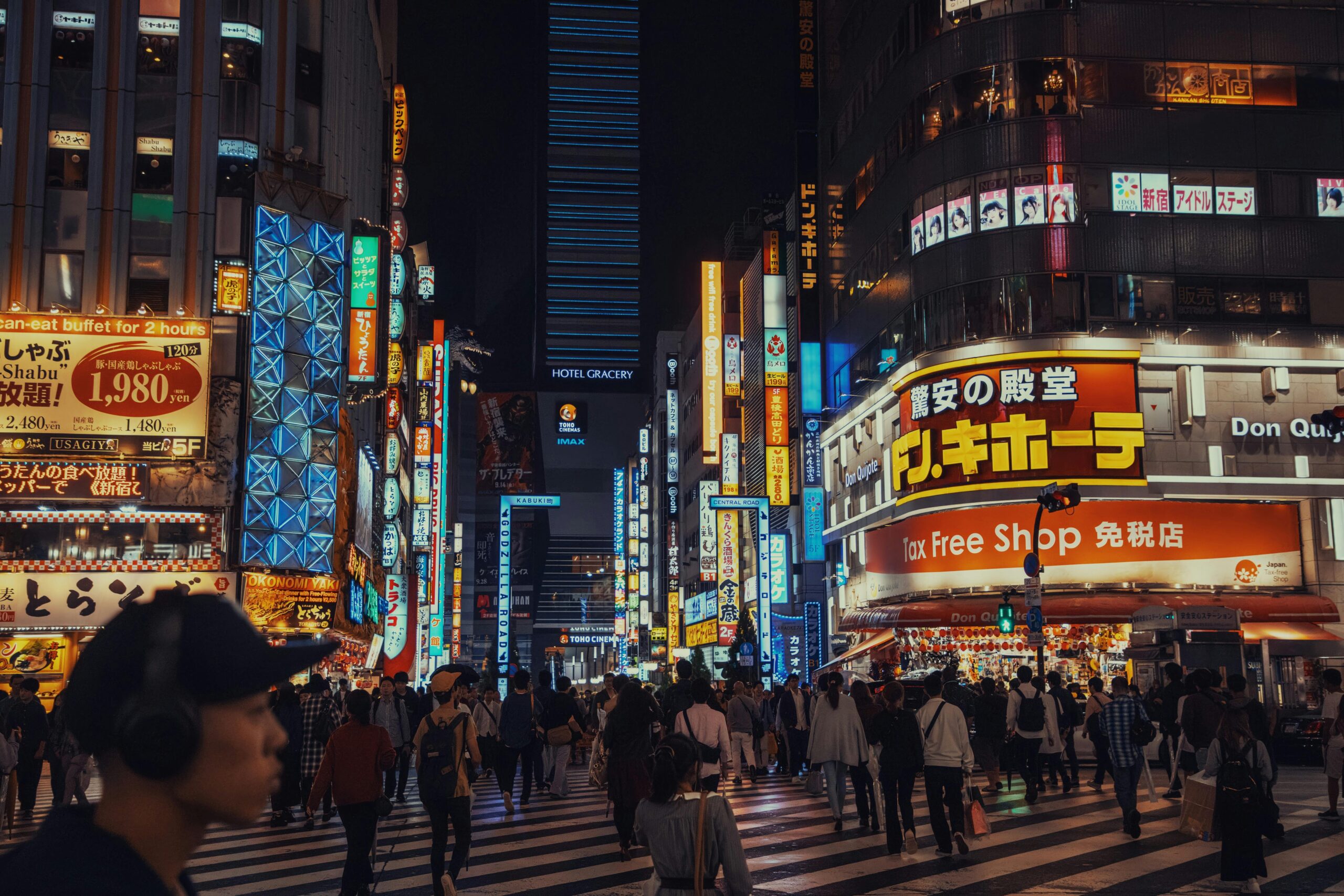
Americans often expect crowds in popular destinations. In Japan, the experience tends to feel different. The crowds aren’t chaotic or aggressive, but they rarely let up, moving in steady, organized patterns that leave little empty space. During peak seasons, especially spring and fall, famous areas tend to stay crowded. Popular neighborhoods, temples, and shopping streets remain busy from morning through evening, with little quiet in between.
The experience is still a good one. It just unfolds differently than many people expect. Moments that look serene online often come with lines, time limits, or tightly managed flow. For travelers who recharge through solitude or spontaneity, this can be more exhausting than anticipated. Empty places aren’t always the point. What matters more is where the pressure eases, and when it does.
Cultural Rules Are Subtle, Not Strict
A lot of American travelers carry a low-level anxiety about “doing something wrong” in Japan. Once there, the pressure tends to come less from formal rules and more from the accumulation of small, unspoken adjustments. You’ll rarely be corrected directly. Instead, there’s a quiet expectation that you observe, adapt, and stay aware of others. This shows up in how loudly you speak, how you move through shared spaces, how you queue, and how you handle everyday interactions.
For some travelers, this feels natural and grounding. For others, it creates low-level stress, especially over several days. Nothing is technically wrong. The strain comes from the quiet, ongoing self-monitoring: volume, movement, posture, presence. It isn’t a flaw so much as a difference in rhythm. Noticing that early on makes it easier to judge how much structure and attentiveness you’re willing to carry from one day to the next.
Convenience Comes With Mental Load
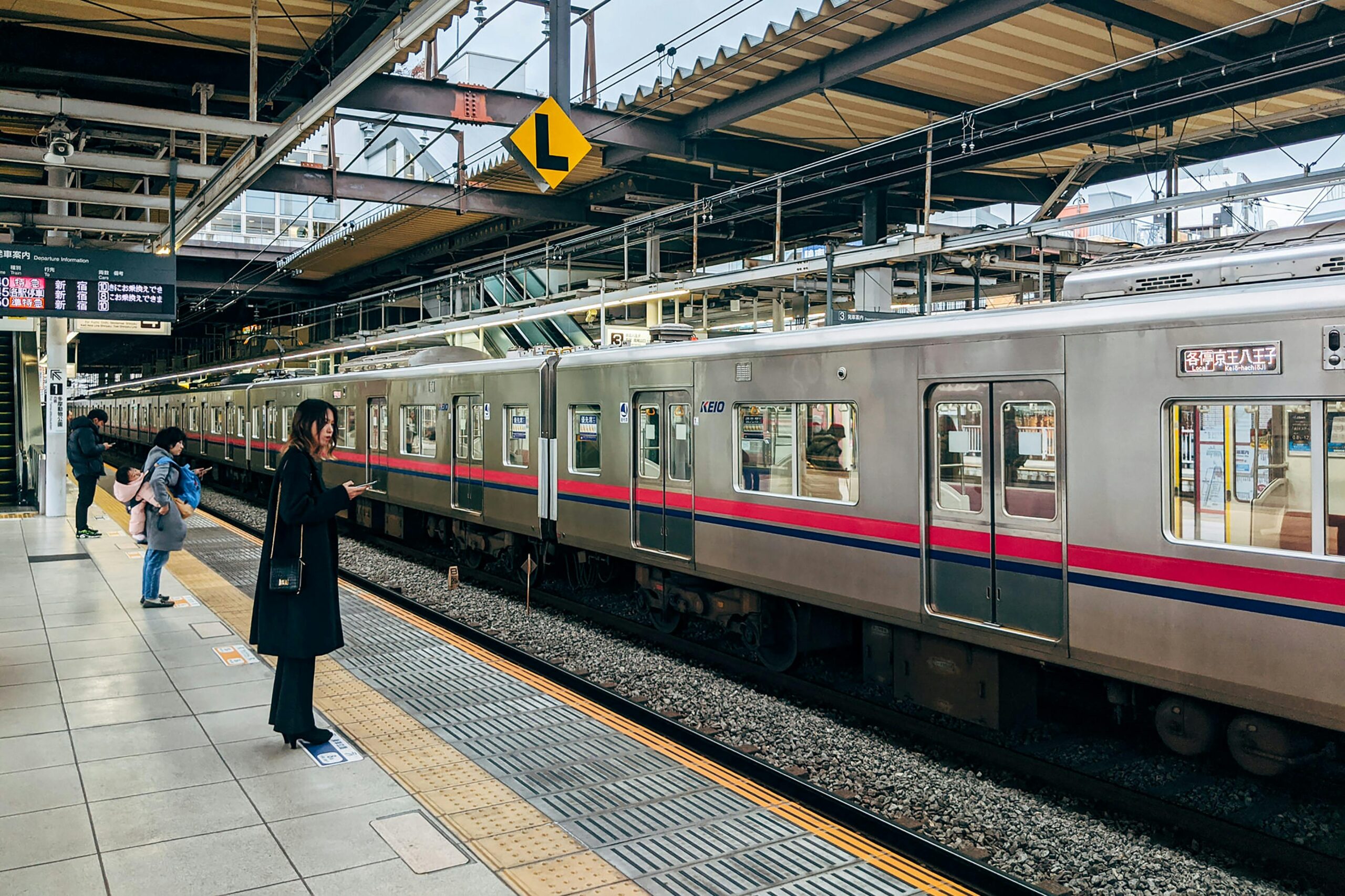
Japan runs on convenience, but that ease is built on small, continuous choices, such as where to stand, which car to board, which exit to take, what works here and what doesn’t, and how far ahead you’re expected to plan. None of these decisions are individually difficult. Together, they can feel relentless, especially for travelers used to more flexible, improvisational travel styles. Many first-time visitors expect Japan to feel effortless. The surprise comes later. Things run smoothly, but only if you stay mentally engaged, and that constant awareness can be tiring.
Accommodations Feel Smaller, Even When Comfortable
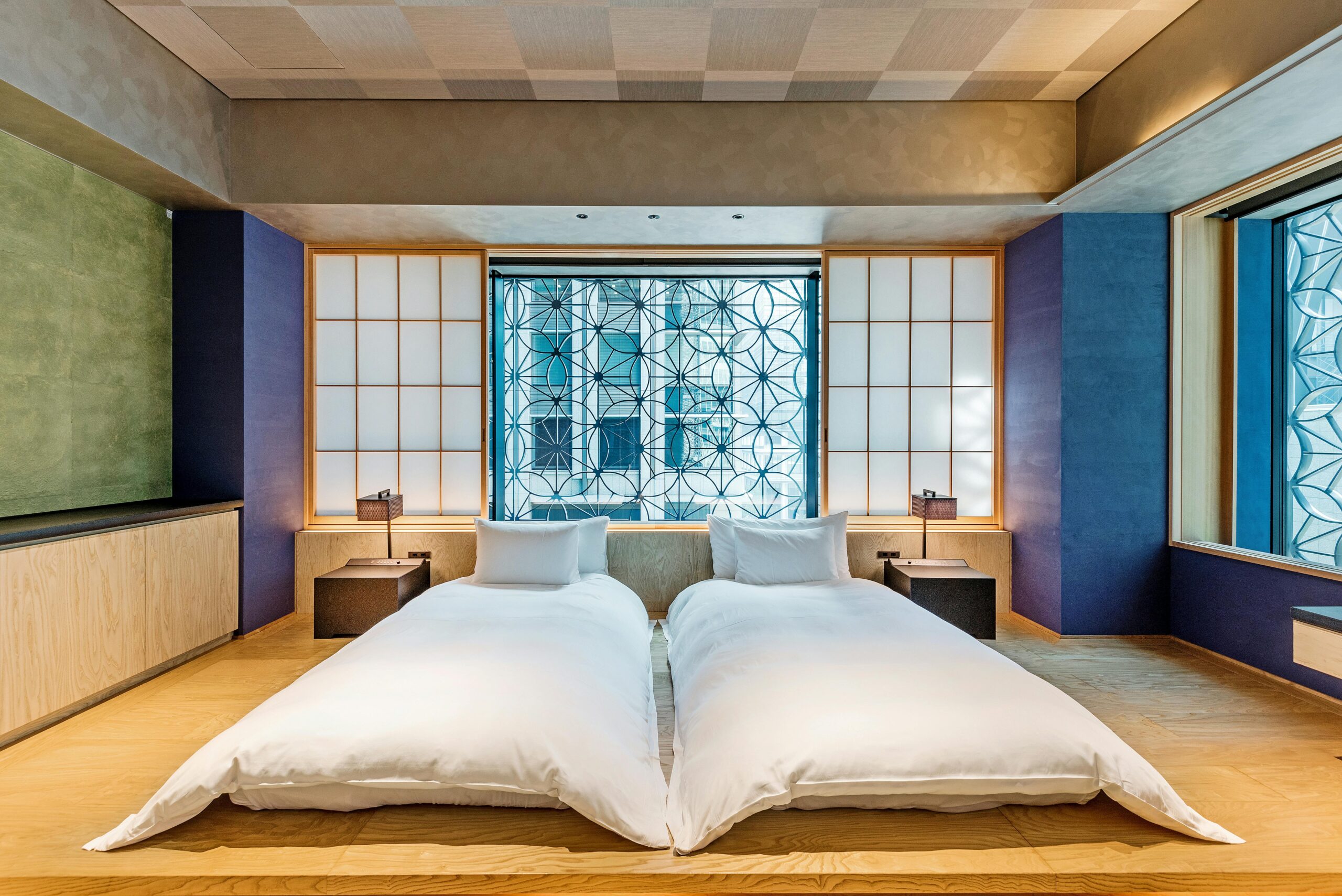
Hotel rooms in Japan prioritize efficiency over space. Even mid-range properties can feel compact by American standards. This matters more than people expect. After long days of walking and navigating busy environments, having space to decompress becomes important. Small rooms aren’t a problem on their own, but they do influence how restorative your evenings feel. Choosing location over size can make sense for short trips. For longer stays, balancing convenience with breathing room becomes more important.
The Food Is Outstanding, But Planning Matters
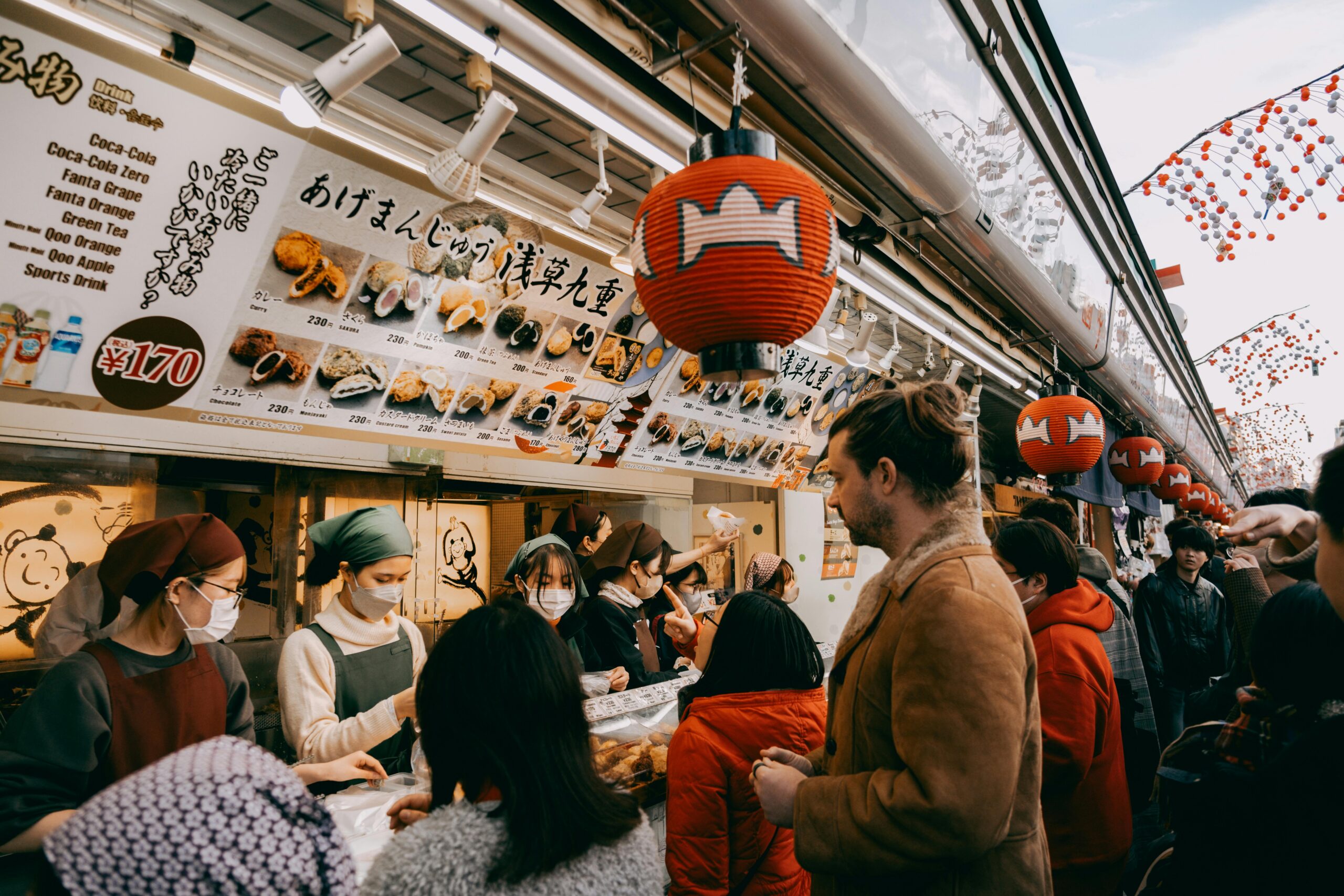
Japan’s food reputation is well deserved. Dining, however, tends to be more structured than many American travelers expect. Reservations are common at popular restaurants. Others rely on queuing systems that aren’t always intuitive. Many small places keep limited hours or close on specific weekdays. You can eat spontaneously in Japan, but it’s less predictable. For travelers who center their trip around food, a bit of advance thought often removes more stress than it adds. The quality is rarely the issue. Timing and access tend to shape the experience far more than what ends up on the plate.
Japan Is Safe, But Not Effortless
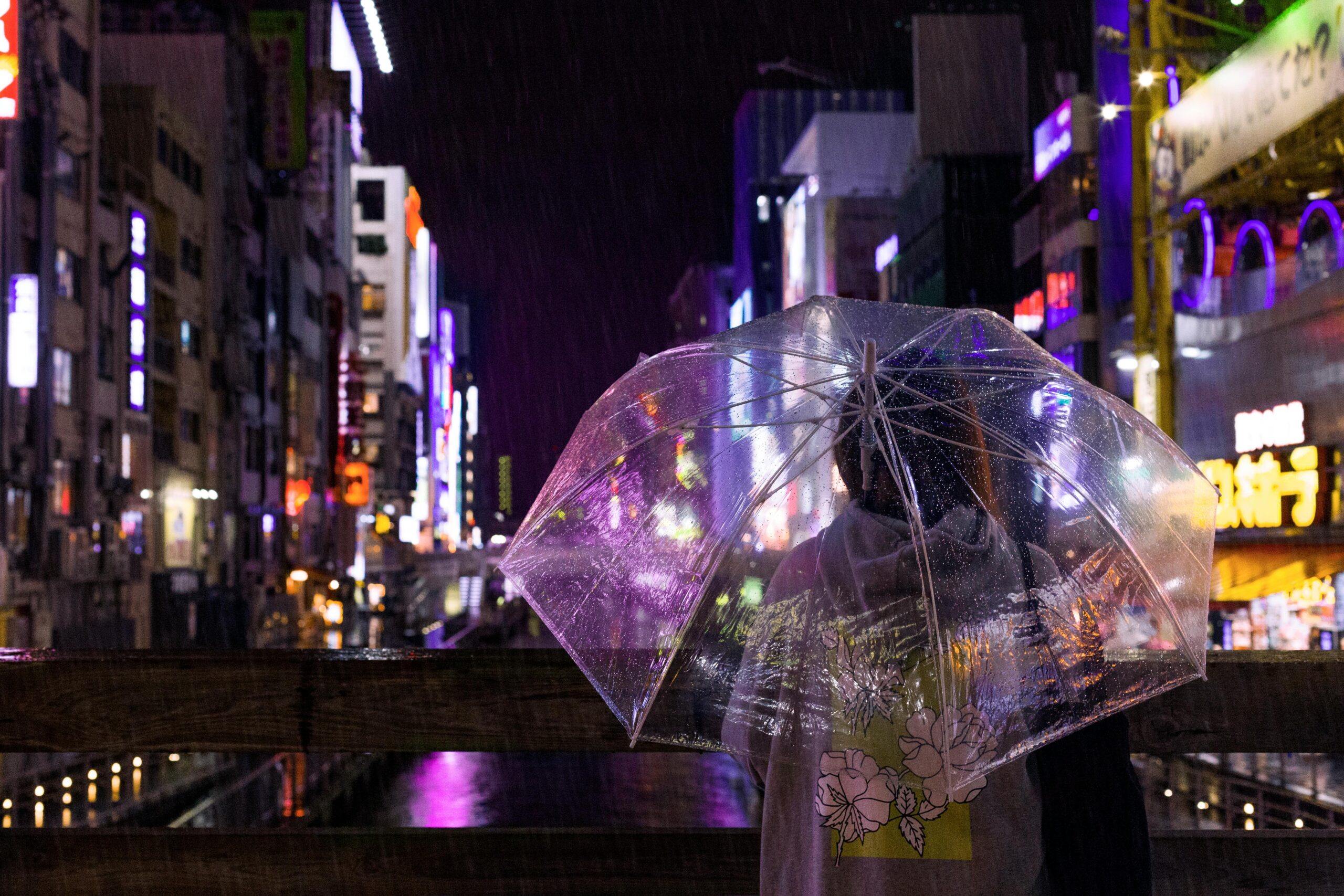
Japan’s safety record is strong. Violent crime is rare, and daily life often feels orderly. That sense of safety doesn’t remove friction. Natural disasters, extreme weather, crowded transit, and long walking days still demand attention. What builds up more often than risk is fatigue. A tightly packed itinerary can feel manageable at first, then gradually weigh on you as the days stack up.
Who Tends to Love Japan on a First Visit
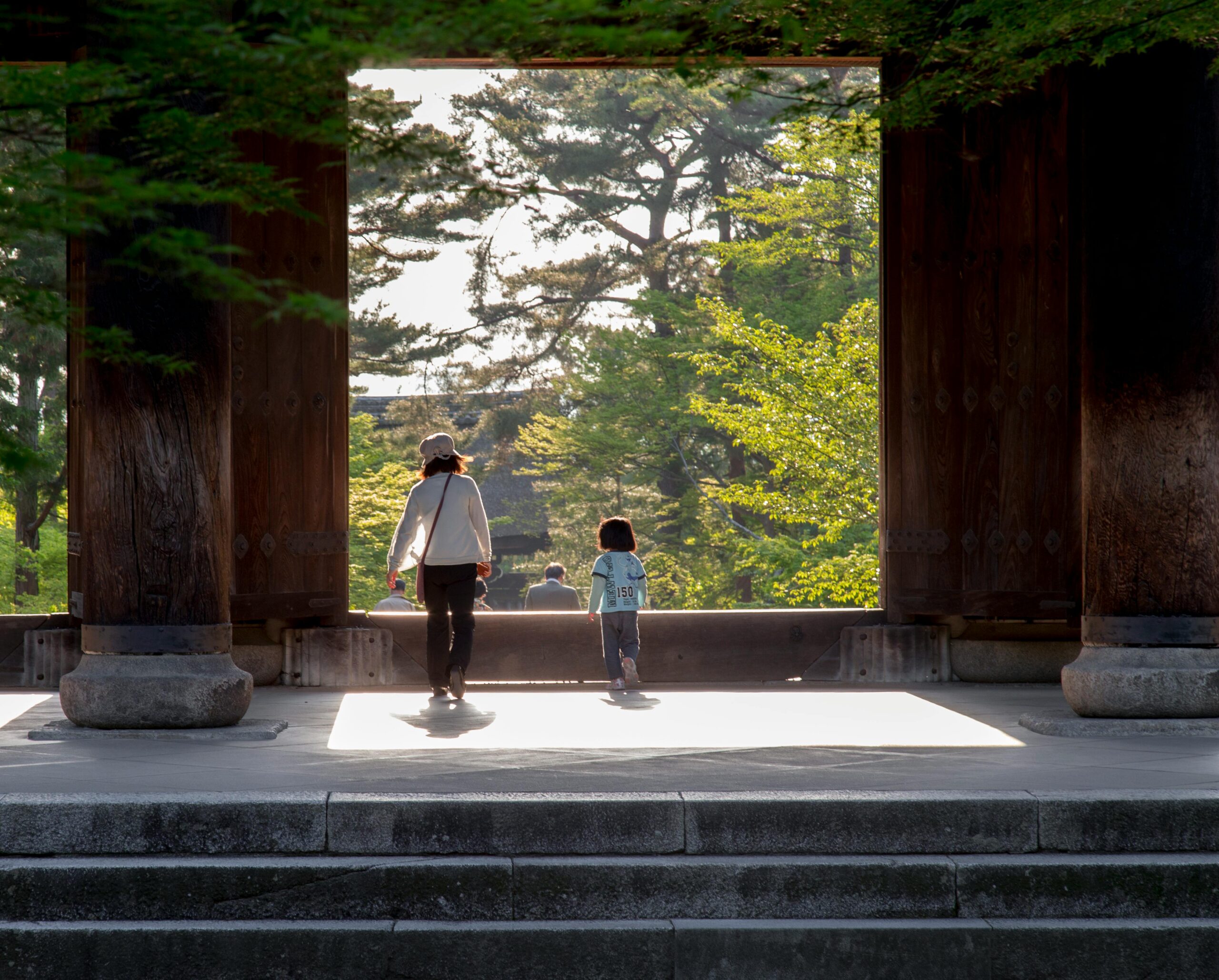
Japan tends to suit travelers who enjoy structure, clarity, and thoughtful design. People who like understanding how systems work often find the experience satisfying rather than stressful. It also rewards those who are comfortable adjusting expectations, slowing down when needed, and letting go of the idea of “seeing everything.” Plus, travelers who build in rest, accept trade-offs, and focus on fewer areas often come away feeling deeply fulfilled.
Who May Find It More Challenging Than Expected
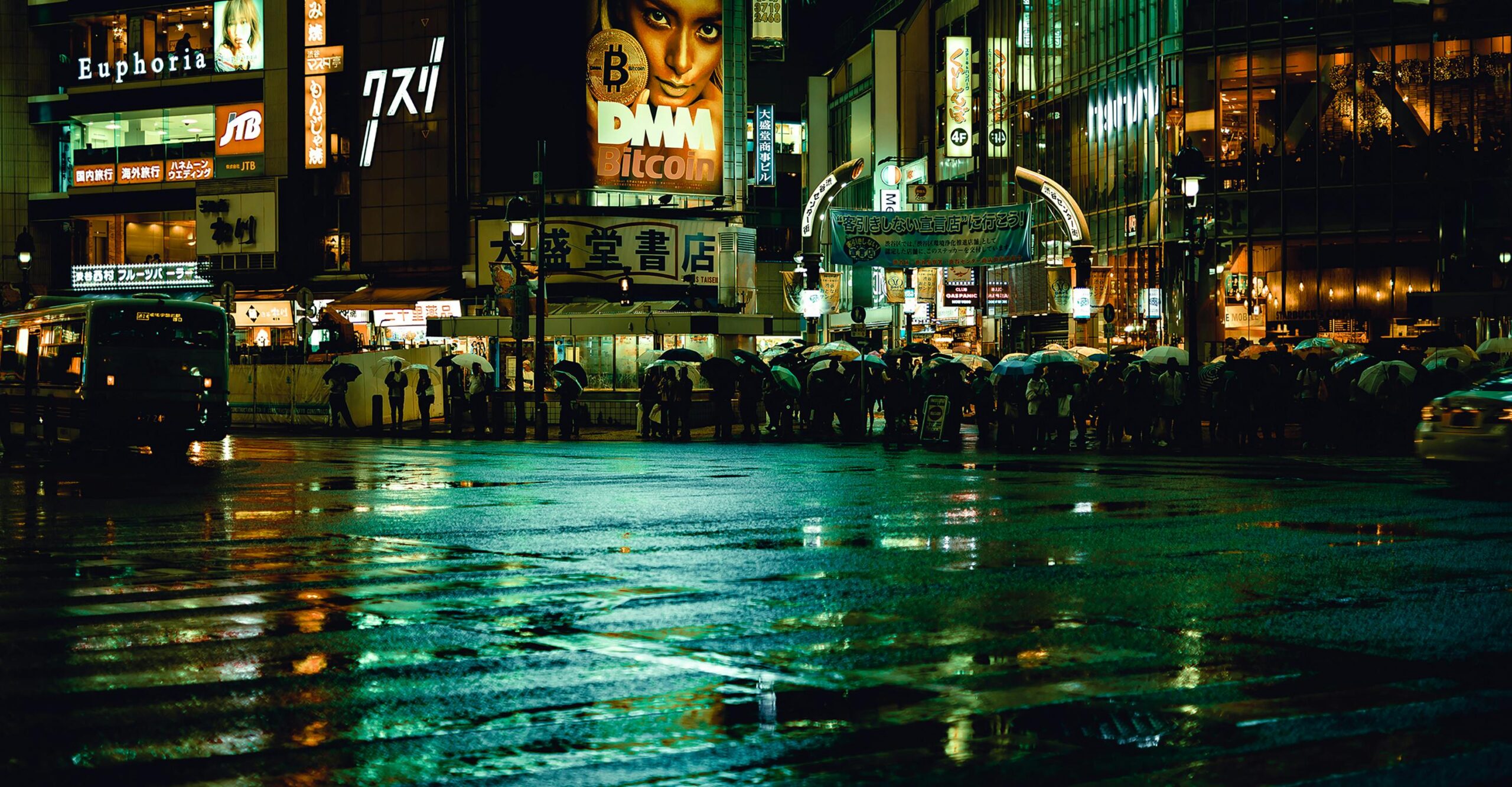
Japan can feel demanding for travelers who rely heavily on spontaneity, dislike crowds, or tire quickly from constant decision-making. Those expecting a relaxed, go-with-the-flow trip may feel constrained by reservations, schedules, and social norms. For travelers who see travel primarily as an escape from structure, Japan can feel surprisingly demanding rather than freeing. None of this makes Japan a bad choice, but it does mean expectations matter more here than in many destinations. Understanding your own travel style before you go is more important than memorizing etiquette rules.
Planning for Fit, Not Perfection
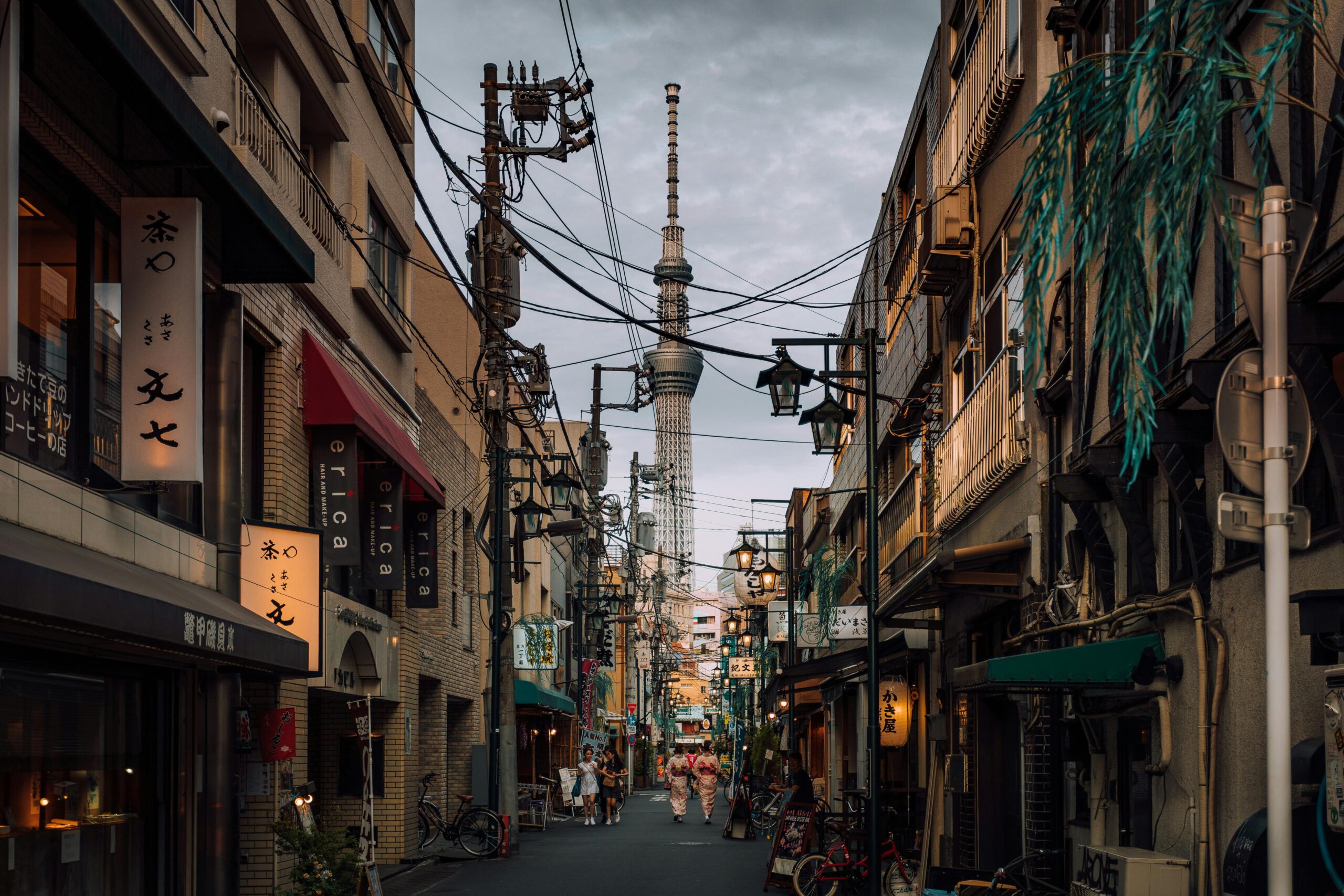
Many first-time American visitors expect cultural or language challenges. What shows up instead is how quickly energy starts to shape the experience. The experience holds up better when the pace doesn’t constantly demand more. Trips planned with ambition often feel impressive on paper. In practice, the ones shaped by realism usually last longer in memory. Japan offers more depth than most first-time visitors can absorb in a single visit. It rarely feels like something you missed. More often, it’s what leaves the door open to return. For some travelers, that realization naturally leads to a deeper question, whether this pace is actually the right fit for them right now.