

First trips often begin before anything actually happens. There is a quiet belief that movement itself will bring things into focus, and that once you arrive, uncertainty will loosen, though not always in the way you expect. Planning reinforces that belief, giving the sense of something already formed before it is lived. The trip begins to feel complete while it still exists mostly ahead of you.
The first days rarely follow that outline. Time doesn’t settle into a clear rhythm right away, stretching in unfamiliar ways that don’t yet register as a problem. Streets register differently than imagined and continue to do so as you move through them, as attention hasn’t learned their patterns. Sounds feel closer or farther for reasons that remain unclear, and the body responds to those shifts before the mind decides what to make of them. The day continues forward through that imbalance, moving on without pausing to become legible.
When Arrival Doesn’t Settle the Day
Arrival often comes with a pause that doesn’t immediately turn into relief. The place has already found its rhythm, and you step into it, aware of movement continuing around you without waiting. Language moves past more quickly than you can follow, and even familiar words seem to land only halfway before slipping out of focus again. Daily life carries on at its own pace, with no particular orientation toward your arrival.
That distance lingers longer than expected. The body moves slightly out of sync with the day, energy arriving and fading without a flow you can lean on, shaping the first days quietly before familiarity has time to soften the experience or give it clearer edges.

How the Day Slowly Fills
Ordinary actions begin to occupy more of the day than you anticipated. Attention shifts as small tasks come into view, one after another, without feeling important enough to stop the day for. Buying a ticket pulls focus away for longer than planned, and the pace you thought was forming loosens again. Finding a bathroom interrupts momentum just as it begins to settle. Choosing where to eat asks for a decision at a moment when energy already feels uneven.
As the hours move on, movement itself starts to feel easier than deciding. Staying keeps things in motion without requiring much thought. Stopping brings choice back into focus, making it harder to re-enter the day. The day stretches around that imbalance quietly, carrying on without turning it into something that needs to be fixed.

When Expectations Begin to Thin
Images gathered before leaving tend to linger longer than expected. A first trip often carries a version of the destination that feels orderly and uninterrupted, shaped by photographs and other people’s timing. The place itself arrives layered with weather, crowds, closed doors, and moments that don’t quite match that version enough to ignore. Adjustment comes through repetition. The day starts to feel slightly different than expected, and that difference quietly reshapes how it moves.

How Time Starts to Behave Differently
When everything is unfamiliar, time loses its evenness. Some days feel dense, filled with sensation even when very little has happened, and that density follows you into the evening. Other days move quickly and leave few clear markers behind, making it difficult to tell where attention was spent. Effort remains engaged longer, and it accumulates quietly.
Rest doesn’t arrive as a clear signal. It appears as hesitation when the day asks for another decision. It shows up as irritability that doesn’t have an obvious source. It settles in as the sense that the day has reached its edge earlier than expected. On a first trip, these cues often appear before there’s language for them, and the day continues anyway.
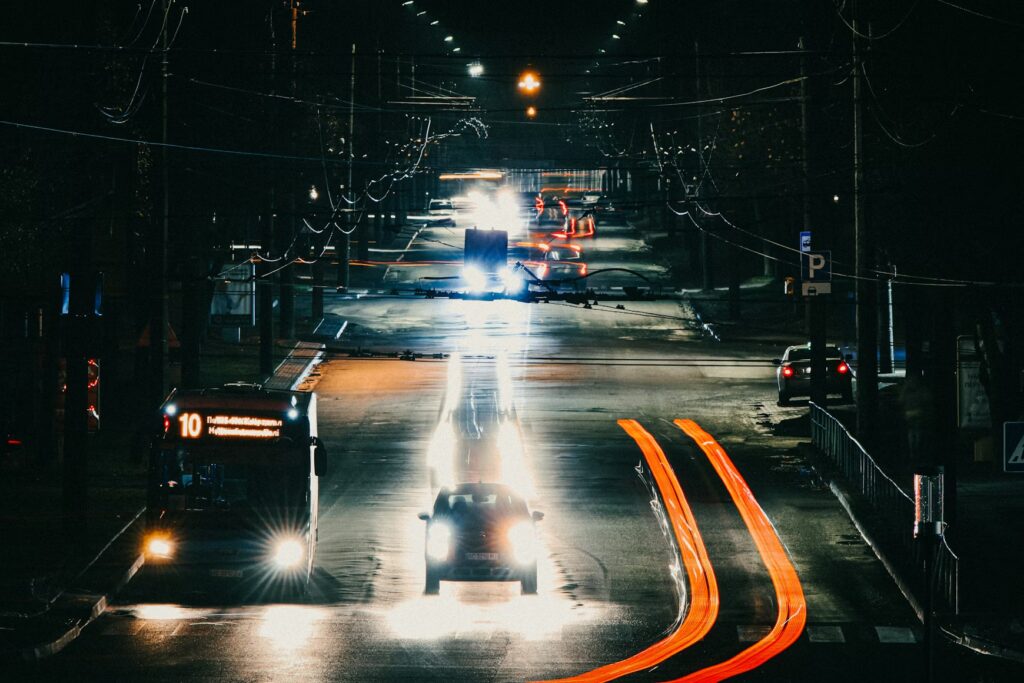
Becoming Aware of Yourself in Motion
Travel also shifts how visible you feel. In some places, blending in happens without effort and remains unnoticed. In others, small hesitations begin to stand out, especially early on. Pausing to orient yourself stretches longer than intended. Lingering without a clear destination draws attention, and moving at a pace that doesn’t match those around you gives each step a faint deliberation.
That awareness fades gradually, and the day begins to move with less self-monitoring. Movement smooths out on its own, as attention loosens and drifts back outward without a clear moment of change. The difference becomes noticeable only later, when you realize you’ve stopped tracking how you appear and started responding more fully to what’s around you.
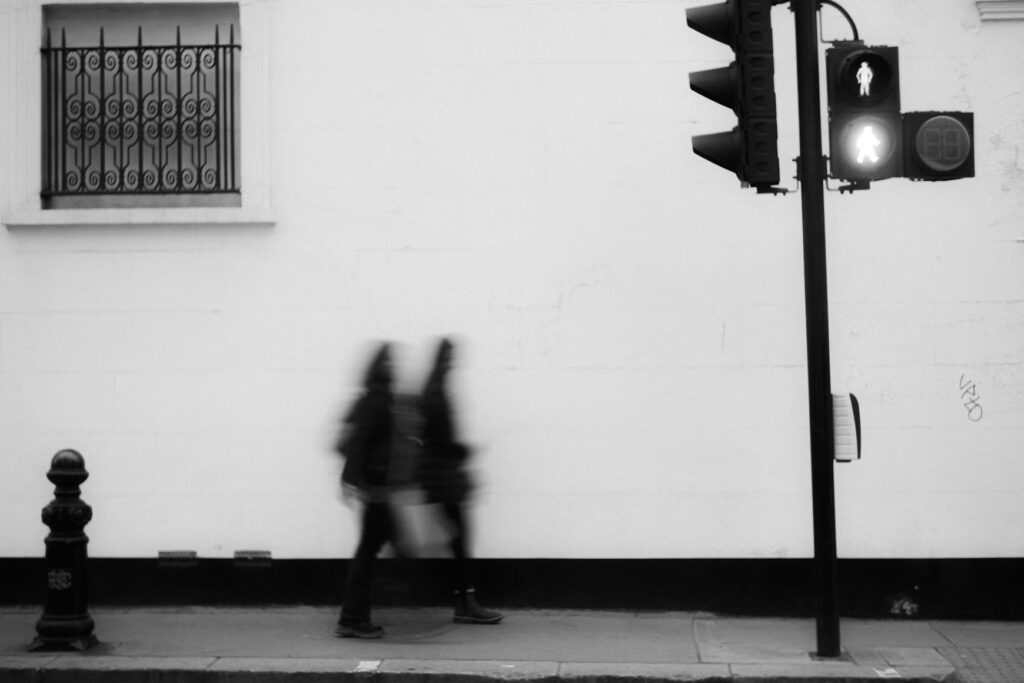
How Experience Gathers Without Instruction
First-time travel doesn’t organize itself into lessons. Understanding accumulates in fragments, carried through afternoons that feel heavier than expected, wrong turns that linger, and evenings that end early enough to pull the next day closer.
These moments don’t resolve right away. They carry forward into the way the days begin and how choices register, quietly reshaping the balance between structure and openness. The trip continues to adjust itself, without asking for explanation.
What Remains Once Movement Slows

By the end of a first trip, something has usually shifted quietly. Familiarity with uncertainty begins to take shape and feels less disruptive. Discomfort becomes easier to recognize, no longer demanding correction or explanation.
What remains is a sense of balance, growing quietly. An understanding of how much structure feels supportive and how much openness can be held without strain. The experience finishes arranging itself later, after movement has slowed, when memory begins to settle into something quieter and more durable.