

Packing often begins long before anything is placed on the floor. There is usually a moment when the trip starts to feel real, and with it comes a quiet awareness of what might be needed later on. That awareness stays vague. It lingers, shaping what ends up in the bag gradually. One item after another is added, and the weight only becomes clear when everything is carried together.
While packing, nothing feels out of place. Everything fits within the idea of being prepared. The strain appears later, during movement, when the bag is lifted repeatedly, when opening it takes longer than expected, when choosing what to wear begins to interrupt the flow of the day. These moments repeat quietly.
Thinking in Days Rather Than Things

Packing usually unfolds around objects. Shoes sit side by side, layers fold naturally, and extra pieces make their way in. Each choice flows with the next, fitting seamlessly into the whole. What’s harder to see at that point is how similar most travel days tend to become once the trip is underway.

Days follow familiar patterns. Mornings begin with movement, and time stretches in ways that surprise you. Walking fills more hours than planned, and evenings arrive with their own tiredness. When packing follows this rhythm, patterns appear naturally. Some items keep showing up in the imagined day, while others remain only in theory. Over time, the bag narrows, holding what works together, and the rest quietly slips away.
The Weight That Follows You

The weight of a bag reveals itself through behavior. Routes shift, pauses extend, and repacking becomes something postponed rather than completed. Objects remain where they are, as everything inside feels unsettled.
Certain items pass through the day quietly: clothes worn through long hours, shoes that need no checking, objects that stay in place. Familiarity eases movement, and decisions take fewer pauses.
Repetition Inside the Trip
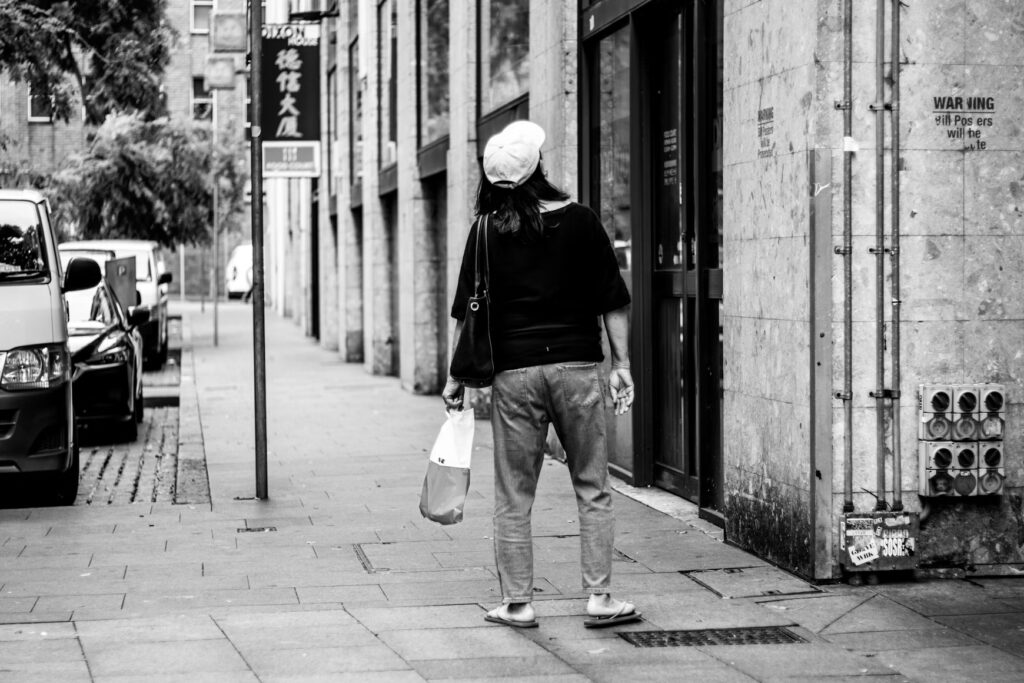
Before departure, repetition often feels restrictive. Wearing the same things, cycling through a small set, staying within a narrow range can seem limiting while everything is still imagined from one place.
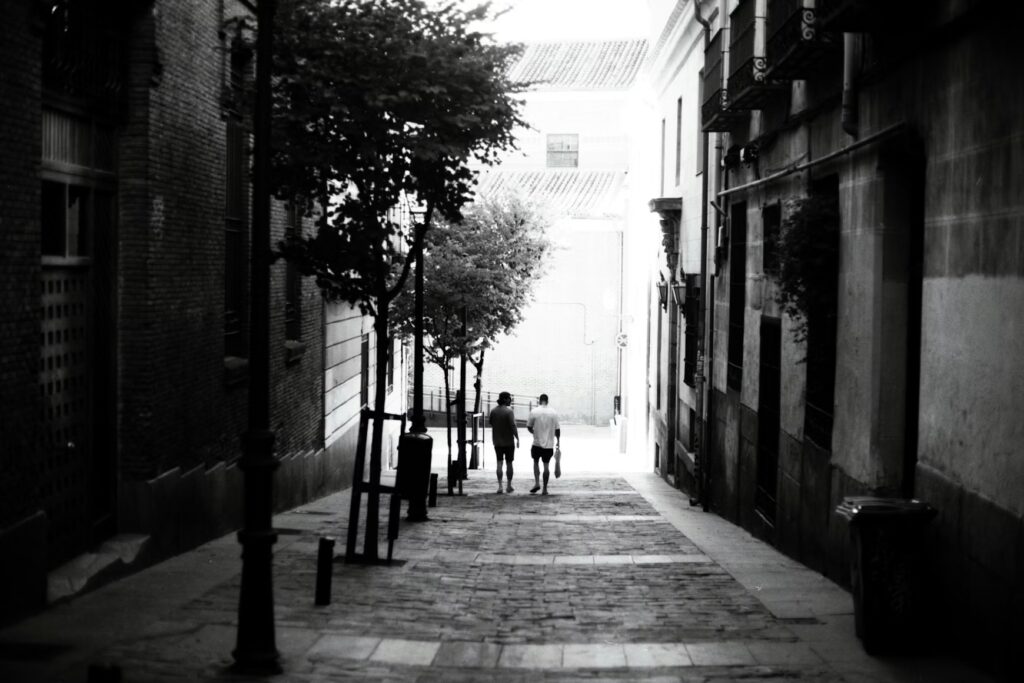
Once the trip begins, repetition takes on a different tone. Days shift with light, weather, and surroundings. The same clothes pass through different streets, under different skies. What matters reveals itself later in the day, once plans loosen and energy drops. Familiar pieces remain present without asking for attention.
Laundry, when it appears, becomes part of the rhythm. Washing something that will be worn again soon feels settled.
Leaving Space Unresolved

Bags often fill completely because packing assumes resolution. Needs are anticipated, and situations are accounted for, with the trip expected to begin already complete. However, most places offer change. Weather shifts, shops open, and small adjustments appear along the way. A bag with space inside allows for these movements, whether it’s something added, something replaced, or something carried unexpectedly. A full bag resists change, while an unfinished one flows with it.
What Remains Untouched

Some items pass through an entire trip without being used. They belong to moments that never fully arrive, requiring conditions that don’t repeat. They remain slightly apart from the day as it unfolds. Looking back at what stayed untouched often reveals a pattern. These objects trace the distance between what was imagined beforehand and what actually shaped the days once the trip was in motion.
Letting the Bag Fade
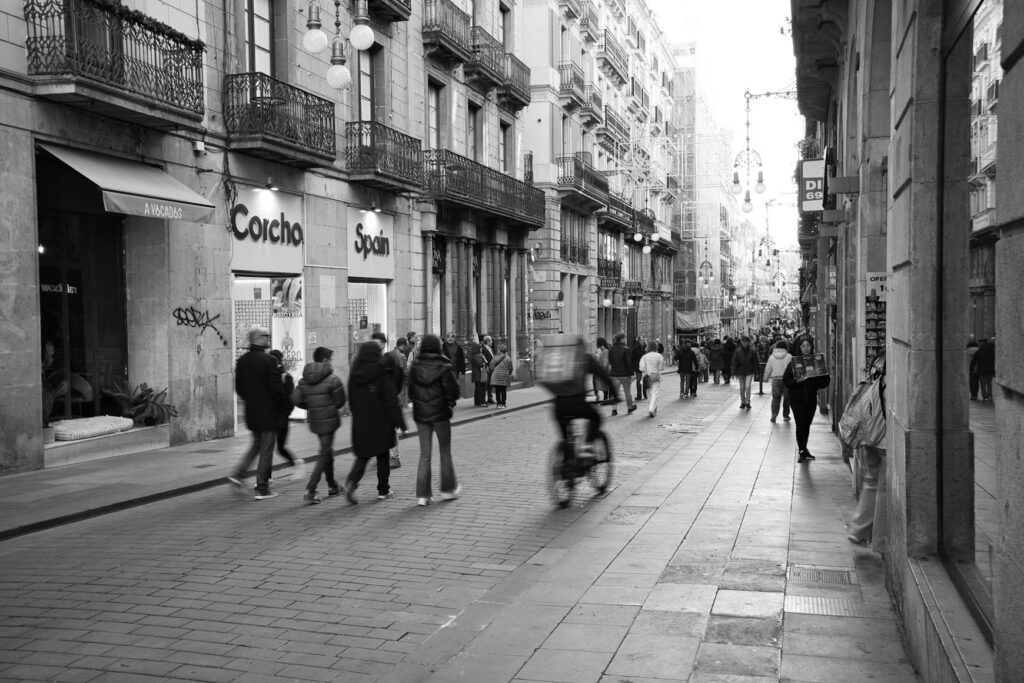
A bag that fits the trip stays out of the way, opening and closing with ease, its contents becoming familiar almost immediately. After the first couple of days, awareness shifts outward, with what’s being carried fading into the background as the day unfolds. Packing this way feels settled, and movement continues without needing negotiation.
Packing emerges gradually, shaped by experience, by noticing what stays present and what quietly falls away. You bring what has proven itself and leave room for what’s still unknown, letting the trip form around you.