

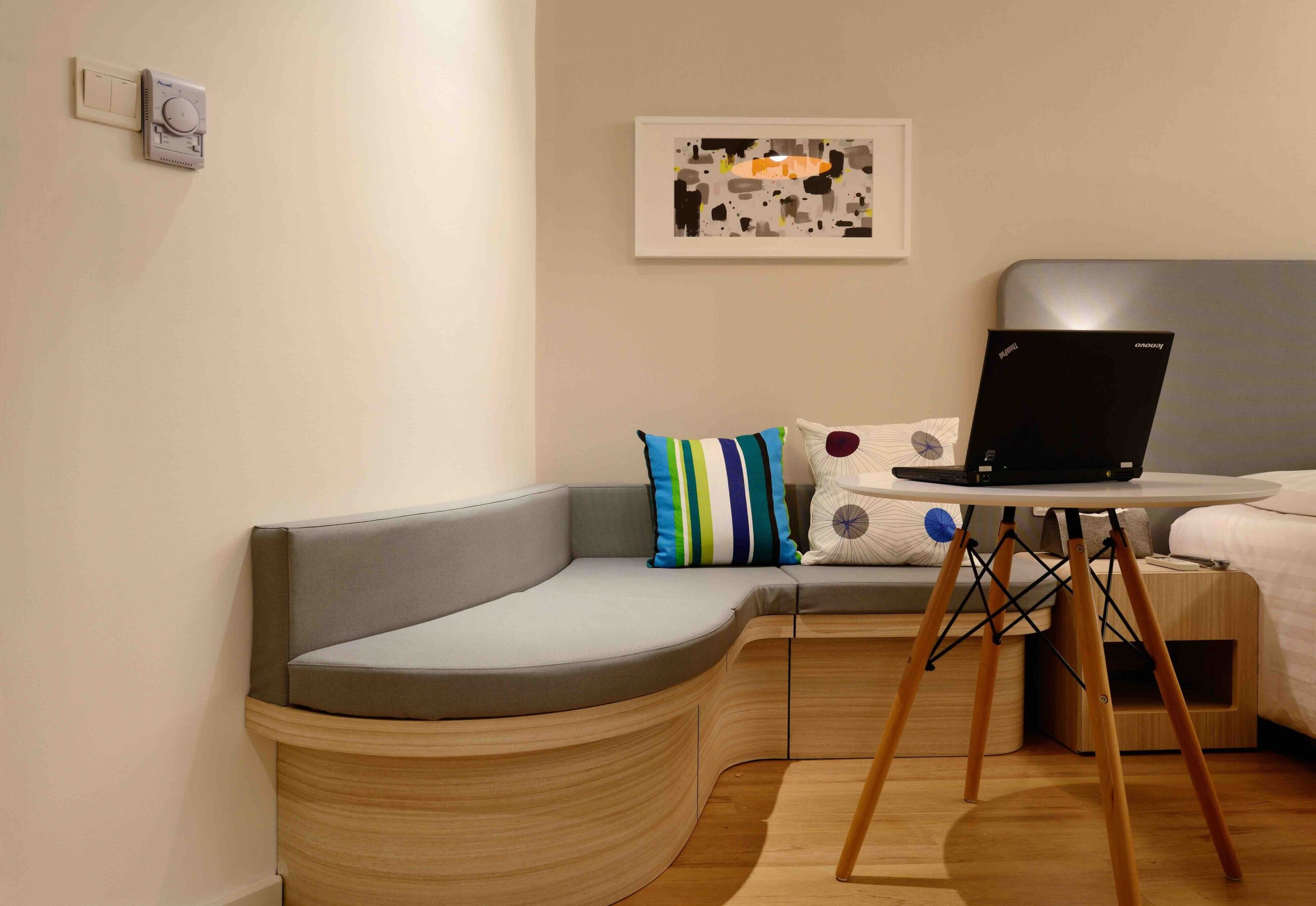
When the room works before the stay begins
Living in hotels as a digital nomad often starts with a sense of immediate readiness. The room opens cleanly, the desk is already in place, the connection holds, and the space asks very little before the day can begin. Arrival feels efficient. Nothing needs to be arranged beyond what is already there. That smoothness makes it easy to assume the stay has already settled.
What follows moves at a different pace. The room works from the first night, and the experience of staying inside it unfolds gradually. Familiarity arrives unevenly, as ease takes over parts of the day while adjustment continues in the background.
Where neutrality becomes the defining feature
Hotels tend to keep their distance. The space stays consistent, the layout doesn’t change, and the environment remains intentionally neutral. This can feel supportive early on, especially when work demands attention and the city outside still needs to be learned.
That neutrality becomes easier to sense as days repeat. The room remains unchanged, receiving each return without absorbing it.

How work fits inside temporary space
Working from a hotel often carries a contained quality. The day holds its shape, work fits neatly inside it, and evenings close with enough clarity to begin again the next morning. As stays lengthen, work eases into the space in a quieter way. Tasks continue, but the room remains neutral, never quite joining the rhythm of the day. Each workday arrives and leaves on its own, without gathering much from what came before.
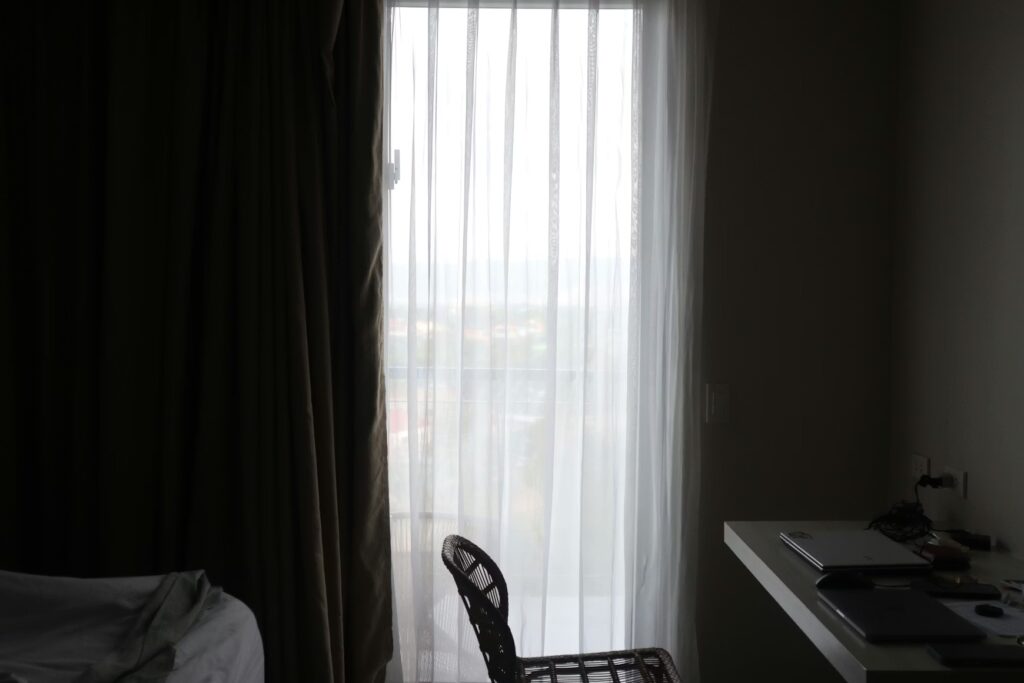
When convenience replaces continuity
Hotels smooth out many small demands, holding the environment steady without asking for much attention in return. That consistency can feel protective, especially when days are full or movement stays frequent.
Alongside that steadiness, continuity begins to thin. Fewer small signals register the passing of time, and the space remains much as it was on the first night. The stay stays comfortable, but it never quite gathers the traces of being lived in.

How isolation arrives quietly
Hotel living rarely feels isolating at first. Staff interactions, shared spaces, and the presence of other guests provide enough social texture to soften the edges of solitude. These encounters remain light and non-committal, fitting easily into the day without asking for follow-up.
Over longer stretches, the sense of temporary presence becomes easier to feel. The social field stays in motion, familiarity struggles to accumulate, and even as days pass, the feeling of being in between doesn’t quite lift. Isolation gathers through repetition that never finds weight.
When hotels work best in remote travel
Living in hotels tends to support phases of remote travel rather than entire arcs. They work well during transitions, short stays, or periods when work needs to remain protected from the demands of settling. The structure they offer reduces decisions and preserves energy.
As time extends, many travelers begin to feel the limits of that same structure. The room continues to function, though it doesn’t deepen. At that point, the question shifts from whether the hotel works to how long that way of living can remain sustainable.

What hotel living leaves unchanged
Hotels are designed to hold people briefly and release them cleanly, and that orientation lingers even as stays extend. The environment remains poised for departure, keeping belongings slightly unsettled and the space lightly held, as if it never fully takes anything in.
For digital nomads, this can be both a relief and a constraint. Living in hotels keeps life light and manageable, while also placing a ceiling on how rooted the stay can feel. Eventually, this balance becomes easier to feel, shaping decisions about when to stay, when to move, and when a different kind of space is needed to carry the days that follow.