


When a place begins to hold the day
Living in an apartment as a digital nomad often starts with a subtle sense of relief that doesn’t announce itself clearly. The door closes, belongings come out of bags, and the space begins to hold routine without needing to be reset each morning. From the first days, the apartment feels capable of carrying repetition in a way that lighter forms of accommodation often can’t.
This early stability changes how the day unfolds. Work fits into the hours more easily, meals begin to carry across several days, and the city starts orienting itself around a fixed address. Movement asks for fewer adjustments, and daily life gradually releases some of the attention it once required as it begins to steady.
Where familiarity arrives before belonging
Apartments tend to become familiar quickly, with comfort arriving on its own timeline. Light moves through the rooms in predictable ways, sounds from the building and street become easier to place, and errands repeat often enough to stop interrupting focus. The mechanics of living ease into place with very little friction.
What takes longer is the sense of being held by the place itself, which arrives more slowly. The apartment continues to feel provisional for a while, especially during stays that unfold over weeks before deepening further.

How work settles into domestic space
Working from an apartment shifts the relationship between work and environment in small but lasting ways. The desk becomes part of the room. Meetings happen inside a space that keeps going, and work stays lightly present even as the day winds down.
For some, this overlap allows focus to arrive more consistently, as transitions between tasks require less setup and less adjustment. For others, the same integration makes it harder to disengage, and the day stretches without clear signals that it has ended. Fatigue builds quietly, shaped more by accumulation than by obvious strain.

When routine replaces novelty
As days repeat, apartment living often alters how time is experienced. Novelty fades sooner, replaced by predictability that moves into the background. The city becomes readable, the apartment stops asking to be learned, and discovery gives way to recognition.
At this stage, apartment living can begin to feel heavier for some travelers. Without the resets provided by hotels or frequent movement, daily life starts resembling something more ordinary. The question shifts slowly, from how to get comfortable to how long this rhythm feels right, without presenting itself as a decision that needs to be made immediately.

How isolation deepens without interruption
Apartments offer privacy, and with that privacy comes a quieter form of isolation. Social interaction no longer happens incidentally through shared spaces or passing encounters. Connection asks for intention, and invitations take shape through deliberate choice.
Over time, this changes how the city is experienced. The apartment becomes a stable base, holding life in a more contained shape. Comfort grows inside that steadiness, while unplanned interactions thin out and social integration takes its time to form.
When apartments support longer stays
Apartments tend to support remote travel best when the intention is to stay long enough for repetition to matter. Longer stays allow routines to deepen, giving the space time to absorb daily life and hold it with more weight.
In these cases, the rhythm of the day softens. Work and rest spread more evenly across the week, and the need to optimize each hour recedes. The apartment shifts from being a container for living to a quiet participant in it.
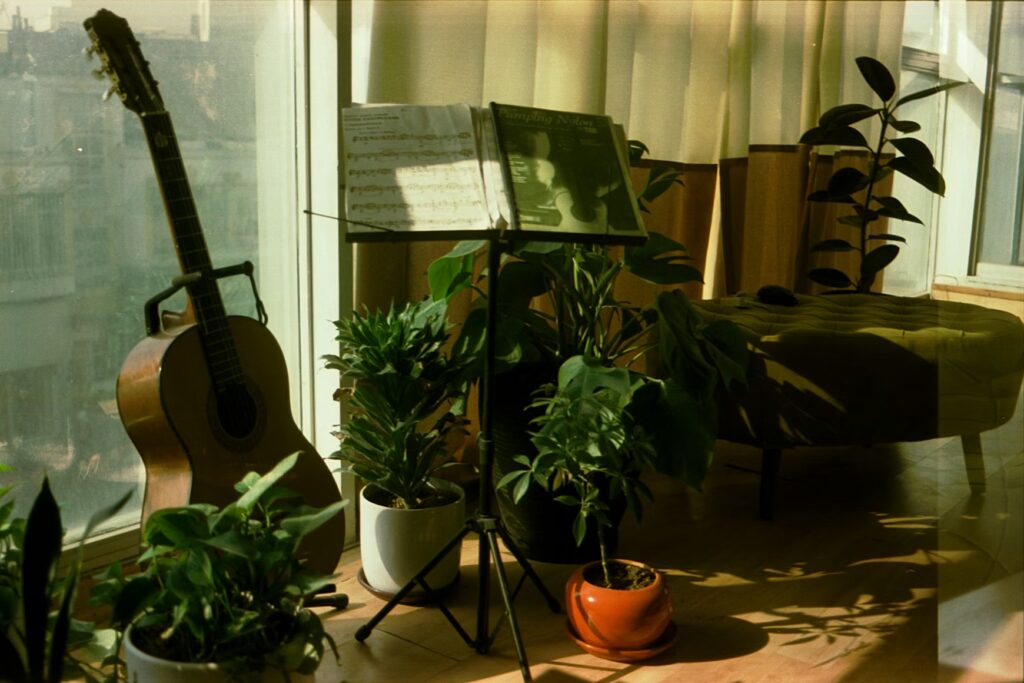
What apartment living makes visible
Living in an apartment as a digital nomad removes many of the buffers that other forms of accommodation provide. There is no automatic reset, no external structure, and no clear signal separating staying from leaving. What remains is the pace you choose and how well it can be sustained eventually.
As novelty fades and days begin to repeat, apartment living makes those choices visible. It reflects whether stability feels grounding or constraining, whether routine restores energy or slowly dulls it. The apartment simply holds the shape of remote life as it continues to unfold.