
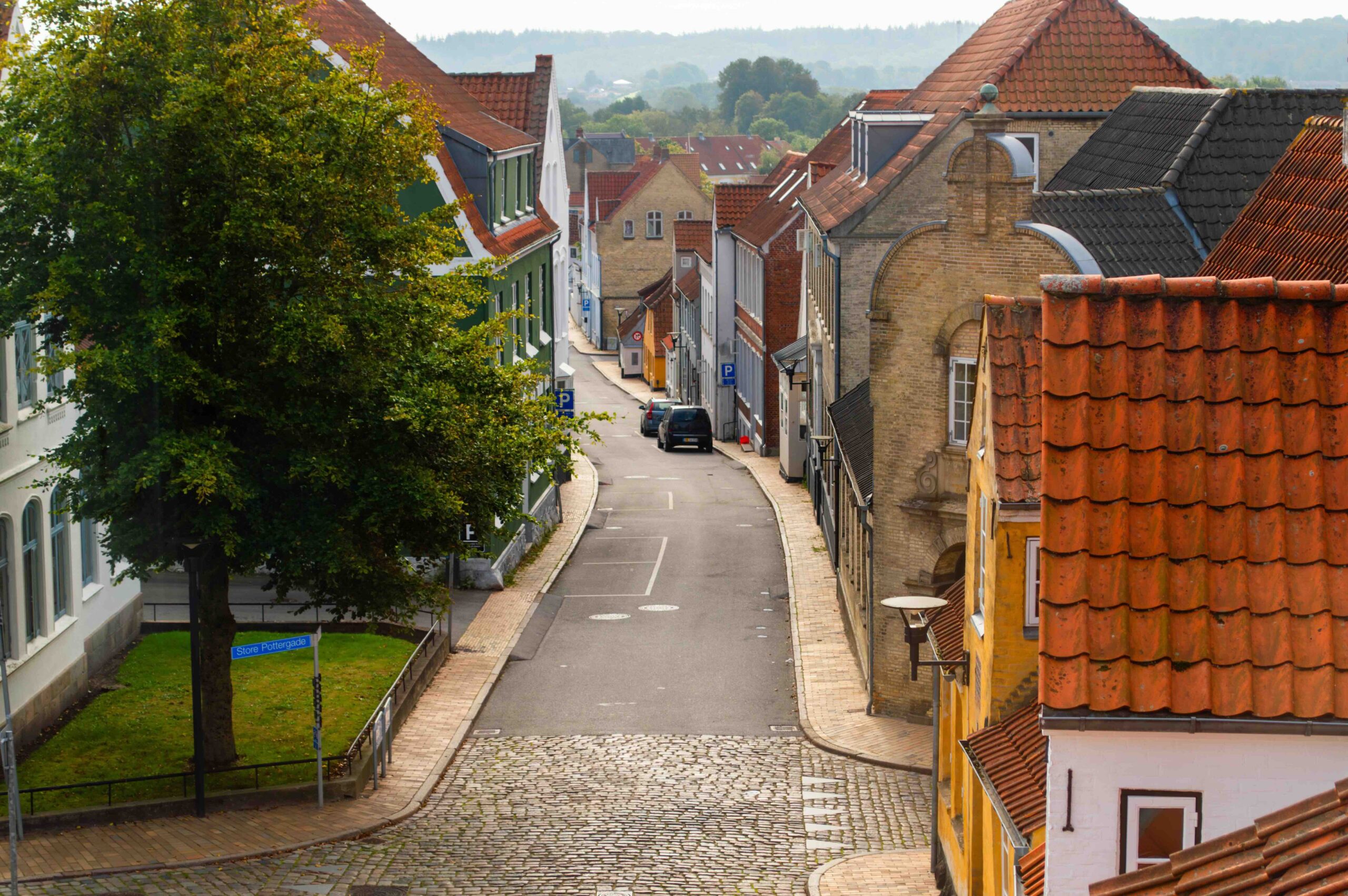
When a city stops asking for constant adjustment
Some cities make remote travel feel workable almost by accident, asking little from you as the days pass. Streets read easily, errands fall into place, and sound recedes into the background.
In these places, orientation happens once, then recedes. You learn where to walk, where to sit, when the day naturally slows, and the city doesn’t require you to relearn those answers every morning. This stability is subtle. It shapes how much energy remains available for work, rest, and the in-between moments that usually get overlooked.

Where routine survives novelty
Cities that feel sustainable tend to carry a steady rhythm, one that supports routine while leaving room for movement. The day holds its shape even as you move through it, allowing exploration to happen without unsettling the underlying flow.
Remote work fits into these environments as the city stays light on engagement. Time can gather in one area without feeling closed in, and movement across town remains easy. Routine holds as attention stays closer to the day.

When the environment carries part of the load
In cities that drain less energy, the environment quietly absorbs effort that would otherwise sit on you. Housing functions, noise follows patterns, weather stays manageable, and connectivity fades into the background. The day holds with fewer small adjustments. Work benefits quietly. Focus arrives with less friction, and the day closes more cleanly, without needing to be recovered from.

Cities that support staying without demanding attachment
Sustainable remote travel cities give space before asking for belonging, allowing you to exist without full participation. Social life stays accessible, cultural signals remain readable, and staying slightly on the surface doesn’t feel like being left out.
This distance matters over time. Cities that expect emotional investment early often feel energizing at first, then tiring once work competes for the same attention. Cities that allow a lighter form of presence remain easier to live in, especially after the novelty fades and days begin to resemble each other.
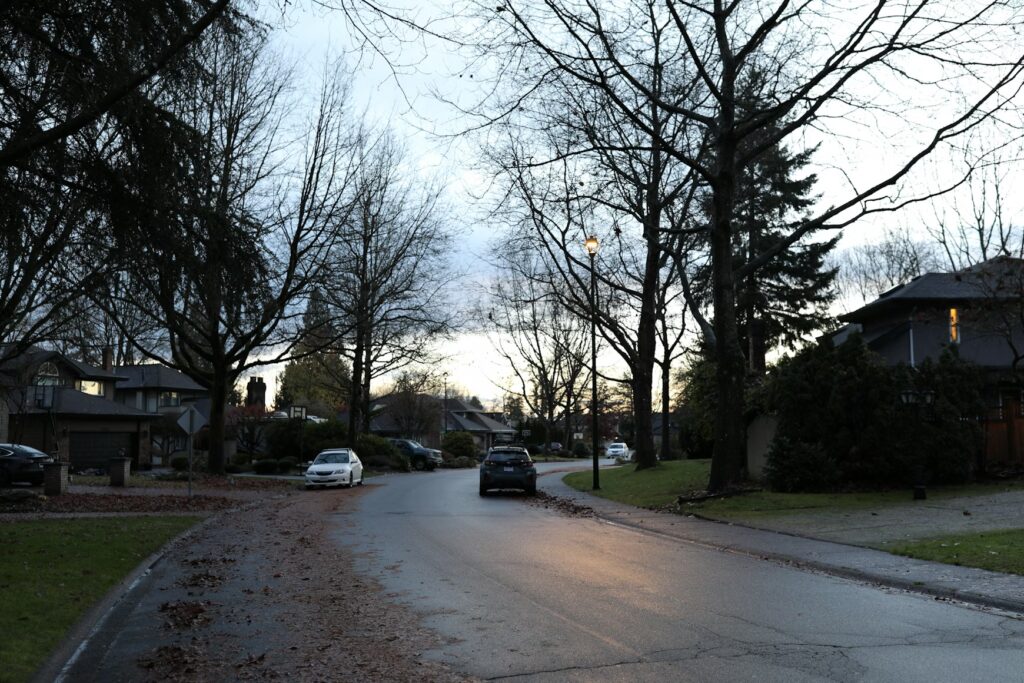
When time passes evenly
One of the clearest signals of a sustainable city appears after the first weeks pass. Time begins to move evenly, without compressing or stretching, and the days carry enough balance that nothing needs to be rushed or recovered from.
In these places, remote travel begins to resemble ordinary life as the sense of ongoing adjustment fades. The calendar loosens, energy spreads more evenly across the week, and leaving returns to being a choice, no longer pushed by fatigue.
Places that work without standing out

Cities that make remote travel sustainable are often not the ones that dominate lists or conversations. They may lack dramatic landmarks, strong branding, or obvious appeal from a distance. What they offer is continuity. You can arrive without expectations and stay without needing to justify the decision.
Over time, these places reveal their value quietly, through how little they demand. Energy stays available for living rather than maintenance, and remote travel begins to register as a single, continuous life, one that simply happens to move.
Sustainability, in this sense, shows up in how little a city asks of you once days begin to repeat, and in the space it leaves for work, rest, and attention to exist without drawing from the same reserves.