

Park Hyatt Kyoto sits along the Higashiyama slope, following the line of old streets that carry visitors between temples, stone steps, and tiled rooftops. The setting is active for most of the day, shaped by slow-moving foot traffic and cameras lifted toward familiar views. The hotel doesn’t separate itself from this environment. It stays within its surroundings, then gradually begins to recede as space and pacing shift.
As you step inward
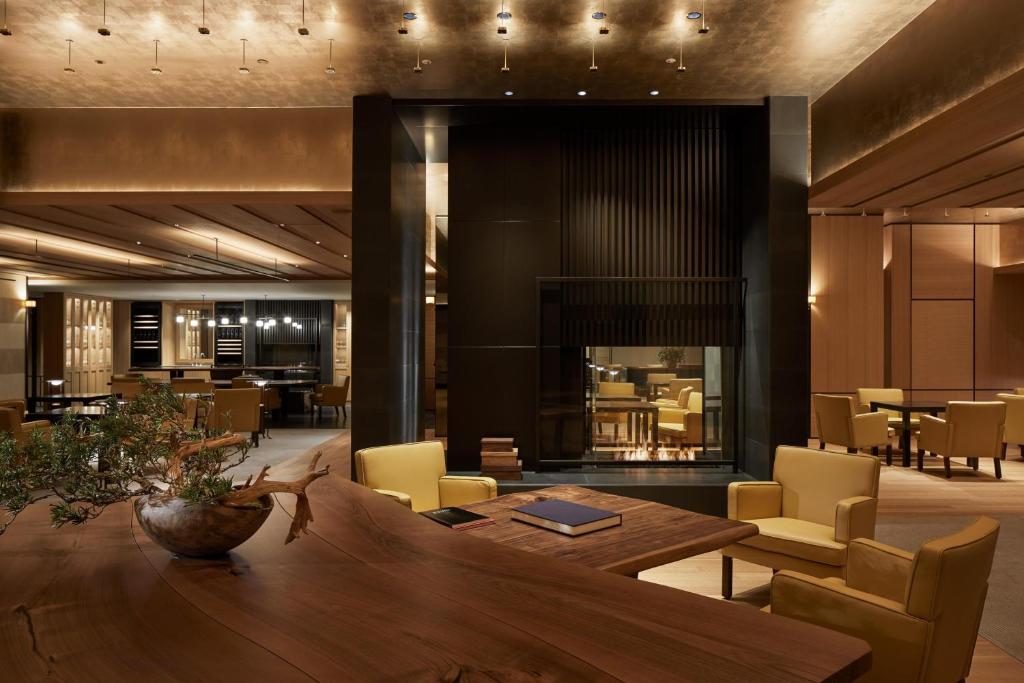
Entry unfolds in stages. A discreet doorway opens to a short incline, stone underfoot, then a dimmer interior where sound starts to recede. The ceiling lowers slightly and the light softens, while street movement slips to the periphery.
Check-in takes place in a compact lounge rather than a defined counter. Seating is low and spread out, allowing arrivals to sit before anything else happens. Staff approach quietly, close enough to speak without raising their voice. The process feels absorbed into the space, not placed on top of it.
Moving through the hillside
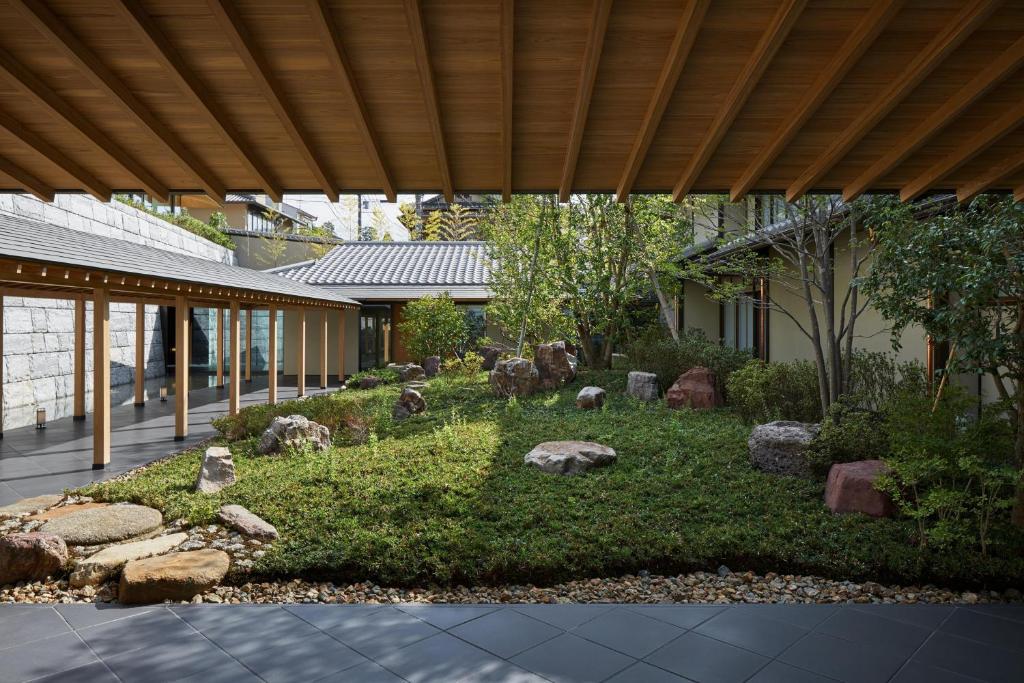

The hotel unfolds as a series of low-rise structures stepping along the slope, with corridors that turn gently and short outdoor passages linking interior spaces. Courtyards emerge along the way, planted with stone, moss, and restrained greenery, with no central axis or single moment of arrival. Walking through the property takes time, with spaces opening gradually as you move along. At night, the lighting remains deliberately low along these connectors, encouraging slower movement and quieter returns.
Inside the room
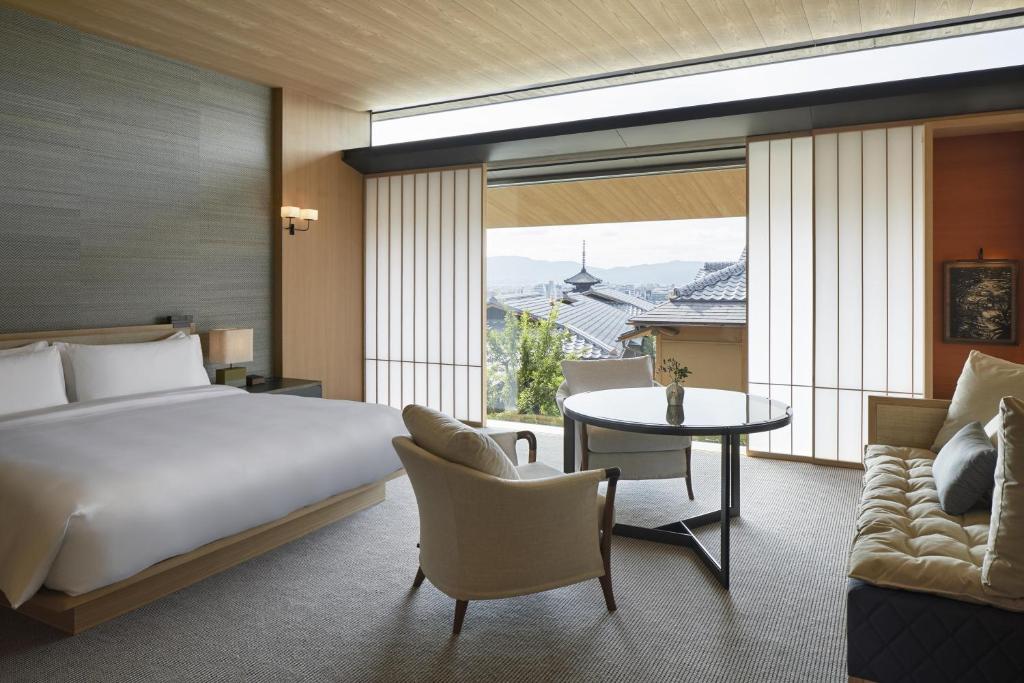
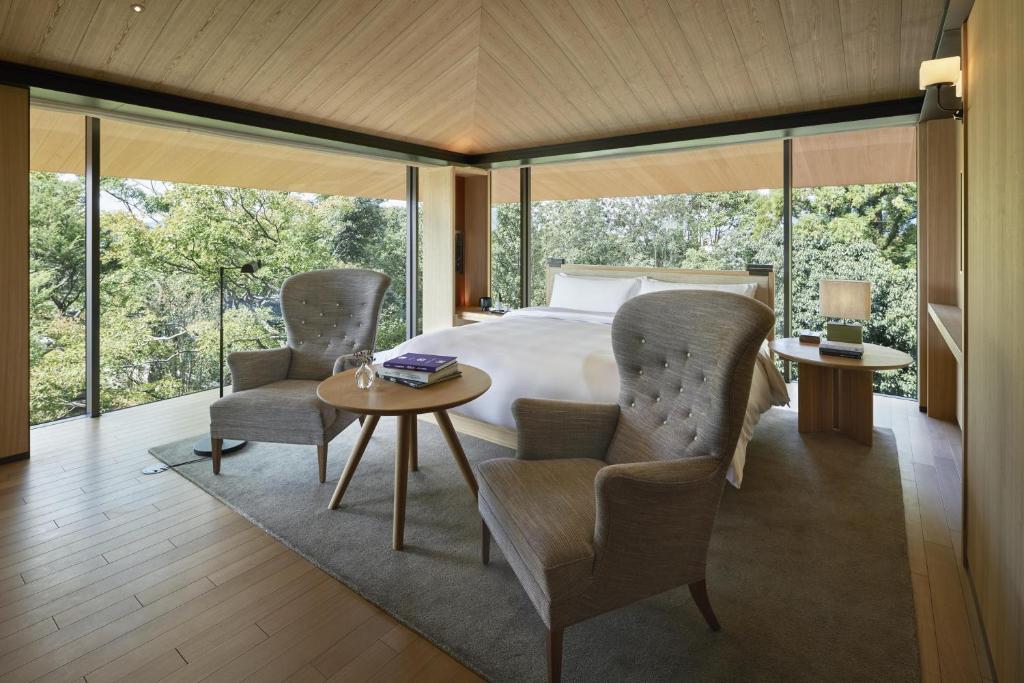
Guest rooms continue the same restraint. Materials feel grounded and tactile, such as wood with visible grain, textured fabrics, and stone surfaces that remain cool to the touch. Lighting is layered and indirect, settling evenly across the space.
Seating areas face windows, without turning them into focal points. Some rooms open toward temple rooftops, others toward internal gardens or courtyards. None feel exposed. Once the door closes, the room holds its quiet, even during peak seasons when the streets outside remain busy.
Beds are set low, reinforcing a grounded feeling after long hours on foot. Bathrooms are compact and deliberate, with soaking tubs positioned for use.

Care that blends into the day
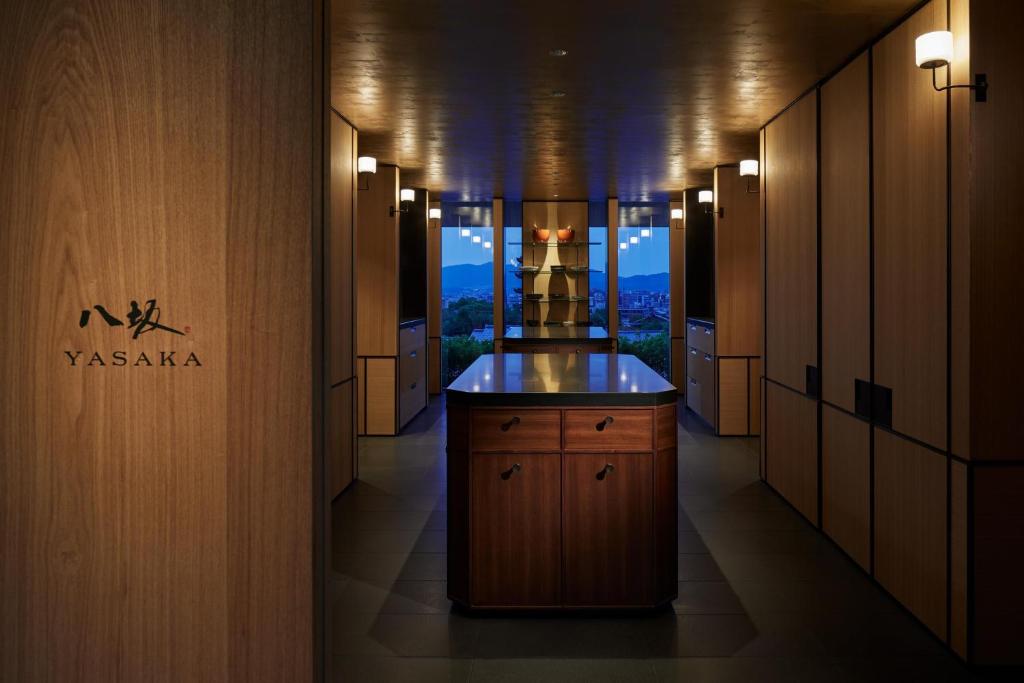
Service stays in the background, present without drawing attention. By the time guests reach their rooms, luggage is already there, small adjustments handled quietly along the way. Daily rhythms are picked up and carried forward, from morning departures to afternoon returns, without repetition. When assistance is needed, responses come steadily and without hurry, settling into the stay as part of its ongoing flow.
Evenings held close
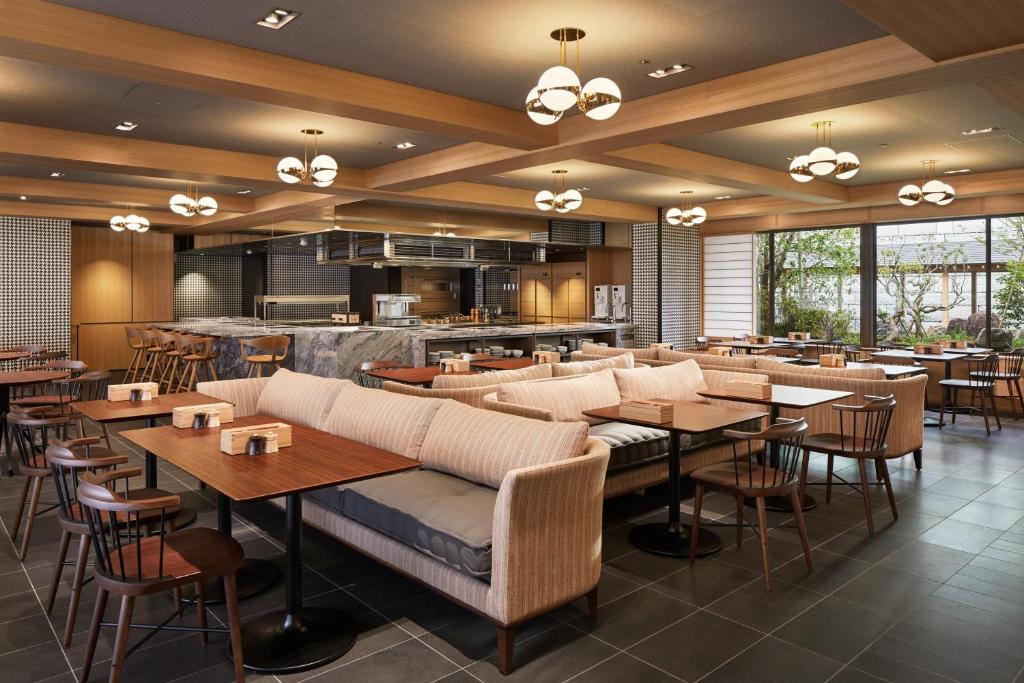

Dining spaces stay intimate through the evening, with low lighting and seating that keeps conversations contained. Meals move at an easy pace, staff present but largely unseen. After dinner, the transition back through the hotel feels uninterrupted, with corridors that soften sound and courtyards holding still air, allowing the atmosphere to carry through without a noticeable shift.
Room for rest

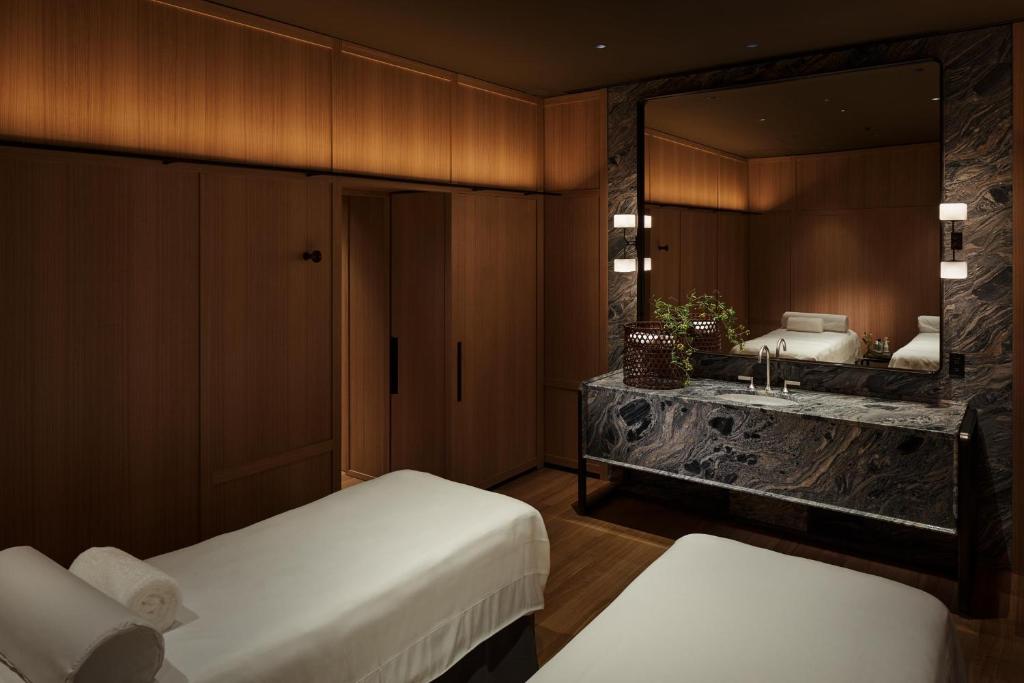
Wellness facilities sit quietly within the property. The bathhouse, spa, and fitness areas are modest in scale, used as brief intervals rather than destinations. They sit between long walks through temples and historic streets. The emphasis remains on location, architecture, and pacing. The hotel absorbs the day and allows it to settle.

When the city quiets

As night deepens in Higashiyama, the hotel continues in the same register, with movement slowing and doors closing softly along the way. Interior spaces feel sealed without becoming closed, holding their quiet as the hours pass. Park Hyatt Kyoto remains part of its surroundings, letting stillness carry through the night.
Booking your stay on Booking.com
Booking your stay on Hotels.com