
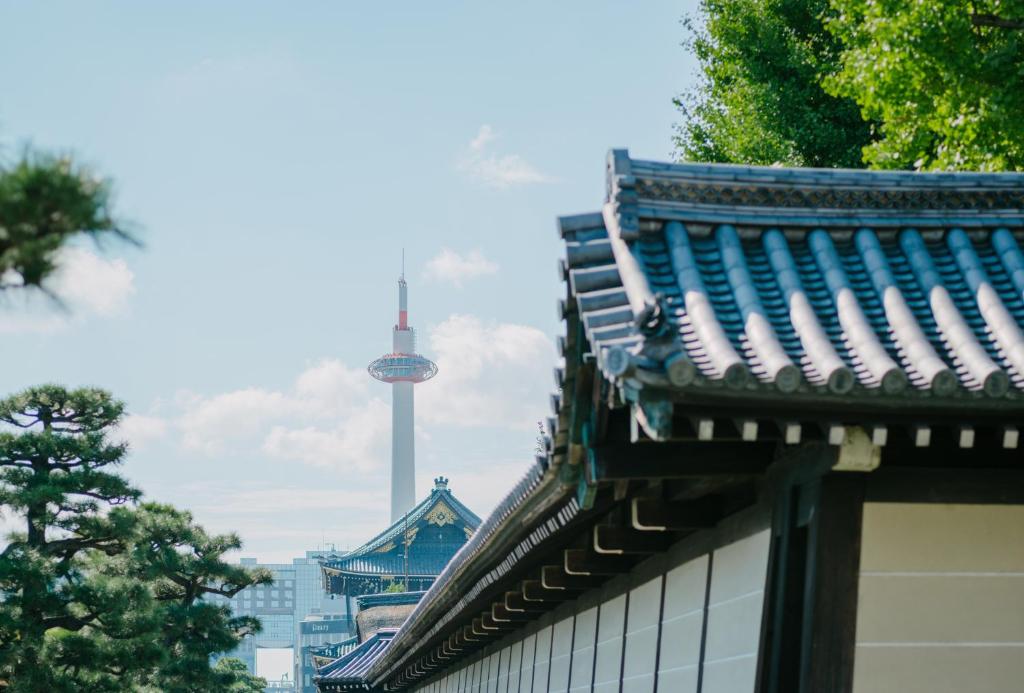
Kyoto is a city of small shifts, moving between temple districts and river walks, quiet lanes and busy shopping streets, ryokan rituals and contemporary design. Where you stay often determines which of those layers stays close, and which quietly recedes.
The Royal Park Hotel Kyoto Sanjo
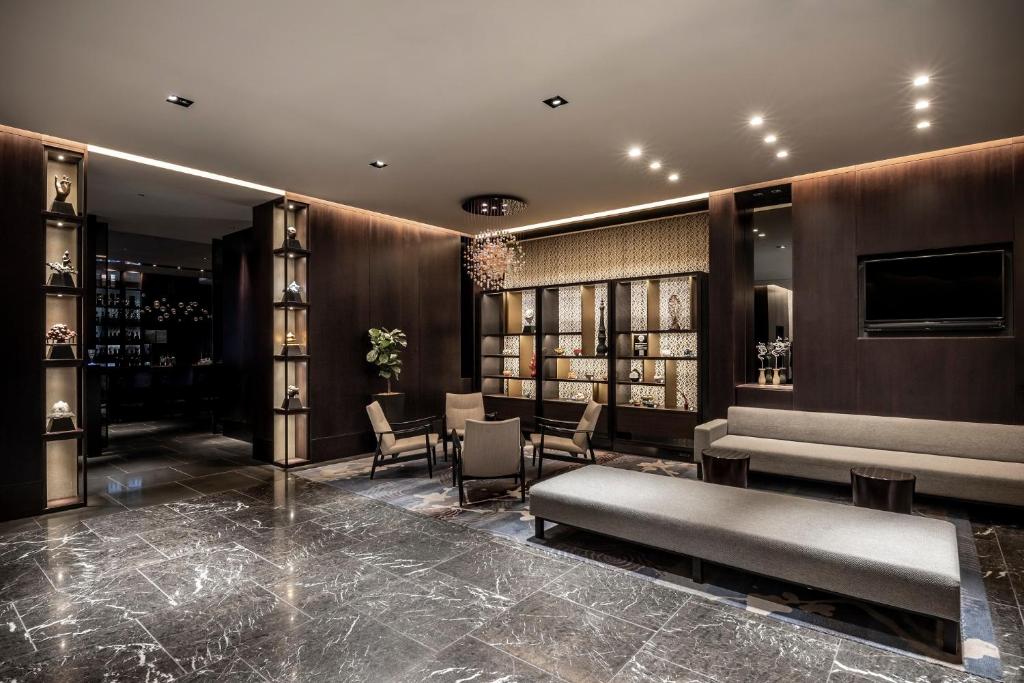
Set along Sanjo-dori, The Royal Park Hotel Kyoto Sanjo places you within easy reach of downtown Kyoto’s shopping streets, cafés, and riverside walks, with transport links that make day trips and temple districts straightforward. The hotel’s modern mid-rise exterior leads into interiors that feel polished and efficient, designed for travellers who want convenience without fuss.

Rooms are contemporary and compact, laid out with clean lines and practical storage that suits short stays. Public spaces and on-site dining remain simple and comfortable, supporting an easy rhythm for mornings out and quieter evenings after long walks.
Cross Hotel Kyoto
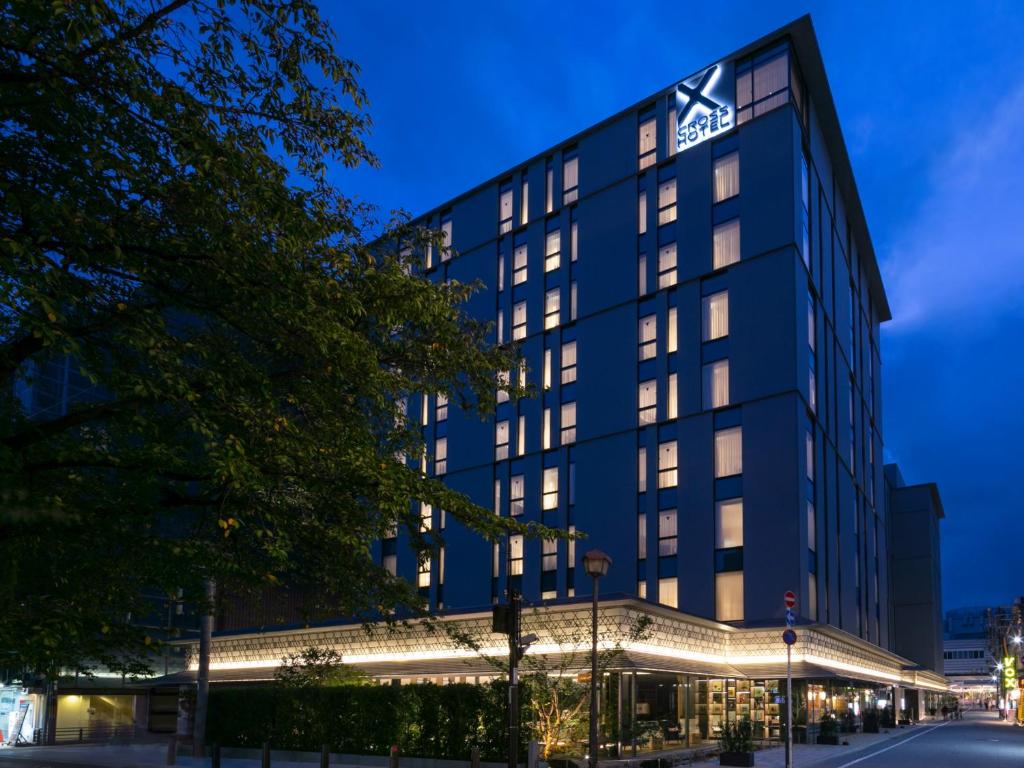

Evenings at Cross Hotel Kyoto tend to stretch naturally, with nearby dining streets and the Kamogawa River close enough that wandering feels unplanned. Returns rarely require much thought, even late at night.
Inside, the atmosphere leans modern and urban, set within Kyoto’s historic surroundings, without leaning into ritual or formality. The tone stays casual, suited to travellers who spend most of the day outside.

Rooms are bright and well arranged, offering a relaxed place to pause between outings. Dining and bar spaces provide an informal point of return, fitting a city where nights often wind down quietly.
Solaria Nishitetsu Hotel Kyoto Premier

Along the Kamogawa River, Solaria Nishitetsu Hotel Kyoto Premier is shaped by water-facing calm. The riverfront orientation gives the property a quieter feel than many central hotels, with a sense of openness that comes from light, sightlines, and the slow movement of the river outside.
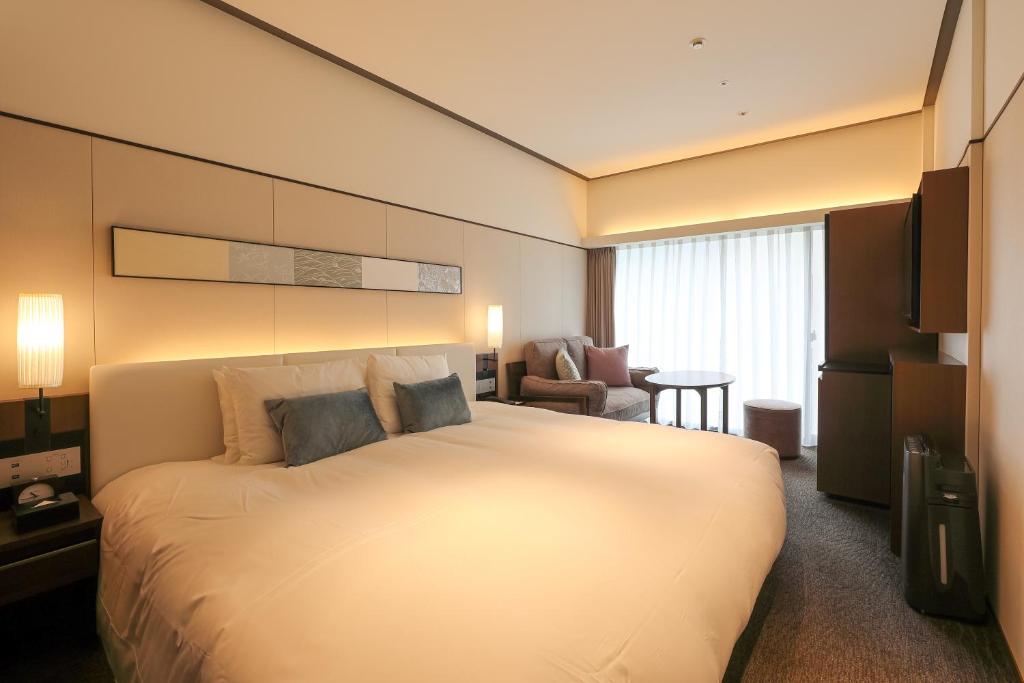
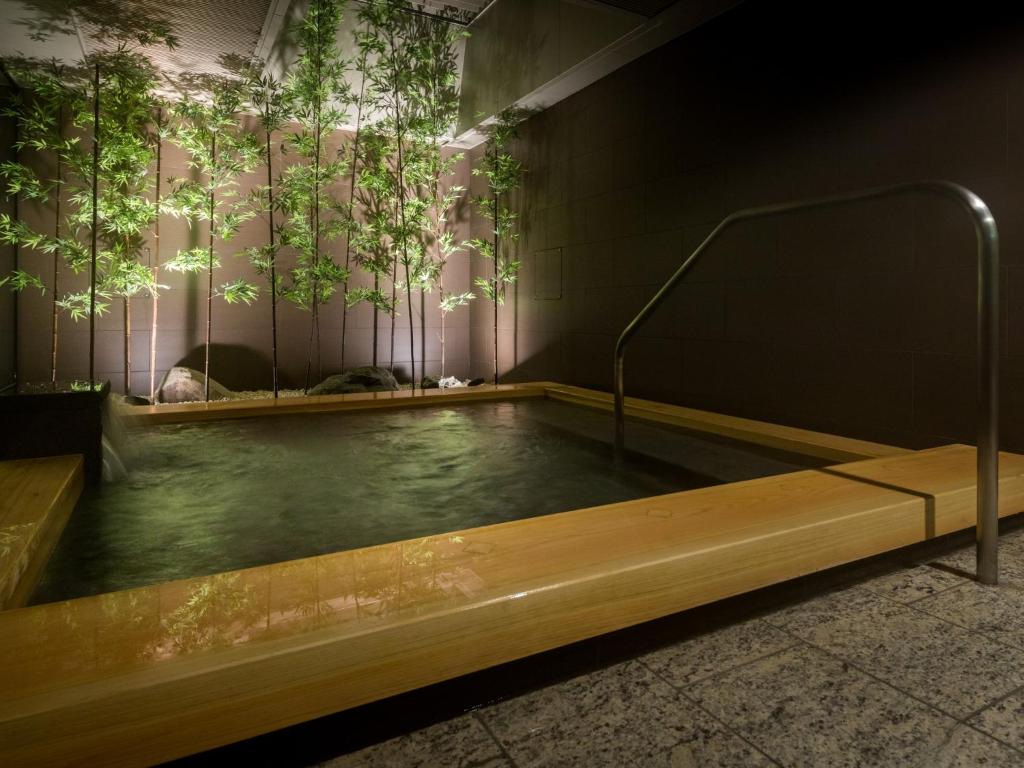
Rooms are modern and comfortable, typically more spacious than standard city layouts, with many openings toward the river. Wellness facilities, including a public bath, add a slower layer after long days on foot, while on-site dining supports a stay where you can move at a gentler pace without planning every detail.
Nishiyama Ryokan

Nishiyama Ryokan offers a traditional Kyoto ryokan experience in a quieter residential area near the centre, where the city feels less performative and more lived-in. The property’s interiors lean classic, with tatami rooms and calm shared spaces that encourage a slower routine.
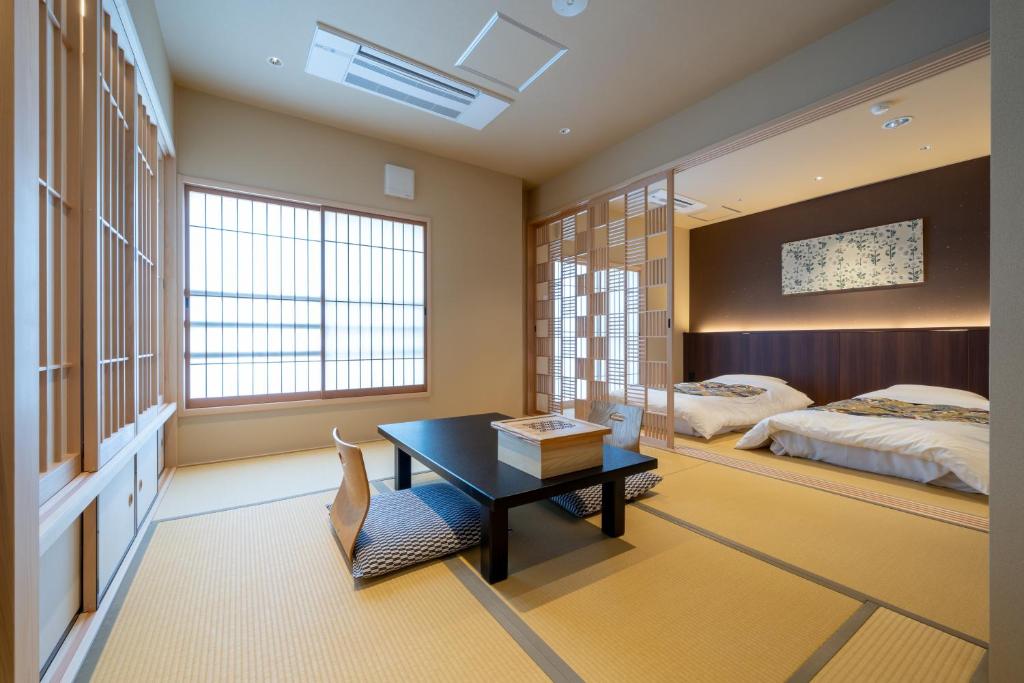
Seasonal kaiseki dining is a central feature, served with the attentive pacing expected of a ryokan stay. Shared bathing facilities and careful hospitality reinforce the sense of ritual, making it a fitting choice for travellers who want Kyoto’s traditional rhythm built into the day rather than added on as an activity.
Hyatt Regency Kyoto

Days at Hyatt Regency Kyoto tend to unfold within the property itself, supported by generous communal areas, multiple dining venues, and full-service facilities that make longer stays feel unhurried. Rooms are spacious, blending modern comfort with understated Japanese materials and detailing. The atmosphere stays calm and contained, encouraging time to slow without effort.
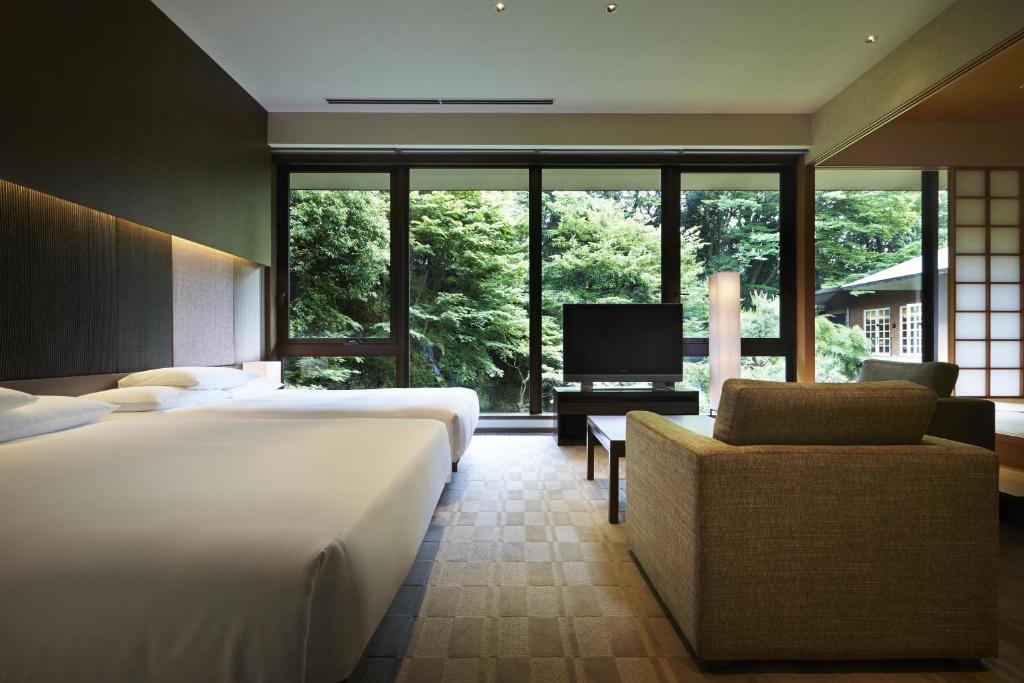
Set near Higashiyama, the hotel occupies a larger footprint than most central Kyoto properties. Landscaped grounds create a sense of space around arrival, allowing the city’s pace to recede naturally.
Hotel Kanra
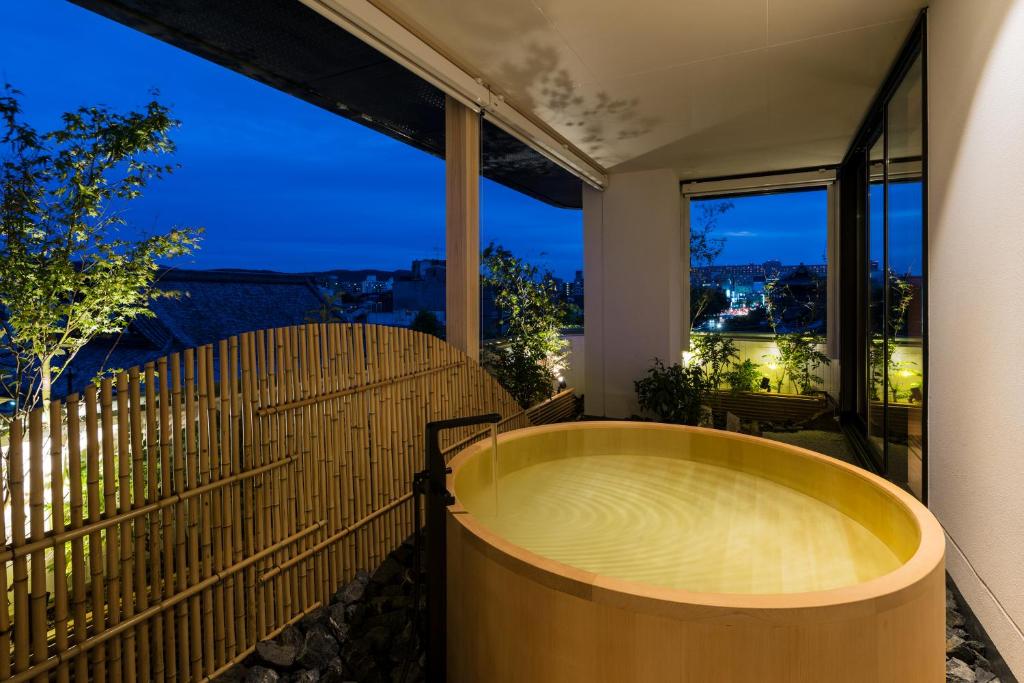
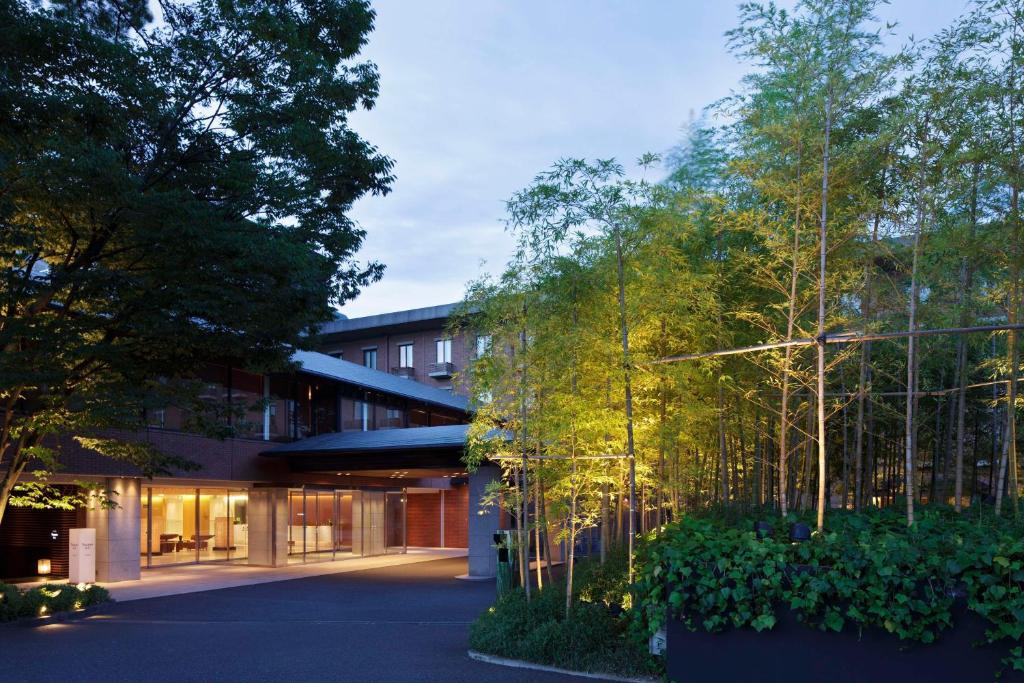
Near Kyoto Station, Hotel Kanra offers a contemporary interpretation of Kyoto design, using natural materials, wood finishes, and clean spatial lines that feel calm without leaning overly minimalist. The location makes transit simple, while the hotel’s atmosphere softens the intensity of the station area.
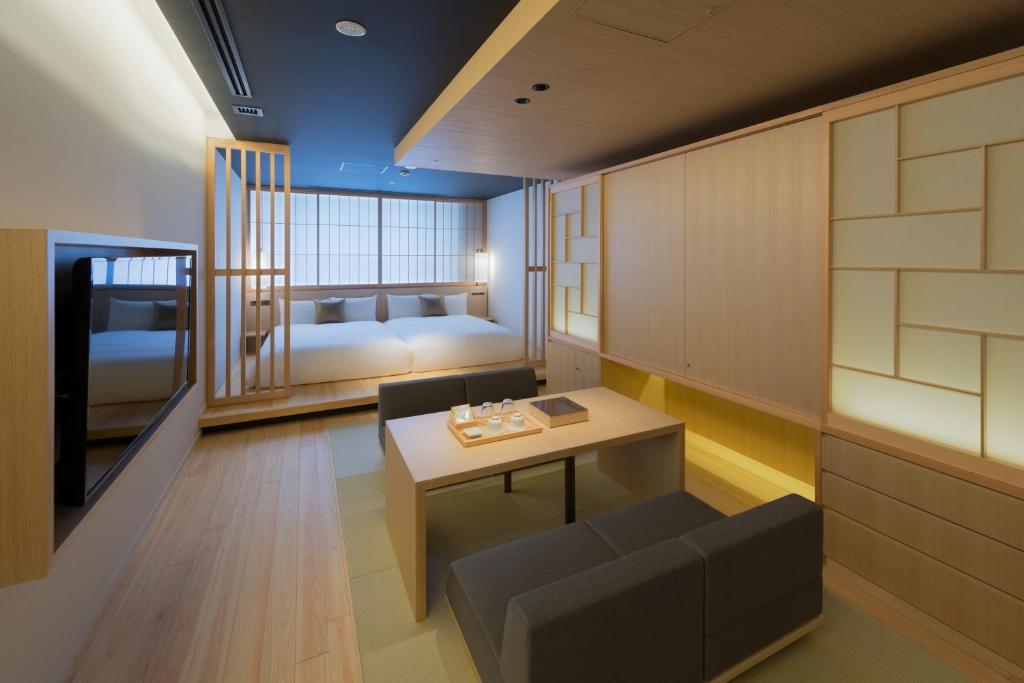
Rooms are designed for comfort and downtime, with some featuring deep soaking tubs that become a practical luxury after long walking days. On-site dining highlights local ingredients in a relaxed setting, giving the hotel a quieter interior mood than the surrounding station area.
Hotel The Celestine Kyoto Gion
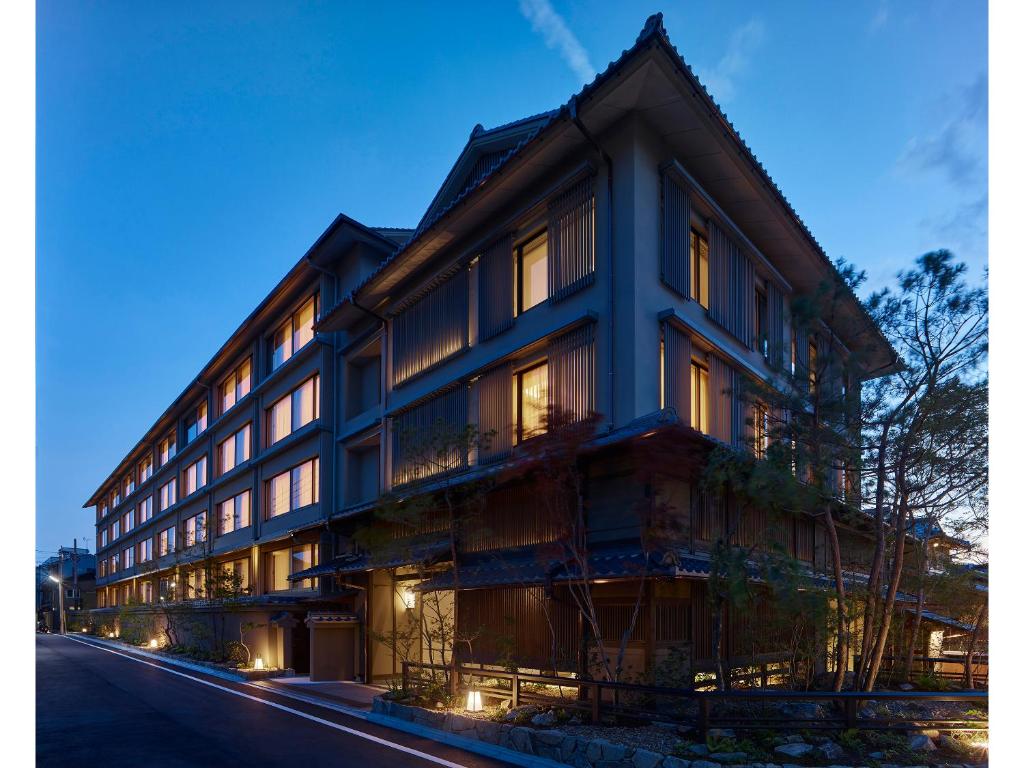

Positioned between Gion and Kiyomizu-dera, Hotel The Celestine Kyoto Gion works well for travellers who want to be close to historic lanes and temple paths while returning to a space that feels composed. The design blends modern luxury with restrained traditional elements, keeping the atmosphere refined rather than theatrical.
A public bath and wellness-focused facilities add a slower layer to the stay, giving evenings a slower, more contained pace. Shared spaces feel deliberately quiet, holding a steady tone throughout the day. Rooms are elegant and well proportioned, offering a composed place to return to after time spent around Kyoto’s most visited areas.
HOTEL THE MITSUI KYOTO, a Luxury Collection Hotel & Spa

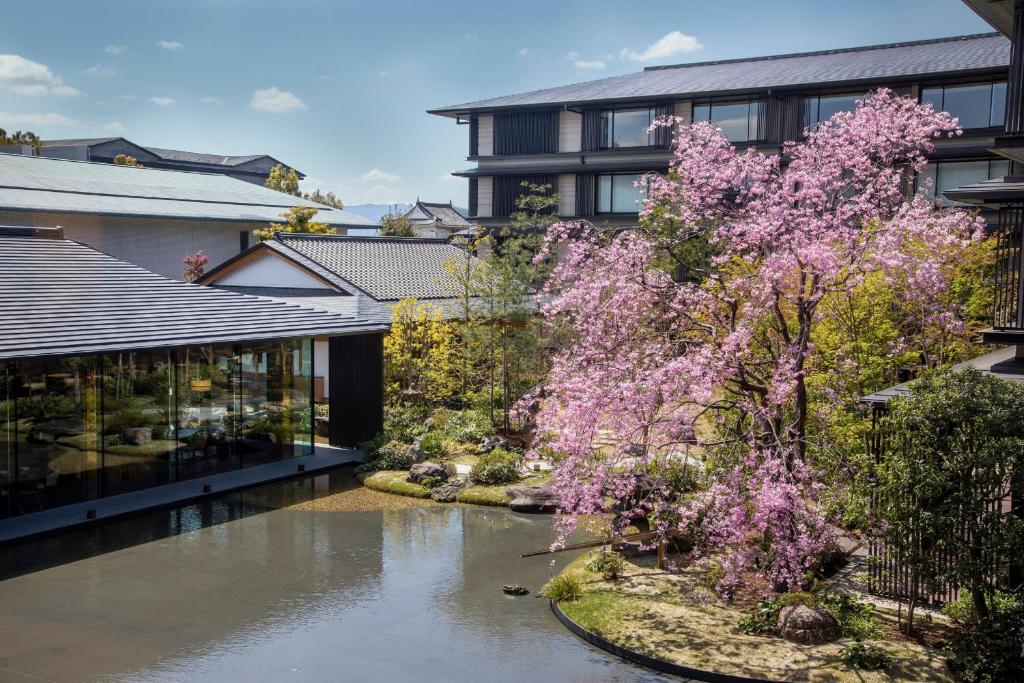
Set on former noble residence grounds near Nijo Castle, HOTEL THE MITSUI KYOTO offers a rare combination of historic context and contemporary luxury. The low-rise architecture and landscaped gardens create a strong sense of enclosure and privacy, making the property feel more like a retreat than a city hotel.
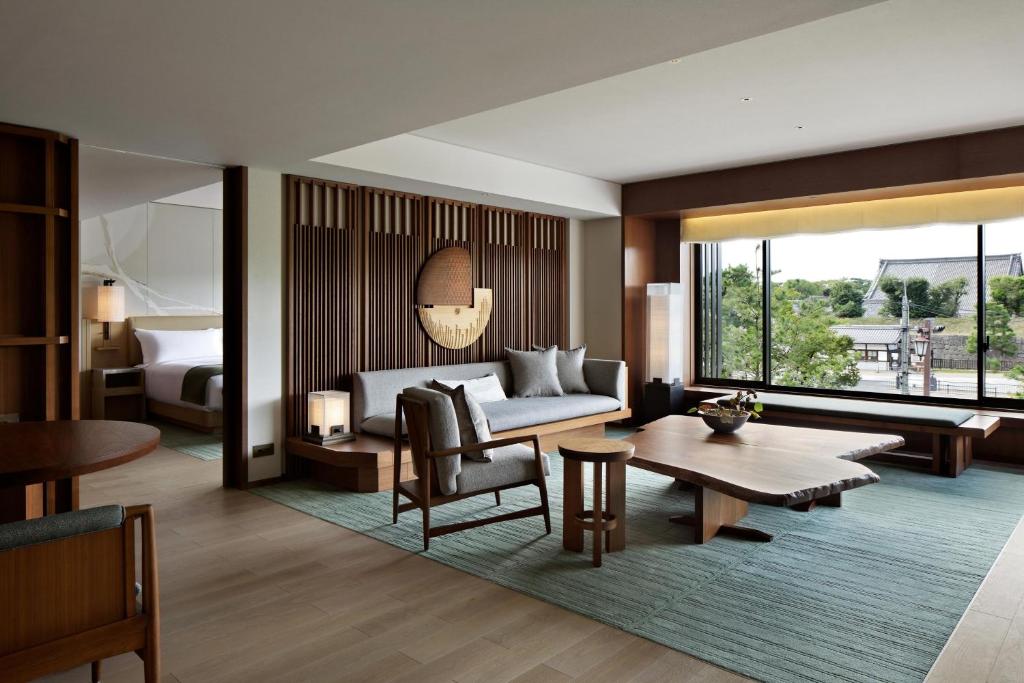
Rooms are spacious and meticulously designed, often oriented toward gardens or historic surroundings that give the stay a quieter visual palette. Dining venues and the spa emphasise refinement and calm, with the experience shaped by space, service, and stillness within central Kyoto.
Suiran, a Luxury Collection Hotel, Kyoto
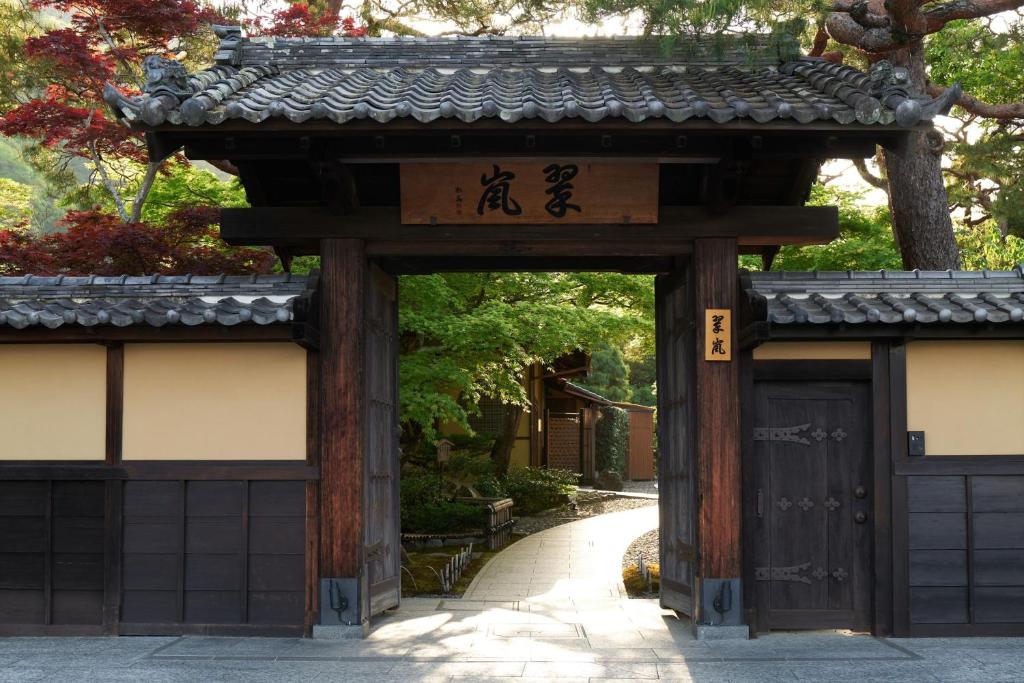
Set along the Hozu River in Arashiyama, Suiran offers a resort-like experience where nature becomes part of the architecture, with river views, greenery, and walking paths giving the stay a sense of separation from central Kyoto.

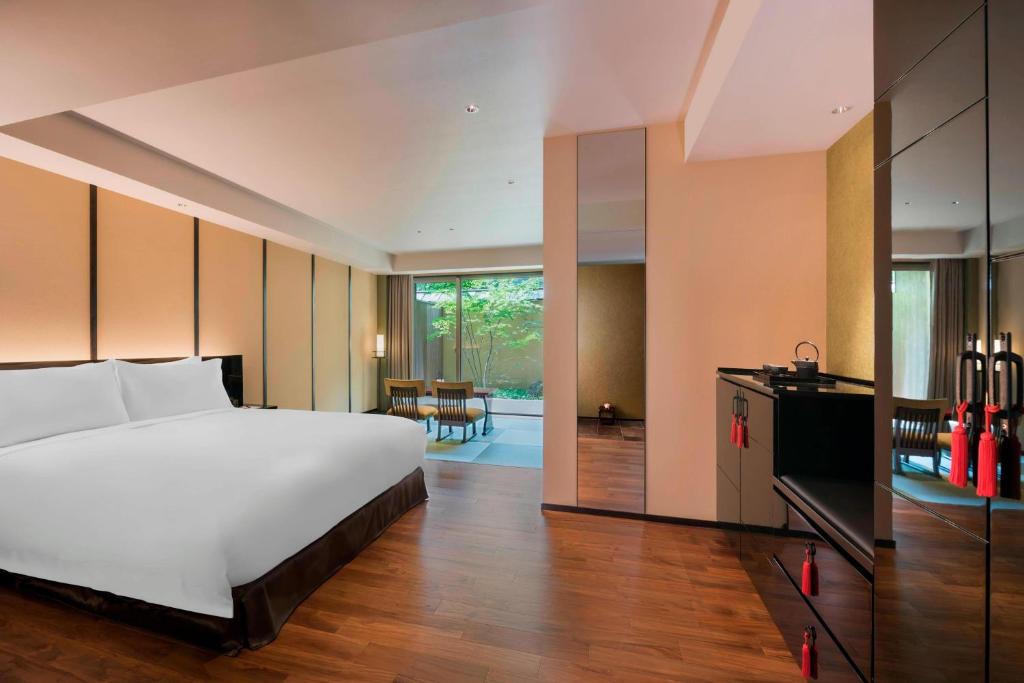
Dining and wellness facilities draw directly from the surrounding landscape, shaping slower mornings, quieter afternoons, and evenings removed from the city centre. Rooms blend modern luxury with traditional touches, designed to feel serene and private.
Related Articles
- Park Hyatt Kyoto Hotel: A Serene Stay in Historic Higashiyama
- Where to Stay in Japan: Intimate Ryokans with a Quiet, Unstaged Feel
- Where to Stay in Osaka: Easygoing Hotels for a Relaxed City Stay
- Where to Stay in Tokyo: Hotels That Shape How the City Feels
- Tokyo vs Kyoto: Which One Actually Fits the Way You Travel
- The Best Time to Visit Japan, and When Timing Quietly Undermines the Trip