
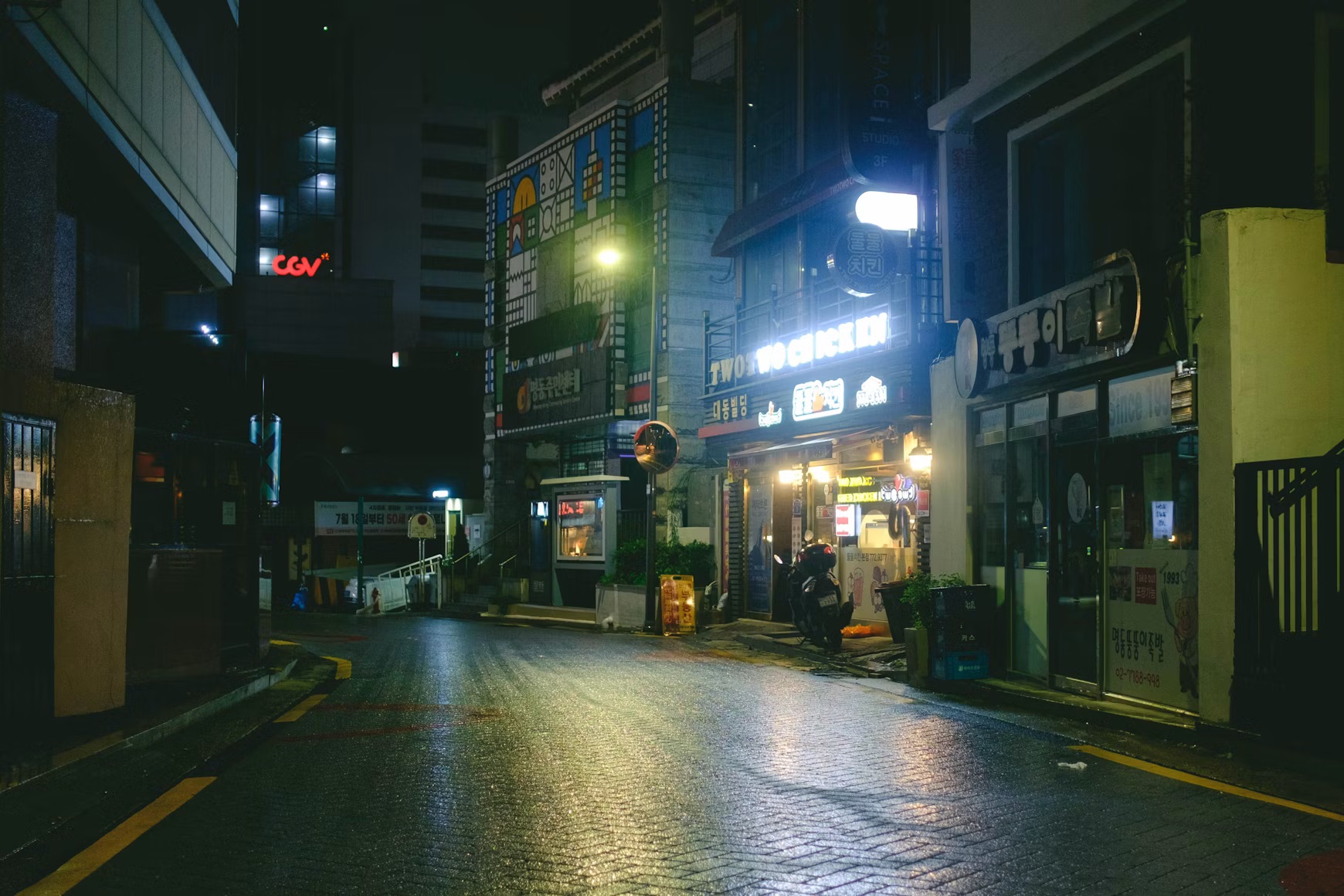
When visiting Seoul, the city doesn’t always feel immediately accessible, especially in the first days, when everything seems to arrive at once. Sound, movement, signage, and scale overlap quickly, and the city rarely offers a single point of entry where things slow down on their own. You step into the day, and it’s already moving, without waiting for you to catch up.
This initial feeling is a sense of compression, as if the city is holding many layers at the same time, leaving little space for quiet orientation. Interest often comes later, after the pace begins to feel less urgent, and after the day has room to stretch. Understanding Seoul usually begins there, in that gap between arrival and familiarity.
When the Day Feels Dense
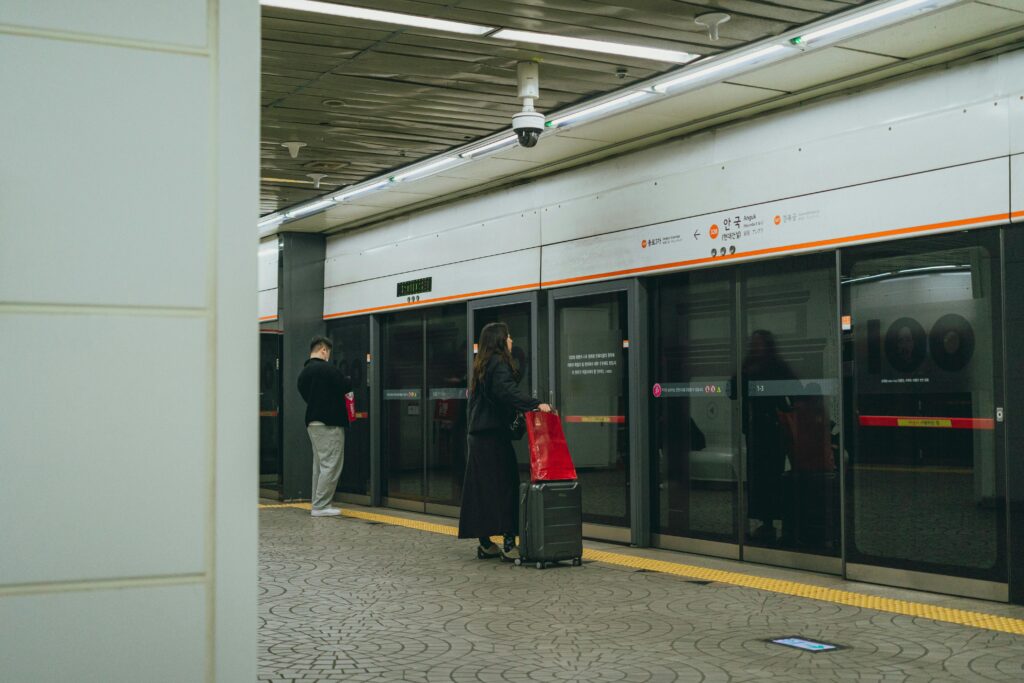
Early days in Seoul tend to feel full quickly. Distances shorten and lengthen at the same time, maps lose their clarity as underground spaces expand, and neighborhoods begin to blur into one another as you move. Walking becomes continuous, transitions stack closely together, and pauses appear briefly before the next movement begins.
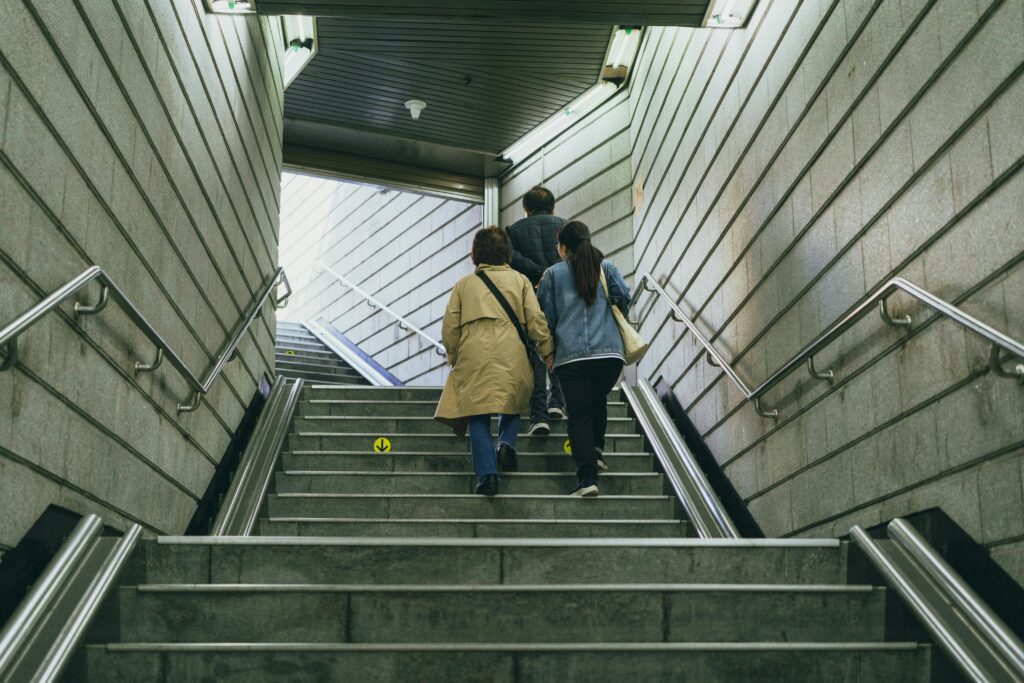

Nothing feels disordered. Systems work, routes connect, and the city remains legible once you learn its patterns. Still, the amount of attention required stays high. You’re always adjusting, orienting, and absorbing what comes next, rarely staying still long enough to settle. At this stage, Seoul often feels impressive on the surface. You notice how smoothly it functions, as your own rhythm takes time to settle.
Before Familiarity Has Time to Settle

Interest forms through repetition, as the day slowly lightens and familiarity begins to take hold without effort. When you begin to recognize streets without checking directions, when transfers stop requiring thought, when the day no longer feels packed simply by being outside.
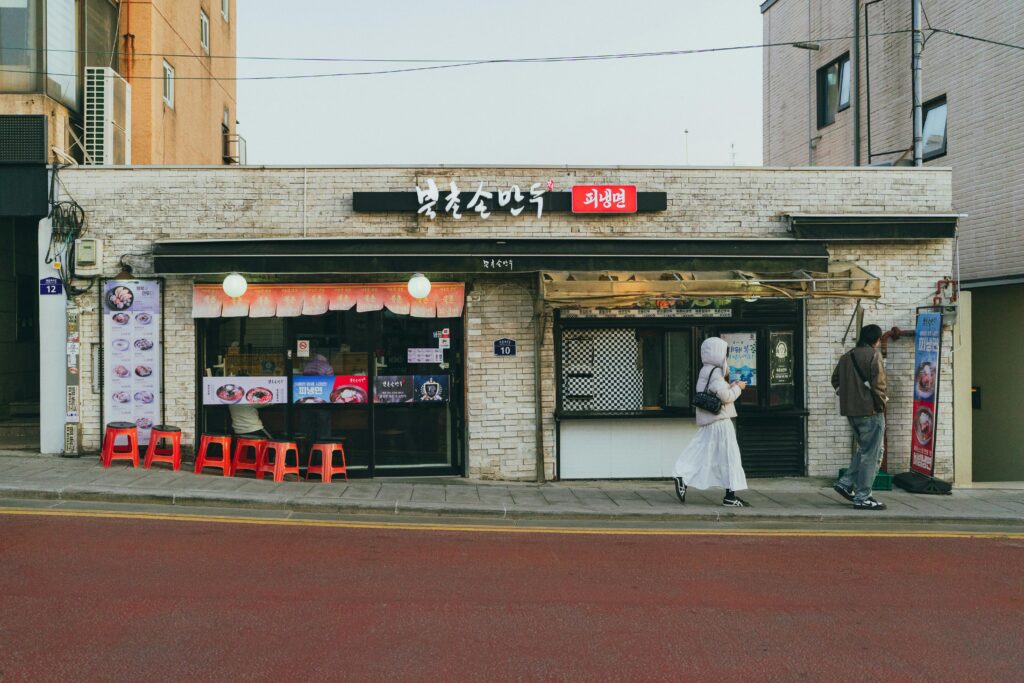
Until that happens, the city can feel distant even from within, as experiences move past quickly and neighborhoods begin to blur. You move through places without staying long enough for them to attach themselves clearly to memory. It’s part of how Seoul reveals itself, gradually, through routine rather than spectacle.
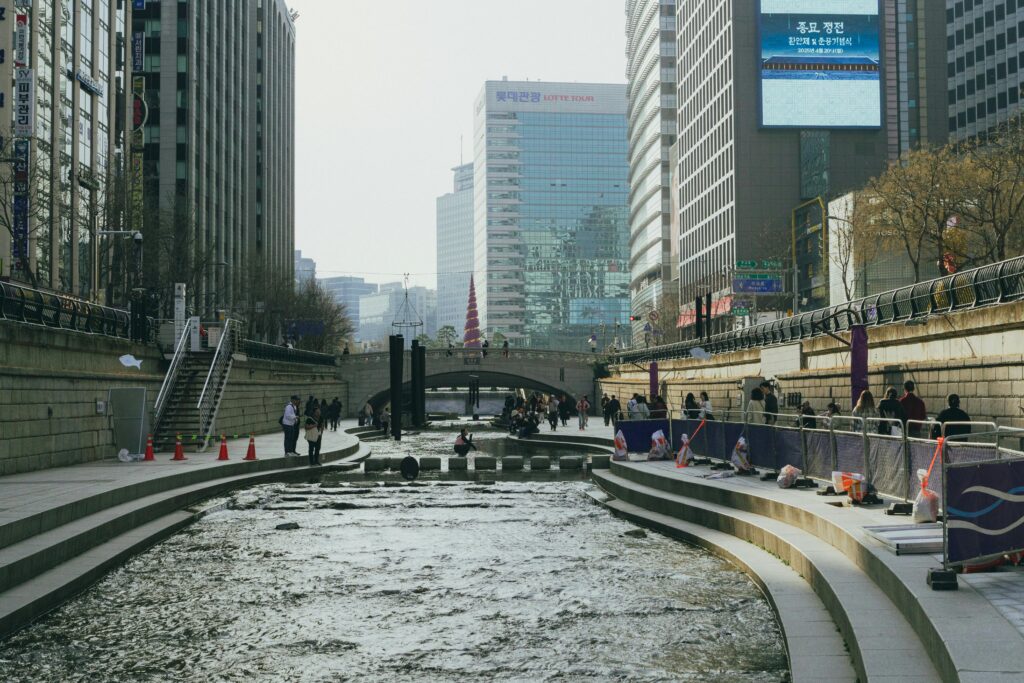
During this in-between stretch, days often pass without leaving clear edges. You move through several neighborhoods, take multiple lines, eat well, walk far, and still struggle to recall the order of things once the evening arrives. Experiences stack and flow into one another, leaving little that stands out clearly on its own. The day stays full and active, with a sense of moving without fully arriving, the city passing faster than memory can settle.
How the City Begins to Open
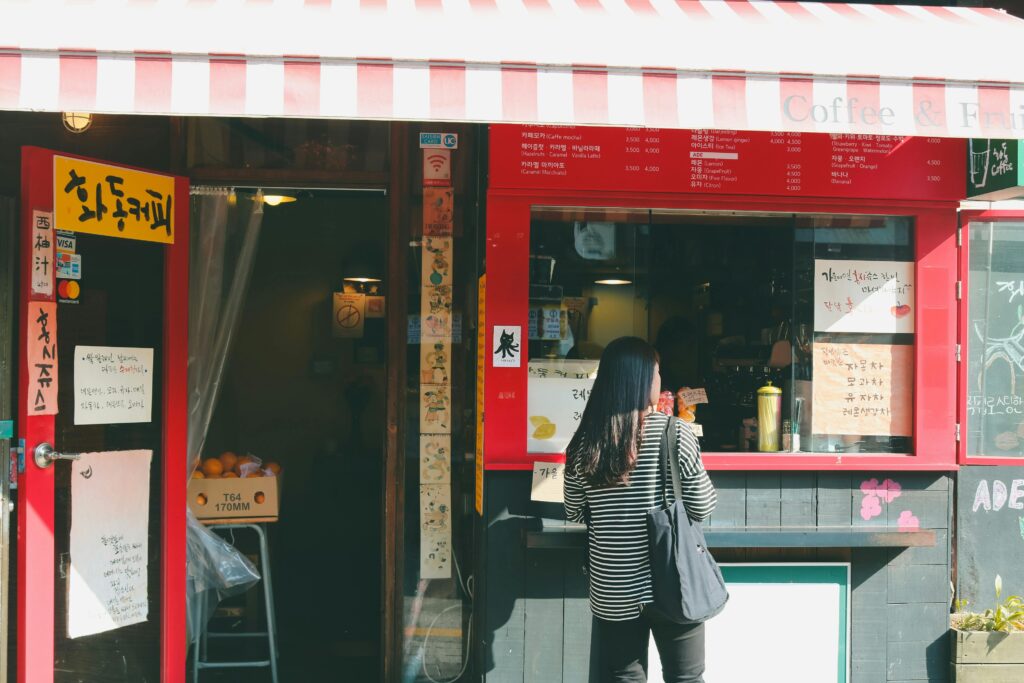
As days accumulate, the pace shifts quietly. Movement eases, decisions feel lighter, and time opens up around places where you linger. The city remains dense, but its presence no longer demands constant attention.

Small anchors begin to appear as the day settles into itself, familiarity forming without effort and interest surfacing quietly along the way. Seoul takes shape through repetition, staying long enough for the city to begin existing alongside you.
Letting the City Catch Up With You

For many travelers, the most overwhelming part of visiting Seoul is the gap between arrival and adjustment. The city moves confidently from the start. You take time to do the same.
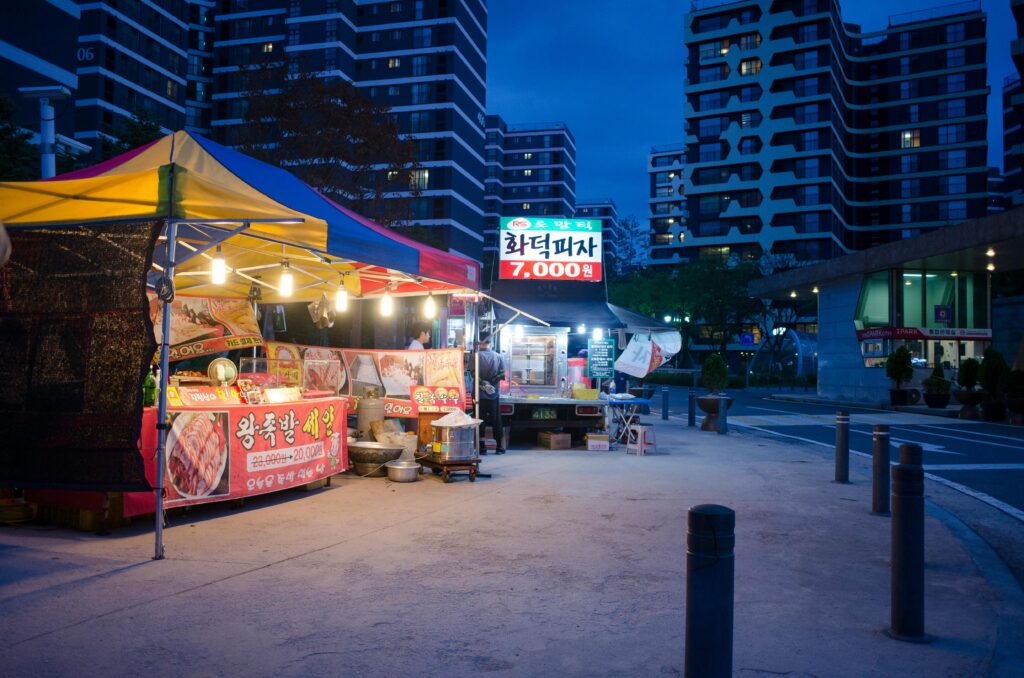
Allowing that gap to exist creates space for interest to form. The day begins to soften as attention loosens, movement continuing at its own pace, details coming into view without effort. Seoul responds to presence as it accumulates. What first feels overwhelming often becomes engaging once the day has room to breathe, and once you give yourself time to do the same.