

For many travelers, the first week in Thailand feels expansive. Days fill easily, plans still hold their shape, and the country reveals itself through contrast rather than continuity. Cities feel dense and vivid. Islands feel open and forgiving. Movement carries momentum, and the effort of travel still feels purposeful.
Somewhere after that first stretch, often without a clear marker, the experience begins to reorganize itself. The distinction between islands and mainland remains, but it stops being purely geographic. What changes more noticeably is how the days are held, and how much effort it takes to move through them.
The First Week Favors Contrast

Early on, Thailand is often approached through difference. Bangkok is loud, layered, and demanding of attention. The islands appear softer by comparison, shaped by water, distance, and the promise of rest. Moving between the two reinforces the feeling that each space plays a distinct role.

During this phase, energy is still abundant. Travel days feel justified. Long transfers are tolerated because they lead somewhere new. The effort required to navigate heat, traffic, or unfamiliar systems is absorbed without much resistance, buffered by novelty and anticipation.
Mainland and islands often register as opposing experiences during this phase, and many itineraries quietly reinforce that separation.
When Momentum Begins to Settle
As days accumulate, novelty loses its ability to carry the weight of constant movement. What once felt manageable begins to ask for more attention. Transitions begin to take longer to recover from, and choices start stacking quietly, even in places that appear simple on a map.

On the mainland, especially in cities, this shift tends to surface early. Distances that once felt negligible begin to carry more weight, and timing starts to shape how the day unfolds. Small inefficiencies no longer disappear on their own; they echo forward, influencing what comes next. The city itself remains largely the same, while the margin for absorbing it gradually tightens.

On the islands, the conditions are different. Slowness exists in the environment itself, woven into distance, heat, and the way days unfold. But it doesn’t always announce itself right away. When travelers arrive carrying the same momentum they brought with them elsewhere, the landscape can begin to feel muted after a few days. Pleasant, even beautiful, yet strangely unmoving. The ease people expect doesn’t so much fail to appear as linger just beyond reach, registering only once pace begins to loosen on its own.
Islands After the Novelty Wears Thin
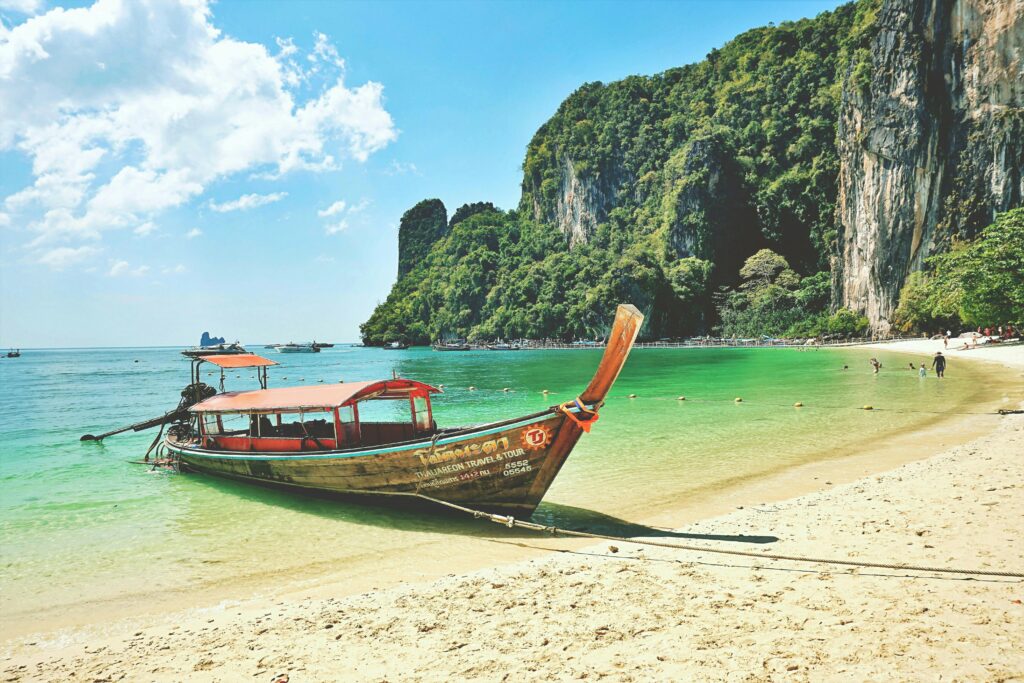
After the first week, islands begin to reveal what they actually offer. The appeal gradually moves away from scenery and settles into repetition. A beach visited at the same hour each morning, a familiar place for lunch, a stretch of road walked often enough that directions stop being checked.
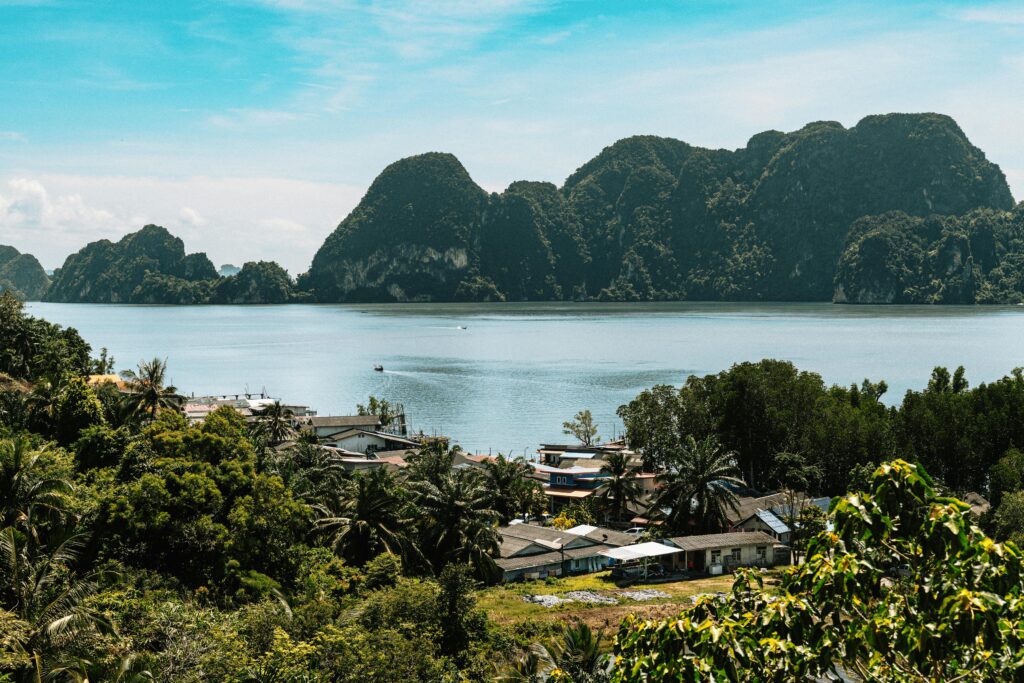
For some, this is when relief begins to surface. Decisions fall away. Days shorten naturally. Time starts to feel less segmented, less measured against what should be done next. The island stops functioning as a destination and starts operating as a container for fewer, slower needs.
For others, the same conditions feel confining. Without enough variation or movement, restlessness builds. The absence of pressure becomes its own kind of discomfort, especially for travelers who are still oriented toward accumulation and progress.

The Mainland as a Recalibration Space
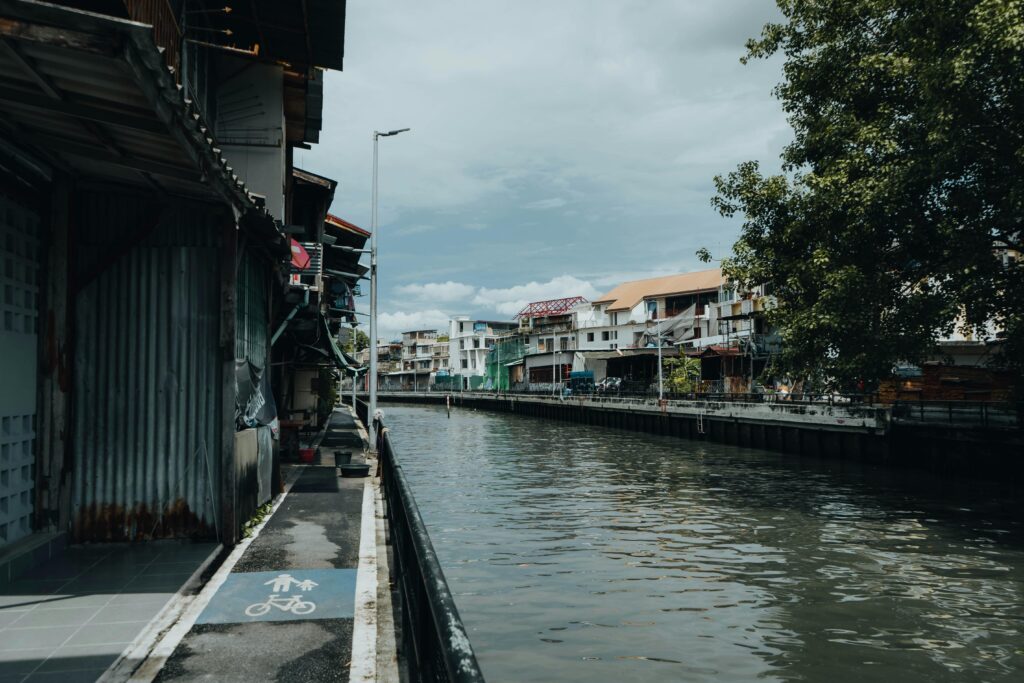
Returning to the mainland after time on the islands often feels different than arriving at the beginning of the trip. Density is still present, but it no longer presses in the same way. Patterns begin to emerge through familiarity. Routes grow easier to follow, and daily life becomes more legible, less resistant to attention.
This shift tends to happen when the internal pace has already softened. Cities stop demanding full attention and instead allow for partial engagement. Movement becomes selective rather than reactive. The mainland begins to function less as a challenge and more as a backdrop for ordinary days.
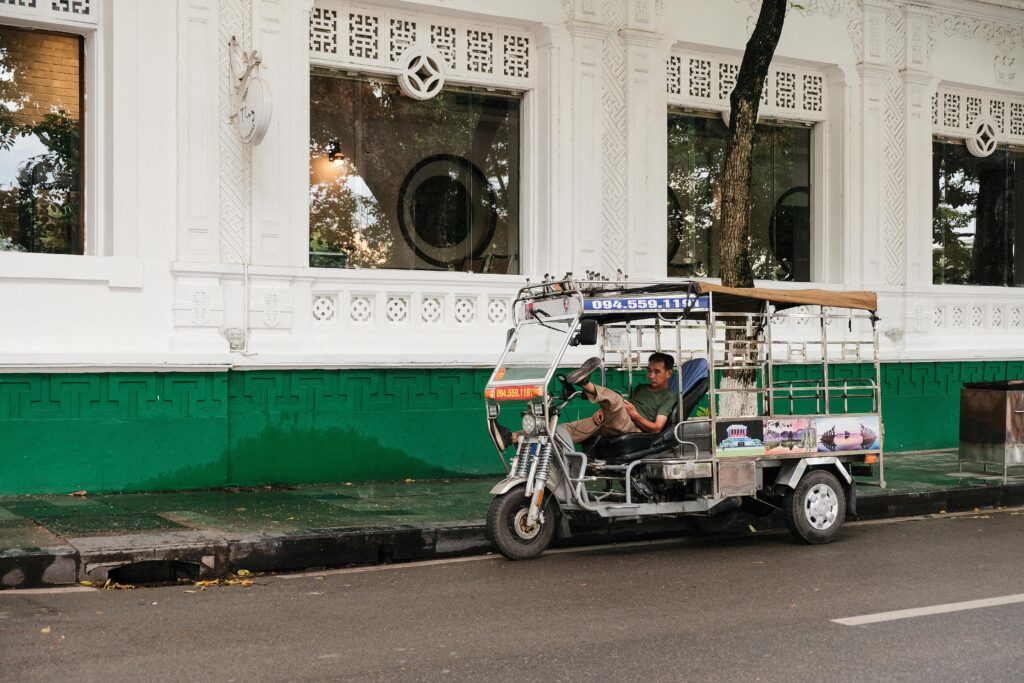
Without that internal shift, perception gradually narrows. Cities accumulate weight through sustained friction, while islands begin to function primarily as relief rather than place. Movement continues, but the pattern loops, carrying the same pace forward without ever allowing it to dissolve.
What the First Week Actually Changes

The difference between islands and mainland Thailand becomes clearer after the first week because the traveler’s relationship to effort begins to change. Early on, energy compensates for friction. Later, spacing and tolerance matter more.
Different parts of Thailand tend to respond to different forms of readiness. On the islands, comfort often emerges through staying long enough for repetition to take hold. On the mainland, ease is more likely to appear once pace has already softened. In both cases, the setting itself does very little to impose that shift. What unfolds depends largely on the way attention, movement, and expectation arrive with the traveler.
After the first week, attention shifts away from finding the right place and toward noticing how movement, repetition, and rest are settling into the days. The geography stays consistent, but the experience begins to take shape differently.