
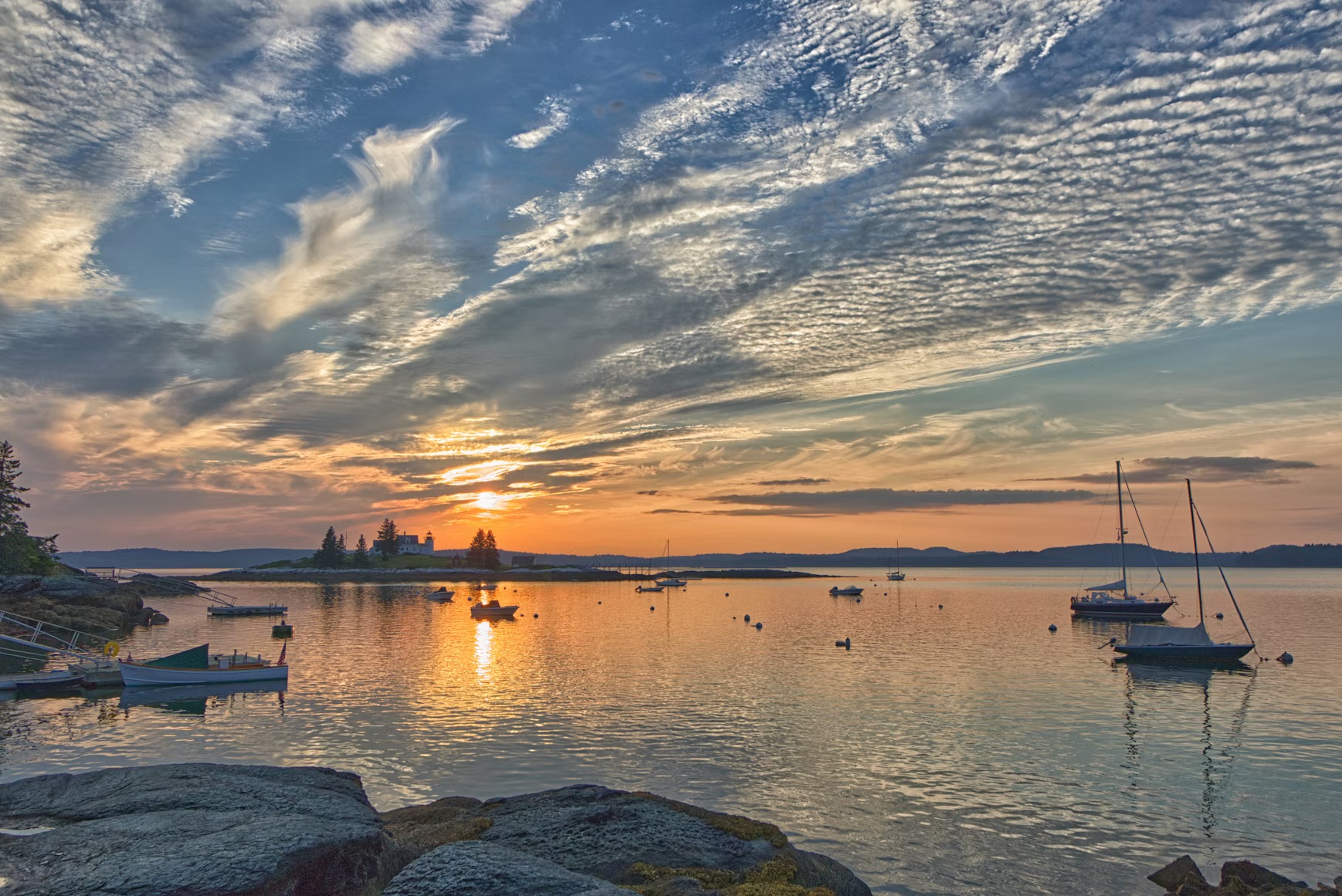
Maine is the kind of state where the obvious attractions and the genuinely strange ones live a few miles apart. You can spend a morning standing on top of the highest point along the US Atlantic coast watching the sun rise, then drive an hour to a museum dedicated entirely to Bigfoot evidence and the Loch Ness Monster. If you’re searching for the best things to do in Maine, the trick is balancing the big names against the small, weird, locally-loved places that don’t show up in the glossy guides. The 25 activities below cover both, with 2026 prices, the reservation rules that have tightened recently, and the practical detail travelers wish they’d had before booking.
Quick-Decision Matrix: Top Activities by Budget and Vibe
The matrix below previews four categories and their headline experiences. Use it to spot the kind of trip you’re planning before reading the longer sections.
| Category | Top highlight | Why it stands out | 2026 est. price |
|---|---|---|---|
| Outdoor adventure | Kennebec River rafting | Class IV whitewater released from Harris Station Dam | ~$130/day |
| Authentic foodie | Cabbage Island Clambakes | 70-year tradition: boat ride to a private island for a wood-fired clambake | $140/duo (2 people) |
| Quirky & offbeat | Eartha & Cryptozoology Museum | World’s largest rotating globe + the only Bigfoot museum on earth | Free–$10 |
| Luxury / retreat | Windjammer sailing / AMC lodges | Disconnect on a historic schooner or hike hut-to-hut without a backpack | $200–$1,500 |
2026 pricing note: The prices above reflect market research for the 2026 season. Admission fees, tour rates, and menu prices shift with demand. Verify with operators before booking.
The Iconic Coast and Ocean Adventures
The first cluster covers the experiences most travelers associate with Maine: lighthouses, lobster boats, and the rocky Atlantic coast. They earn the attention for good reason.
1. Catch the First Sunrise at Acadia National Park
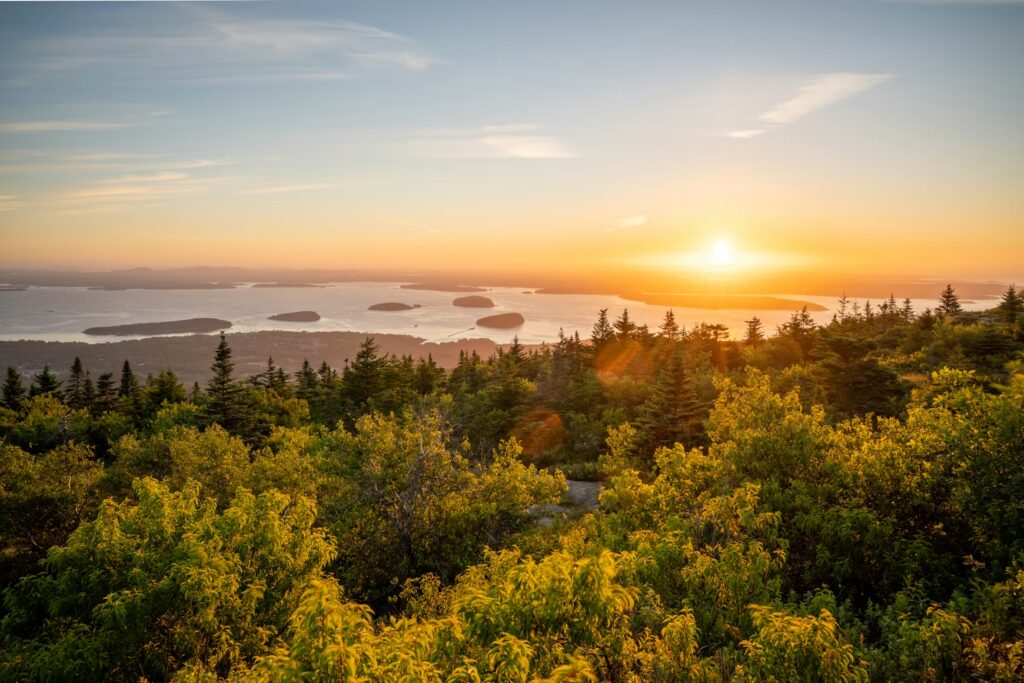
From early October to early March, Cadillac Mountain in Acadia is the first place in the United States to see the sunrise, which is the kind of bragging right that brings people up the mountain in the dark. Standing on a granite summit watching the sun lift out of the Atlantic is one of those experiences that earns its reputation. The trick is the logistics.
The park charges $35 per vehicle for a 7-day entrance pass. On top of that, the Cadillac Summit Road requires a separate timed-entry reservation on recreation.gov from May 20 through October 25, 2026, at $6 per vehicle. Sunrise reservations sell out within seconds of release. 30% of tickets open 90 days in advance at 10:00 AM ET, and the remaining 70% open at 10:00 AM ET 2 days before. A reservation allows one entry only, with no re-entry. Hiking or biking up requires no reservation, just the entrance pass.
Two 2026 details catch many visitors out: the park is cashless, so bring a card, and non-US residents aged 16 and over pay an additional $100 per person on top of the standard entrance fee. For more to do around the park, see our guide to the best things to do in Bar Harbor.
2. Sail on a Historic Windjammer
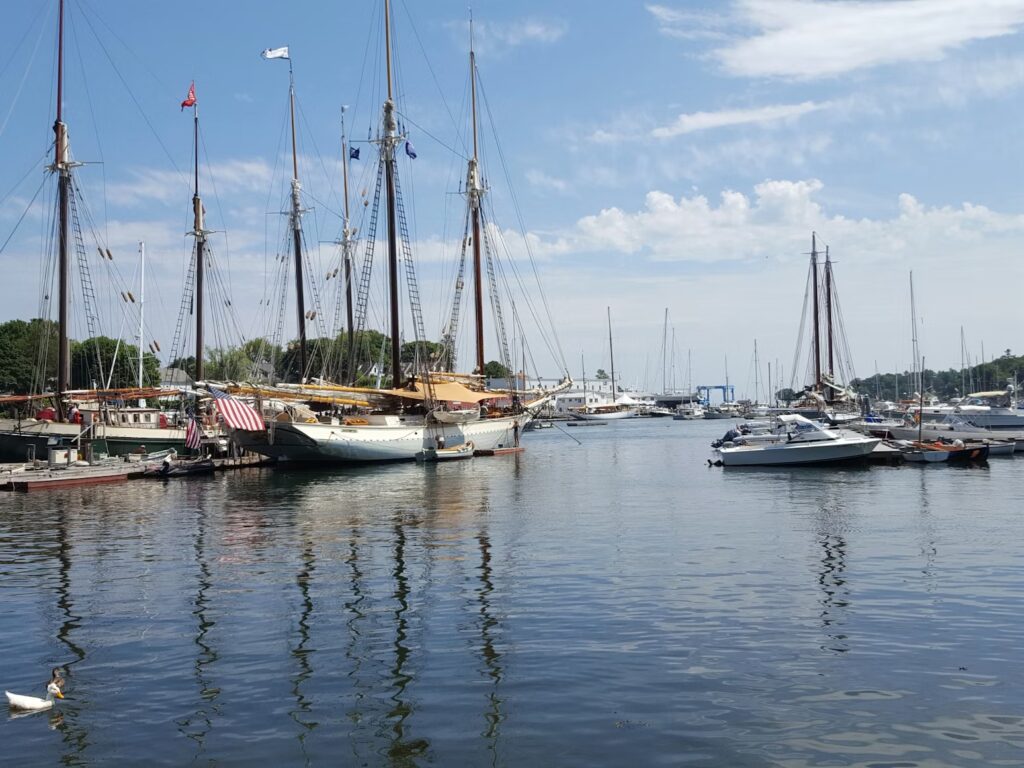
No Wi-Fi, no fixed itinerary. You live on a wind-powered schooner in Penobscot Bay for 3 to 6 nights, anchoring at uninhabited islands for beach lobster bakes and sleeping in cabins barely larger than a bunk. The Maine Windjammer Association represents a fleet of roughly 9 traditional vessels, several of which are designated National Historic Landmarks because the boats themselves were built in the late 1800s.
A 3-night cruise typically runs $800–$1,500 per person, all meals included. The season runs late May through early October out of Rockland, Camden, and Rockport. Cabins are spartan by hotel standards, which is part of the point. If you’ve ever wanted to experience the Maine coast the way a 19th-century sailor did, this is the only way to do it. Plan the rest of your stay with our guide to the best things to do in Camden.
>>> Mexico City Nightlife: Speakeasies, Lucha Libre & Late Tacos
3. “Hypnotize a Lobster” on a Working Lobster Boat
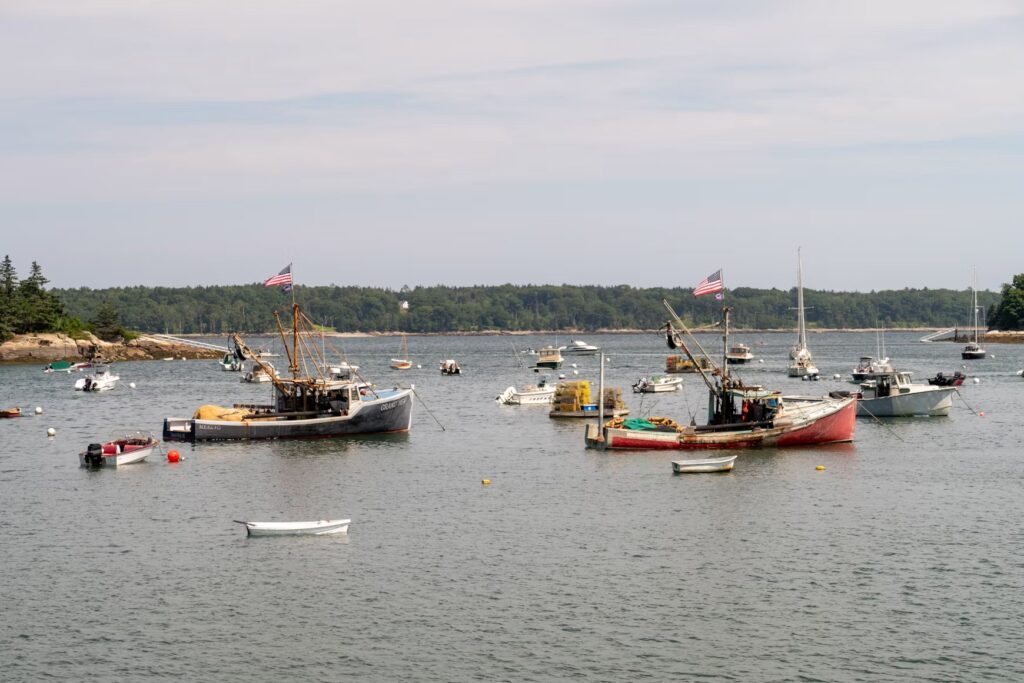
Eating lobster is easy. Understanding how it gets to your plate is more interesting. Lucky Catch Cruises in Portland runs 80-to-90-minute working lobster boat tours out of Long Wharf, May through October, hauling eight traps in Casco Bay while Captain Tom Martin walks you through banding, measuring, and the strange trick of “hypnotizing” a lobster (rubbing the shell between its eyes until it goes still). Adult tickets run around $45.
The detail that makes this trip worth it: any lobsters you catch can be purchased at wholesale “boat price” of roughly $5/lb at the end of the tour. Walk them 30 feet across the pier to Portland Lobster Company, and they’ll cook them with sides for another $10. It’s the cheapest fresh-from-the-trap lobster dinner you’ll find in Maine. For more ideas in the city, see our guide to the best things to do in Portland, Maine.
4. Walk the Bar Island Land Bridge at Low Tide
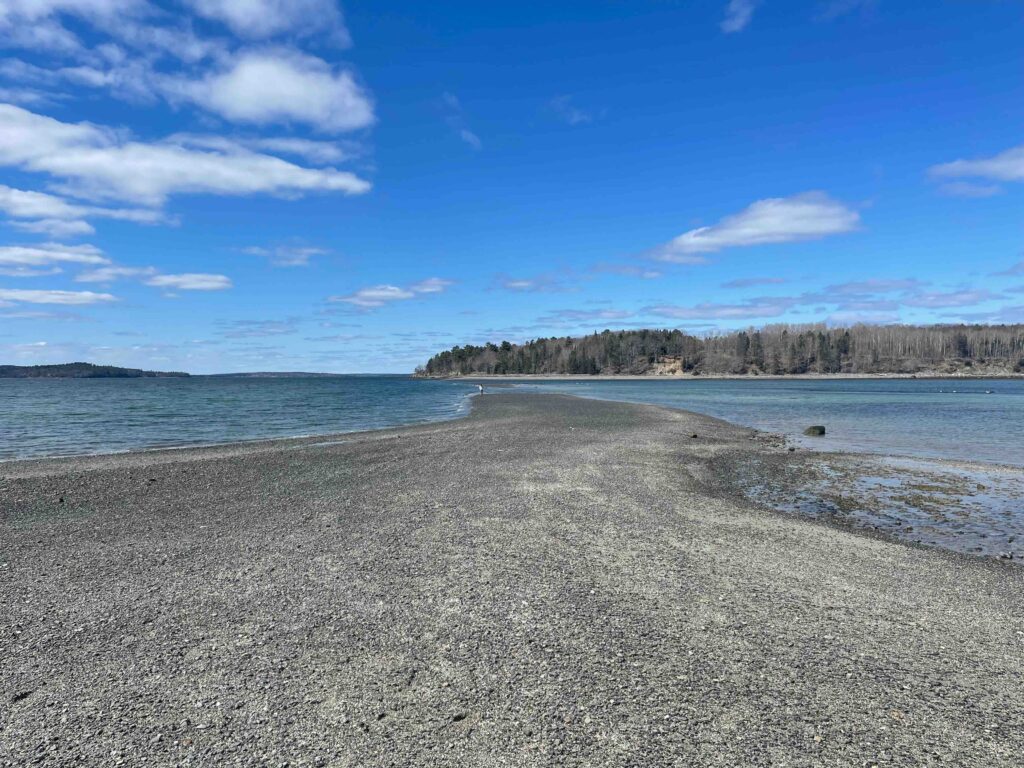
For about 90 minutes on either side of low tide, a gravel sandbar emerges between Bar Harbor and Bar Island, and you can walk straight across the harbor floor. Miss the tidal window and the path disappears, leaving you stranded on the island until the sandbar reappears around the next low tide, roughly 12 hours later. NOAA publishes the tide tables; the Bar Harbor Visitor Center prints them daily.
The crossing itself is about half a mile, ending in a quiet trail loop on the island. Most travelers do it in the morning to give themselves a buffer if they linger. The biggest mistake people make is checking high tide instead of low tide on the schedule. The experience is free, requires no permit, and is one of the more memorable things in Bar Harbor that doesn’t involve a credit card.
5. Tour Lighthouses with Presidential History
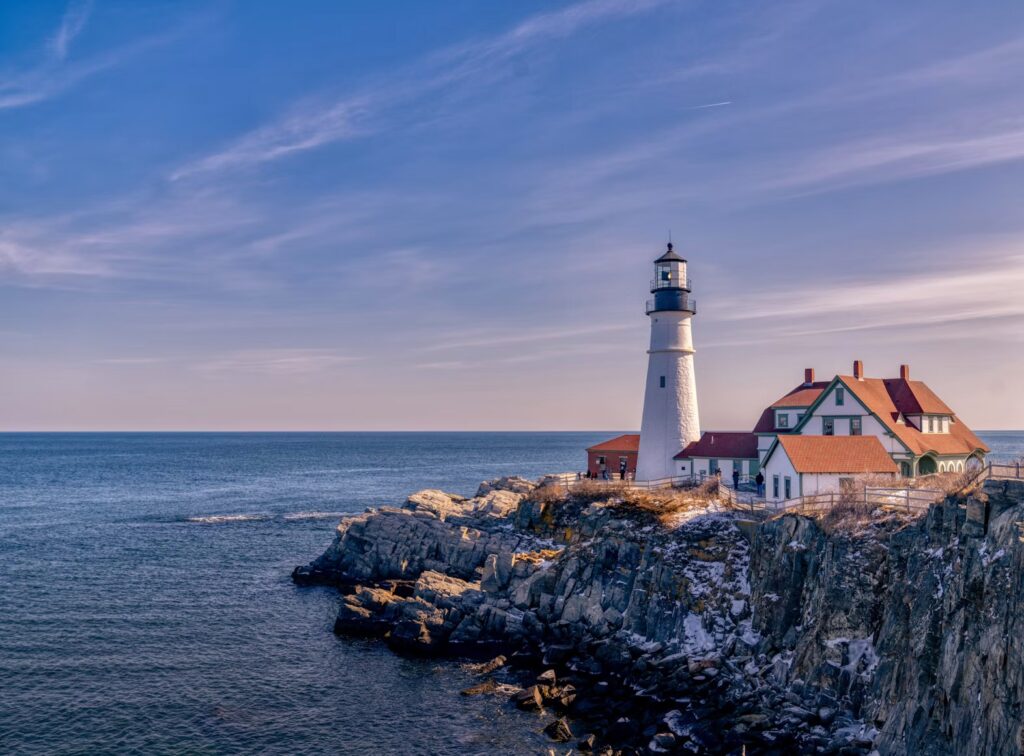
Maine has 65 lighthouses, more than any other state on the East Coast, and several were commissioned directly by US presidents. Portland Head Light, built in 1791 in Cape Elizabeth, was authorized by George Washington in his first term and is the oldest lighthouse in Maine. Pemaquid Point Light, on the rocks at the tip of the Pemaquid peninsula, was commissioned by John Quincy Adams in 1827.
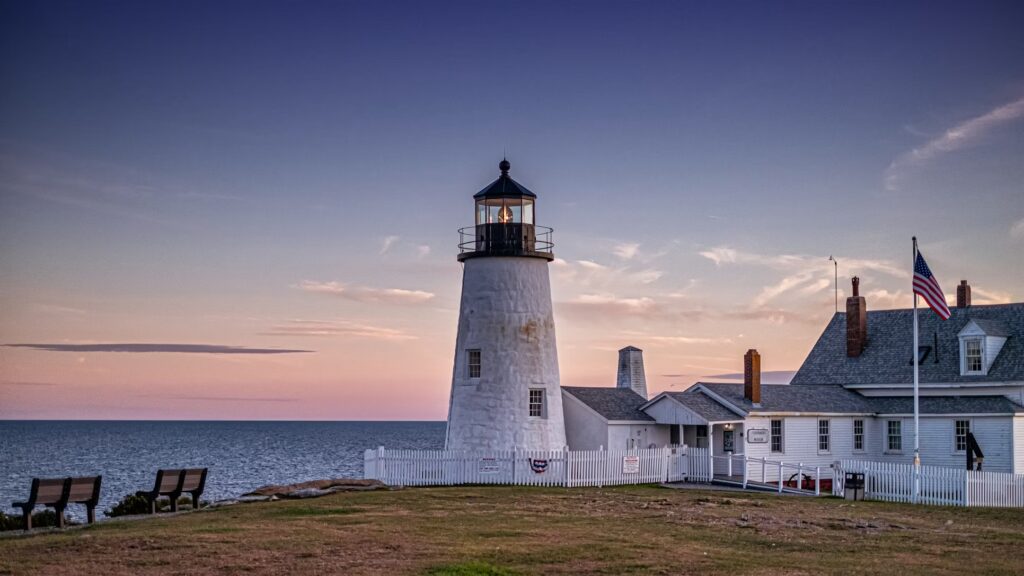
Portland Head Light is free to view from Fort Williams Park, while Lighthouse Park at Pemaquid charges a small admission fee in season. Pemaquid is the better photograph by most accounts, with the wave-pounded rock geology framing the tower in a way Portland Head doesn’t quite match. Both work year-round, though winter access can be limited by snow.
Deep Woods, Lakes, and Wilderness Adventures
The second cluster moves inland, where the state’s real wilderness lives. These are the experiences that surprise travelers who came expecting only coastal Maine.
6. Tackle Class IV Rapids on the Kennebec River
The Kennebec River runs out of Harris Station Dam, which means the Class IV whitewater is dam-released and predictable rather than weather-dependent. Outfitters like Northern Outdoors, working out of the Forks since the 1970s, run full-day trips that thread the Kennebec Gorge through 12 miles of continuous rapids.
Day trips run around $130 including lunch on the river. The season runs May through September, with the biggest water early in the season and the warmest in August. No experience required; the guides do the technical work, but the rapids are real and the swims are cold. Wetsuits and helmets are included.
7. Go “Lodge-to-Lodge” Hiking or Skiing
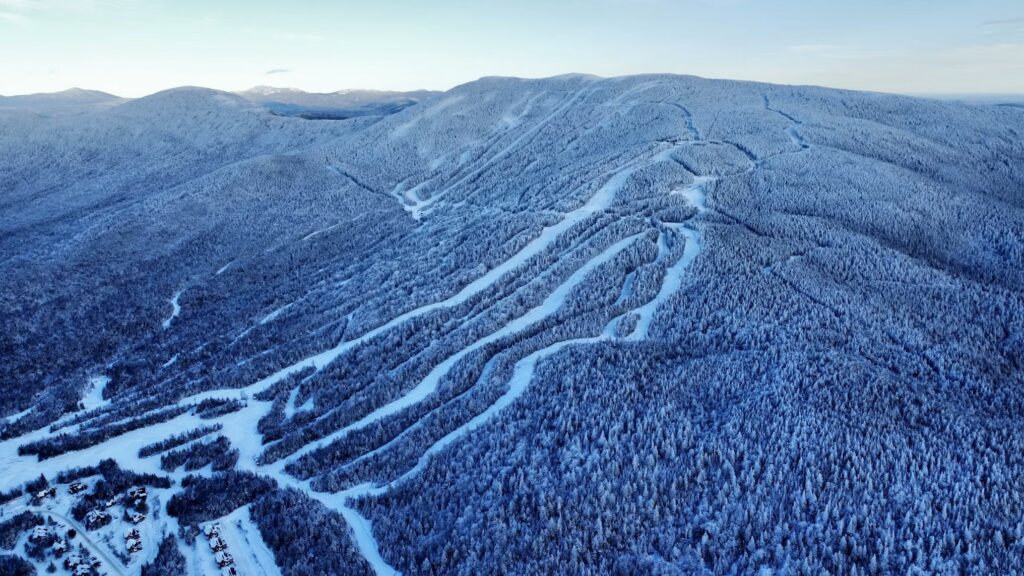
The Appalachian Mountain Club operates a network of three lodges in the 100-Mile Wilderness section of Maine, connected by hiking trails in summer and cross-country ski tracks in winter. The genius of the system is that you hike or ski 6–10 miles between lodges each day with only a daypack, since hot showers, a real bed, and a multi-course dinner wait at the next stop.
Rates run roughly $200 per person per night including meals. The hut-to-hut hiking season runs June through October, and the ski season runs January through March. The system is the closest thing to European-style hut hiking in the American Northeast, and it’s one of the few ways to experience the Maine Highlands without committing to a full backcountry expedition.
8. Hike Tumbledown Mountain
Tumbledown is the hike Maine locals quietly recommend when they’ve gotten tired of recommending Acadia. The trail climbs roughly 2,000 feet through hardwood forest to a small alpine pond tucked between three mountain peaks, with steep granite ledges and one section requiring a careful hand-over-hand scramble through a chimney.
The Loop Trail is 5.5 miles roundtrip and rated strenuous. The reward is the pond at the top, which is shallow enough to swim in on a hot day and high enough that you’re often above the clouds. Best window is mid-June through October. The parking lot off Byron Road is small, so weekend mornings before 9:00 are the practical arrival time.
9. Stargaze at the AMC Maine Woods Dark Sky Park
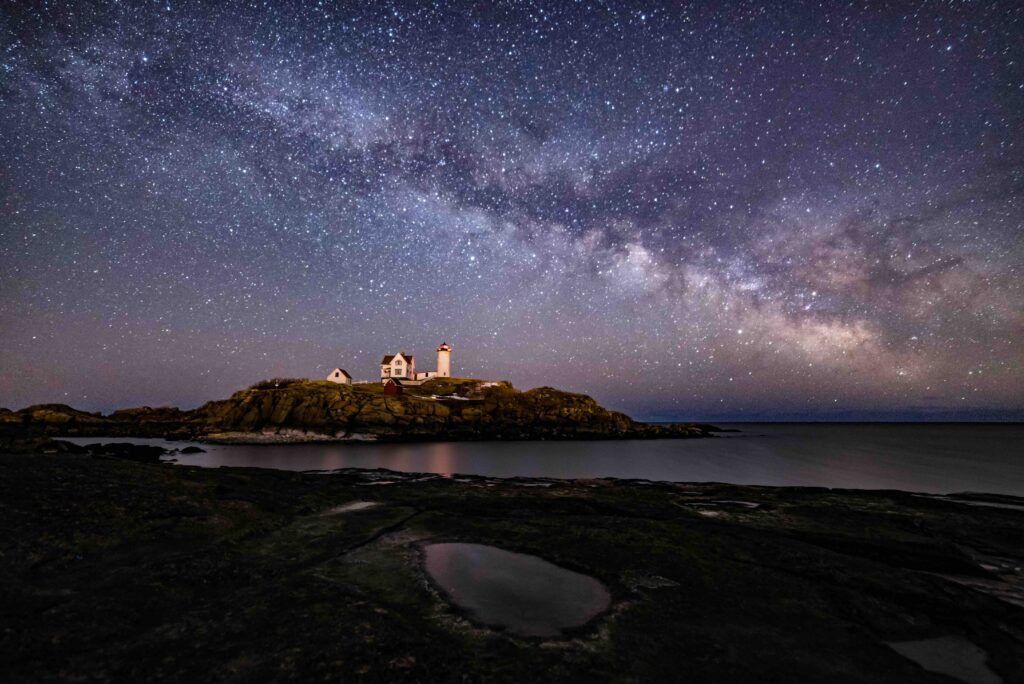
The AMC Maine Woods, certified by DarkSky International as a Dark Sky Park in 2021, is one of the largest internationally certified dark-sky areas east of the Mississippi. From the AMC lodges in this section, the Milky Way is visible to the naked eye on clear nights, and the Northern Lights occasionally appear during high solar activity.
The lodges run dedicated stargazing programs in summer, with telescopes and astronomy guides. Aroostook County, further north, is one of the better places in the Northeast to catch the aurora, particularly during winter months when nights are longest. No special equipment needed; just a clear night and your eyes adjusted to true darkness for at least 20 minutes.
10. Rent a Traditional Maine “Camp”
Mainers don’t call them cabins or cottages. They call them camps, regardless of whether the structure is a one-room woodshed or a multi-bedroom lakefront house. The tradition runs back to the late 1800s, when wealthy families from Boston and New York built summer compounds on the state’s lakes, and many of those original buildings still operate as rentals.
The peak camp regions are around Sebago Lake, Long Lake in the Bridgton area, and Moosehead Lake further north. Weekly rentals in July and August run $1,500–$5,000 depending on size and lake frontage. The signature experience is waking up to the call of common loons echoing off the water at dawn, which is the sound Mainers associate with summer the way most Americans associate it with cicadas.
Fun Things to Do in Maine (Quirky, Offbeat, and Literary Hidden Gems)
The third cluster covers the genuinely weird side of Maine, which is more substantial than visitors expect. These are the experiences that make a trip memorable rather than just photogenic.
11. Take a Selfie with the Bangor Police “Duck of Justice”
The Duck of Justice is a taxidermied mallard that lives on the desk of the Bangor Police Department, where it became internet-famous through Lieutenant Tim Cotton’s deadpan Facebook posts that turned the department’s daily updates into one of the most-followed law enforcement accounts in the country. The duck itself was rescued from a dumpster years ago and named with the kind of straight-faced absurdity Mainers excel at.
Visiting is free. Walk into the Bangor Police Department headquarters during business hours, ask politely at the front desk, and an officer will usually walk you back to take the photo. It’s the rare tourist activity that doesn’t feel like one, partly because most of the visitors are people who became fans of the Facebook page first.
12. Walk the Stephen King Tour in Bangor
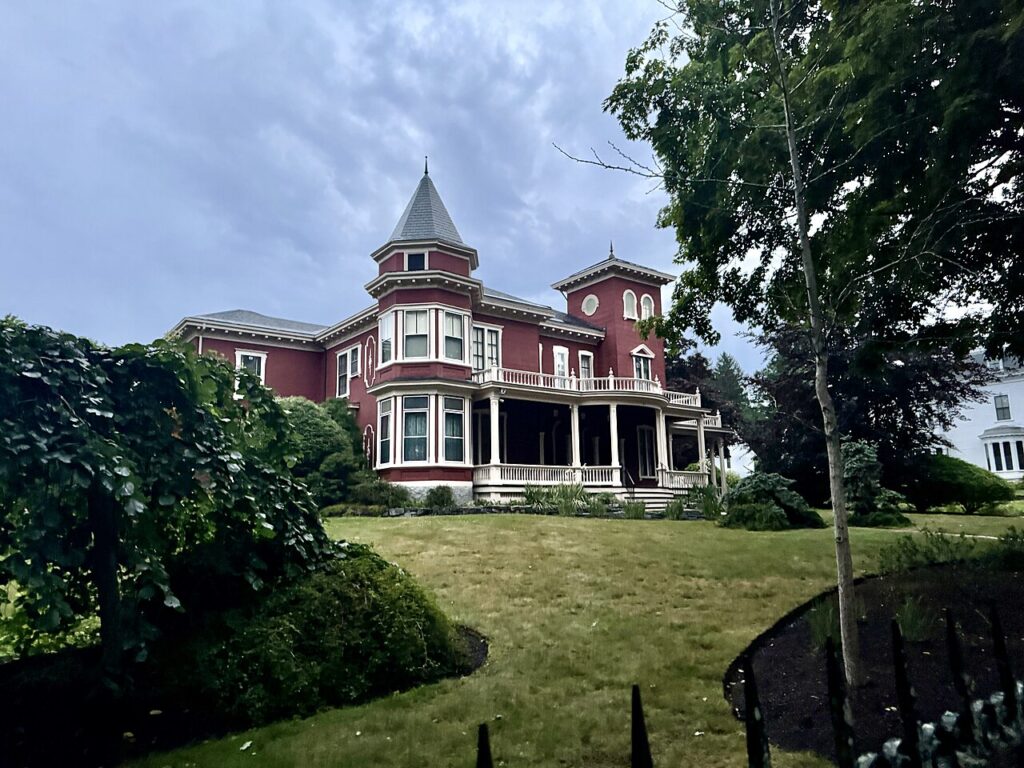
SK Tours of Maine runs 3-hour bus tours hitting the standpipe (the inspiration for the climactic scene in It), the Mount Hope Cemetery (Pet Sematary), and the storm drain on Jackson Street that became the photographed location for Pennywise. Tours run roughly $40 per person and book out months ahead in October, for obvious reasons.
13. Marvel at Eartha (The World’s Largest Globe)
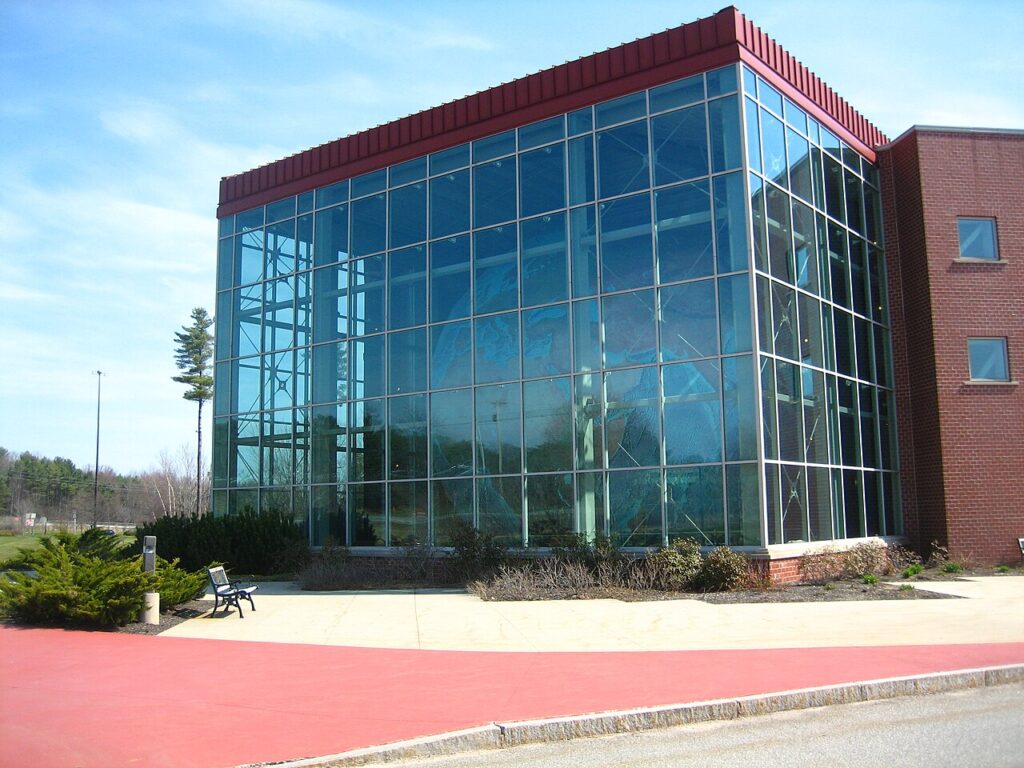
Admission is free. The globe is visible from the parking lot through the glass at any hour and lit beautifully at night, but the interior public hours are Monday–Friday, 9:00 AM to 3:00 PM. A stairway leads to a 3rd-floor viewing platform that gets you eye-level with the globe’s upper hemisphere. The detour is about 2 minutes off I-295 exit 17 in Yarmouth, which makes it one of the easiest free roadside attractions in the state.
14. Visit the International Cryptozoology Museum in Bangor
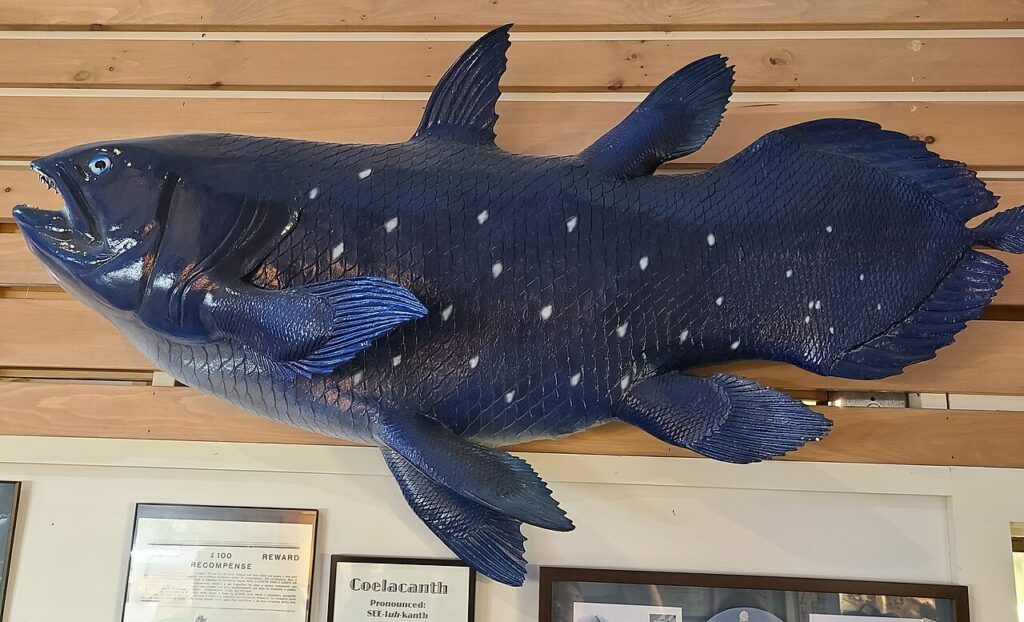
The only museum in the world devoted seriously to the study of hidden or unverified animals: Bigfoot, the Loch Ness Monster, the Yeti, the Chupacabra, the Dover Demon. Founder Loren Coleman has been collecting evidence (footprint casts, hair samples, photographs, an 8-foot Bigfoot statue) since the 1960s. The museum holds more than 10,000 artifacts.
Admission runs $10 for adults, $5 for kids 12 and under. The museum relocated from Portland to 490 Broadway in Bangor in 2024 and is open 6 days a week, closed Tuesdays. Allow about an hour. Coleman is often on-site and happy to talk if you have questions.
15. Find the Umbrella Cover Museum
On Peaks Island, a 17-minute ferry ride from downtown Portland, the Umbrella Cover Museum holds a Guinness World Record collection of more than 2,000 umbrella covers (the small fabric sleeves that umbrellas come in and that everyone loses immediately). The museum has been open since 1996 and is run by Nancy 3. Hoffman, who plays the accordion for guided tours.
Admission is by donation. The museum is open seasonally, June through September, and the visit is essentially a 20-minute encounter with one of the more committed eccentricities in New England. Peaks Island itself is worth the half-day trip regardless; the round-trip Casco Bay Lines ferry runs around $11.
Authentic Food and Drink Experiences (For Foodies)
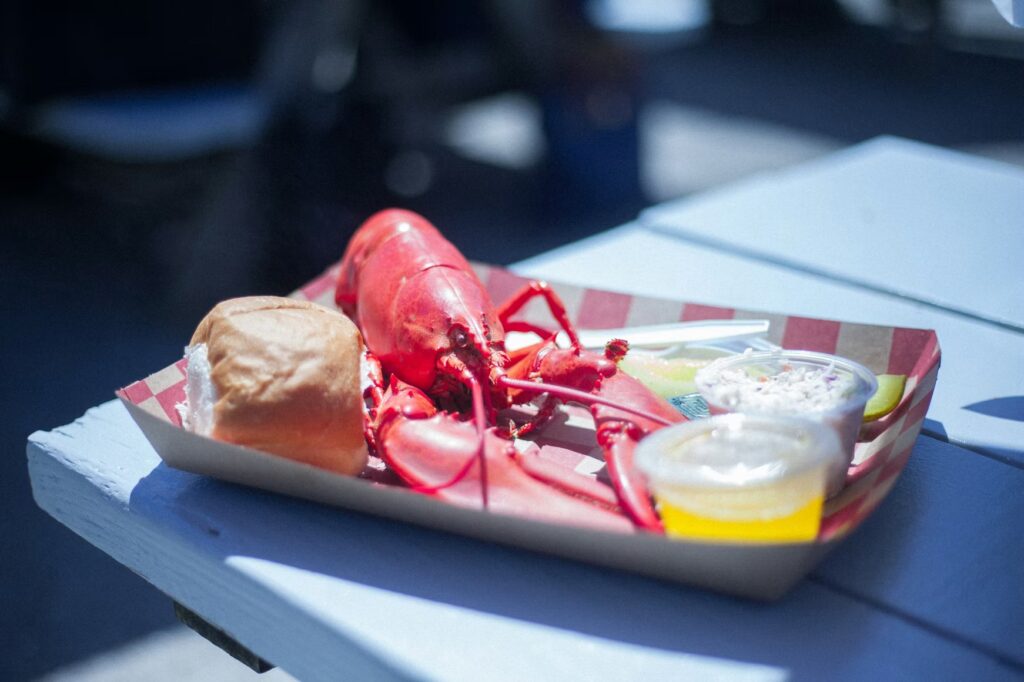
The fourth cluster covers the food experiences that go beyond the basic lobster roll. Maine has a deeper culinary culture than most travelers realize, and these are the experiences worth planning a trip around.
16. Devour a Cabbage Island Clambake
Cabbage Island Clambakes runs from Boothbay Harbor on the Bennie Alice, a wooden boat that delivers you to a 5.5-acre private island in Linekin Bay where the Moore family has been hosting traditional Downeast clambakes since 1956. The meal is steamed over open fires under seaweed: 2 whole lobsters, 1 pound of steamer clams, corn on the cob, potato, onion, hard-boiled egg, fish chowder to start, and blueberry cake to finish.
Tickets run $140 per duo (2 people), or $50 for a children’s meal. The season runs June 13 through September 7, 2026, 7 days a week. The ticket booth at 22 Commercial Street, Boothbay Harbor accepts cash and check only, including on the boat and the island. Arrive an hour before departure for check-in. Reservations strongly recommended.
17. Try a Potato Donut at The Holy Donut
Founder Leigh Kellis started making donuts in her Portland apartment kitchen in 2011, folding mashed Maine russet potatoes into the dough to create a denser, moister texture than standard cake or yeast donuts. The first shop opened in 2012. There are now five locations across southern Maine, from Kennebunk to Brunswick.
A single donut runs $4–$6. Dark chocolate sea salt is the consensus pick among locals, with maple bacon and pomegranate also drawing serious votes. Shops open early and close when they sell out, which often happens by early afternoon. Get there before noon for the full selection. The original location at 194 Park Avenue in Portland is the one to visit if you can choose only one.
18. Debate the Whoopie Pie Origin at Wicked Whoopies
Maine and Pennsylvania both claim to have invented the whoopie pie, and the debate has been running long enough that Maine officially declared it the state treat in 2011. Wicked Whoopies, founded by Amy Bouchard in Gardiner, operates flagship stores in Freeport and Gardiner where you can taste-test through the dozen-plus rotating flavors and form your own opinion.
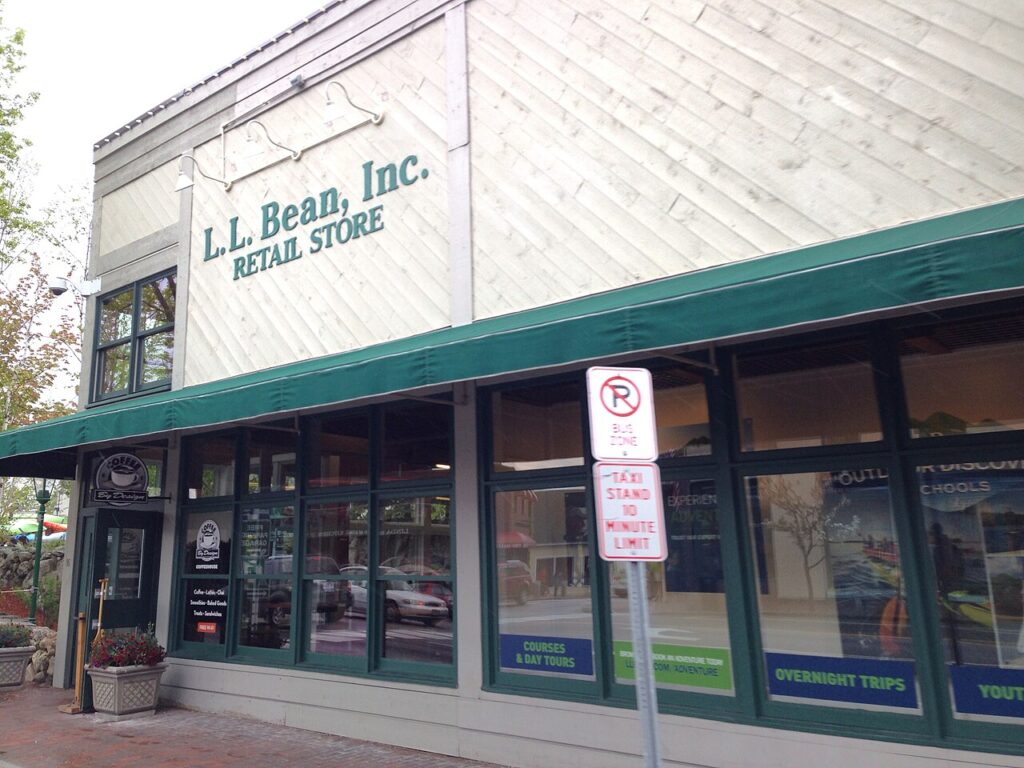
A standard whoopie runs $4–$6. Flavors range from classic chocolate-and-cream to peanut butter, red velvet, and seasonal options. The Freeport location pairs well with a stop at the L.L. Bean flagship next door. Worth knowing: a whoopie pie is two cake-like cookies sandwiching marshmallow buttercream filling, not a pie at all, which is the first thing most visitors get confused about. For more to do in town, see our guide to the best things to do in Freeport.
19. Drink Moxie Soda and Walk the East Bayside Beer Crawl
Moxie is Maine’s official state soft drink and has been since 2005. The flavor is challenging: a bitter root-and-herb mixture originally marketed as a patent medicine in the 1880s. Mainers love it. Visitors typically take one sip and put the can down. Either reaction is correct. Find it at any Maine corner store for about $2.
For a more universally appealing experience, Portland’s East Bayside neighborhood packs a cluster of craft breweries and tasting rooms into a few walkable blocks, including Belleflower. Most run flight pours at $8–$15. The neighborhood is a 15-minute walk from downtown Portland, and if you want to add Maine’s best-known brewery, Allagash sits a short drive west of downtown.
20. Eat at an Unchanged Heritage Diner (A1 Diner)
The A1 Diner in Gardiner is a 1946 Worcester dining car perched on stilts above a small ravine, which gives it the slightly surreal appearance of a railway car floating in mid-air. The interior is mostly original, including the chrome fixtures, the booths, and the menu’s classic diner anchors. The current menu also runs a more ambitious dinner program with Lebanese, Asian, and seasonal dishes alongside the standards.
Entrees run $15–$25. The diner was formerly called Heald’s Diner when it first opened, and the structure itself was barged into Gardiner from a factory in Massachusetts. Worth the stop if you’re driving I-95 in central Maine; the location is genuinely unusual and the food has aged better than most heritage diners manage.
Free, Cultural, and Rare Historical Sights (Maine on a Budget)
The final cluster covers the experiences that cost little or nothing but stay with you longer than most paid attractions.
21. Learn Wabanaki History at the Abbe Museum
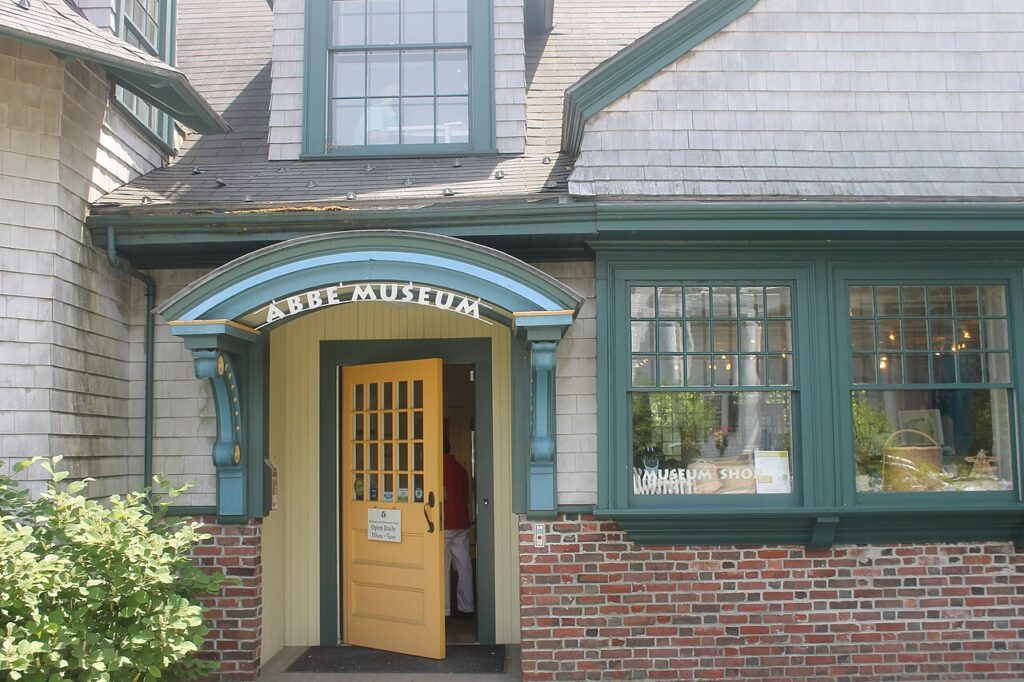
Admission runs $10 for adults. The downtown Bar Harbor location is open year-round, and the original Sieur de Monts location inside Acadia National Park is open seasonally May through October. The depth here is real; 1 hour minimum, 2 hours if you want to engage with the more recent treaty and sovereignty exhibits.
22. Walk Vaughan Woods “Hobbitland”
Vaughan Woods in Hallowell is a 192-acre private preserve owned by the Vaughan Homestead Foundation and open to the public for free. The reason locals call it “Hobbitland” becomes clear within the first 100 yards of the trail: stone bridges built between 1841 and 1859, moss-covered foundations, hemlock groves that filter sunlight into a green twilight, and a brook that runs through five small stone arch bridges in sequence.
The main loop runs 1.5 miles and stays mostly flat. The preserve is free, open dawn to dusk, and dogs are welcome on leash. The atmosphere genuinely does feel like walking into a Tolkien set, particularly in October when the leaves come down and the moss is at its brightest. Hallowell itself is worth lingering in afterward; the town’s small downtown has good restaurants and antique shops.
23. Drive the Aroostook 40-Mile Solar System
In 2000, the University of Maine Presque Isle built a true-scale model of the solar system along US Route 1 in Aroostook County, with the Sun at the campus and Pluto 40 miles south in Houlton. The planets are mounted at proportional distances along the highway: the inner planets sit within a few miles of the Sun, while the gaps between the outer planets stretch out for miles of empty road, which gives you a genuine sense of how empty the outer solar system is.
The whole drive is free. Allow 90 minutes one-way to reach Pluto with stops at each planet. The signage isn’t dramatic; you have to be looking for it. The route works well as an unusual day-trip add-on if you’re already heading to Aroostook County for aurora viewing or fall color.
24. Discover the South Solon Frescoes
The South Solon Meeting House looks like an unremarkable 1842 Greek Revival chapel from outside, until you open the door. The interior was covered in vivid frescoes between 1951 and 1956 by ten artists working under the direction of the Skowhegan School of Painting and Sculpture nearby. The result is one of the more unexpected art encounters anywhere in New England: a small white country chapel whose walls and ceiling are painted in the bold modernist style of mid-century American mural work.
The meeting house is free, unlocked, and open during daylight hours on the honor system. There’s a guestbook, no staff, no admission. South Solon is genuinely off the beaten track; the meeting house sits on a quiet country road north of Skowhegan. This is the kind of hidden gem that rewards the drive precisely because almost nobody else is making it.
25. Climb Lighthouses on Maine Open Lighthouse Day
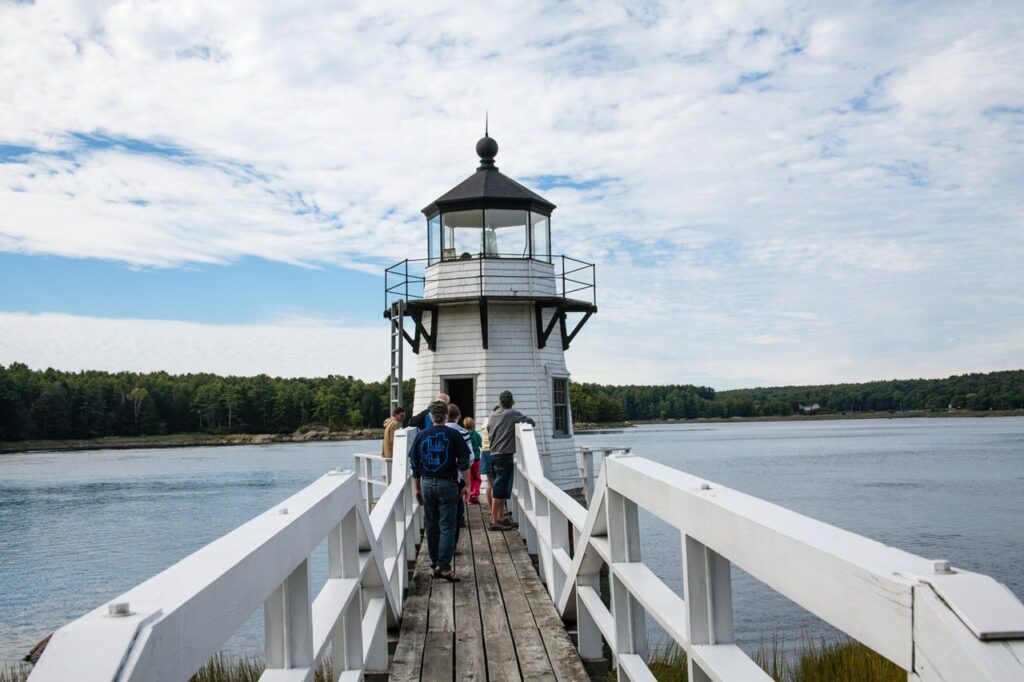
Most of the year, the state’s 65 lighthouses are photographable from outside but closed to the public. On Maine Open Lighthouse Day, held annually on the second Saturday of September, the state opens many of the towers for the public to climb to the top. You stand inside the lantern room, look out across the bay, and see the lens that has been guiding ships since the 19th century.
Admission is free at participating lights. The catch is the physical demand: most towers involve 85 or more narrow spiral steps, often without much landing space to rest. Lines build quickly at the more popular lights like Portland Head and Pemaquid Point, so arrive early. The full list of participating lighthouses publishes in mid-August each year.
Planning Around the Seasons
The same Maine trip looks very different depending on when you go:
- Summer (July–August): peak season for windjammers, clambakes, lake camps, and Acadia, with the biggest crowds and highest prices. Book Cadillac Summit Road and island clambakes early.
- Fall (September–October): the foliage season, with color typically peaking earlier in the north and inland, then moving down the coast by mid-October. It’s also the best window for Tumbledown, Vaughan Woods, and Open Lighthouse Day.
- Winter (December–March): the season for downhill skiing at resorts such as Sugarloaf and Sunday River, lodge-to-lodge cross-country skiing with the AMC, ice fishing on the big lakes, and the long, dark nights that make aurora viewing in Aroostook County possible.
2026 Maine Travel FAQ
What are the best quirky and fun things to do in Maine?
The state has a deeper weird streak than most visitors expect. The 31-foot Paul Bunyan statue in Bangor (yes, Maine claims him too), the rotating Eartha globe in Yarmouth, the International Cryptozoology Museum in Bangor, and the Umbrella Cover Museum on Peaks Island together make a respectable single-day quirky-Maine itinerary. All three museums combined cost less than $25.
Do I need a reservation for Acadia National Park?
For general park entry, no. For Cadillac Summit Road specifically, yes, from May 20 through October 25, 2026. The $6 timed-entry reservation is bookable on recreation.gov on top of the $35 vehicle entrance pass. Sunrise reservations have a 90-minute entry window; daytime reservations have a 30-minute window. Hiking or biking to the summit requires no reservation, just the entrance pass. In 2026, non-US residents aged 16 and over also pay an extra $100 per person, and the park accepts cards only.
What to do in Maine without a car?
The Amtrak Downeaster from Boston North Station stops in Wells, Saco, Old Orchard Beach, Portland, Freeport, and Brunswick, which covers the southern coast and the start of the MidCoast. Portland is exceptionally walkable, the Casco Bay Lines ferry network reaches the islands, and the Island Explorer Shuttle in Acadia gets you most places in the park without a car once you’ve reached Bar Harbor.
When is the best time for outdoor activities in Maine?
September is the consensus answer. Crowds drop sharply after Labor Day, the weather settles, the leaves begin turning, and lobster supply hits its peak with new-shell prices at their lowest. Avoid April for mud season (most inland trails are closed) and mid-May through mid-June for black fly season (inland and lake camping become genuinely unpleasant without serious DEET).
Mapping Your Maine Adventure
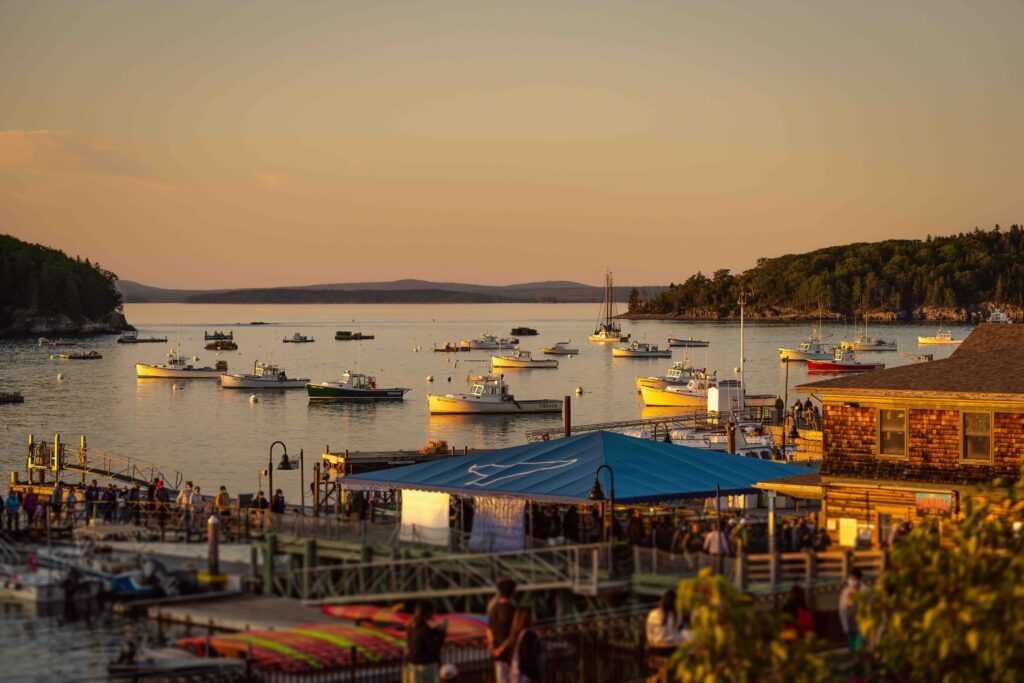
There aren’t many states on the East Coast where the same trip can include sunrise on a granite summit, dinner on a private island steamed over open seaweed, a Bigfoot museum, and a walk through a chapel painted floor-to-ceiling in 1950s frescoes. Maine covers more ground than most visitors expect, and the best version of the trip mixes the obvious (Acadia, Portland food, a lobster roll on the rocks at Two Lights) with the genuinely strange (Eartha, the Umbrella Cover Museum, the Solar System drive). Don’t pick just one category.
To keep driving time down, group the 25 picks by region:
- Portland and the southern coast: the lobster boat tour, Portland Head Light, Eartha, the Umbrella Cover Museum, The Holy Donut, and East Bayside (#3, #5, #13, #15, #17, #19).
- Midcoast: windjammer sailing, Pemaquid Point, the Cabbage Island clambake, and Wicked Whoopies in Freeport (#2, #5, #16, #18).
- Bar Harbor and Acadia: the Cadillac sunrise, the Bar Island land bridge, and the Abbe Museum (#1, #4, #21).
- Bangor and central Maine: the Duck of Justice, the Stephen King tour, the Cryptozoology Museum, the A1 Diner, Vaughan Woods, and the South Solon frescoes (#11, #12, #14, #20, #22, #24).
- Western mountains and the North Woods: Kennebec rafting, the AMC lodges, Tumbledown, the Dark Sky Park, and a lake camp (#6–#10).
- Aroostook County: the 40-mile Solar System drive (#23).
For deeper planning, the companion guide to the 19 best places to visit in Maine breaks the state down by region, and the best time to visit Maine guide covers the seasonal calendar in detail, including the two months worth avoiding and the festival windows worth planning around.