
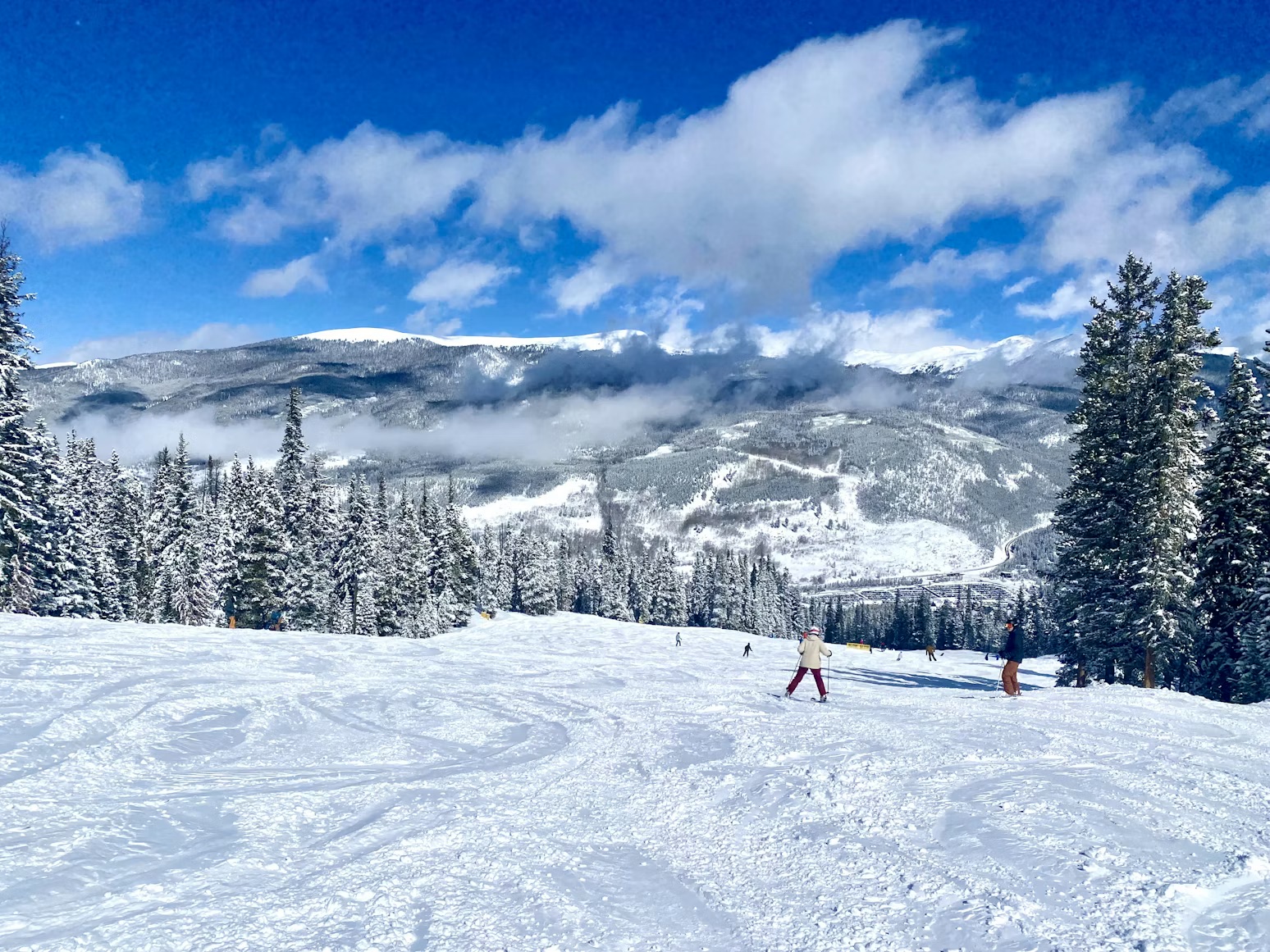
Most people picture a Colorado winter vacation as a week on skis, and for many travelers that’s exactly right. But the state offers a much wider winter than the ski-resort marketing suggests. There are geothermal hot springs that steam in the snow, ice castles carved into entire compounds, sleigh rides into mountain restaurants, and historic steam trains that run through the cold months with the same indifference they showed a century ago. This guide lays out the snowfall calendar for 2026, then walks through 15 of the experiences worth planning around, with current price ranges and realistic drive times from Denver.
When Does It Snow in Colorado? The 2026 Snowfall Calendar

The honest answer to when snow arrives in Colorado depends entirely on where you are in the state. The high peaks see their first dustings in early autumn, the resort villages reliably open in late November, and the cities along the Front Range stay relatively mild well into December. Three windows shape the season.
Colorado Mountains September Snow: What to Expect
The first snow of the season usually lands on the highest terrain in September. Loveland Pass, the summit of Pikes Peak, and the alpine zones of Rocky Mountain National Park can pick up real snowfall in the second half of the month, sometimes enough to close trails or roads for a few days. The snow rarely sticks for long this early, but anyone hiking above treeline in September should treat the weather as genuinely changeable: a clear morning at 9 a.m. can turn into sleet and low visibility by noon. Pack layers, check the forecast the night before, and be willing to turn around. Trail Ridge Road typically takes its first weather-related closures in this window.
Does It Snow in Colorado in Early Winter, October Through December?
By October, snow becomes regular at elevation, and by mid-November the major ski resorts open their first lifts. Early winter is also the value window of the year. November and the first two weeks of December are the cheapest stretch in mountain towns, since the natural snowpack is still thin, the resorts rely heavily on snowmaking, and holiday demand hasn’t fully arrived. The trade-off is that conditions are inconsistent and many backcountry experiences aren’t yet running, but for travelers who care more about Christmas atmosphere than deep powder, the small mountain towns are at their most relaxed.
The Best Time to Visit Colorado for Peak Snow: January Through March

January through March is when the snowpack reaches its deepest and most consistent levels. February tends to be the single best month for skiing, with cold temperatures keeping the snow dry and the storm cycles arriving regularly. March often delivers the heaviest snowfalls of the year along with longer daylight and brighter sun. This stretch is also when winter festivals reach their peak, including the Ouray Ice Festival in January and the early-spring competitions at Aspen and Steamboat. Prices and crowds run highest now, but so does the quality of the snow.
Winter Experiences at a Glance
Before the longer descriptions, here’s a quick read of which kind of winter trip suits which kind of traveler. The categories overlap, but each one points to the activities most worth planning around.
| Looking for… | Best fits |
| Families with kids | Ice Castles, snow tubing, winter trains |
| Couples & romance | Hot springs, dinner sleigh rides, ghost tours |
| Thrill-seekers | Dog sledding, snowmobiling, ice climbing |
| Quiet & scenic | Snowshoe tours, fat biking, ice fishing |
Top Colorado Vacation Spots and 15 Best Things to Do
The 15 experiences below split into three groups: the relaxed and scenic places to visit in Colorado that don’t require skis or boards, the adrenaline activities that go beyond the slopes, and the slower, romantic, and culinary experiences that fill the evenings. Prices reflect 2026 market ranges and may vary by date and demand.
Relaxing and Scenic Places to Visit in Colorado (Non-Ski)
1. Soak in Geothermal Hot Springs

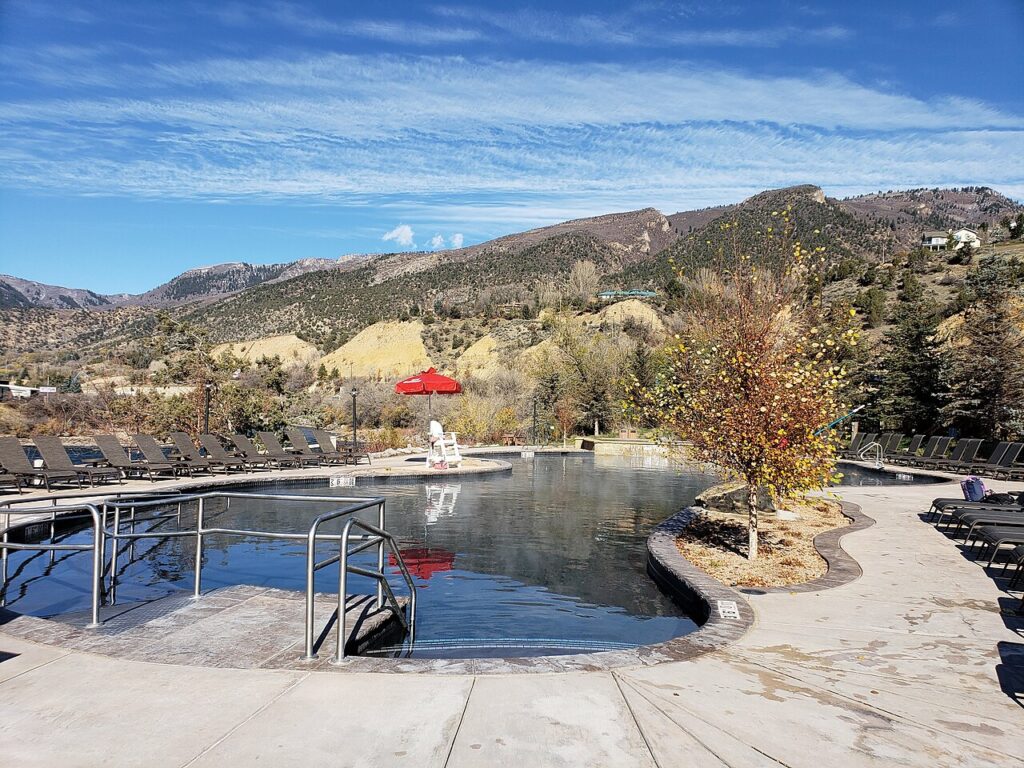
Few things capture a Colorado winter quite like sitting in a steaming pool while snow falls around you. Strawberry Park in Steamboat Springs, set in a wooded canyon outside town, is the soak that tends to live in memory the longest. Iron Mountain Hot Springs in Glenwood Springs runs at the other end of the spectrum, with multiple terraced pools at varying temperatures along the Colorado River. Day passes typically run $20–$35, and both towns sit 2.5 to 3 hours from Denver.
2. Explore the Cripple Creek Ice Castles
Each winter, a team of artisans builds a sprawling compound of ice castles, tunnels, slides, and frozen thrones at Cripple Creek, an old mining town in the mountains southwest of Colorado Springs. The structures grow as the season progresses and the freeze deepens, which means a January visit looks different from a December one. Friday and Saturday evenings add fire performances after dark. Tickets run roughly $20–$35, and Cripple Creek sits about 2 hours from Denver.
3. Ride Historic Winter Trains
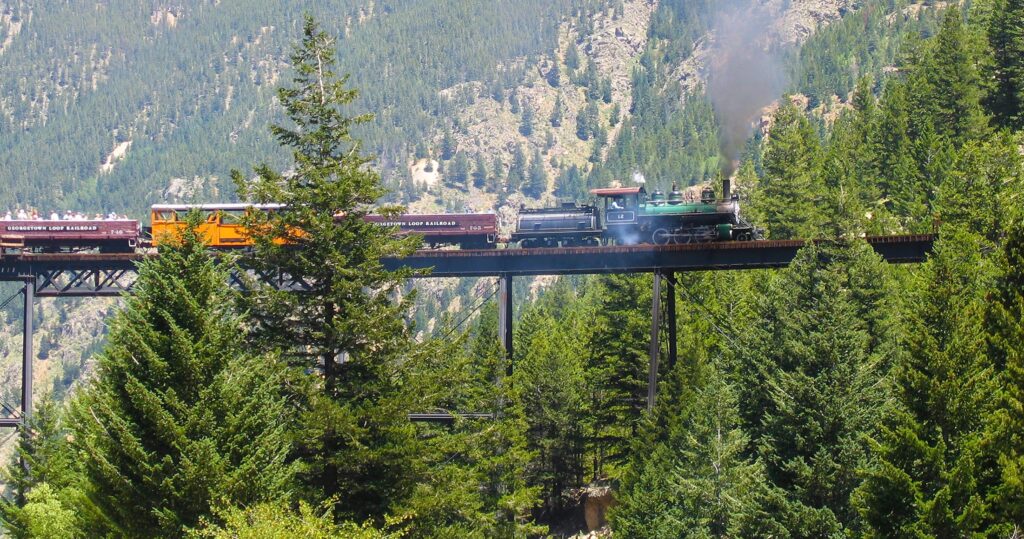
Two of Colorado’s heritage railroads keep running through the snow, and both work well for travelers who’d rather sit by a window than stand on a slope. The Georgetown Loop Railroad, just 45 minutes from Denver, runs special holiday trains in December with a narrow-gauge steam engine across a high mountain trestle. The Royal Gorge Route Railroad runs along the Arkansas River with views into the deep canyon, with seasonal dinner and wine trains added through the cold months. Tickets typically run $30–$45 for standard seating.
4. Take a Scenic Gondola Ride

You don’t need a ski pass to ride most of the resort gondolas, and the views from the top in winter are often more dramatic than in summer. Telluride’s free gondola, which crosses the saddle between the historic town and Mountain Village, remains the most generous deal in the state. Breckenridge offers a similar free ride up to its base village. Aspen and Vail run paid scenic gondolas at $30–$55, with the views to match the price.
5. Stroll the European-Style Christmas Markets
December turns Georgetown into one of the best Christmas markets in the western United States, with wooden stalls, mulled wine, and live music filling the historic downtown across two weekends each year. Denver’s Mile High Holidays adds a larger urban version with skating rinks, light displays, and pop-up vendors throughout downtown. Both work well as evening additions to a winter trip already built around something else.
Adrenaline Adventures Beyond the Slopes
6. Try Dog Sledding
A dog-sled run through the snow-covered forests around Snowmass and Breckenridge is one of those experiences that sounds gimmicky and turns out to be genuinely beautiful. Krabloonik in Snowmass is the long-standing operation, with kennel tours alongside the rides. Alpine Adventures in Breckenridge runs shorter and slightly cheaper options. Expect $200–$500 per person depending on the length of the run.
7. Go Snowmobiling
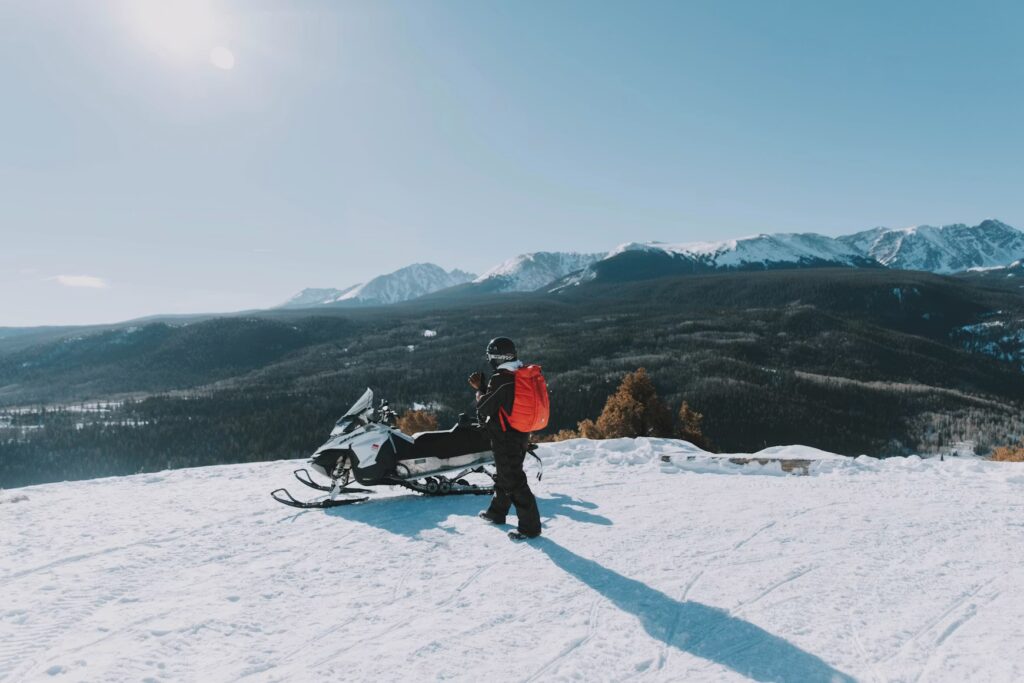
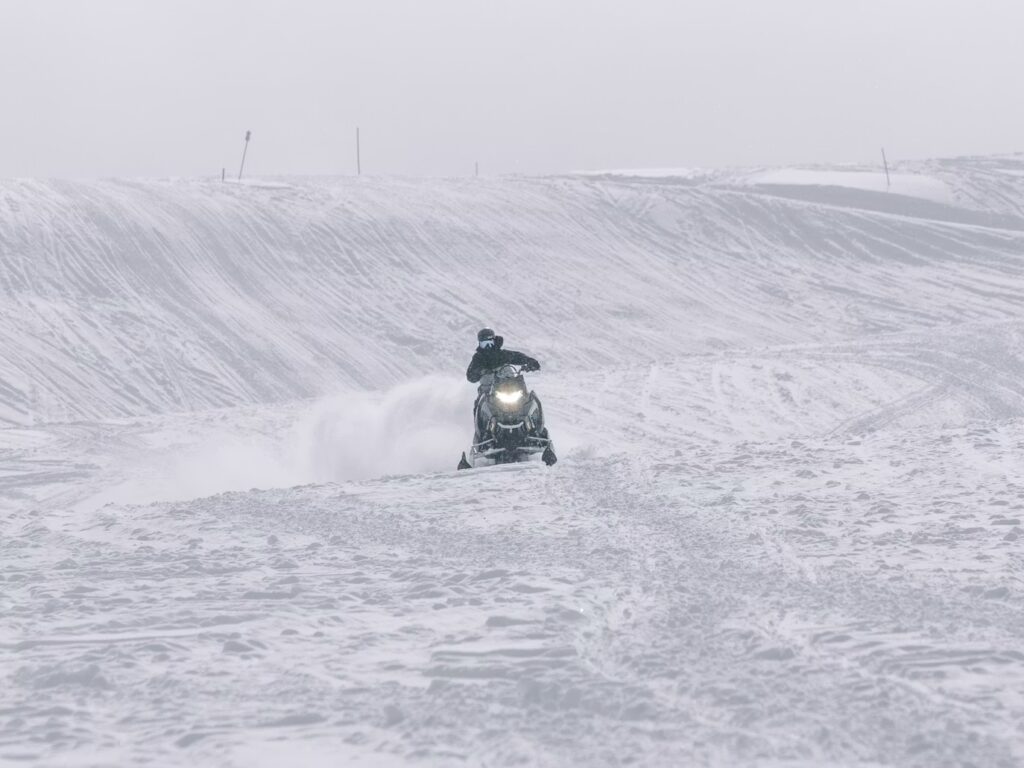
Snowmobiling opens up backcountry terrain that’s effectively unreachable in winter, and Grand Lake on the western edge of Rocky Mountain National Park is the strongest base for it. Outfitters there run guided trips on groomed trails as well as more demanding routes for experienced riders. Half-day tours typically run $150–$300 including equipment, which is a fair price for several hours covering ground that would take days on foot.
8. Ride Ice Bumper Cars
Steamboat Springs runs one of the more unexpected winter draws in the state at Howelsen Ice Arena, where you can rent ice bumper cars and slide into your friends across a rink for $15–$25. It’s the kind of thing that sounds silly until you try it, and it makes a strong addition to a family winter trip when the kids need something low-key.
9. Try Ski Biking at Snowmass
A snow bike, sometimes called a ski bike, is essentially a bicycle frame with skis instead of wheels, and Snowmass is one of the few resorts in the country that allows them on the lifts. A half-day lesson and equipment rental runs $200–$300 and is genuinely easier to learn than skiing, which makes it a useful option for someone in a ski group who’d rather not commit to traditional lessons.
10. Try Ice Climbing in Ouray

The Ouray Ice Park, set in a natural gorge just outside town, turns into one of the world’s most concentrated ice-climbing venues from December through March. Guided introductory courses for beginners are available through several outfitters and don’t require any prior climbing experience. The Ouray Ice Festival in January draws climbers from around the world and is worth timing a trip around if the discipline interests you at all.
Cozy, Romantic, and Culinary Experiences
11. Snowshoe and Fondue Tours
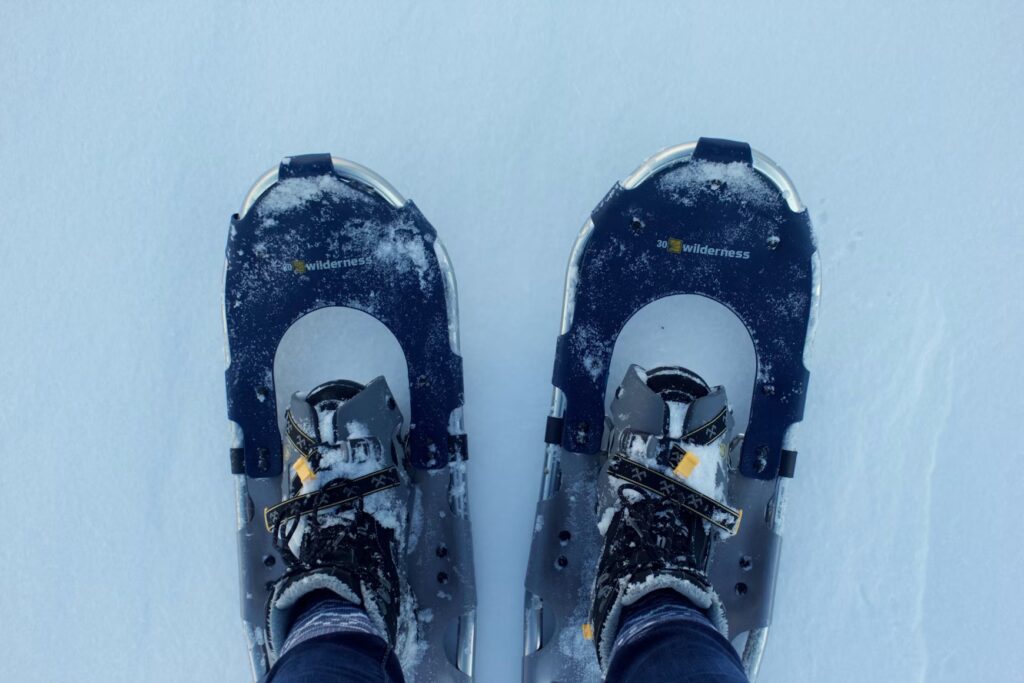
Several mountain towns run guided snowshoe walks that end at a backcountry yurt or restaurant for cheese fondue. Apex Excursions and similar operators in the Vail and Beaver Creek areas run these in the $100–$150 range, and the combination of evening walk and warm dinner inside a wooden cabin makes for the kind of night that ends up on the wall when people get home.
12. Dinner Sleigh Rides
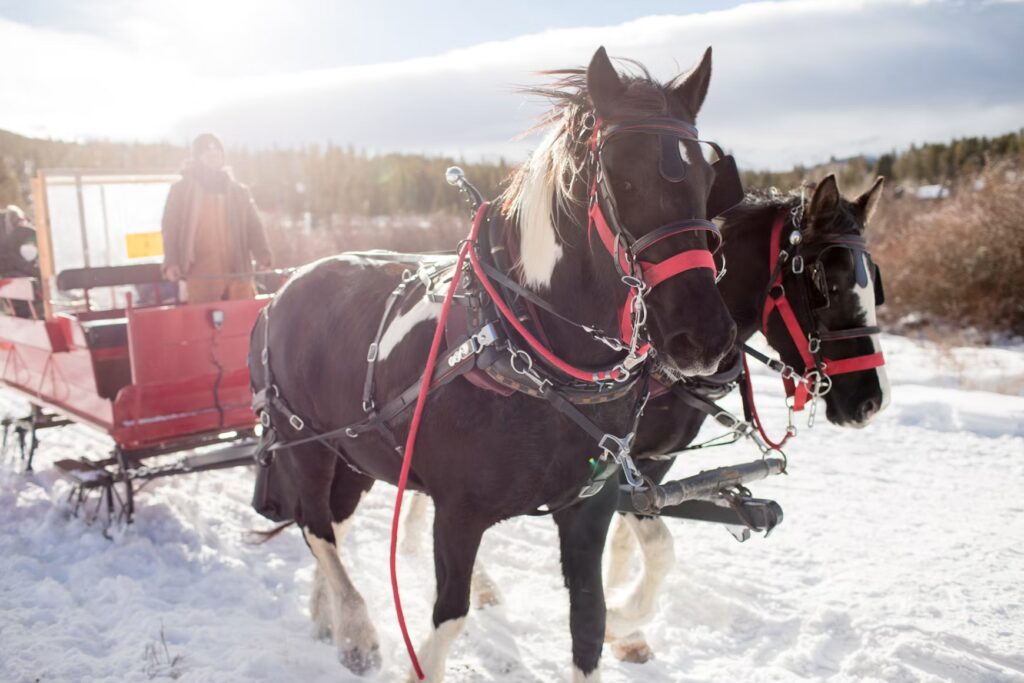

A horse-drawn sleigh ride through the snow to a remote dinner restaurant sounds straight out of a holiday card, which is exactly why so many resorts run them. Beano’s Cabin at Beaver Creek is the best-known version: an open-air sleigh up through the trees to a multi-course tasting menu in a log cabin halfway up the mountain. Expect $200–$400 per person, and book several weeks in advance for high-demand dates.
13. The Stanley Hotel Ghost Tour and Whiskey Tasting


The Stanley Hotel in Estes Park, the building that famously inspired Stephen King’s The Shining, runs guided ghost tours throughout the year and pairs them with whiskey tastings during the winter months. Tours run $30–$40 and the hotel sits 1.5 hours from Denver. It’s one of the more atmospheric off-snow evenings in the state, particularly in January and February when the snow is thick around the building.
14. Fat Biking on Snow Trails
Fat bikes, with their oversized low-pressure tires, let riders cover snow-packed trails that would be impassable on a normal bike. Crested Butte, Breckenridge, and Vail all rent them by the half day, and many groomed Nordic centers in the area allow fat-bike access on dedicated trails. It’s a quiet, low-impact way to spend a morning in the snow without committing to anything more demanding.
15. Ice Fishing

Ice fishing on Colorado’s frozen lakes is a slower, more contemplative winter activity, often booked as a guided half-day. Lake John, Spinney Mountain Reservoir, and several of the alpine lakes near Granby support a serious ice-fishing scene through deep winter. Guided trips run $200–$400 for a half day, and most outfitters supply the gear, shelter, and bait.
Colorado Winter Logistics: Driving, Altitude, and What to Pack

Winter Driving and the I-70 Chain Law
The Colorado Department of Transportation enforces a Traction Law on Interstate 70 during winter storms, which requires either snow tires, four-wheel or all-wheel drive with all-season tires, or chains. Rental cars aren’t always set up to comply, so it’s worth asking at the counter what you’re driving and confirming it meets the requirement.
Loveland Pass, the high alternate route over the Continental Divide near Eisenhower Tunnel, is particularly demanding and closes regularly during storms. Plan to travel midweek where possible, since I-70 westbound on Saturday mornings and eastbound on Sunday afternoons turns into one of the longest weekend bottlenecks in the United States.
Altitude Sickness
Most of the destinations in this guide sit at elevations where your body will notice the difference, and several push past 9,000 feet. Leadville, at 10,152 feet, is the extreme case but not the only town where altitude matters. The usual precautions still apply: drink more water than feels natural, skip alcohol the first day, and avoid strenuous activity on your first morning in the mountains. Most travelers adjust within a couple of days, but the first 24 hours often bring headaches and disrupted sleep.
What to Pack
Colorado’s winter is dry rather than damp, which means temperatures feel less brutal than the numbers suggest, but the sun at altitude is more punishing than visitors expect. Sunglasses, sunscreen, and lip balm matter year-round. For evenings outside, a heavier base layer under a shell is more useful than a single thick coat, since the temperature swings between sunny afternoons and clear cold nights are wide.
Frequently Asked Questions
What are the best places to visit in Colorado for non-skiers?
Glenwood Springs and Steamboat Springs both hold their interest entirely on hot springs, food, and small-town atmosphere, with no skiing required. Denver itself is an easy winter base, with museums, restaurants, and Red Rocks views in striking distance. Estes Park, the gateway to the eastern side of Rocky Mountain National Park, runs at a slower winter pace and pairs well with the Stanley Hotel for an evening. Each of these works as a strong non-ski destination on its own.
What is the cheapest winter activity in Colorado?
The free options stack up faster than most travelers expect. Telluride’s free gondola, Breckenridge’s free base-area gondola, walking Georgetown’s Christmas Market with a cup of mulled wine, and snowshoeing on public-land trails near most mountain towns all cost nothing. Among paid experiences, the ice bumper cars at Howelsen Ice Arena in Steamboat Springs at $15–$25 are among the cheapest scheduled activities in the state.
Where are the Ice Castles located?
Cripple Creek hosts Colorado’s Ice Castles each winter, in the mountains southwest of Colorado Springs and about 2 hours from Denver. The exact site within Cripple Creek can shift slightly year to year, and the opening date depends on the freeze, but the run usually extends from late December through February. Reservations are required and should be booked in advance, especially for weekend evenings when fire performers are scheduled.
Do I need a 4WD vehicle for a Colorado winter road trip?
Not strictly, but it helps. Colorado’s Traction Law requires either four-wheel or all-wheel drive with all-season tires, dedicated snow tires on a two-wheel-drive vehicle, or chains. A standard sedan with all-season tires will satisfy the law on most days but can struggle in heavy storms, especially on grades like Vail Pass or the approach to Telluride. Renting a small SUV with all-wheel drive is the safer choice for any itinerary that leaves the I-70 corridor.
Planning Your 2026 Colorado Winter Trip

Colorado in winter rewards travelers who think beyond the chairlift. A trip built around hot springs and historic trains looks completely different from one built around dog sledding and ice climbing, and both look different from a week at a ski resort, but the same state holds all of them within a few hours of one another.
The key planning decisions usually come down to two things: which week of the season fits your goals, with February the deepest snow and March the brightest sun, and which town serves as your base, with Glenwood Springs, Steamboat Springs, and Estes Park each carrying a distinct character.
For deeper planning, the companion guides on where to stay across the state and the best small towns in Colorado pick up where the calendar leaves off and help narrow the choice of base town.