


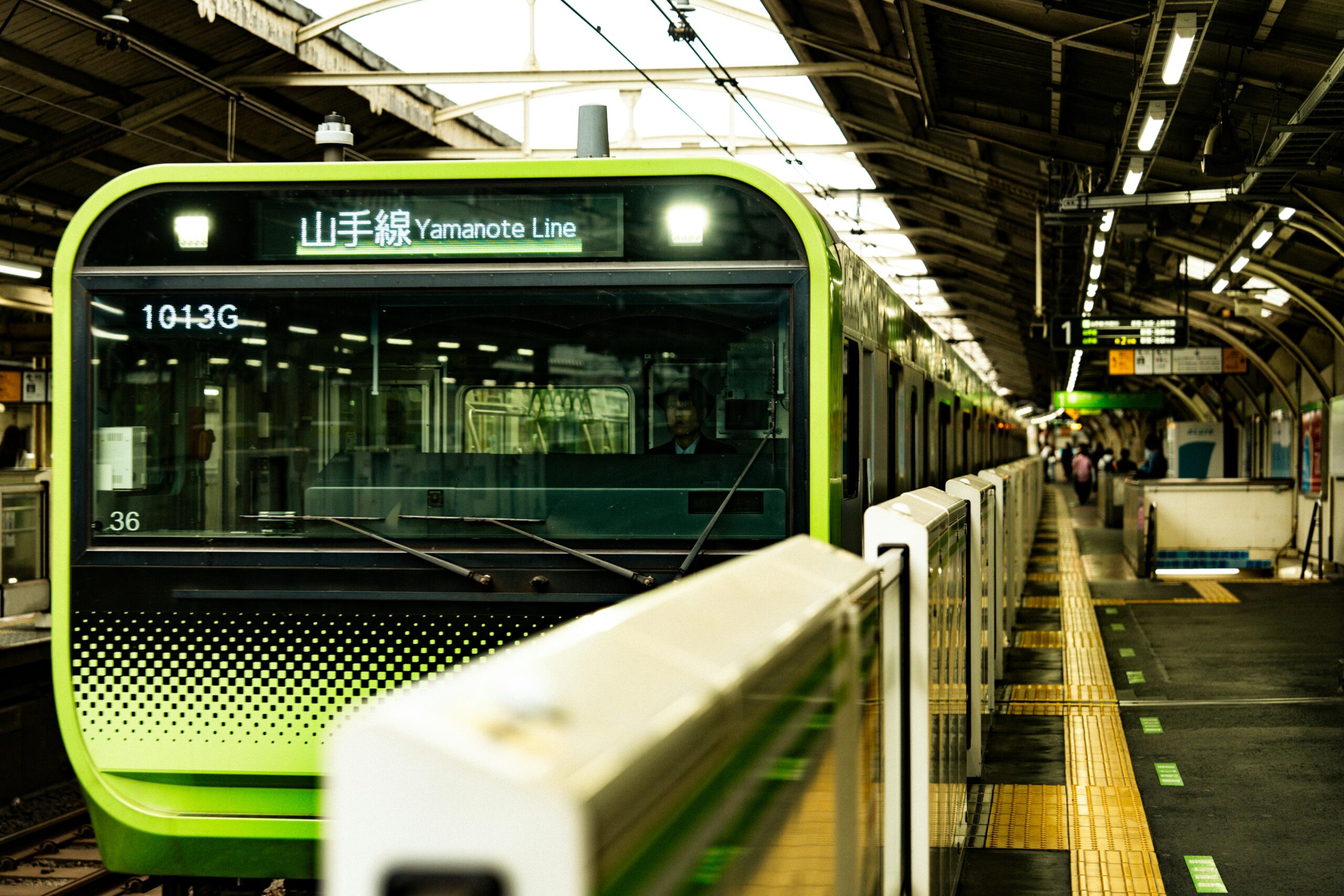
Getting around Japan rarely feels difficult. The system works quietly, trains arrive when they should, and routes connect with a logic that becomes familiar faster than expected. What changes from one trip to another isn’t whether you can move, but how that movement shapes the day.
Some journeys feel continuous, with little friction between where you are and where you intend to go. Others ask for more attention, more timing, more energy than the distance alone would suggest. Understanding how transportation feels in Japan is less about knowing every option and more about recognizing how movement affects the rhythm of travel.
When Movement Feels Effortless
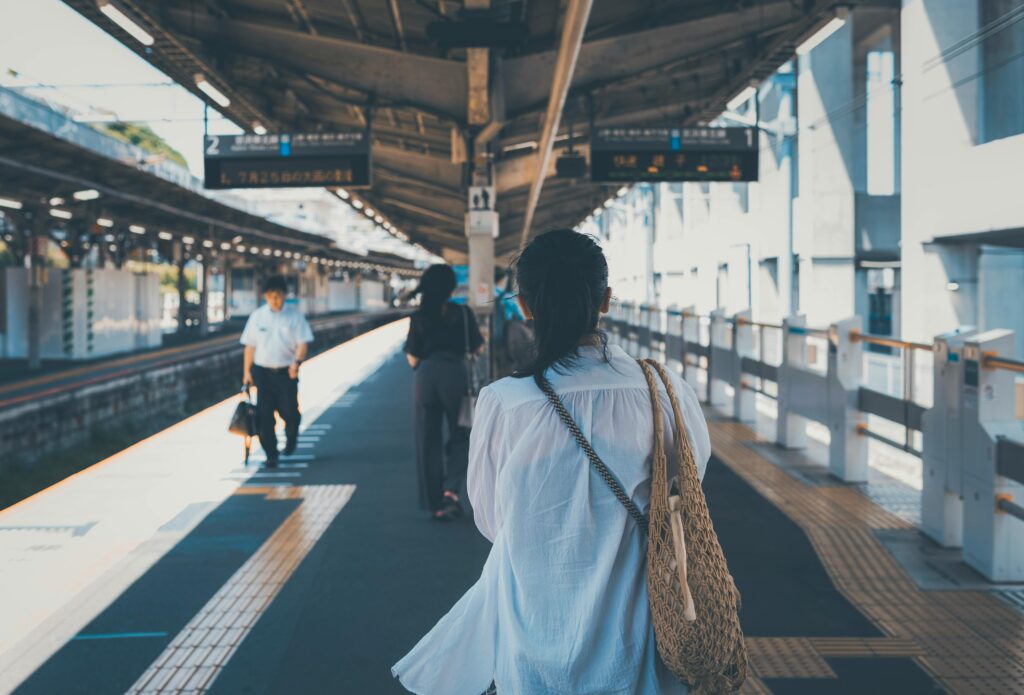

For many travelers, the first days in Japan create a strong sense of ease. Stations are well-marked, trains are frequent, and the flow through major cities carries you along. Even long distances feel contained. A morning departure leads naturally into an afternoon arrival, and the day seems to hold its shape without needing much adjustment.
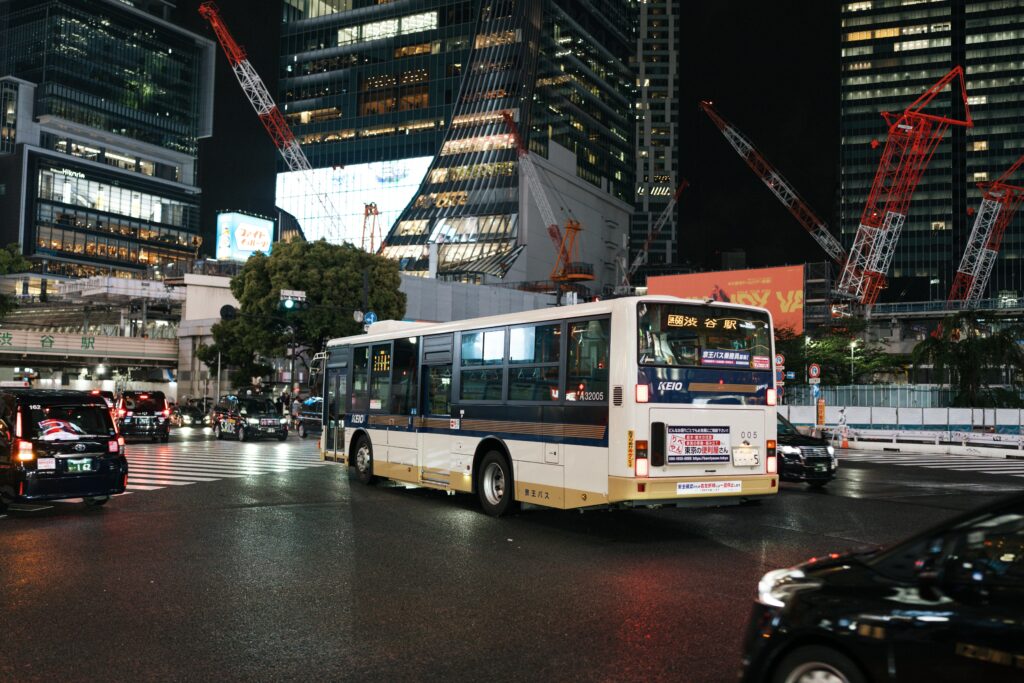
This sense of effortlessness comes from consistency. Platforms follow patterns, transfers are predictable, and delays rarely interrupt the flow. You begin to trust the system quickly, often sooner than you expect. Once that trust settles in, movement becomes background rather than task.
Days that involve only a few transitions tend to feel full but unhurried. You arrive with enough energy left to explore, eat, and settle into the place you’ve reached.
When Distance Becomes Noticeable

As trips grow more complex, movement begins to assert itself. Longer routes introduce layers: transfers inside large stations, walking between lines, time spent orienting yourself rather than moving forward. None of this feels chaotic, though it changes how a day unfolds.
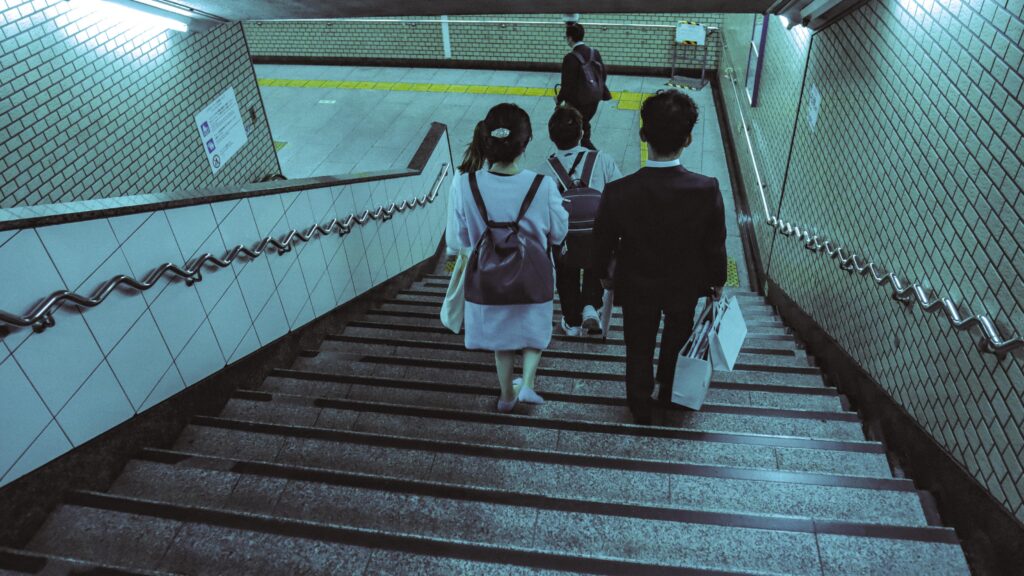
A travel day that looks simple on a map can stretch once you factor in station scale, waiting, and the mental effort of staying aware. You still arrive on time, though the space between departure and arrival carries more weight. These days often feel finished earlier, even when the clock suggests otherwise.
This is where pacing matters more than speed. Fast transport shortens distance, though it does not always shorten the day.
Cities, Regions, and the Shape of a Route

Movement inside cities tends to feel dense but contained. Short rides stack easily, and the rhythm becomes familiar through repetition. You step in and out of transit without breaking stride, letting the city carry you between neighborhoods.

Outside urban centers, the shape changes. Routes stretch, intervals widen, and timing becomes more visible. Travel days take on clearer edges. You leave, you move, you arrive. There is less overlap, and fewer moments where travel blends into the day unnoticed.

Neither experience is heavier by default. They simply feel different in the body. Some travelers enjoy the clarity of longer journeys. Others prefer the softness of short, repeated movements that dissolve into daily routine.
Luggage, Timing, and Mental Load

What you carry quietly shapes how transport feels. Light movement stays fluid. Heavier loads slow transitions, extend station time, and make spacing more important. Even in systems designed for efficiency, attention shifts when movement requires more care.

Timing also plays a role. Early mornings move smoothly. Midday feels expansive. Evenings settle into predictable patterns. During busy periods, awareness increases. You adjust without thinking about it, choosing quieter cars, arriving earlier, leaving with a buffer that feels natural rather than strategic.
Over time, these adjustments become habits. The system fades further into the background, and movement becomes something you inhabit rather than manage.
What Makes Travel Days Feel Long or Light

Travel days in Japan rarely fail. They either feel light or they accumulate weight through small increments. Extra transfers, tightly spaced connections, and repeated transitions add texture to a day. Fewer changes allow time to stretch.
Most travelers notice this near the end of a trip. Energy shifts. You begin to prefer routes that ask less of you, even if they take longer. Ease starts to matter more than speed.
This is often when movement becomes part of memory. Not the mechanics, but the feeling of how days opened or closed depending on how you moved through them.
Choosing How You Move

Getting around Japan is less about mastering transportation and more about choosing how much movement you want inside each day. Some trips absorb travel seamlessly. Others highlight it. Both reveal the country in different ways.

When movement feels effortless, the place takes center stage. When movement becomes visible, time itself steps forward. Recognizing which rhythm suits you helps shape the trip before you arrive, long before tickets or passes enter the picture.
