
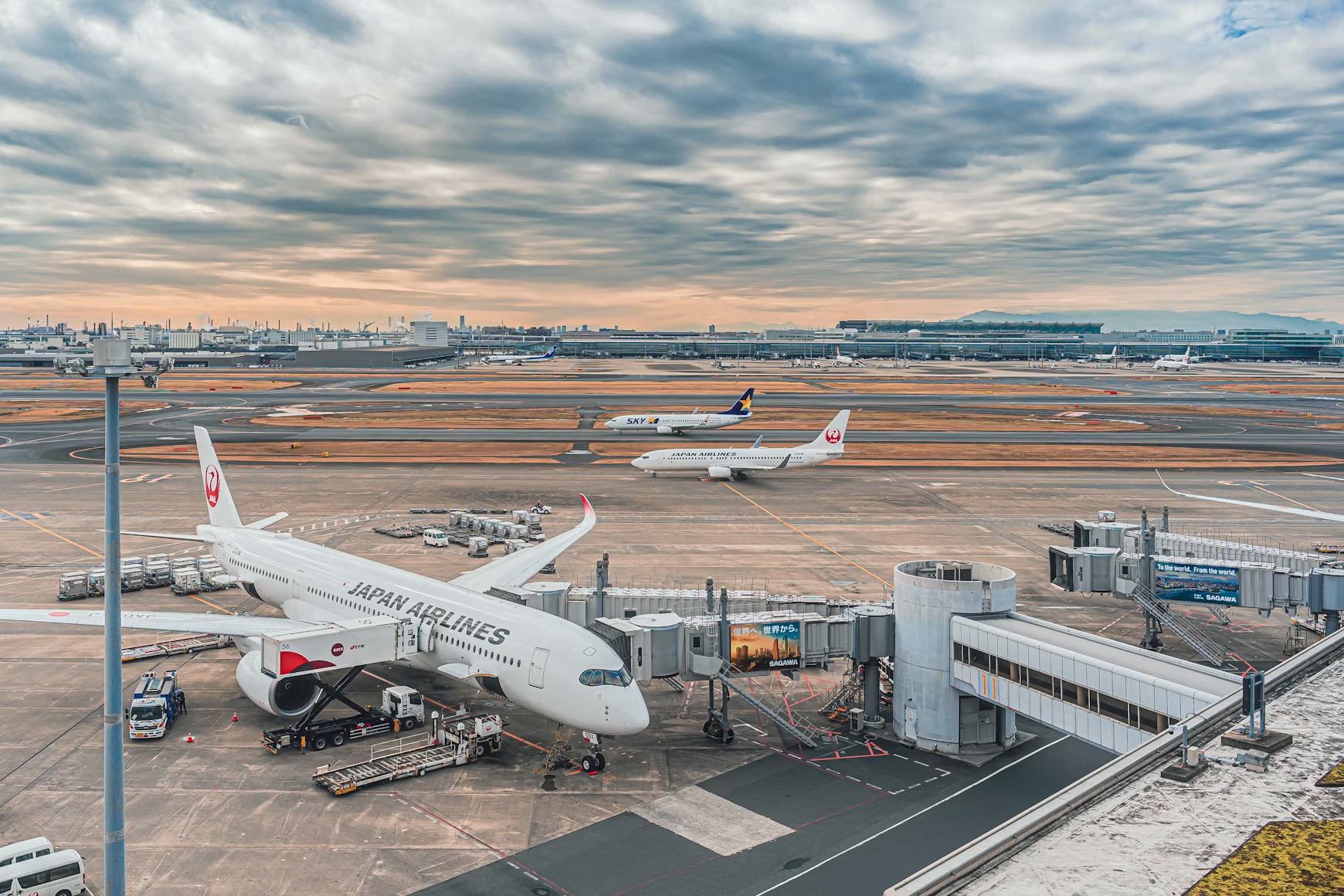
Flying to Japan with only a backpack or a compact cabin bag can sound like a bold choice before the trip begins. Once you arrive, that sense of boldness usually quiets down. Japan moves at a walking pace, and you start to notice how stations stretch longer than they appear on maps, how transfers tend to reveal one more staircase just when you think you’re finished. The less you’re dragging behind you, the less those moments interrupt the day as it unfolds.
That’s why carry-on only keeps coming up in conversations about Japan, especially among first-time visitors who want the travel day to feel contained rather than scattered. With laundry access in many hotels and Airbnbs, the plan feels realistic instead of extreme. The decision carries forward into the way your days unfold in the city.
Why carry-on only fits Japan so naturally
Japan doesn’t announce how much movement it asks of you. You realize it gradually, a few days in, when walking becomes the default and sitting still feels rare. Stations pull you through corridors, platforms, and staircases in quiet stages. The streets are clean and easy to follow. They rise and fall, and they move at their own pace, regardless of luggage.
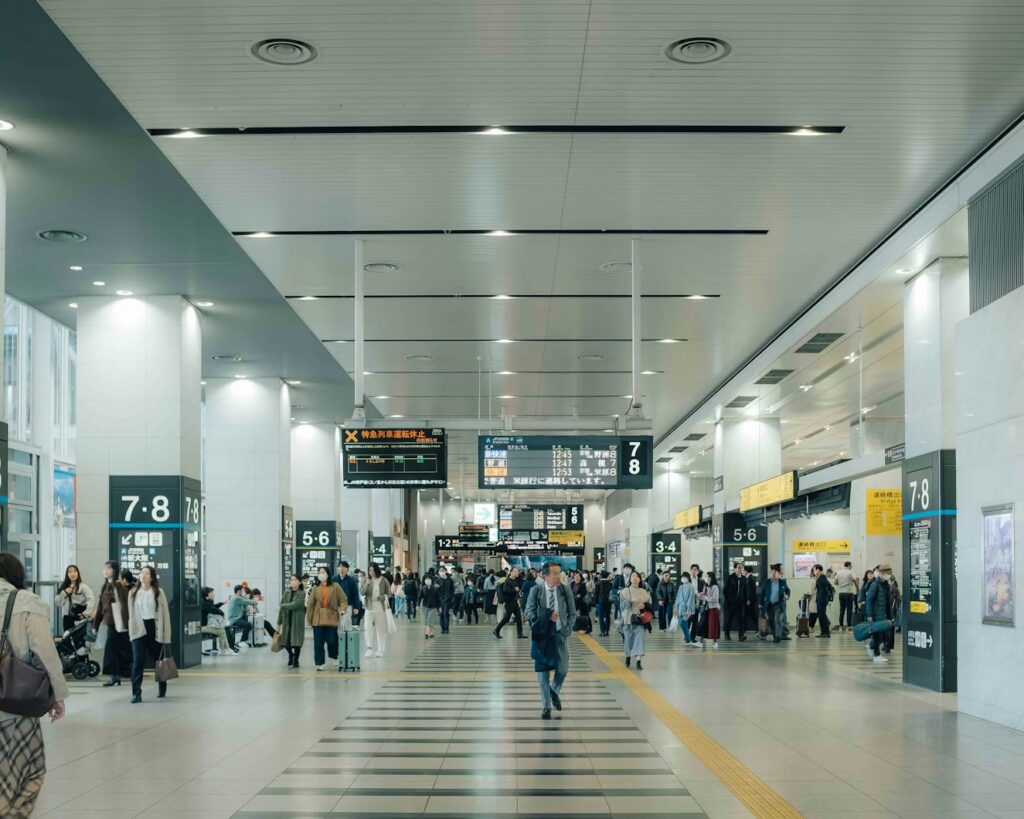
A large suitcase turns that rhythm into a series of small pauses. You look for elevators, wait with others doing the same, then figure out where the bag belongs once the train fills. With a single backpack or a compact cabin bag, those decisions fade into the background. Transfers stay smooth, platforms feel manageable, and you move when the flow moves. Carry-on-only travel in Japan often feels liberating. The momentum stays intact.
Where the trade-off actually shows up
Luggage starts out as a flight decision, then slowly becomes something you carry through the entire trip. The flight itself is short and predictable, and the airports run in an orderly way. The question of luggage tends to surface later, after you’ve spent a few days moving through neighborhoods where small things keep catching your attention.
Snacks begin to look like gifts. Stationery draws your attention. Skincare slips into the picture. Packing light holds at first, then the return quietly comes into view.
That’s why many travelers arrive with carry-on only and leave differently. Some pick up an inexpensive duffel or suitcase near the end of the trip. Others keep a foldable bag tucked away and let the days decide when it comes out. It’s an acceptance of how Japan quietly adds things to your trip, without ever feeling pushy.
Laundry helps, but it behaves differently than expected
Laundry access is one of the main reasons carry-on only feels doable for two weeks. It works best when expectations line up with how laundry actually functions on the ground.
Many travelers assume dryers work quickly and reliably everywhere. In Japan, drying often takes longer, relies on air circulation, or happens in bathroom drying rooms that need time. If you arrive late and start laundry at night, the morning can feel tighter than planned when something isn’t fully dry.
Carry-on travel feels easiest when clothing can handle frequent washing and dry quickly. Fabrics that hold water or wrinkle heavily tend to turn laundry into a nightly task that quietly eats into energy.
Weight limits and the budget airline reality
Carry-on only feels simple until weight becomes part of the equation. Many travelers underestimate how heavy the bag itself can be, especially when using rigid cabin rollers or overbuilt backpacks. A few kilograms disappear before you’ve packed anything meaningful.
This matters more on low-cost carriers and domestic flights within Japan, where size and weight limits are more consistently enforced. Travelers who are used to relaxed long-haul policies are often surprised when a short flight suddenly makes carry-on feel conditional. Uncertainty around enforcement adds quiet friction to the travel day. Packing plans that depend on leniency tend to feel fragile.
Backpack versus roller, beyond the surface debate
Discussions about backpacks and rollers often circle around wheels. The underlying question usually sits with rhythm.
Rollers can feel easier in airports and on smooth streets, especially when moving slowly or protecting your back. In Japan, the challenge rarely comes from sidewalks. It shows up in stations, on stairs tucked behind crowds, and in older areas where slopes appear without warning. In those moments, the bag starts asking for attention instead of quietly keeping pace.
Backpacks smooth those transitions and keep attention forward. Rollers can still work, particularly when packed lightly and lifted easily. The trip simply asks you to stay more aware of how you move through space.
The part that only becomes clear after a few days
The decision often settles around how your body responds over the course of the trip. Carrying one backpack everywhere can feel freeing at first, then slowly register in your shoulders. Rolling a bag spares your back but adds lifting, dragging, and navigation that builds a different kind of fatigue. Each option distributes effort in a different way.
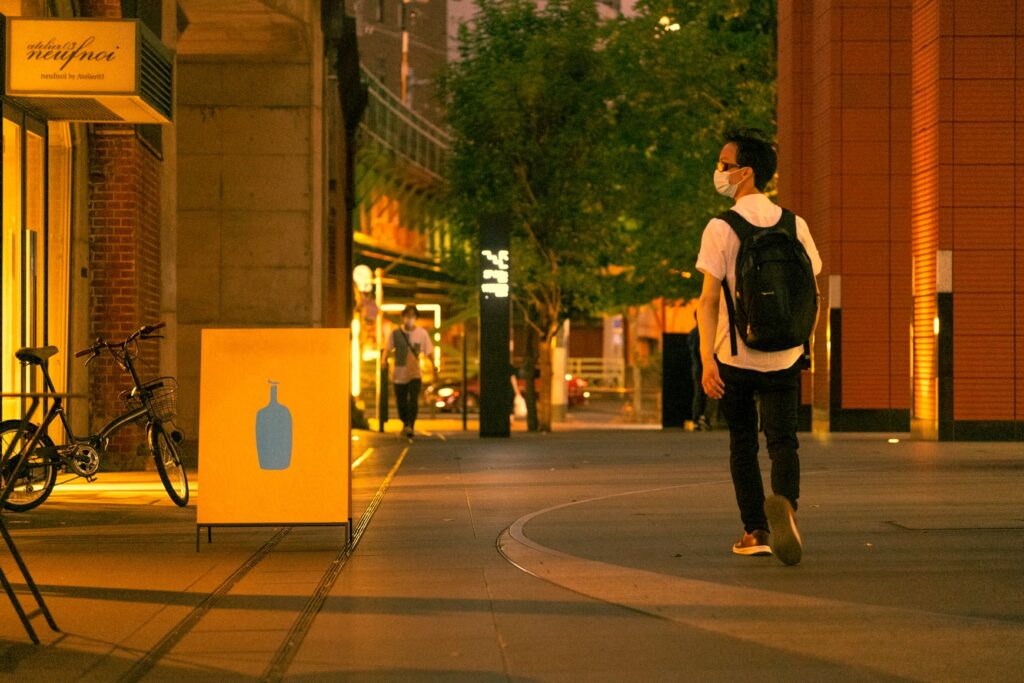
The setup that works best usually mirrors how you move through a city at home. If long walks and stairs already feel normal, carry-on travel tends to settle in easily. If fatigue arrives quickly, the same setup can feel heavier than expected.
So, would a backpack and a carry-on work for fourteen days?
For many travelers, the trip stays light and easy to move through. Over time, the real question becomes how much space is left for what Japan quietly adds. The cleanest approach often comes from arriving light, staying flexible, and letting the return take shape closer to the end of the trip. By the time you leave, the choices you made tend to feel settled, carried quietly alongside everything the trip has added.