

When arrival feels complete before anything has settled
The adjustment period in remote travel often begins invisibly. You arrive, unpack, connect to the internet, learn how the door locks, and the city becomes usable quickly enough that it feels as though the transition has already passed. From the outside, everything appears functional, and that surface stability creates the impression that the body and attention should catch up just as quickly.
What actually happens moves more slowly. Beneath the routines that form on cue, there’s still scanning, still a low level of alertness that hasn’t yet released its grip. The day works, though it does so with an effort that hasn’t fully announced itself yet, carried quietly through small choices and constant orientation that never quite switches off.
Where familiarity arrives without ease
After the first stretch, the city begins to look familiar, though that familiarity doesn’t immediately translate into comfort. The day begins to repeat itself easily, while the environment takes longer to catch up, lingering somewhere past novelty without quite offering a sense of support.
This is often when the adjustment period becomes harder to name. There is no clear discomfort to point to, only a mild friction running beneath the day. Staying oriented takes a quiet, ongoing effort, even as novelty fades and the city asks less attention in return.

How time stretches unevenly
During this phase, time behaves differently than expected. Days are full, though they don’t feel anchored. Weeks pass without leaving much behind, and the calendar advances faster than the sense of having arrived anywhere. Work continues to be completed, social contact exists in passing, and life appears active enough on paper.
The imbalance takes shape quietly. Energy spreads thin across the day, attention loosens its grip, and the body keeps moving through routines that haven’t yet taken hold. What registers is a growing tiredness, emerging gradually as ease remains just out of reach.
When the body adjusts later than the schedule
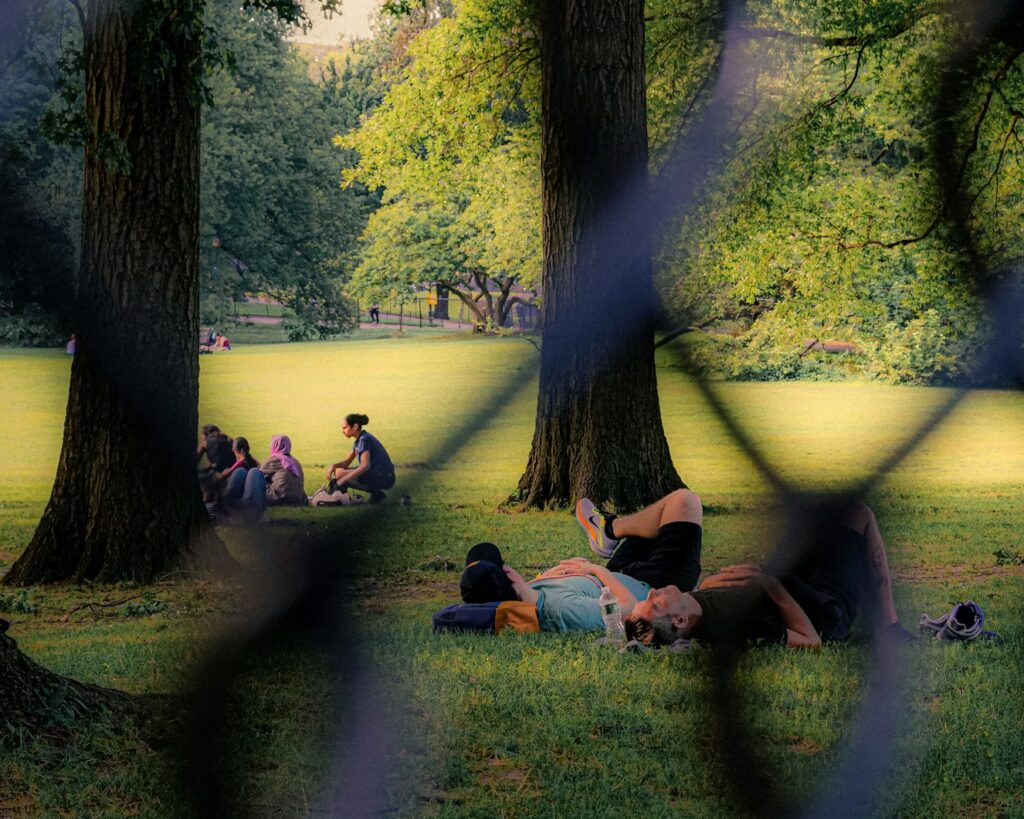
Much of the adjustment period isn’t logistical at all. Time zones, work hours, and daily rhythms may already be aligned, while the body continues to lag behind that structure. Sleep settles slowly. Hunger cues shift. Concentration fluctuates without a clear pattern. Much of the adjustment period lives in the body, with physical rhythms lagging gently behind the schedule at their own pace.
Why this phase feels easy to dismiss
Because the adjustment period lacks drama, it’s easy to misinterpret. It can look like personal inefficiency, temporary fatigue, or a sign that something else should be changed quickly. The urge to move again often appears here, framed as curiosity or restlessness, when it is just as often an attempt to escape the discomfort of something that hasn’t finished yet.
This phase belongs to the process itself. Functionality can arrive early, while settling takes longer, carried by repetition that allows the body and attention to loosen their grip at their own pace.
When the adjustment finally loosens
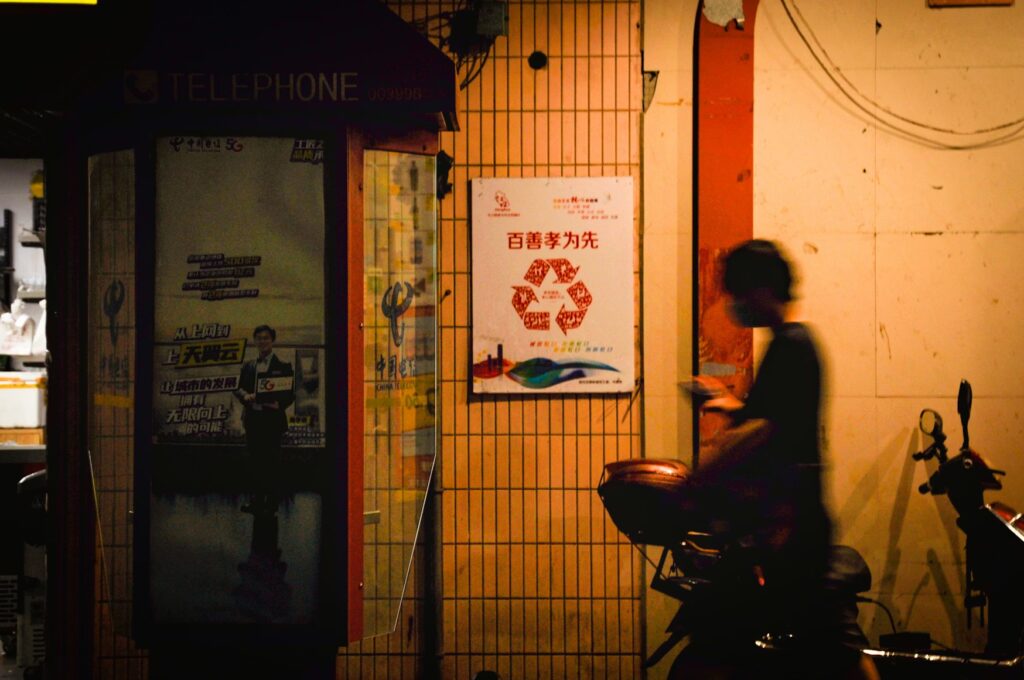
With enough time, the adjustment period softens on its own. The day begins to ask for less effort, the environment slips further into the background, and work and rest start finding their place with fewer interruptions.
There is no moment that marks this shift clearly. It appears gradually, through the absence of strain rather than the presence of comfort. The day begins to need less management, and life begins to unfold where it already is.

Why naming this period matters
The adjustment period often stays unspoken because it doesn’t translate easily into language. It sits between moments, shaping how remote travel is experienced in subtle ways that become more noticeable as time stretches on.
Recognizing this phase changes how it’s carried. When the adjustment period is allowed to exist without urgency, it often completes itself quietly, leaving behind a steadier relationship with place, work, and time that no longer needs to be questioned.