


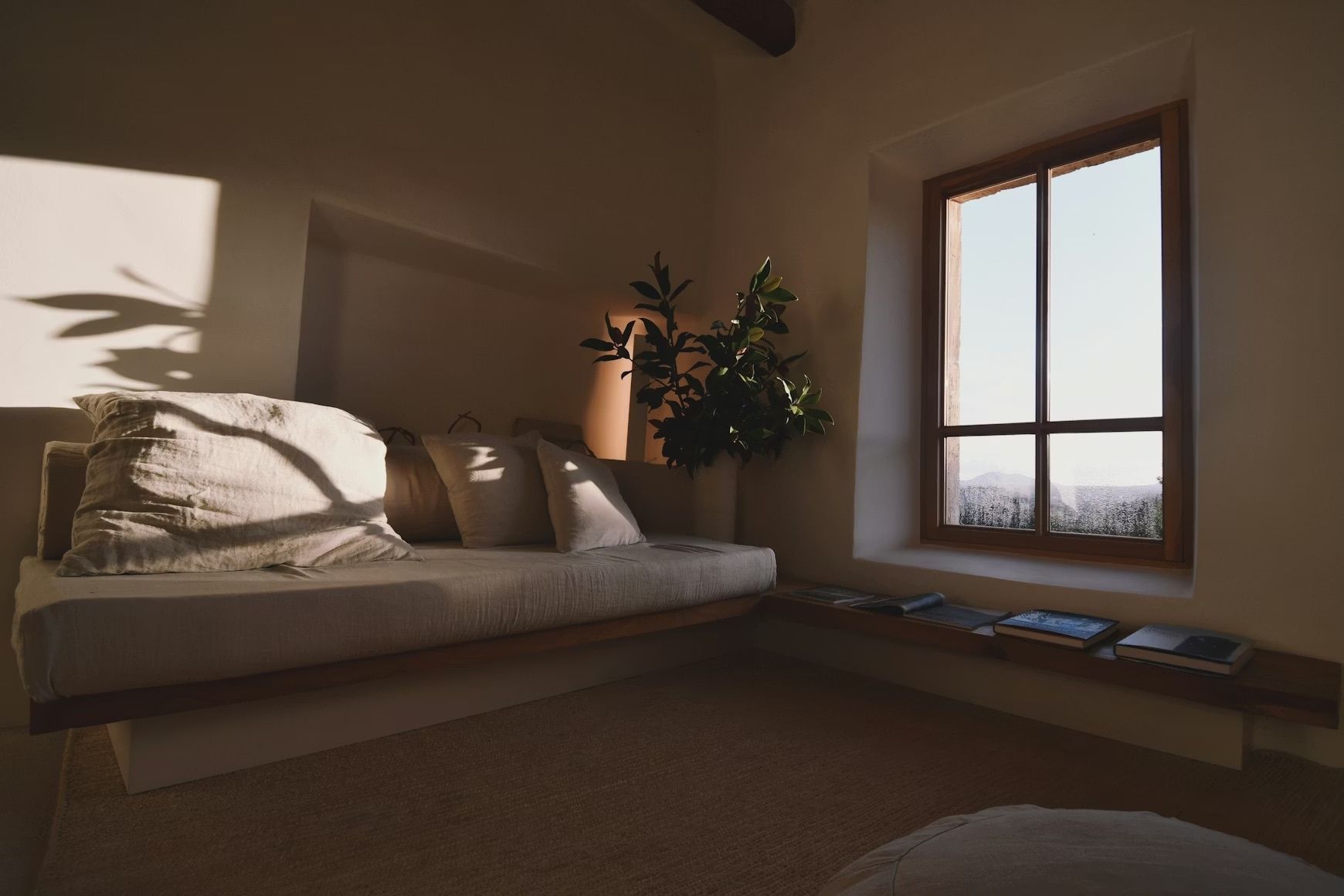
Choosing where to stay while traveling and working remotely often begins as a practical decision, shaped by constraints that feel clear at first. Those filters are useful early on, when everything still feels provisional and energy is carried by movement itself. Over time, accommodation stops being a background choice and starts shaping how remote life actually feels, day after day.
Apartments, hotels, and coliving spaces can all support remote work. What changes is how much effort they ask from you outside of work, and how grounded they allow you to feel as travel stretches longer.
How apartments shape longer stays
Staying in an apartment allows daily life to settle into a steady pattern, where repetition gradually replaces transition. This often makes it easier for work to settle, as fewer decisions are required before the day can begin.
At the same time, apartments reintroduce responsibility. Noise, maintenance, utilities, and the rhythm of the surrounding neighborhood become part of daily awareness. For remote travelers planning longer stays, this can feel stabilizing. For shorter stays, it can feel heavier than expected, especially if the goal was to keep life light and flexible.
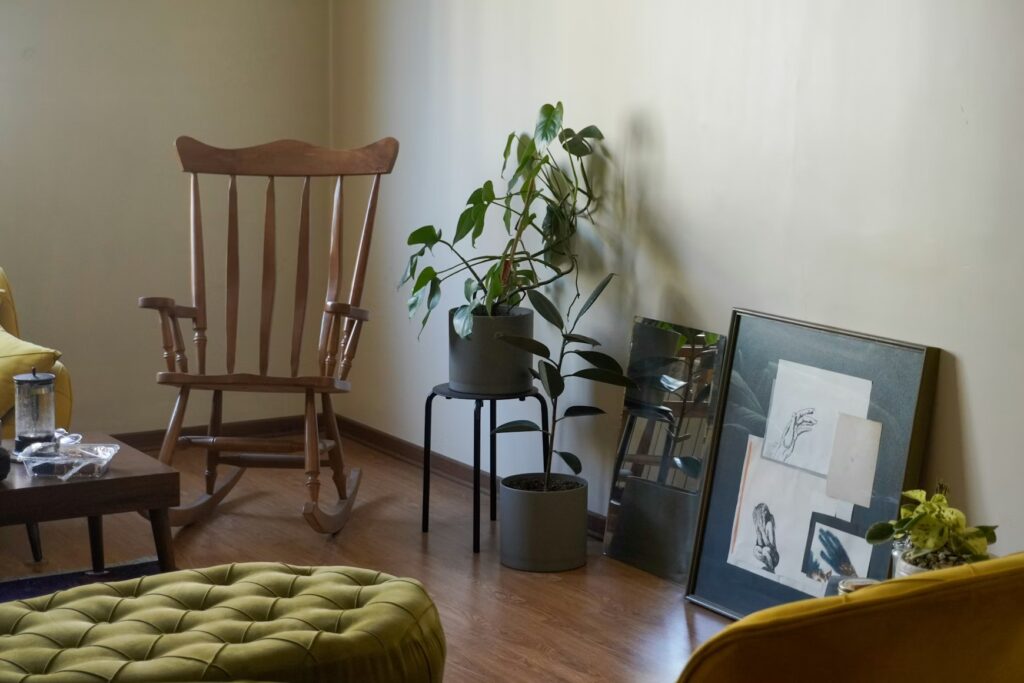
How hotels affect energy and focus
Hotels tend to smooth things out early on, holding the day in repeatable patterns that make movement between work, rest, and the outside world feel contained. This can be helpful during short stays, frequent moves, or transitions between cities, when mental energy is already stretched.
Over time, that same neutrality can start to feel thin. The environment remains unchanged, and routine finds fewer places to take hold. Staying begins to feel lighter than settled, carried more by ongoing movement than by accumulation.
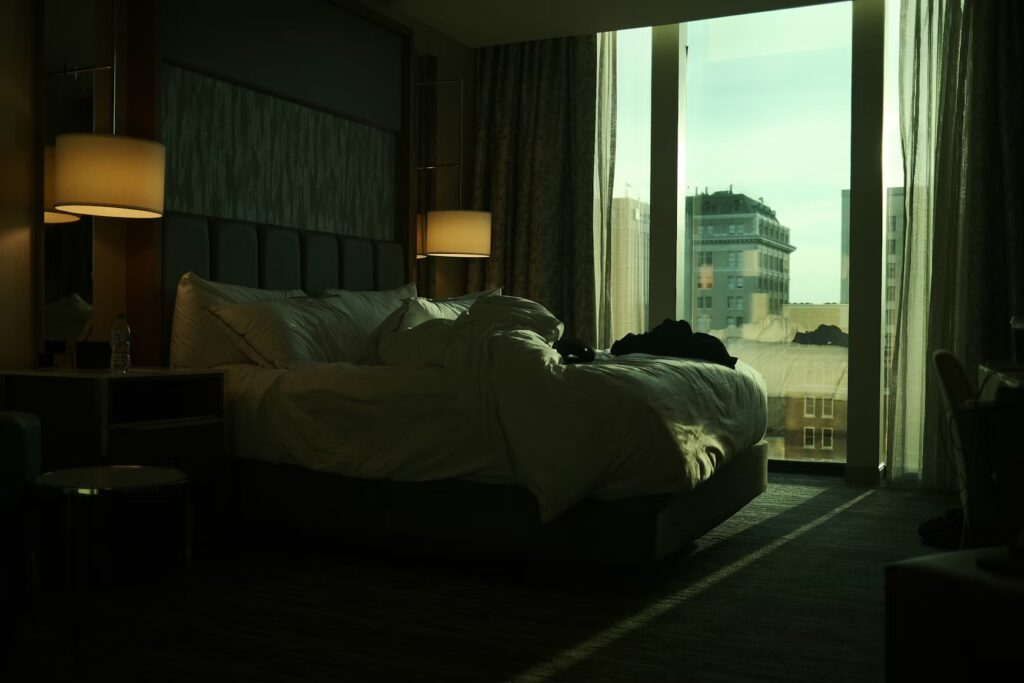
How coliving changes social and work rhythms
Coliving spaces offer structure by default. Work areas, social interaction, and daily routines are built into the environment. For many remote workers, this makes the initial adjustment easier, especially when arriving alone in a new city.
That structure also carries a steady intensity. Social presence stays close, and work and rest unfold within the same shared spaces. Eventually, the lack of separation begins to register, especially around privacy and recovery.

Choosing based on how long you plan to stay
As time in one place stretches, accommodation begins to matter in different ways. Early on, ease and movement tend to carry more weight. As days repeat, the need for separation, routine, and a sense of continuity gradually moves closer to the surface.
Remote life doesn’t stay still. Accommodation continues to register differently as time passes, sometimes growing heavier without a clear moment of change. Paying attention to that movement becomes part of how the experience holds together.
