

The Northern Lights, or Aurora Borealis, are one of nature’s most mesmerizing spectacles, drawing travelers from across the globe to witness their vibrant, colorful dance across the Arctic skies. Norway, with its expansive wilderness and clear, dark skies, is one of the best places to experience this awe-inspiring phenomenon. However, planning a trip to see the Northern Lights in Norway requires careful consideration of timing, location, and preparation. This guide will help you navigate your Northern Lights adventure in Norway by providing essential tips on where to go, when to visit, and how to enhance your viewing experience.
Best Time to See the Northern Lights in Norway
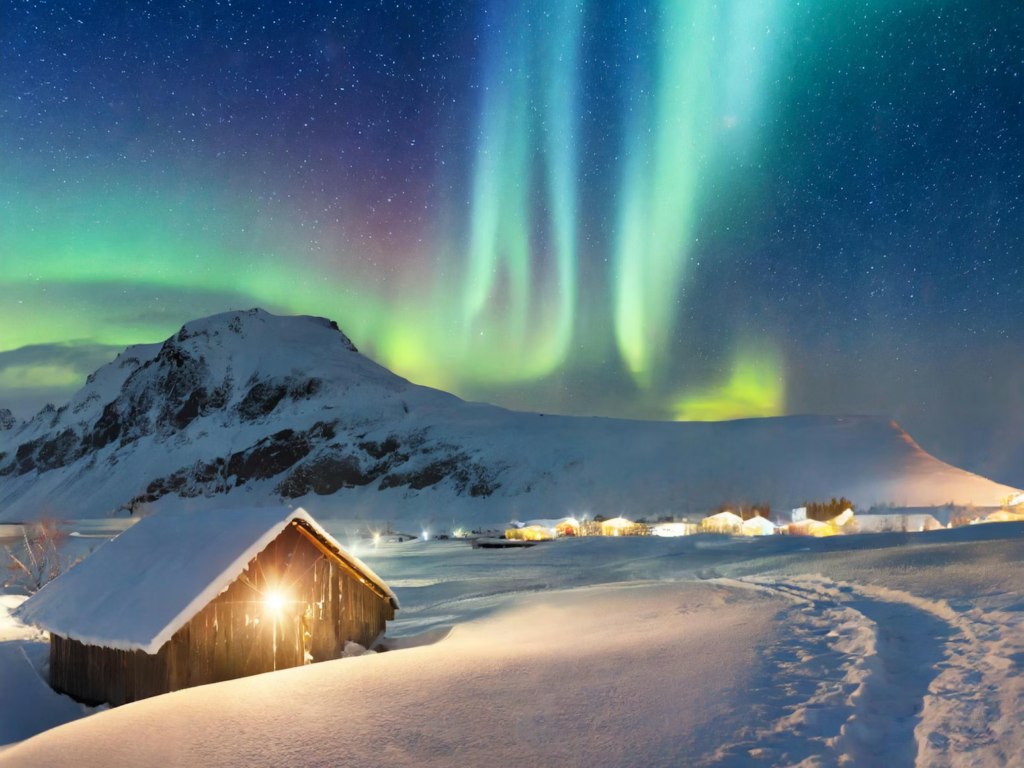
Timing is crucial when planning your Northern Lights trip. The lights are visible in Norway from late September to early April, but the best months are typically from December to March. During this period, the nights are longest, providing the optimal conditions for aurora sightings.
Solar Activity and Weather Conditions
While timing plays a significant role, it’s important to understand that the Northern Lights are influenced by solar activity. A higher level of solar activity increases the likelihood of witnessing a vibrant aurora. Check the aurora forecast regularly before your trip to maximize your chances of catching the lights.
Be prepared, however, for occasional disappointment because solar activity and weather conditions can be unpredictable. Cloud cover, snowstorms, or rain can obstruct the view, making patience an essential part of the experience.
Top Locations for Northern Lights Viewing in Norway
Tromsø: The Gateway to the Arctic
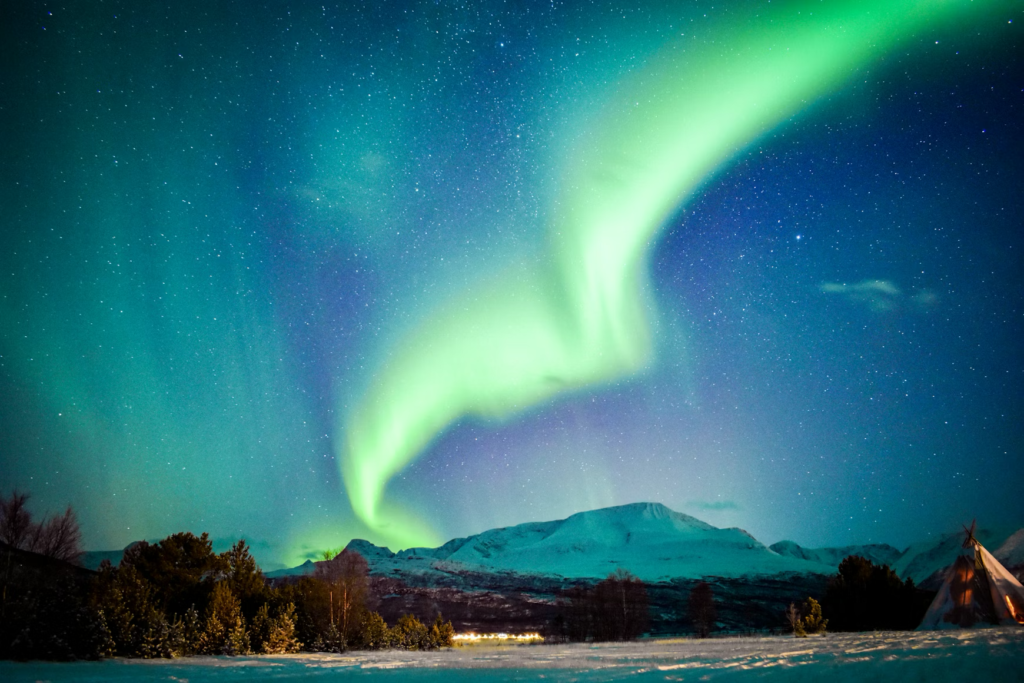
Tromsø, often referred to as the “Gateway to the Arctic,” is one of the most popular locations for Northern Lights enthusiasts.
Located above the Arctic Circle, it offers prime viewing conditions and a wide range of activities. Tromsø is accessible and has a well-developed tourism infrastructure, making it ideal for those who want to combine Northern Lights hunting with local culture. The city itself offers a variety of options for tours and excursions, from dog sledding to Arctic safaris.
While Tromsø is known for its relatively high chances of seeing the Northern Lights, the surrounding wilderness provides more secluded and quieter spots. Escape the city for a less crowded experience in nearby areas like Kvaløya or the Lyngen Alps.
Lofoten Islands: Stunning Landscapes and Solitude
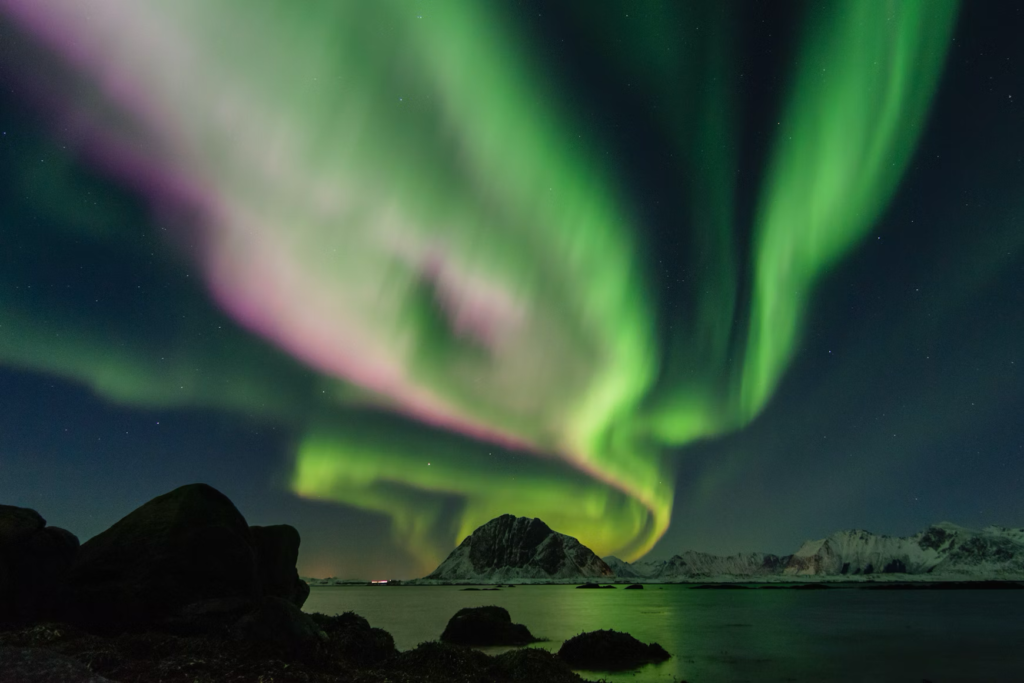
The Lofoten Islands are another fantastic destination for seeing the Northern Lights. Known for their rugged peaks, pristine beaches, and colorful fishing villages, Lofoten offers a dramatic backdrop to the aurora. The islands’ remote location means fewer tourists, giving you the chance to enjoy the Northern Lights in a more serene and intimate setting.
Lofoten’s clear, dark skies provide excellent visibility for the aurora, and you can enhance the experience by staying in traditional rorbu cabins or boutique lodges. Given the islands’ stunning natural beauty, Lofoten is also perfect for those looking to combine Northern Lights viewing with outdoor activities like hiking, fishing, and photography.
Alta: Northern Lights Capital of Norway

Alta, located in the far north of Norway, is often called the “Northern Lights Capital of Norway.” Its unique location provides ideal viewing conditions, with clear skies and minimal light pollution. Alta also offers the Northern Lights Cathedral, an architectural marvel that provides a cultural element to your aurora experience. The city is home to the Alta Museum, where you can learn about the region’s prehistoric rock carvings and the history of the Northern Lights.
Alta is a good option for travelers seeking a less tourist-heavy alternative to Tromsø. Its northern latitude provides excellent chances of aurora sightings, and its quiet, small-town atmosphere offers a more relaxed setting for your trip.
Tips for Maximizing Your Northern Lights Experience
Plan for Multiple Nights
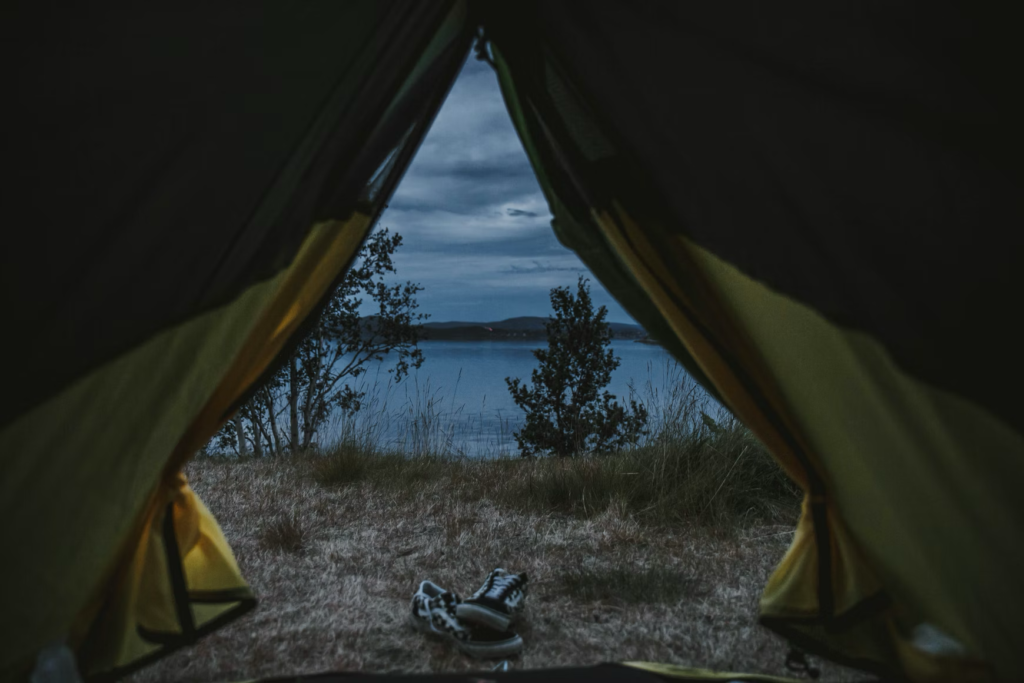
The Northern Lights are unpredictable, so it’s best to plan for multiple nights of aurora hunting. If you only plan one night, your chances of seeing the aurora are lower. Staying at least three nights in a prime location gives you a higher likelihood of witnessing the spectacle. Consider booking a multi-night Northern Lights tour or stay in remote areas where you can escape light pollution.
Choose Locations with Minimal Light Pollution

Light pollution is one of the main obstacles to aurora viewing. The darker the skies, the better your chances of seeing the Northern Lights. Stay in remote areas or small towns that are far from city lights. In Tromsø, for example, you can take a short drive to the surrounding wilderness to get the best views of the aurora. In Lofoten, consider staying in a fishing village away from the main tourist hubs for an authentic experience.
Dress Warmly and Be Prepared for the Cold
Norway’s Arctic climate can be harsh, especially during the winter months. To make your aurora viewing experience comfortable, it’s essential to dress in layers and be prepared for the cold. Wear thermal undergarments, a thick outer layer, a warm hat, gloves, and insulated boots. Don’t forget to pack a good camera for photographing the aurora, as capturing the Northern Lights requires a tripod and manual settings for long exposures.
Check the Aurora Forecast
The Northern Lights are a natural phenomenon influenced by solar activity, so it’s important to check the aurora forecast. Websites and apps like the Norwegian Meteorological Institute’s aurora forecast can provide real-time information on solar activity and cloud coverage. This will help you decide the best times and locations to head out for a better chance of seeing the lights.
Stay Flexible
Given the unpredictability of the Northern Lights, staying flexible is key. If the aurora isn’t visible in one location, be prepared to move to a different spot. Many tour operators in Tromsø and Alta offer flexible itineraries, where they can take you to different locations based on the best chances of aurora sightings.
Other Activities in Norway Beyond the Northern Lights
Dog Sledding and Snowshoeing
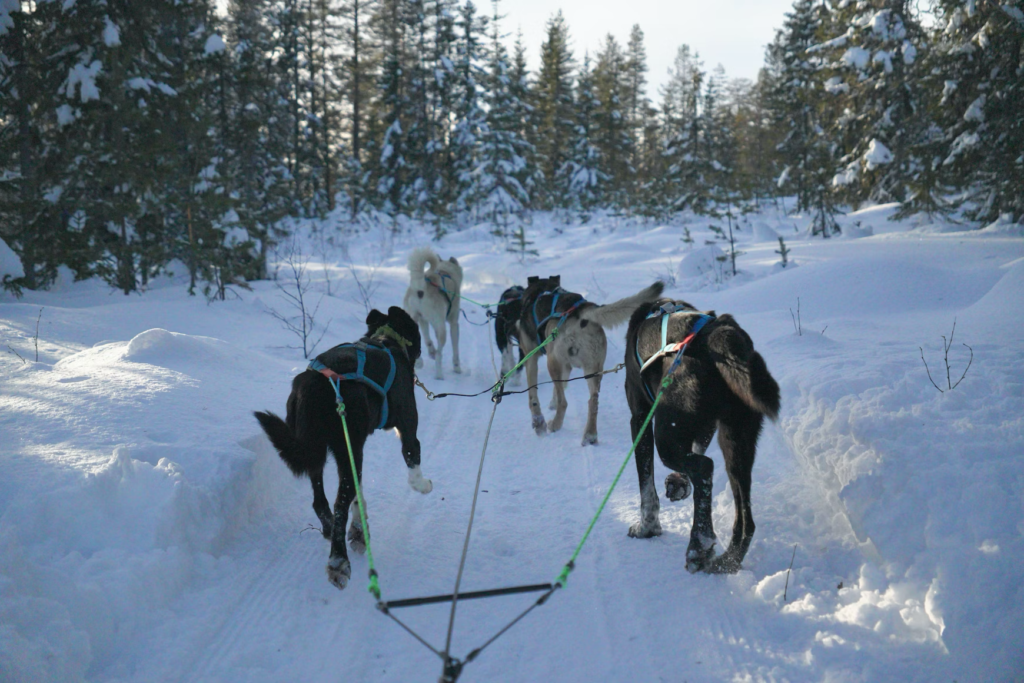
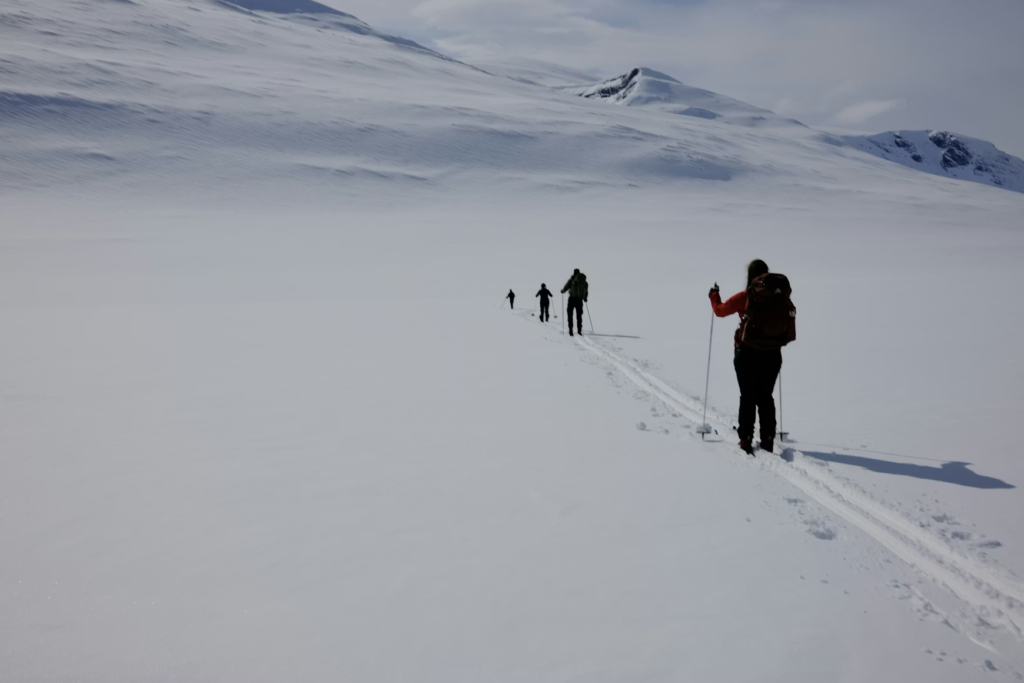
For those seeking adventure, dog sledding and snowshoeing are popular winter activities in Norway. Tromsø and Alta offer opportunities for dog sledding tours, where you can experience the Arctic wilderness in a unique and exhilarating way. Snowshoeing is another great way to explore Norway’s beautiful winter landscapes, especially in remote areas like the Lofoten Islands.
Sami Culture and Arctic Wildlife

Engage with the indigenous Sami culture by participating in cultural experiences such as reindeer sledding or learning about traditional Sami customs and lifestyle. Norway’s Arctic regions are also home to diverse wildlife, including whales, sea eagles, and Arctic foxes, making wildlife safaris another excellent way to enhance your Arctic adventure.
Conclusion: A Magical Experience Awaits

The Northern Lights in Norway are a once-in-a-lifetime experience that should be on every traveler’s bucket list. With careful planning, flexibility, and the right timing, you can maximize your chances of witnessing this natural wonder. Tromsø, Lofoten, and Alta offer some of the best locations for aurora sightings, each with its unique charm and activities. Whether you’re chasing the lights, experiencing Arctic adventures, or immersing yourself in local culture, Norway provides an unforgettable destination for those seeking the magic of the Northern Lights.