
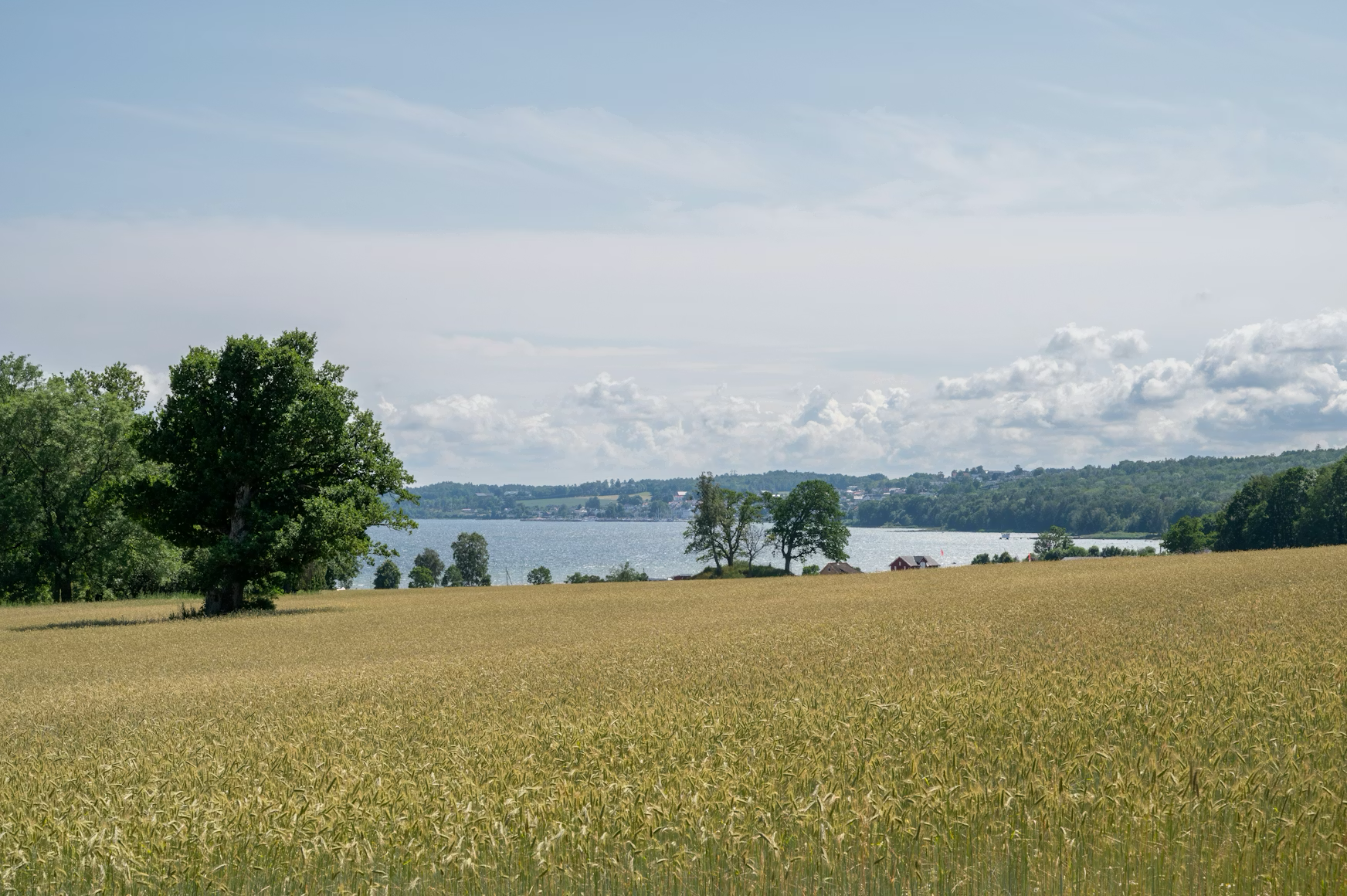
Norway, a land rich in natural beauty and history, is also the heart of Viking heritage. The Vikings, legendary seafarers and warriors, left a profound mark on the world, and their legacy is alive today in the form of historic sites, museums, and interactive experiences across Norway. For travelers eager to delve into the past, Norway offers numerous Viking-related destinations that allow for a hands-on exploration of this fascinating era. This guide provides you with practical insights into where to go, what to see, and how to make the most of your Viking history adventure in Norway.
1. Why Visit Norway for Viking History?
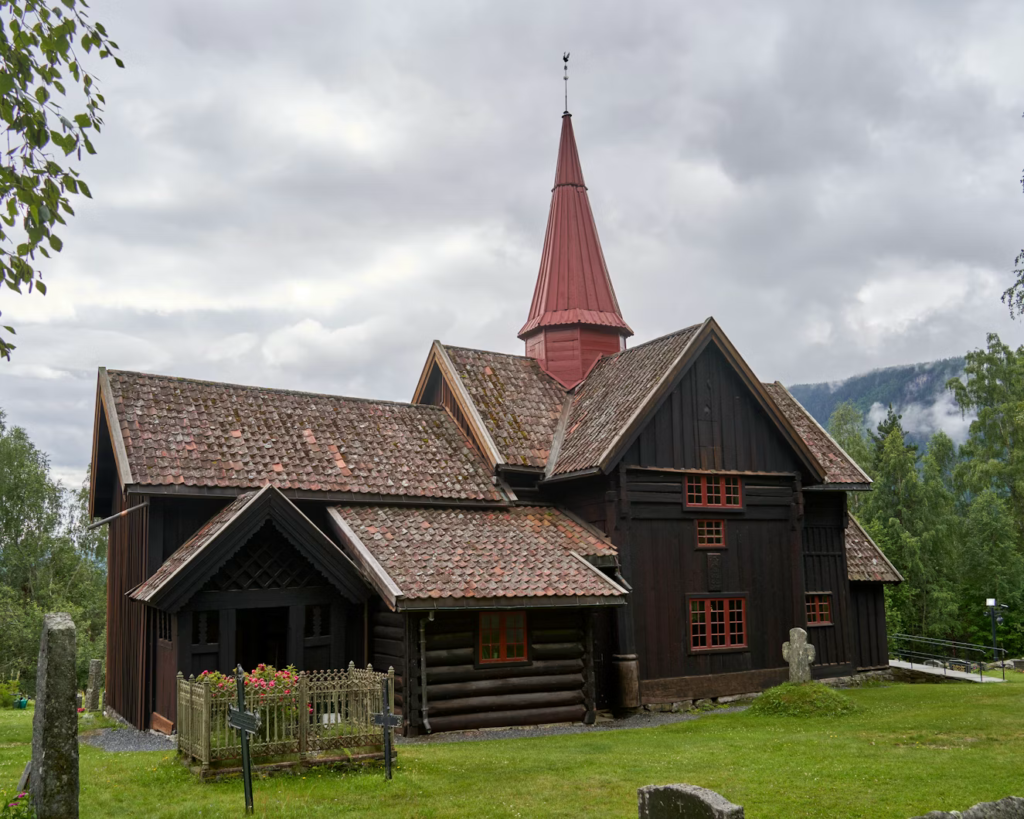
Norway is one of the best places in the world to explore Viking history. The Vikings originated from the Scandinavian region, and Norway holds some of the most significant sites that bring their ancient stories to life. These destinations aren’t just about historical artifacts; they offer a glimpse into Viking culture, daily life, and legendary explorations. From museums showcasing Viking ships to reconstructed Viking villages, there’s much to see and experience.
Whether you’re a history enthusiast or simply curious about this captivating culture, Norway offers immersive ways to learn about the Viking Age. The allure of the Viking heritage is more than just the tales of warriors; it’s also about the craftsmanship, the voyages, and the extraordinary way of life that shaped Europe and beyond.
2. Best Viking Sites in Norway
Oslo: The Viking Ship Museum and Beyond
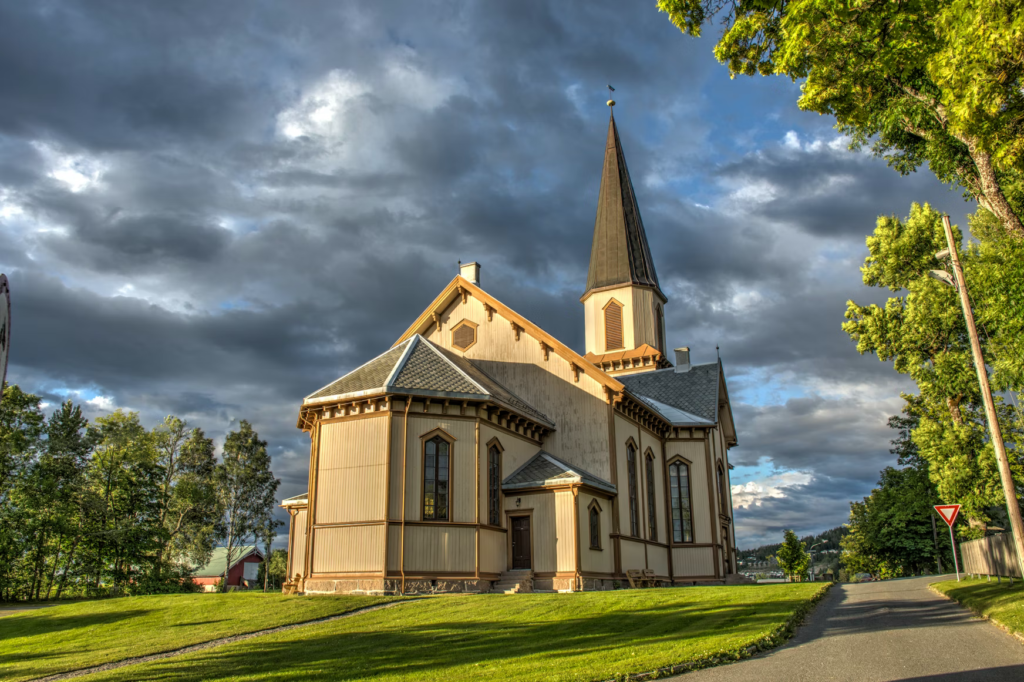
Oslo is home to one of the most renowned Viking museums, the Viking Ship Museum, located on the Bygdøy Peninsula. The museum displays several well-preserved Viking ships, including the Oseberg Ship, which was buried with a high-ranking woman and her possessions. This museum offers a detailed look at Viking burial rituals, seafaring life, and the craftsmanship behind the ships.
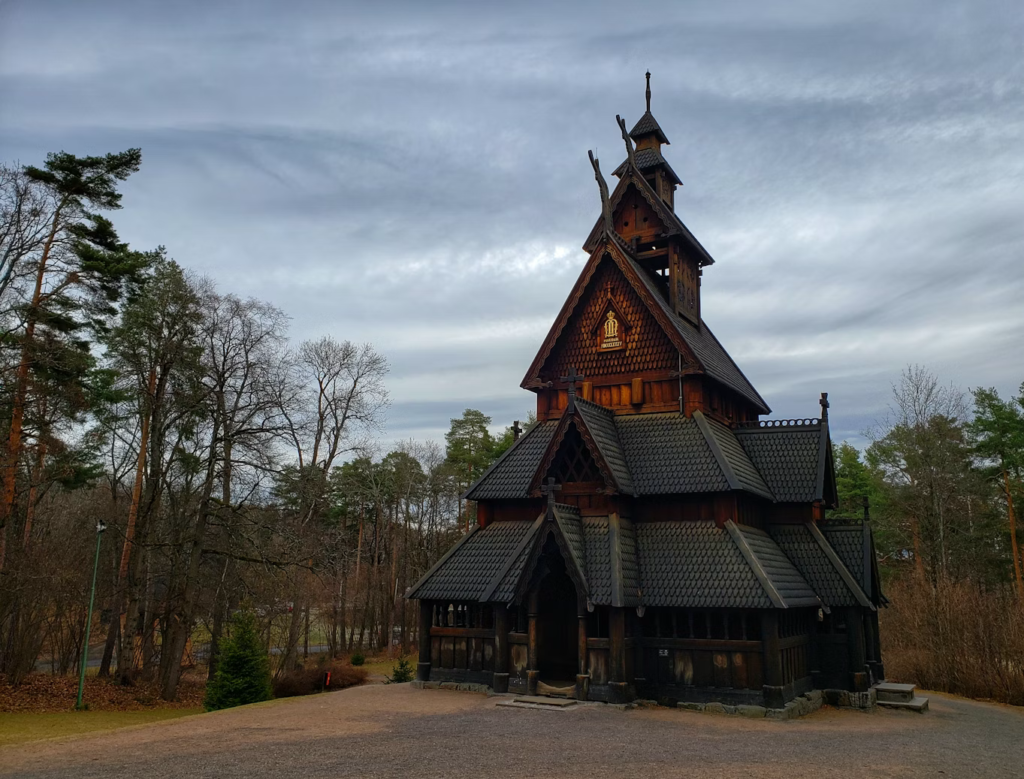
Besides the Viking Ship Museum, Oslo also features the Norwegian Museum of Cultural History, which has exhibitions dedicated to Norwegian history, including Viking heritage. While the museum is a must-visit, Oslo offers more than just Viking history; it’s also the cultural and political heart of modern Norway.
Tønsberg: Norway’s Oldest Viking Town
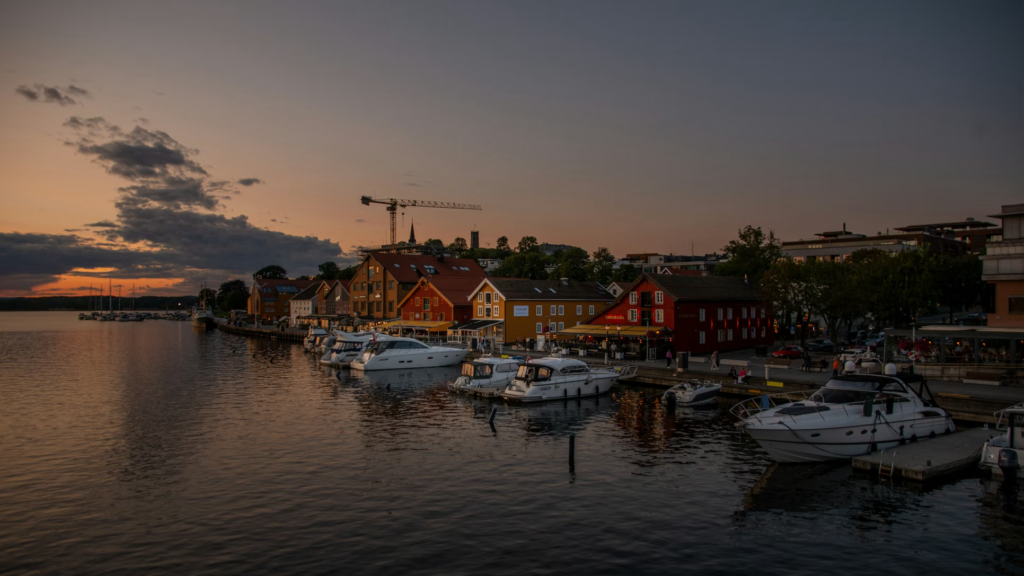
Tønsberg, considered Norway’s oldest town, has a rich Viking history.
It was a significant Viking trading port and later became a royal town. The city’s proximity to the UNESCO World Heritage-listed Vega Archipelago adds to its appeal. Visitors to Tønsberg can explore the medieval Tønsberg Fortress, the burial mound at Storhaug, and Viking-inspired landmarks. The city also hosts the Tønsberg Viking Festival, where visitors can experience Viking re-enactments, feasts, and learn about the Viking way of life.
For those interested in Viking settlements, Tønsberg is a perfect starting point. You can explore the Viking ships, artifacts, and replicas that tell the stories of this once-thriving maritime community.
Gudvangen: The Viking Village Experience
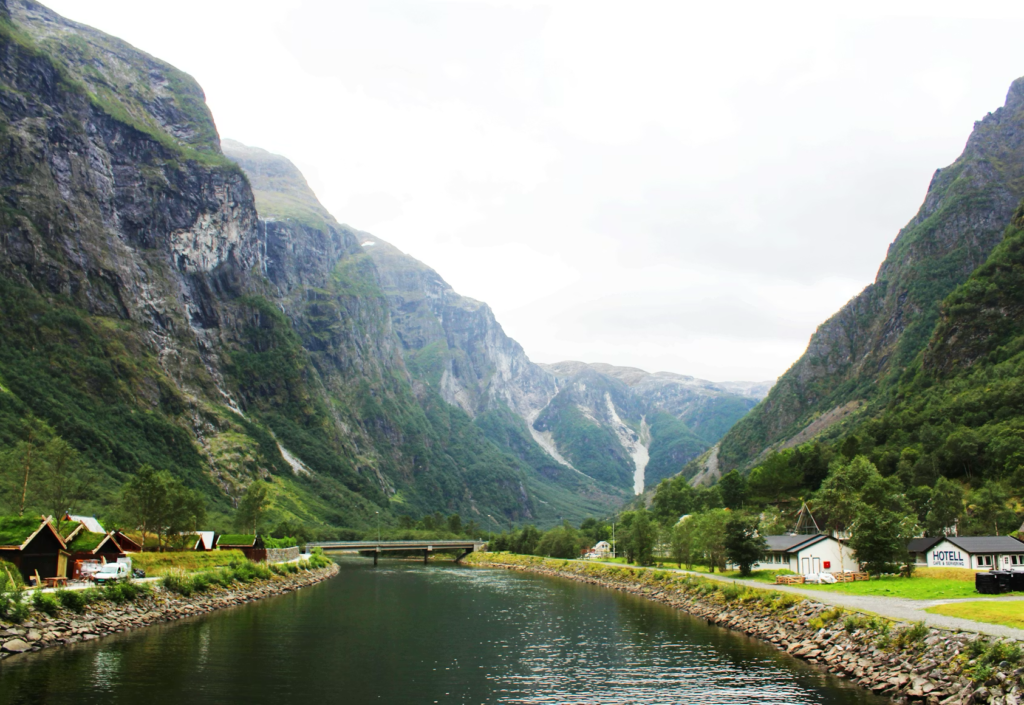
In the heart of the beautiful Nærøyfjord, Gudvangen is an incredible destination for anyone looking to immerse themselves in Viking culture. The Gudvangen Viking Valley is a reconstructed Viking village that offers a truly hands-on experience. Visitors can witness Viking re-enactments, tour Viking longhouses, and try out traditional Viking crafts like blacksmithing, archery, and woodworking.
Beyond the village, Gudvangen is nestled in one of the most stunning fjord landscapes in the world, adding an unparalleled backdrop to your Viking adventure. You can also enjoy local Viking-inspired cuisine, creating a truly immersive historical experience.
Lofoten Islands: Remote Beauty and Viking Heritage
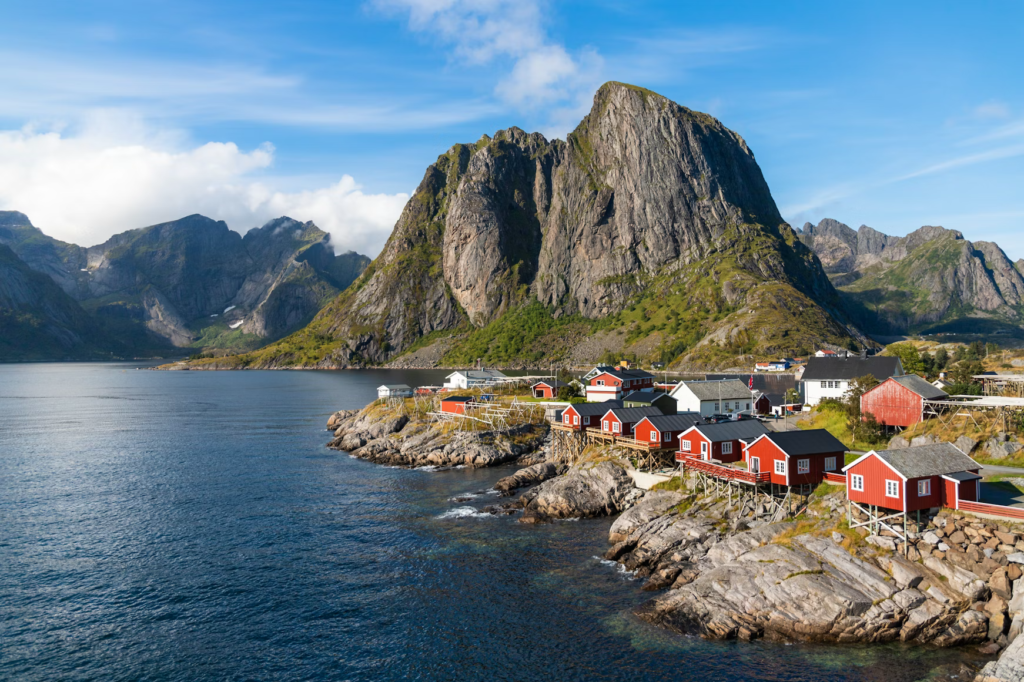
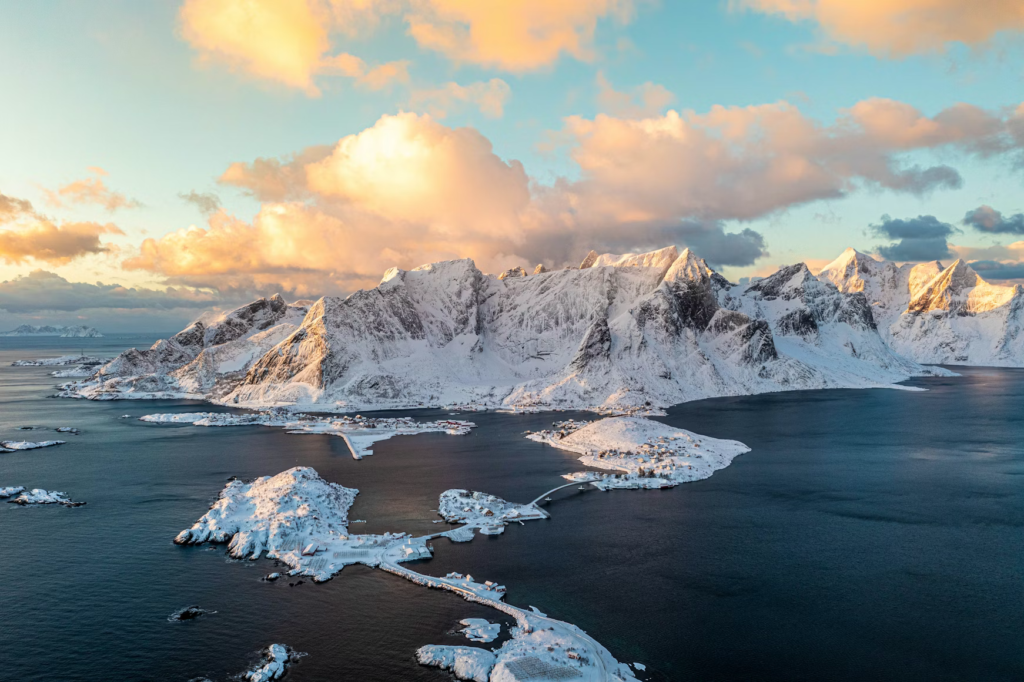
The Lofoten Islands, known for their dramatic landscapes, are also steeped in Viking history. The Lofotr Viking Museum in Borg offers an interactive experience where visitors can walk through a reconstructed Viking chieftain’s longhouse. This museum provides a window into Viking social life, with exhibitions about daily life, Viking ceremonies, and their farming and fishing practices.
Lofoten’s remote location and natural beauty make it a must-visit for those wanting to experience both Viking culture and some of the most stunning landscapes in Norway. While you’re there, take the opportunity to engage in outdoor activities like hiking and kayaking, and explore the rugged terrain that the Vikings once called home.
Avaldsnes: The Viking Kingdom
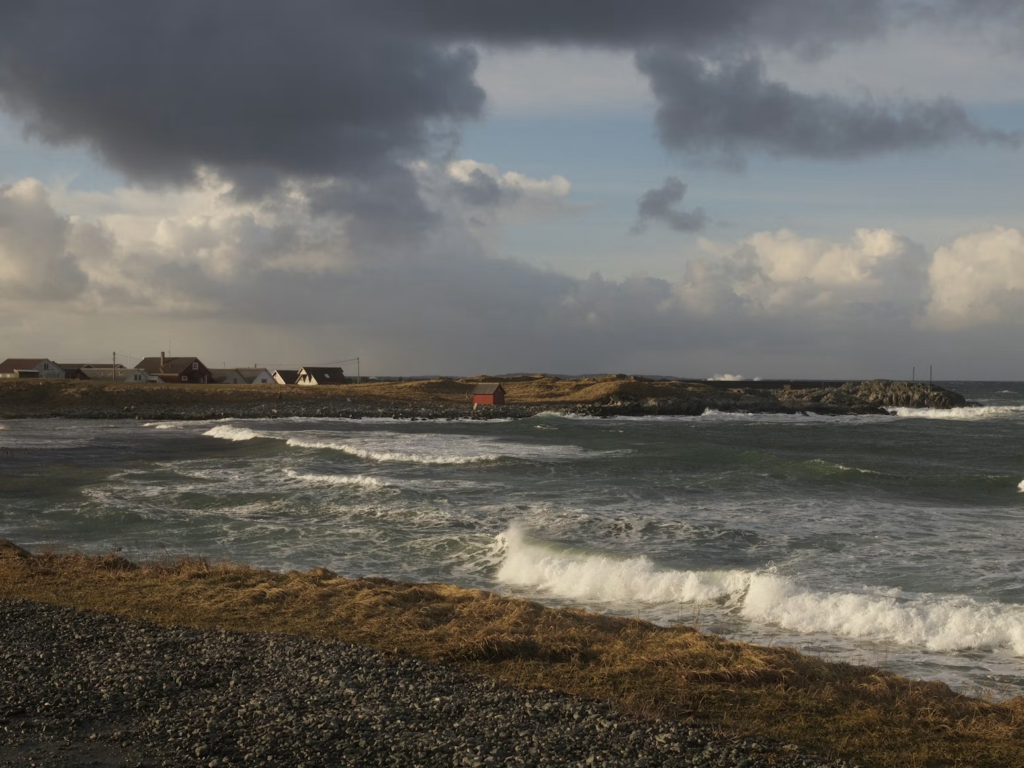
Avaldsnes, located on the Karmøy Island, is considered the ancient capital of Norway and an essential Viking heritage site. The Avaldsnes Viking Centre offers visitors a chance to step back in time, where they can explore an archaeological site, Viking longhouses, and learn about the kings who ruled Norway during the Viking Age.
The center also runs guided tours that explain the historical significance of the area, from Viking burial mounds to the Viking boat grave at the Nordvegen History Centre. Avaldsnes is an excellent location for those interested in the political and royal aspects of Viking history, as it was the seat of several Viking rulers.
3. Immersive Viking Experiences
For those looking to experience Viking history beyond just visiting museums and sites, Norway offers a variety of interactive experiences. Viking festivals, live-action re-enactments, and Viking feasts are a popular way to engage with the past.
Viking Festivals
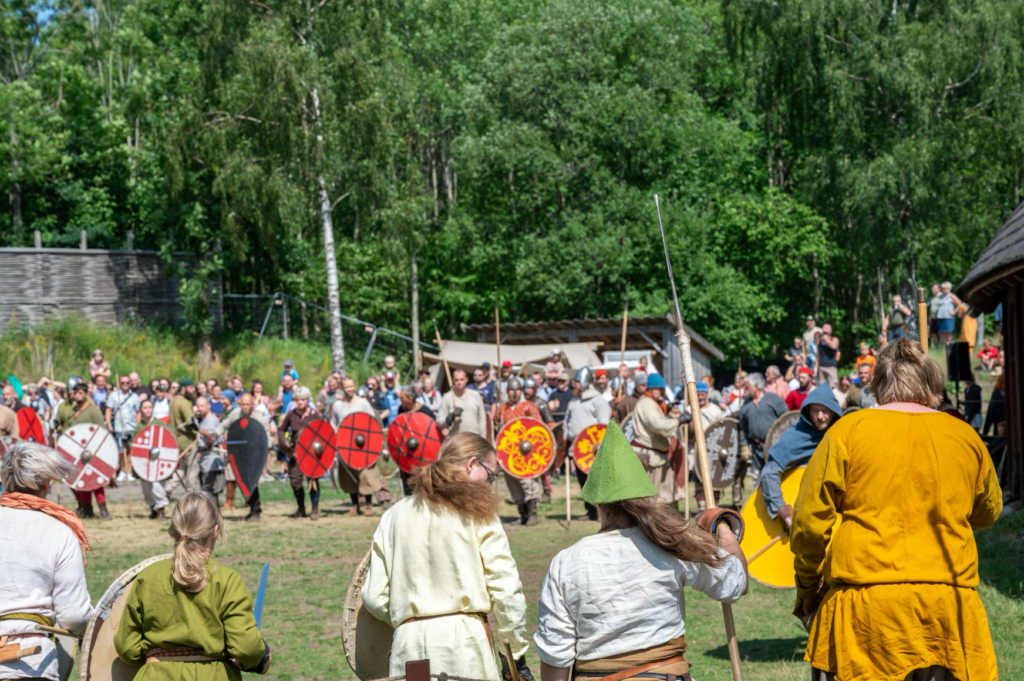
Many towns and cities in Norway host Viking festivals during the summer months. These festivals often feature Viking reenactments, storytelling, traditional music, and even Viking feasts. The Viking Festival in Lofoten and the Viking Market in Tønsberg are notable examples where visitors can participate in traditional crafts, experience Viking life, and enjoy a truly immersive cultural experience.
Viking Hiking Adventures
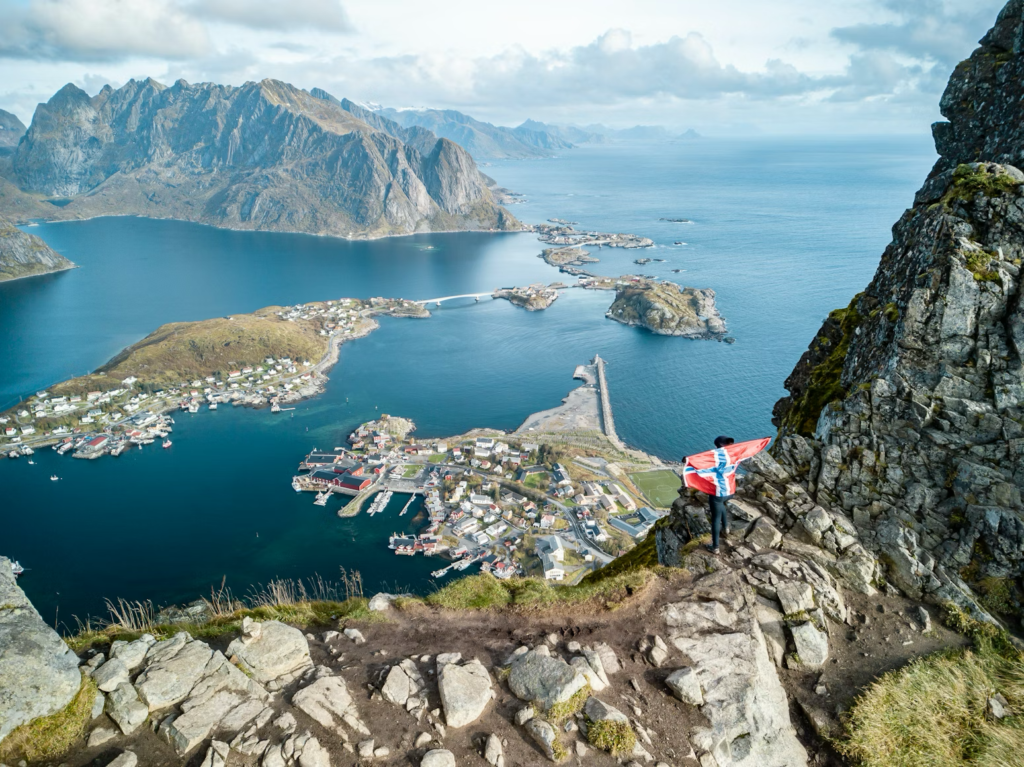
For more adventurous travelers, hiking routes through historic Viking areas offer a chance to explore Norway’s landscapes while connecting with its Viking past. The Viking Trail in the Lofoten Islands is a great way to combine outdoor adventure with history, taking you through key Viking sites with scenic views of fjords, mountains, and the sea.
4. Practical Travel Tips
When to Visit
The best time to visit Norway for Viking history is during the summer months (June to August), when the weather is more favorable and festivals are in full swing. However, winter travel, while colder, provides a different perspective, particularly in areas like Lofoten, where the Northern Lights can add an extra layer of magic to your Viking experience.
Getting Around
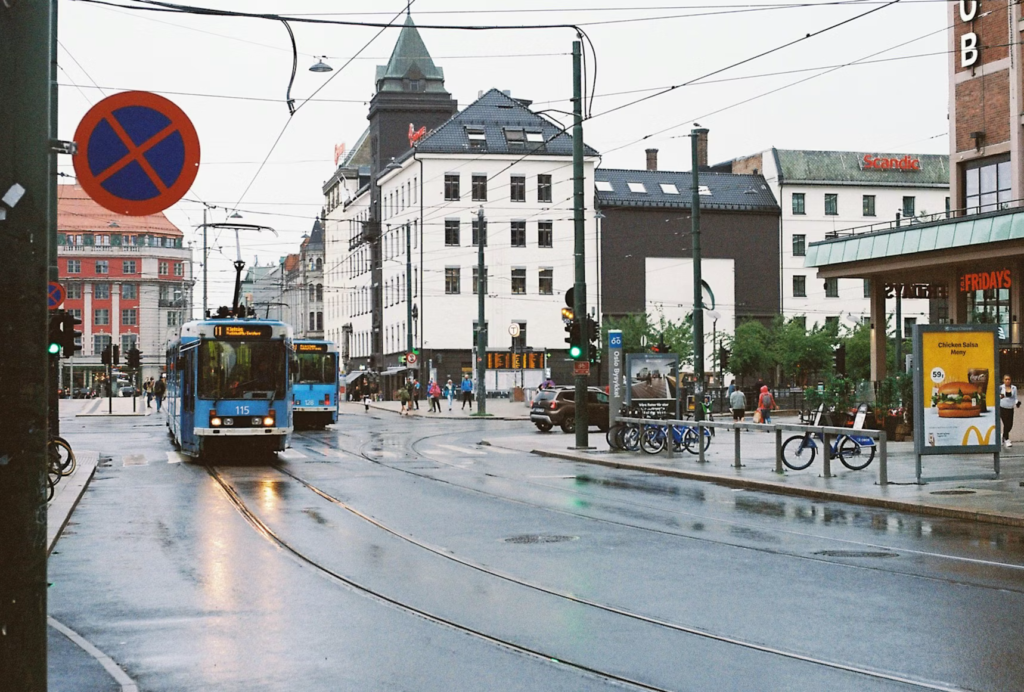
Norway is a large country, and many of the Viking sites are spread out, requiring some planning to travel between them. Renting a car is the best way to explore the more remote sites, especially in areas like Lofoten and Gudvangen. For cities like Oslo and Tønsberg, public transportation is efficient, but getting to the Viking sites in rural areas may require guided tours or car rentals.
Budget Considerations
Visiting Viking heritage sites can be relatively affordable, but prices vary depending on the region and the type of experience. Entry fees for museums and activities like Viking feasts or tours may range from moderate to high, so it’s important to budget accordingly. Some festivals and reenactments may also charge an entry fee, so be sure to research ahead for costs.
5. Conclusion: A Journey Through Viking History
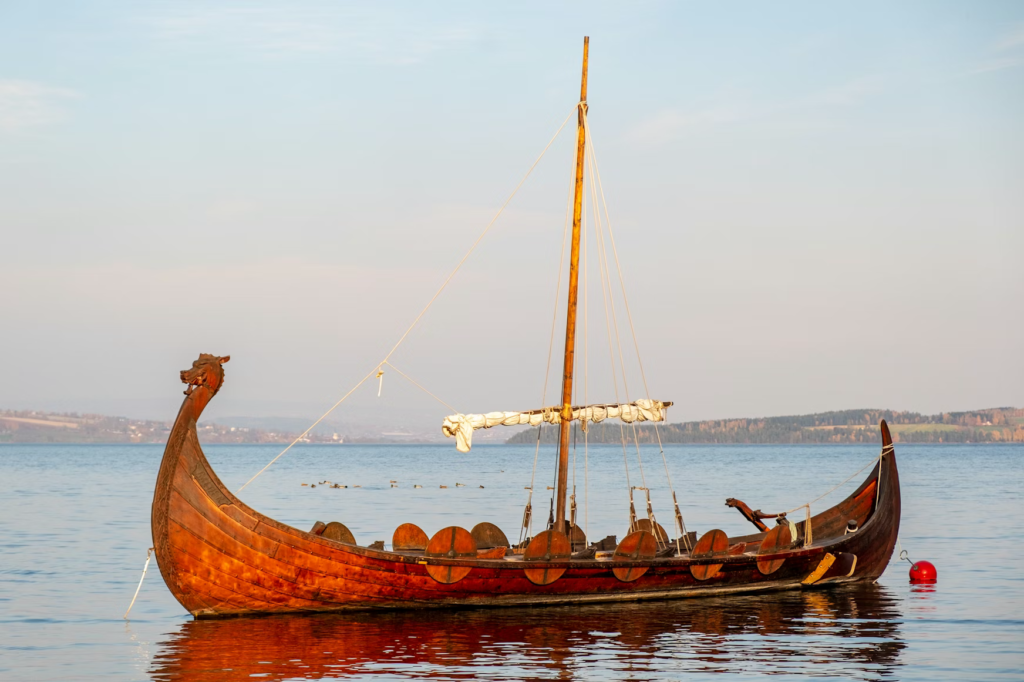
Norway offers a wealth of Viking history and culture, from ancient burial sites to immersive Viking villages. Whether you’re exploring the Viking Ship Museum in Oslo or experiencing Viking life firsthand at Gudvangen, there is something for every traveler interested in this fascinating era. By visiting these key sites and participating in interactive experiences, you can gain a deeper understanding of the Viking Age and its profound influence on Scandinavian history.
Planning a Viking-themed trip to Norway allows you to step back in time, while also enjoying the country’s stunning natural beauty. Whether you’re a history buff or someone seeking a unique cultural experience, Norway’s Viking heritage offers a truly unforgettable journey.