
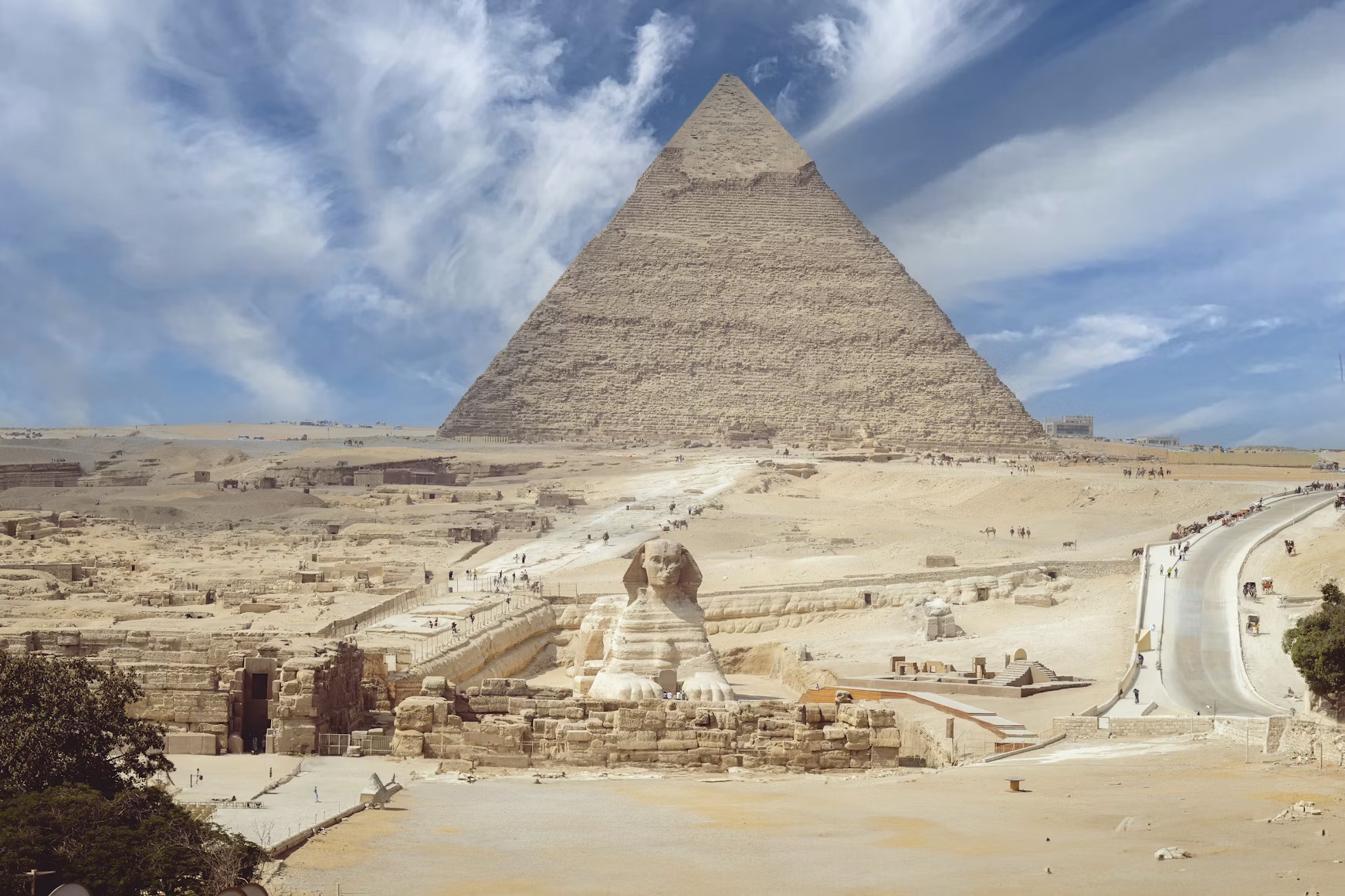
The Pyramids of Giza, the last of the ancient wonders still standing, draw millions of visitors from around the world each year. As one of Egypt’s most iconic landmarks, these monumental structures have stood for over 4,500 years, offering a glimpse into the country’s vast historical and architectural achievements.
But visiting this monumental site raises a critical question: how should travelers approach their trip to Giza, given the complexities of time, effort, and the experience itself? In this article, we’ll examine what to expect when visiting the Pyramids of Giza and explore the practical considerations to help you make an informed decision about your visit.
The Expectations: A Grand Historical Experience
For many, the expectation of visiting the Pyramids is a profound cultural and historical experience.
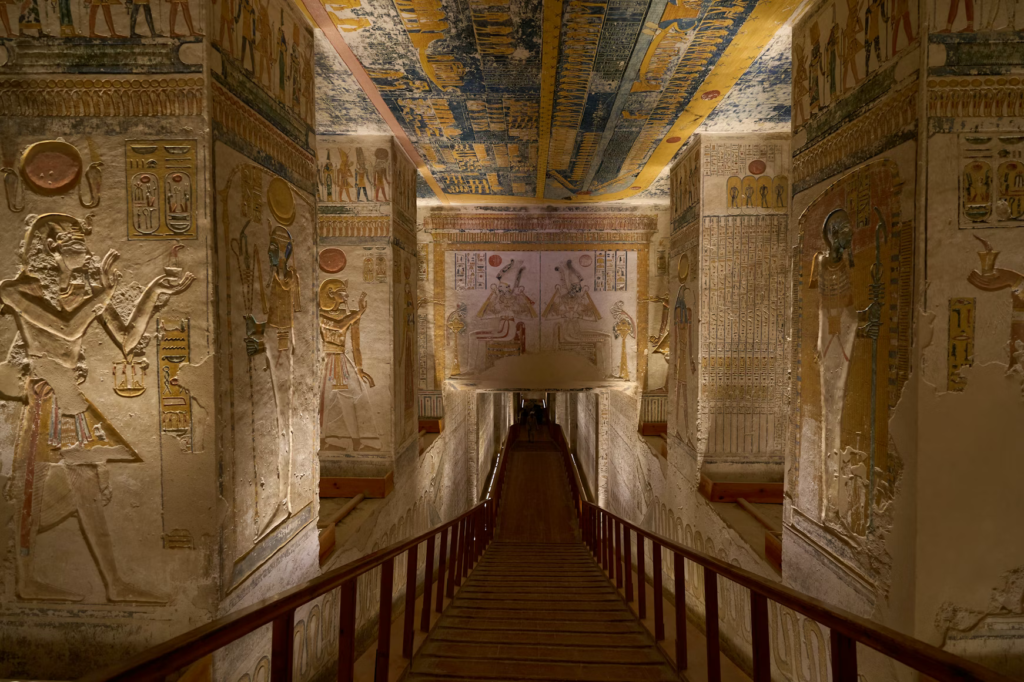
These structures embody the grandeur of ancient Egypt and its rich legacy, offering visitors the chance to witness one of the world’s oldest and most enduring civilizations up close. The sheer scale of the pyramids, particularly the Great Pyramid of Giza, is awe-inspiring. Most travelers come prepared for an immersive journey through history, imagining themselves standing in the shadow of these ancient monuments, walking alongside the Sphinx, and exploring the tombs within.
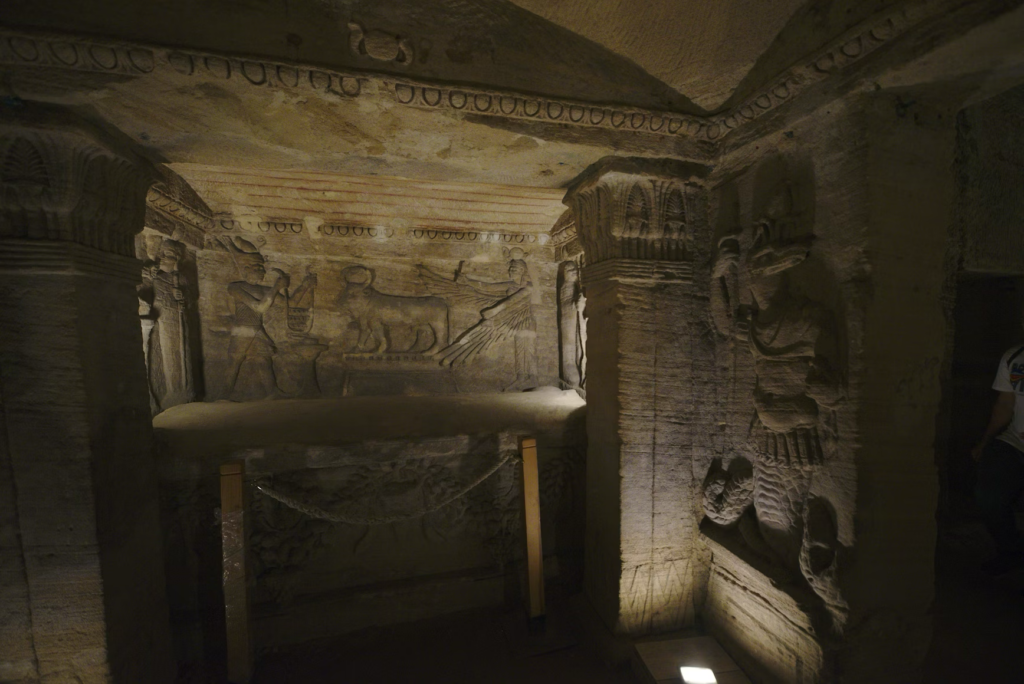
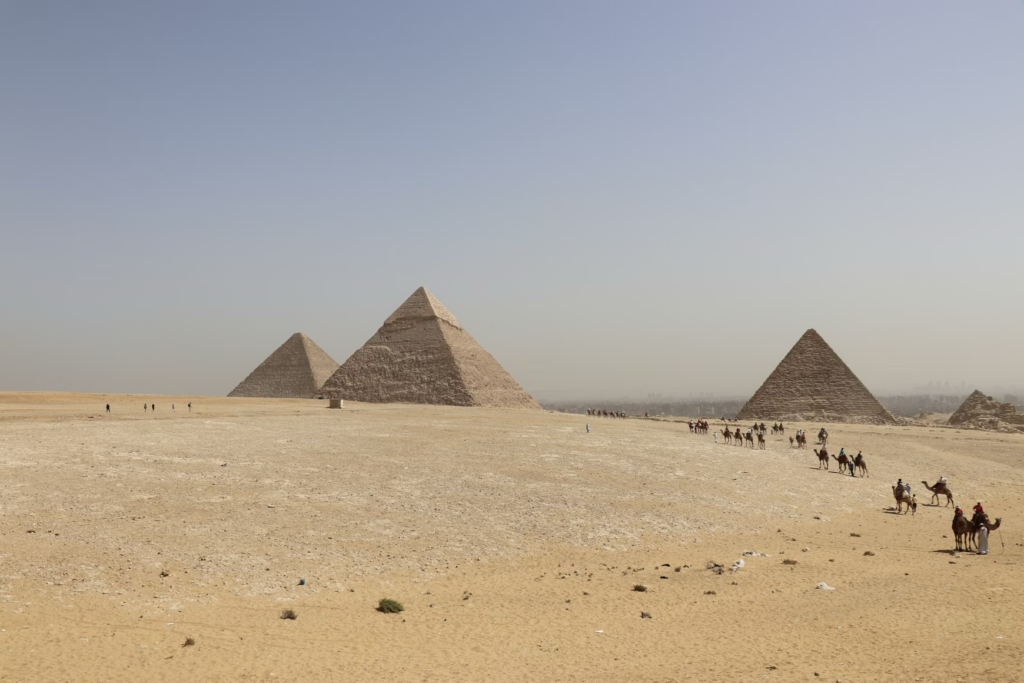
The experience of seeing the pyramids in person often lives up to the anticipation. The magnificence of these structures, particularly when viewed against the backdrop of the desert, is undeniably impressive. For history buffs and those with a deep interest in ancient civilizations, there’s a sense of reverence as you explore the site.
However, there are certain realities that travelers should be prepared for when it comes to visiting Giza.
The Reality: Crowds, Heat, and Physical Demands
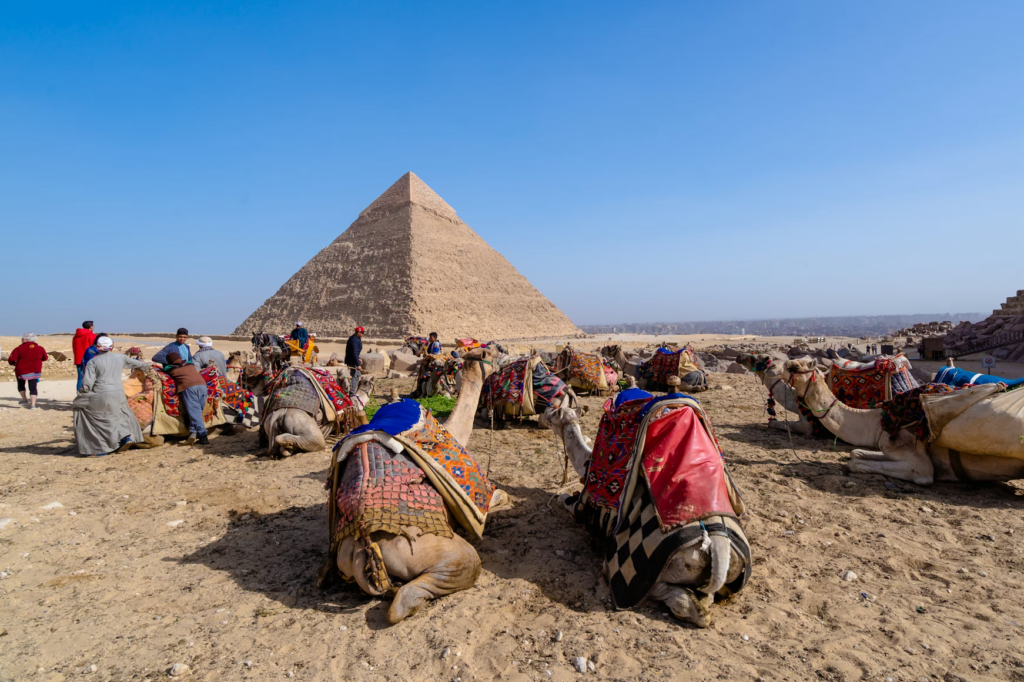
While the pyramids themselves live up to the expectations of grandeur, the reality of visiting can be more complex. Giza, as one of the most famous tourist attractions in the world, attracts significant crowds year-round. This means long lines, congestion, and the challenge of navigating the site alongside other tourists. Visitors should be prepared for this bustling atmosphere and factor in the time it might take to move through popular spots.
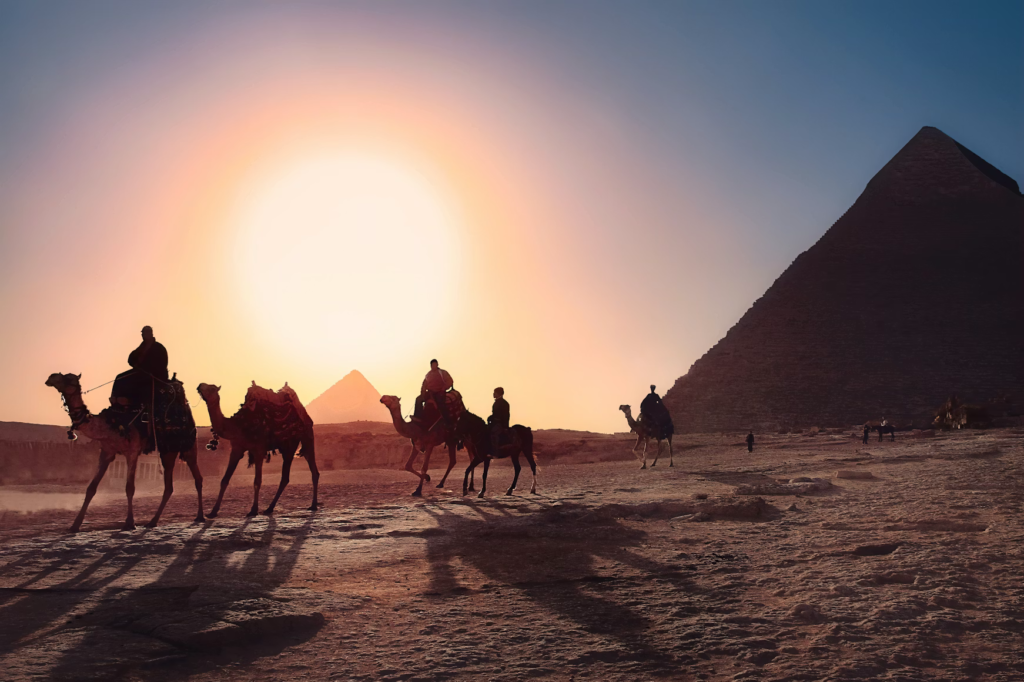
The heat can also be an issue, especially during the summer months. The desert climate is unforgiving, with temperatures often soaring above 100°F (38°C). Travelers should plan accordingly, wearing appropriate clothing, staying hydrated, and ensuring they take breaks in the shade. The physical effort required to explore the site shouldn’t be underestimated. While there are transport options, including camels or carts, much of the exploration is done on foot, and some areas may require climbing or navigating uneven terrain.
Accessibility Concerns
The Pyramids of Giza aren’t particularly accessible for visitors with limited mobility. While there are certain accommodations in place for those with physical challenges, such as transport services, the terrain around the pyramids can be difficult for those who have difficulty walking long distances or climbing. Those with mobility issues may need to carefully plan their visit or consider whether alternative experiences, such as viewing the pyramids from afar, might be more suitable.
Suitability: Who Should Visit the Pyramids of Giza?
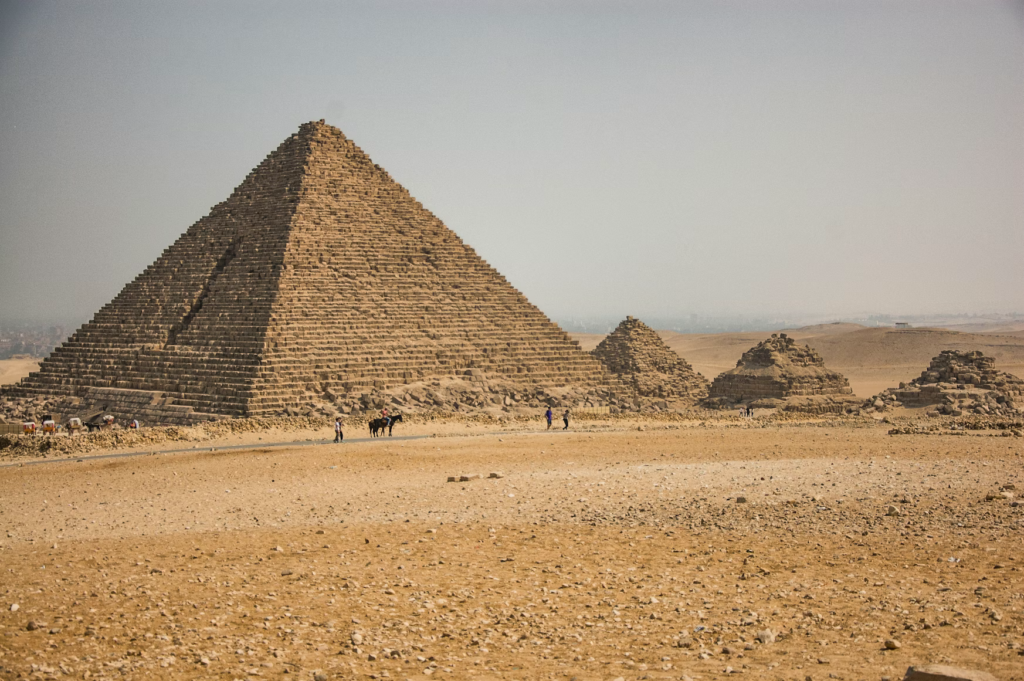
The pyramids offer an unparalleled experience for anyone interested in history or ancient architecture. However, not every traveler may find the site equally rewarding. For those who are physically fit, enthusiastic about history, and prepared for crowds, a visit to the pyramids can be a highlight of a trip to Egypt. The opportunity to explore these ancient wonders, particularly with the guidance of an Egyptologist, can provide a deeply enriching experience.
For families with young children, or older travelers, the demands of the visit, both in terms of physical exertion and the extreme weather conditions, should be carefully considered. While there are options to ease the physical strain, such as hiring a guide with transport or booking a tour that includes visits to cooler, less crowded times, younger children or elderly travelers might find the experience challenging.
Budget-conscious travelers should also take note of the costs associated with visiting Giza. Entrance fees, guided tours, and transport can add up, making it a more expensive day trip compared to other sightseeing opportunities.
Visiting Off-Peak
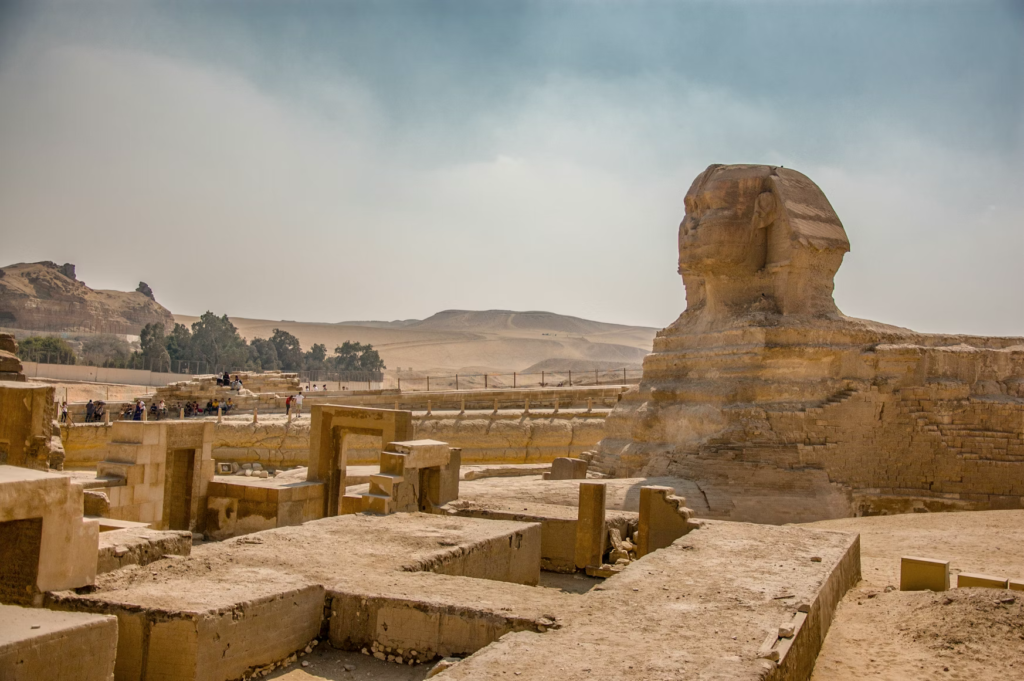
One way to make the most of your visit, especially in terms of avoiding crowds, is to plan your visit during the off-peak hours. Arriving early in the morning or later in the afternoon can help you avoid the busiest times, allowing for a more serene and immersive experience. However, be prepared to face the heat, as the sun can still be intense during these hours, even if crowds are fewer.
Trade-Offs: Balancing Convenience and Authenticity
When visiting the Pyramids, there’s an inherent trade-off between comfort and authenticity. Guided tours, which are highly recommended for a deeper understanding of the pyramids’ history, often offer more convenience but can lead to a more structured experience. This may feel limiting for those looking for more personal engagement or flexibility during their visit.
On the other hand, independent exploration of the site offers greater freedom but requires a higher level of self-sufficiency. The lack of signage in some areas, coupled with the sprawling nature of the site, can make it challenging to navigate without a guide. Travelers must also be prepared to deal with the crowds and the intense desert heat.
For those seeking an authentic experience, combining a guided tour with some independent exploration could offer the best of both worlds: gaining insights from an expert guide, while also allowing time for personal reflection and discovery in less crowded corners of the site.
Time & Energy Optimization: Making the Most of Your Visit
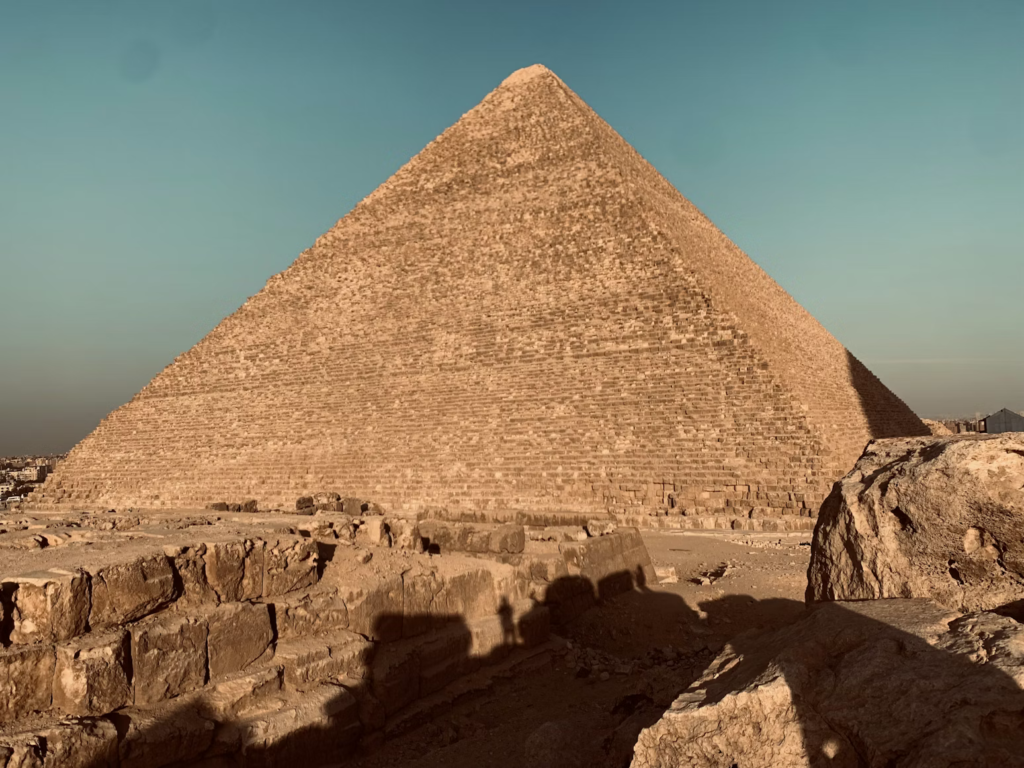
The Pyramids of Giza can take up a significant portion of your day. With the site’s vast expanse, it’s important to optimize your time to avoid burnout, especially in the heat. If your time in Egypt is limited, prioritizing the Great Pyramid of Giza, the Sphinx, and the surrounding pyramids can allow you to see the most important elements of the site without feeling rushed.
Taking a break midway through your exploration, perhaps at one of the nearby cafes or shaded areas, can help you recharge and continue without feeling overwhelmed. Additionally, using time wisely means factoring in travel time to and from the pyramids, especially if you’re coming from Cairo. The journey to Giza can be short, but traffic congestion is common, particularly during peak hours.
Conclusion: Is Visiting the Pyramids of Giza Right for You?
A visit to the Pyramids of Giza offers a remarkable opportunity to connect with one of the world’s most significant historical sites. For history lovers, architecture enthusiasts, and those eager to witness the grandeur of ancient Egypt, the experience can be awe-inspiring and deeply rewarding. However, it’s essential to prepare for the physical demands, the crowds, and the heat that come with such a popular destination. By understanding the trade-offs and planning your visit around your own preferences, whether it’s in terms of comfort, timing, or accessibility, you can ensure that your trip to Giza becomes a memorable and worthwhile experience.