

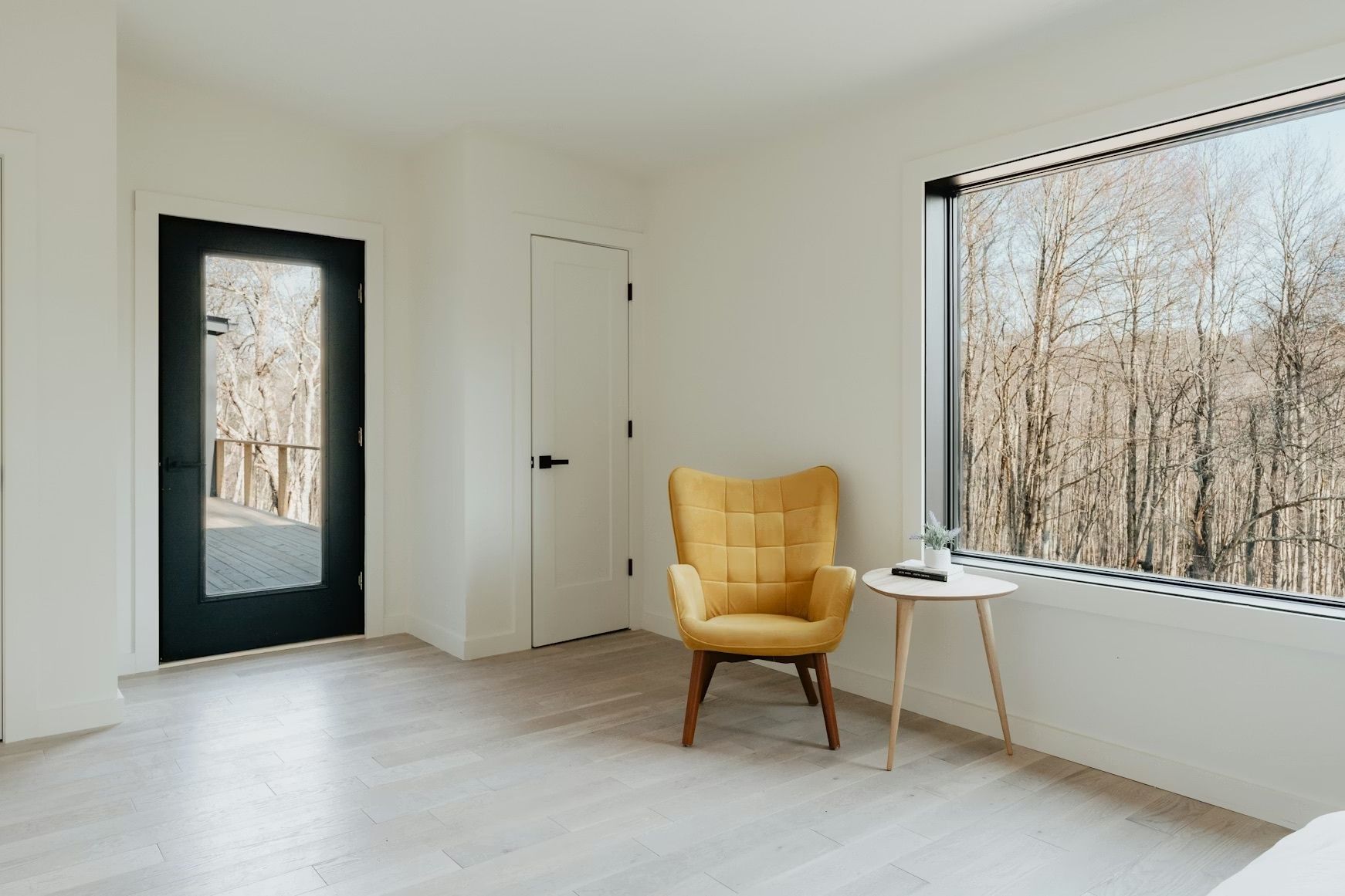
When arrival feels finished before anything has settled
Remote travel often gives the impression of being settled earlier than it truly is, because the visible parts fall into place quickly.
The apartment functions, the internet holds, groceries are located, routes are learned. The city becomes navigable rather than unfamiliar. From the outside, the move appears complete, and that appearance quietly sets an expectation that the internal shift should follow along the same timeline.
What trails behind is more difficult to register, as the body remains alert and attention continues to scan, with even repeated decisions still drawing effort. Everything works, though the edges haven’t softened. Arrival exists in logistics long before it reaches the nervous system.
The first weeks move faster than they feel
In the early stretch, time behaves unevenly. Days stay active and full, without yet carrying much weight. Momentum comes from change itself and keeps things moving. Work resumes out of necessity, life organizes around what needs to be done, and the city cooperates just enough to let everything continue without interruption.
This period often feels functional, steady enough to keep going. The days hold together easily enough, making staying feel plausible, while the lack of familiarity remains indistinct, its absence softened by motion before the question of fit has time to surface.
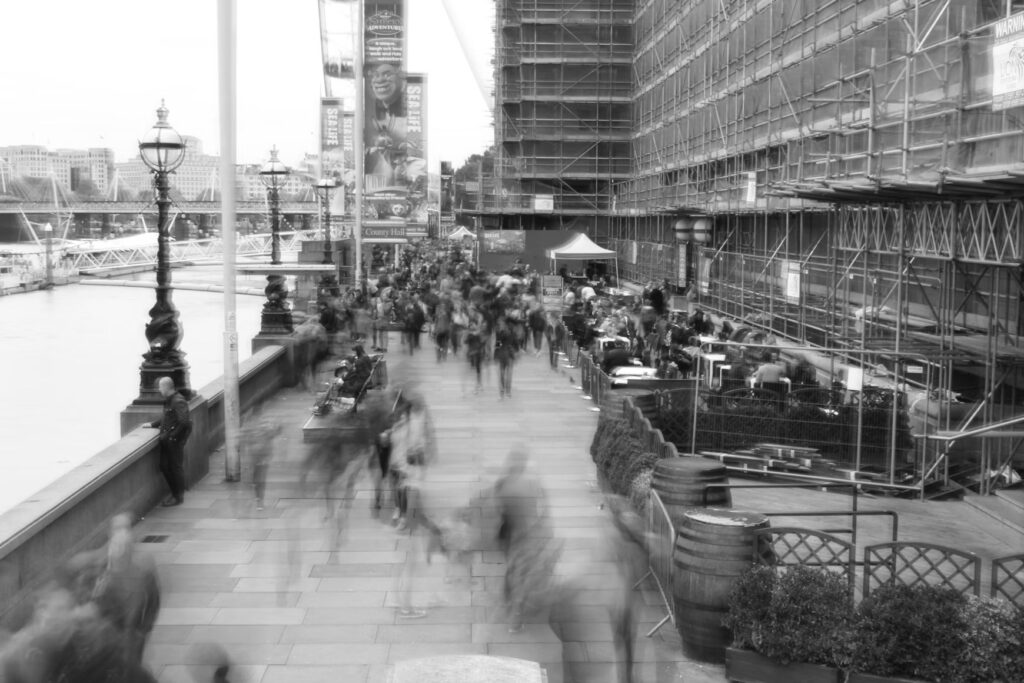
When novelty fades before belonging appears
The city no longer feels new, not quite familiar yet, as days begin to repeat without building toward anything. Work continues, settling into it requiring more effort, as small frictions that once felt interesting begin to weigh more quietly. A quiet uncertainty gathers over time. The initial momentum fades, and the place doesn’t quite take its place.

The middle stretch where most people leave
For many remote travelers, the in-between period is the hardest to stay with. Everything seems to hold well enough, leaving little to respond to, and the days settle into a neutral flow that offers no clear signal in either direction.
This is often the point where movement becomes tempting again. Leaving suggests relief, staying feels uncertain, and the idea that settling should have already happened creates pressure, even though the body hasn’t finished adapting. What is often interpreted as failure is an adaptation process that hasn’t been given time to complete.
When familiarity starts to carry weight
With enough time, a quiet shift takes place. The environment recedes from attention, allowing work and movement to settle into a steadier rhythm without competing for focus. The place never quite announces itself as home. Urgency loosens over time, days stack without resistance, and the city settles into something that is simply lived in.
Why settling rarely follows a clear timeline
There is no fixed point at which remote travel feels settled. What matters more is how long the middle stretch is allowed to exist without being rushed or avoided. Settling arrives as repetition is given enough time to soften both novelty and doubt.
Places settle into the body at different speeds, revealing themselves gradually as time is allowed to stretch. Early excitement and early stagnation often belong to the same unfolding, shaped more by duration than by the place itself.
When staying becomes quieter than leaving

Remote travel begins to feel settled once staying no longer calls for explanation, when days move without justification, work fits without negotiation, and life unfolds without constant comparison. The sense of being suspended between options gradually fades as the place stops asking to be decided. Settling marks a shift in how time is carried, when it no longer needs to be endured or escaped, and life continues to take shape where you already are.