

Bangkok and Chiang Mai are often placed side by side in travel decisions. Bangkok is usually described through its scale and movement, while Chiang Mai is introduced more quietly, through its geography and pace. That contrast is familiar enough that many travelers feel they’ve already decided before the trip even begins.
What tends to surprise people is how much that first impression changes after a few days. Once you’re no longer arriving, checking in, and filling every hour with plans, the cities begin to show themselves in subtler ways. The difference stops being about what you can see and starts to feel more like a question of how you move through each day.
Bangkok After the First Few Days
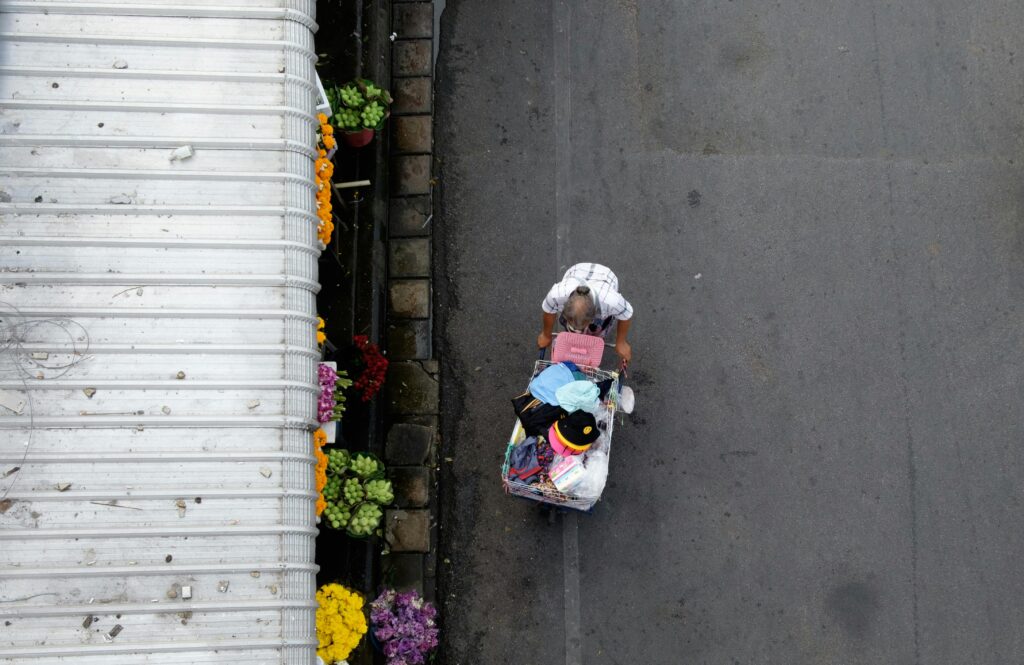
Bangkok usually makes itself known immediately. Heat, traffic, and scale arrive together, and the city doesn’t give much space to ease in. Streets feel active at all hours, and even short distances can take time. Food appears everywhere, often without clear boundaries, and entire neighborhoods seem to overlap rather than separate cleanly.

In the early part of a trip, this density often feels rewarding. There’s a sense that time is being used fully. A single afternoon can include a temple visit, a market, a long train ride, and dinner somewhere entirely different in character. Variety comes easily, even if effort is required to reach it.

As the days pass, that effort becomes more noticeable. Distances don’t shrink, and the heat remains constant. Getting around works quietly, without demanding much of you. Some travelers adapt by building pauses into their days, retreating indoors during the hottest hours and choosing neighborhoods carefully. Others begin to feel worn down in quieter ways, realizing that even enjoyable plans require energy they didn’t expect to spend.
Bangkok can stay engaging longer than expected, especially if you enjoy noticing how the city works as you move through it. Air-conditioned trains, malls, and high-rise hotels give you places to step back before heading out again. Still, the scale doesn’t fade.
Chiang Mai as Daily Life, Not a Highlight Reel

Chiang Mai tends to reveal itself more slowly. Streets are easier to navigate, and the city’s layout becomes familiar quickly. Many travelers notice this within the first day, often without consciously thinking about it. Getting from one place to another feels straightforward, and mornings arrive with less urgency.
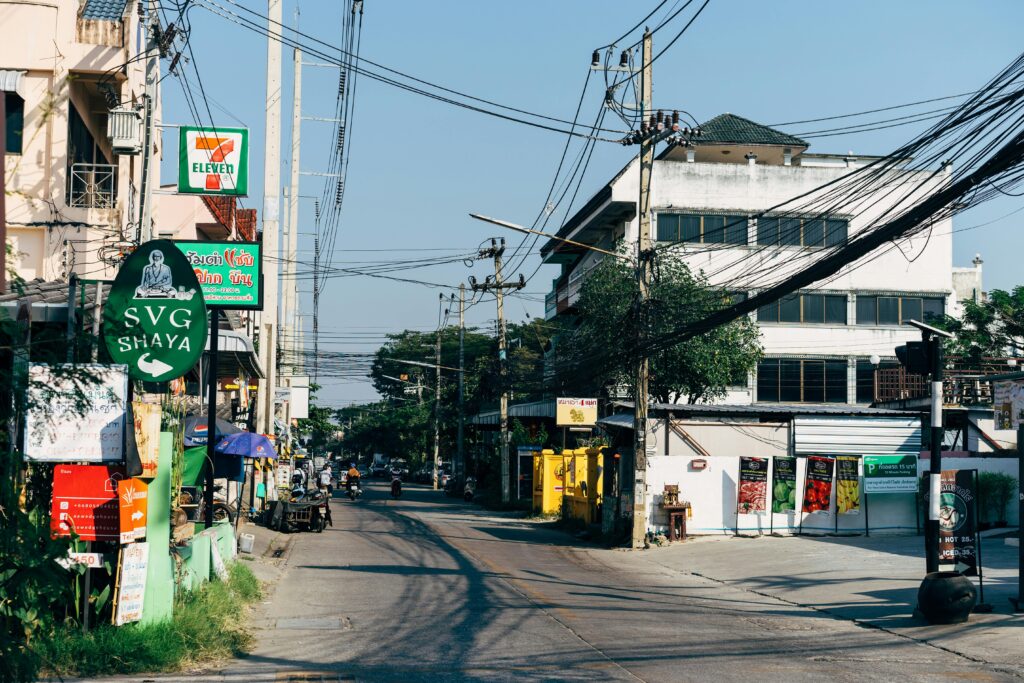
As the days pass, that sense of ease settles in. Plans stop needing much thought, and repeating the same routes begins to feel natural. Eventually, though, that familiarity can shift. Returning to the same café or walking the same streets may start to feel oddly flat, just quieter than some travelers expect.
It isn’t that there’s anything wrong with staying put. The city simply keeps presenting other options, and it becomes easier to keep moving than to settle into repetition.
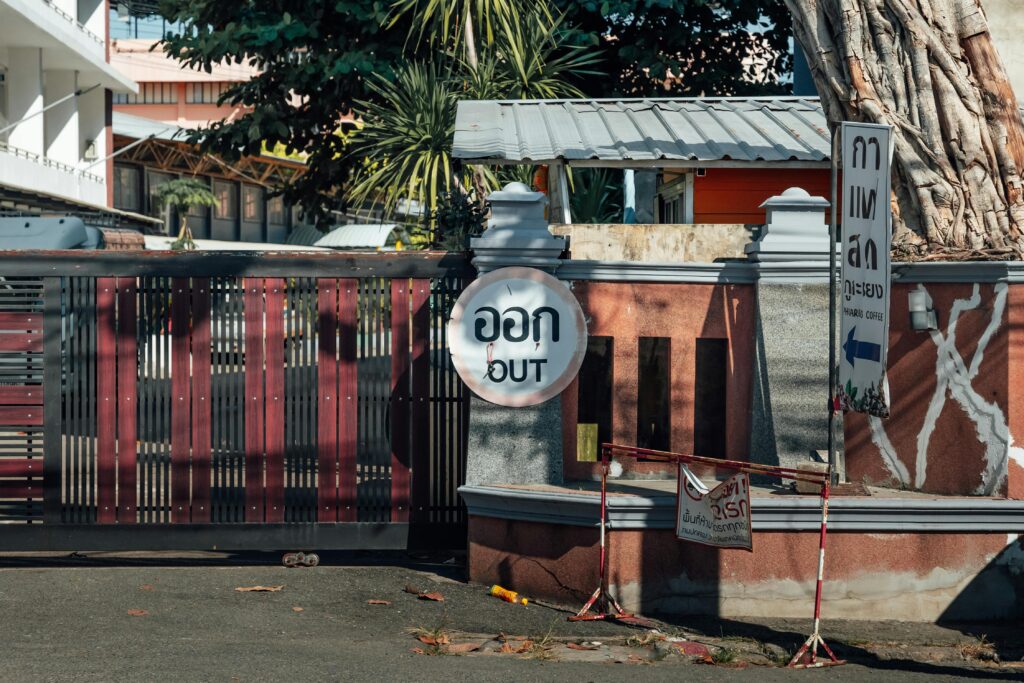
For travelers who value calm and routine, this can feel grounding. Chiang Mai makes it easier to slow down without feeling like you’re missing something essential. The surrounding nature reinforces that feeling, even on days when you don’t leave the city itself.
That same structure can feel restrictive to others. Because the city is smaller, options repeat sooner. Even when there is plenty to do, the range feels narrower over time. Travelers who rely on constant stimulation or variety may start to feel restless, especially in the evenings.

How Time Changes the Choice
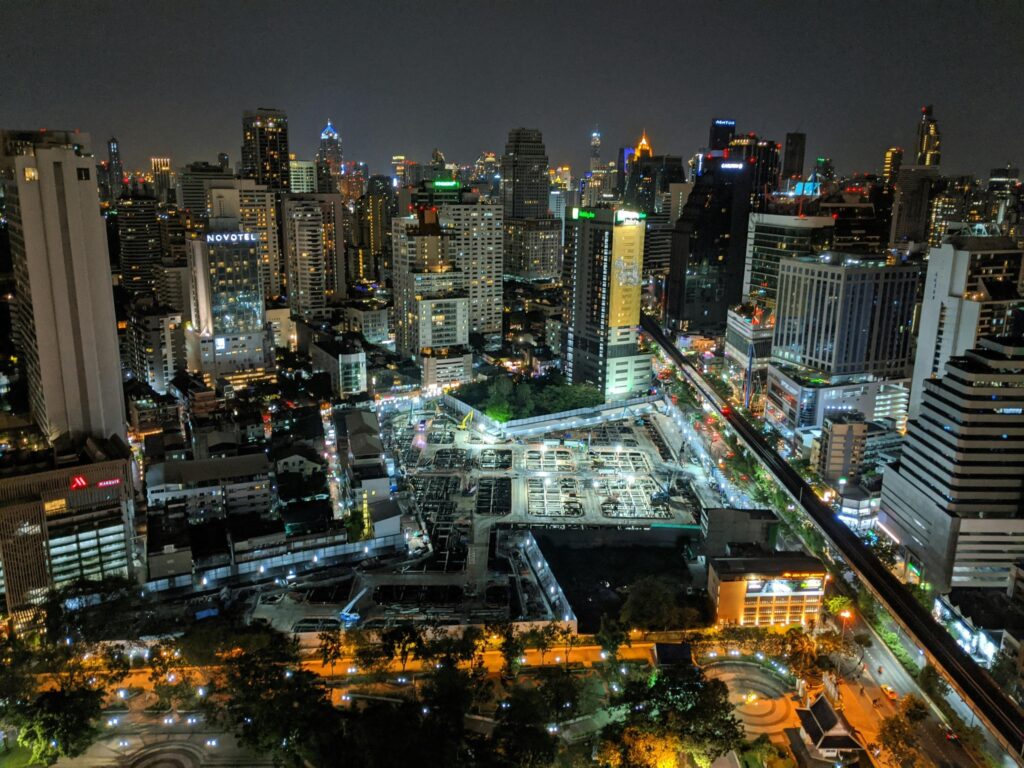
The length of your stay starts to matter once the initial rush of arriving wears off. With only a few days, Bangkok often feels efficient. The city compresses experience, allowing travelers to see and do a lot in a short span of time. Even if it feels intense, that intensity often becomes part of the memory.
On a very short visit, Chiang Mai doesn’t always show much beyond its surface. The city tends to open up once days are left unscheduled, something that’s hard to allow for when every hour already has a plan. Within a week or more, the balance shifts. Bangkok begins to require more intention to avoid fatigue, while Chiang Mai often feels more natural as days stretch out. For many travelers, the difference only becomes clear after the need to keep moving begins to ease.

Choosing Based on Energy, Not Labels
Many travelers arrive with a clear idea of what they like, only to find that heat, noise, and daily effort reshape those preferences once the trip is underway.

Bangkok and Chiang Mai tend to pull different things out of you as the days go on. Bangkok tends to reward movement and alertness, while Chiang Mai often settles into patterns that don’t ask much from you once the day gets going. Which one works tends to become clearer only after you’ve spent enough time inside the days themselves.

If You Can Visit Both
Many people who return to Thailand don’t permanently choose one over the other. They move between Bangkok and Chiang Mai depending on how much stimulation or rest they want at a given time. Experiencing both cities often makes their differences clearer than any comparison written in advance.
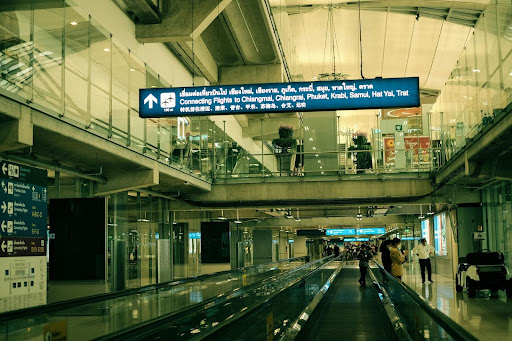
If you can only choose one, it often comes down to something simpler. After a few days on the road, it’s often easier to picture what an ordinary day might feel like, and which place you’d rather move through without thinking too much about it.