
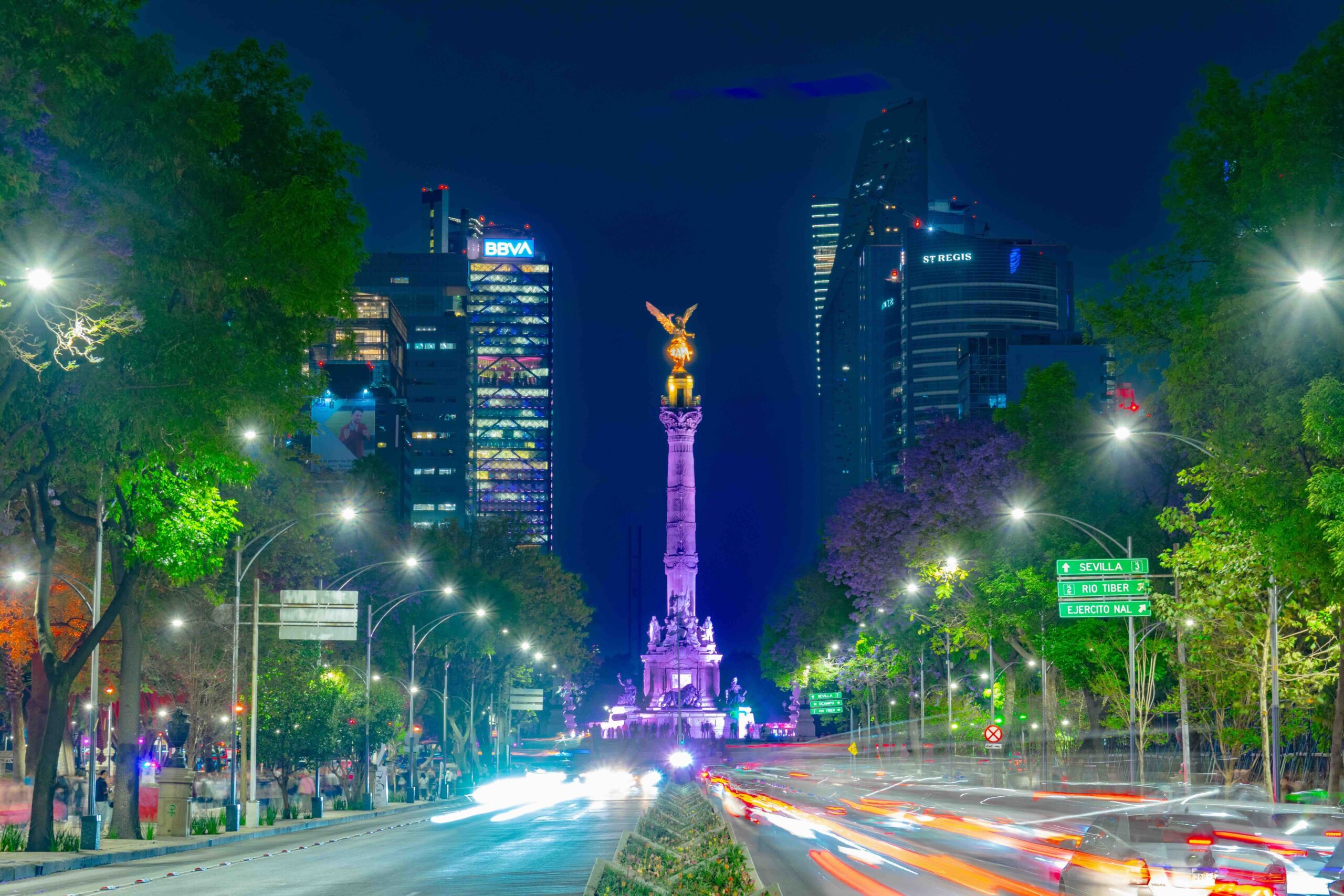
When the sun drops behind the volcanoes that ring the Valley of Mexico, the city below settles into a different rhythm. Mexico City nightlife rarely depends on flashing marquees or velvet ropes. More often it depends on a laundromat door that swings open onto a hidden bar, or a folding table on a side street where a vendor slices meat straight off a slow-turning spit. This guide sorts the things to do in Mexico City after dark into a workable order, starting with the experiences most first-time visitors gravitate toward and moving into the bars and clubs that residents tend to keep for themselves.
The prices below reflect 2026 estimates based on publicly listed rates at the time of writing. Menus, cover charges, and reservation policies change often enough that it is worth confirming current numbers directly with each venue before booking.
Picking a Neighborhood Before Picking a Bar
The difference between one colonia and the next after dark in CDMX is significant enough that the neighborhood, not the venue, is usually the first decision worth making.
| Neighborhood | Highlights |
|---|---|
| Roma Norte & Condesa (safe and polished) | Cocktail and mezcal bars, wine bars, and a concentration of restaurants that keep their kitchens open late |
| Juárez & Zona Rosa (loud and electric) | Home to several of the city’s most celebrated speakeasies, including Handshake and Hanky Panky, plus electronic music clubs that run until sunrise and a nightlife scene that is openly welcoming to LGBTQ+ visitors |
| Polanco (wealthy and exclusive) | Dominated by members-only lounges and bottle-service clubs that enforce dress codes, where spending tends to be conspicuous |
| Centro Histórico (traditional and local) | Offers cantina culture that predates most of the city’s modern bars, though it calls for more situational awareness once the crowds thin out late at night |
Staying in the same neighborhood you plan to go out in makes late nights much easier. For characterful places to sleep in Roma Norte and Polanco, see our guide to the best boutique hotels in Mexico.
The Essential Mexico City Nightlife Experiences
These four activities account for most of what gives CDMX its reputation, and they tend to be the right starting point for anyone visiting for the first time.
Speakeasy Hopping Through CDMX’s Hidden Bars
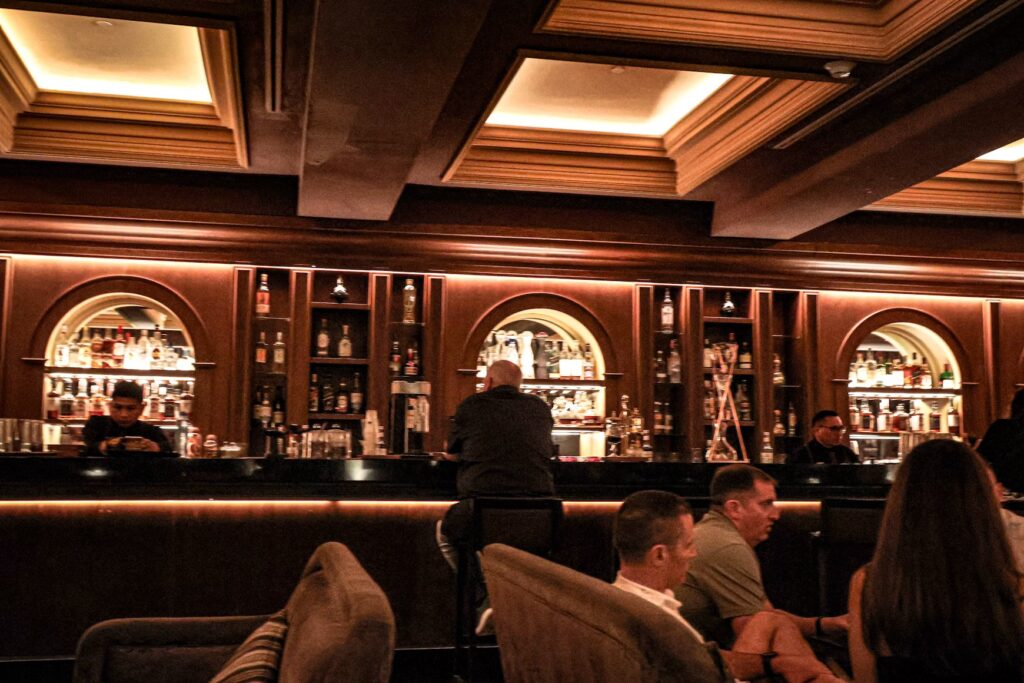
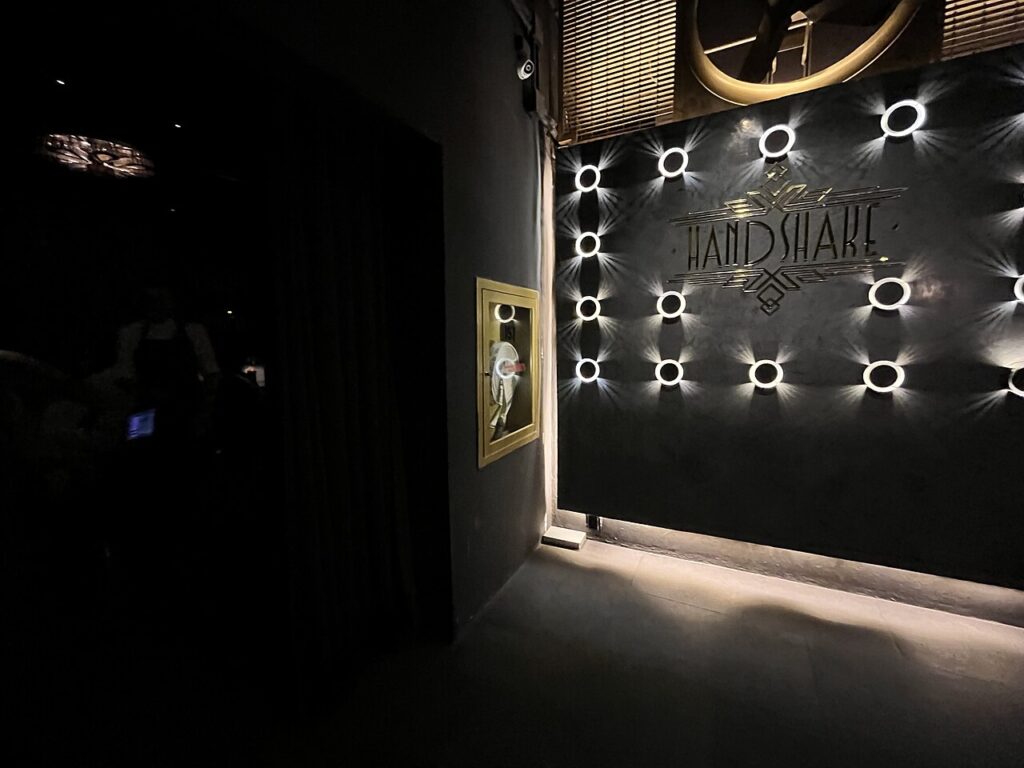
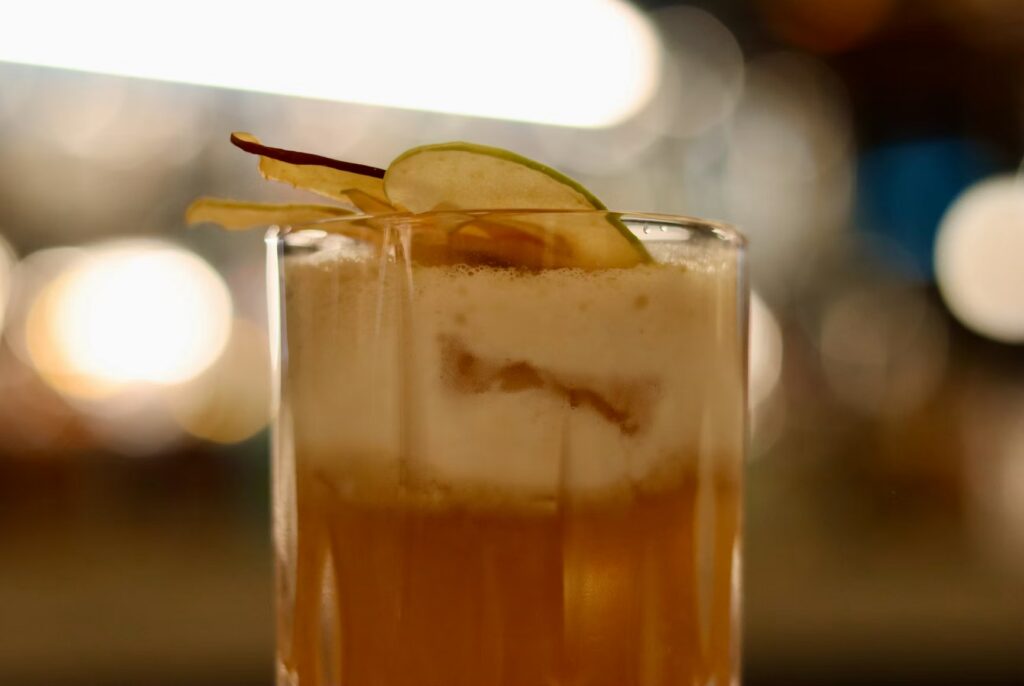
Mexico City has built a genuine claim to being one of the world’s best cities for cocktails, and the format that defines that reputation is the speakeasy: a bar with no sign, entered through what looks like a refrigerator door, a laundromat, or an unmarked hallway. The standard-bearer is Handshake Speakeasy in Colonia Juárez, which was named the World’s Best Bar in 2024, ranked No. 2 in the world in 2025, and has been voted the best bar in North America two years running. Hanky Panky, also in Juárez, is the other name that comes up most consistently. A cocktail at either runs roughly $12–$20 (250–400 pesos), and both are popular enough that a table reservation made 1 to 2 weeks in advance is close to mandatory rather than optional.
Watching a Lucha Libre Match at Arena México
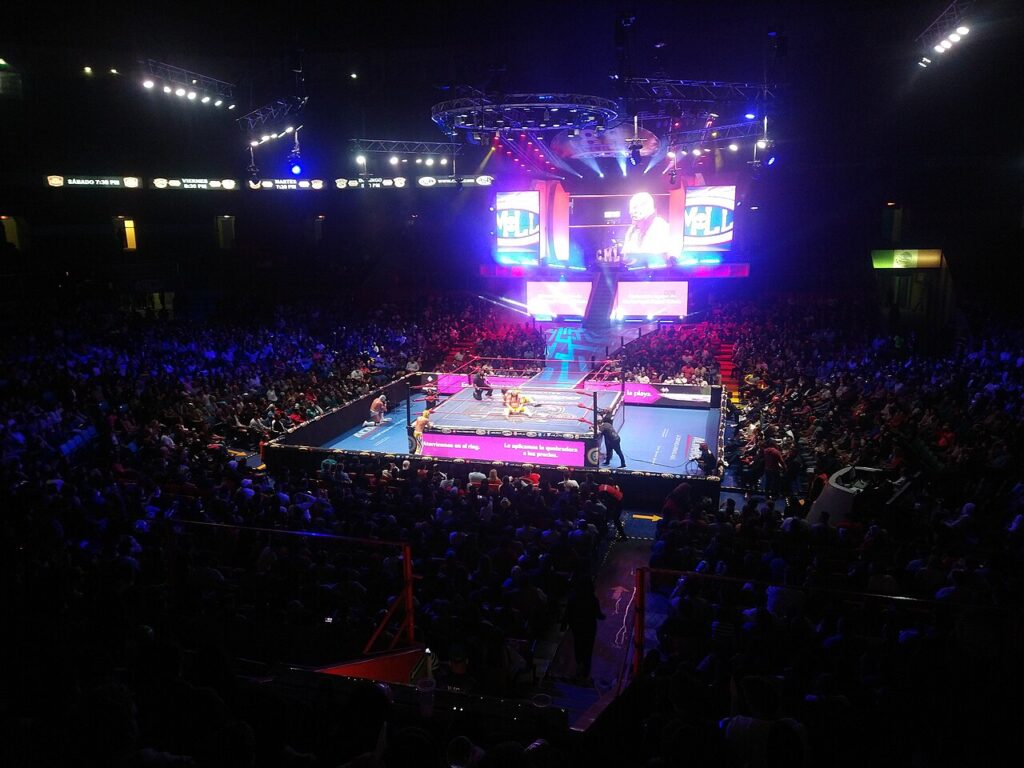
Mexico’s masked wrestling tradition is performed at full volume at Arena México, where the crowd is as much a part of the show as the luchadores flying off the ropes. Tickets purchased through Ticketmaster typically range from $12–$55 (240–1,100 pesos) depending on seat location, and a cold beer inside the arena costs around $5 (100 pesos). Shows run several nights a week, so check the current schedule before planning a night around a specific date. It is one of the few nightlife experiences in the city built around shared, unfiltered crowd energy rather than a curated atmosphere.
Tasting Pulque and Mezcal in a Traditional Cantina
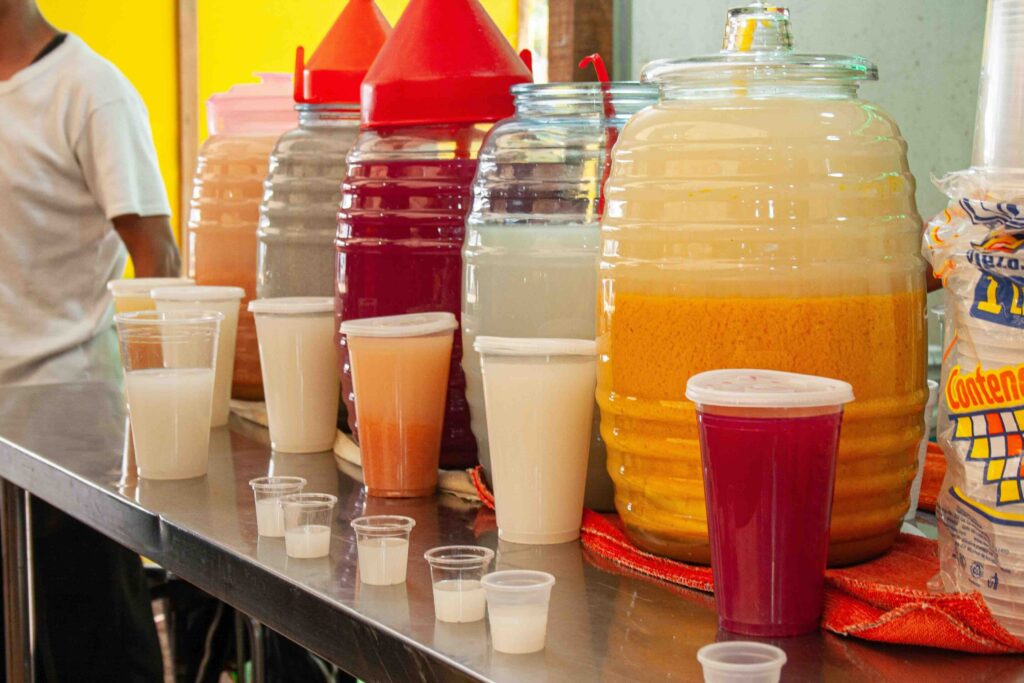
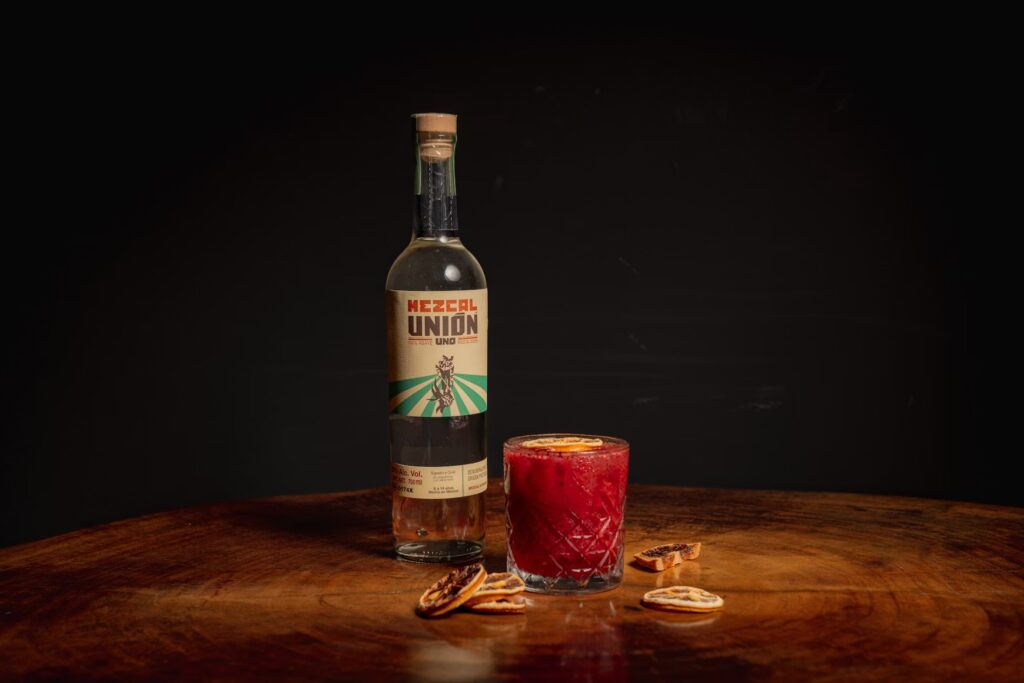
For a slower evening, a mezcalería or a cantina serving pulque, a fermented agave drink with roots tracing back to Aztec-era Mexico, offers a different register of nightlife entirely: tight quarters, conversation that carries easily between strangers, and music low enough to talk over. A flight of three mezcals for tasting typically costs about $15, making it one of the more affordable ways to spend an evening that still feels distinctly local.
Good places to start include La Ópera Bar, a historic cantina in Centro Histórico; Salón Tenampa on Plaza Garibaldi, long associated with mariachi music; Pulquería Las Duelistas in Centro for pulque; and Tlecān in Roma Norte, a mezcal bar ranked No. 3 on North America’s 50 Best Bars in 2025.
Joining the Late-Night Taco Crawl
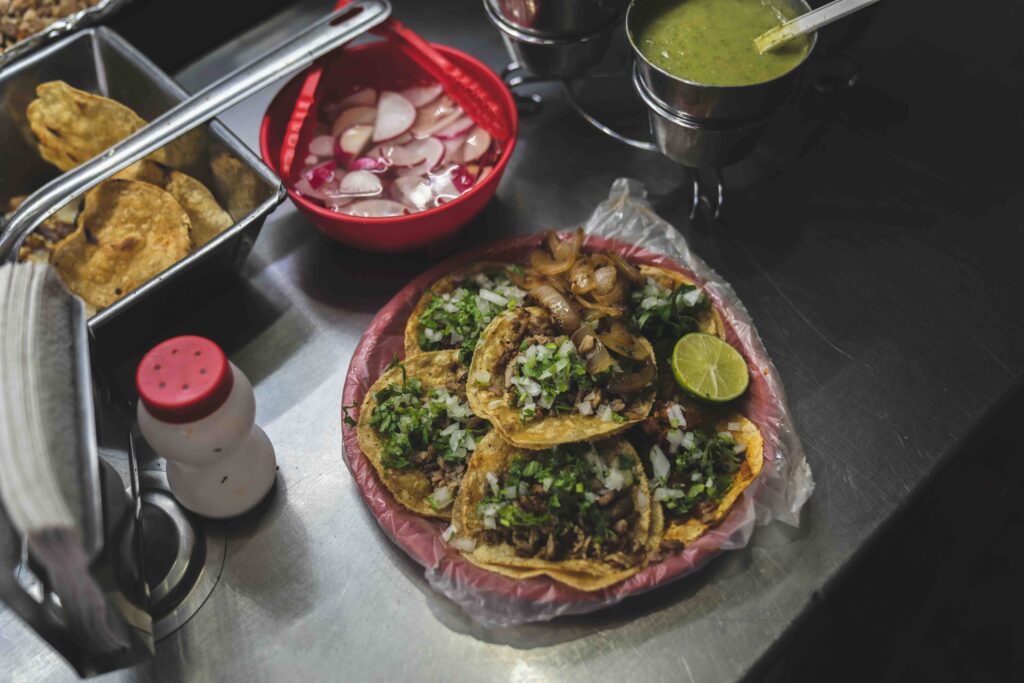
Many nights in the city end the same way: standing on a sidewalk eating tacos sliced directly off a vertical trompo or pulled from a steaming comal. Taquería Orinoco, known for its trompo tacos, and Los Cocuyos in Centro, a late-night institution for suadero and cabeza, are two of the most frequently cited stops for this ritual. At $1.5–$2.5 (30–50 pesos) per taco, it is also one of the few late-night habits in the city that costs almost nothing.
Local Secrets: Where CDMX Nightlife Gets Personal
Once the essentials are covered, these bars and clubs have a more local feel and draw fewer visitors.
Dance Battles at Patrick Miller
Patrick Miller occupies a converted warehouse in Roma and is known for organized dance battles set to 1980s Hi-NRG music, drawing a crowd that takes the competition seriously. It only operates on Fridays. Cover charges run a modest $5 (100 pesos), and drinks inside are typically purchased with cash-bought tokens rather than paid for directly at the bar.
Salsa Dancing at Mama Rumba
Mama Rumba in Roma Norte has built a long-standing reputation as one of the city’s defining Latin music venues, with a dance floor that fills early and rarely empties before closing. Cover charges sit around $3–$8 (50–150 pesos), and the room rewards showing up ready to dance rather than to watch from the sidelines.
Underground Jazz at Zinco Jazz Club
Tucked into the basement of a former bank vault in Centro Histórico, Zinco Jazz Club pairs serious musicianship with a dim, intimate room that feels closer to a listening session than a bar. Cover charges range from $10–$20 (200–350 pesos) depending on who is performing that night.
Comparing Your Options
A few head-to-head comparisons tend to resolve most of the indecision that comes with planning a night in CDMX.
- Roma Norte vs. Condesa: Roma leans toward cocktail and mezcal bars with a livelier crowd, while Condesa is greener and quieter, better suited to a couple walking between wine bars than to a group bar-hopping until 3 AM.
- Rooftop bars vs. speakeasies: rooftop bars such as Cityzen offer wide views over Paseo de la Reforma but tend to charge a premium for cocktails that are serviceable rather than exceptional, whereas speakeasies trade the view for drinks built with far more precision.
- Polanco vs. Zona Rosa: Polanco suits anyone who wants a dress code, bottle service, and a bill that reflects it, while Zona Rosa suits anyone who wants an inclusive, judgment-free dance floor running on electronic music until sunrise.
Planning a Night Out: Sample Itineraries
The One-Night Sprint
For travelers with only one evening in the city, the night can realistically be compressed into a single sequence.
- 6 PM: early sunset at Cityzen Rooftop, looking out toward the Angel of Independence monument while the light is still good for photos.
- 8 PM: dinner shifts to tacos at Orinoco in Roma, timed to avoid the latest and busiest stretch of the evening.
- 10 PM: the night closes at Handshake Speakeasy or Limantour, provided a table has been reserved in advance, for what are generally considered some of the best cocktails on the continent.
The Three-Day Weekend Flow
A longer weekend allows the same experiences to be spread out without feeling rushed.
- Friday: opens at full intensity with a Lucha Libre match in the evening, followed by dancing at Patrick Miller for anyone still moving after the final bout.
- Saturday: built around a slower speakeasy and cocktail crawl through Juárez and Roma Norte, sampling two or three bars rather than racing through a checklist.
- Sunday: tapers off with mariachi music at Plaza Garibaldi, where a song typically costs around $8–$15 (150–300 pesos), paired with a more traditional glass of pulque to close out the trip. Go earlier in the evening, keep valuables out of sight, and take an Uber back rather than lingering once the crowds thin out.
Staying Safe and Getting Around at Night
A few practical habits make the difference between a smooth night and an avoidable problem.
- Use app-based rides: street-hailed taxis at night are best avoided entirely. Uber and DiDi operate around the clock, and a ride between central neighborhoods typically costs $3–$8. If you need a taxi, use an official sitio stand or ask your bar to call one.
- Mind the altitude: Mexico City sits at about 2,240 meters (7,350 feet), so alcohol tends to hit harder than it does at sea level. Pace your drinks and alternate with water, especially on your first night.
- Watch your drink and your phone: keep your drink in sight, don’t accept drinks from strangers, and avoid holding your phone out on busy sidewalks late at night.
- Know where to skip late at night: stick to well-trafficked streets in Roma, Condesa, Juárez, and Polanco. Centro Histórico and Plaza Garibaldi are best enjoyed earlier in the evening, and neighborhoods such as Tepito and Doctores are best avoided after dark. For a broader view, see our guide to the safest cities in Mexico.
- Cash is still king: tips, taco stands, and cover charges at smaller clubs are usually cash-only, so carrying pesos in smaller denominations such as 50 and 100 notes makes those transactions easier, even in card-friendly areas like Polanco and Roma.
- Timing matters: dance clubs rarely feel full before 11:30 PM, and the city’s nightlife generally peaks between 1 AM and 4 AM, so arriving too early at a club-style venue often means standing in a half-empty room.
Mexico City Nightlife FAQ
Is Mexico City safe at night?
The main nightlife neighborhoods, including Roma Norte, Condesa, Juárez, and Polanco, are generally safe for visitors who take normal big-city precautions: use Uber or DiDi instead of street taxis, keep valuables out of sight, and stay on busy, well-lit streets. Centro Histórico calls for more care once the crowds thin out late at night.
What time do bars and clubs close in Mexico City?
Many bars wind down around 2 AM, while clubs in Juárez and Zona Rosa often run until 4 AM or later. Nightlife generally peaks between 1 AM and 4 AM, so there’s little point arriving at a club before 11:30 PM.
What should I wear for a night out?
Smart-casual works for most bars in Roma, Condesa, and Juárez. Polanco’s lounges and bottle-service clubs are the exception: expect a dress code, so skip sneakers, shorts, and sportswear there.
How much should I tip at bars in Mexico City?
A tip of 10% to 15% is standard at bars and restaurants. Check your bill first, since some places add a service charge automatically, and keep small bills on hand for taco stands and cash-only venues.
What is the best night to go out?
Thursday through Saturday are the busiest nights, with Friday the only night Patrick Miller opens. Weeknights are quieter but a good time to land a speakeasy table without booking far ahead.
Final Thoughts
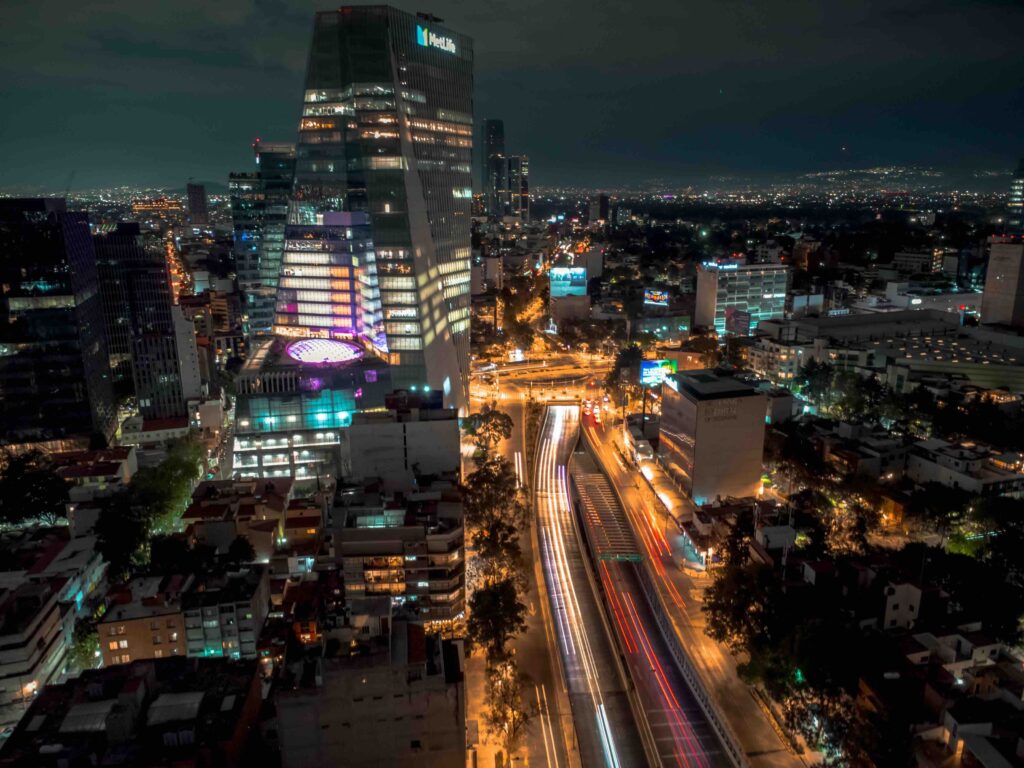
Compared with the polished, industrial scale of nightlife in Las Vegas or New York, CDMX nightlife runs on something rougher and more personal, even as individual venues compete at a genuinely world-class level. A good night here depends less on how much is spent and more on having a clear sense of what kind of evening is being chased, whether that means a quiet mezcal flight, a shouted conversation at a Lucha Libre match, or a cocktail in a bar with no sign on the door. Building a plan around Uber for transportation, cash for the smaller stops, and reservations for the busiest speakeasies covers most of what a first night in the city requires, leaving the rest to whatever the city happens to offer that evening.