
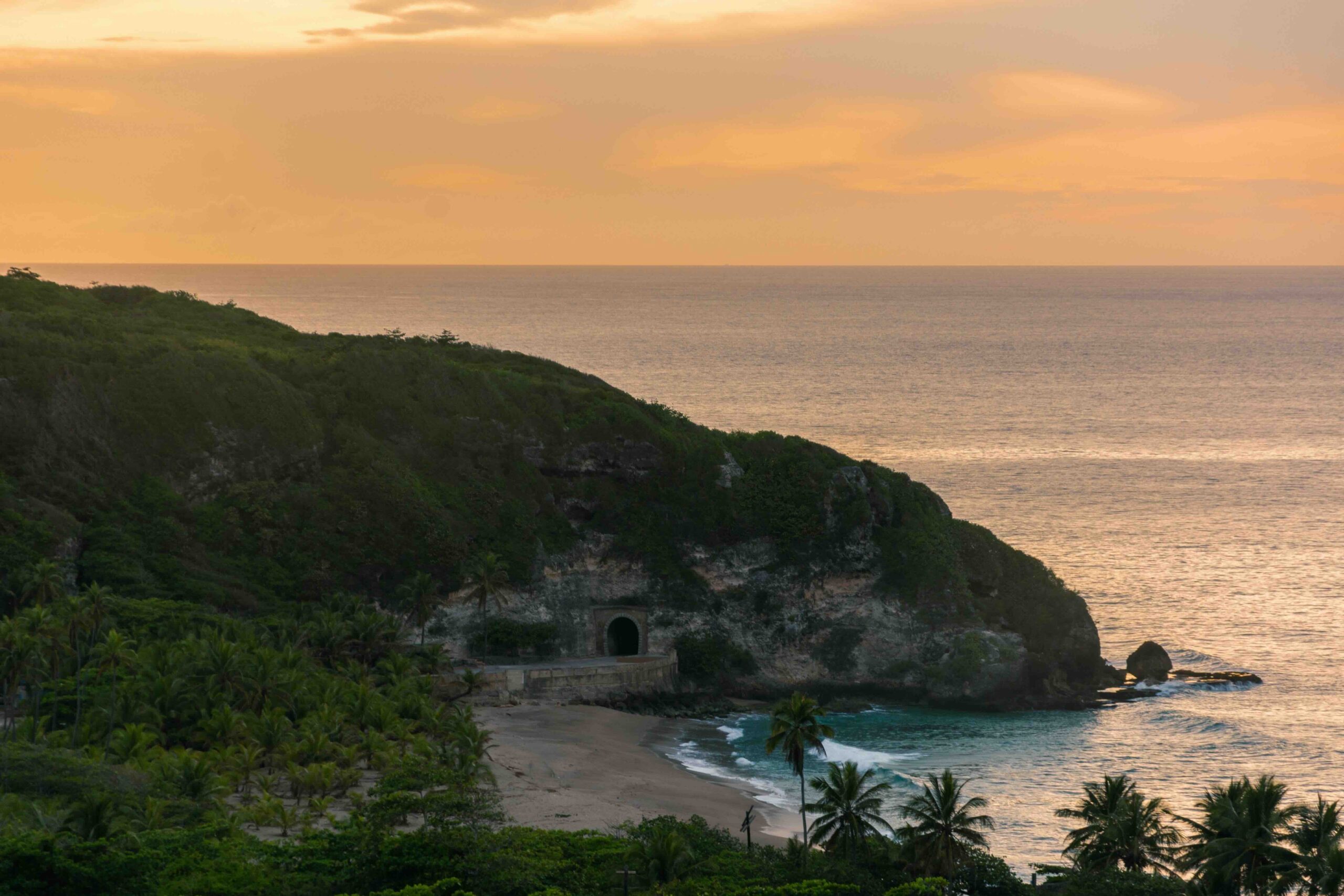
For an American traveler, Puerto Rico is one of the easiest international-feeling trips that isn’t actually international. No passport sits in a drawer waiting to expire. The dollar in your wallet works at the rum shop and the rental counter. Your phone charger fits the wall socket at the guesthouse in Rincón the same way it fits the one in your kitchen. That alone removes most of the friction that usually clutters the planning stage, and it lets you focus on the harder, more interesting question: with only so many days, what do you actually want to do in Puerto Rico?
This guide is built to answer that. Rather than presenting a flat list of sights, it walks through 25 things to do in Puerto Rico grouped by the five regions a visitor will realistically choose between, then layers in the practical decisions, itinerary frames, driving notes, weather patterns, and lodging logic that usually require another five tabs of research. By the end, you should be able to sketch your own trip without leaving the page.
A Quick Map of the Island

Before any single attraction makes sense, it helps to see the shape of the island. Puerto Rico is roughly 100 miles long and 35 miles wide, and the drive from the capital in the northeast to the surf towns in the west takes about two and a half hours when traffic cooperates. The interior is mountainous, the coastline is almost entirely beaches and cliffs, and two small island-municipalities, Culebra and Vieques, sit off the east coast and require a ferry or a short flight.
For practical purposes, the things to do in Puerto Rico that are worth your time cluster into five groups: metropolitan San Juan and its historic core, the rainforest-and-island east, the surf-and-sunset west and northwest, the quieter south coast and central mountains, and a scattering of unique experiences that don’t fit neatly into geography. If you were to lay a map of Puerto Rico on the table and draw driving times between these clusters, you would see that almost nothing is more than three hours apart, which is what makes a one-week loop genuinely possible.
The 25 Best Things to Do in Puerto Rico at a Glance
Use this table to shortlist before reading the details. Cost levels are rough guides per person: Free; $ (under $25); $$ ($25–$100); $$$ (over $100, or requires extra transport or an overnight).
| Experience | Region | Time needed | Cost |
|---|---|---|---|
| 1. Forts of Old San Juan | San Juan | Half day | $ |
| 2. Old San Juan food tour | San Juan | 3 hours | $$ |
| 3. Snorkeling at Escambrón | San Juan | 2–3 hours | Free–$$ |
| 4. Casa Bacardi tour | San Juan | 2–3 hours | $$ |
| 5. La Placita de Santurce | San Juan | Evening | Free–$ |
| 6. El Yunque National Forest | East | Half to full day | Free |
| 7. Luquillo Beach & Kioskos | East | Half day | Free–$ |
| 8. Laguna Grande bio bay | East | Evening | $$ |
| 9. Flamenco Beach, Culebra | East (islands) | Full day | $$ |
| 10. Mosquito Bay, Vieques | East (islands) | Overnight | $$$ |
| 11. Cabo Rojo salt flats | West | 1 hour | Free |
| 12. Faro Los Morrillos sunset | West | 2 hours | Free |
| 13. Buyé & Crash Boat beaches | West | Half day | Free |
| 14. Surf lesson in Rincón | West | 2–3 hours | $$ |
| 15. Whale watching from Rincón | West | 1–2 hours | Free |
| 16. Cara del Indio & Guajataca Tunnel | Northwest | 1 hour | Free |
| 17. Pozo de Jacinto | Northwest | 1 hour | Free |
| 18. Cueva Ventana | North | 1–2 hours | $$ |
| 19. Ponce historic center | South | Half day | Free–$ |
| 20. Yaucromatic murals | South | 1–2 hours | Free |
| 21. Gilligan’s Island | South | Half day | $ |
| 22. Maricao coffee hacienda | Mountains | Half day | $$ |
| 23. Cacao farm experience | Mountains | 2–3 hours | $$ |
| 24. Frutos del Guacabo | North | 3 hours | $$$ |
| 25. Zip-lining at Toro Verde | Mountains | Half day | $$$ |
Region One: San Juan and Its Surroundings
San Juan is where almost every visitor begins, and for good reason. The flights land here, the cruise ships dock here, and some of the oldest colonial architecture in the Americas sits walkable from one another inside the old city walls. The challenge is that San Juan rewards travelers who know which corners are theatre and which are real.
1. The Historic Forts of Old San Juan
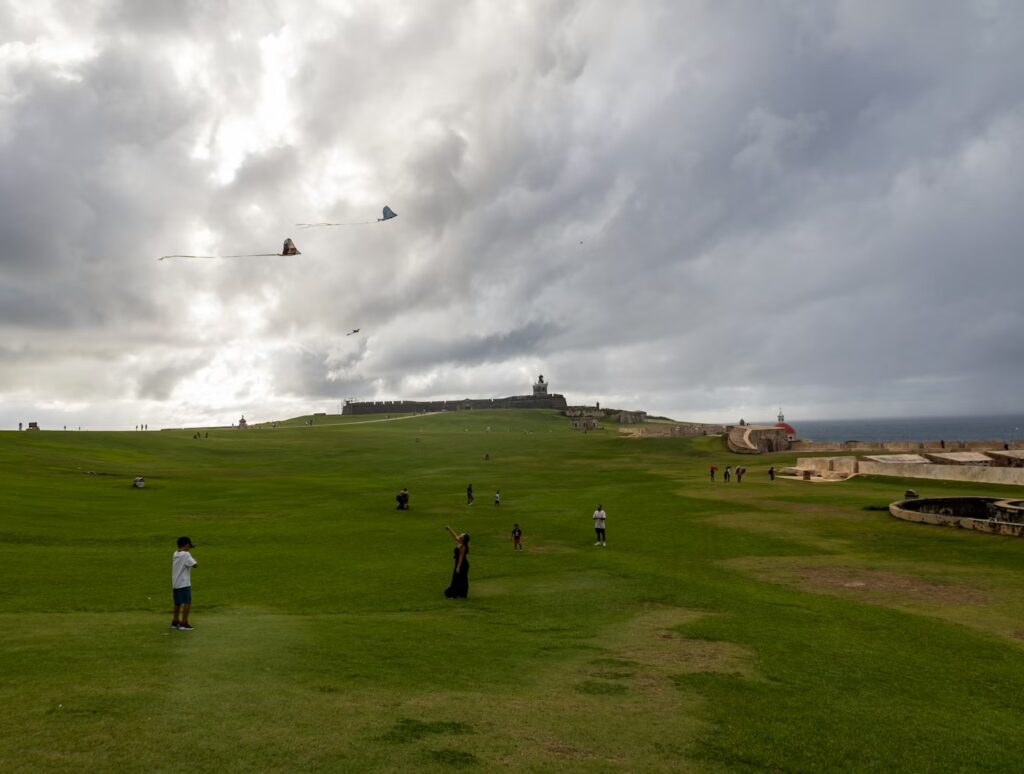
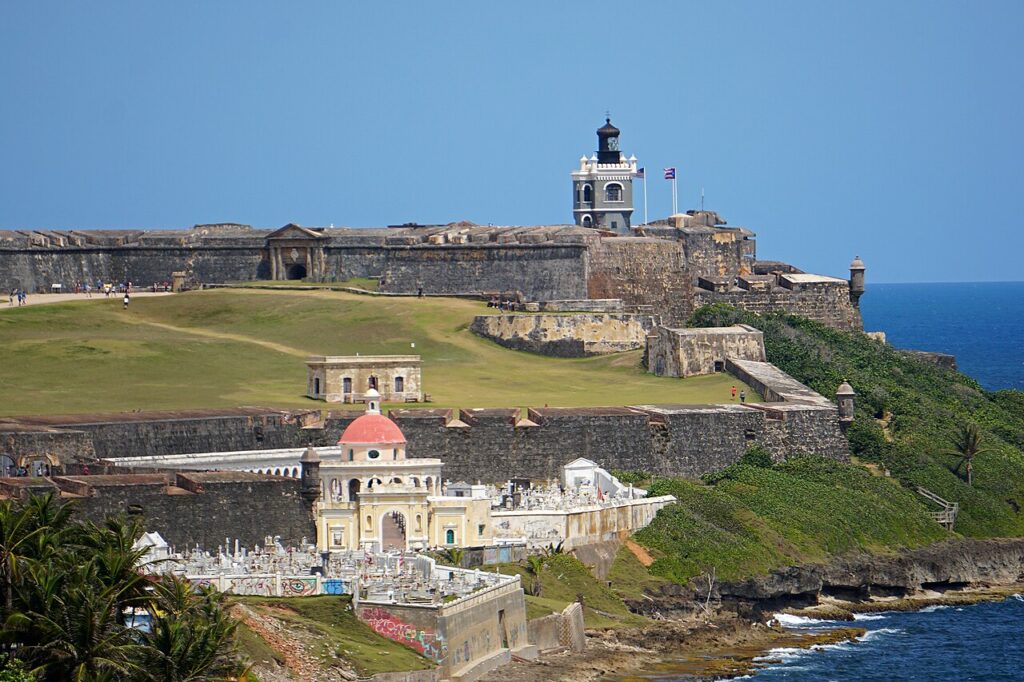
Castillo San Felipe del Morro, usually shortened to El Morro, is the obvious anchor of any visit, and it earns the attention. The fortress sits on a headland with the Atlantic pounding the rocks below, and the lawn that leads up to its gates is one of the best wind-catching fields on the island. Families often bring kites; locals do the same. A useful detail many guides skip is that children under fifteen enter free, which makes the combined El Morro and San Cristóbal ticket a reasonable value for parents. The one warning worth taking seriously is the midday sun. The stone floors absorb heat, the courtyards offer little shade, and a one o’clock visit in July is genuinely punishing. Mornings before ten or late afternoons after four are the windows that work.
2. An Authentic Old San Juan Food Tour
Old San Juan has roughly two food economies running in parallel. One exists to photograph well, with neon-painted facades and oversized cocktails, and the other quietly feeds the people who actually live and work in the district. A good food tour, or a careful self-guided walk, separates the two. Look for places where the lunch crowd is mixed between visitors and office workers, where the mofongo is mashed to order rather than scooped from a tray, and where the menu names ingredients rather than adjectives. For groups of more than four, reservations the day before are almost mandatory at the better spots.
3. Snorkeling with Sea Turtles at Escambrón Beach
A short drive from the old city, Escambrón is one of the rare urban beaches where green sea turtles graze on seagrass close to shore. The water is calm enough that this counts as one of the best things to do in Puerto Rico with children, but the experience splits cleanly into two versions. The self-guided version is essentially free: you rent fins and a mask, walk into the water, and accept that you may or may not see turtles on any given morning. The guided version, usually a small-group snorkel tour, costs more but adds a safety swimmer, fitted gear, and a guide who knows the spots the turtles favor. For families with younger swimmers, the guided option is the more honest answer.
4. The Casa Bacardi Distillery Tour
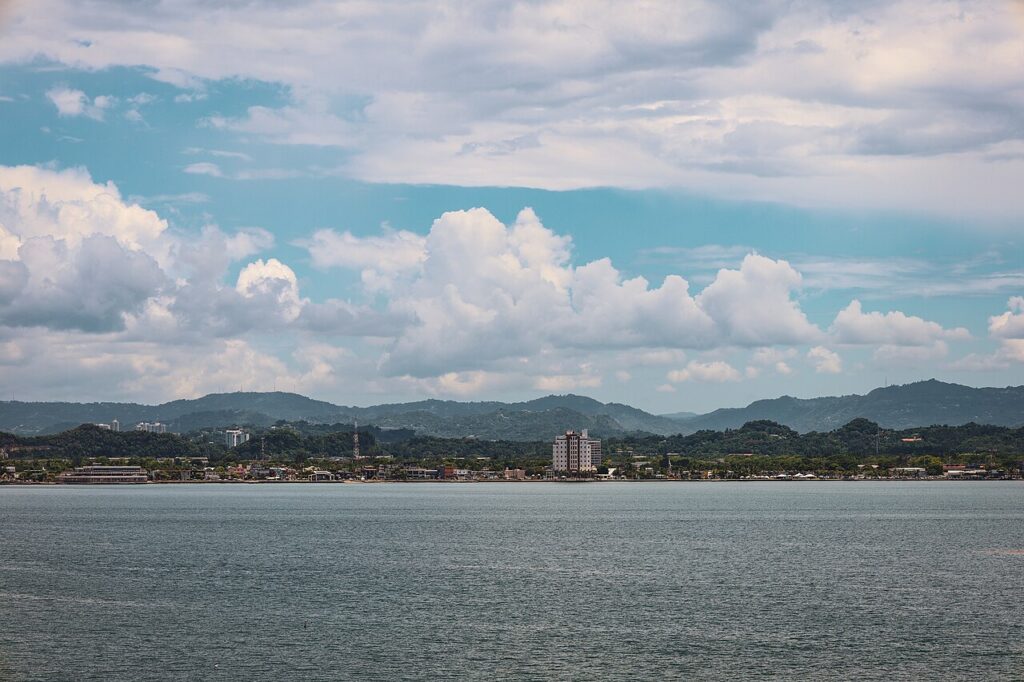

Across the bay in Cataño, the Casa Bacardi grounds are larger than visitors expect, and the standard tour involves more walking than the website suggests. The mixology tour is the one most adults enjoy because it includes hands-on cocktail work, but be honest about your group. Older travelers, or families with small children, will get more out of paying extra for the golf-cart tour, which covers the same distance without the heat. Lines build sharply after eleven on cruise days, so an early arrival pays off twice.
5. La Placita de Santurce After Dark

You can reasonably think of these five as the most famous places in Puerto Rico for first-time visitors, and they fill two full days without strain.
Region Two: The East Coast and the Outer Islands
East of San Juan, the highway thins out, the rainforest rises on the south side of the road, and the coastline turns toward the small islands offshore. This is where most of the iconic Puerto Rico tourist attractions live, and it is also where advance planning matters most, especially for the island ferries.
6. Hiking the Trails of El Yunque National Forest

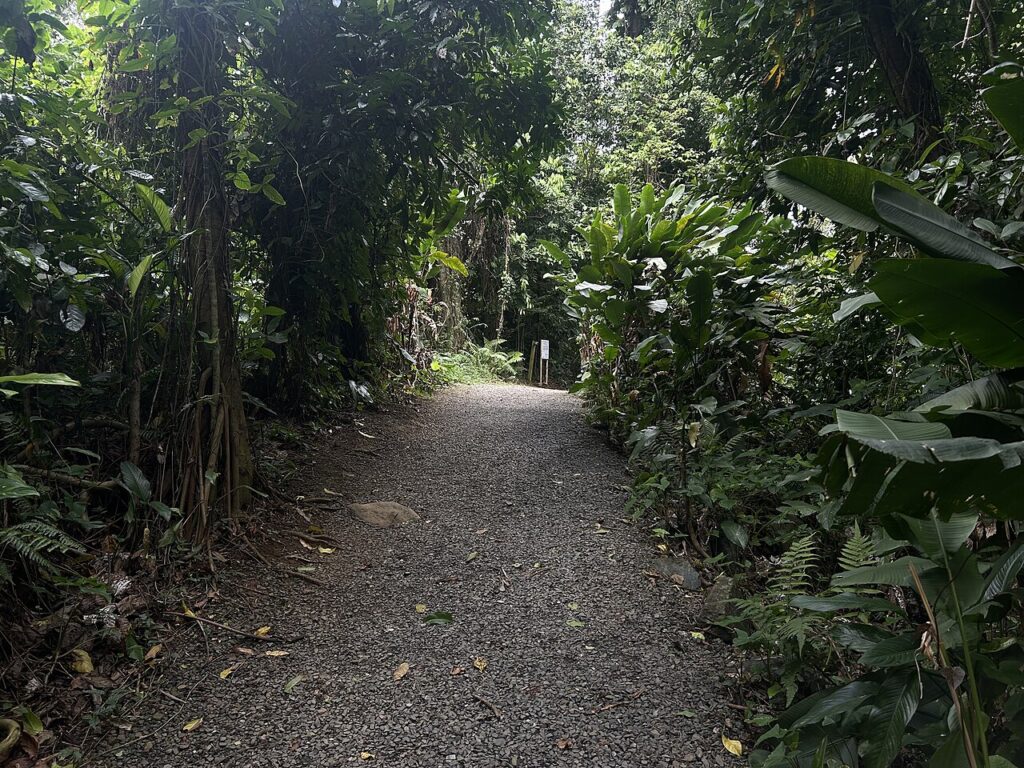
El Yunque is the only tropical rainforest in the U.S. National Forest System. Entry to the main recreation corridor on PR-191 North is free and no longer requires a reservation; the forest is open from 8:00 a.m. to 5:00 p.m., and the Forest Service manages visitor numbers through limited parking, so arrive early, particularly on weekends and during U.S. school breaks. Rideshare apps aren’t authorized to pick up at La Coca gate or El Portal, so drive yourself, take a permitted taxi, or join a tour. Once inside, the trails split usefully by ability. Angelito Trail and the short path to Juan Diego Falls are mostly flat and appropriate for grandparents and small children. La Mina Falls returned to service in stages after hurricane repairs and remains a moderate hike. Mount Britton, with its stone observation tower, is the route for travelers who actually want to feel their legs the next day.

7. Luquillo Beach and the Kioskos
Just east of El Yunque, Luquillo Beach is the easy, crowd-pleasing beach day that pairs naturally with a morning in the rainforest. The long, palm-shaded crescent faces a reef-protected bay, so the water is usually calm enough for children, and the public beach area has lifeguards, restrooms, and a small parking fee. It is also home to Mar Sin Barreras, a facility designed to help visitors with disabilities get into the water.
The other half of the visit is food. Along Route 3 beside the beach, the Kioskos de Luquillo are a row of dozens of numbered food stands serving frituras such as alcapurrias and bacalaítos, fresh seafood, and cold drinks. Wander the row before choosing, go in the late afternoon when the rainforest crowds come down to eat, and bring some cash, since not every stand takes cards.
8. Kayaking the Bioluminescent Bay at Laguna Grande
Puerto Rico has three bioluminescent bays, and choosing between them is a real decision rather than a marketing one. Laguna Grande, near Fajardo, is reached by kayak through a mangrove channel and is the easiest to combine with a San Juan base. La Parguera on the south coast is the only bay that still permits swimming, though years of boat traffic have dimmed its glow. Mosquito Bay in Vieques is the brightest of the three by a wide margin, but it requires a ferry or a short flight to reach. A small practical tip across all three: a dark tarp or towel draped over your head while you look into the water dramatically increases what you can see, since your eyes adjust to true darkness.
9. Flamenco Beach on Culebra

Flamenco regularly appears on global best-beach rankings, and the half-moon of bone-white sand with calm turquoise water mostly justifies the praise. Reaching it is the catch. The public ferry from Ceiba is inexpensive but sells out, and during U.S. holiday periods the practical advice is to book six weeks ahead. Swimmers should also pay attention to flag conditions: red-flag days, when surf is heavy and rip currents are active, do happen even at this normally gentle beach, and the safest swimming is along the central stretch where lifeguards are stationed.
10. Mosquito Bay on Vieques

Vieques is the answer for travelers who want to see one of the brightest bioluminescent bays in the world, once recognized by Guinness as the brightest, and are willing to slow down for it. The island has wild horses that wander the roads and beaches, a string of nearly empty wildlife-refuge beaches, and two small towns, Isabel Segunda and Esperanza, where most of the restaurants are. Staying overnight is the recommendation almost everyone who has tried both options gives, because a day trip means rushing back to the last ferry and missing the quiet that makes the place itself worthwhile.
Together these stops form some of the best places to visit in Puerto Rico outside the capital, and they require at least three days to absorb without exhausting yourself.
Region Three: The West and Northwest Coast
The west coast is the part of the island that older guidebooks tend to skip, which is exactly why it has remained the most relaxed. The drive from San Juan takes about two and a half hours, the towns are smaller, and the rhythm of the day bends around the surf forecast and the sunset. Heading back east along the north coast, the limestone cliffs and caves of Isabela and Arecibo make easy stops on the way.
11. The Pink Salt Flats of Cabo Rojo

The salt flats at Cabo Rojo turn a startling shade of pink during the dry-season months, when the brine shrimp and salt-tolerant algae concentrate in the shallow pools. Two practical notes save the trip. The first is the smell, which is a real sulphurous note that surprises children who weren’t warned. The second is that drone use is restricted within the wildlife refuge, so leave the aircraft at the hotel.
12. Sunset at Faro Los Morrillos

Puerto Rico’s west coast is known for its ocean sunsets, and the Cabo Rojo lighthouse, perched on white limestone cliffs at the island’s southwestern tip, is one of the most dramatic places to watch one, with the sun dropping into the open Caribbean beyond the cliffs. The catch is the access road: the parking lot closes earlier than visitors expect, and the final stretch is a fifteen-minute walk over uneven ground. Wear shoes that grip, and bring a flashlight for the walk back.
13. Beach Hopping at Buyé and Crash Boat

Buyé Beach is a small, sheltered cove with calm water and shade trees, which makes it one of the more honest answers to the question of where to swim with younger children. Crash Boat, further north near Aguadilla, has more energy, a fishing pier, and a parking situation that catches visitors out. The unwritten local rule is that your tires must sit entirely off the asphalt, on the dirt shoulder, or you risk a ticket. It is a small thing that ruins many afternoons.
14. A Surf Lesson in Rincón

Rincón hosted the world surfing championships in 1968 and has been the cultural capital of Puerto Rican surfing since. The reliable season runs roughly from October through April, when north-swell systems push waves toward the west coast. Beginners should ask their instructor about Sandy Beach or Domes on smaller days; experienced surfers will already know where to find Tres Palmas. The town itself has matured into a comfortable place to spend an evening after a day in the water, with small restaurants and bars rather than the cruise-ship-scale infrastructure of San Juan.
15. Spotting Humpback Whales from Rincón Lighthouse
From roughly mid-December through March, humpback whales migrate through the Mona Passage between Puerto Rico and the Dominican Republic, and the cliff at the Rincón lighthouse is one of the better land-based viewing platforms in the Caribbean. Bring binoculars, plan for an hour of watching rather than a quick stop, and accept that the whales operate on their own schedule.
16. Cara del Indio and the Guajataca Tunnel
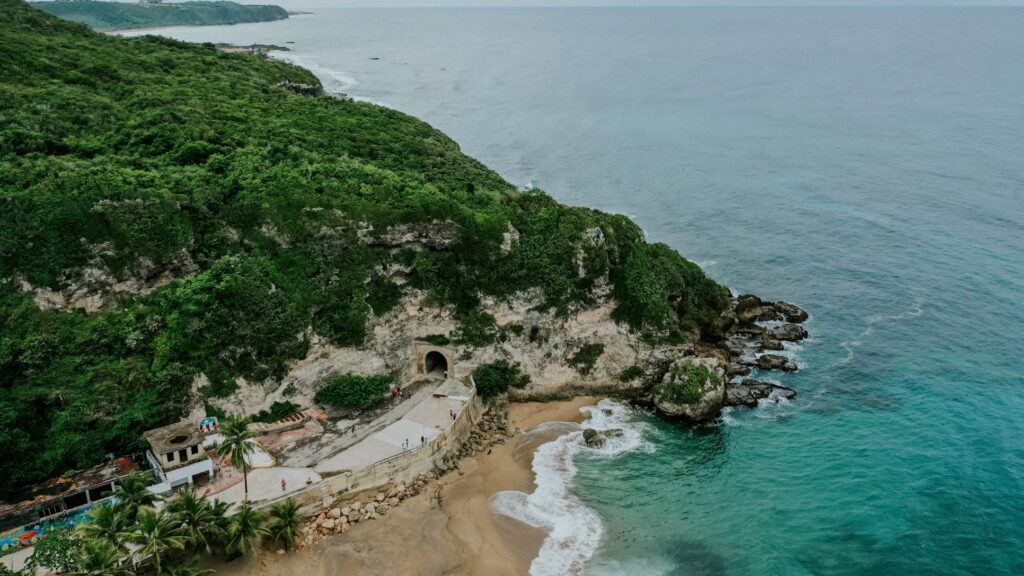
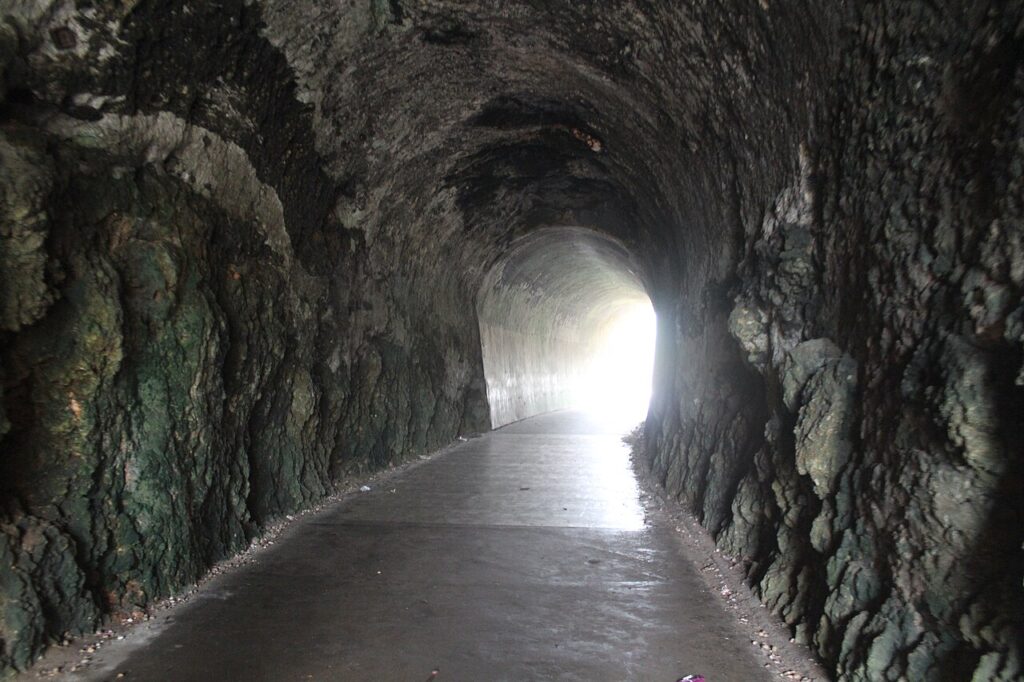
Carved into the rock face above Route 119, the Cara del Indio is a sculpted profile honoring the Taíno people who lived on the island before Spanish contact. Nearby, the old Guajataca train tunnel is a short, cool walk through coastal limestone. Both are worth a stop, but the road is narrow and the parking is squeezed onto blind curves, which makes a slow approach and full attention to oncoming traffic non-negotiable.
17. The Pozo de Jacinto Hike in Isabela
On the north coast, the short trail to Pozo de Jacinto leads to a sea blowhole framed by a local legend about a farmer whose cow fell into the hole and pulled him in after her. The site is dramatic, and the photographs are excellent. They are also, in heavy surf, dangerous: people have been pulled in by rogue waves while standing for pictures. Stay back from the edge, especially with children, and respect the warning signs.
18. Cueva Ventana in Arecibo
Cueva Ventana, or “Window Cave,” is a limestone cave in the hills of Arecibo whose mouth opens onto a sweeping view of the Río Grande de Arecibo valley, framed like a picture by the rock. Visits are by guided tour only, which keeps the site in good shape and means you’ll get a short introduction to the cave’s bats and Taíno history on the way in.
The walk is short but involves uneven, sometimes slippery rock inside the cave, so closed-toe shoes and a phone light or headlamp help. Go early in the day to avoid tour groups and the midday heat, and combine it with the north-coast drive between San Juan and the west, since it sits just off the main highway.
Across these eight stops, the west and northwest offer some of the more interesting places in Puerto Rico for travelers who would rather watch a coastline change colors than line up for an attraction.
Region Four: The South Coast and the Central Mountains
If the east is the postcard and the west is the laid-back option, the south is where the island reveals what it looks like when nobody is performing. The pace is slower, the architecture is different, and the food has its own grammar.
19. Strolling Through Ponce, the Pearl of the South

20. The Yaucromatic Murals of Yauco

Yaucromatic, the public art project started in 2017 by the nonprofit Arte Para Unir, has turned the older streets of this hillside coffee town on the south side of the island into an open-air gallery of more than 60 murals by Puerto Rican and international artists. The standout is Tropical Breeze, a geometric macro-mural painted across a whole hillside of houses. The walking route is pleasant during daylight hours, the cafés around the central plaza make a reasonable lunch stop, and the area feels safer and more visited than its reputation sometimes suggests. Yauco is only about 30 minutes from Ponce, so the two pair easily in one day.
21. A Boat Trip to Gilligan’s Island
Officially Cayo Aurora, this small mangrove cay off the southern coast at Guánica is reached by a short boat ride with one of the local ferry operators. There are no restaurants, no kiosks, and no rental chairs on the island itself, so the trip is only as good as the cooler you pack the night before. Bring water, sandwiches, sun cover, and reef-safe sunscreen. The reward is shallow, gin-clear channels that you can stand and walk in for what feels like an afternoon.
22. A Coffee Hacienda in Maricao

The high western mountains around Maricao were the coffee heart of nineteenth-century Puerto Rico, and a handful of haciendas still grow, process, and roast on their original grounds. A morning tour typically covers the agricultural side, the wet and dry processing rooms, and a cupping at the end. For travelers interested in agritourism, this is one of the most rewarding experiences on the island, and it pairs naturally with a slow lunch in the surrounding hills.
Region Five: Unique Experiences Across the Island
Some of the more memorable things on the island don’t sit on a region map at all. They are individual operations, often family-run, that have built their reputations slowly.
23. The Semilla Cacao Experience

In the central interior, a small cacao farm offers a two-to-three-hour walk through the cultivation, fermentation, and stone-grinding stages of single-origin chocolate, ending with a tasting and a cup of traditional drinking cacao. It is the sort of experience that filters out the crowds simply by being slightly hard to find.
24. Farm-to-Table at Frutos del Guacabo
In Manatí, Frutos del Guacabo runs a working hydroponic and livestock farm whose produce is on many of the island’s most ambitious tasting menus. The visitor experience is a guided walk through the growing areas followed by a multi-course meal built entirely from what was harvested that morning. The tourism board has quietly endorsed it for years, and it tends to be the meal travelers describe most precisely when they get home.
25. Zip-lining at Toro Verde
Toro Verde, in the central mountains near Orocovis, runs The Monster, one of the longest zip lines in the world. Riders cross more than a mile of valley in a prone position, hitting speeds above sixty miles an hour. It is firmly an experience for thrill-seekers rather than nervous first-timers, and it fills the gap that family-only guides tend to leave open.
These three round out a set of Puerto Rico vacation spots that feel chosen rather than assembled.
Planning Your Puerto Rico Itinerary

The question that follows the wishlist is the harder one: how do you fit any of this into a trip? Three days is enough for San Juan plus one day-trip, either to El Yunque and Luquillo or, by ferry, to Culebra. Five days adds a second region cleanly, with the east coast and Vieques being the most natural pairing for first-timers, or the west coast for travelers more interested in surf and sunsets than islands and rainforest. Seven days allows a genuine road-trip loop: two nights in San Juan, two in the west around Rincón, one on the south coast in Ponce or Guánica, then back to the metro for the flight home. Ten days unlocks a slower version of the same loop, with a second night on Vieques and an extra day in the mountains for the coffee country and Toro Verde.
The shape of your group decides between these. Families with school-age children tend to do best with the five-day east-coast plan because the drives are short and the activities reset quickly. Couples and solo travelers usually prefer the seven-day road-trip frame because the western half rewards unhurried evenings.
Driving and Logistics: Rental Car and AutoExpreso Tolls
Outside metropolitan San Juan, a rental car is effectively required. Public transit is limited, rideshare drivers thin out quickly once you leave the capital, and the experiences worth flying for are spread across the coast and the mountains. The decision worth making in advance is which airport to rent from. San Juan’s SJU has every major agency, the most competitive pricing, and the most inventory, but the drive out of the city in afternoon traffic can be slow. Aguadilla’s BQN, on the northwest coast, is the better starting point if your trip is weighted toward Rincón and the west, since it skips the cross-island drive entirely.
The toll system, AutoExpreso, is electronic and unmanned. Most rental agencies attach a transponder to their cars and pass the tolls through to your card with a small daily fee, which is usually the easier path for short trips. Confirm the arrangement at the counter before you drive away, because a missed toll without a transponder triggers fines that can outlast the vacation.
Best Time to Visit and Weather Seasonality
Puerto Rico’s calendar splits into three useful windows. The dry, cooler high season runs from mid-December through April, with low humidity, reliable sun, and prices that match. This is when whale-watching, west-coast surfing, and the salt-flat colors all peak together, and also when flights and hotels are most expensive. The shoulder season, roughly May through early June and again in late November, offers most of the same weather at noticeably lower prices, with the trade-off of occasional afternoon storms. Hurricane season officially runs June through November, with the statistical peak in August, September, and early October. Travel during this stretch is not unreasonable, since most days remain sunny, but it does require trip insurance and a willingness to track forecasts.
Within any month, the eastern half of the island receives more rain than the western half, the rainforest receives more than the coast, and afternoon showers in the interior are common year-round. None of this is a reason to avoid a trip; it is a reason to schedule outdoor activities for mornings.
Where to Stay: Lodging by Region

>>> Does Puerto Rico Have All-Inclusive Resorts? 16 Best Options
Lodging on the island rewards thinking by region rather than by brand. In Old San Juan, Hotel El Convento, a restored seventeenth-century convent on a quiet stone street, suits travelers who want to walk to dinner through history; see our guide to the best hotels in Old San Juan for more options. In Condado, the Condado Vanderbilt is the long-established luxury option with full beachfront and the most polished service in the metro. On the south coast, Copamarina Beach Resort in Guánica has been the family standard for two generations, with quiet grounds and a calm protected beach. On Vieques, off the east coast, the W Retreat Vieques, and in the west the smaller guesthouses around Rincón, fit the slower rhythm of those regions better than any large chain would. For a full breakdown by area, read our guide to where to stay in Puerto Rico.
A note travelers often miss: Puerto Rico isn’t built around large all-inclusive resorts in the style of Punta Cana or Cancún. The island’s hospitality strength is in boutique hotels, paradores, and independent eco-lodges, which means the planning logic is closer to a European trip than a Caribbean package.
Frequently Asked Questions
Does Puerto Rico have all-inclusive resorts?
Very few. Puerto Rico has no traditional all-inclusive resorts of the kind found in Mexico or the Dominican Republic. Wyndham Grand Rio Mar in Rio Grande sells an optional all-inclusive plan on top of its room rates, while most other resorts offer breakfast-inclusive rates, meal plans, or dining credits instead. See our full answer to does Puerto Rico have all-inclusive resorts for 16 resorts that come closest.
Do you need a passport for Puerto Rico?
For United States citizens travelling from the mainland, no. Puerto Rico is a U.S. territory, the flight is a domestic flight, and a state driver’s license or other Real ID-compliant identification is sufficient. Non-U.S. citizens follow the same entry rules as for the rest of the United States.
What are the best things to do in Puerto Rico with kids?
The island travels well with children. Calm-water beaches such as Luquillo and Buyé are appropriate for younger swimmers, the shorter trails in El Yunque are stroller-tolerant in places, and the forts of Old San Juan combine open space to run with enough history to satisfy parents. Older children tend to engage well with the bioluminescent kayak trips, the snorkeling at Escambrón, and the mural walk in Yauco.
Closing Thoughts
Most trips to Puerto Rico that go wrong go wrong for the same reason: the visitor tried to see every region in too few days. The honest move is to pick two regions for a five-day trip, three for a week, and accept that the rest will be there next time. The island is small enough that any sensible itinerary covers a real cross-section, and large enough that a return visit always finds something new.
If you are travelling in 2026, two practical notes apply. The west coast whale-watching boats and the better Rincón guesthouses fill earlier each year, and the Culebra ferry continues to sell out during U.S. holiday periods. Holding those reservations early is the difference between a trip that runs on its own rhythm and one that runs on standby lists. Most other Puerto Rico vacation packages, including the major hotels and rental cars, are still bookable closer to the date, but the genuinely small operators are not.
The rest is the easier part: choosing which version of the island you want to meet first.