

Travelers in 2026 seeking the best Caribbean islands to visit are increasingly prioritizing safety alongside natural beauty. For U.S. visitors, crystal-clear waters and white-sand beaches are just part of the appeal; the ability to relax without worrying about crime, infrastructure, or hurricane risks is equally critical. This guide presents the 15 safest Caribbean destinations, blending reliable data with immersive experiences.
The Safety Methodology
Safety assessment is grounded in objective criteria rather than perception. Each island is classified Level 1 by the U.S. State Department, with exceptionally low violent crime, secure water supplies, robust healthcare infrastructure, and controlled hurricane exposure. This ensures U.S. travelers can fully enjoy their trip with confidence, knowing their surroundings meet high safety standards.
The 2026 Objective Safety Matrix
| Island | Vibe | Ideal Age Range | Parent’s Win | Estimated Cost/ Night (Family of 4) |
| Turks & Caicos | Shallow, calm waters | 0-4 | Nanny services and calm beach | $550–$800 |
| Grand Cayman | Convenient, American-standard | 0-18 | Easy access to familiar amenities and grocery options | $450–$700 |
| Dominican Republic | All-inclusive resorts | 5-18 | Meals and activities pre-paid; zero on-the-spot calculations | $350–$500 |
| Bahamas | Energy-filled water parks | 5-18 | Kids exhausted by daytime activities, leaving parents relaxed | $400–$650 |
| Aruba | Hurricane-free safety | 5-12 | Calm Palm Beach and safe resort walkways | $400–$600 |
| Jamaica | Cultural immersion & teens | 13-18 | Teen clubs and private babysitting | $380–$550 |
| Puerto Rico | Adventure-friendly | 5-18 | No passport needed, phone-friendly, easy logistics | $300–$450 |
| Antigua | Boutique and quiet | 0-4 | Smaller resorts, low-density children areas | $500–$750 |
| Barbados | Active teens | 13-18 | Teen-friendly transport, independent exploration | $350–$500 |
| St. Kitts & Nevis | Multi-generational | All ages | Calm pace, suitable for grandparents | $400–$600 |
The “ABC Islands” – The Ultimate Safe Havens (Outside the Hurricane Belt)
1. Aruba – The Hurricane-Free Desert Island
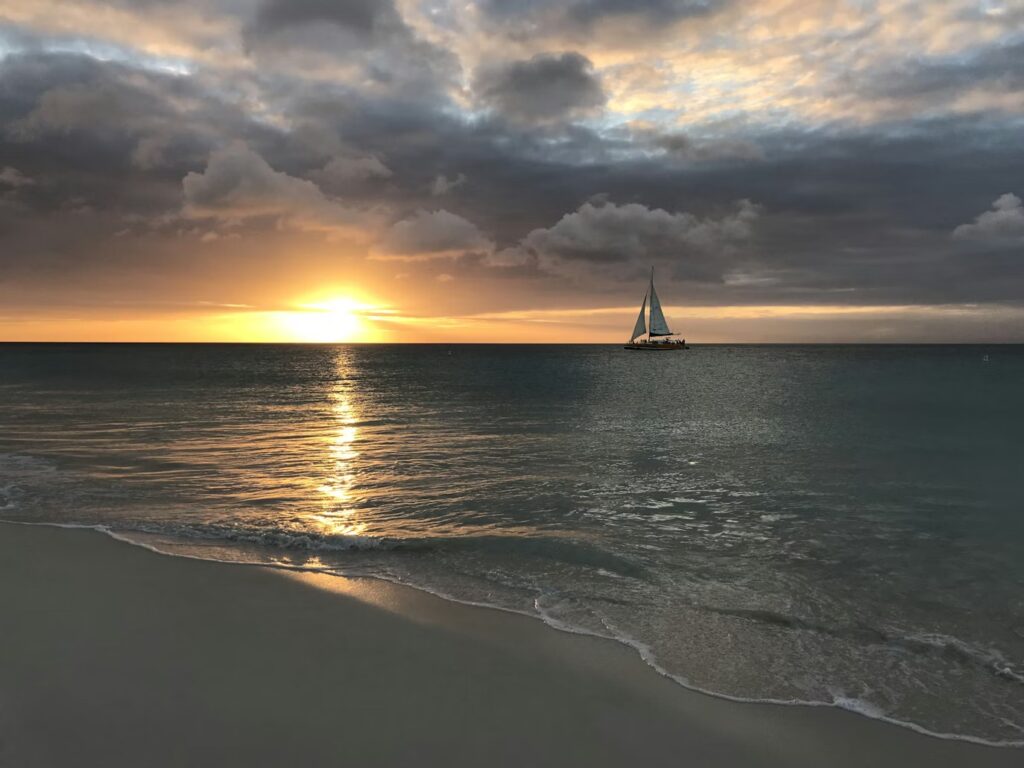
Aruba is completely outside the Atlantic hurricane belt, making it one of the safest Caribbean islands for travelers seeking stability and peace of mind. It holds a U.S. State Department Level 1 designation, reflecting its low crime rate and reliable infrastructure. The island also features one of the world’s most advanced desalination plants, producing high-quality potable water, which residents and visitors can drink directly from the tap without concern.

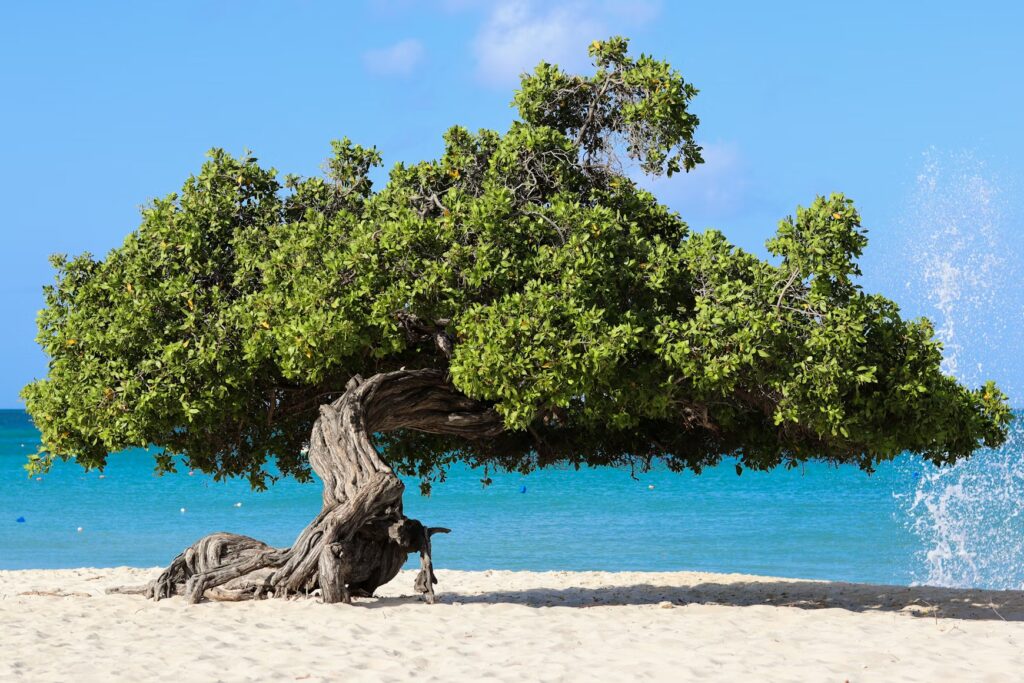
Eagle Beach is Aruba’s signature shoreline, famous for its wide stretch of soft, white sand and iconic Fofoti trees that rise dramatically along the coastline, creating perfect photo opportunities. Visitors can relax in shallow, calm waters, ideal for families and swimmers of all skill levels. Arikok National Park covers roughly 20% of the island and offers a starkly beautiful desert-like landscape, dotted with caves, ancient Arawak Indian petroglyphs, and unique wildlife such as the Aruban whiptail lizard and native birds, making it a natural playground for hiking and eco-tourism enthusiasts.
3-Day Detailed Itinerary:
- Day 1: Wade and swim in the clear, shallow waters of Eagle Beach while capturing photos of the iconic Fofoti trees; relax under umbrellas with local snacks.
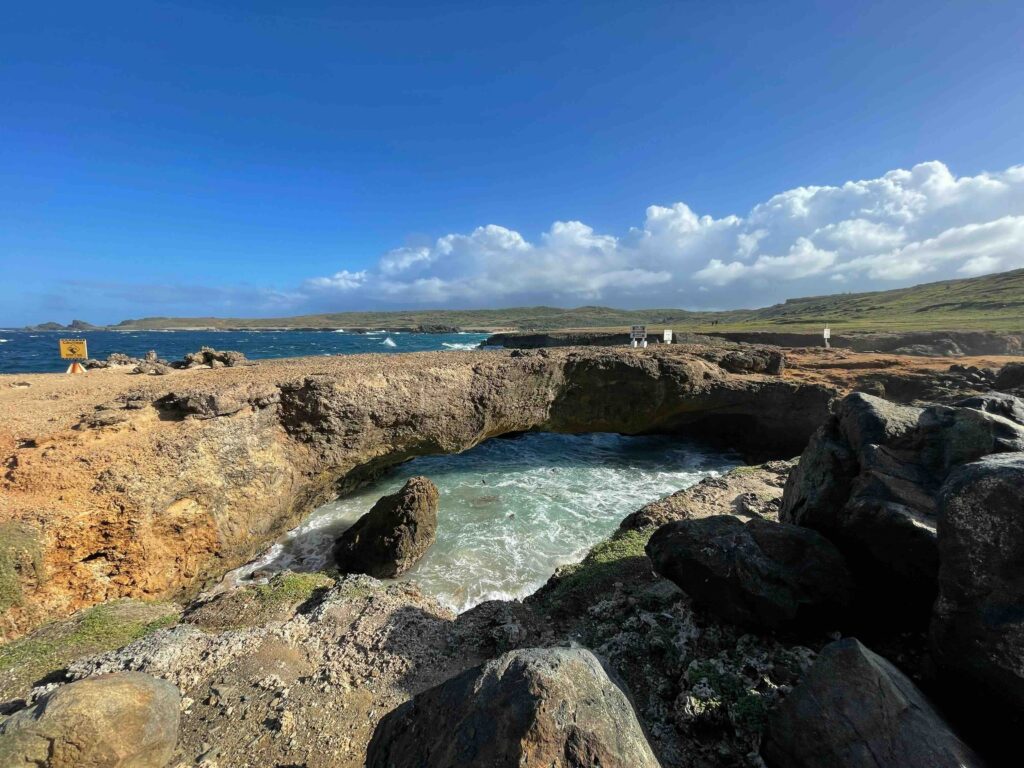
- Day 2: Rent a Jeep to tour the Conchi Natural Pool, a unique rock-enclosed lagoon perfect for swimming and snorkeling in calm waters; explore surrounding desert landscapes and observe iguanas and seabirds.
- Day 3: Visit Renaissance Private Beach to view and photograph the resident flamingos; enjoy a guided nature walk and casual beach picnic.
2. Bonaire – The Diver’s Protected Sanctuary
Bonaire enjoys a Level 1 safety rating and sits completely outside the hurricane belt, virtually eliminating severe storm risk. The waters surrounding the island are strictly protected by national law, making it one of the safest Caribbean islands for both underwater exploration and maritime travel. There is practically no crime along the beaches or in coastal waters, providing peace of mind for snorkelers, divers, and families.


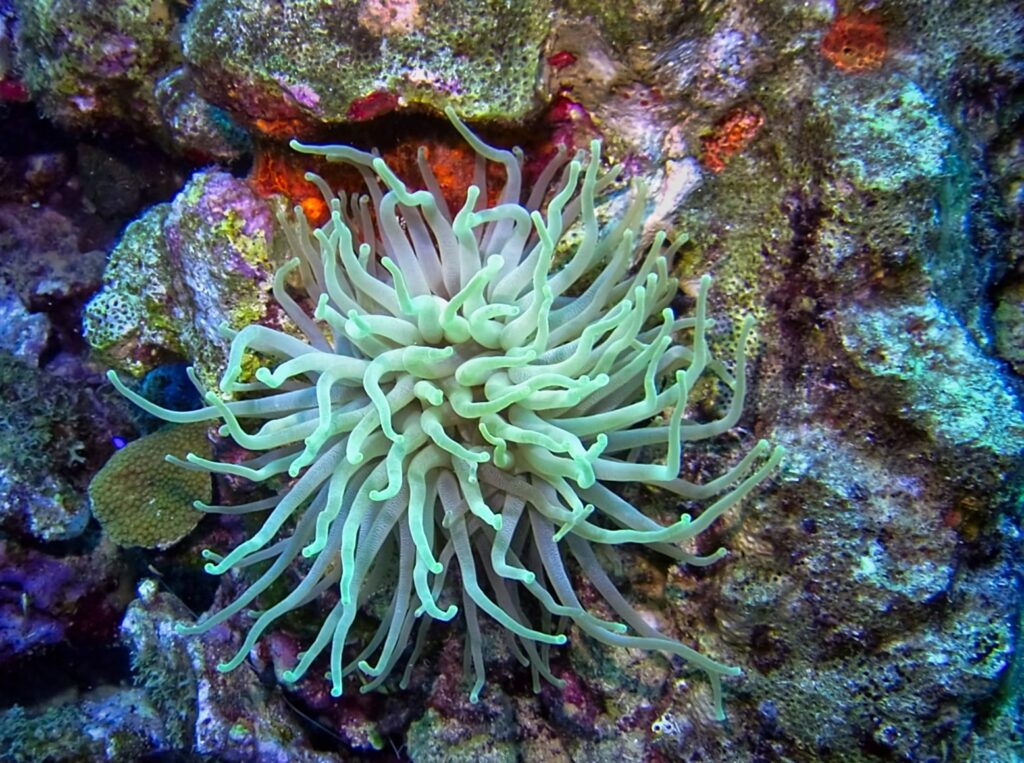
Washington Slagbaai National Park is a sprawling reserve that covers nearly one-third of the island, featuring rugged cliffs, salt flats, dry forests, and pristine beaches. Visitors can hike well-marked trails to see flamingos, iguanas, and exotic cacti. Klein Bonaire is an uninhabited satellite island accessible by water taxi, offering virtually untouched coral reefs and sandbars, ideal for snorkeling and observing vibrant marine life in clear, shallow waters.
3-Day Detailed Itinerary:
- Day 1: Take a water taxi to Klein Bonaire for snorkeling over the coral reefs; swim in calm shallow waters while spotting tropical fish and rays.
- Day 2: Drive or cycle through the vivid pink salt pans, observing flamingos and local bird species; stop at designated viewpoints for photography.
- Day 3: Spend a full day exploring Washington Slagbaai National Park; hike moderate trails, visit secluded coves, and observe wildlife such as iguanas, goats, and tropical birds.
3. Curaçao – The European Safe Fortress
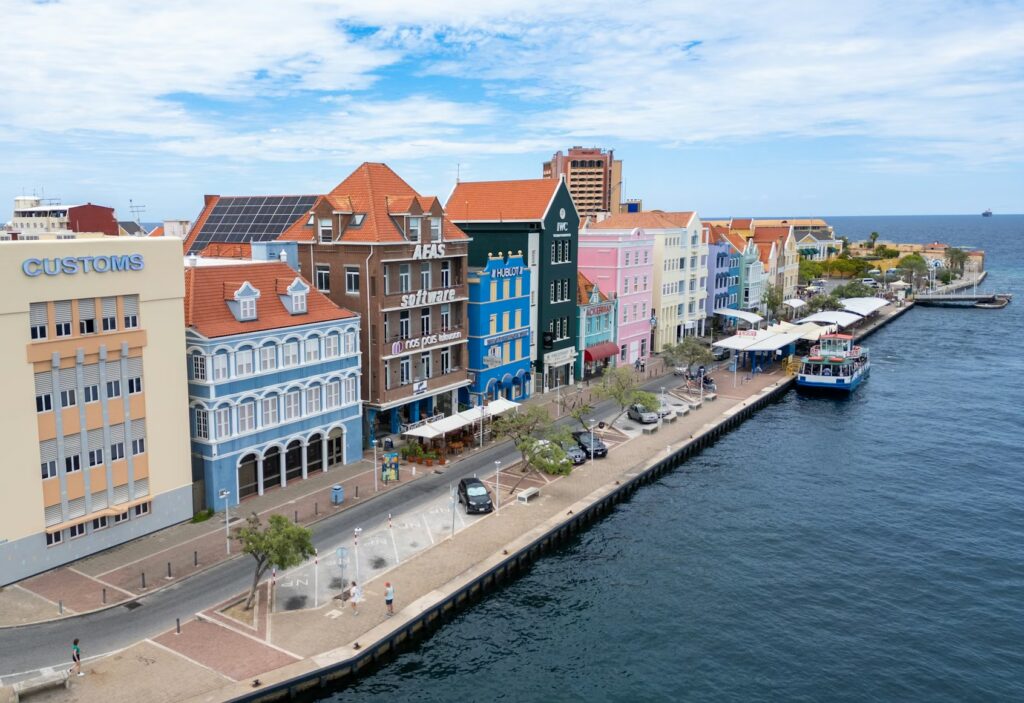
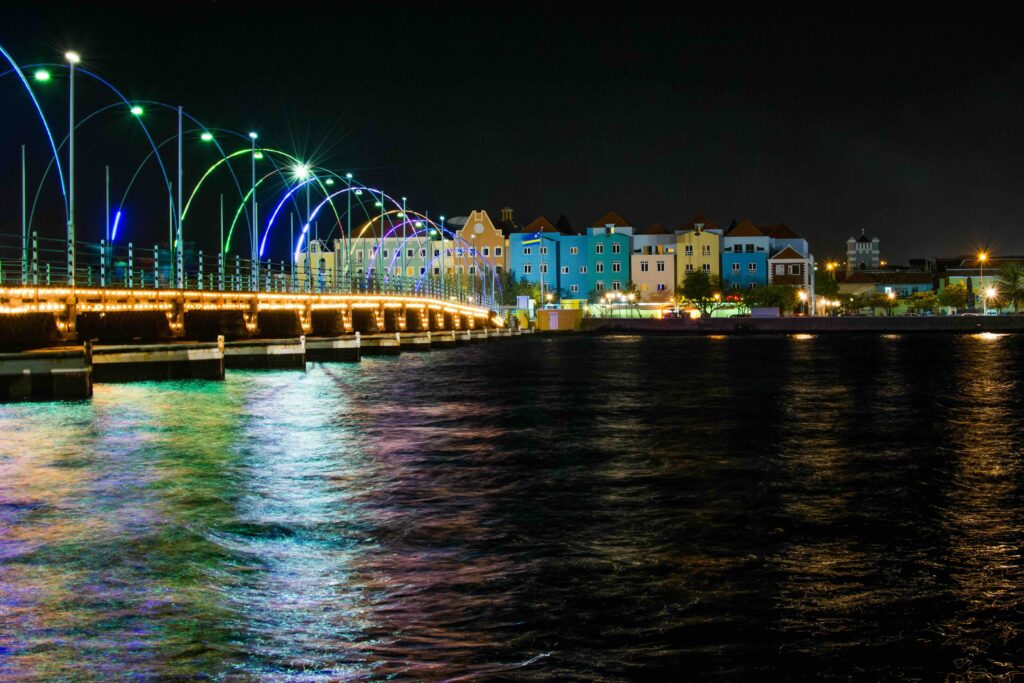
Curaçao operates under Dutch-standard infrastructure and governance, providing high levels of security and reliable public services. It has a U.S. State Department Level 1 safety designation and boasts modern healthcare facilities, including the Curaçao Medical Center, which ranks among the best in the Caribbean region. Crime is low, especially in tourist areas, and public amenities are maintained to European standards.

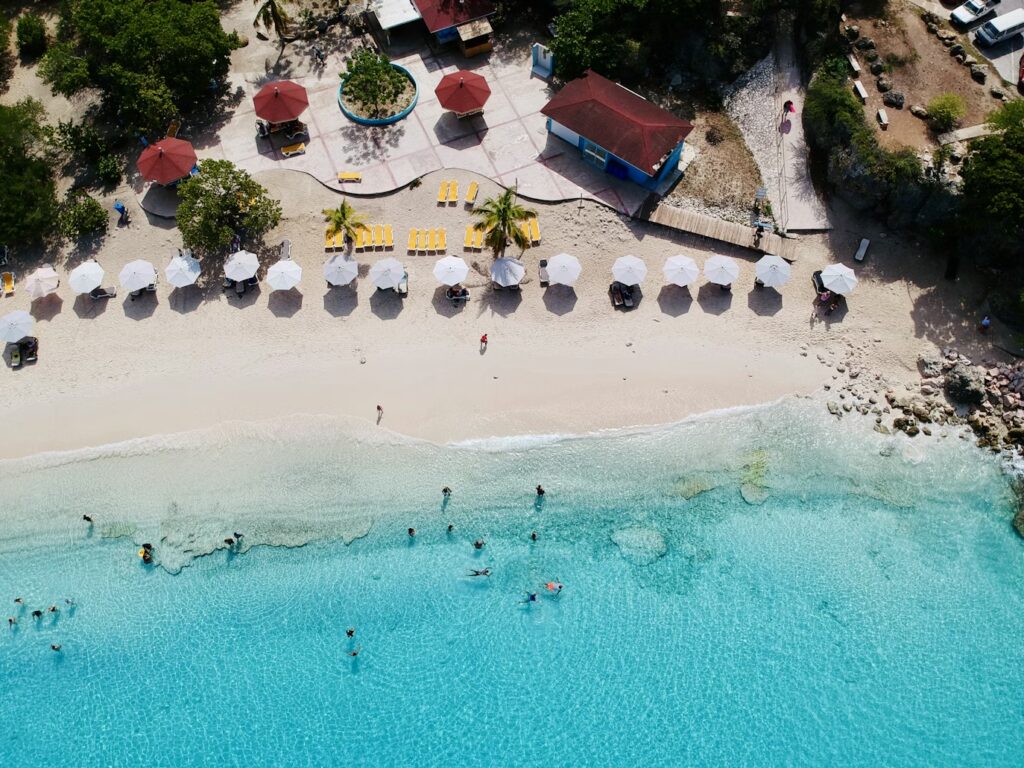
Willemstad, the capital, is a UNESCO World Heritage site renowned for its colorful colonial architecture and historic floating Queen Emma Bridge. The city offers boutique shopping, museums, and vibrant waterfront dining. Grote Knip Beach, also known as Plage Kenepa Grandi, is a striking natural cove with turquoise waters, soft sand, and excellent snorkeling opportunities, providing a serene retreat for families and travelers seeking calm, safe beaches. Playa Grandi is another must-visit, famous for turtles that swim close to shore, ideal for safe and engaging snorkeling experiences.
3-Day Detailed Itinerary:
- Day 1: Walk across the Queen Emma floating bridge to explore Willemstad’s historic district, photographing the colorful Dutch facades; stop for local cuisine at waterfront cafés.
- Day 2: Snorkel at Playa Grandi among natural sea turtles; enjoy calm waters and observe marine life with minimal current.
- Day 3: Relax at Grote Knip Beach, swim in the protected cove, and picnic on the sand while enjoying the scenic cliffs and calm, clear waters.
The Luxury & Expat Standards – High Healthcare and Security Levels
4. Grand Cayman – The Effortless Escape
Grand Cayman is known for its exceptionally low violent crime rate, virtually approaching zero. The island’s infrastructure mirrors that of Florida, featuring smooth paved roads, reliable utilities, and modern services. The high standard of living, combined with strict law enforcement, ensures that families, couples, and solo travelers can explore the island with confidence.

Seven Mile Beach stretches along the western coast and offers soft, white sand with calm, turquoise waters, ideal for swimming, snorkeling, and leisurely walks. Stingray City is a shallow sandbar where visitors can safely interact with friendly southern stingrays under the guidance of experienced staff. The Cayman Turtle Centre provides both an educational and recreational experience, allowing visitors to see, feed, and learn about endangered sea turtles in a controlled, safe environment.

3-Day Detailed Itinerary:
- Day 1: Relax completely on Seven Mile Beach, enjoying sunbathing, shallow swims, and sunset views.
- Day 2: Take a guided boat trip to Stingray City; children and adults can interact with stingrays safely in calm waters.
- Day 3: Explore the Cayman Turtle Centre, including turtle feeding, conservation exhibits, and a gentle walk through surrounding gardens.
5. Anguilla – The Unspoiled Sanctuary


Anguilla maintains a U.S. State Department Level 1 rating and implements strict visitor controls, prohibiting mass cruise ship docking to limit congestion. This ensures a serene, low-risk environment, with minimal crime and well-monitored public spaces. The island’s quiet atmosphere contributes to a highly secure and peaceful experience.
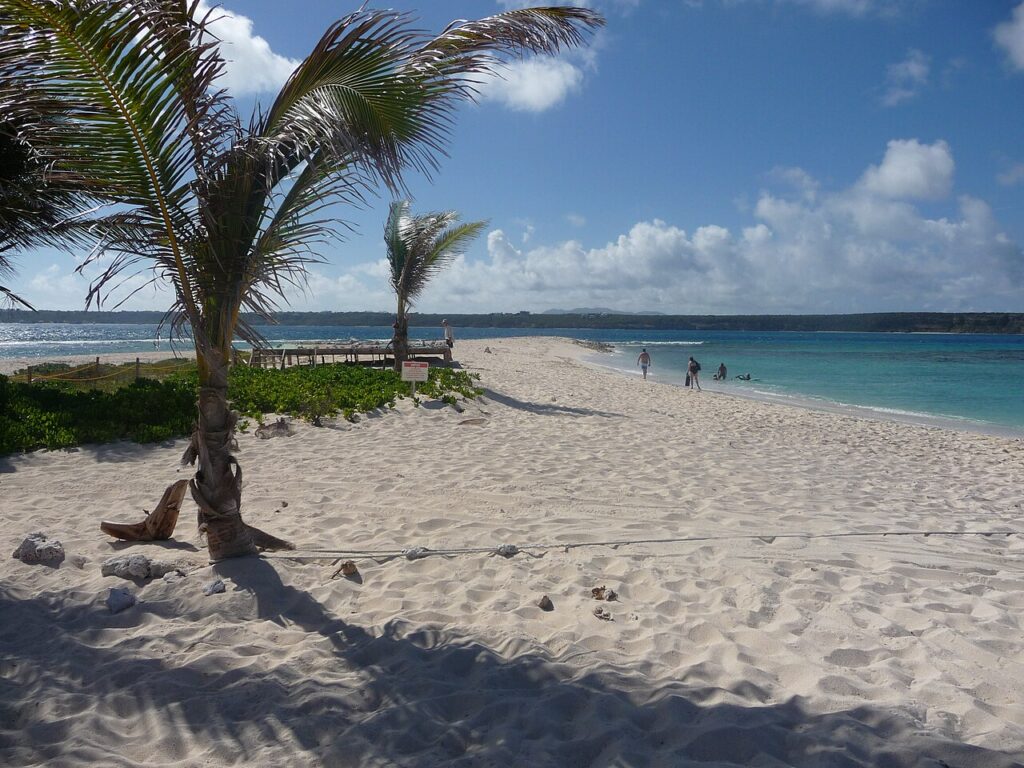
Shoal Bay East is famous for its pinkish-white sand, shallow waters, and gentle surf, offering safe swimming and snorkeling. Meads Bay features high-end resorts and fine-dining restaurants where guests can enjoy world-class cuisine in a tranquil setting. Sandy Island, a small nearby cay, provides a secluded beach experience and opportunities for private picnics and snorkeling in protected waters.
3-Day Detailed Itinerary:
- Day 1: Sunbathe and swim at Shoal Bay East; stroll along the shoreline capturing panoramic ocean views.
- Day 2: Enjoy a relaxed lunch or dinner at Meads Bay’s fine-dining restaurants; walk along the calm beachfront.
- Day 3: Rent a small boat or join a guided trip to Sandy Island for a seafood picnic and snorkeling in pristine waters.
6. St. Barts (Saint Barthélemy) – The Billionaire’s Safe Haven
St. Barts is inherently secure due to its high cost of travel and accommodation, which naturally limits crowds. Crime is virtually nonexistent, and the French-administered island provides healthcare and law enforcement at the highest European standards. Visitors benefit from tightly regulated infrastructure and emergency services.

Gustavia Harbor is the heart of the island, where luxury yachts and designer boutiques line the waterfront. Saline Beach (Anse de Grande Saline) is a remote, unspoiled cove offering crystal-clear waters and soft sand for safe swimming and sunbathing. The island’s roads and traffic regulations make exploring by car a safe and scenic experience.

3-Day Detailed Itinerary:
- Day 1: Drive a convertible or small car around the island, enjoying panoramic views and coastal scenery.
- Day 2: Stroll and shop at Gustavia Harbor, admiring luxury yachts and high-end boutiques.
- Day 3: Walk or swim at Saline Beach, taking in the secluded beauty and tranquil waters.
7. Martinique – The French Safety Net


Martinique is a French overseas territory, using the Euro and following European Union standards for public healthcare, safety, and infrastructure. The island is classified as safe for travelers, with reliable medical services, low crime, and well-maintained roads, ensuring a secure environment for families, couples, and solo visitors.

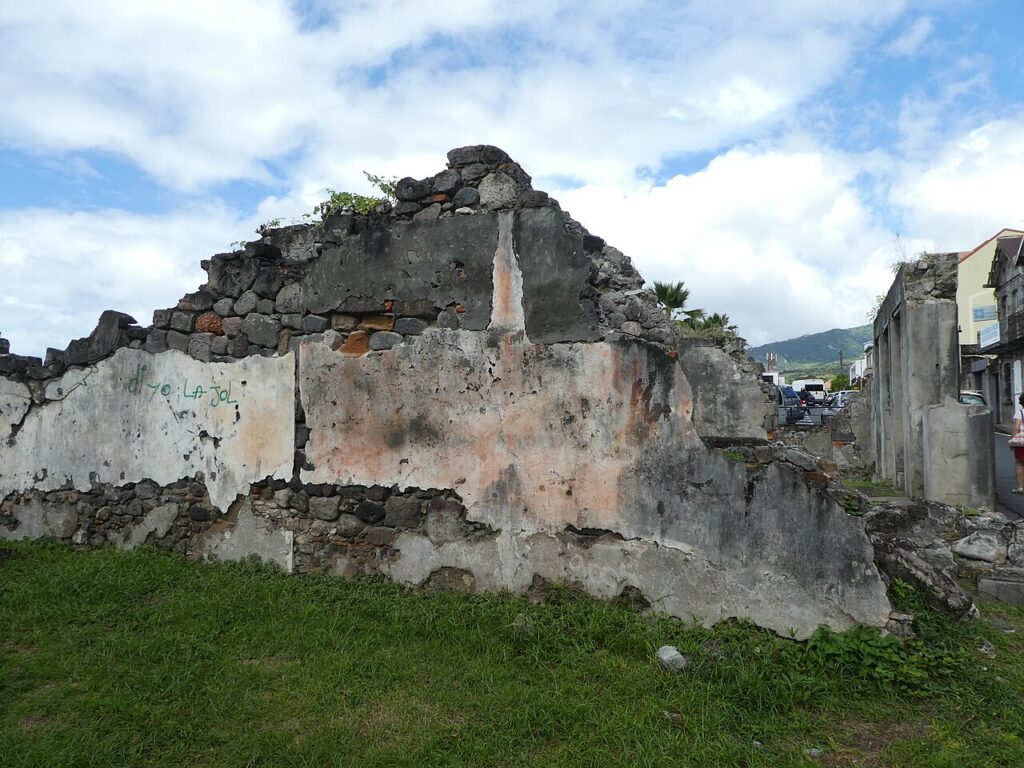
Mount Pelée is a volcano with hiking trails that offer panoramic views of northern Martinique and opportunities to observe volcanic landscapes safely. Les Salines Beach is a wide, white sand beach with gentle surf, ideal for families and leisurely swimming. Jardin de Balata is a botanical garden featuring a collection of tropical plants, bridges, and walking paths for safe exploration. St. Pierre, the historic town destroyed in 1902, offers museums and guided tours that are both educational and secure.
3-Day Detailed Itinerary:
- Day 1: Relax on the sands of Les Salines Beach, swim in calm waters, and enjoy the tropical scenery.
- Day 2: Explore Jardin de Balata, walking along elevated pathways and enjoying the flora and fauna.
- Day 3: Visit Mount Pelée and the town of St. Pierre, exploring the volcano trails and historical sites safely with guided tours.
The Nature Protected Zones – Safe Exploration of Caribbean Nature
8. Montserrat – The Zero-Crime Volcano Island

Montserrat has been carefully zoned for safety following historical volcanic eruptions, ensuring that populated and tourist areas are secure. The island’s small population contributes to virtually zero violent crime, making it one of the safest Caribbean destinations for nature-focused exploration.

The Montserrat Volcano Observatory provides a secure environment to learn about volcanic activity while enjoying panoramic views of the surrounding terrain. Rendezvous Bay offers pristine, calm waters perfect for snorkeling and swimming in a virtually untouched natural setting. Plymouth, the former capital destroyed by volcanic eruption, is now a guided-access “ghost town” offering historical insights without compromising safety.
3-Day Detailed Itinerary:
- Day 1: Visit the Montserrat Volcano Observatory to observe monitoring stations and learn about the island’s volcanic history.
- Day 2: Snorkel and swim in the protected waters of Rendezvous Bay, enjoying the untouched coral reefs and shallow coves.
- Day 3: Explore Plymouth under the guidance of licensed local tour guides, learning about the town’s history and volcanic transformation.
9. Grenada – The Authentic “Spice Isle”
Grenada lies on the southern edge of the hurricane belt, rarely experiencing direct impacts. The local population is known for friendliness and honesty, creating a secure environment for travelers interested in cultural and natural experiences. The island maintains a Level 1 safety rating for U.S. travelers.

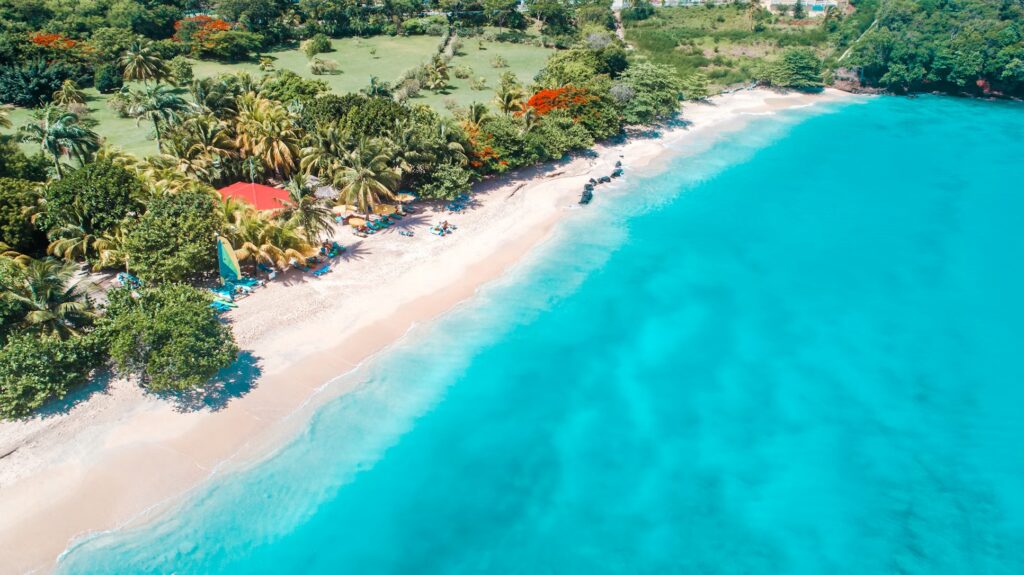
The Underwater Sculpture Park near Moliniere Bay features over 80 submerged sculptures, providing a unique snorkeling and diving experience. Grand Anse Beach is a long stretch of white sand with gentle waves, ideal for swimming, sunbathing, and beachside activities. Nutmeg plantations and Annandale Falls offer an authentic glimpse into Grenada’s agricultural heritage and scenic beauty.

3-Day Detailed Itinerary:
- Day 1: Swim and relax at Grand Anse Beach, enjoying calm waters and shaded beach areas.
- Day 2: Snorkel among the sculptures at the Underwater Sculpture Park, observing marine life interacting with the art.
- Day 3: Tour nutmeg plantations and visit Annandale Falls, walking scenic trails and learning about local flora.
10. Barbados – The Independent Safe Outpost
Barbados sits well outside the main Atlantic hurricane paths and operates a safe and reliable public bus system. The island is Level 1 rated for U.S. travelers, providing low crime rates and secure infrastructure.
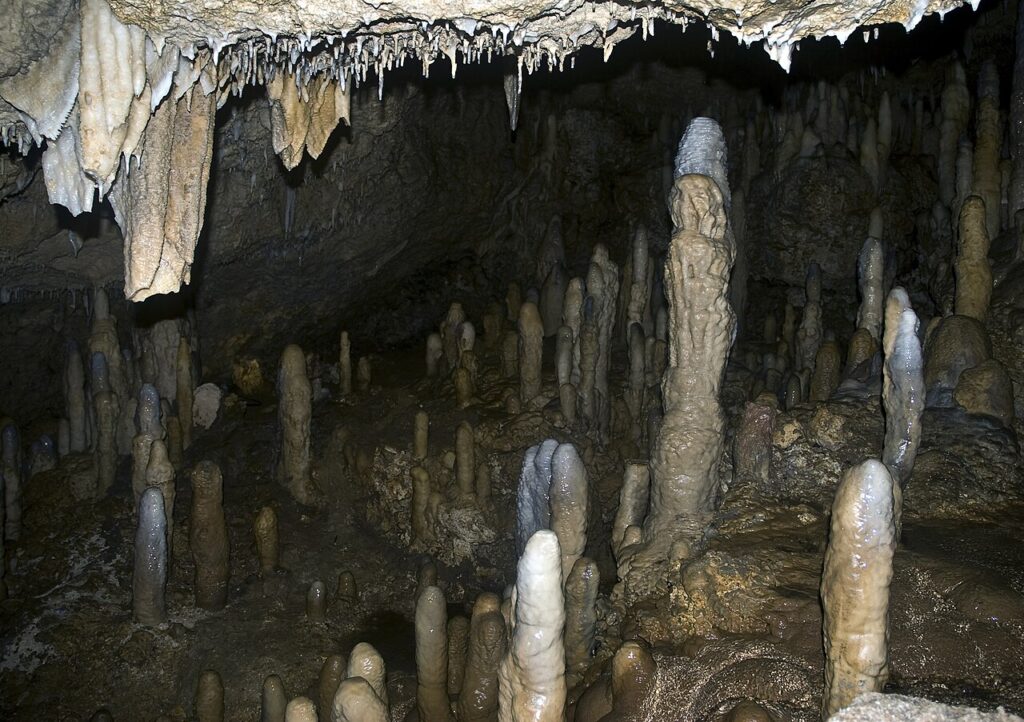
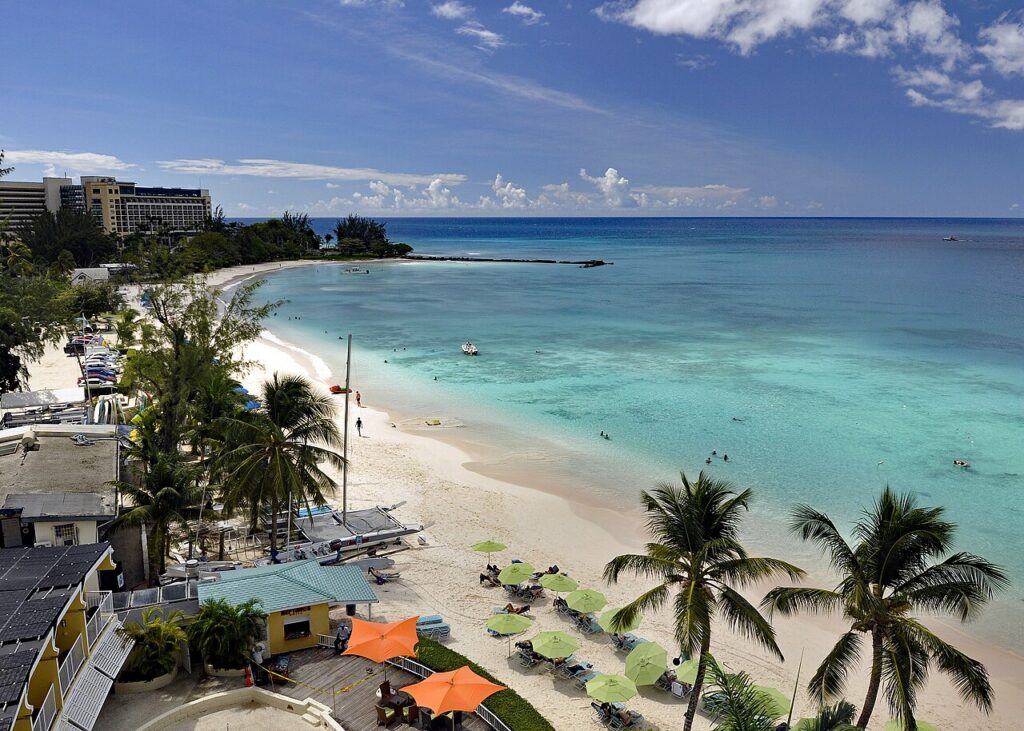
Harrison’s Cave is a limestone cavern system featuring stalactites, stalagmites, and underground streams, accessible via tram tours. Carlisle Bay is a protected bay where sea turtles swim close to shore, offering safe snorkeling and family-friendly swimming. Oistins Fish Fry is a weekend cultural event combining local cuisine, music, and community atmosphere in a secure setting.
3-Day Detailed Itinerary:
- Day 1: Swim with wild sea turtles at Carlisle Bay, exploring calm, shallow waters suitable for all ages.
- Day 2: Take the tram through Harrison’s Cave, observing geological formations and underground streams.
- Day 3: Attend Oistins Fish Fry, sampling local seafood and enjoying music in a safe and lively environment.
11. Antigua & Barbuda – The Guarded Beach Enclaves
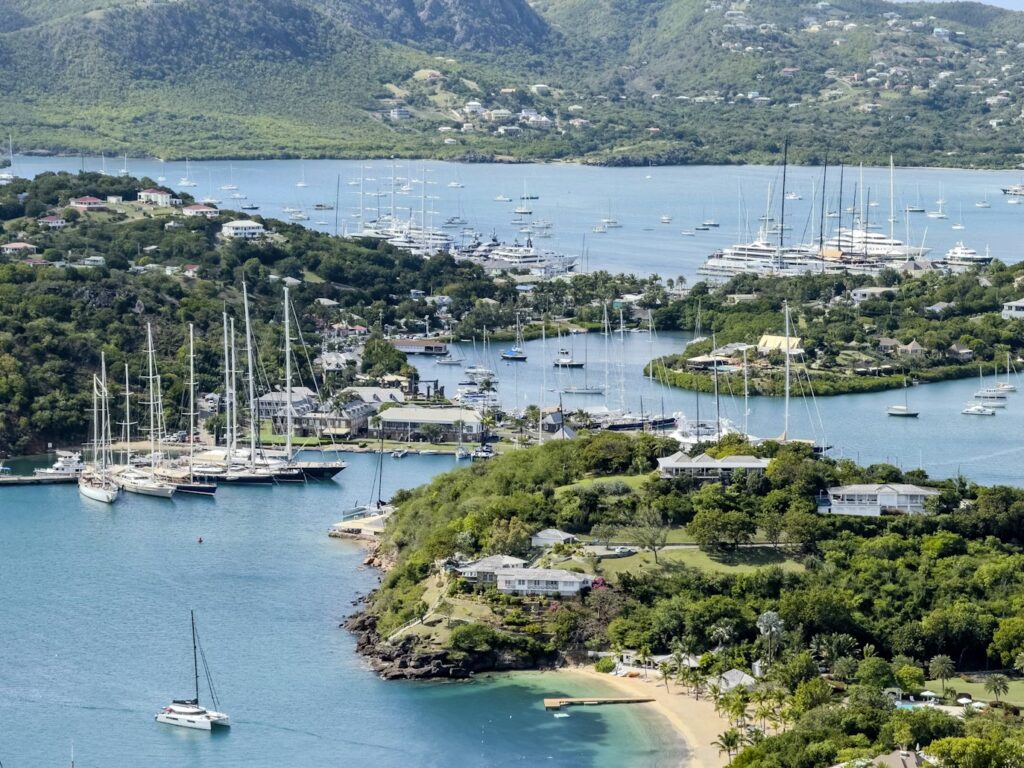
Antigua and Barbuda maintain Level 1 safety with multiple 24/7 secured resort clusters. Many of the 365 beaches are natural coves shielded from strong waves, ensuring safe swimming and family-friendly conditions.
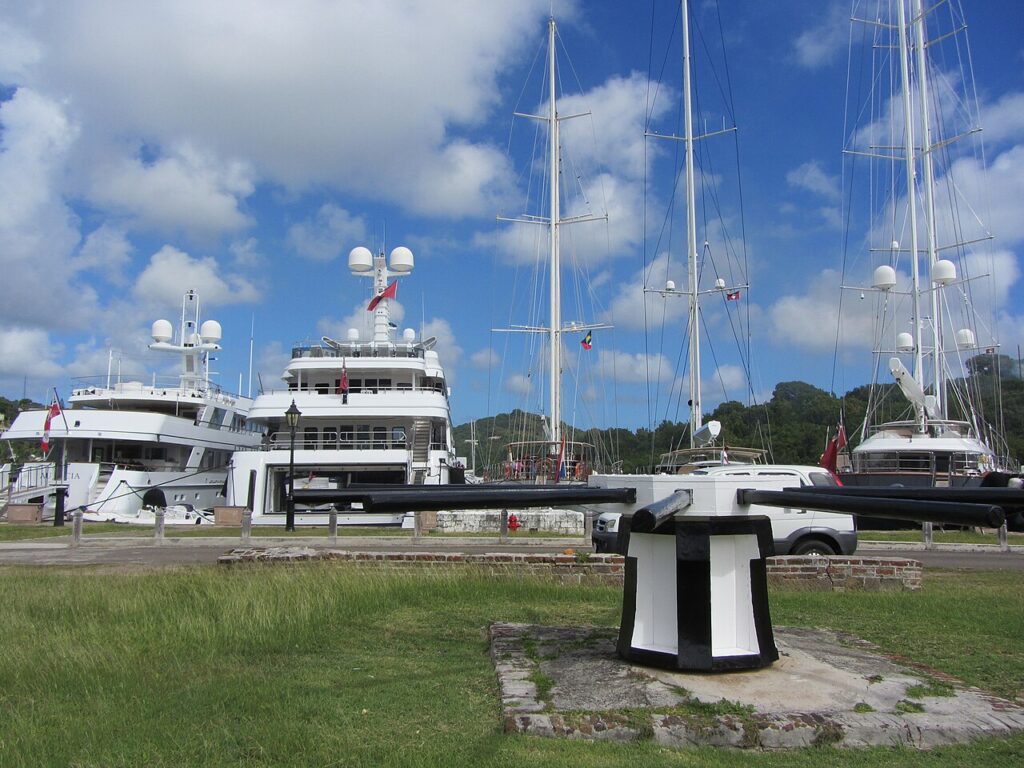
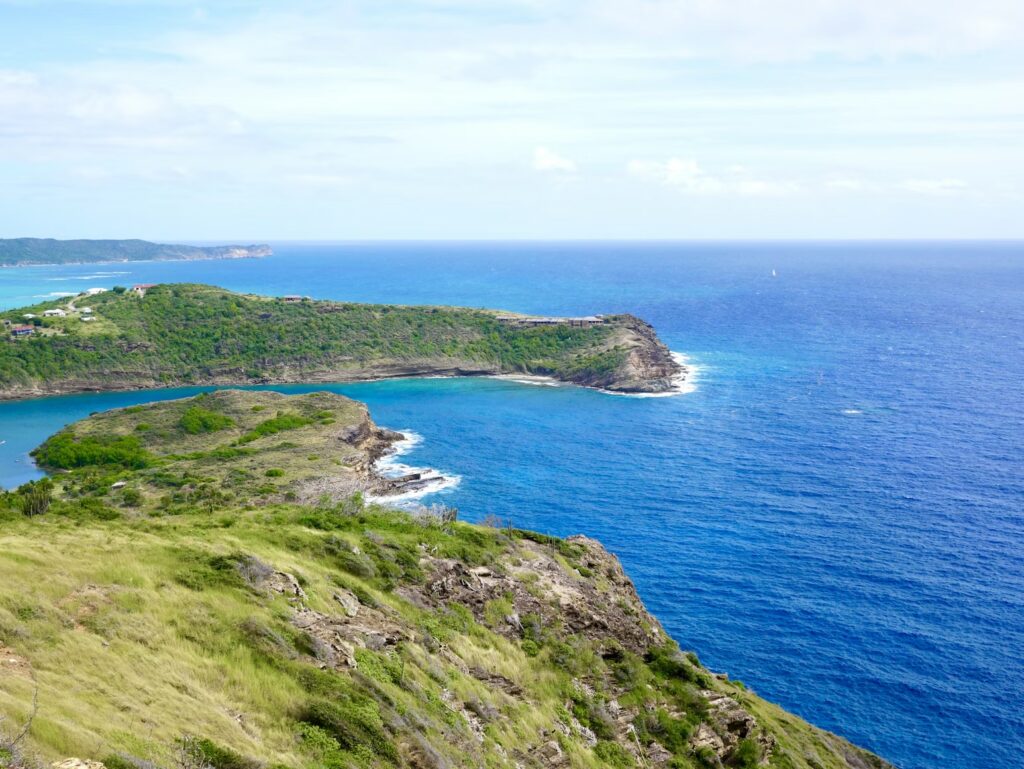
Nelson’s Dockyard is a UNESCO World Heritage site featuring restored Georgian naval buildings and maritime exhibits. Shirley Heights offers panoramic viewpoints with structured terraces where visitors can enjoy sunset views and occasional live music performances. Dickenson Bay provides long stretches of calm white sand with shallow water for swimming and snorkeling.
3-Day Detailed Itinerary:
- Day 1: Relax and swim at Dickenson Bay, enjoying shallow waters and safe beach zones.
- Day 2: Tour Nelson’s Dockyard, exploring historical naval architecture and museum exhibits.
- Day 3: Visit Shirley Heights for sunset views and live music, enjoying the secure viewing terraces.
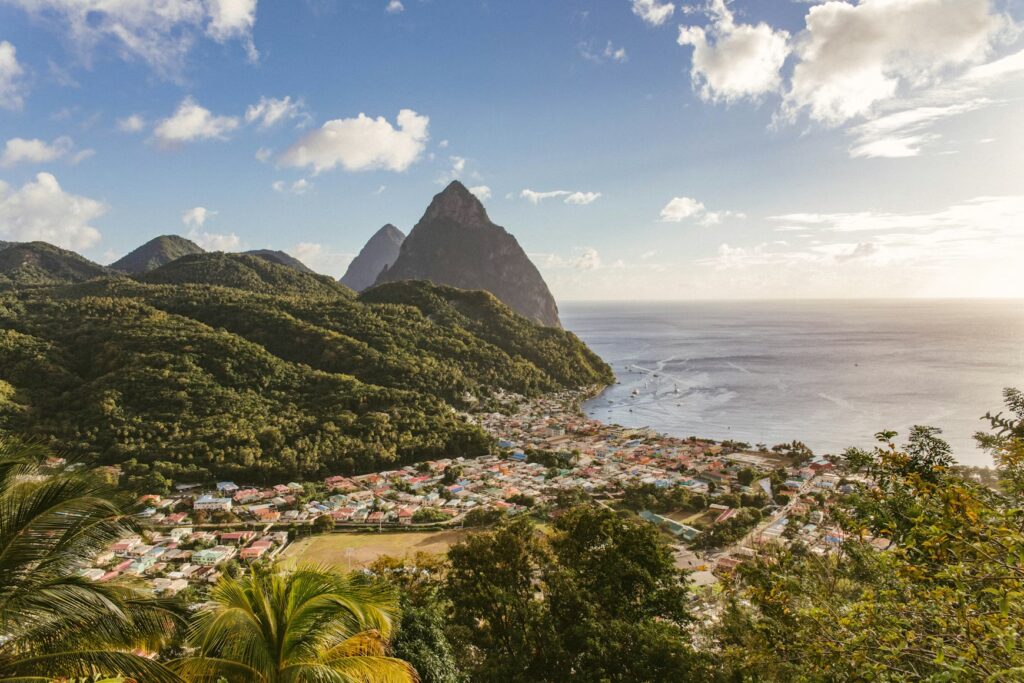
12. St. Lucia – The Secure Honeymoon Retreat
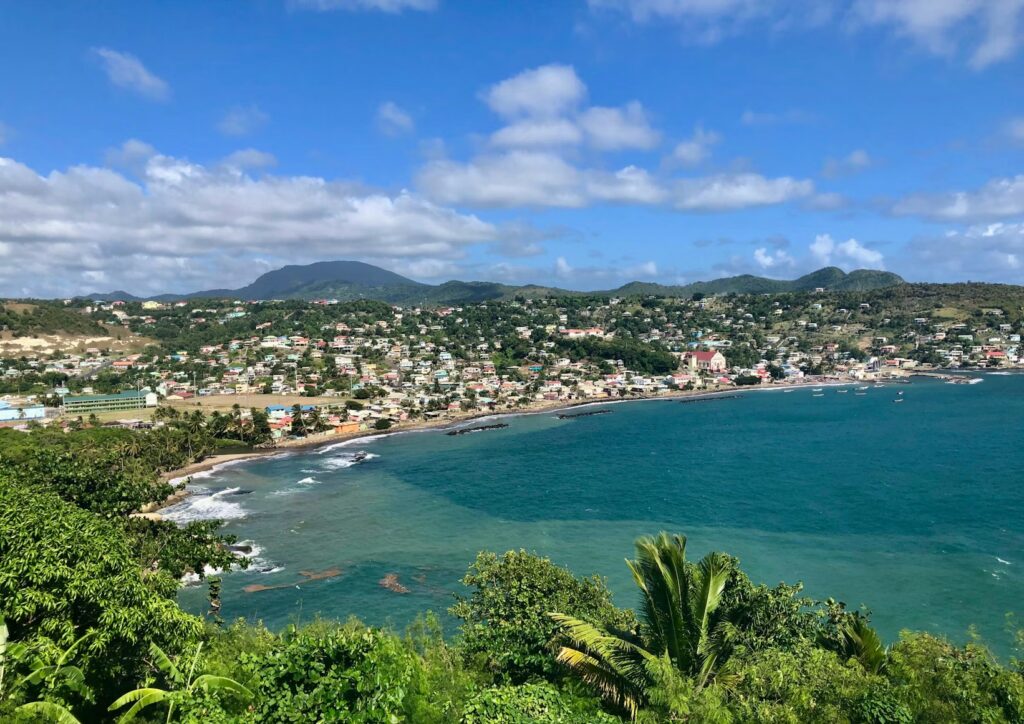
St. Lucia’s main tourist hubs, including Soufrière and Rodney Bay, are highly monitored and considered extremely safe, particularly when exploring with licensed tour operators. The island has a Level 1 safety designation for U.S. visitors.
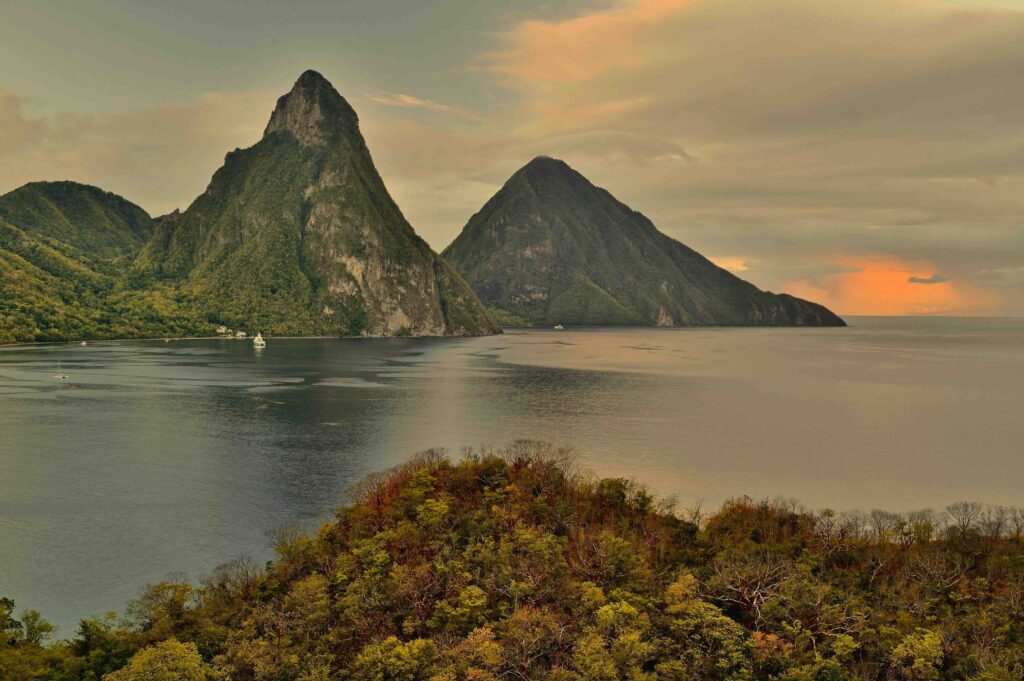
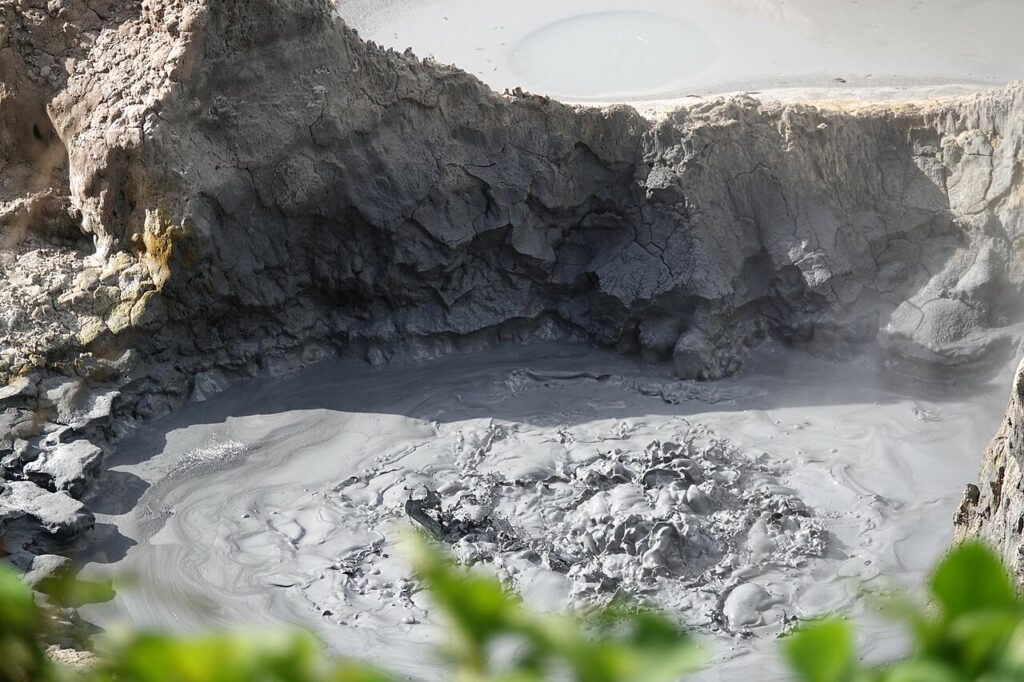
The Pitons, two striking volcanic peaks, are iconic for both adventure hiking and scenic photography. Sulphur Springs is a geothermal area offering mud baths and hot springs, safely accessible to visitors. Diamond Botanical Gardens feature exotic plants, walking paths, and cascading waterfalls, providing a secure environment for family exploration.
3-Day Detailed Itinerary:
- Day 1: Relax at Sugar Beach, situated between the Pitons, with calm waters and scenic views.
- Day 2: Enjoy a volcanic mud bath at Sulphur Springs, followed by gentle hiking trails.
- Day 3: Explore Diamond Botanical Gardens, walking trails, bridges, and waterfalls while learning about native plant species.
The Sailing & Secluded Safe Spots – Secure and Off-the-Grid Islands
13. British Virgin Islands (BVI) – The Sailor’s Safe Harbor
The BVI are classified as Level 1 for safety, making them a haven for sailors and travelers alike. Violent crime on land is extremely low, and maritime security is rigorously maintained by an efficient Coast Guard. The islands’ controlled access and small population ensure a safe environment both onshore and offshore.


The Baths on Virgin Gorda feature dramatic granite boulders forming natural pools, caves, and walkways along turquoise waters, creating a unique playground for exploration and photography. Jost Van Dyke offers intimate beaches, secluded coves, and lively local beach bars with friendly staff, combining natural beauty with secure leisure activities.

3-Day Detailed Itinerary:
- Day 1: Wade and explore the maze of granite boulders at The Baths; photograph hidden grottoes and natural pools.
- Day 2: Rent a sailing boat to navigate surrounding islets, stopping at remote coves for snorkeling and swimming.
- Day 3: Relax at the Soggy Dollar Bar on Jost Van Dyke, enjoying cocktails or soft drinks in a safe, family-friendly beach environment.
14. St. Vincent & The Grenadines – The Off-Grid Safety
With minimal commercial airline traffic and small settlements, these islands maintain their pristine and secure nature. Level 1 safety rating ensures that travelers can explore without the typical hazards associated with heavily touristed locations, making it ideal for families and adventure seekers who value tranquility and remoteness.
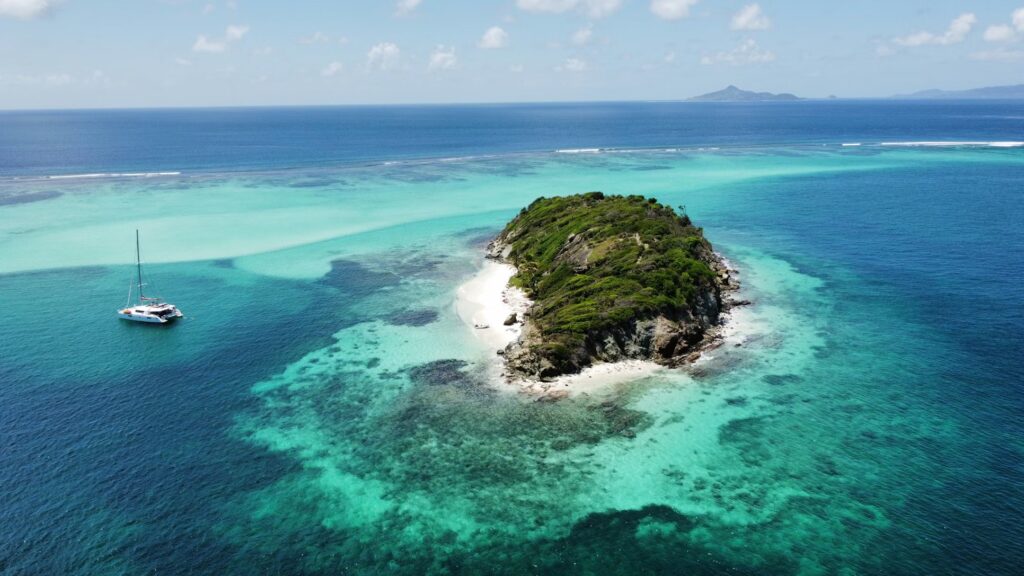
The Tobago Cays Marine Reserve is a protected area featuring crystal-clear waters, coral reefs, and abundant sea turtles, perfect for snorkeling and sailing. Bequia is a quiet island with pristine beaches, local culture, and small-scale amenities that prioritize safety and peaceful exploration.

3-Day Detailed Itinerary:
- Day 1: Explore Bequia, strolling along secluded beaches and visiting small local shops.
- Day 2: Sail on a catamaran around Tobago Cays, snorkeling among coral reefs and observing sea turtles in protected waters.
- Day 3: Swim and relax at Salt Whistle Bay, enjoying untouched sand and calm waters ideal for children and adults alike.
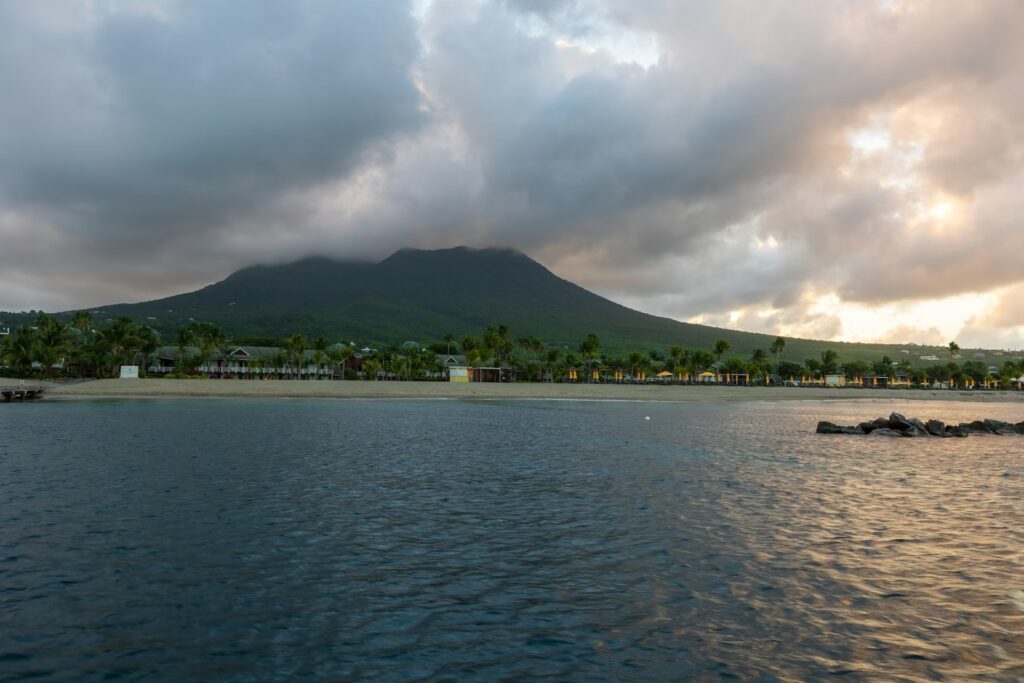
15. St. Kitts & Nevis – The Slow-Paced Sanctuary

St. Kitts and Nevis are Level 1 safe islands, with a relaxed pace and minimal crowding. Visitors can enjoy the islands without concerns of pickpocketing, congestion, or aggressive tourism pressures, allowing a stress-free environment for families and first-time visitors.

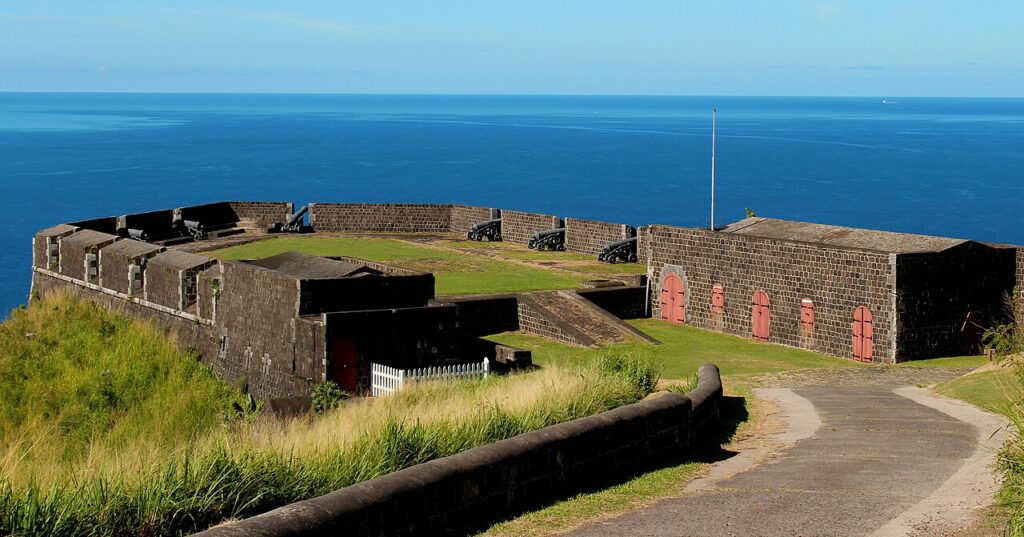
The St. Kitts Scenic Railway is a unique train experience offering panoramic views of lush landscapes and sugarcane fields. Brimstone Hill Fortress, a UNESCO World Heritage site, provides historical context and sweeping vistas of the island. Nevis, accessible by ferry, offers quiet beaches such as Pinney’s Beach, where tranquility and safety are guaranteed.
3-Day Detailed Itinerary:
- Day 1: Ride the St. Kitts Scenic Railway, taking in Caribbean landscapes and coastal views along this one-of-a-kind track.
- Day 2: Hike or tour Brimstone Hill Fortress, enjoying expansive views and learning about historical fortifications.
- Day 3: Ferry to Nevis and relax at Pinney’s Beach, swimming or sunbathing in a calm, secure environment.
The 2026 US Traveler’s Safety Toolkit
When planning your visit to the safest Caribbean islands to visit in 2026, taking proactive safety measures can ensure a relaxed and worry-free trip.
Step 1: Enroll in STEP
Before you fly, register for the U.S. State Department’s Smart Traveler Enrollment Program (STEP). This program delivers real-time alerts about security issues, weather hazards, or civil disturbances in your chosen destination. By enrolling, you can receive text or email notifications that allow you to adjust plans immediately, keeping your family safe and informed.
Step 2: Water and Food Precautions
Even though many islands such as Aruba and Grand Cayman provide safe tap water, it’s wise to secure travel insurance that includes medical evacuation coverage. This precaution protects against serious incidents, such as severe foodborne illnesses, allowing rapid transfer to a hospital if needed. Paying attention to what you eat and drink, while having coverage for emergencies, adds another layer of safety to your Caribbean experience.
Step 3: Avoid Hurricane Season
For trips scheduled between August and October, it’s prudent to narrow your choices to the ABC Islands (Aruba, Bonaire, Curaçao). These islands lie outside the hurricane belt and offer a stable climate, minimizing the risk of flight cancellations or disruptions. Planning around these safe zones ensures that your vacation remains uninterrupted, even during peak hurricane months.
Conclusion
The best islands in the Caribbean are not defined solely by turquoise waters or pristine beaches, but by the peace of mind they provide. Choosing destinations among the safest Caribbean islands to visit allows you to fully relax, immerse yourself in local culture, and enjoy family or personal time without looking over your shoulder.
For families traveling with children, see our guide: 10 Best Caribbean Islands for Families (Where Parents Actually Relax in 2026).
For travelers on a budget seeking safe yet affordable beaches, check out: 9 Cheapest Caribbean Islands to Visit: Stop Overpaying in 2026.